
Meet the Maker: The Artful Frames and Colour Stories of Poppy’s Studio
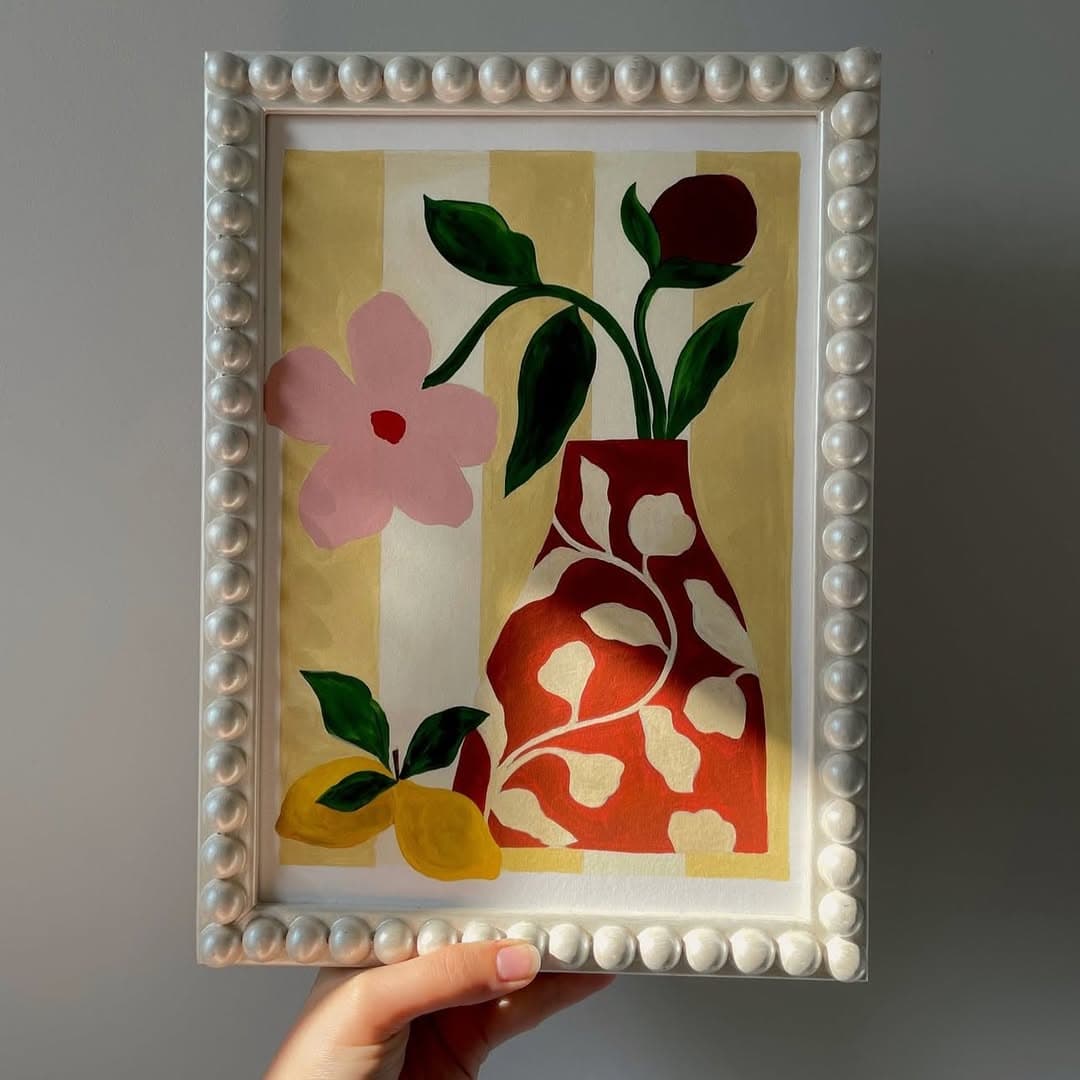
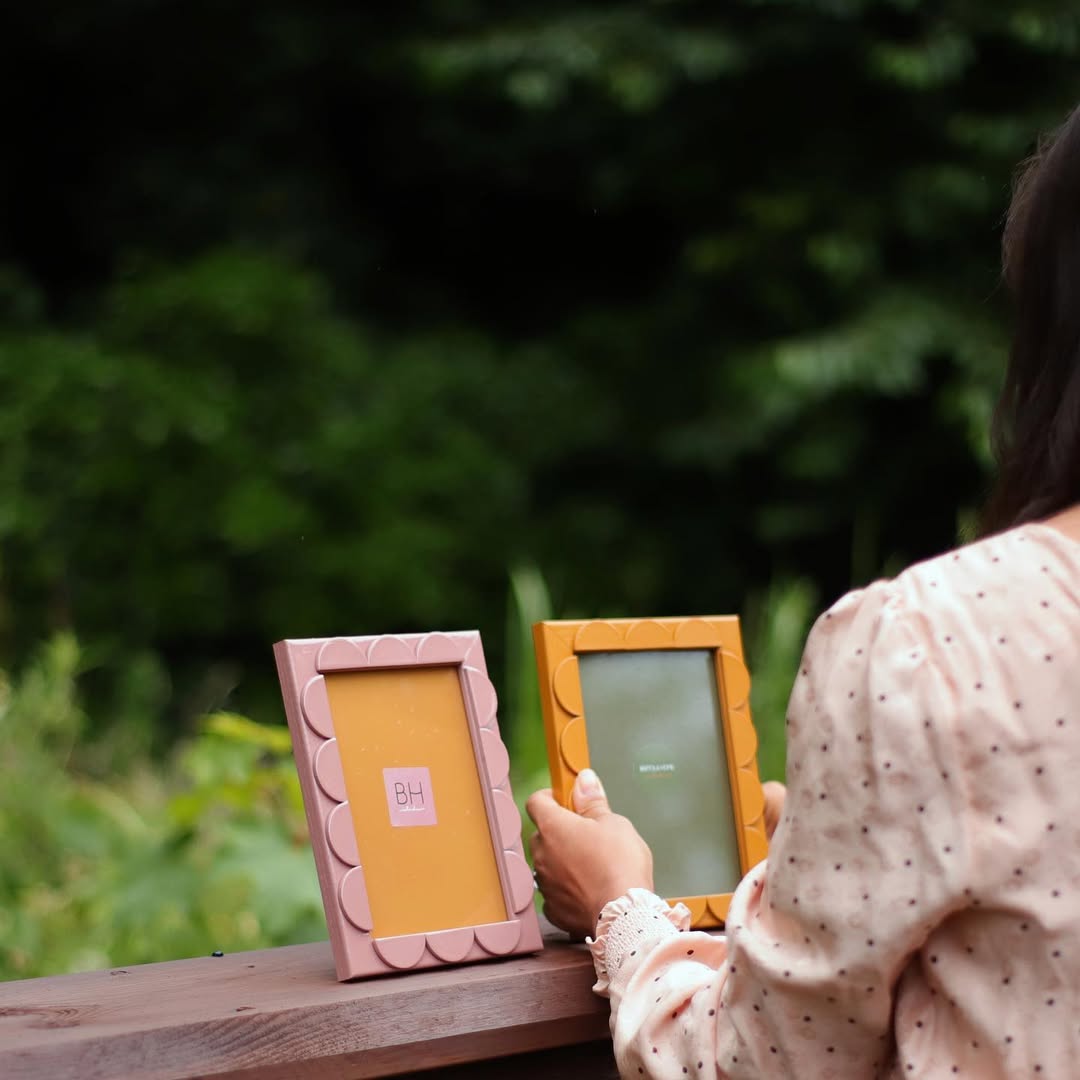
Working from her home studio, Poppy crafts distinctive picture frames that sit at the intersection of colour, craftsmanship, and emotional connection. With a background in Contemporary Art and a practice born during maternity leave in the stillness of the pandemic, she began by hand-building a single frame, an act that sparked a renewed sense of purpose. Each piece is meticulously made to order, combining traditional joinery, layered lacquer finishes, and carefully sourced materials. Guided by nature’s palette and a deep curiosity about how colour makes us feel, Poppy’s frames are both functional and expressive, designed to hold more than just what they display. Her work invites us to slow down, embrace beauty in the everyday, and surround ourselves with objects made with care.
1. Can you tell us a bit about yourself and your artistic journey?
I live and work in Yorkshire, in the north of England, with my husband and two young boys. My art journey began around 15 years ago when I pursued a contemporary art degree – some of my most carefree and creatively enriching days! During that time, I immersed myself into the world of colour, exploring both traditional and experimental painting techniques in a deeply intense way. Looking back, I can see how this experience has shaped the direction of my brand and continues to influence my design process to this day.
2. What inspired you to pursue your craft? Was there a defining moment or influence that sparked your passion?
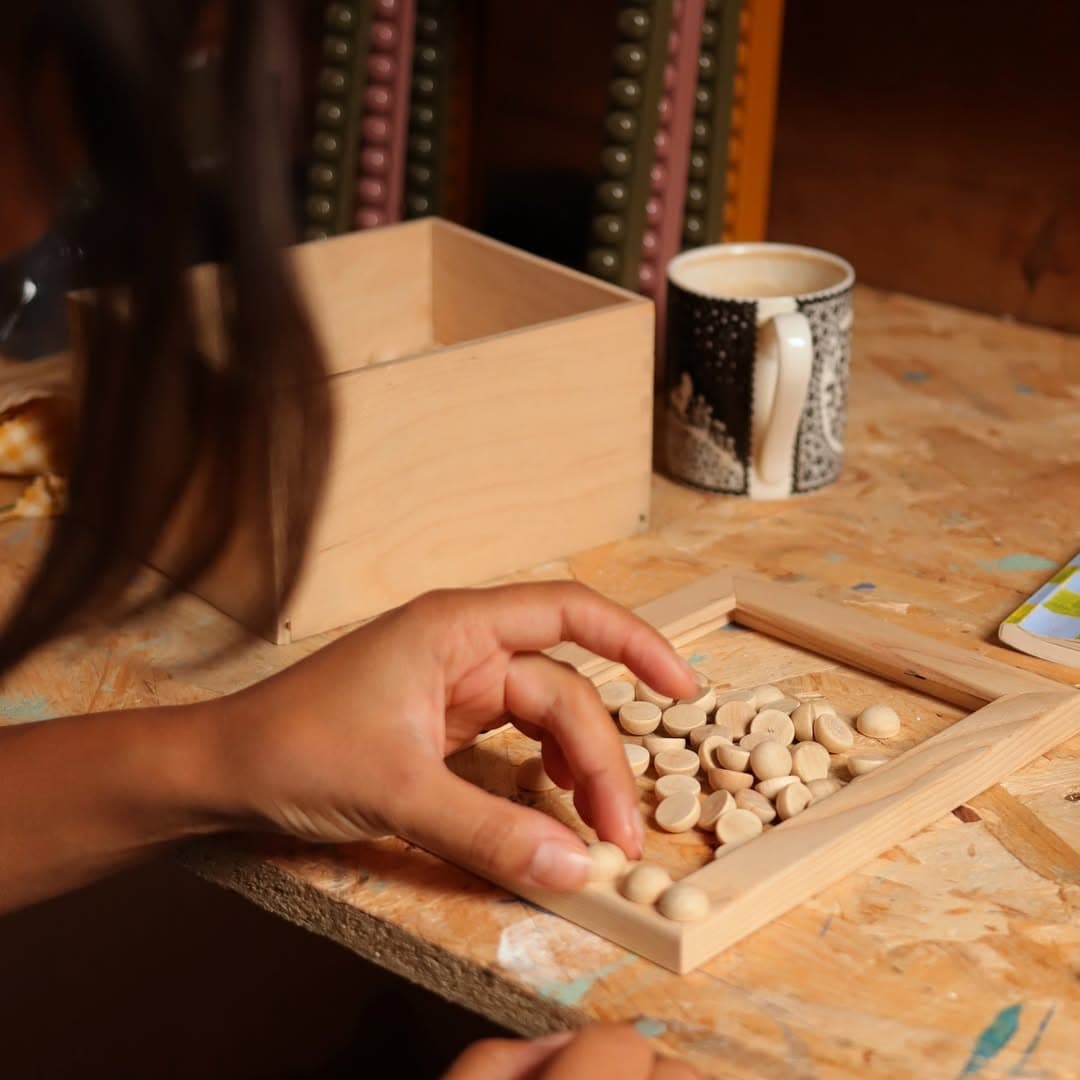
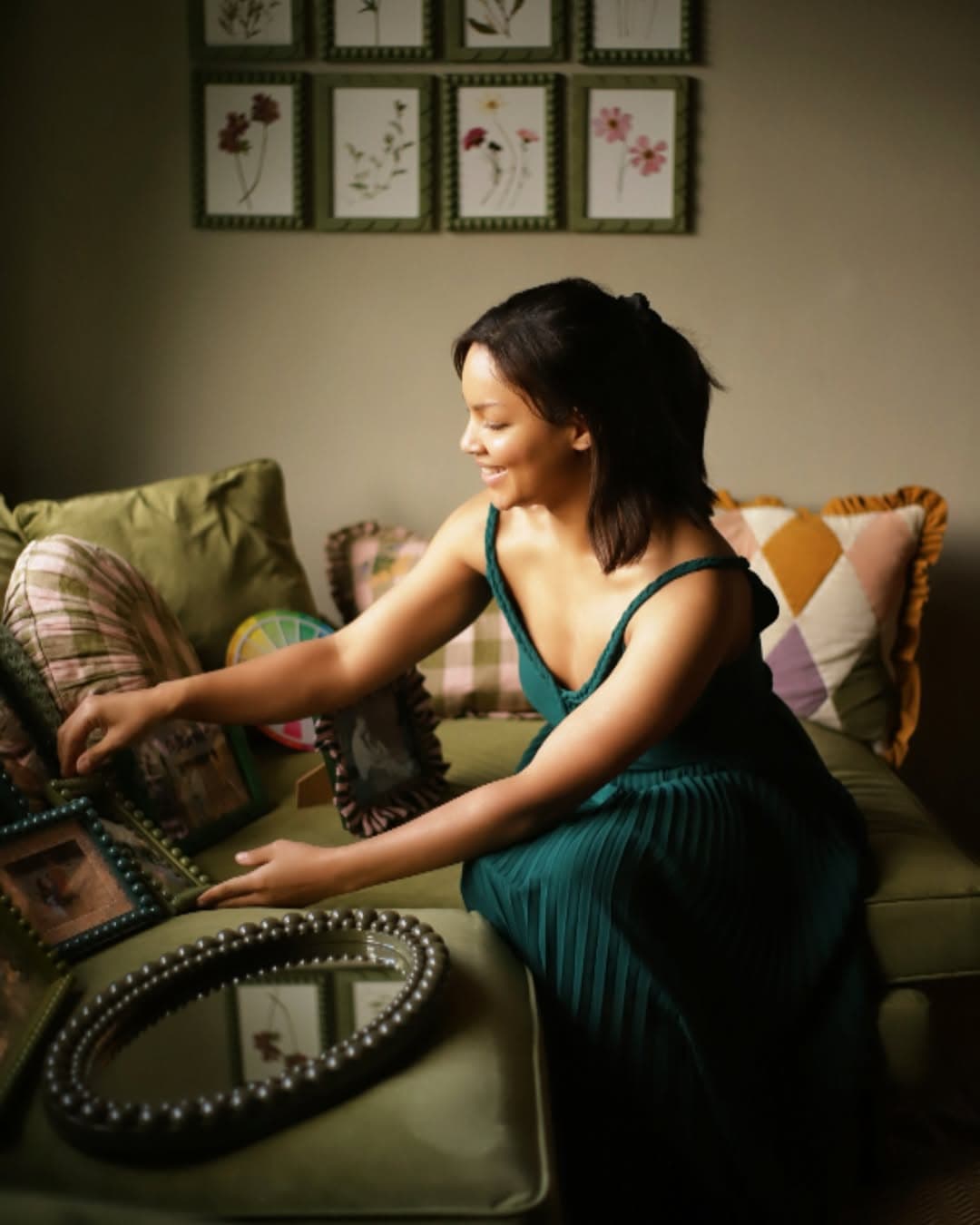
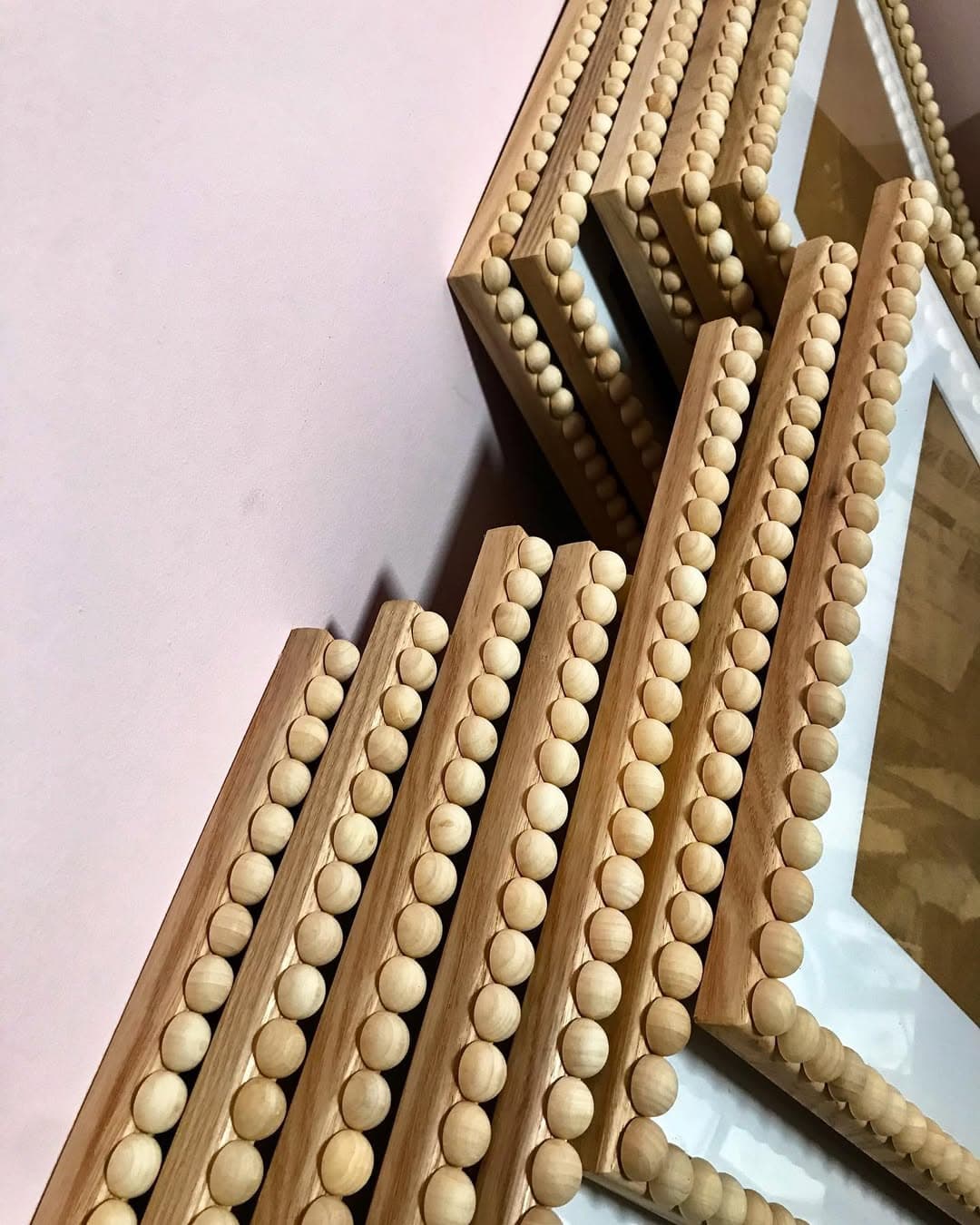
After teaching for eight years, I felt a strong desire to do something creative again – it had been far too long. During my maternity leave, I decided to handcraft some bobbin frames as Christmas presents. The creative process felt like such a treat after so much time away from it, and the frames were incredibly well received, The positive response gave me a such a huge confidence boost that I decided to make more and sell them – the rest is history!
Your craft
3. How would you describe your work in three words?
Colour-rich, unique, timeless
4. What materials or techniques do you use, and why are they important to your process?
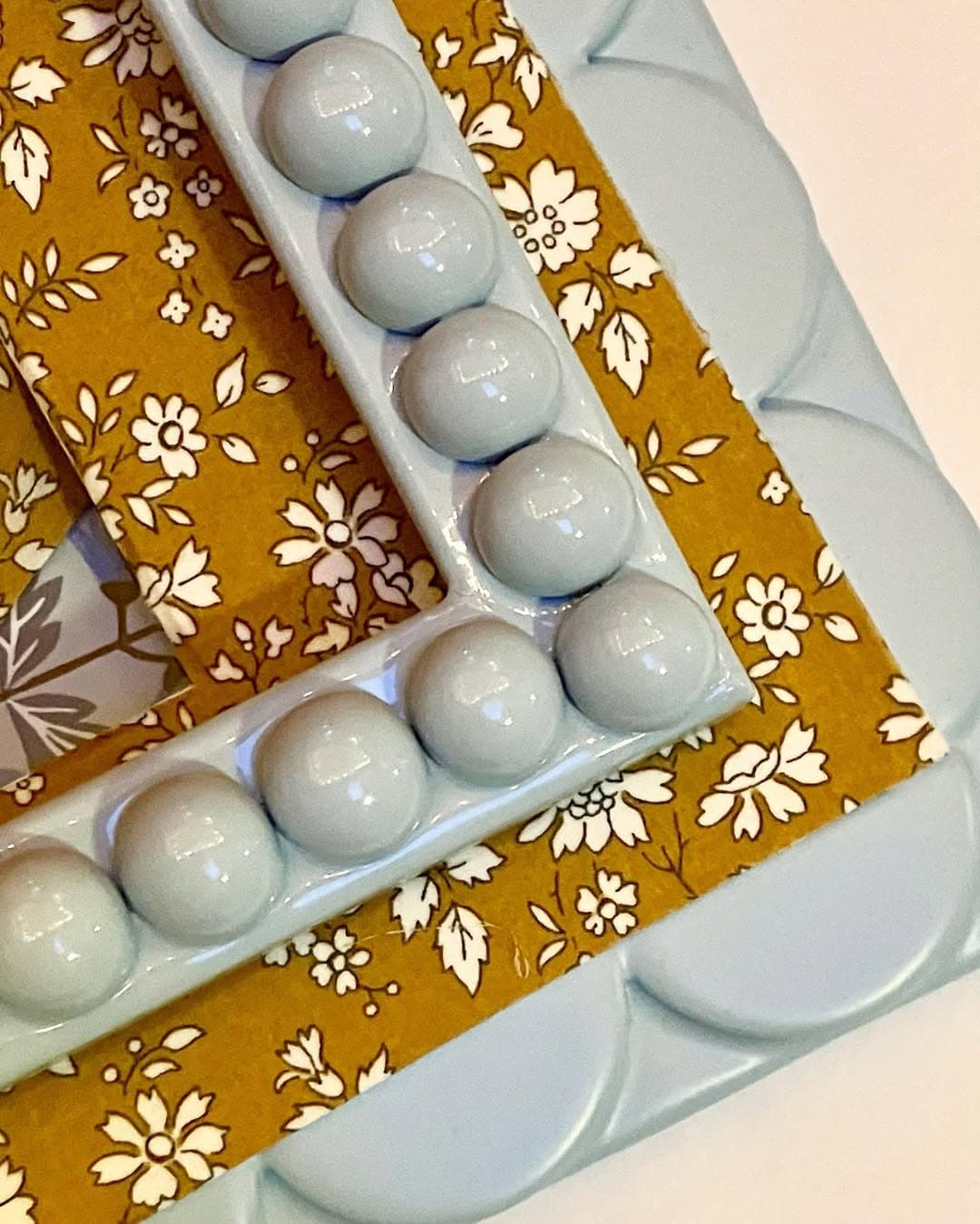
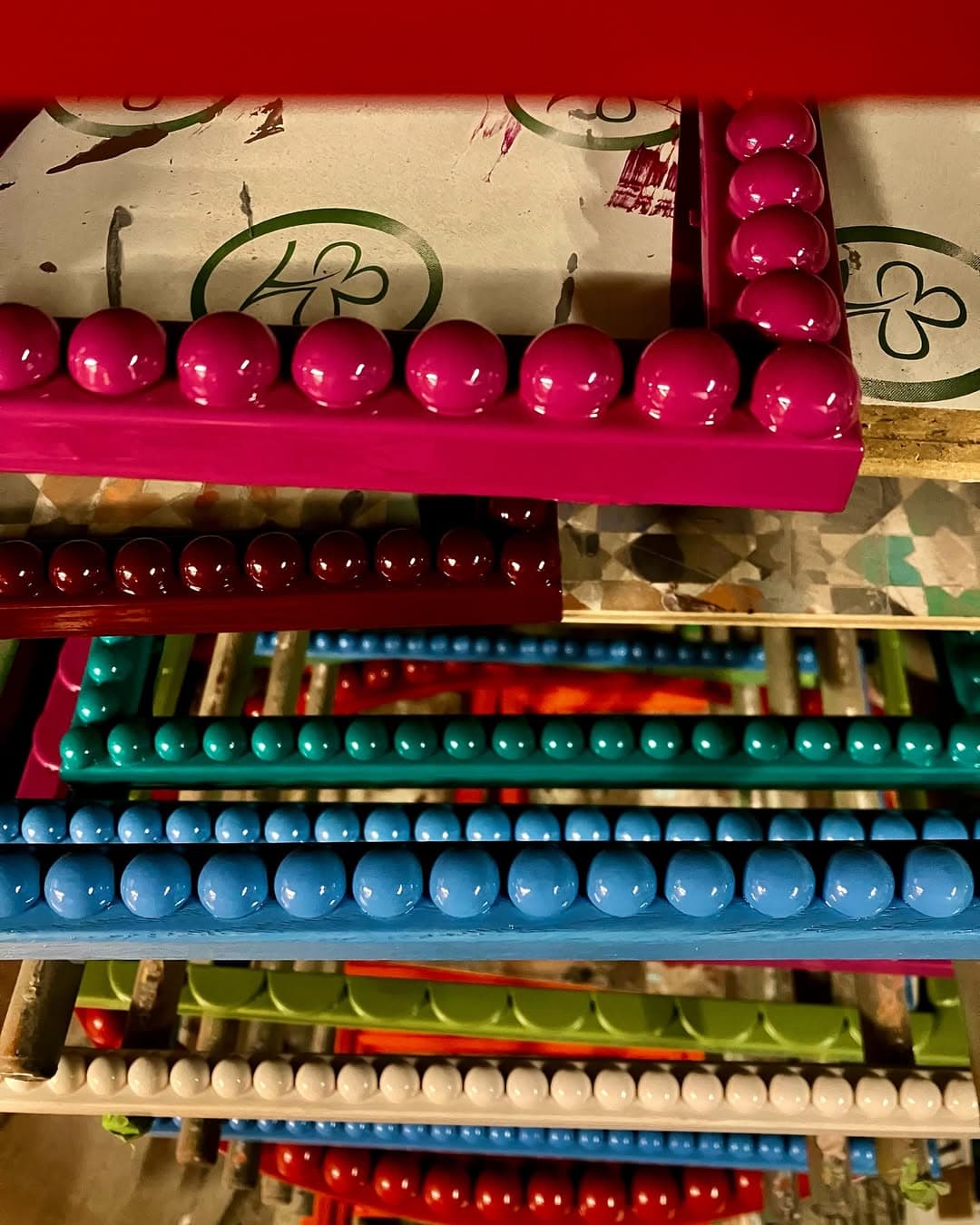
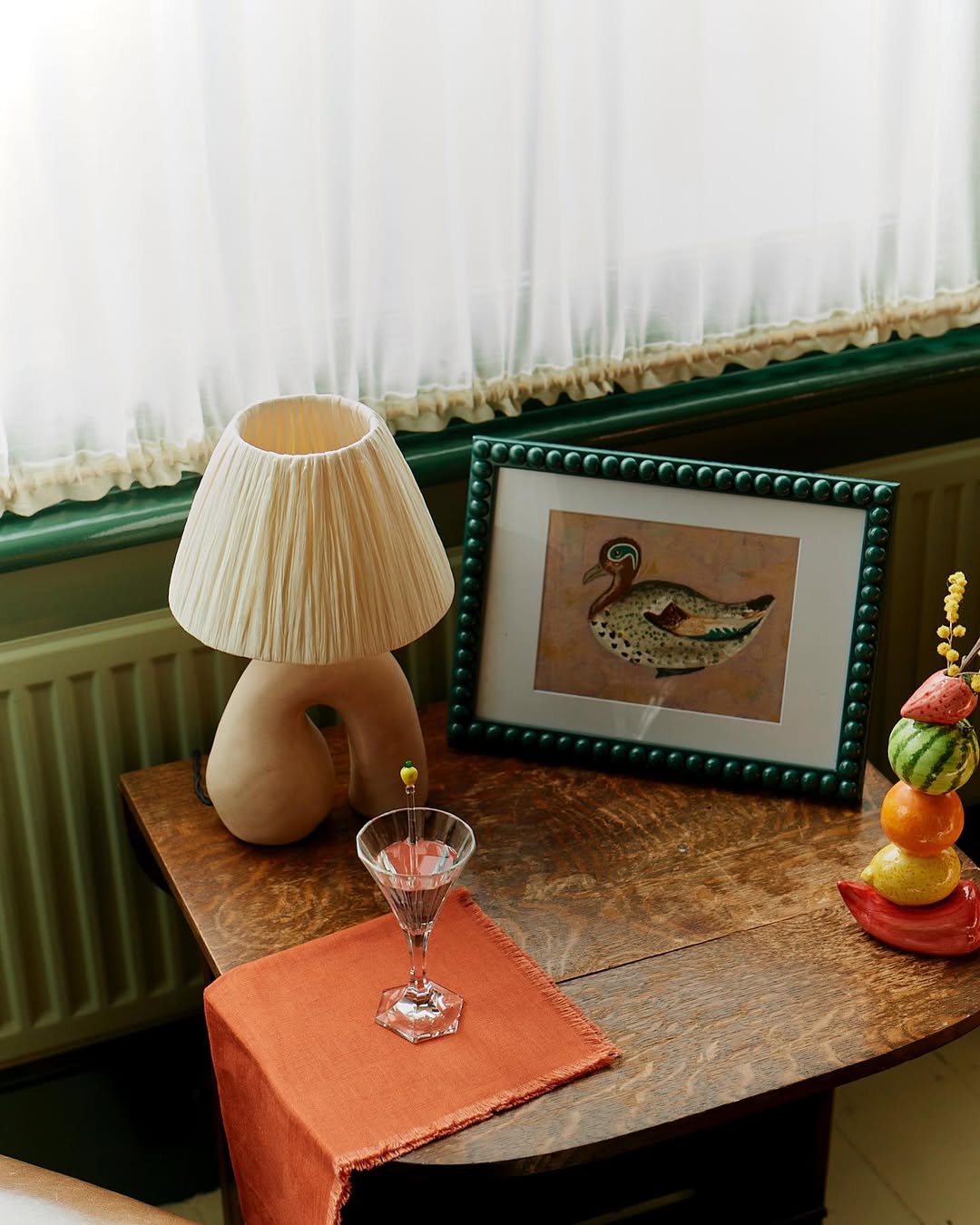
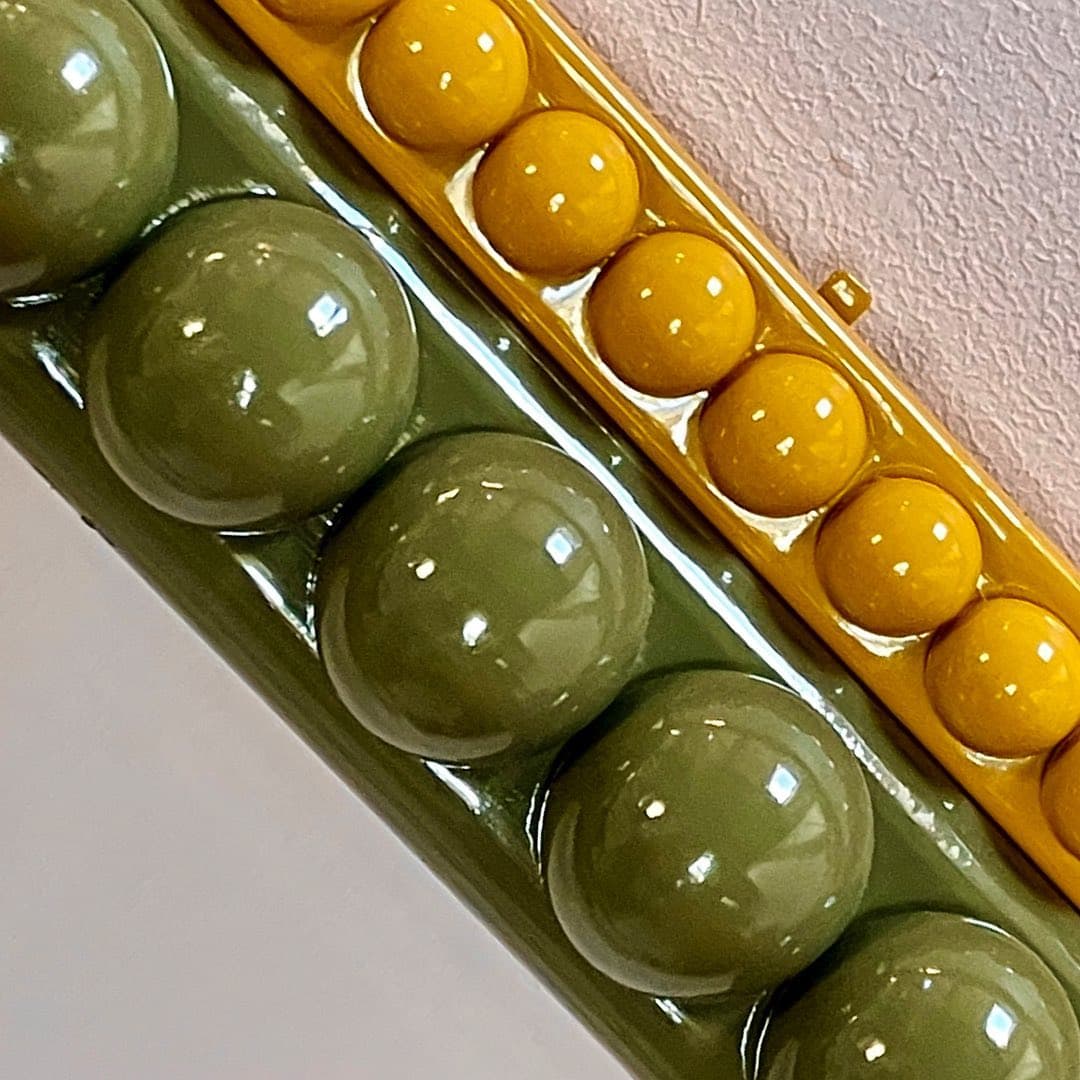
Materiality is at the heart of everything we create. We prioritise high-quality, robust wood, building up layers of lacquer or stain to achieve a rich, durable finish. We also love exploring unconventional pairings, combining materials like linen and wood to craft truly unique and standout pieces.
5. Can you tell us about a favourite piece you’ve created and the story behind it?
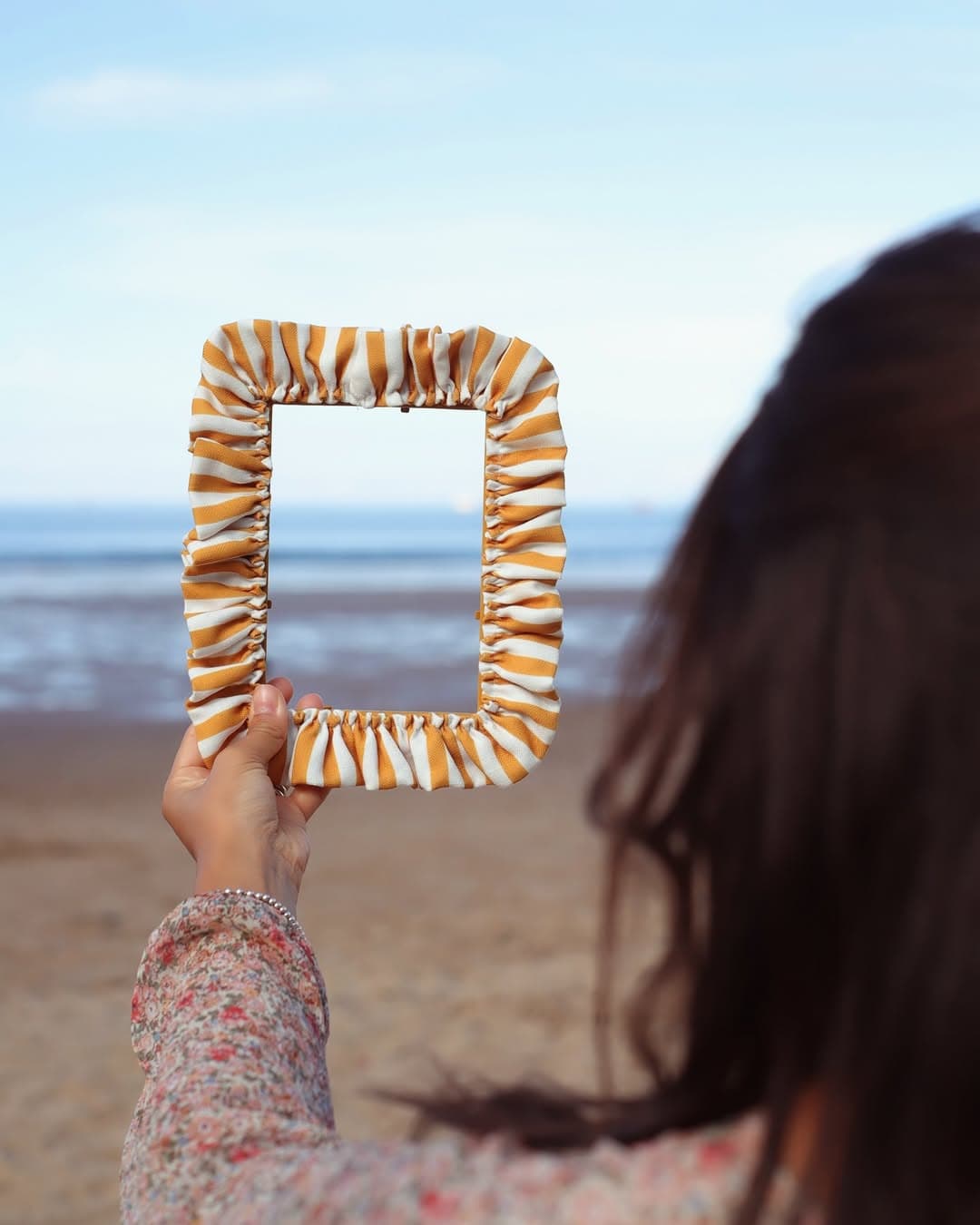
I’m incredibly proud of our latest product launch – wooden stamp mounts. I wanted to create something robust and rich and texture, adding a sense of importance and focus to whatever is being framed. The stamp-inspired outline evokes a sense of heritage and grandeur, making it the perfect way to highlight cherished photos and precious artwork.
Creative process
6. What does a typical day in your studio or workshop look like?
I am very lucky to be able to work with an incredible team, so each day feels really collaborative and very busy. The day starts by checking curing products and assessing whether they are ready to enter the finishing process – this is the quietest time of the day where we touch base as a team and set intentions or the day. The studio starts to then get busy as loud machines are switched on and processes are conducted. New pieces are assigned to enter production and existing products continue on their making journey. Although busy, we like to work calmly and maintain a chilled but productive work environment where making feels fun and satisfying.
7. Do you have any unique rituals or habits that help you stay creative?
I need time and space to think! Long car journeys where I can get lost in the scenery and work through ideas I have brewing in my head provide just that for me.
8. How do you handle creative blocks? Do you have any strategies or tips for overcoming them?
Do something else productive, away from the studio, like going for a walk with a camera and taking a photo of anything that catches your eye, or focus on a process-led/mindful activity like making bread. I find the change of focus helps to refresh my thoughts but still channel some element of creativity.
Challenges and successes
9. What’s the biggest challenge you’ve faced as a maker, and how did you overcome it?
A daily challenge is hand-making to order. The pressure is heavy most of the time, but I have to remind myself that people are investing in something truly one-of-a-kind and are happy to wait.
10. What’s been your proudest moment or achievement so far?
Building something recognised widely from nothing.
11. What’s your favourite quote you’ve ever heard about your work? Who said it, or what was the name of the publication?
"The frames are works of art themselves"
– I’ve heard this several times but it makes me so happy because I know what goes into making each one.
Inspiration
12. Where do you draw inspiration from for your work? What sparks your imagination and creativity?
It’s hard to pinpoint exactly because I find inspiration from anywhere and everywhere – a colour I spotted in my favourite fashion brand, the way a curtain moves in the breeze or the saturating hues of a winter sunset against the grey. Being open-minded and taking it all in is key.
13. Do you have a favourite artist, maker, movement, or tradition that has influenced your craft?
I have always loved Peter Doig’s colourful paintings. The way he uses striking colour combinations to elevate moments is kind of what I hope to achieve with our pieces.
14. How does colour influence your practice; is it an important part of your process? Do you have a particular palette or favourites? Any go-to sources for colour inspiration?
It’s a core element of everything we make. Our palette is often described as feminine but that hasn’t necessarily been intentional – they are just colours I adore and naturally work together. I often add colours to our collection when I feel really inspired by something I have seen and just can’t stop thinking about it.
Perspectives and goals
15. What role does your environment play in shaping your creativity?
It needs to be tidy enough to not feel chaotic but messy enough to feel productive.
16. What do you want people to feel when they experience your work?
That they have had something made especially for them and that the maker’s hand is evident and adds value to their unique piece.
17. What are you currently working on, and what excites you most about it?
I am currently exploring ways in which we can personalise our products, allowing customers to create something truly unique to them, I believe this will enhance the tailored experience we offer and further reinforce the one-of-a-kind quality that is so integral to our brand.
Advice and reflection
18. What advice would you give to someone starting out as a maker?
– You learn by doing.
– If you’re passionate about it then as long as you are consistent, you are bound to succeed.
19. If you could go back to the start of your career, what advice would you give your younger self?
It’s ok to say no.
Closing thoughts
20. If you could collaborate with any artist, past or present, who would it be and why?
I love Rob Ryan’s poetic screen prints and cut-outs. The idea of narratives within artworks intrigues me and I could totally envision his intricate work etched into our wooden mounts, telling a story.
21. Where can people find your work, and how can they support you?
You can find my work via our website: bertolahomestudio.com or via platforms Maison Flaneur, The Roost, Anthropologie and a handful of boutiques in the UK and around the world. People can support me by shouting loudly about Bertola Home Studio to their family and friends.
Guided by nature’s palette and a love of colour, Poppy creates handmade frames that pair unexpected combinations with thoughtful craft. Each piece is made to order using sustainable methods, from wooden joinery to layered lacquer, resulting in functional works full of care, process, and personality.
Explore Poppy’s latest collection and follow her creative journey:
Support Poppy by exploring her joyful world of handcrafted colour, discovering unique frames made with heart and precision, and following her creative journey as she continues to turn memory into artful design.

Meet the Maker: The Art of Accuracy with David Perry
We recently connected with David Perry, whose vibrant glass creations are characterised by meticulous precision and bold, geometric patterns. David shares his fascinating journey from an IT career to embracing a creative life in Cornwall, where the coastal surroundings inspire his dynamic glasswork. He delves into his passion for the science and artistry behind fused glass, the joy he finds in perfecting each hand-cut square, and how continuous learning and environmental consciousness drive his evolving practice.

1. Can you tell us a bit about yourself and your artistic journey?
I was born in Mitcheldean and lived in Gloucestershire, starting my career making spectacles in a factory, moving onto pensions, and then I.T. for over 15 years. I moved to Cornwall in 2011 and although I initially continued working in IT, living by the sea and adapting to the Cornish way of life had a big impact on me. I wanted to explore life in a more creative way including scuba diving and photography. In 2017 I took the plunge and became self-employed with my photography and fused glass, also tinkering with ceramics. Although my artistic journey started a little later in life, I have embraced it and have grown as a person as well as in my art. In 2022 I went one step further and became a part-time life drawing model and encourage others in their artistic journey.
2. What inspired you to pursue your craft? Was there a defining moment or influence that sparked your passion?
I attended a local fused glass workshop and was hooked, I really wanted to learn more about the science behind fused glass and to see how far I could use the materials to push my creative boundaries. I gave myself two years to see if I could start making an income from my art and knowledge; it is now 2025 and I still feel the excitement of working with glass and knowing that my art is enjoyed in homes all over the world.
Your craft
3. How would you describe your work in three words?
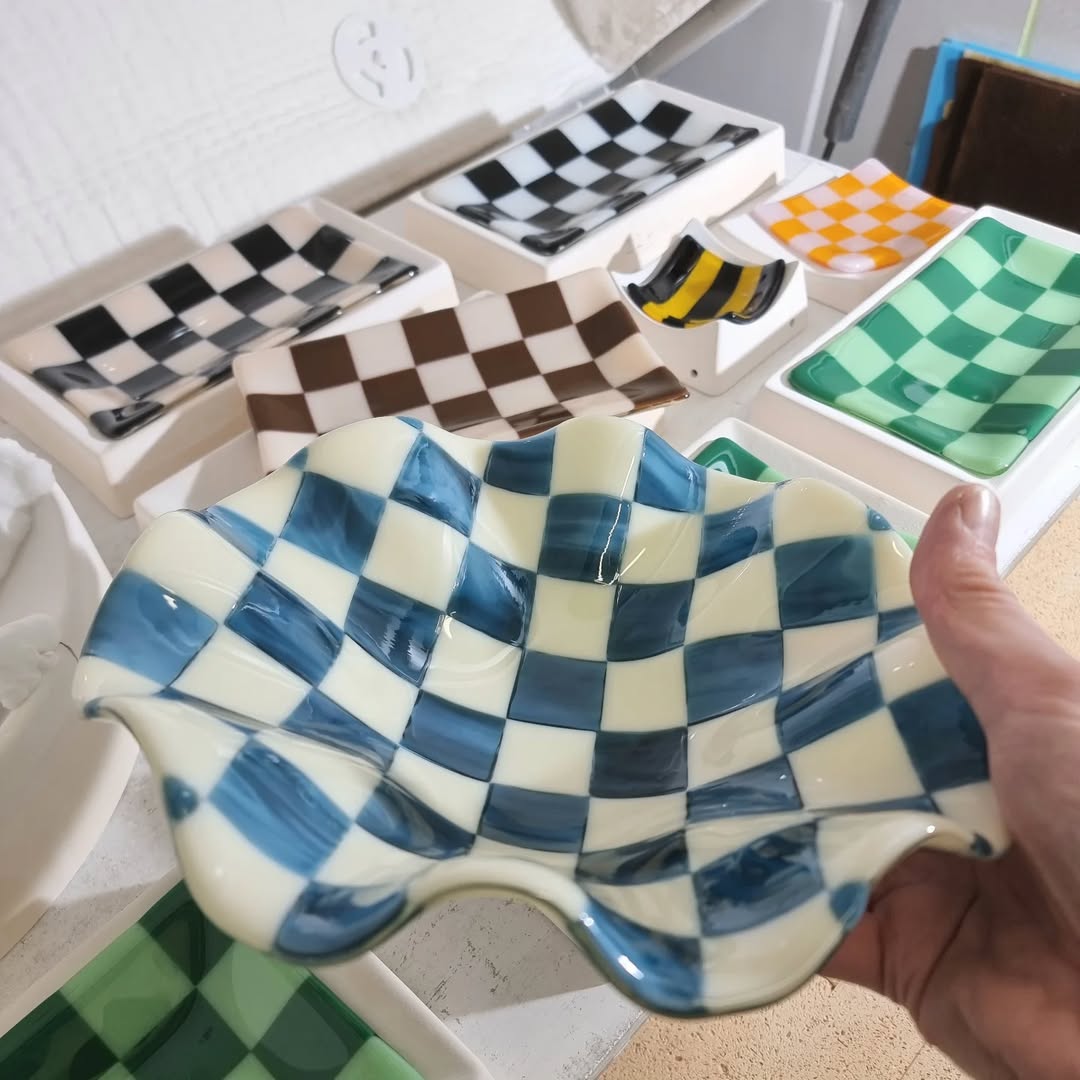
Chequers, precision, colourful
4. What materials or techniques do you use, and why are they important to your process?
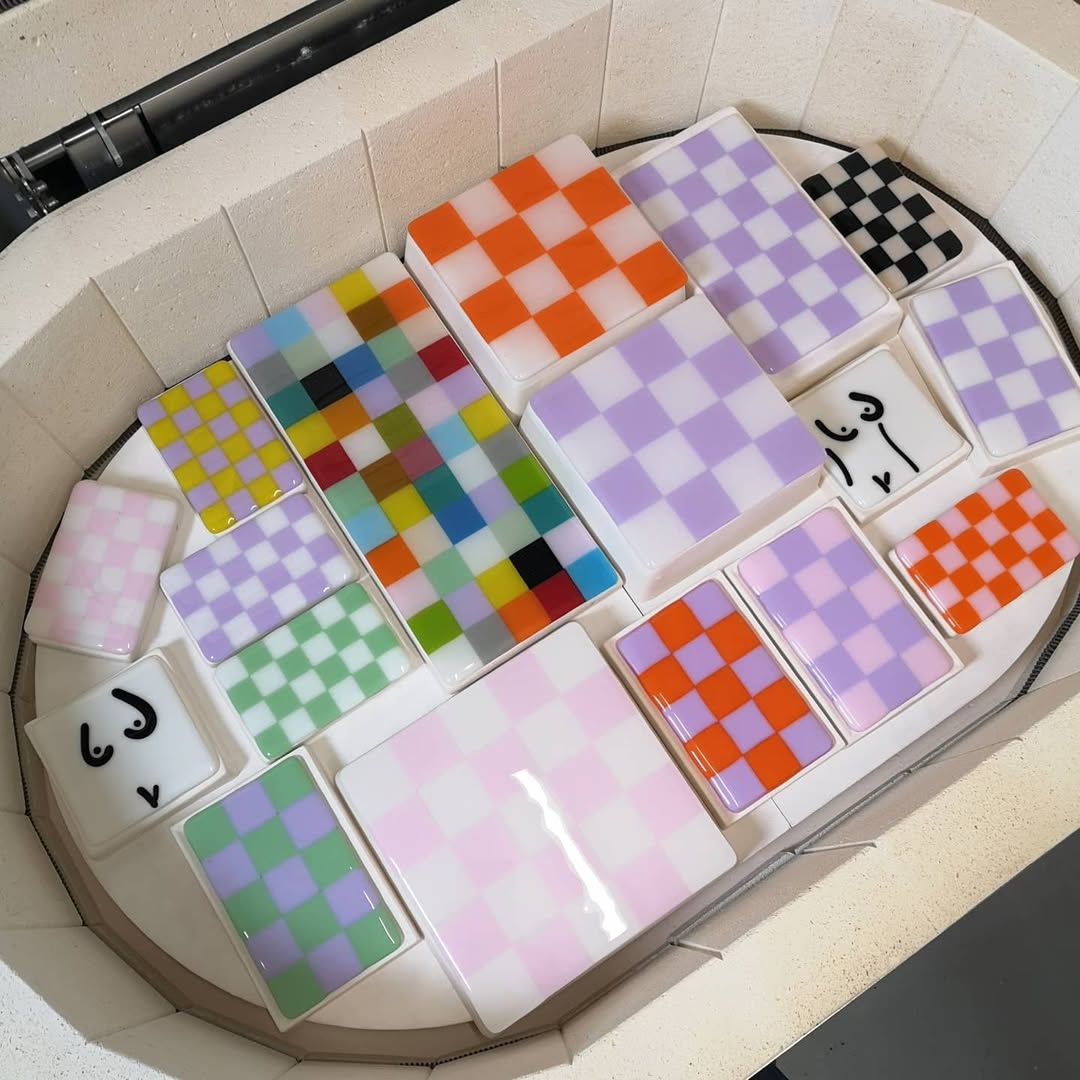
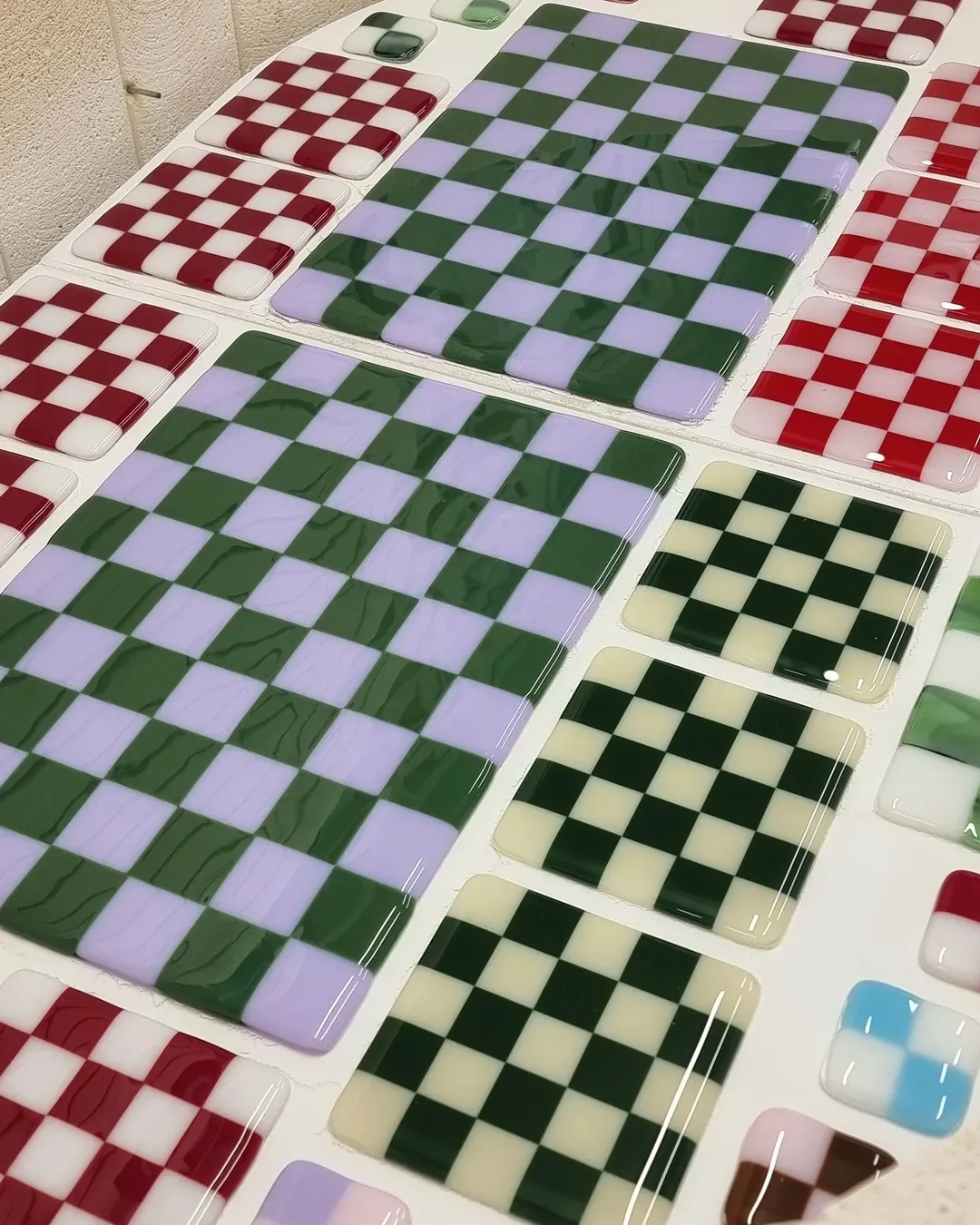
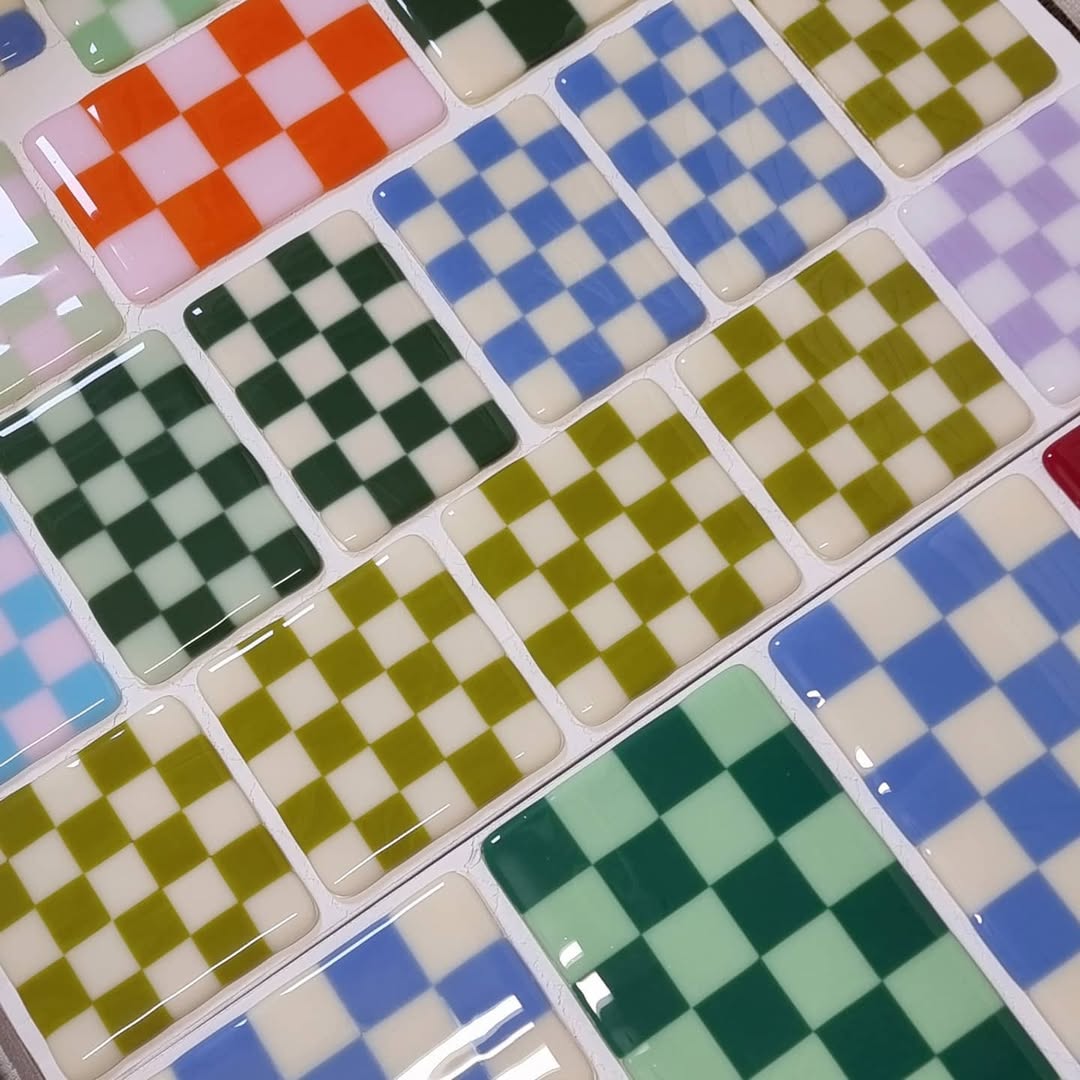
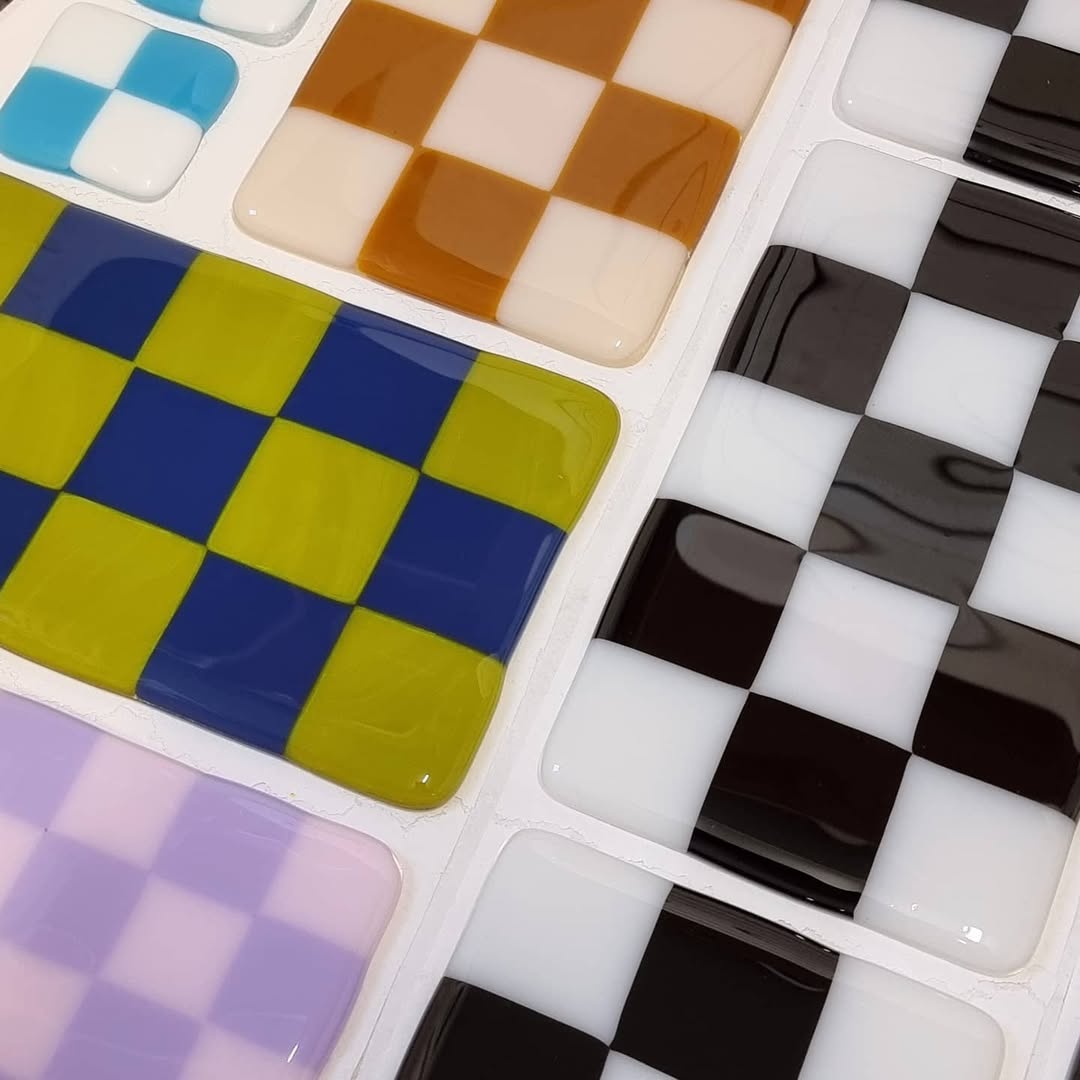
Chequered patterns are my best-selling products, and I take great pride in meticulously hand-cutting each piece of glass to ensure they are as perfectly square as possible. This precision of the crisp lines allows the pieces to fit seamlessly together in the kiln, creating the signature look I love to see in my pieces.
5. Can you tell us about a favourite piece you’ve created and the story behind it?
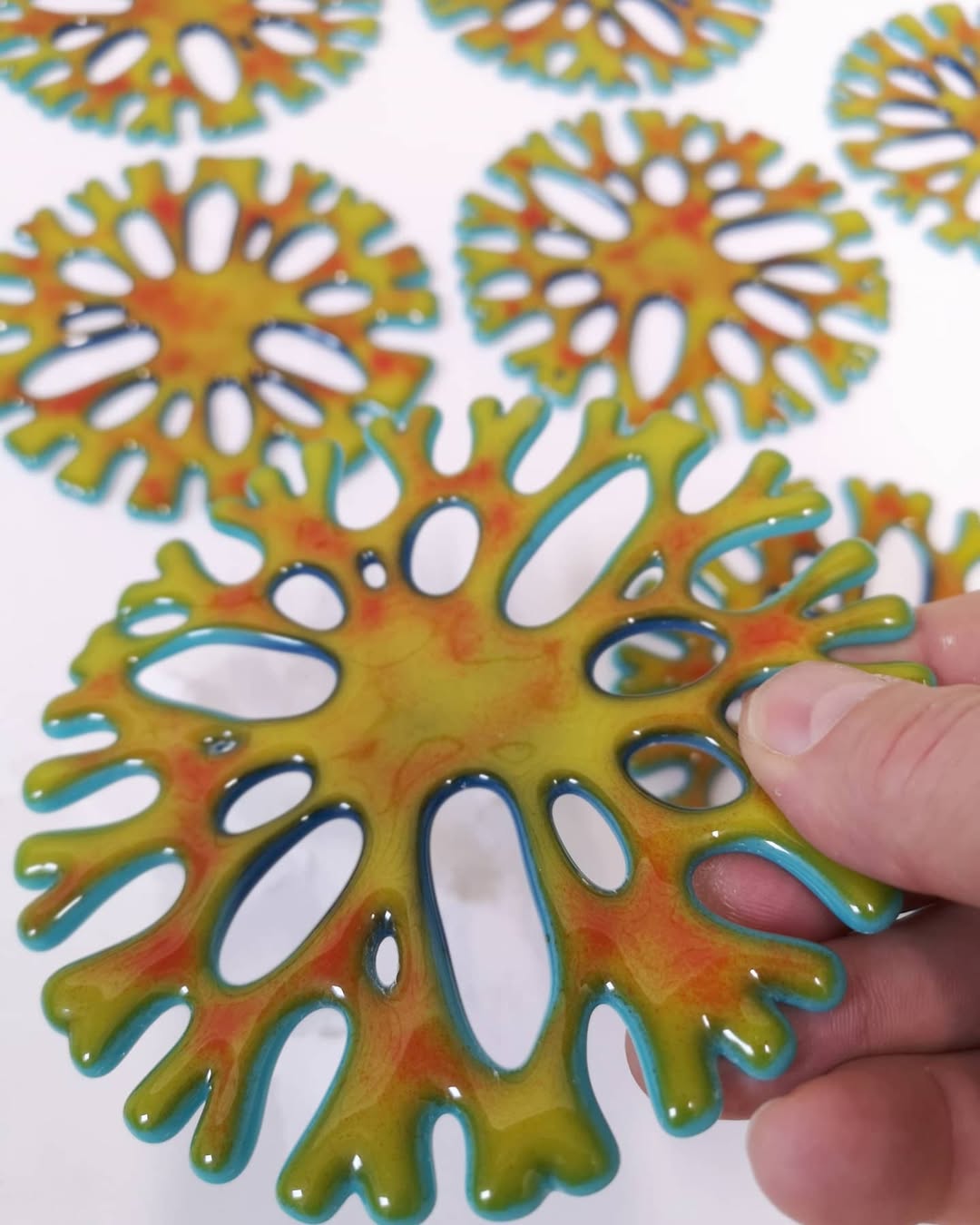
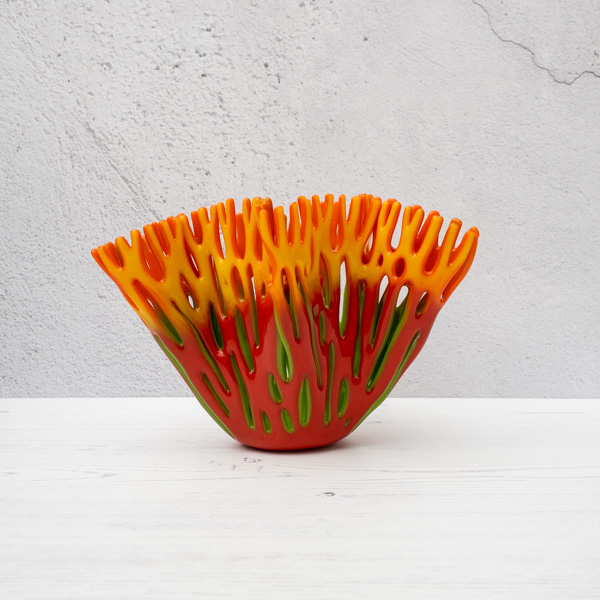
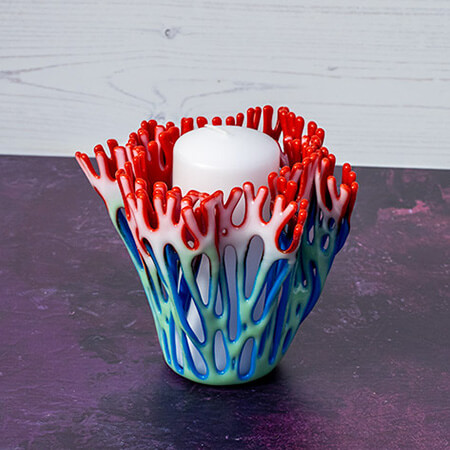
I really enjoy working with glass powders (instead of the normal flat glass sheets I use for most items), as the powders blend and can be layered to create unique pieces like my crackle bowls and coral style vase.
Creative process
6. What does a typical day in your studio or workshop look like?
Squares, squares and more squares! Did I mention squares!? After planning what needs to be made and fits in the kiln space, the next task is hand cutting hundreds of squares, stacking them in piles so I know which ones will go where and then hand cleaning each one as they are placed on top of a clear glass base inside the kiln. The squares are then carefully nudged around to get them as square and linear as possible.
7. Do you have any unique rituals or habits that help you stay creative?
I really had to think about this question… glass can be manipulated in so many ways that I feel I have barely scratched the surface. I am always learning and have several books and tutorials that I am studying to tantalise my creative taste buds. Speaking of taste buds, I do love a cup of TeaPigs tea while I am in the workshop.
8. How do you handle creative blocks? Do you have any strategies or tips for overcoming them?
Living next to the Cornish coast means I am only a short drive away from walking on the clifftops or beaches or going to woodland to photography nature. If time is a little tight it is time to put the kettle on and have a cup of tea, giving me time to reflect. My I.T. background also means I find website redesigning a refreshing change or using my skills to edit product photography.
Challenges and successes
9. What’s the biggest challenge you’ve faced as a maker, and how did you overcome it?
My biggest challenge is trying to maintain social media and their algorithms daily. Instagram is my favourite media to keep viewers updated, but I have learnt that trying to post several times a day across multiple platforms is just not achievable. Just do what you can as and when you are able to.
10. What’s been your proudest moment or achievement so far?
Being interviewed on Channel 4 TV “Stephs Packed Lunch” back in 2021 surrounded by my glasswork. It was a very nerve-racking experience knowing that thousands of UK viewers watched at lunchtime, but I absolutely loved such a brilliant experience, and I will never forget it.
11. What’s your favourite quote you’ve ever heard about your work? Who said it, or what was the name of the publication?
#Obsessed
- The most popular word from my amazing followers on Instagram.
Inspiration
12. Where do you draw inspiration from for your work? What sparks your imagination and creativity?
I have always found geometry and linear lines intriguing; I like the clean and contrasting effect it creates. Chequers or checks are a timeless pattern, but science also plays a part as not all colour combinations and glass types are compatible.
13. Do you have a favourite artist, maker, movement, or tradition that has influenced your craft?
Checkers is everywhere from game boards, fashion, art and architecture to motor racing, so there is whole range of traditions throughout history from the very first checkered floor to the first chess board that have influenced me. Artists who have inspired me include Bob Leatherbarrow, Glenda Kronke, and Marguerite Beneke; all artists who have shared their knowledge and continue to influence my work.
14. How does colour influence your practice; is it an important part of your process? Do you have a particular palette or favourites? Any go-to sources for colour inspiration?
I live a rainbow of colour every day and I do enjoy creating a new combination. Some glass can contain metals which can react with other colours, so science also plays a part in creating the palettes I use. I find inspiration in nature and the many hues you see on the cliffs around Cornwall, and from my social media followers and their suggestions.
Perspectives and goals
15. What role does your environment play in shaping your creativity?
I hand built my workspace at home, so have the shortest commute in the mornings. As soon as I step into my workshop and am surrounded by glass sheets and powders, and put my music on, I feel inspired.
16. What do you want people to feel when they experience your work?
I want my work to make people smile and leave a lasting impression. In a world where we do not always have space for art in our homes, I feel I cross the barrier of creating art pieces that are also practical and will last a lifetime.
17. What are you currently working on, and what excites you most about it?
All things glass fascinates me, so in 2025 I am learning lampworking to create glass sculptures. I am conscious of the environment when I work and ideally, I will use the leftover glass I already have to do this. This will open new avenues for me as the designs you can make are endless. I have 3 very large books to read through first, so watch this space.
Advice and reflection
18. What advice would you give to someone starting out as a maker?
Starting your own craft business for the first time can be very daunting. I would say to always believe in your products, enjoy the journey of creating as much as the selling. Plan your days to keep yourself focused and get in touch with other creatives for support and advice. Keep yourself visible online or in your local area, depending on where you are focusing your sales. It is an exciting and rewarding journey.
19. If you could go back to the start of your career, what advice would you give your younger self?
Having a creative outlet is so rewarding, start now and believe in yourself.
Closing thoughts
20. If you could collaborate with any artist, past or present, who would it be and why?
I think it would be glass artist Bob Leatherbarrow who creates some amazing artwork from sheet glass/glass powders but also produced some very detailed books/videos explaining about how and why glass acts in certain ways from heating, melting, cooling, annealing. He has taught me a lot and inspired me when I started out and continues to do so today.
21. Where can people find your work, and how can they support you?
All of my items for sale are listed on my website davidperryglassceramics.uk and always lots of photos on my socials including Instagram, TikTok and also BlueSky, but the easiest way to find all my socials is via linktr.ee/davidperryuk
David Perry’s glass art brings precision, vibrant colour, and joyful design into everyday spaces. Each handcrafted piece balances practicality with artistic beauty, creating functional artworks designed to uplift homes and captivate imaginations.
Explore David’s latest collections and follow his creative journey:
Support David by visiting his website, engaging with him on social media, and discovering the colourful world of his striking glass art.
Meet the Maker: Playful Design with Will James Bryan of OWMI studio

1. Can you tell us a bit about yourself and your artistic journey?
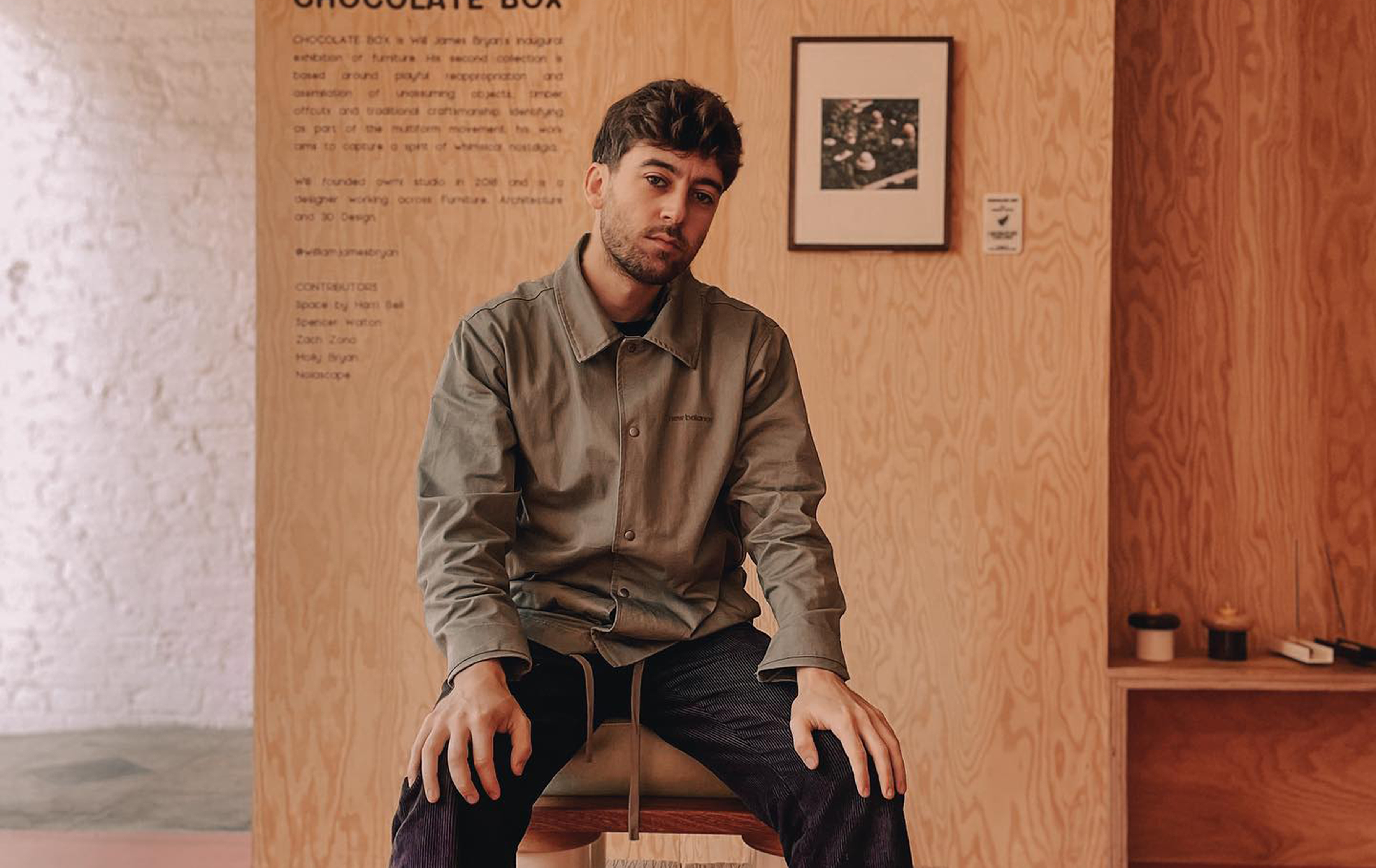
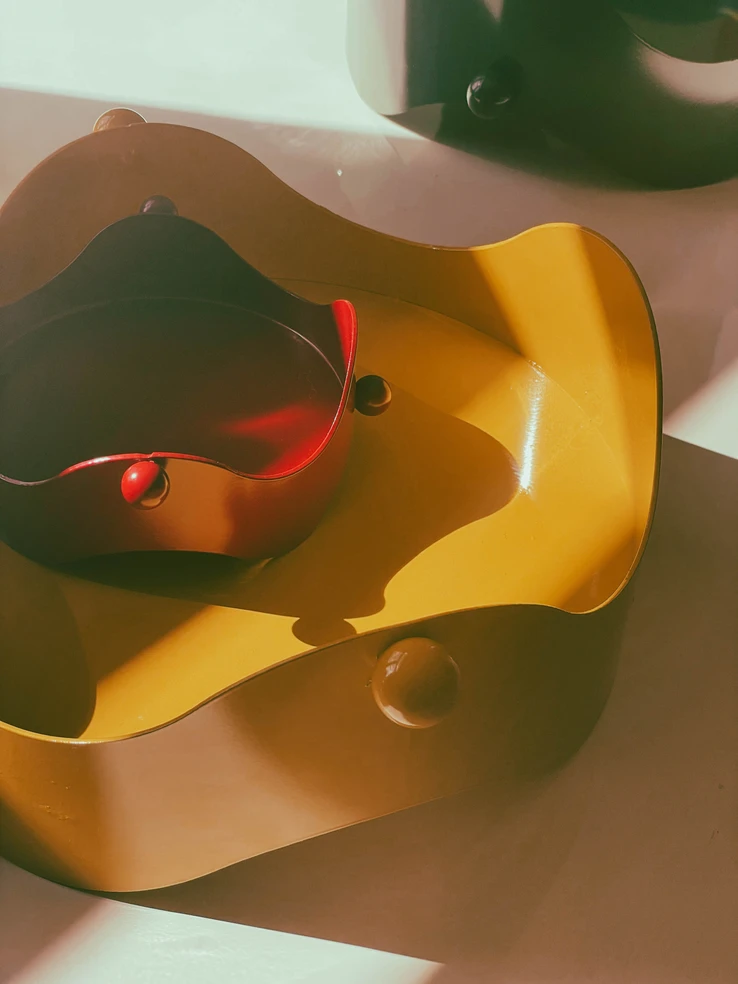
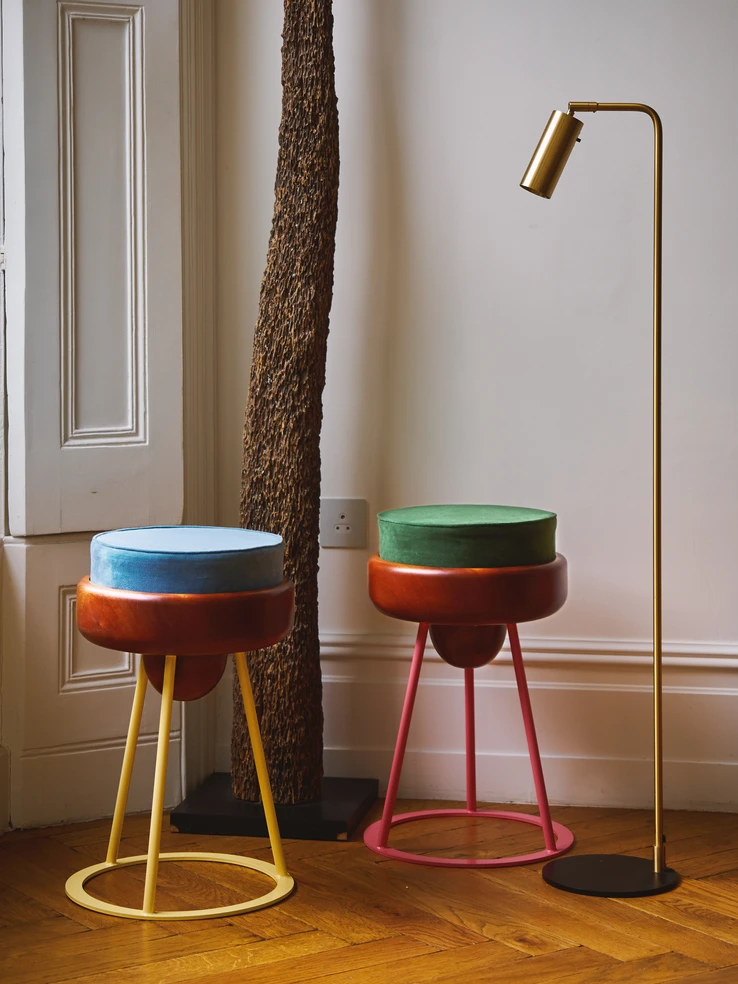
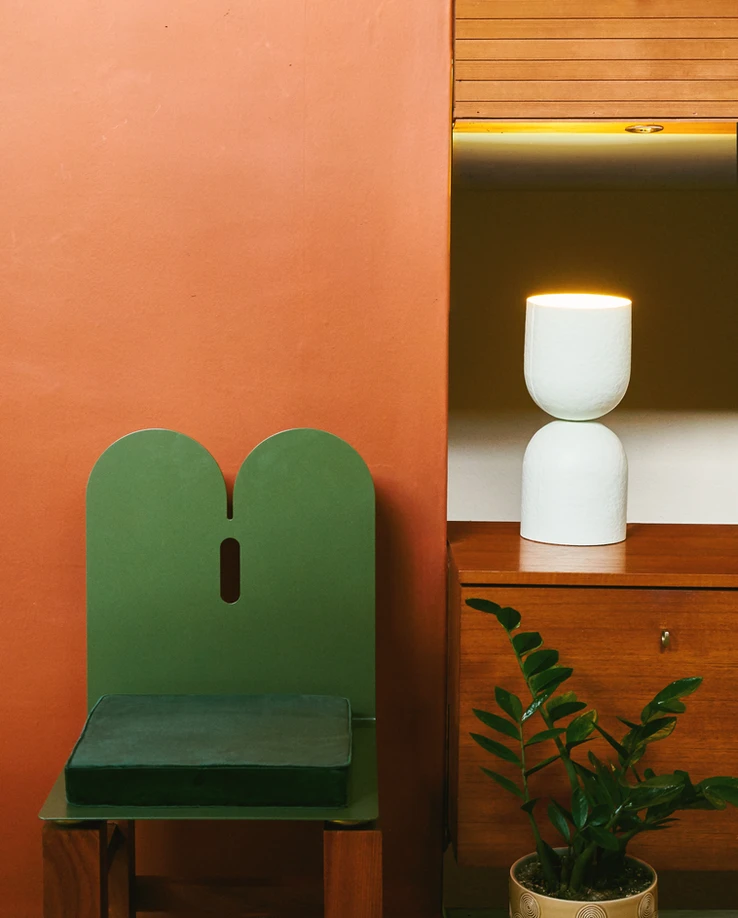
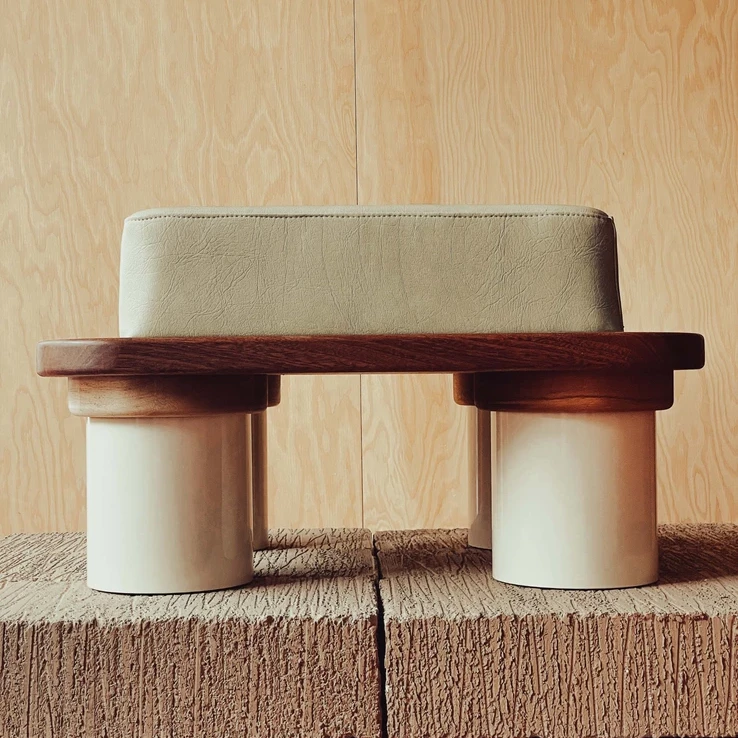
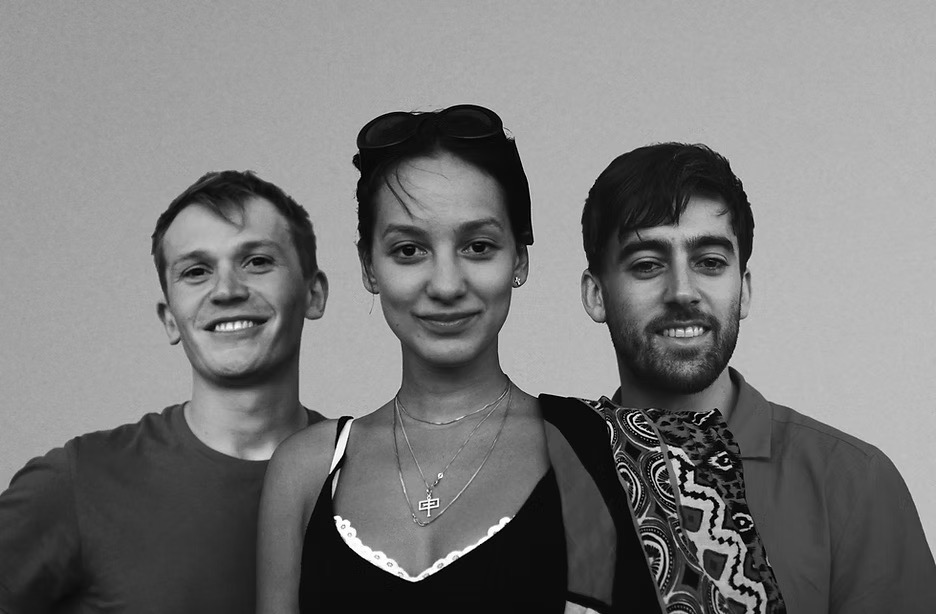
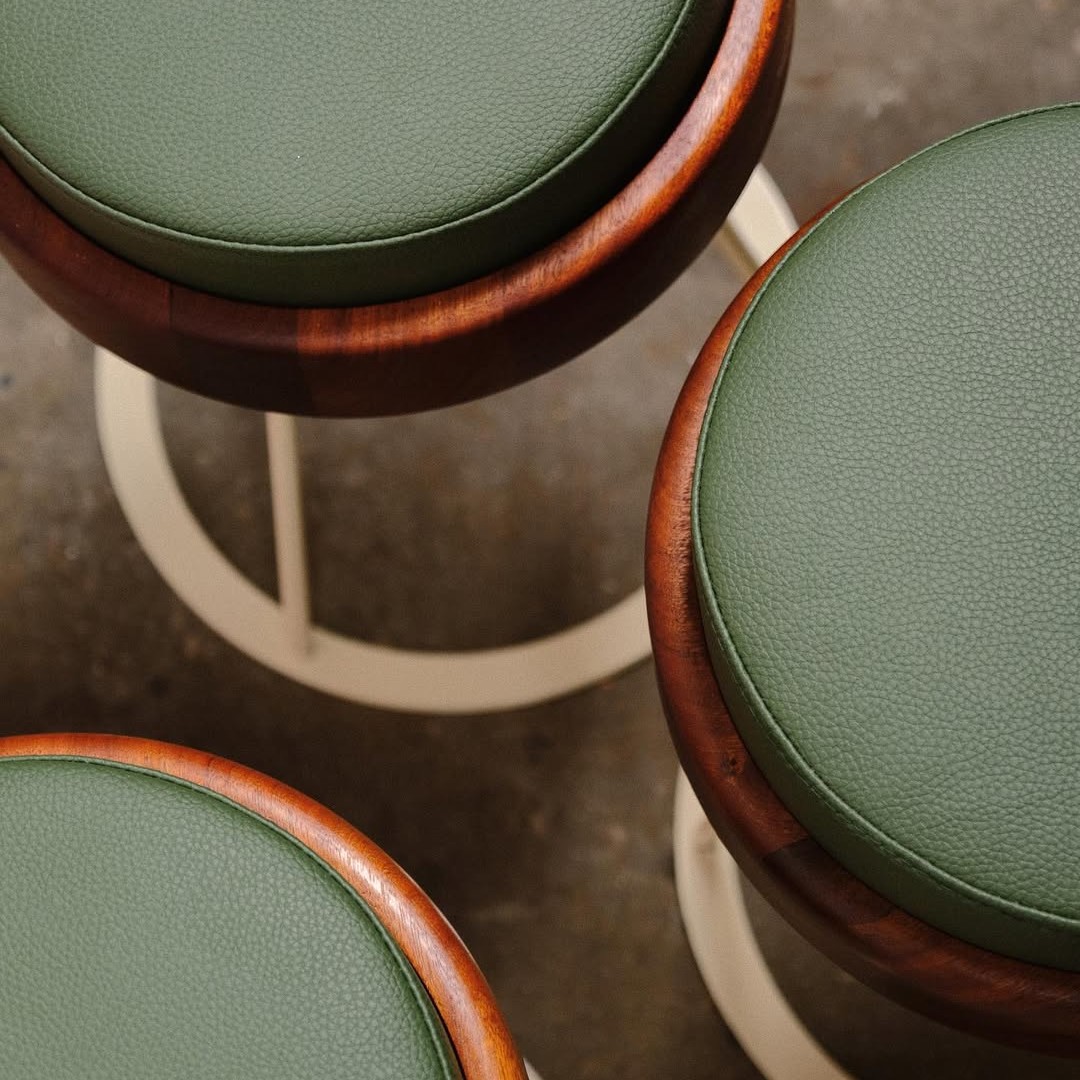
Educated as an architect, I started designing objects and furniture in 2021 and was fortunate enough to have my first piece, the Button Stool, published in a few magazines. I have been designing ever since through a mixture of commissions, exhibition work and self-initiated collections. I publish my work through a design collective I established with friends called owmi studio.
2. What inspired you to pursue your craft? Was there a defining moment or influence that sparked your passion?
The immediacy of it, especially in comparison to the architectural profession – you can go from sketch ideas to finished forms in a matter of months, compared to the years it takes in architecture. I had always enjoyed physical modelmaking through my degree studies; during my Masters I prototyped a chair, and that had always stayed in the back of my mind as a creative strand to explore further down the road.
Your craft
3. How would you describe your work in three words?
Playful, tactile, colourful
4. What materials or techniques do you use, and why are they important to your process?
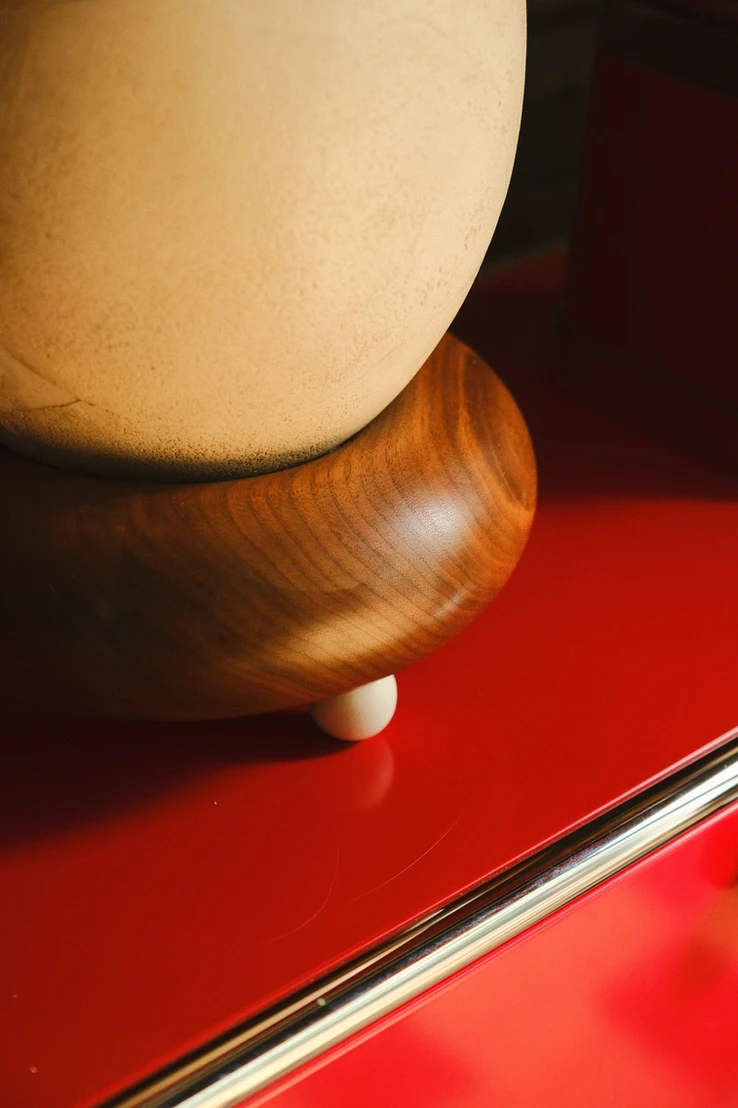
My work spans various materials and techniques, from woodworking, metalwork, upholstery, as well as repurposed objects. I frequently collaborate with various craftspeople across the UK, all of us focusing on handmade, small-batch production. When designing, I model everything digitally first and render it to test materiality and form – this allows me a huge amount of creative control before I start prototyping and allows me to communicate my ideas through imagined digital scenography.
5. Can you tell us about a favourite piece you’ve created and the story behind it?
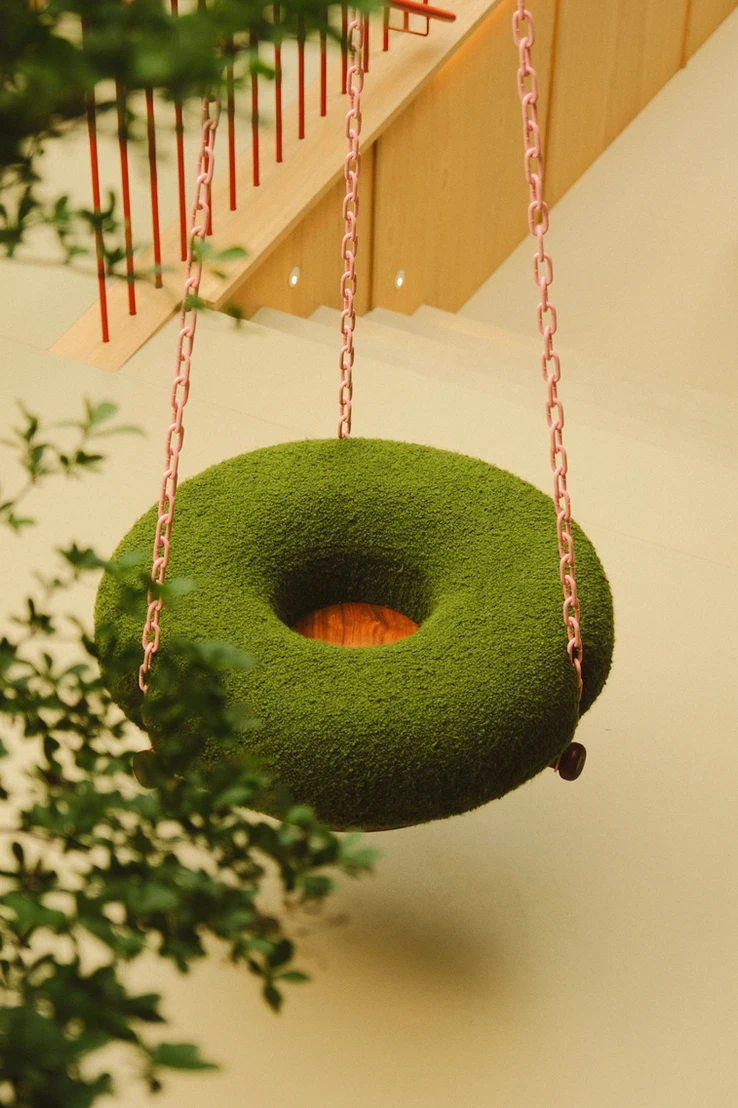
I was commissioned to design and fabricate a Swing for the atrium of a beautiful house in Highgate – it’s always rewarding to work with a client who gives you creative freedom, and with interior designers that align with your design ethos. In this case both boxes were ticked and we were all very pleased with the outcome, the Doughnut Swing.
Creative process
6. What does a typical day in your studio or workshop look like?
Currently there is no typical day! I am in the process of finishing the construction of my workshop, which is super fun but means that my flat is rather chaotic…
7. Do you have any unique rituals or habits that help you stay creative?
No, but I am a night owl, often at my most creative in the evenings!
8. How do you handle creative blocks? Do you have any strategies or tips for overcoming them?
Some days my brain is overflowing with ideas, and on other days the creative juices just don’t flow and that’s ok! I try not to fight it in those less-inspired moments and focus on more prosaic aspects of my work. When I need to work through and refine a concept, I have a trusted network of friends across various disciplines who are always incredibly helpful to bounce ideas off, some whose taste I admire and some who bring a technical focus that I sometimes overlook.
Challenges and successes
9. What’s the biggest challenge you’ve faced as a maker, and how did you overcome it?
Like a lot of designers, I struggle with social media, finding it difficult to post regularly while simultaneously acknowledging that self-promotion is necessary to reach an audience. Once my workshop is finished, I intend to document my process more thoroughly rather than just the finished products. I also struggle with the commercial side of being a small business, remembering to value my own time, alongside the ever-increasing cost of materials.
10. What’s been your proudest moment or achievement so far?
The novelty of complete strangers choosing to spend their hard-earned money on my designs, or commissioning something bespoke, is still a joy and a surprise 3 years in!
11. What’s your favourite quote you’ve ever heard about your work?
Who said it, or what was the name of the publication?
British Vogue described my work as ‘covetable’, which is a lovely, generous word to use!
Inspiration
12. Where do you draw inspiration from for your work? What sparks your imagination and creativity?
Often ordinary objects – my first solo exhibition ‘Chocolate Box’ was full of furniture inspired by food, pairing natural brown hues with pistachio/caramel coloured fabrics. My ‘Doughnut swing’ I upholstered in a spongey, green boucle that resembled moss.
13. Do you have a favourite artist, maker, movement, or tradition that has influenced your craft?
I love postmodernism, and any artist that doesn’t take themselves too seriously. Contemporary architects whose work I admire includes Office S&M, Nimtim Architects, Studio Mutt amongst others. I also keenly follow EBBA Architects, and appreciate how founder Benni Allan works across various creative disciplines.
14. How does colour influence your practice; is it an important part of your process? Do you have a particular palette or favourites? Any go-to sources for colour inspiration?
I love working with colour, particularly pairing timbers with either fabrics or metalwork. Once I am happy with a form, I often consider multiple colourways, some more neutral and others way more poppy and vibrant. Inspiration wise, historical Art & Design books always throw up surprising combinations.
Perspectives and goals
15. What role does your environment play in shaping your creativity?
I was very fortunate to grow up in a family of designers and architects – in particular I was inspired by my Grandad’s self-built mid-century home, so have always been motivated by the idea of creating and honing my own environment.
16. What do you want people to feel when they experience your work?
A sense of nostalgic familiarity, and little surprise.
17. What are you currently working on, and what excites you most about it?
Two things in particular – firstly a commission for a huge bookcase in a grade 2 listed property. Although daunting, there is a lot of scope to create something genuinely original and slightly mischievous.
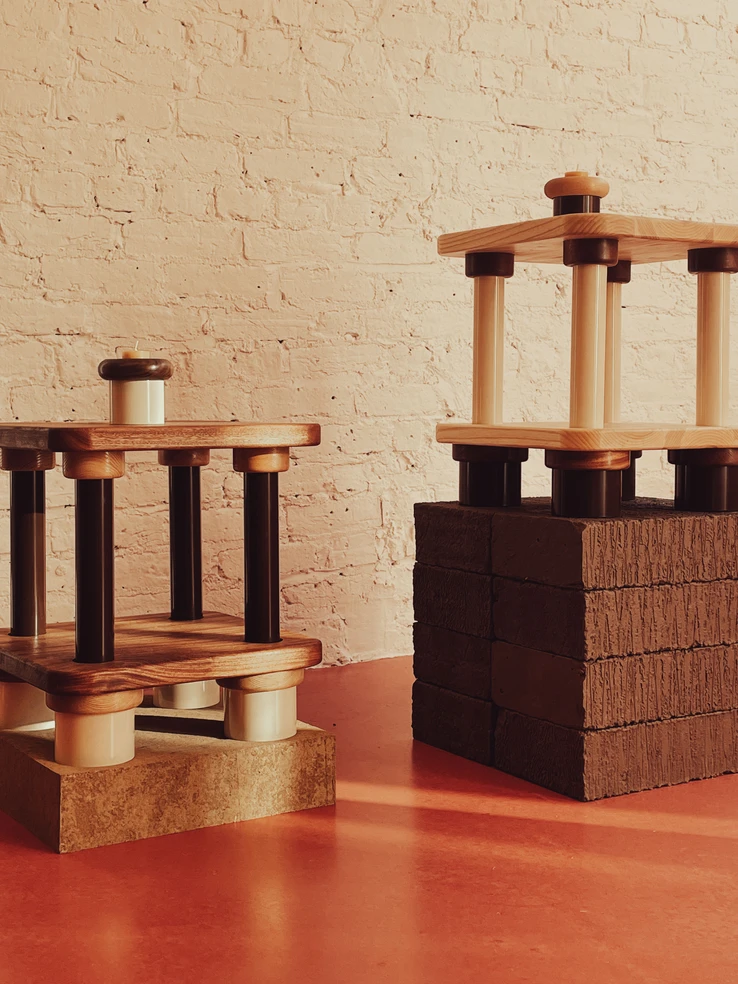
Secondly, an unnamed collection I am currently working on involves casting resin-bound aggregate, a surface treatment usually used for residential driveways, into sculptural and monolithic forms. Think little chunks of the Barbican!
Advice and reflection
18. What advice would you give to someone starting out as a maker?
Document your process, and don’t be afraid to be too earnest. Have a business plan, even if it’s not highly specific you should set yourself targets to aim for.
19. If you could go back to the start of your career, what advice would you give your younger self?
Put yourself out there more – no one really knows what they are doing, it’s all smoke and mirrors!
Closing thoughts
20. If you could collaborate with any artist, past or present, who would it be and why?
I would love to design a chair with Eileen Grey!
21. Where can people find your work, and how can they support you?
I post on my Instagram @williamjamesbryan and upload to my website www.owmi.co.uk! Support me by giving me a follow, or even better commission something! The weirder the better!
Will James Bryan and owmi studio approach design with a playful, tactile, and colourful ethos, often drawing inspiration from everyday objects and postmodern influences. Their pieces, such as the Button Stool and Doughnut Swing, reflect a deep appreciation for form, materiality, and storytelling. Through owmi studio, Will collaborates with UK-based craftspeople, using digital modeling to refine ideas before bringing them to life.
Their creative process thrives on spontaneity, with inspiration drawn from food, nostalgia, and architectural textures—the latest collection even incorporates resin-bound aggregate, reminiscent of Brutalist concrete surfaces. Despite the challenges of self-promotion and rising material costs, Will and owmi remain motivated by the joy of seeing strangers invest in their designs.
Currently, owmi studio is working on a bespoke bookcase for a Grade II listed property and an experimental furniture collection. Whether designing a swing for a private home or pushing the boundaries of material innovation, their work always aims to surprise and delight.
Follow Will’s work and owmi studio on Instagram @williamjamesbryan or explore owmi studio for commissions—the weirder, the better!

Furniture & Objects
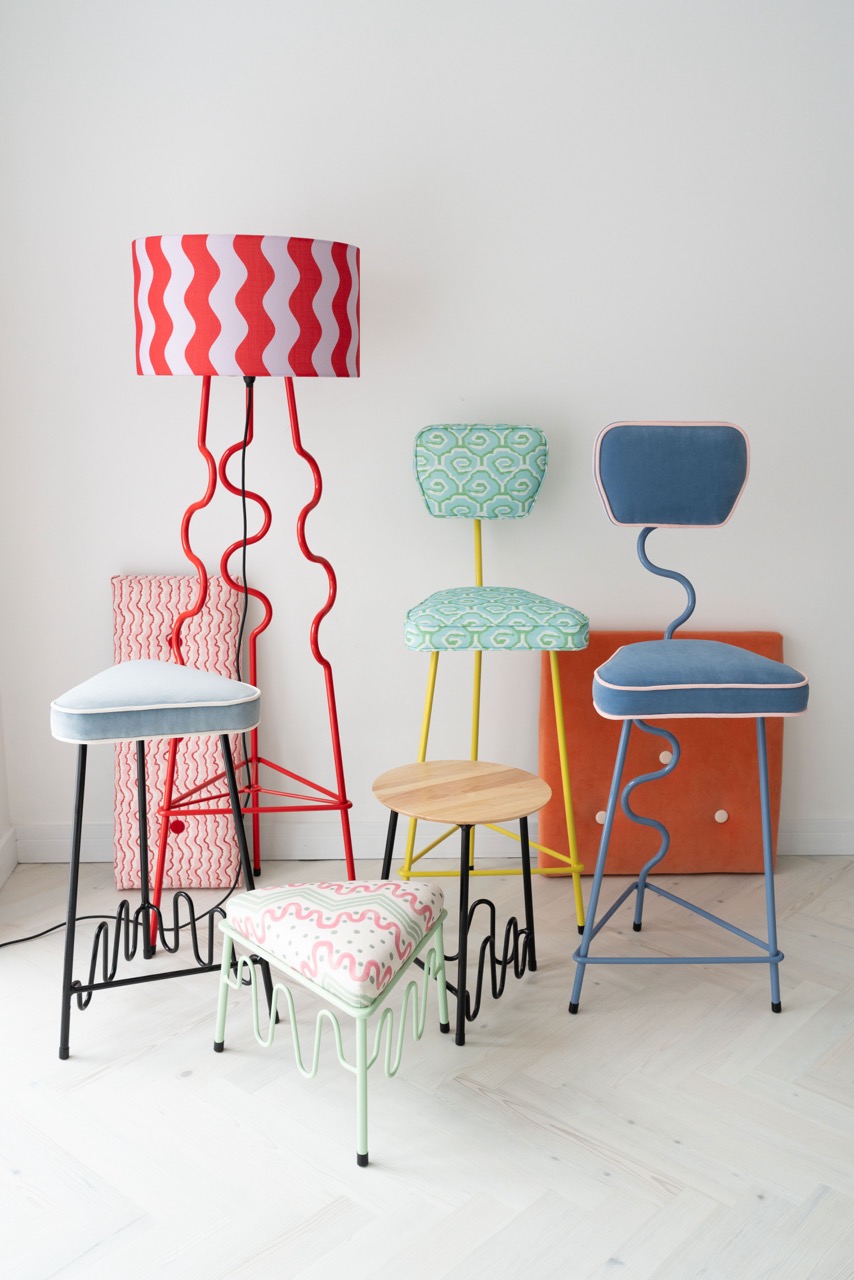
On Makers Made we have a selection of some of the finest makers in the UK producing standout pieces for your home. They have been chosen specifically to bring you something extraordinary with a playful twist.
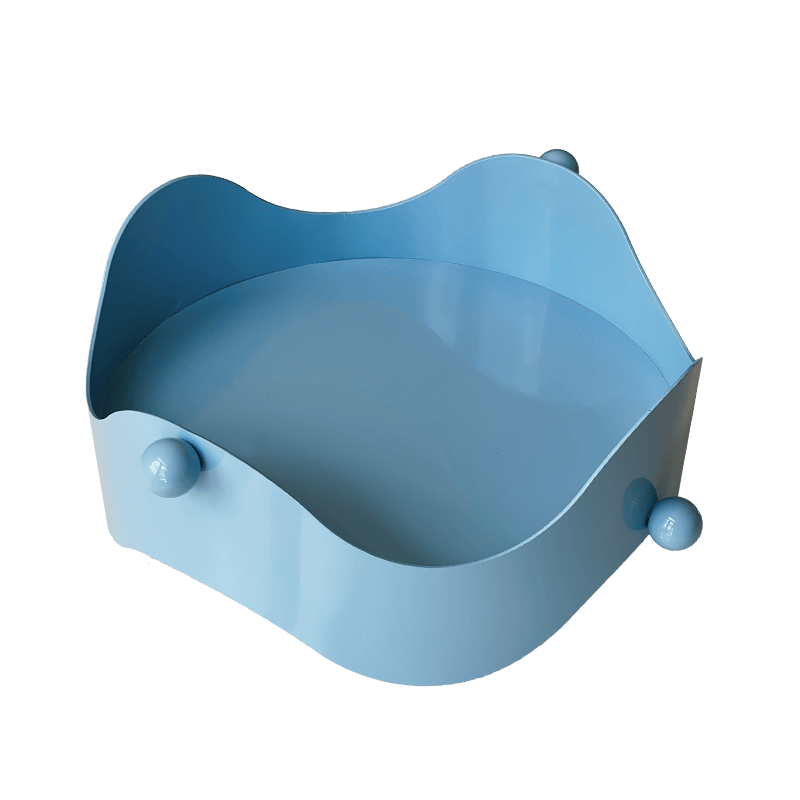
Pulp Sculpture and De La Jardin both work with recycled paper pulp to express their unique style
sustainably and produce some truly eye-catching pieces. David Perry is a glass artist whose striking work includes coveted coasters and beloved bowls which will liven up your table. Drawing on classical shapes and woodworking techniques, Owmi introduce a variety of materials and contemporary twists to create ‘playfulist’ furniture and objects that have been described as visual feasts.
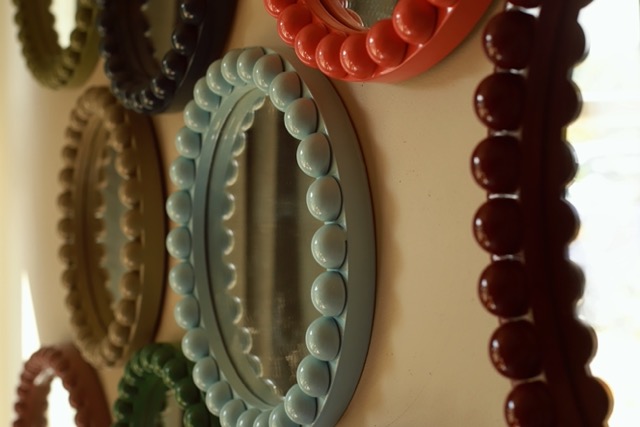
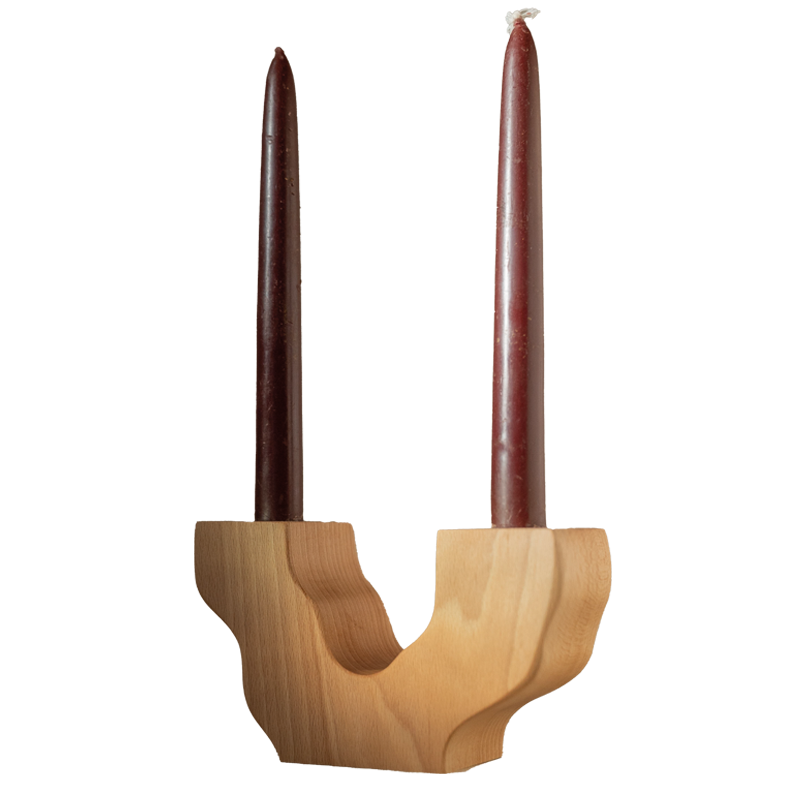
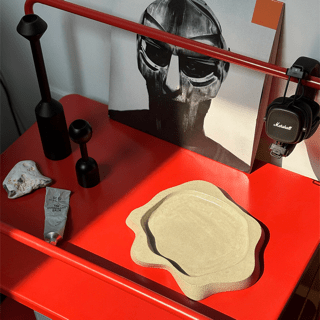
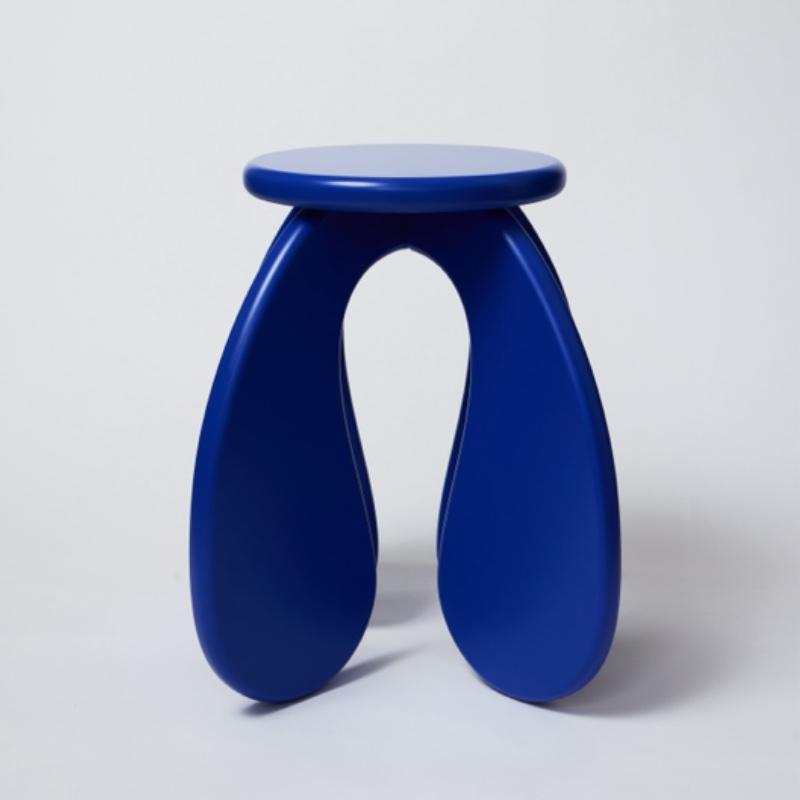
If you are craving something rounded to break up the right angles of your rooms, look no further than this curvy trio. Accentuating the natural grains of reclaimed wood with circular cubist cut outs is Skogr Studio. Their sculptural objects – from vases to candlesticks and bookends – will adorn your tables and mantlepieces. If it’s unique yet functional furniture you’re after, look to Squares and Things or Fox & Furb. From curvy flat-pack to bold bright and bespoke furnishing with a retro vibe, these two have you covered.