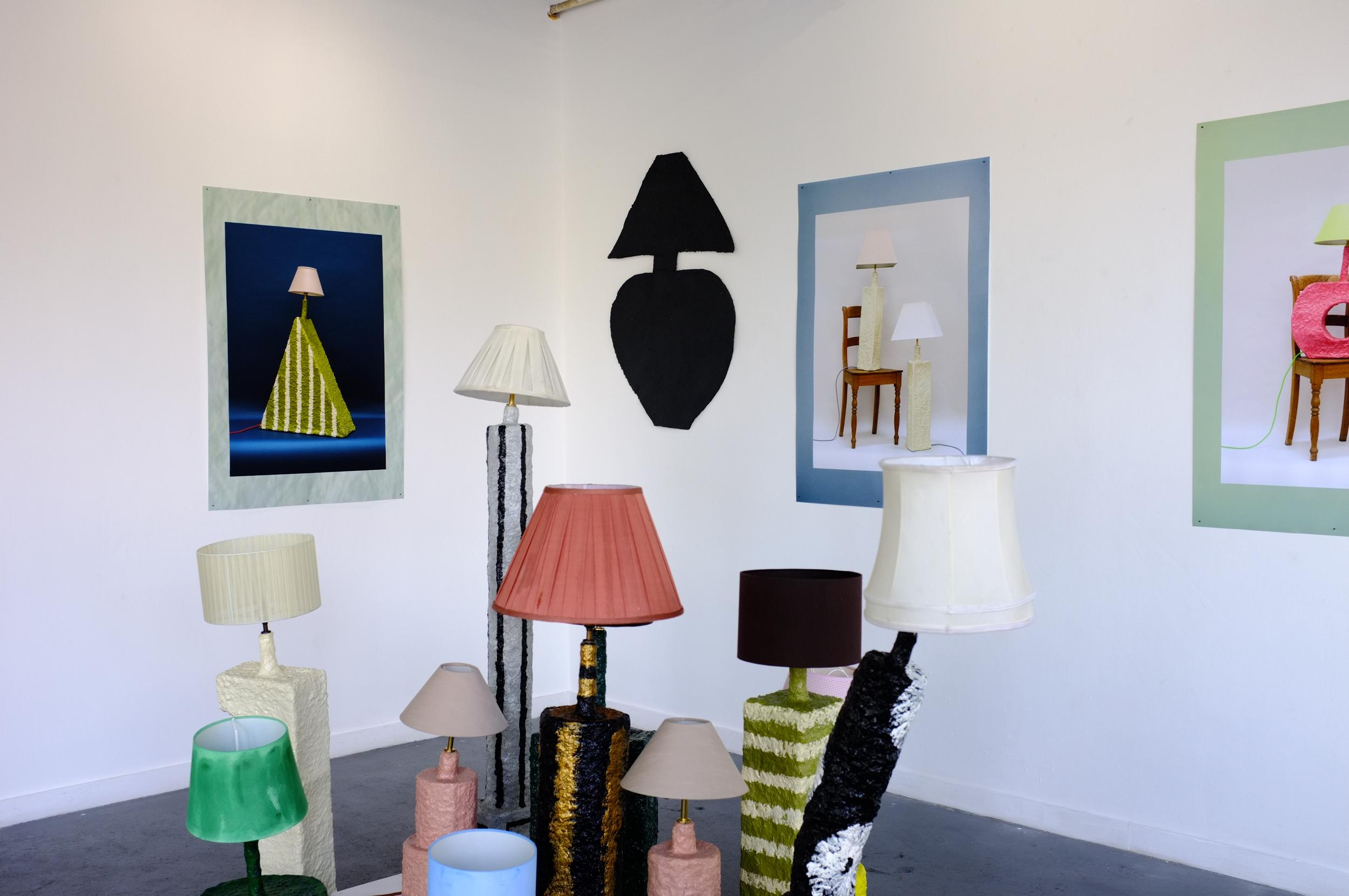
“On Taste” – A Maker’s Perspective by Annie Strachan, Pulp Sculptuur
Taste isn’t something you can buy off the shelf—and if it was, there would be no evolution in design or popular aesthetics. It’s something an individual builds up over time, shaped by key experiences that are deeply personal. Memories unlocked from a childhood holiday—the bright colors of an ice cream stall—or the ridges of rough clay interspersed with thick, glassy glaze from a piece of studio pottery at your grandparents’ house.
The Playful Palette: Bold & Unexpected Combinations
Some makers are drawn to the joy and surprise of working with unconventional colour combinations.
“Every piece made by our makers is genuinely handmade—because there is no other way.”
The problem is that it’s so easy to fall into the trap of a carefully curated homewares collection, mass-manufactured by a multinational, investment-run brand. But when you do, you lose that sense of purpose in an object. It’s no longer something that requires careful handling or passing down through generations. There’s no story behind acquiring it—no memory of how you saved or sacrificed dinners out to afford it. No gentle needling from your partner when friends come round, teasing you for your commitment to a form of taste they don’t quite get (but secretly admire). And when trends change, you won’t give it a second thought before bunging it in a bag for the charity shop.
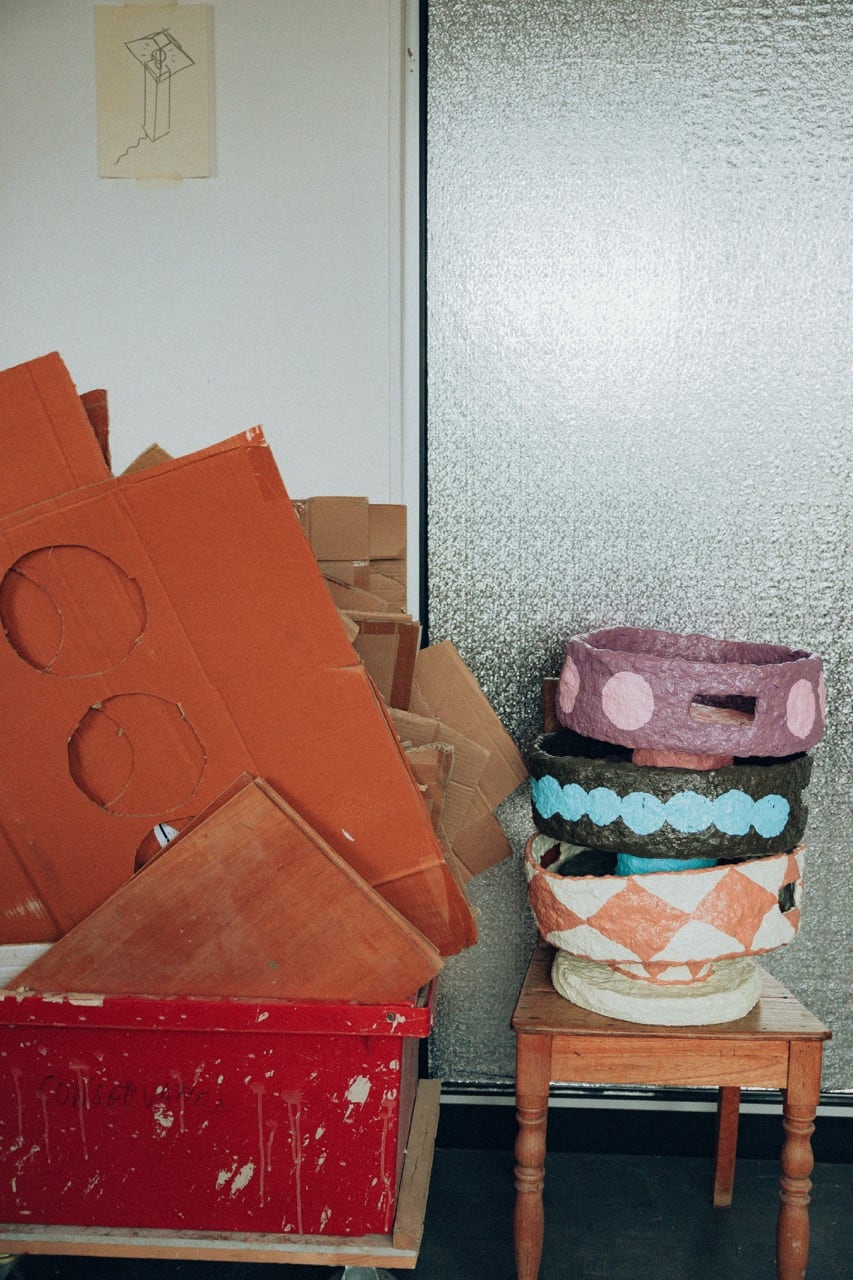
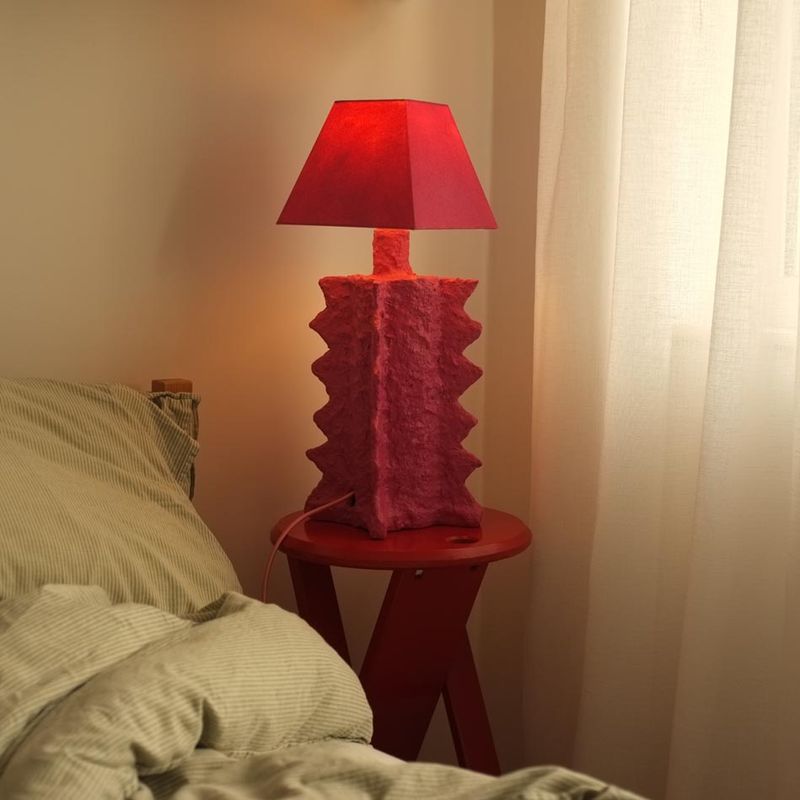
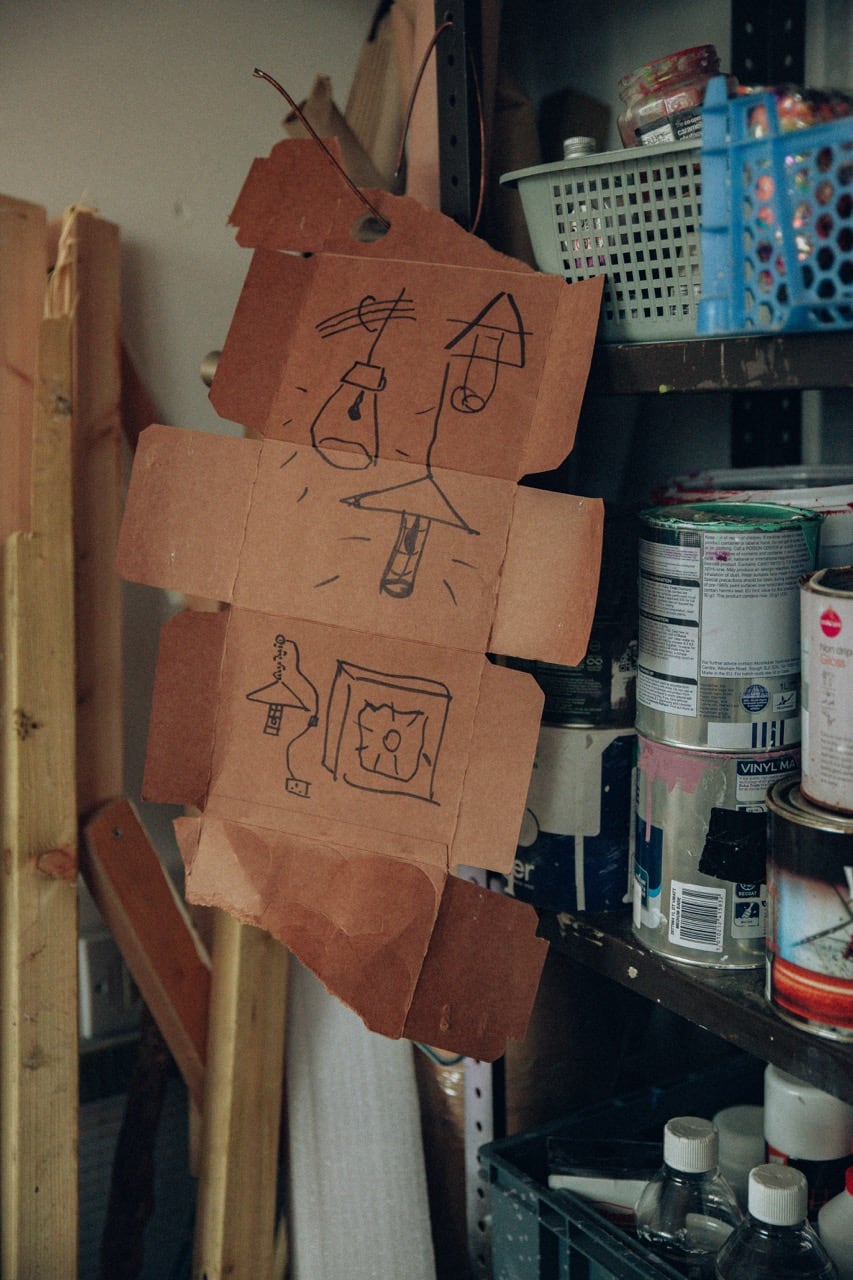
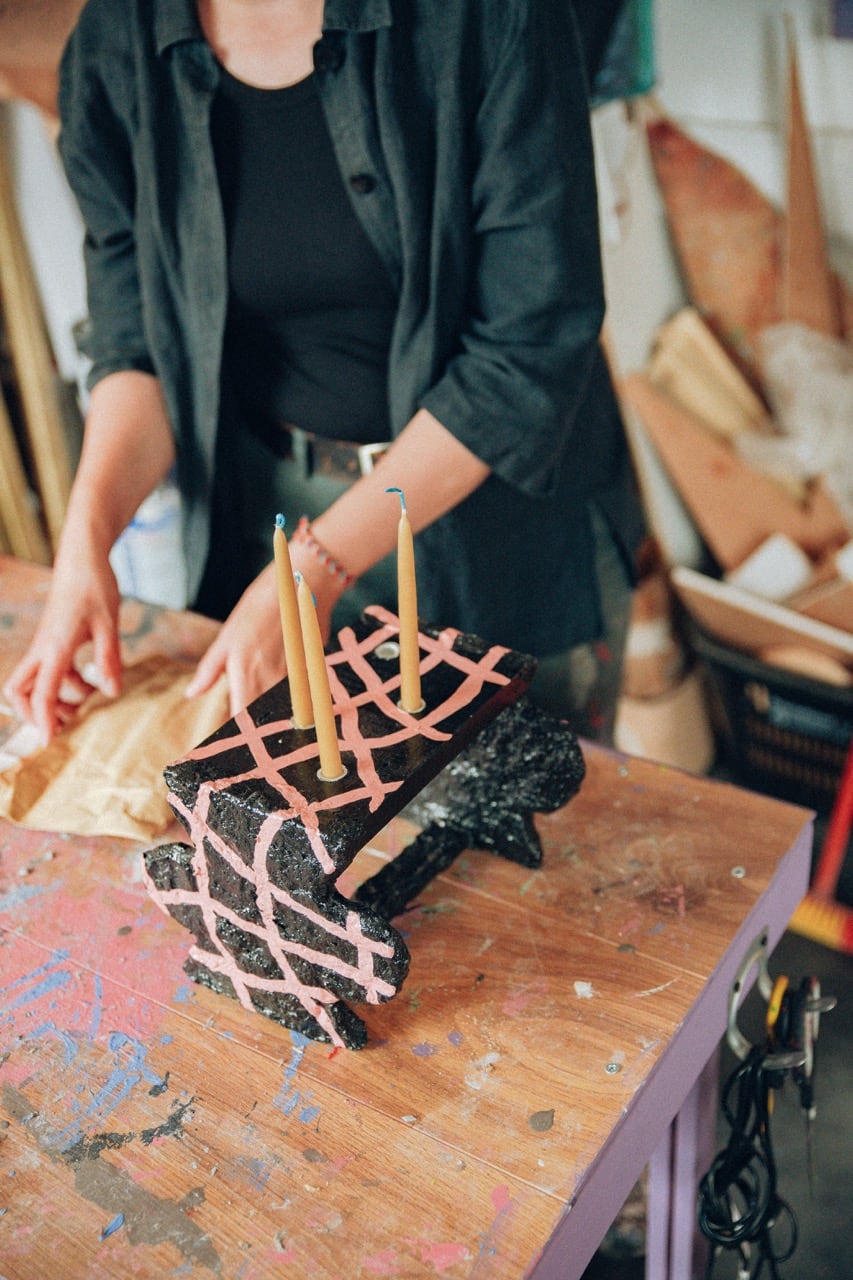
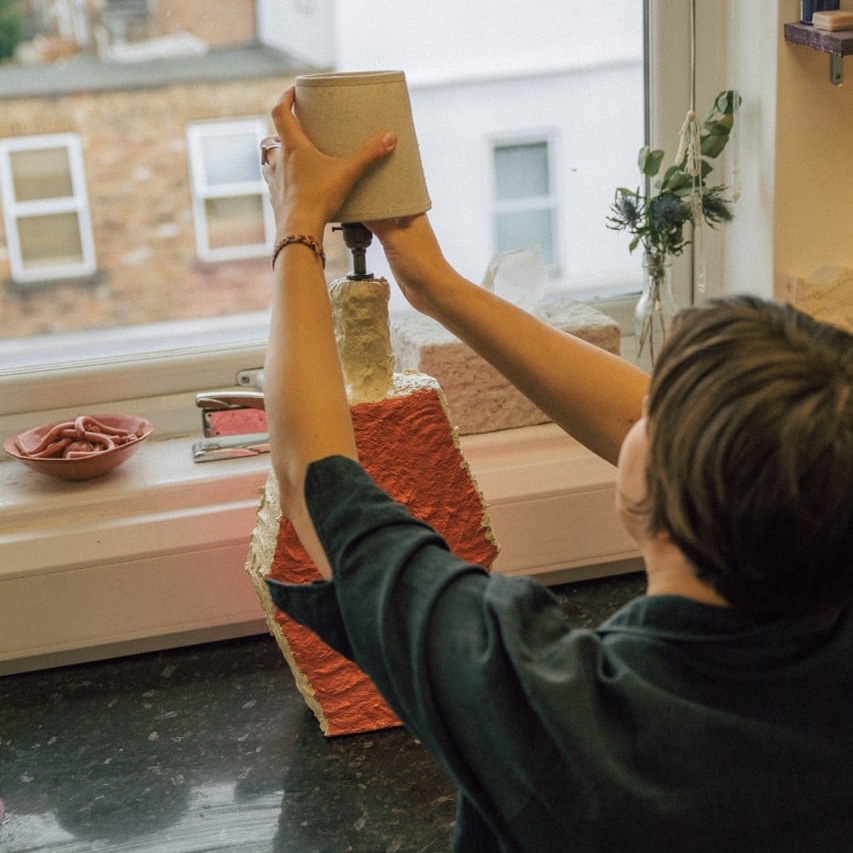
Every piece made by our makers is genuinely handmade—because there is no other way. There’s no pre-approved budget, no buying team, no shareholders to appease. We just make—for the sheer joy of it. In my case, there isn’t a mold that pulp is poured into every time I want to reproduce a lamp base. It has to be built from scratch. When producing that pulp, I’m not buying ready-flaked bleached paper-I’m shredding and processing it all myself, by hand, in buckets. I’m using a recipe I’ve researched and perfected, and I’m doing it with my hands.
“It’s so important to know the difference between a high price tag that pays for real labour and one that funds a well-connected marketing team.”
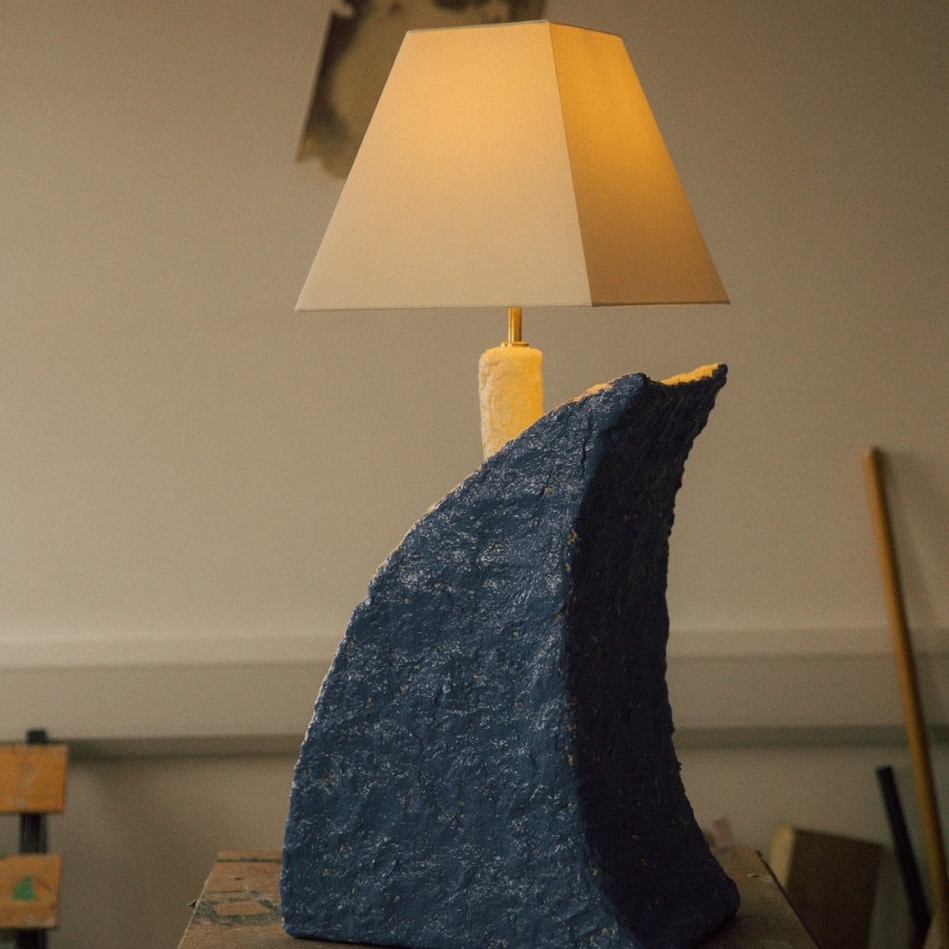
Subtle & Natural: A Muted, Calming Approach
While some makers embrace bold contrasts, others prefer a more understated, calming palette.
It’s so important for consumers to know the difference between a high price tag that pays for real labor and one that funds a well-connected marketing team. In my case, you’re paying for my hands to create something truly handmade, hand-painted, hand-designed, and hand-marketed. The money you spend goes directly towards my rent, my materials, and my labor. It costs that much because that’s the true price of craftspersonship in the UK.
“When you understand the true value of craftspersonship, you don’t just buy a piece—you invest in a story, a craft, a maker.”
And that’s when buying something a maker made becomes more than just a purchase; it becomes part of your own taste.
Colour as a Personal Connection: From Sketches to Confidence
For some makers, the colour selection process is about more than just aesthetics—it’s about building confidence in their creative choices.
Earthy & Grounded: A Love for Natural Hues
For some makers, colour is deeply rooted in the materials they work with, enhancing the natural beauty of their craft.
About the author
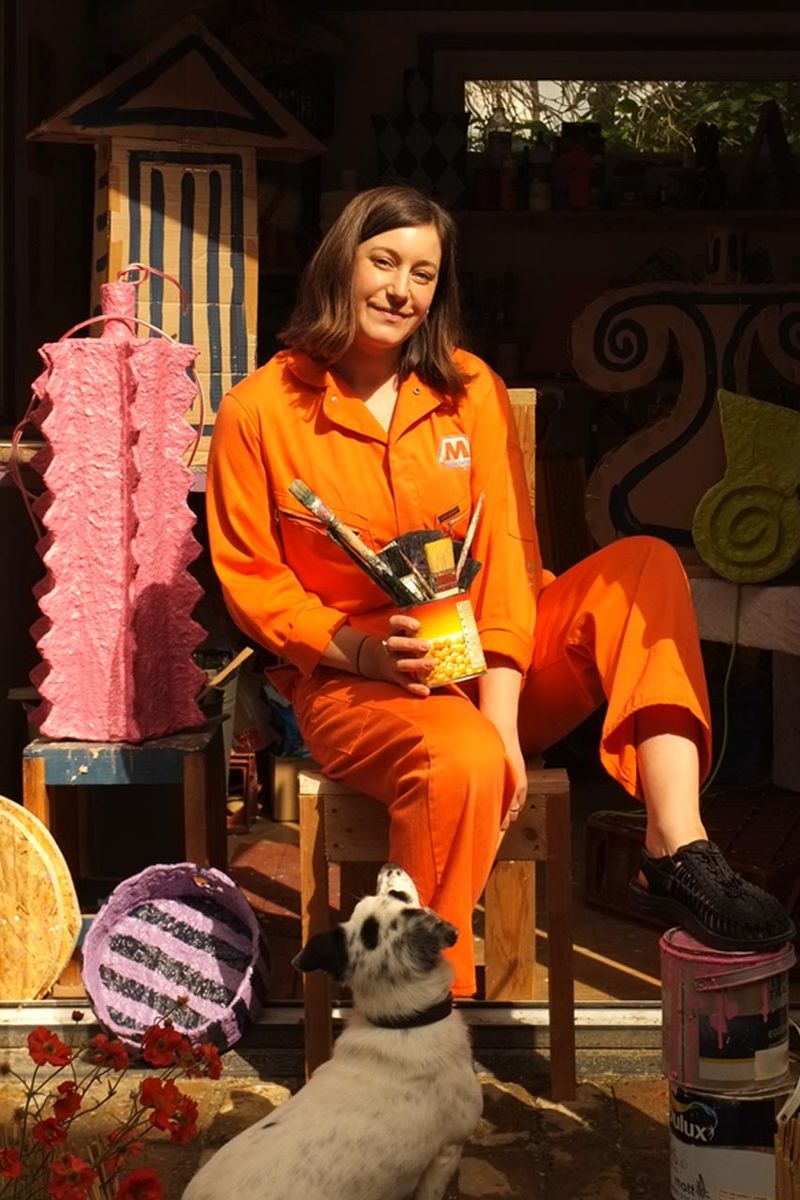
Annie Strachan, Pulp Sculptuur
A London-based artist creating sustainable, functional sculptures from recycled materials like wood, textiles, and papier-mâché. With a background in ceramics and sculpture from Chelsea College of Art & Design, her work blends influences from Modernist architecture, post-war Hollywood set design, and traditional craft techniques.
Handmade in her garden studio, each piece is built from scratch using layered paper pulp and her signature textural relief. Annie has collaborated with brands and institutions including Selfridges, London Design Fair, and The Museum of the Home, with her work recognized by House & Garden’s Design 100 and It’s Nice That’s Nice List.
Discover more about her work and explore her latest pieces by visiting her Maker Page.

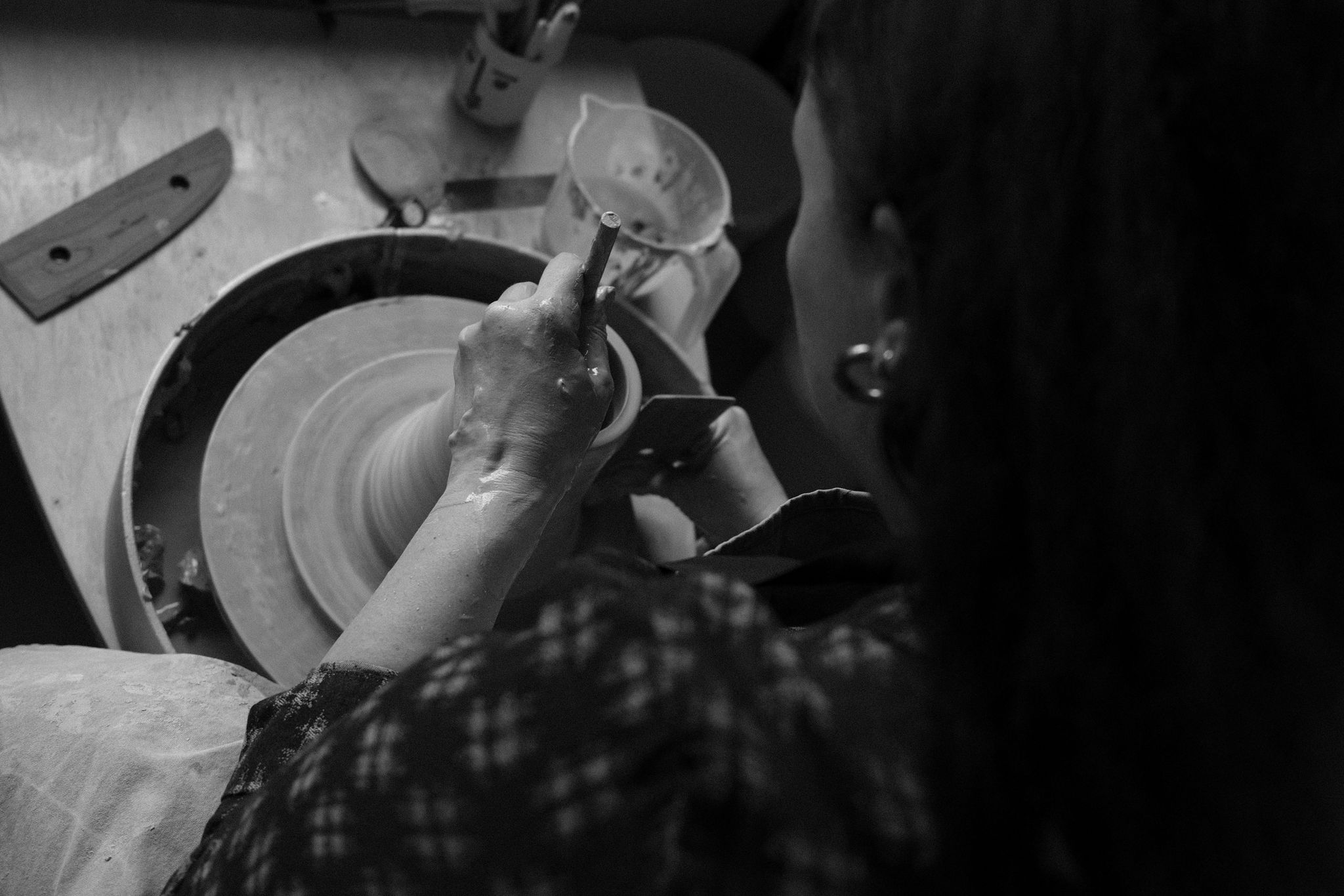
Rituals for Creativity by K.S.Creative
Creativity is deeply personal, and over the years, I’ve realised that every artist has their own rituals—small, grounding habits that set them up to have a productive day creating.
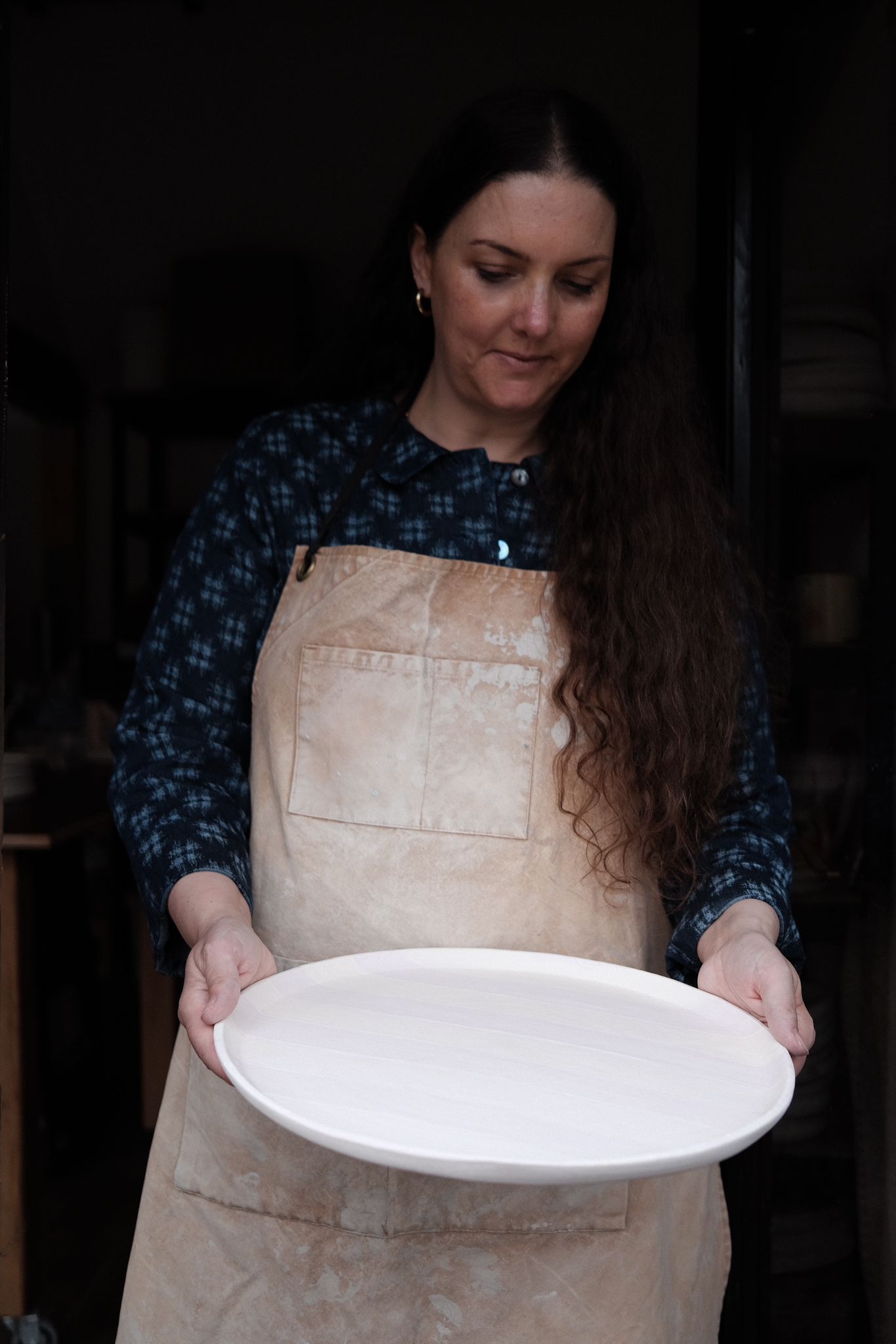
As a ceramicist and founder of K.S. Creative Pottery, I have always been fascinated by the rhythms and routines that shape the creative process. Whether it’s a quiet morning moment, the hum of a favourite playlist, or the tactile act of working with clay, these rituals not only influence my own practice but also offer insight into how other makers find their flow.
In this article, I explore the role of these daily habits, drawing on my own experiences and those of fellow makers, to understand how creativity is nurtured through ritual and routine.
The Playful Palette: Bold & Unexpected Combinations
Some makers are drawn to the joy and surprise of working with unconventional colour combinations.
“It’s my moment to pause before the day gets going.”
Pottery is a process of transformation—both for the clay and for me as an artist. It requires patience, precision, and focus to navigate the many stages, from preparation and glazing to firing. While every maker finds their own way of working, we all share a commitment to balancing technical skill with creative expression.
For me, starting the day right is essential. Whether it’s a cup of coffee, a walk in the countryside, or simply taking a quiet moment before stepping into the studio, these rituals create a sense of calm before the physical process of making begins.
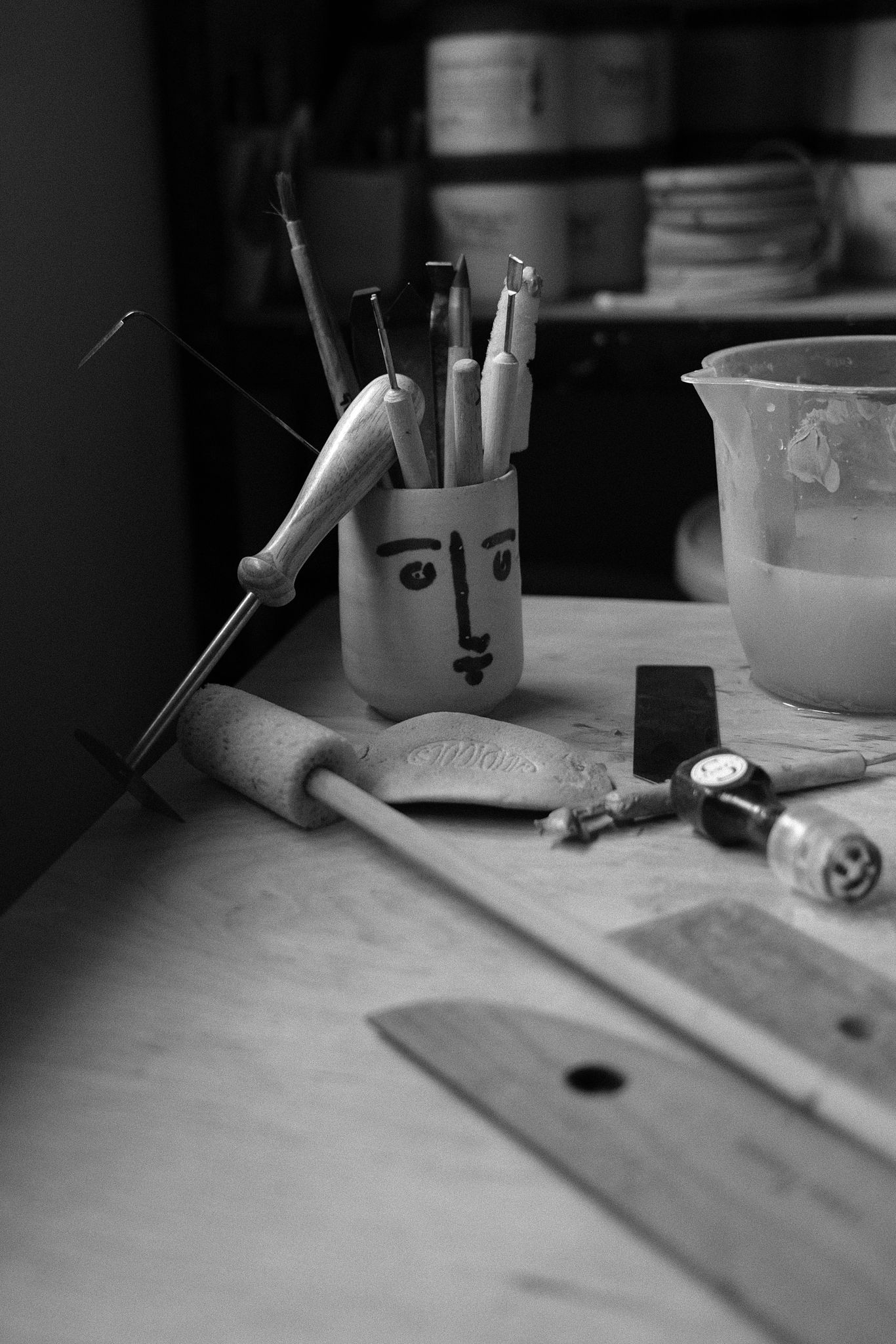
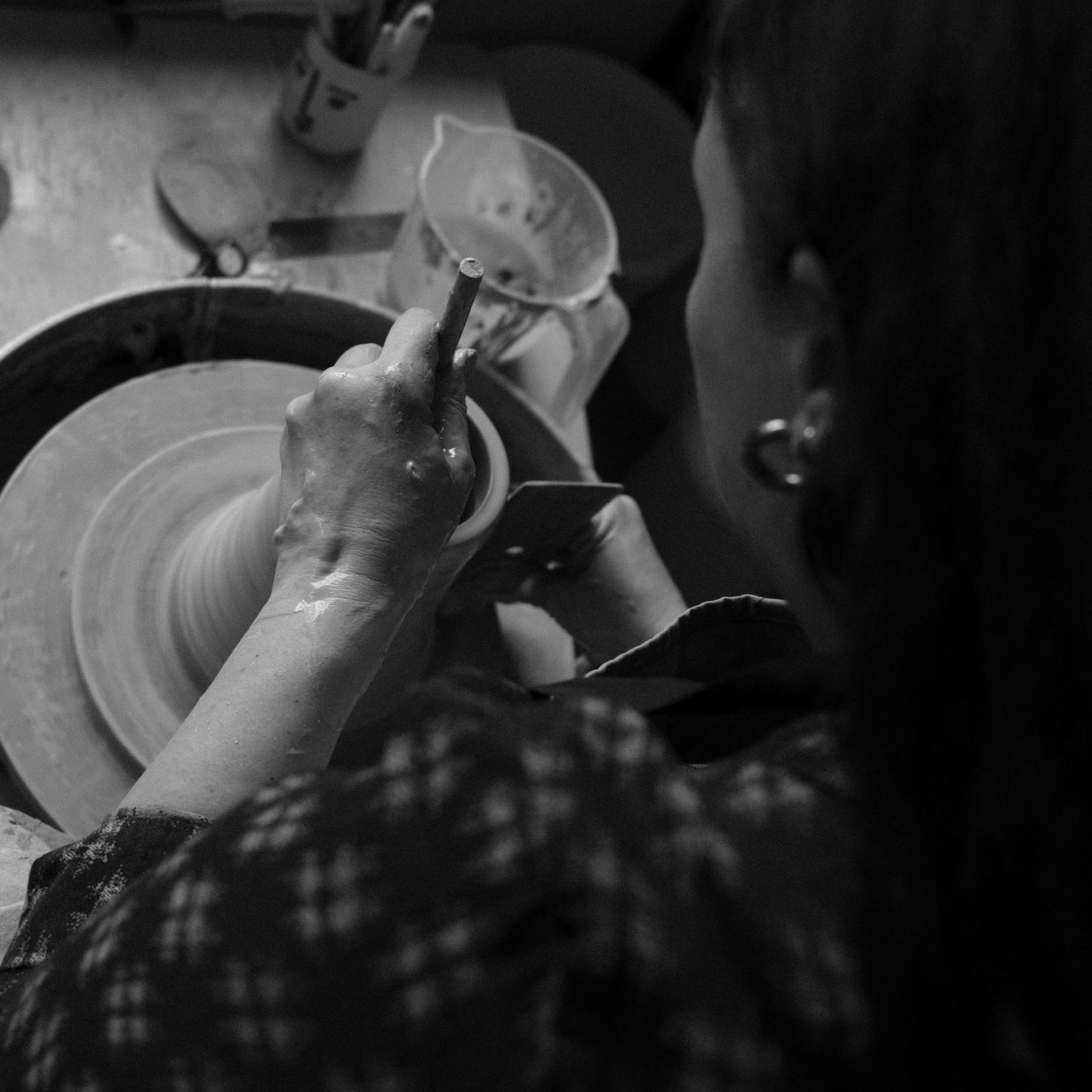
Once I’m in the studio, the environment plays a crucial role in shaping my creativity. Some makers thrive in silence, while others need sound to keep them focused on their work. I tend to have music, a podcast, or the radio playing in the background. I love Guy Garvey’s voice—it helps set the tone for the day and keeps me engaged while working.
My fellow maker Hal Haines embraces shifting rituals:
“I find rituals extremely important, but I often shift from one to another. I used to burn a particular scent of St Eval candle in my studio every day, or drink a specific Pukka tea infusion (one with fennel), or binge a full podcast series from beginning to end.”
Subtle & Natural: A Muted, Calming Approach
While some makers embrace bold contrasts, others prefer a more understated, calming palette.
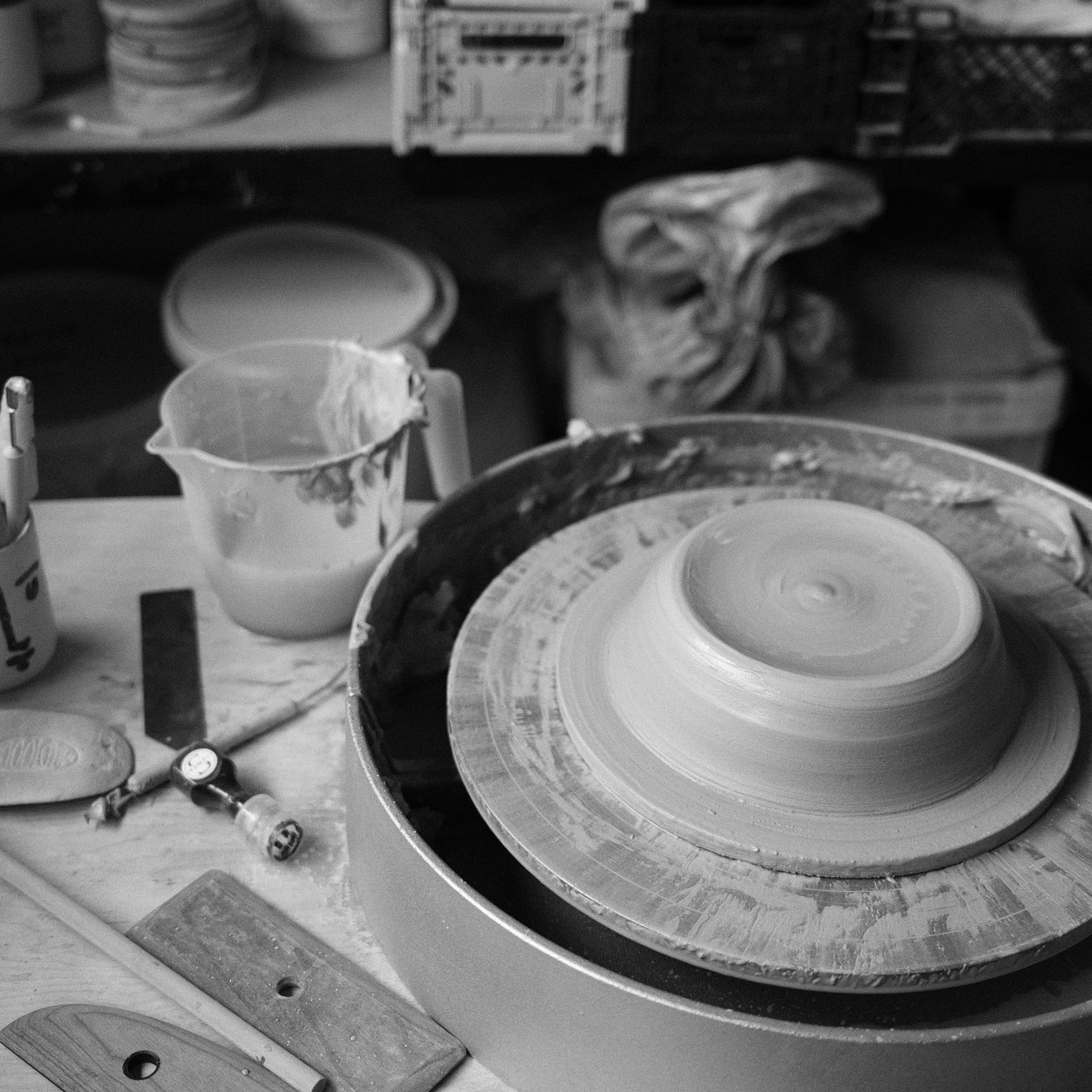
Making in clay is both enjoyable and rewarding—often described as therapeutic—but it is also physical and demanding. It takes skill and practice to master the craft, from centering clay on the wheel to achieving the perfect glaze finish.
Leaving space for creativity is just as important as mastering the technical aspects of pottery. Artists and makers understand that inspiration cannot be forced, and allowing room for spontaneity can lead to some of the most meaningful work.
“I make sure to give myself the freedom to experiment — Some of my best pieces have come from moments where I simply let the clay guide me.”
Hodge Potts
Hains echoes this sentiment, emphasising the importance of curiosity:
“If you don’t leave room for exploration, you risk losing the joy in making.”
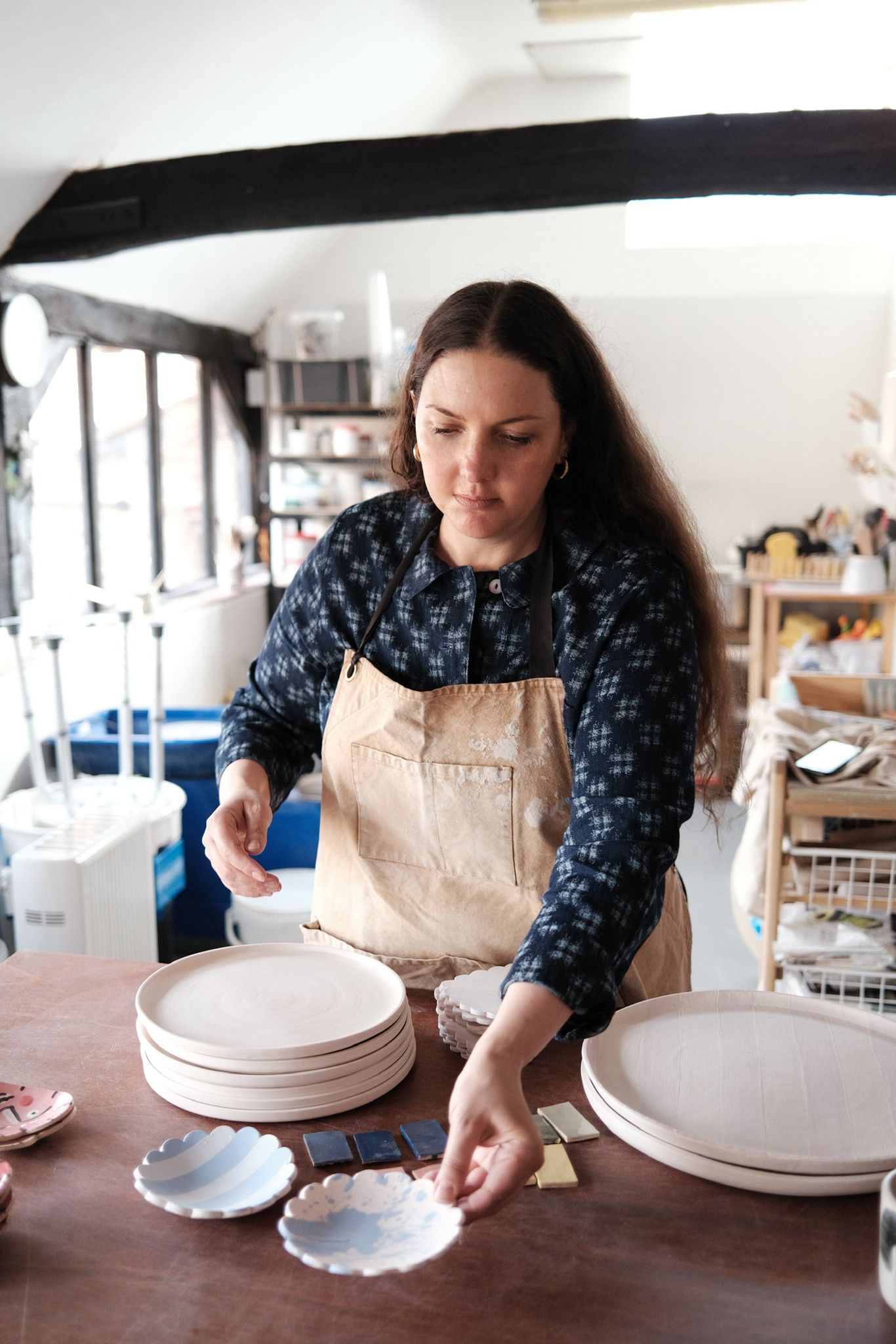
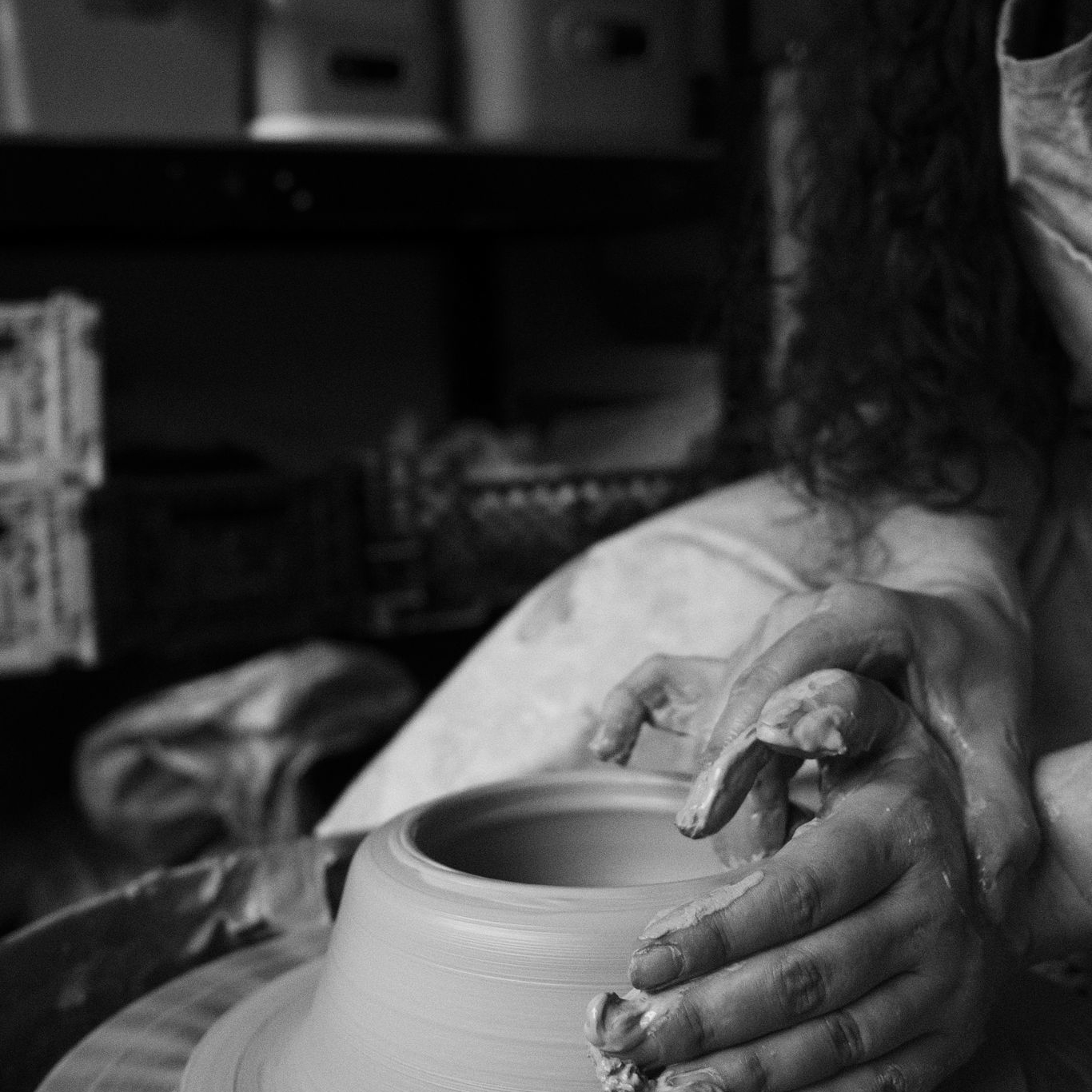
Having structure is important—especially when making to order or working to deadlines—but leaving room for spontaneity is crucial for true creativity. It allows new ideas to develop naturally.
Maker Hodge Potts shares a similar approach:
“I don’t start with a fixed plan for every piece. I allow myself to be inspired by the material, responding to it as I go.”
Hodge Potts
I see value in both approaches:
“Some artists thrive on routine, while others embrace the unknown. There’s no right or wrong—it’s about what allows the creativity to come through.”
Colour as a Personal Connection: From Sketches to Confidence
For some makers, the colour selection process is about more than just aesthetics—it’s about building confidence in their creative choices.
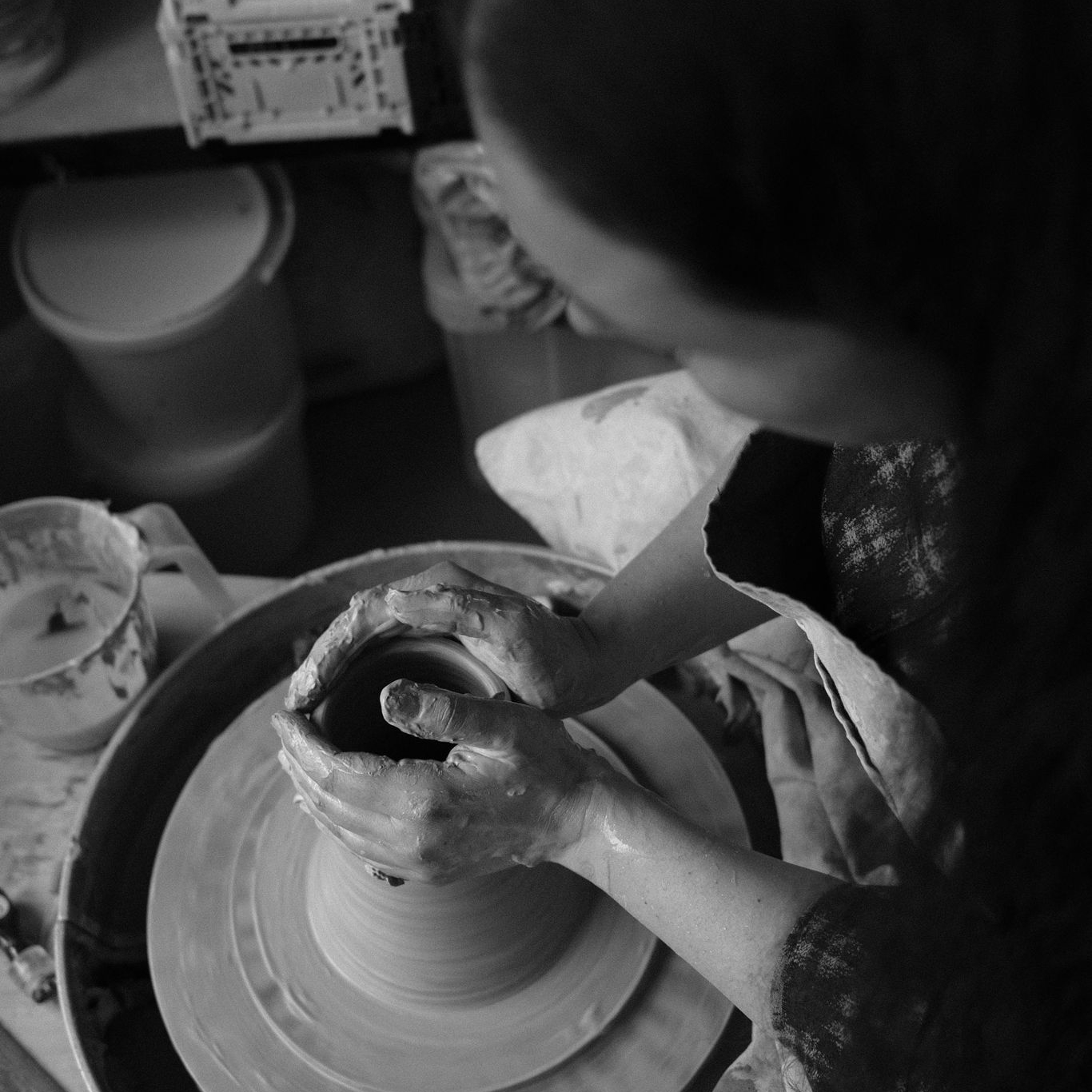
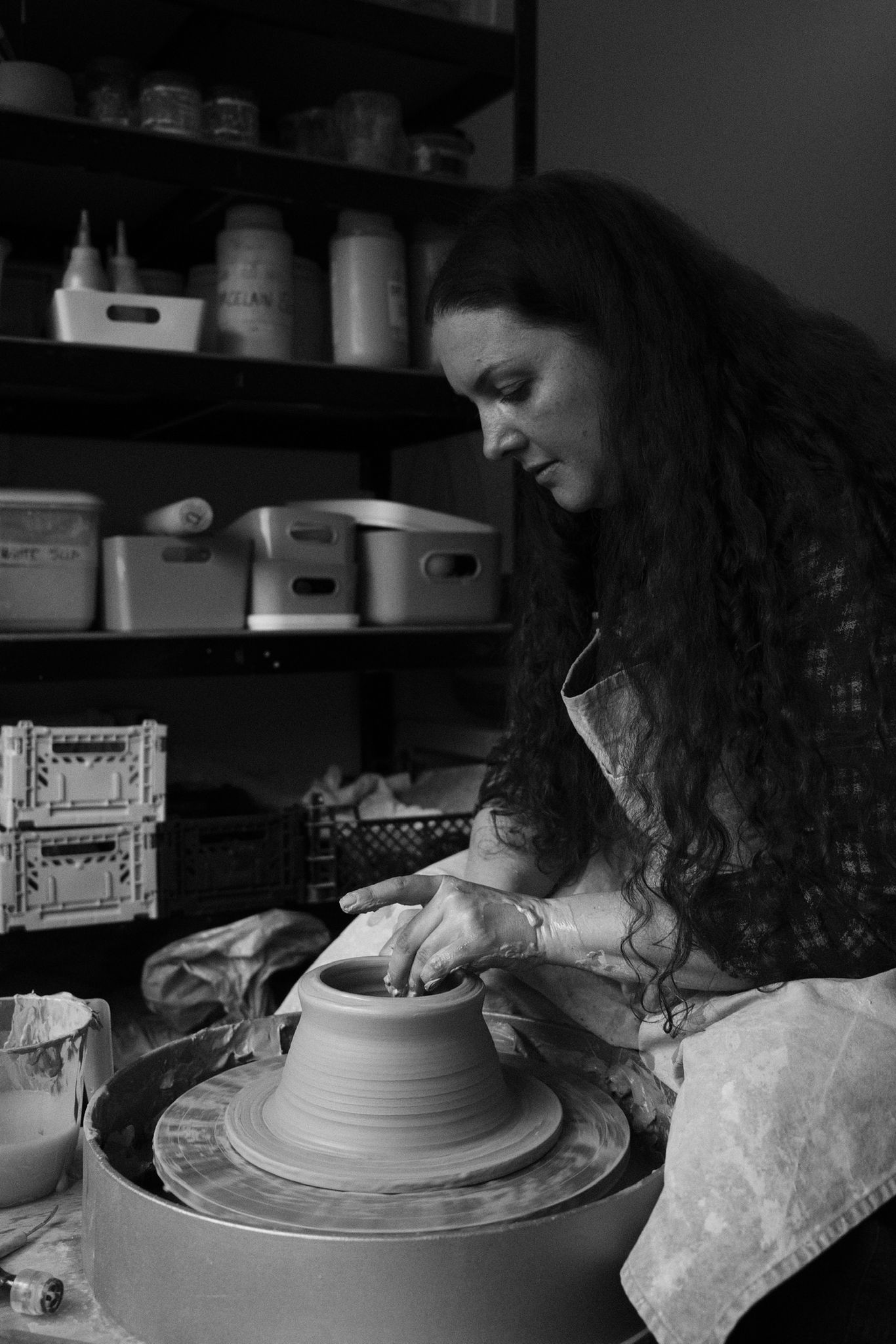
For me, the beauty of pottery is in its balance between function and meaning. Every object carries the marks of its maker. “Showing the maker’s hand” is a term commonly used, but it’s not just about the physical marks—it’s about the process and rituals that brought the piece to life.
A handmade mug, for example, has throwing rings at its centre—marks left where fingers pulled up the walls of clay. Its glaze will be unique, with speckles and variations from the kiln’s unpredictable reactions.
A cup of tea in a handmade mug will always feel more special.
Earthy & Grounded: A Love for Natural Hues
For some makers, colour is deeply rooted in the materials they work with, enhancing the natural beauty of their craft.
“At the heart of it all is the joy of making.”
Ali Hewson
Hal Haines adds:
“If you don’t leave room for exploration, you risk losing the joy in making.”
Every artist has their own way of working, but rituals remain a common thread. These small acts shape the creative process and give meaning to making.
There’s something beautiful about the way creatives build their own rhythm.
“It’s a reminder that making is just as much about the process as it is about the finished piece.”
We could all choose to produce our pieces in a factory—but we don’t.
We want to feel the clay.
We choose to create with our own hands.
We enjoy the process—and it is the process that makes each piece unique.
There is so much that goes into making pottery, but it is these small rituals that keep us focused and enable us to produce beautiful pieces that people want to own and treasure.
Photography by: Imogen Love
About the author
K.S. Creative Pottery
Kate Sellers is a multi-disciplinary creative and the founder of K.S. Creative Pottery, a boutique pottery studio set in the idyllic Kent countryside. With a background as a prop stylist and set designer, her artistic journey has been shaped by a love for creating and a keen eye for detail. She turned to pottery as a way to slow down, reconnect with hands-on making, and bring her vision for timeless, meaningful homeware to life.
Discover more about her work and explore her latest pieces by visiting her Maker Page.