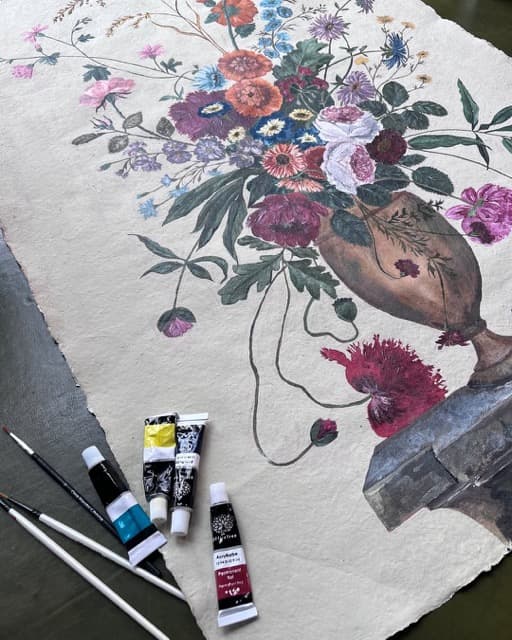
Meet the Maker: Wilderframe and the Art of Pressed Flowers
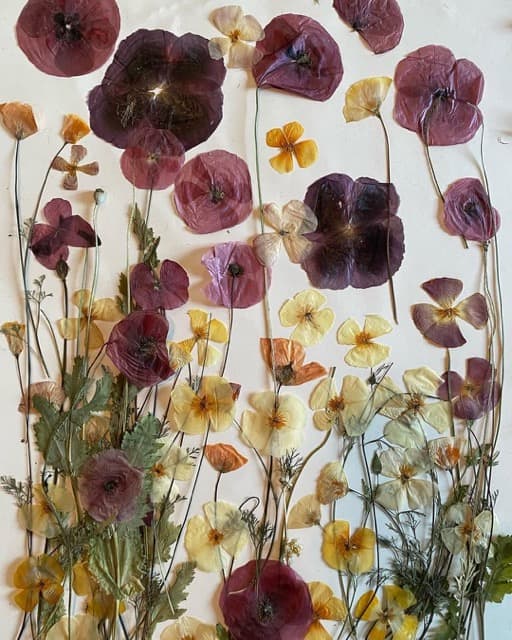
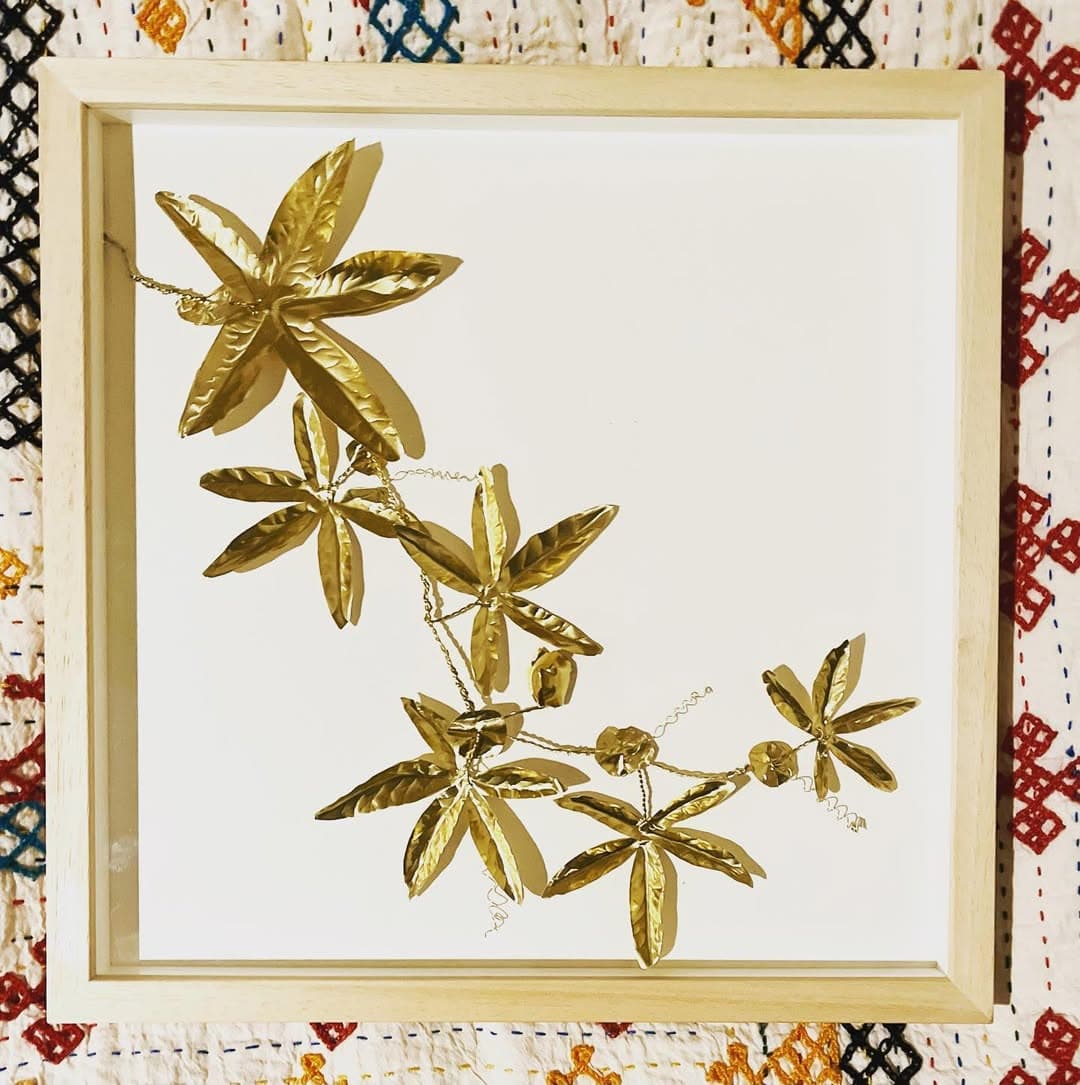
From her studio in the Scottish countryside, Fi McDougall creates art that celebrates the poetic beauty of the natural world. As the founder of Wilderframe, Fi crafts original floral sculptures and wall art that blend traditional botanical techniques with a contemporary eye.
Drawing from her background in English literature, and a lifelong fascination with plants and flowers, her work is rooted in both symbolism and structure. Each piece is hand-cut, thoughtfully assembled, and carefully framed using sustainable materials and intricate, hand-finished details that reflect Fi’s mindful approach to making.
1. Can you tell us a bit about yourself and your artistic journey?
I began my career as an English teacher and had never, until recently, considered the possibility that I might be able to make a living from creating things. I have always, however, had a deep respect for craft and a love of plants and flowers.
It was towards the end of the Covid lockdowns, while on maternity leave, that I started exploring a range of crafts and mediums I’d not touched for years. I was struggling with Post-Natal Depression and felt so relieved to be doing something for me and something that felt productive during the stolen hours when the kids were sleeping.
2. What inspired you to pursue your craft? Was there a defining moment or influence that sparked your passion?
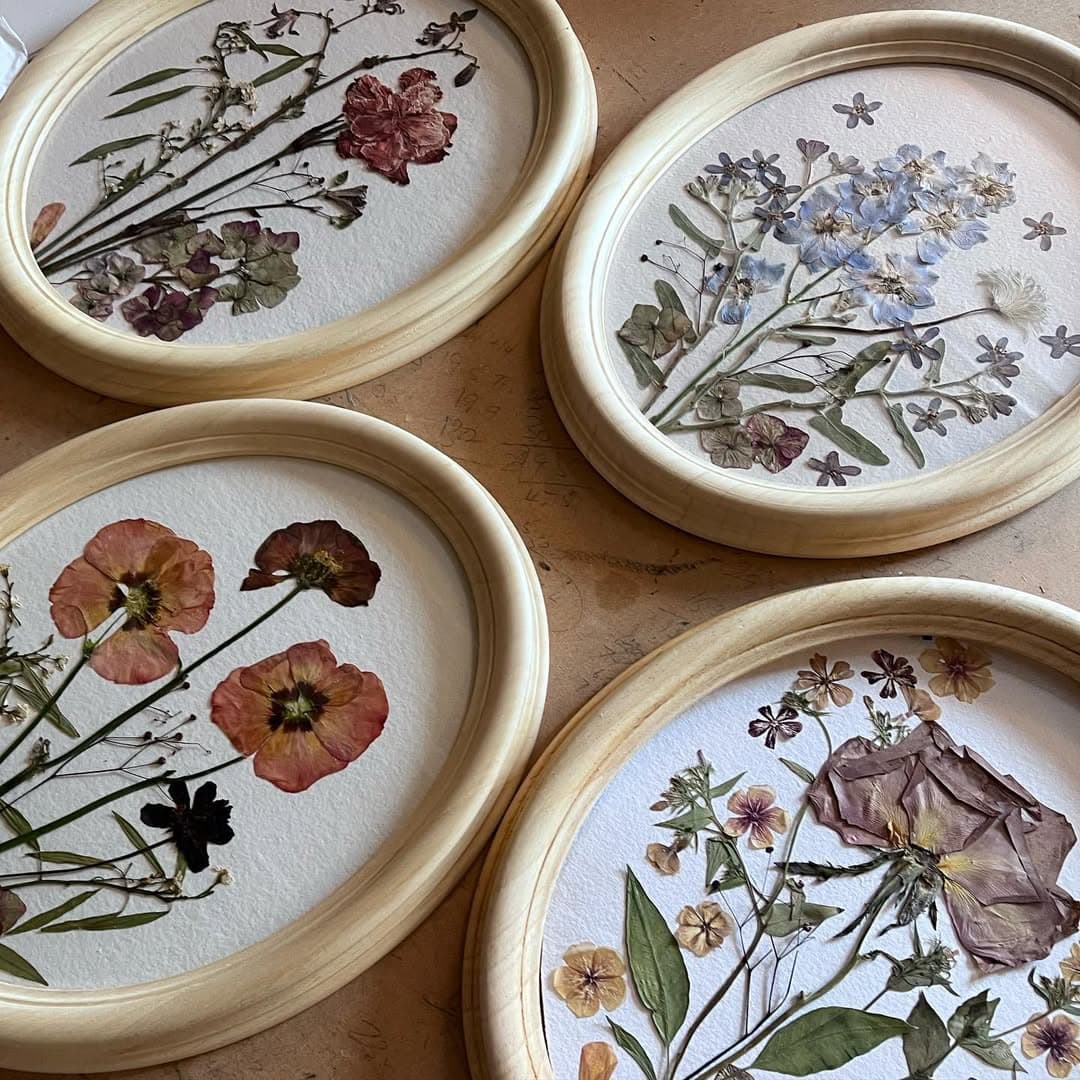
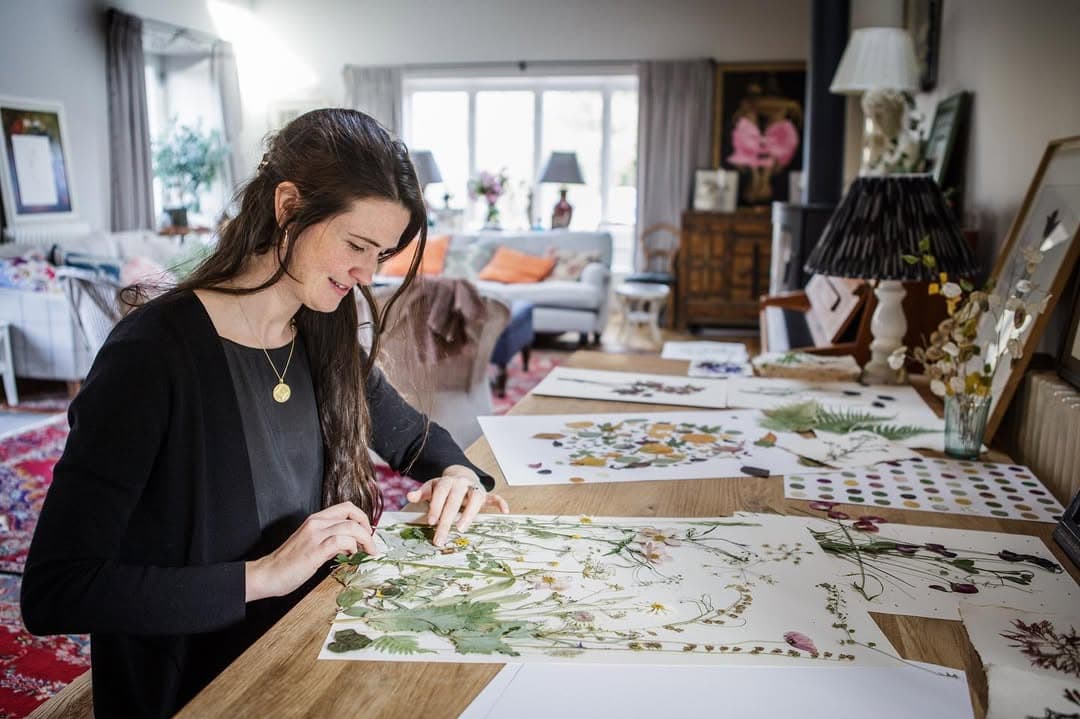
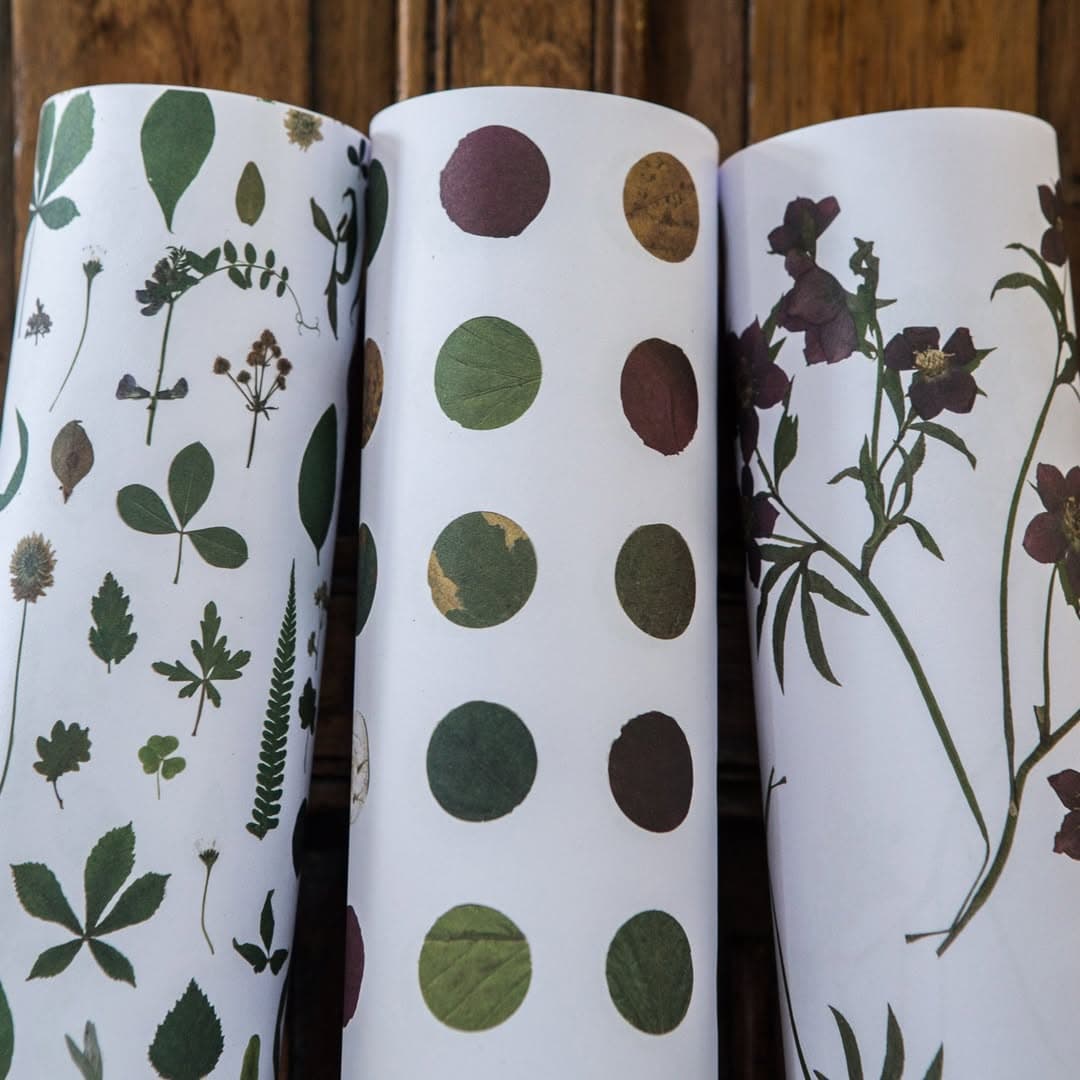
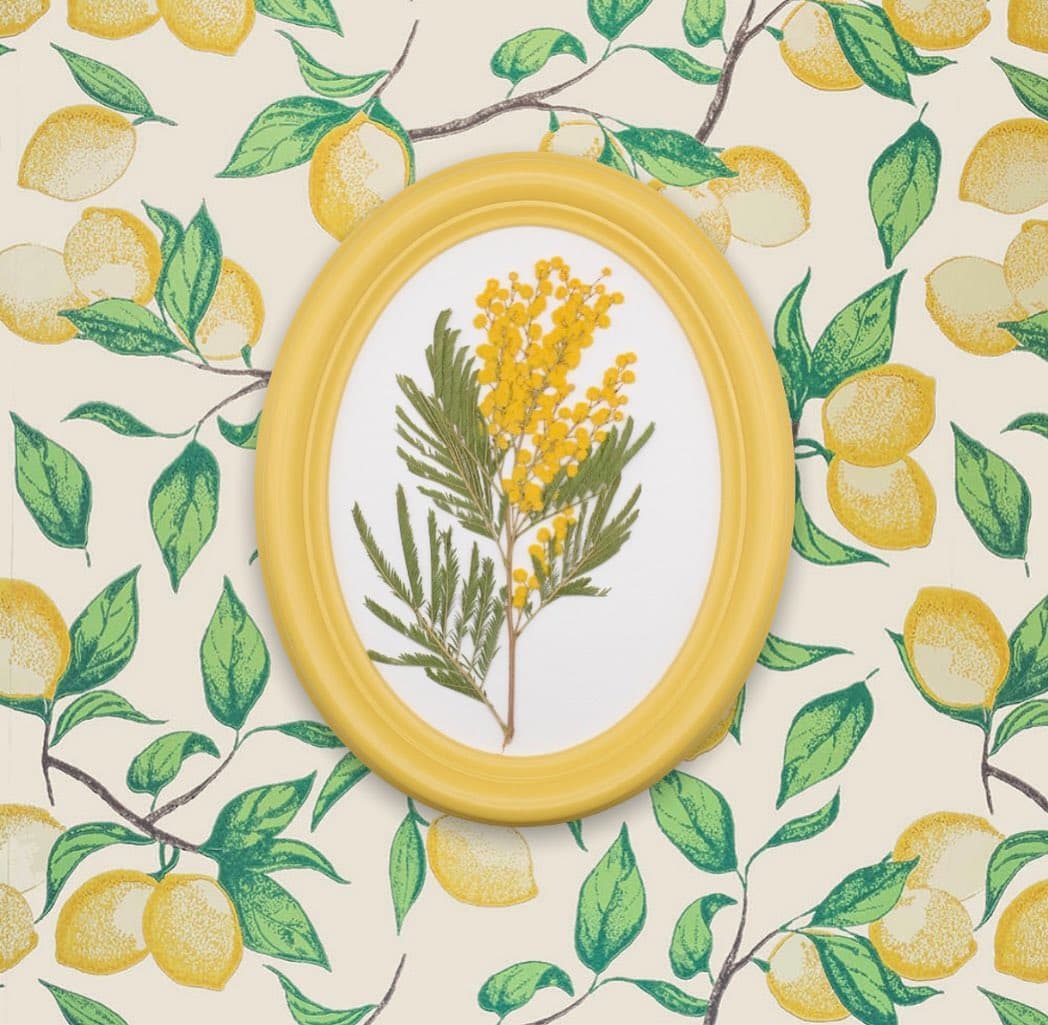
I have a tendency to get a bit obsessive and pressing flowers really captured my imagination. I came back to my childhood hobby through the lens of adult interests in Victorian literature and the practice of keeping herbaria; I sympathised with the desire to identify, collect and freeze an ephemeral moment during an uncertain time. All other techniques I have used subsequently are connected to this impulse.
I have been incredibly lucky to have found people who have supported me through sharing, buying, commissioning or exhibiting my work and enabled my practice to grow organically.
Your craft
3. How would you describe your work in three words?
Floral, decorative and nostalgic
4. What materials or techniques do you use, and why are they important to your process?
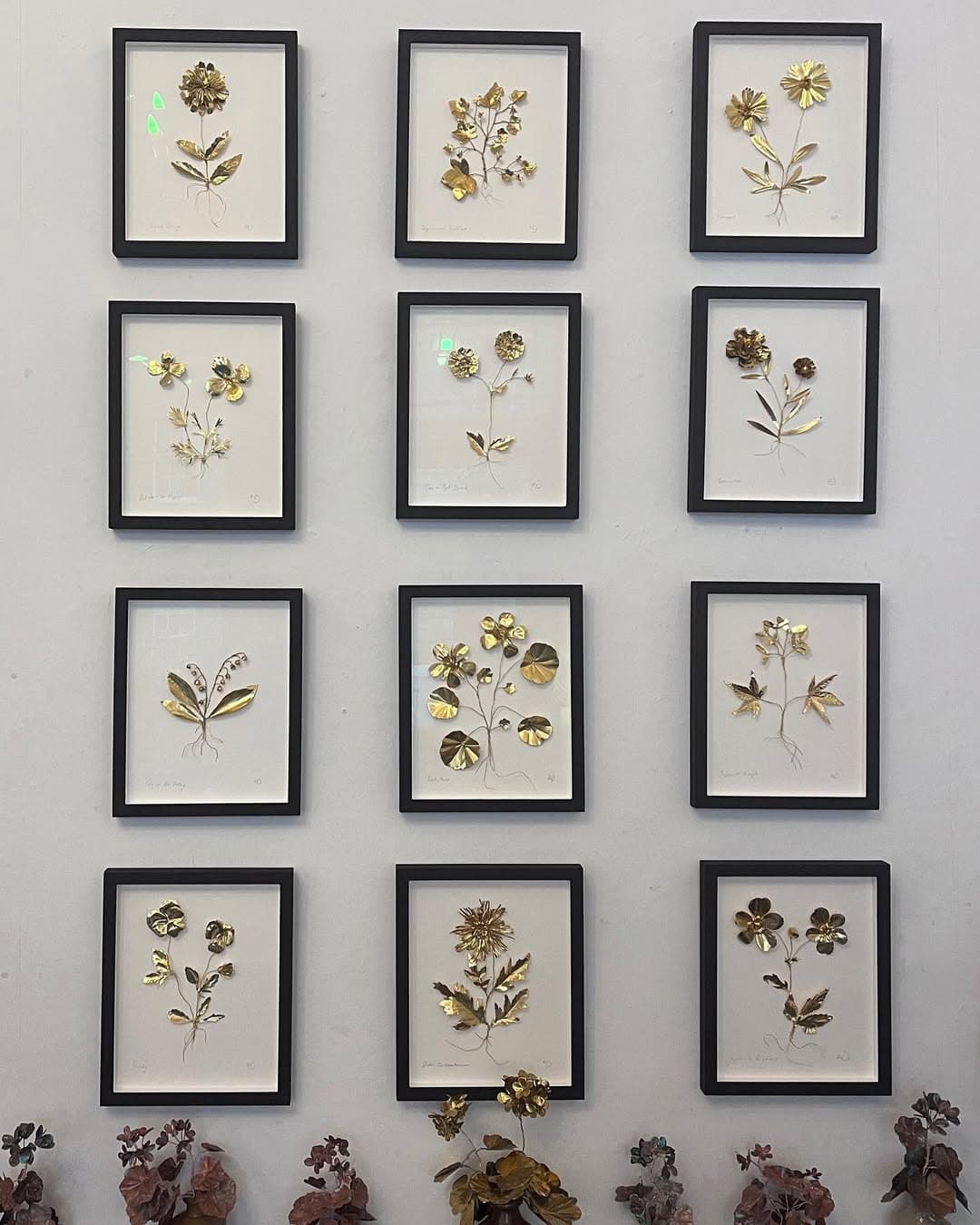
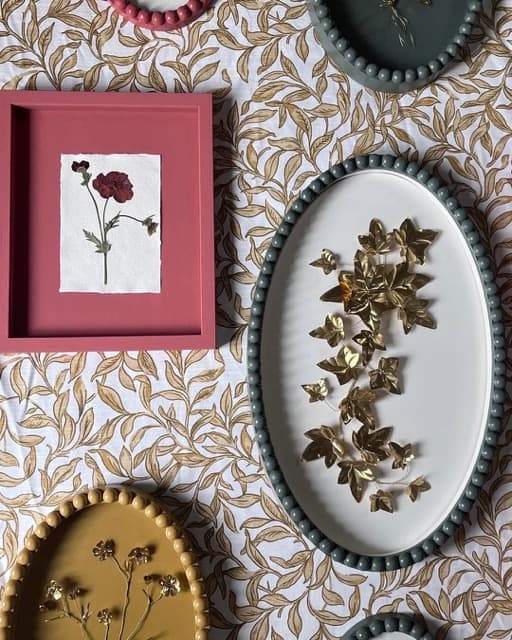
I am not very good a sticking to one medium or technique. I’m still experimenting and suspect I will continue doing so forever! The unifying theme is flowers, and I try to work from real life as much as possible. I enjoy using metal because it is so materially different to a flower, but can be used to render one beautifully. It’s a satisfying contrast.
5. Can you tell us about a favourite piece you’ve created and the story behind it?
A large circular pressed flower collage, over a meter in diameter, which charts the flowers in our local area from early Spring to late Summer. It was one of the first pieces I made for an exhibition and it received such generous feedback during the show. I loved watching people examine it, identifying the flowers and often sharing nostalgic recollections of childhood.
Creative process
6. What does a typical day in your studio or workshop look like?
No day is the same! I’m trying to get better at organisation and admin, and I find that ticking off a few tasks first thing can help me to get going. I then often get out about five different projects, make quite a lot of tea, and hit my peak level of productivity just before I have to hit pause!
7. Do you have any unique rituals or habits that help you stay creative?
I am not sure any of my habits are particularly unique, but the things I find most helpful are long walks and conversations with creative friends. And podcasts in the studio that are distracting enough to silence some of the internal chatter but that don’t steal all my attention!
8. How do you handle creative blocks? Do you have any strategies or tips for overcoming them?
I’m still in the very early stages of my creative career and welcome tips from anyone! In my short experience, I have found that if I’m struggling with a particular project, I need to relax and let it sulk in the periphery. Re-inspiration often finds me when I’m happily working on something else!
Challenges and successes
9. What’s the biggest challenge you’ve faced as a maker, and how did you overcome it?
Learning how to managing time. In teaching, my timetable was managed for me and I’m still adjusting. I’m chronically bad at prioritising, estimating how much time things will take and therefore planning my workload effectively. I need the pressure of a deadline but also get wildly anxious. I am a long way from overcoming it, but through seeking out the wisdom of friends, and getting people to hold me to interim deadlines, I’m getting at least a little better.
10. What’s been your proudest moment or achievement so far?
Exhibiting in a group show at Dalkeith Palace with other artists whom I greatly admire. I felt completely fraudulent but it was a real turning point in my fledgling career where I sold well and thought I might try to really give this a go.
11. What’s your favourite quote you’ve ever heard about your work? Who said it, or what was the name of the publication?
‘it must have taken ages’, or ‘it’s so detailed and looks like the real thing’
– Overheard by people coming over to the studio
Inspiration
12. Where do you draw inspiration from for your work? What sparks your imagination and creativity?
My inspiration comes from the garden, from literature and from my own research. I also attend regular courses and workshops to continue learning new skills. There is no doubt that looking at beautiful things is one of the most powerful ways of igniting my imagination. But I need to be careful not to get over-stimulated: the access to boundless material on social media can often have the reverse effect and ends up being a bit disheartening or distracting.
13. Do you have a favourite artist, maker, movement, or tradition that has influenced your craft?
I think I’m most interested the social and aesthetic discourse of the Arts and Crafts movement, which seems germane to our own era, although it is not a straightforward relationship.
I’ve also just discovered the work of metal sculptor Shota Suzuki; his work is achingly beautiful!
14. How does colour influence your practice; is it an important part of your process? Do you have a particular palette or favourites? Any go-to sources for colour inspiration?
Colour is very important to my work, often for framing choices but increasingly for the works themselves as I use a wider range of media. Most inspiration comes from the flowers in the garden!
Perspectives and goals
15. What role does your environment play in shaping your creativity?
It is central to everything; the garden provides all my models! I’m also fully submerged in family life which no doubt informs the why and how of everything I do.
16. What do you want people to feel when they experience your work?
I would love people to feel the same joy as when they see a beautiful flower in the wild; I try to use enough accuracy in the rendering of any specimen I create to capture some of the evanescence of nature.
17. What are you currently working on, and what excites you most about it?
I am working on a new collection of potted plants and collages that incorporate a more literary element. I adore the feeling of starting out in a new direction and feel very excited to be combing some of my passions more explicitly. The scale is growing which is both daunting and exciting!
Advice and reflection
18. What advice would you give to someone starting out as a maker?
Build a community to people who can boost you up when you’re struggling with imposter syndrome or a crisis of confidence! I would not have managed without the help of more experienced makers and artists who have been generous with their wisdom and encouragement.
19. If you could go back to the start of your career, what advice would you give your younger self?
Have confidence in your own style. If it doesn’t work straight away, it doesn’t mean it won’t work at all. I’m on a permanent quest for authenticity which is hard to find against the background noise of social media.
Closing thoughts
20. If you could collaborate with any artist, past or present, who would it be and why?
Mary Delany, the remarkable eighteenth-century artist who created botanical masterpieces in collage. Her work is exquisite and incredibly scientifically accurate and I imagine she would have an infectious and generous creative energy alongside an enviable botanical knowledge. Her artistic endeavours traverse many crafts, but her most prolific period arrived later in life; a source of constant inspiration!
21. Where can people find your work, and how can they support you?
My work is primarily available in small drops on my website, www.wilderframe.co.uk, group exhibitions and via a small number of retailers. The best way to keep up to date with new work is via instagram, @wilderframe!
To explore more of Fi’s work, follow Wilderframe on Instagram and visit the website to discover the latest collections, commissions, and botanical pieces designed to bring nature, and a touch of poetry, into your space.
Explore Wilderframe’s latest collection and follow her creative journey:

Meet the Maker: Emily Daborn of The Good Life Home
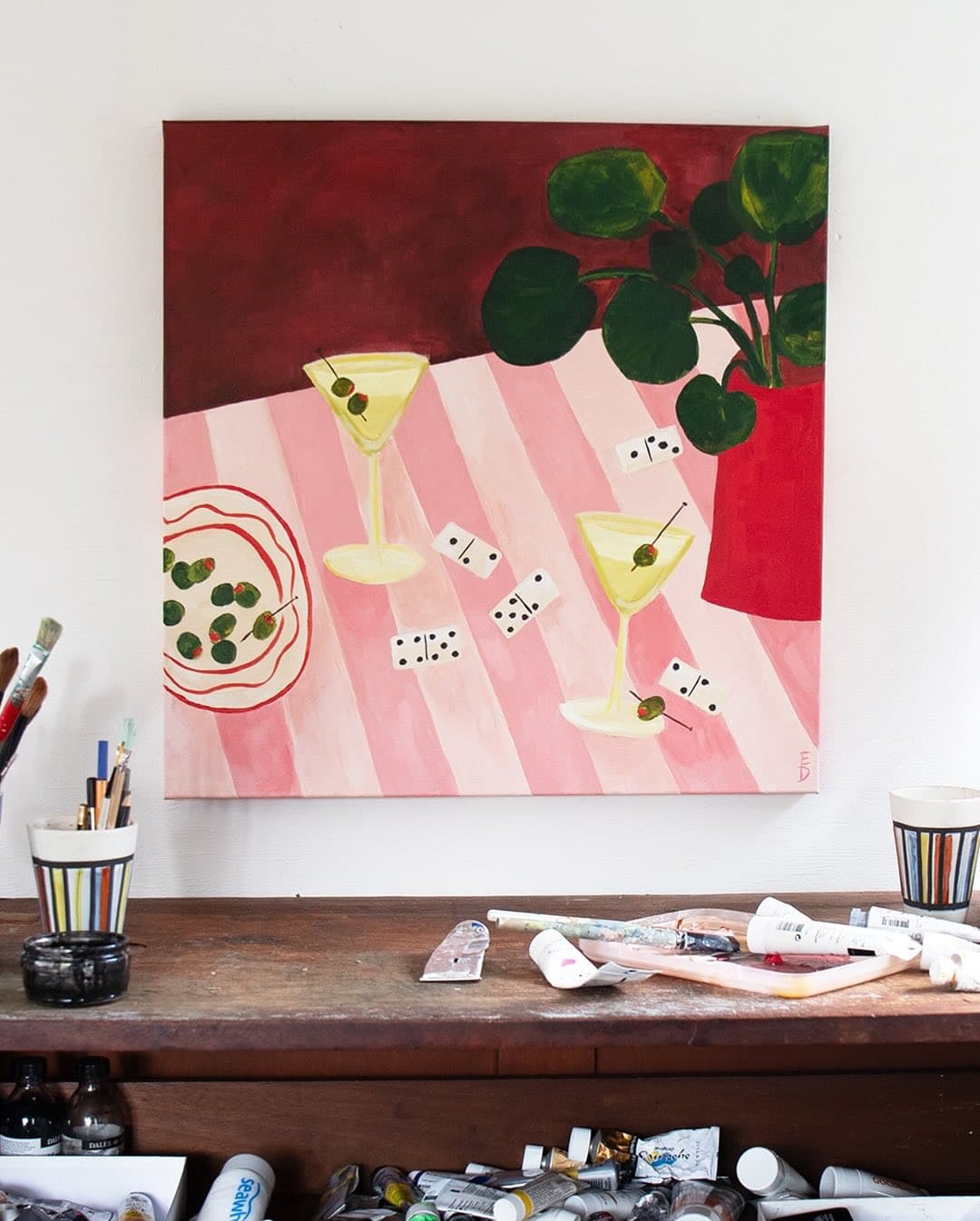
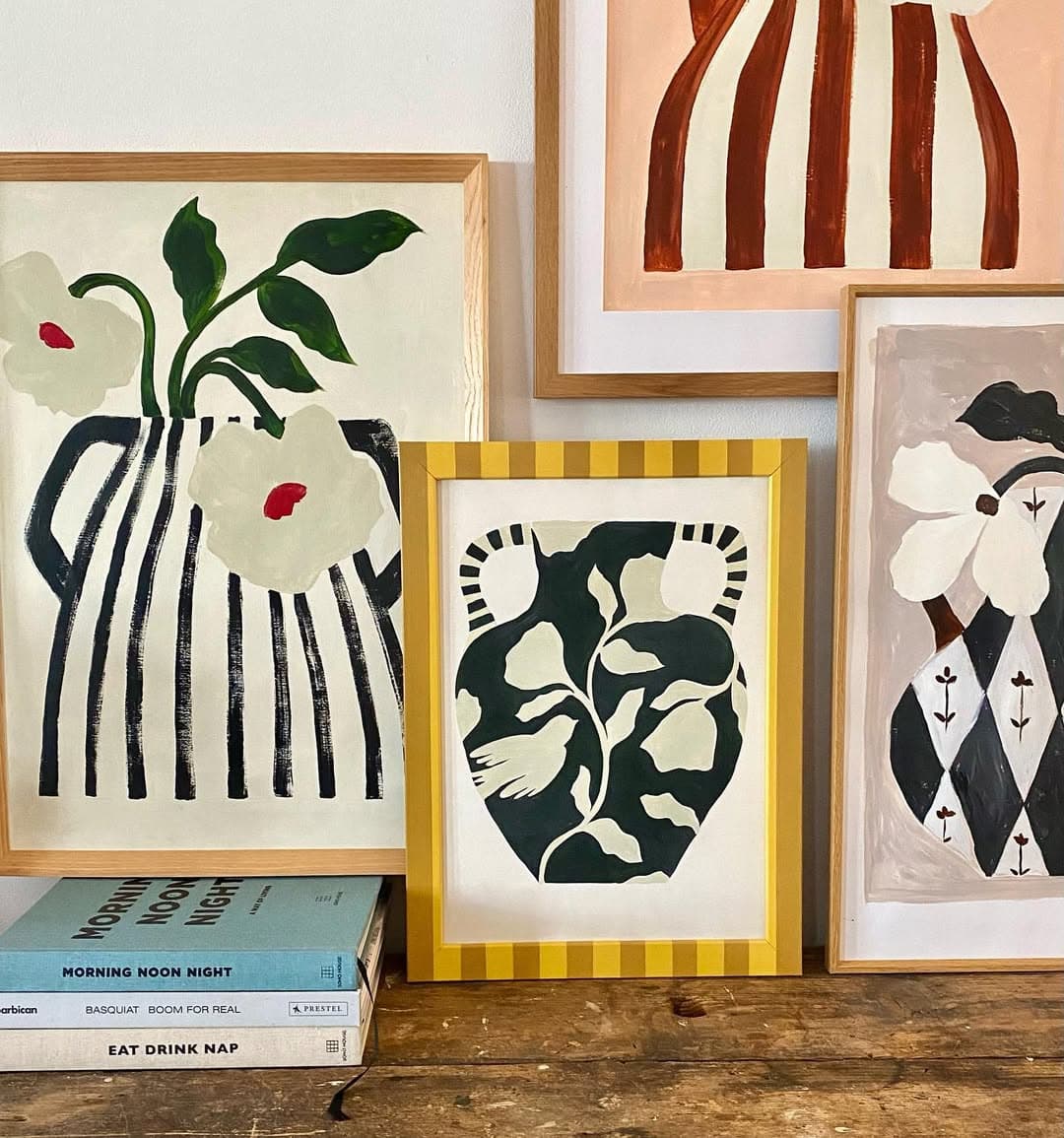
Emily Daborn is the creative force behind The Good Life Home, a London-based studio specialising in contemporary art and prints. With over 25 years of experience in the fashion, homeware, and stationery industries, including roles as Head of Print at Papier and Senior Print Designer at Oliver Bonas, Emily brings a refined eye and a wealth of industry insight to her work.
Now focused on her own collections and collaborations, she creates joyful, design-led pieces that celebrate pattern, colour, and the art of considered living.

1. Can you tell us a bit about yourself and your artistic journey?
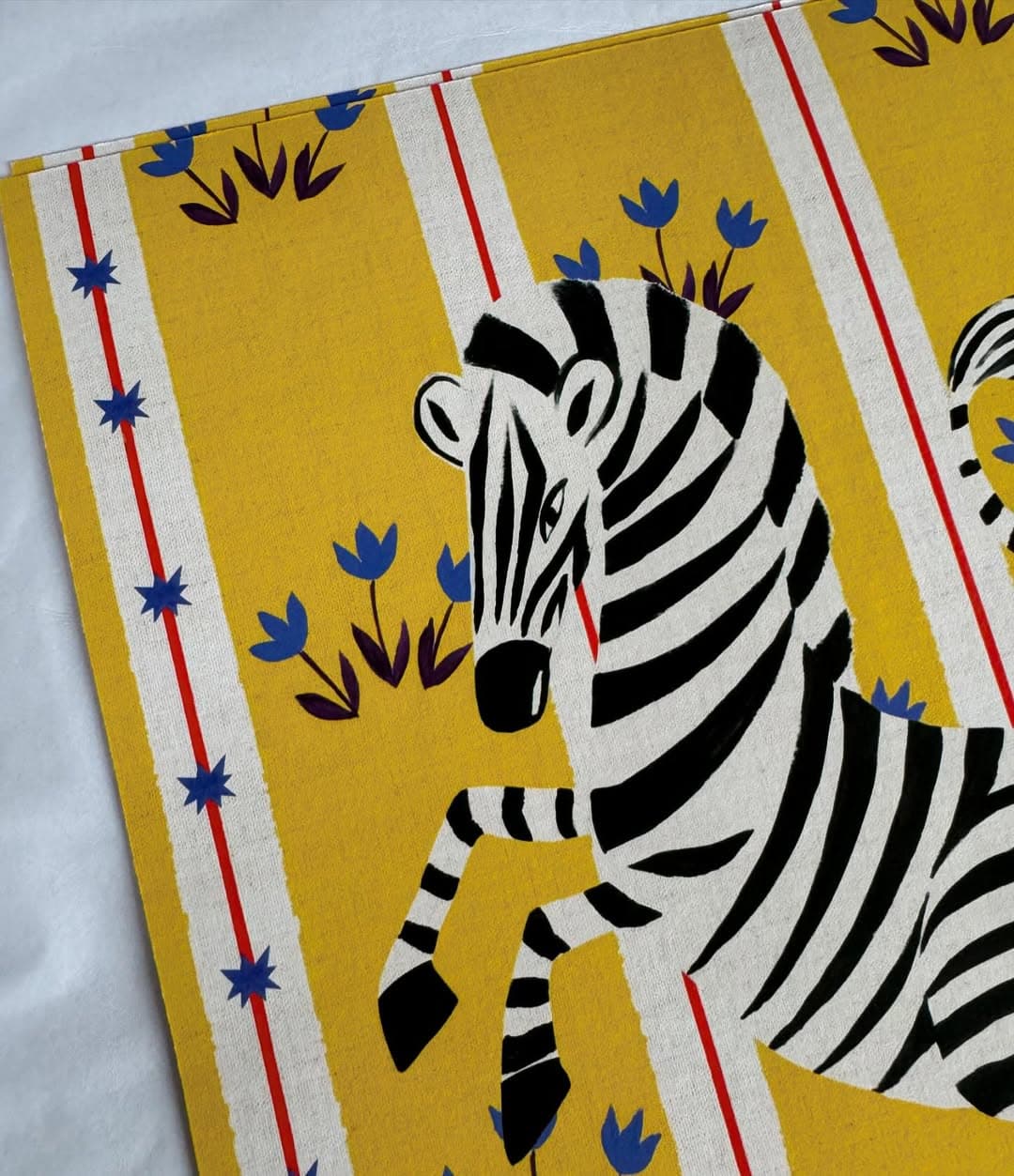
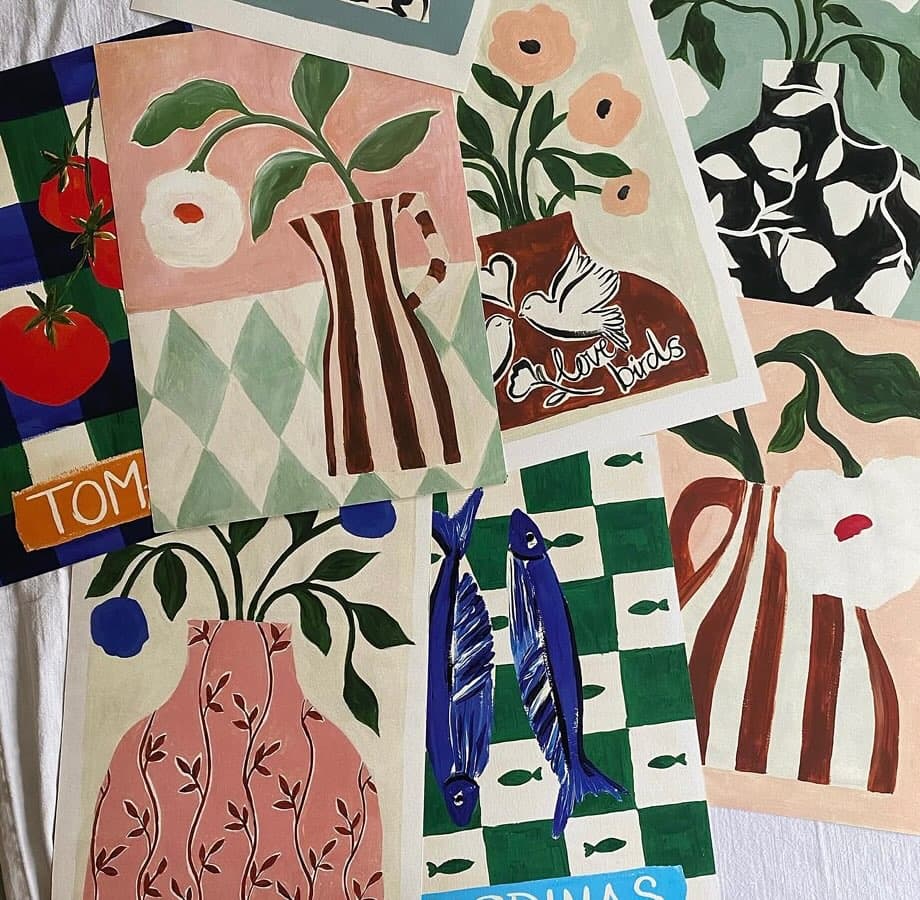
I’m a Print Designer and Artist, creating contemporary Original Art and Giclée Prints.
I studied Printed Textiles at Art college and have worked as a Print Designer all my career, designing for Fashion, Homewares and Stationery. Most recently Head of Print at Papier and Senior Print designer at Oliver Bonas, which completely reinforced my love of homewares. Now I concentrate on my own collections of contemporary Art and Print, together with collaborations with other likeminded designers and creators under The Good Life Home.
2. What inspired you to pursue your craft? Was there a defining moment or influence that sparked your passion?
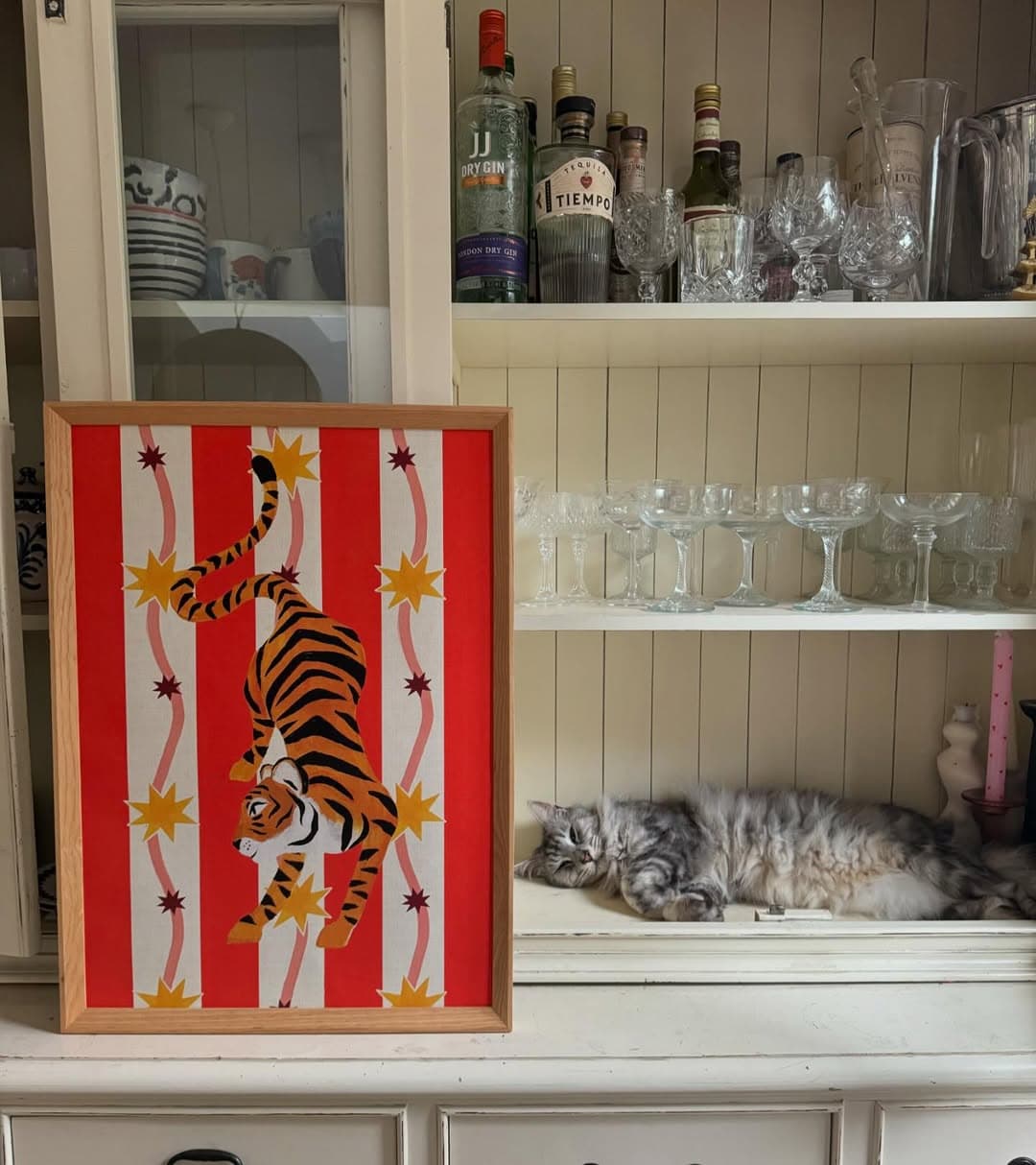
I think it goes back to when I was 10, drawing 80’s fashion designs (shows my age!!)… I wanted to be a fashion designer and remember a light bulb moment of, what if I could have a career doing what I love. The other influence was having the best crazy A level Art teacher!! Brilliantly bonkers and inspiring!
Your craft
3. How would you describe your work in three words?
Playful, Colourful and Expressive.
4. What materials or techniques do you use, and why are they important to your process?
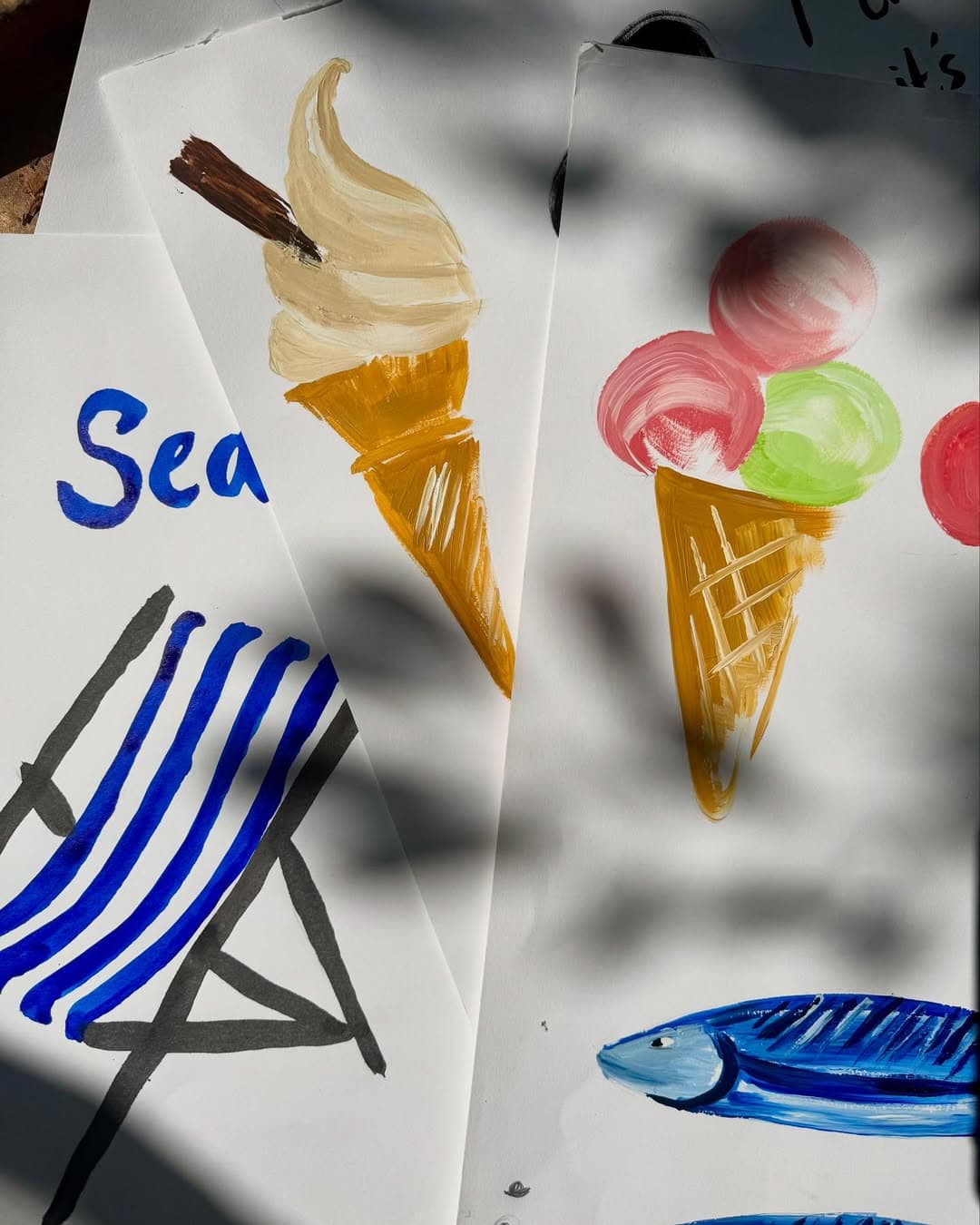
I love to start everything by painting / drawing by hand. My Favourite medium is Acrylic! I’m not very neat so it’s perfect! I also love my Pental ink Pen for linear brush work. It’s so lovely and free and amazing for inky doodling!
If I’m working on a Print, I like to scan my drawings into photoshop. I rarely draw in Photoshop, I just use it as a tool to clean up, repeat and create designs. Another necessary part of the process is my Wacom tablet and Pen – I can’t use a mouse!
5. Can you tell us about a favourite piece you’ve created and the story behind it?
My Favourite piece is my Bespoke Wallpaper design for interior design Studio Jill. It’s in different areas of New Park Manor Hotel and was a real collaborative project, taking inspiration from The New Forrest surroundings and Whimsical Alice in Wonderland…. Think inky mushrooms and animals in pyjamas!
Creative process
6. What does a typical day in your studio or workshop look like?
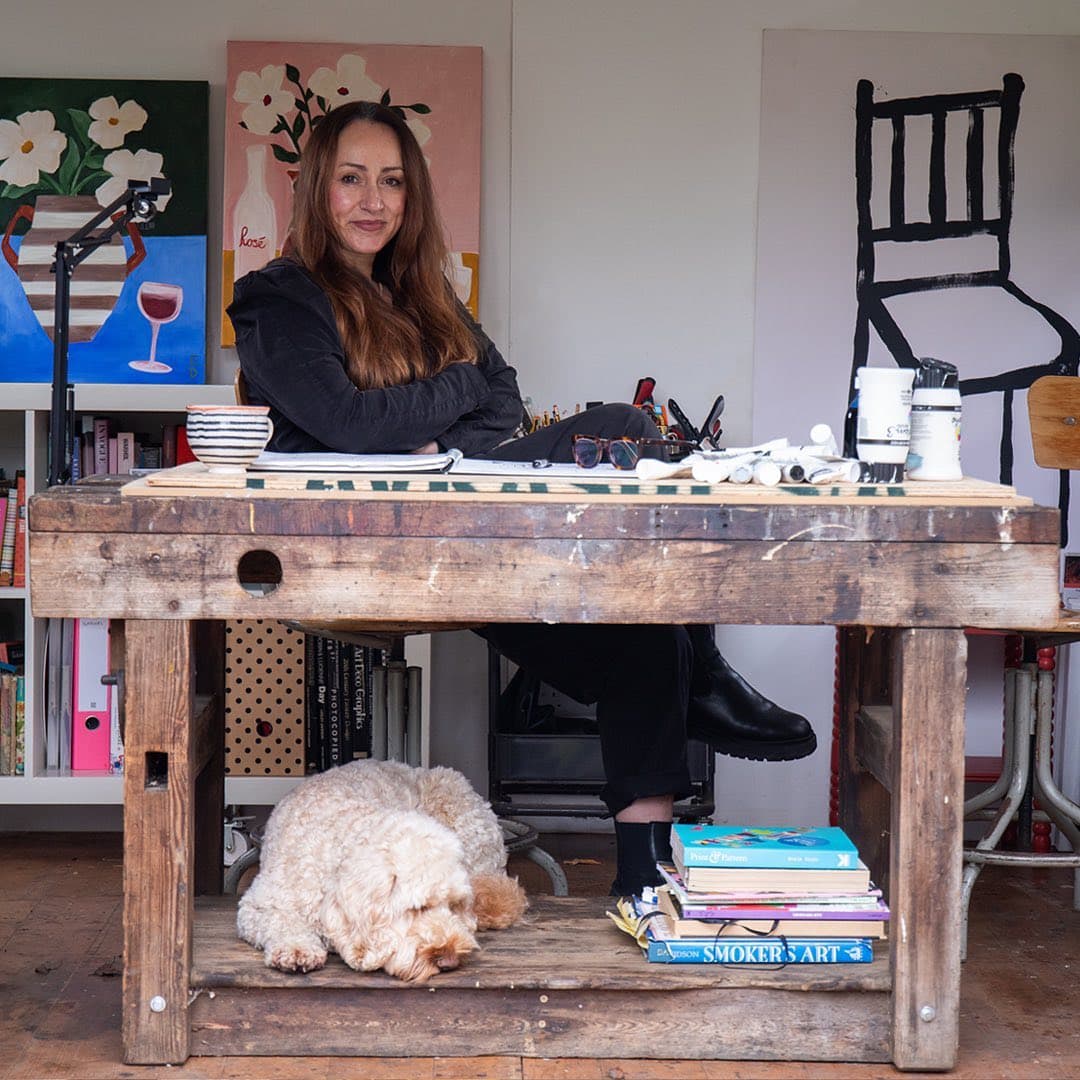
Coffee, packaging up orders, emails and meetings. Walking my lovely but naughty dog Ronnie. More Coffee and Creative time – either painting/ drawing or designing. In summer I’m in my garden studio .. ahem .. shed, which I LOVE. Winter, I’m at the kitchen table .. for now, but watch this space.
7. Do you have any unique rituals or habits that help you stay creative?
Coffee ,dog walk and Music -I’m a headphone girl as it makes me focus more. Doodling in a sketch book with a sharpie or ink pen always helps.
8. How do you handle creative blocks? Do you have any strategies or tips for overcoming them?
I think getting out and about is the best! Exhibitions and small independent shops to see what’s current, Vintage markets and Charity Shops for incredible print inspo! Ditch the computer and socials for the day, but take loads of photos. Also, Nothing beats meeting creative friends in the pub! ideas flow!!!
Challenges and successes
9. What’s the biggest challenge you’ve faced as a maker, and how did you overcome it?
Over the years while freelancing as a Print Designer there was A LOT of times I was designing something I didn’t like, whether it was the product or style of print, which takes the joy out of designing, but in the end it meant my handwriting is quite adaptable.
At college, they tell you to ‘find your style’ something I don’t believe in. Some people have this and it works for them. For me, my style is forever changing and I have worked with many different people because of it. I enjoy working in different ways and styles.
I think the other huge challenge can be the financial challenge starting your own thing, and this is still work in progress!
10. What’s been your proudest moment or achievement so far?
There have been a few moments I’m proud of but tbh,I still get the biggest buzz from having a career from what I love doing. I know a lot of people that just work for money and actually hate what they do.
Inspiration
11. Where do you draw inspiration from for your work? What sparks your imagination and creativity?
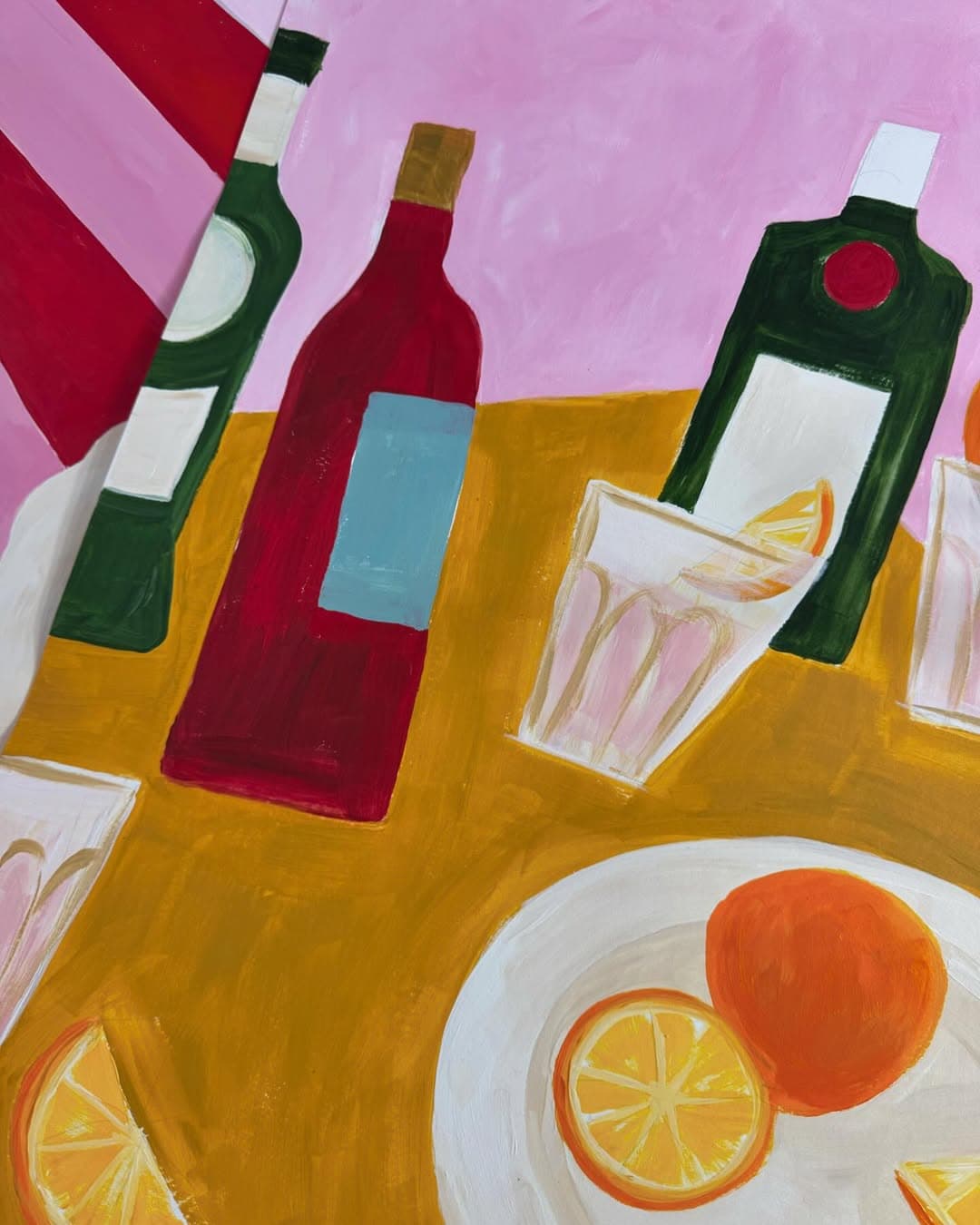
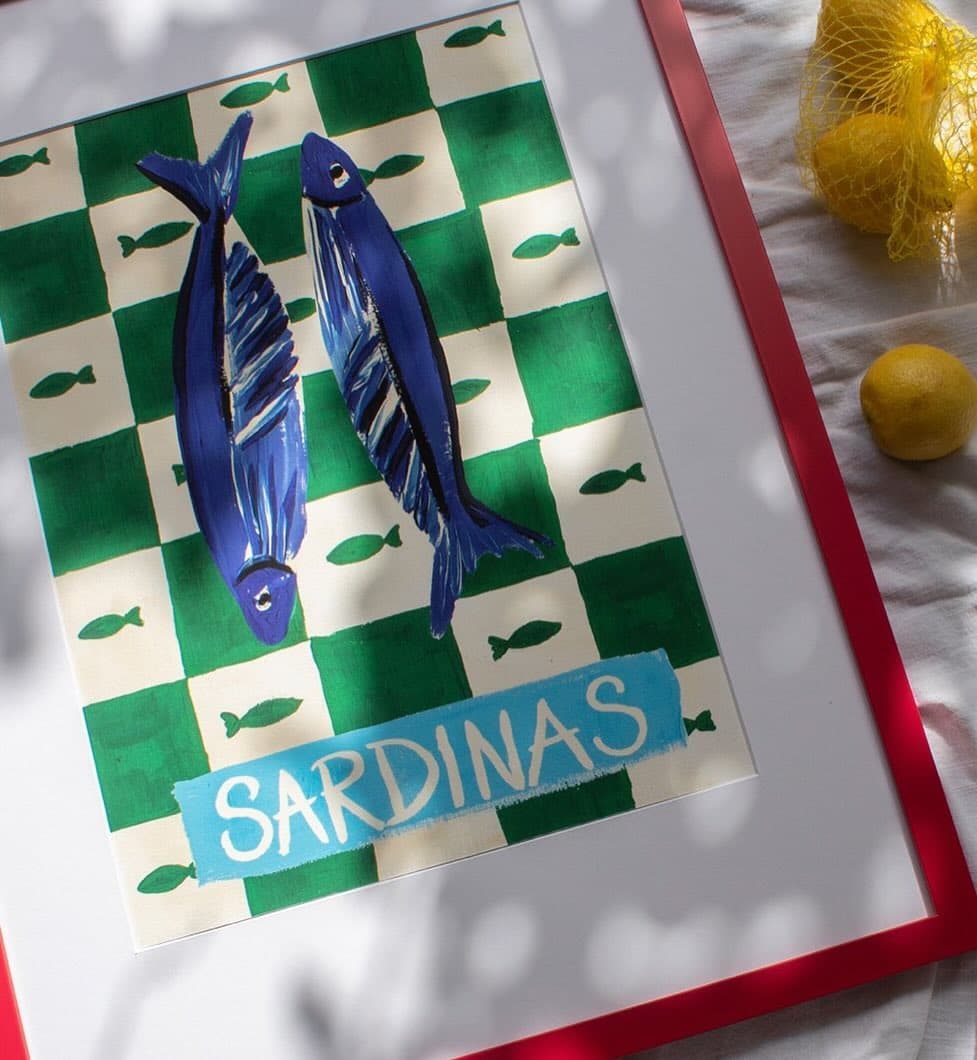
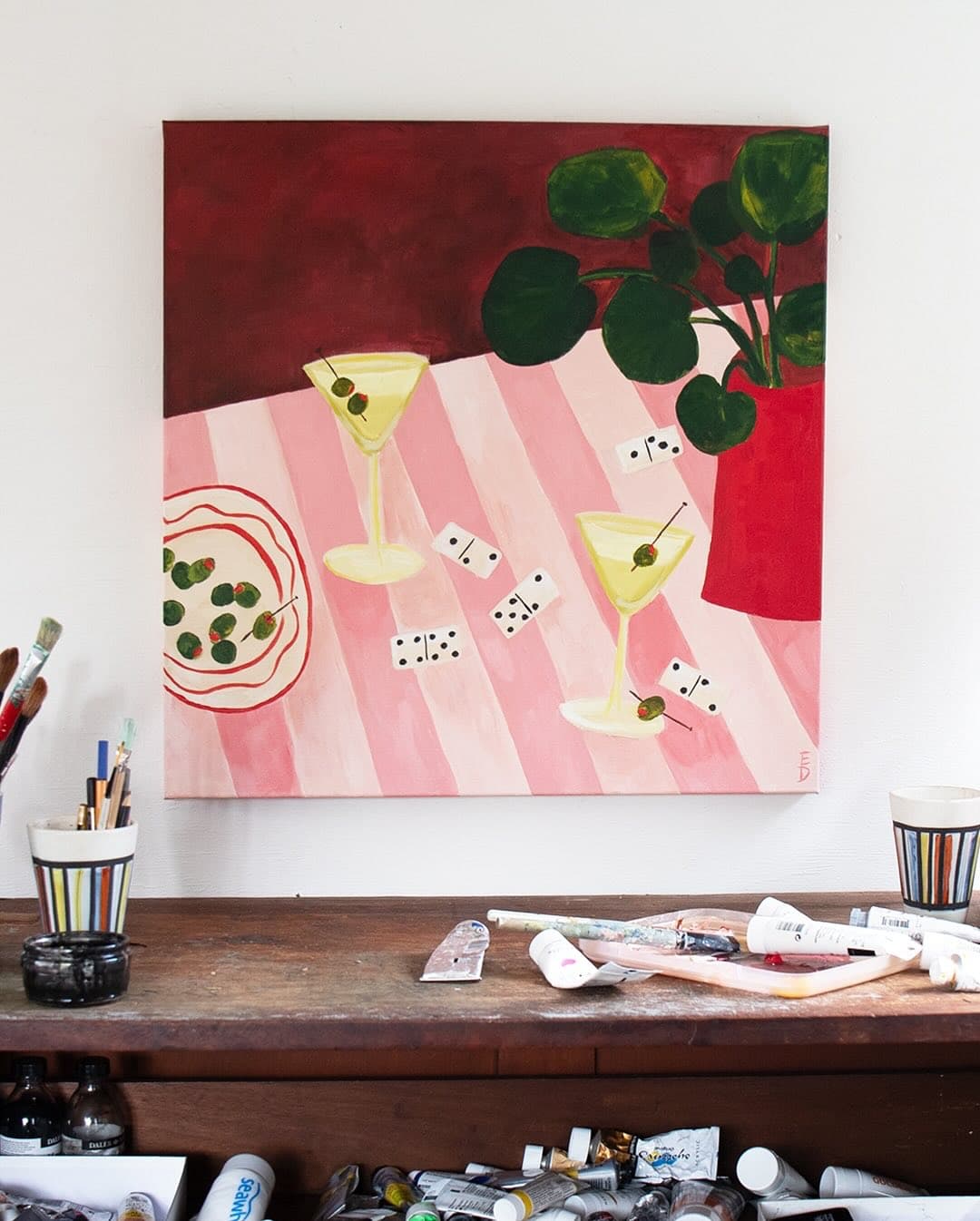
I like to paint ‘everyday still life’, so inspiration could be dinner with friends, or playing shithead on holiday. My work is based on what what I’ve been up to.
12. Do you have a favourite artist, maker, movement, or tradition that has influenced your craft?
So many!!! Too hard to define as I love so many different artists for different reasons! Milton Avery for colour, Mary Fedden and Pierre Boncompain for composition, Sonia Delaunay, and Wayne Pate for patterns, Jean Cocteau and Picasso’s playfulness and my kids art for everything. And many many more!
13. How does colour influence your practice; is it an important part of your process? Do you have a particular palette or favourites? Any go-to sources for colour inspiration?
Colour is so important! People will buy a painting or print to complement their colour scheme in their home, but sometimes people might start with the paintings and work the colour scheme around it!
I have a lot of art books which I’ve collected over the years which are great source when stuck for a burst of colour inspo. Milton Avery always seems to be great!
Perspectives and goals
14. What role does your environment play in shaping your creativity?
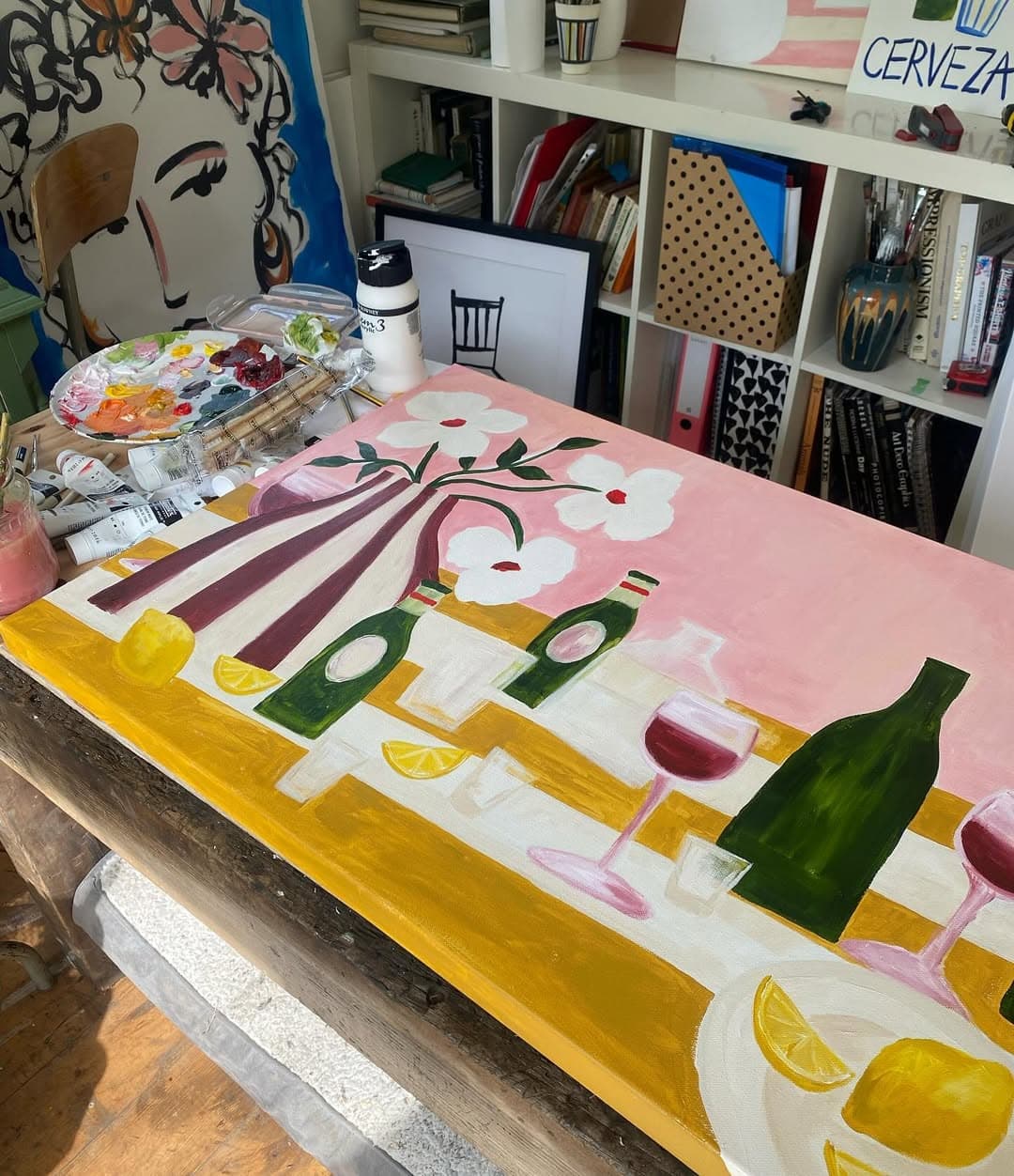
It’s so important! I need lots of daylight to see the colours and the space to be messy and free! If I am painting, I often work across a few canvases at a time. I also need a ‘clean area’ if I am designing on the computer. It hasn’t always worked out to have the right space!
15. What do you want people to feel when they experience your work?
I want them to feel happy!
16. What are you currently working on, and what excites you most about it?
I’ve have a few things in the pipeline for this year which is exciting! I working on some new print collections and Original Art, but I’m also hoping to expand into different homeware products!
Advice and reflection
17. What advice would you give to someone starting out as a maker?
Don’t be afraid to ask for advice. Everyone has been there.
18. If you could go back to the start of your career, what advice would you give your younger self?
To have more confidence. Not to overthink everything.
Closing thoughts
19. If you could collaborate with any artist, past or present, who would it be and why?
I’d love to collaborate with Joseph Frank on something Print and Pattern, And Jean Cocteau! -Perhaps help paint the murals on Villa Santo Sospir walls – something very inviting about painting so freely on a large scale!
20. Where can people find your work, and how can they support you?
My website, thegoodlifehome.co.uk and ig feed: @thegoodlifehome
I think one of the best ways of supporting me is seeing my work in stiu in peoples homes. I love how people style art differently, and it’s so nice to see a photo and see the print / painting when they are in their forever home.
From her London-based studio, Emily Daborn brings over 25 years of industry experience to The Good Life Home—her creative world of contemporary art and print. Blending bold design with a love for colour and craft, Emily’s work reflects a commitment to thoughtful, joyful living and collaboration with like-minded makers.
Discover her latest collections and follow along at The Good Life Home:
Support The Good Life Home by following along on Instagram and exploring the latest collections and collaborations on their website, a destination for thoughtful design and timeless print-led pieces.
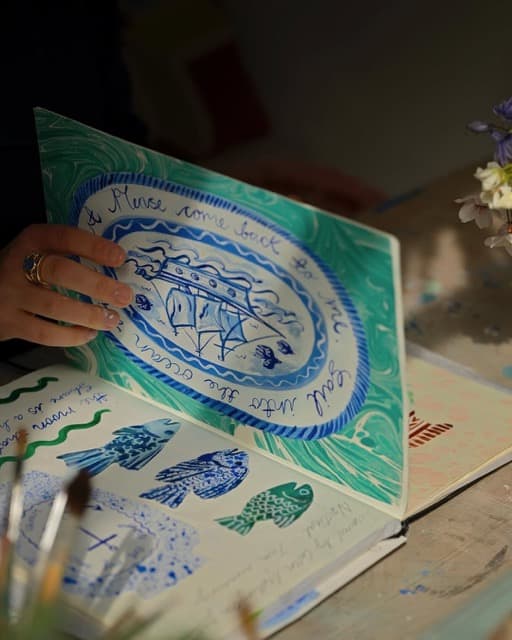
Meet the Maker: Sasha Compton, Painting a Life of Purpose
In this Q&A with Sasha Compton, we step into the vibrant world of a multidisciplinary artist whose hand-crafted works are rooted in sustainability, storytelling, and skill. Raised between North Yorkshire and the Isle of Mull, and now based in London, Sasha blends her background in illustration and graphic design with a passion for slow, thoughtful making.
Since launching her studio in 2020, she’s garnered international recognition and collaborated with leading brands, all while staying true to her belief in buying better and celebrating the beauty of handmade art.

1. Can you tell us a bit about yourself and your artistic journey?
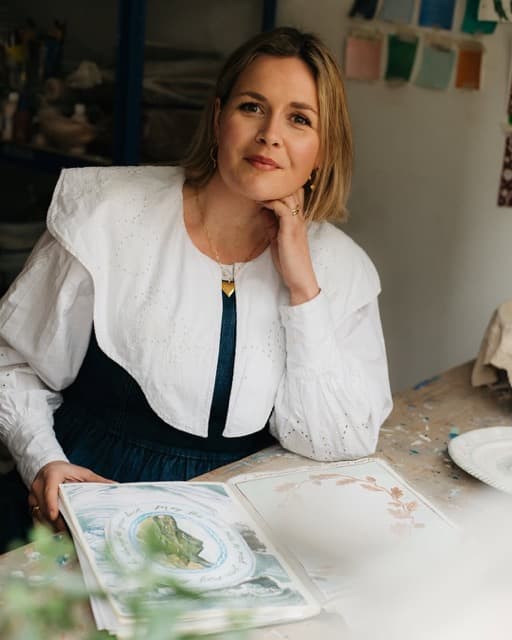
I am a British Artist and Designer based in London. Known for my colourful freehand style in painting or ceramics, I aim to transport viewers into a timeless world of Art by creating modern reinterpretations of classical concepts.
Using expressive and experimental techniques, I work with the colour theory to create decorative, whimsical and dreamlike artworks with the hope of bringing joy into people’s lives.
Inspired by nature, I grew up in a creative family, in North Yorkshire and the remote Isle of Mull, Scotland. I was awarded an art scholarship at the age of 14 years old and went on to study at Central St. Martins (2012, Illustration) and then at Chelsea College of Art (BA Graphic Design in 2015). I lived in Amsterdam for four years working as a Senior Graphic Designer, and moved back to London in 2022 where I now create in my colourful art studio in Lambeth.
2. What inspired you to pursue your craft? Was there a defining moment or influence that sparked your passion?
Ever since I was little, I knew my career would be creative. After university I explored a few areas in the creative industry but it wasn’t until 2020 that I felt a spark to pursue art as a full-time career.
I had been advised to go down the Graphic Design route at CSM as it guaranteed a secure income, but had always wanted to create physically. In 2020 I was working as a Graphic Designer and unfortunately witnessed a traumatic cycling accident in Amsterdam, I started focussing more on physical art (in particular ceramics) as a form of therapy, and soon realised that life was too short to not do something you love.
I suppose the accident put things into perspective for me. I made a business plan and started to take the next steps to becoming a full-time artist.
Your craft
3. How would you describe your work in three words?
Romantic, freehand, decorative.
4. What materials or techniques do you use, and why are they important to your process?
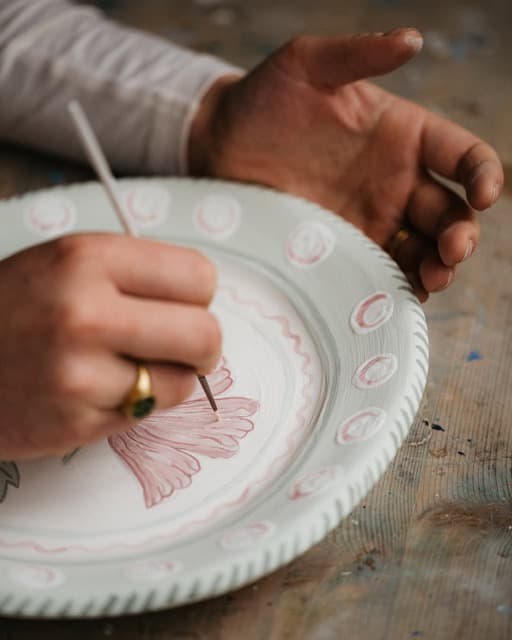
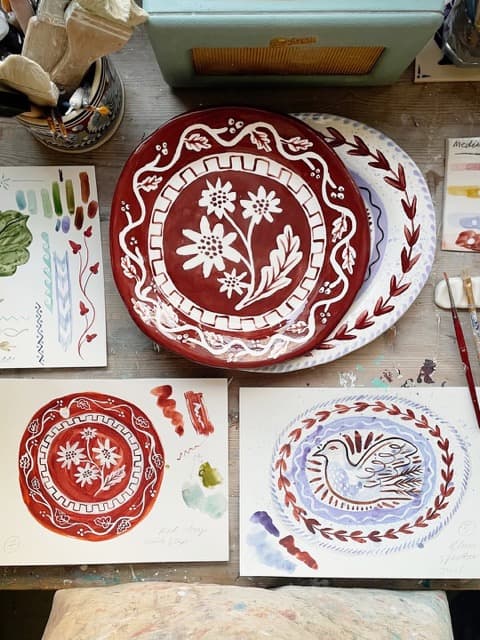
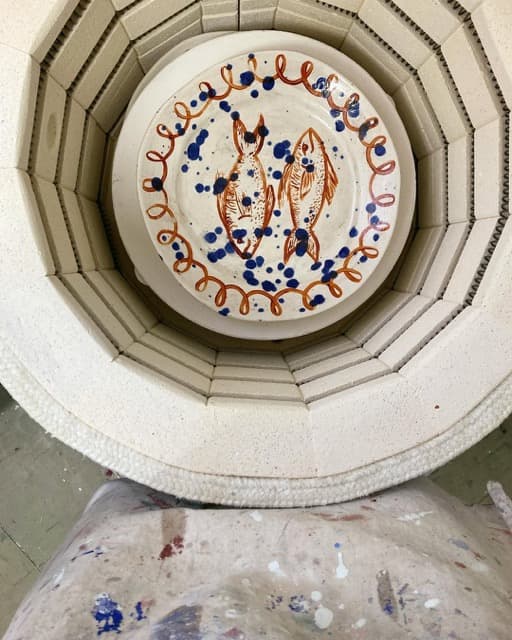
I like to use unpredictable materials like glazes, or watercolours. My work celebrates imperfections and character. Working with materials that feel like they have their own personality makes it an exciting process. I always think you can tell when an artist is enjoying making the artwork.
5. Can you tell us about a favourite piece you’ve created and the story behind it?
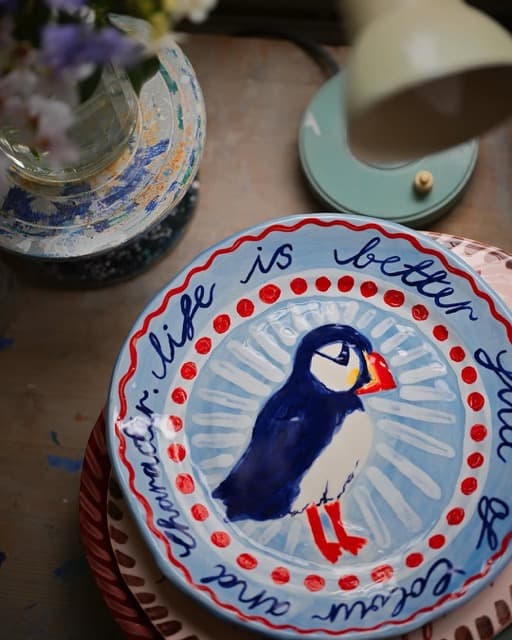
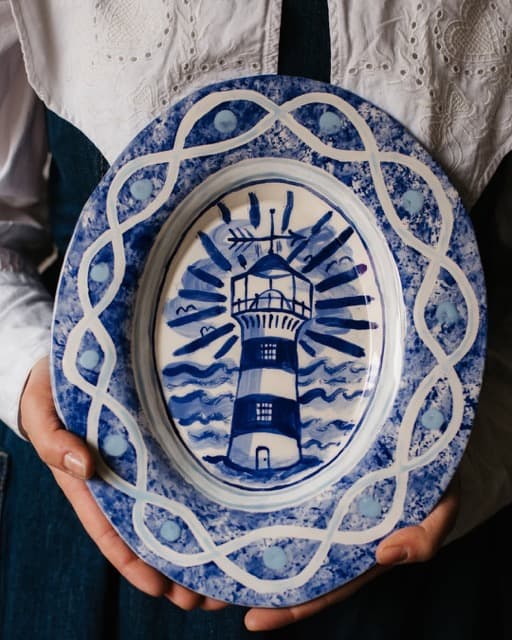
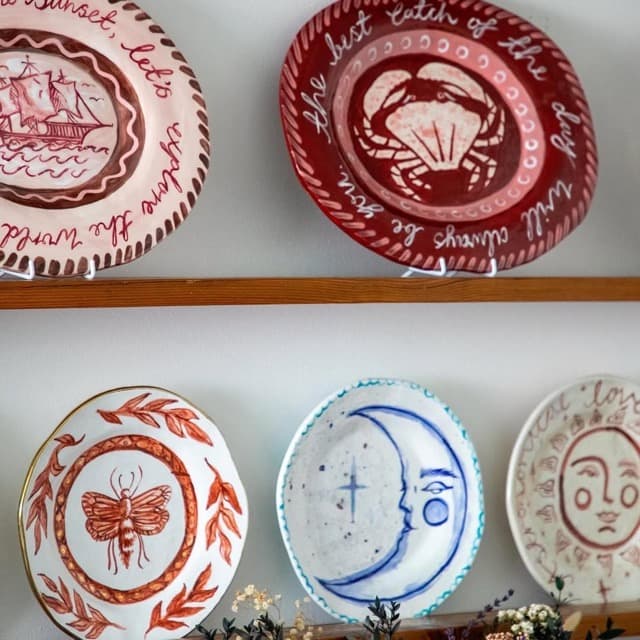
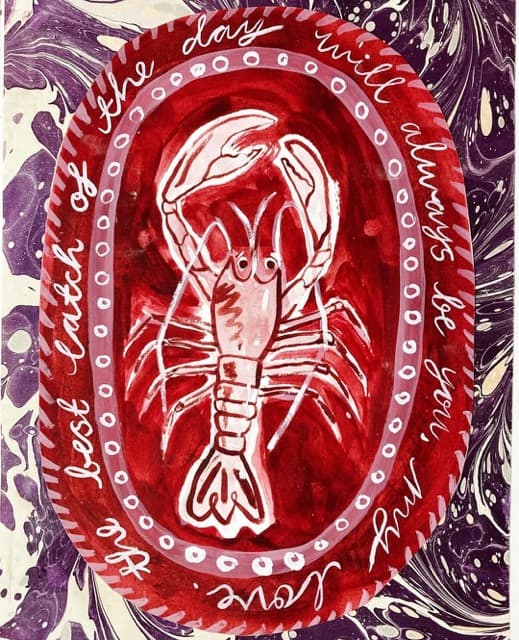
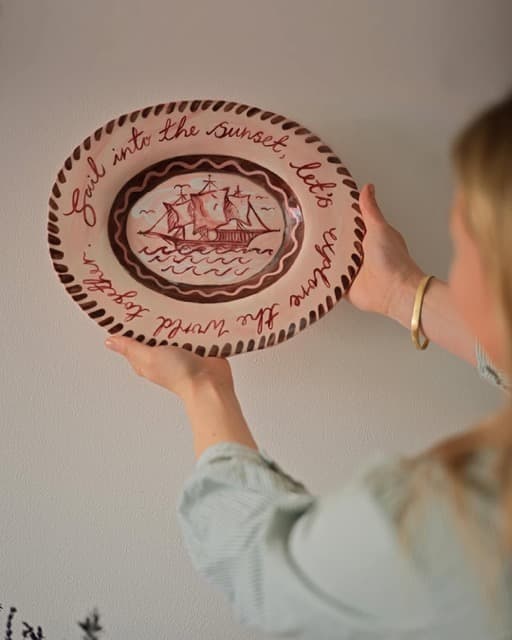
I’ve been focussed on developing my series of ‘Love Platters; a love letter to nature’. These are an ever-growing collection of ceramic platters which are handmade and glazed in my studio. Inspired by landscapes and happy memories in nature, the narrative for these works is an appreciate of nature. Each platter has romantic words written around the decorative border. The series questions ‘If you were to write a love letter to nature, what would you say?’ It feels very relevant for now.
Creative process
6. What does a typical day in your studio or workshop look like?
I tend to do my emails and admin at home with a coffee and then cycle to the studio. I collaborate a lot, often with Interior Designers or brands to create murals, lampshades and other decorative forms of art to their brief. So, I often have illustrations and samples to complete and meetings to attend. I always try to plan in an hour for sketching.
After lunch I focus on ceramics, working with clay or glazes and pack up for the day. No day is the same. Some days are dedicated to marketing plans, or accounts, or inspiration but those are less frequent.
7. Do you have any unique rituals or habits that help you stay creative?
No rituals as such, but I remind myself to ‘get fresh air, look up and stay curious.’
I think there are a lot of days where you don’t feel the ‘passion’, but as long as you are curious you will keep experimenting and playing which will lead to creativity.
8. How do you handle creative blocks? Do you have any strategies or tips for overcoming them?
I focus on something ‘easy’ that needs to be done and then the scary idea seems less scary. If it’s a prolonged block, I take a step back and seek inspiration in galleries, books or being out of my comfort zone. Running helps me a lot too.
Challenges and successes
9. What’s the biggest challenge you’ve faced as a maker, and how did you overcome it?
It is still one I struggle with but time-management and the lack of financial security. I write to do lists every day to keep me focussed and I try to make sure I always have a couple month’s rent saved up in case I have a slow month of sales.
I often pitch for work and get rejections which is always disheartening, but as each year goes on, I take the rejection less personally. The ups and downs are very normal in this industry. It’s the best feeling when you do get an exciting project!
10. What’s been your proudest moment or achievement so far?
I loved painting the window artwork for Martin Brudnizki’s shop And Objects in 2023.
I also adored painting a giant egg for The Queen’s Jubilee celebrations. The egg was exhibited on the streets of London with The Elephant Family (a charity endorsed by The King and Queen). My Fabergé inspired egg was selected by Fabergé to be exhibited for their coronation event in 2023.
11. What’s your favourite quote you’ve ever heard about your work? Who said it, or what was the name of the publication?
'Her focus is on crafting one of a kind pieces and limited runs, working against the mass production that's so rife in the homeware industry'
– HOUSE & GARDEN
Inspiration
12. Where do you draw inspiration from for your work? What sparks your imagination and creativity?
I am very inspired by architecture, patterns and nature, so a lot of my ideas come from just absorbing everyday life or thinking back to happy moments I can celebrate. I take a lot of photos for documentation and frequently update my mood board and sketchbook in my studio. I think collaboration is key to creative development too.
13. Do you have a favourite artist, maker, movement, or tradition that has influenced your craft?
I am influenced by various artists and movements and it’s always changing. Grayson Perry is probably my favourite artist. Perry was the UAL Chancellor in my time which I think played a huge part in his influence.
Illustration wise I admire Edward Bawden, and I find the woven 19th century nautical themed works by Colin Millington so charming. Decorative designs such as the patterns of Robert Adam often creep into my works.
Even though they were not early influencers on my practice, my work feels quite closely aligned to the Bloomsbury Group’s way of thinking too.
14. How does colour influence your practice; is it an important part of your process? Do you have a particular palette or favourites? Any go-to sources for colour inspiration?
I often try new colours and end up being drawn to my favourite colours. I love the Georgian colour palette (dusty pinks, greens) and colours of nature (mossy tones, browns and blues). In general, I only use 2 or three colours in an artwork. This limited colour and use of the colour theory allows a stronger outcome for what I am trying to achieve.
Perspectives and goals
15. What role does your environment play in shaping your creativity?
I have to be in the right mindset, so making sure I don’t have lots of deadlines at once is important to my productivity. I also need to feel comfortable so I often listen to the radio or light a candle in my studio. I like the presence of plans and the sounds of the Waterloo trains that go by the studio.
16. What do you want people to feel when they experience your work?
I would like for people to feel a sense of play and an uplifting emotion. Ideally the artwork doesn’t just ‘go with the sofa’. It’s always lovely when someone really ‘gets’ your work and the craftmanship that’s gone into it.
17. What are you currently working on, and what excites you most about it?
I am currently working on an illustration project for a client which is very detailed and a great challenge. I am also working on some ceramics for a group show at The Watts Gallery called ‘Spirit of Charleston’ (Open Feb-April).
I am also working on some ceramic plates for Interior Designer Rosanna Bossom which is also exciting as I have no idea how they will look in situ. Straddling the role of artist and designer is my dream balance so I am grateful when there is a mix.
Advice and reflection
18. What advice would you give to someone starting out as a maker?
I’m not really one to give advice as everyone has their own beautiful journey.
If I had to advise – it would probably be to ‘always give it a go, and if you can – plan. Also turn up to events as you never know who you might meet that could be a new creative friend or collaborator.’
19. If you could go back to the start of your career, what advice would you give your younger self?
Try to care less what others think, listen to what you feel is right, and don’t overcomplicate things.
Closing thoughts
20. If you could collaborate with any artist, past or present, who would it be and why?
I would adore to collaborate with an artist / brand like Diptyque or Ffern as I find their focus on nature is aligned with my work. I would also love to do a fabric range if there are any fabric suppliers out there who’d like some illustrations? (I have a few ideas..)
21. Where can people find your work, and how can they support you?
You can find my work on my website: www.sashacompton.com and via my Instagram: @sashacompton_design.
I link which galleries are selling my work on my Instagram. I often take on collaborations and commissions, so please get in touch if you have something fun in mind.
From her vibrant London studio, Sasha Compton champions handmade, sustainable design through expressive artworks and one-of-a-kind creations. With each brushstroke and carefully crafted detail, she celebrates creativity, tradition, and the joy of slow, thoughtful making.
Explore Sasha’s latest collection and follow her creative journey:
Support Sasha Compton by following her creative journey on Instagram and exploring her full collection on her website.
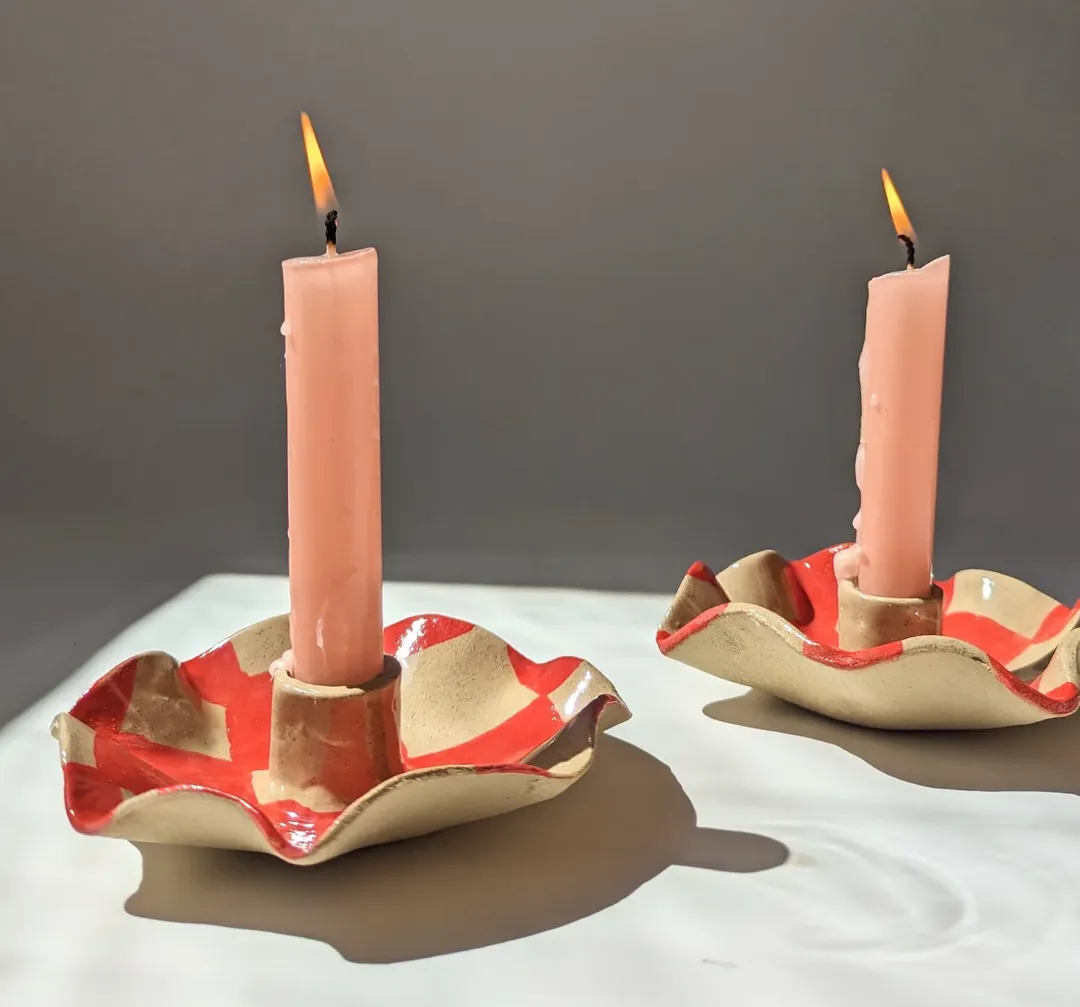
Meet the Maker: Rosie Gore, Crafting Colour and Character in Clay
In this Q&A with London-based ceramicist and designer Rosie Gore, we explore her hand-built approach to creating thoughtful, one-of-a-kind stoneware.
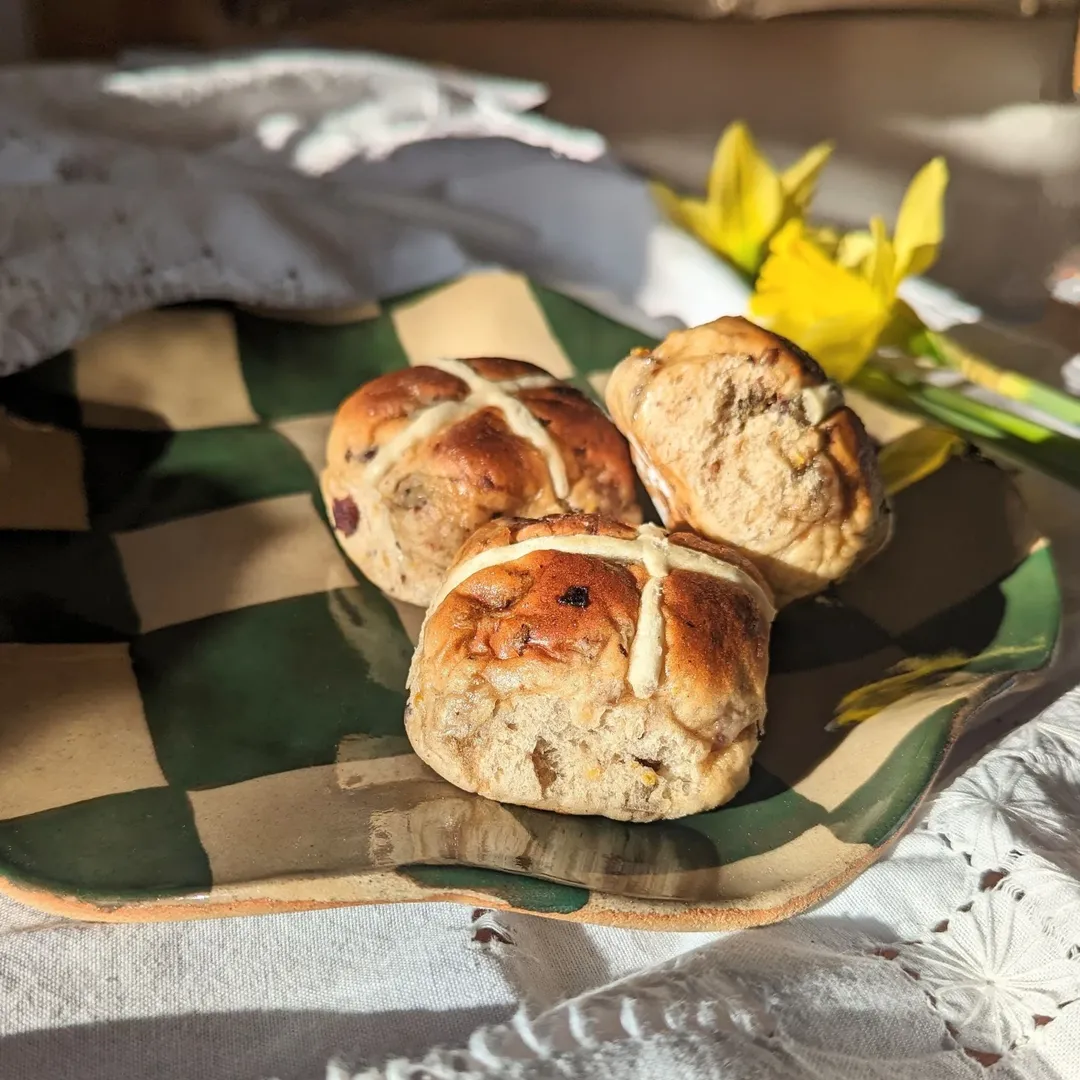
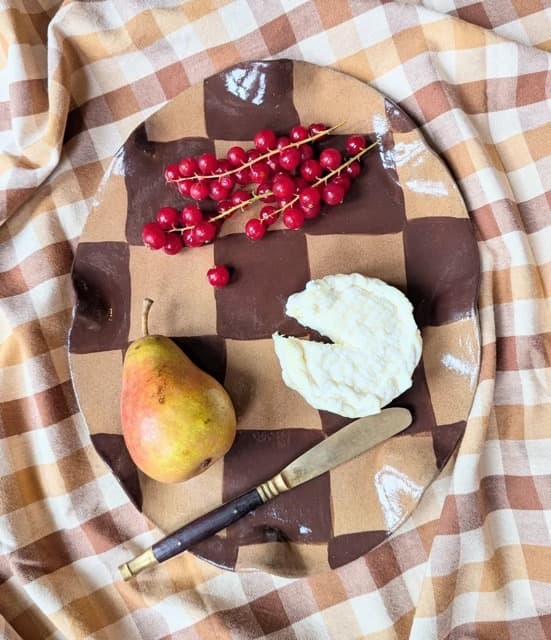
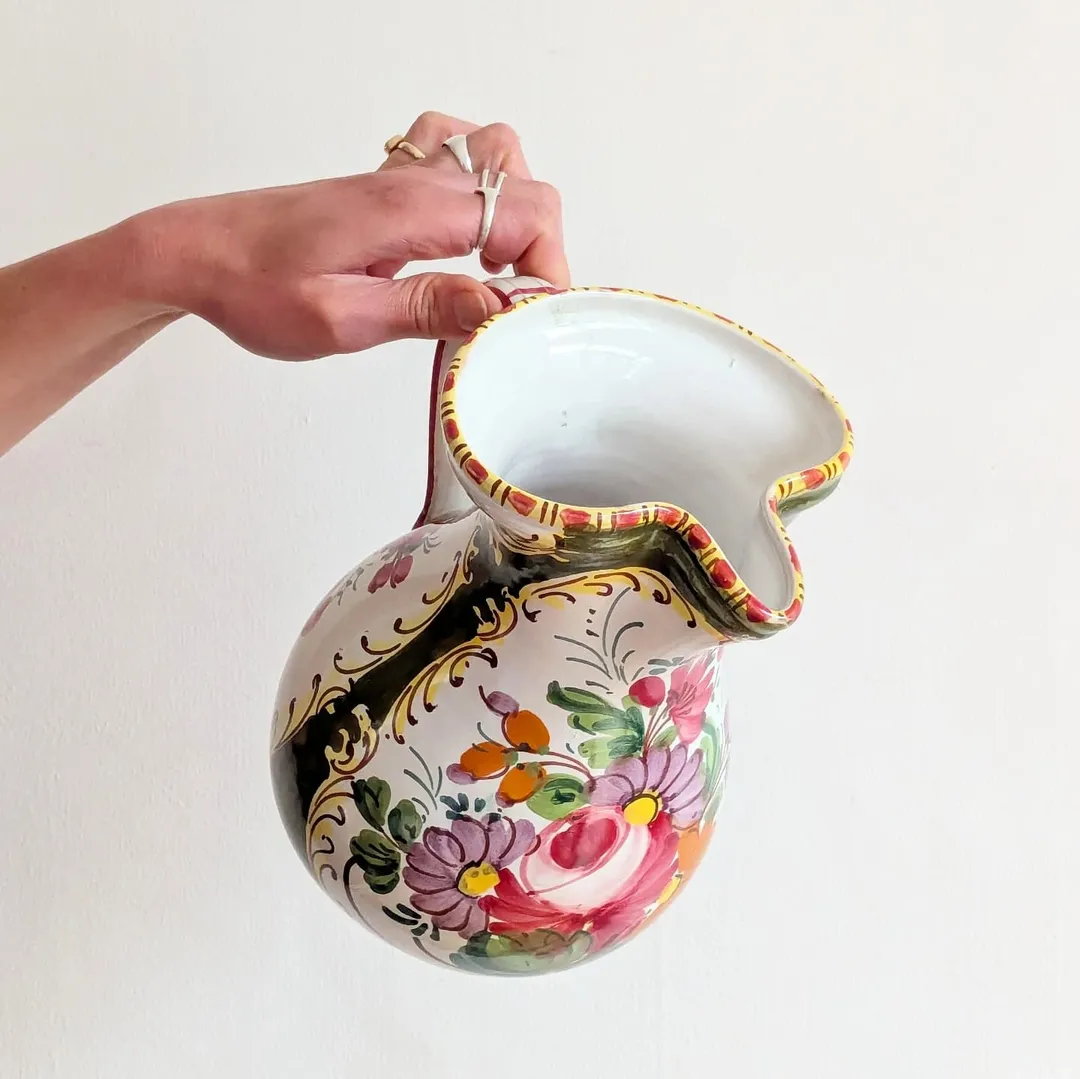
With a background in interior styling and a love for slow, intentional design, Rosie Gore shapes each piece by hand, balancing earthy textures with bright, painterly glazes. Her work embraces the beauty of imperfection, bridging the gap between rustic and modern, and bringing warmth, colour, and individuality into everyday living spaces.

1. Can you tell us a bit about yourself and your artistic journey?
I’ve always loved designing and making things since I was a child and being very dyslexic I quickly realised that this was where my strengths lay and definitely where I feel most confident. I was always painting, sewing, and making things, but for some reason the idea of studying anything artistic at university seemed very scary and would never lead to a ‘proper’ job.
After five years of working as a primary school teacher, I handed in my notice to go travelling around Central America for a year, but then two weeks later COVID struck and we went into lockdown, needless to say we didn’t make it to Mexico that year and I had to reassess my career options!
But there was most definitely a plus side in this difficult time, as having stopped teaching It let me see that although I loved some parts of it, it had also made me incredibly stressed and anxious, so I decided to try doing what I loved full-time and focused on my creative side.
I’d always made ceramics as a side hobby but now I finally had the chance to really invest in what I most loved doing and try to make a career out of it. I tutored and freelanced as an assistant stylist on interior shoots to keep the lights whilst I developed my ceramics.
To my delight (and quite honestly amazement), for the last year and half I have been working full-time for myself and developing my practice with such an amazing community of followers. All self-taught and learning as I go, it’s been such a liberating process and I’m so grateful and thankful for where I am now.
2. What inspired you to pursue your craft? Was there a defining moment or influence that sparked your passion?
A defining moment in my career was most definitely working as an assistant stylist on interior shoots, working alongside some incredibly talented interior stylists and creative directors, watching them curate the most incredible spaces filled with beautiful pieces which blurred the lines between pieces of art and functional items for the home.
There have been so many inspirations to my work over the past two years, but two which really stick out were firstly working with the most incredible pieces of artwork from MAH Gallery whilst assisting interior stylists; helping to curate living spaces full of texture, shape, colour and pattern. This cemented my belief in the beauty and importance of hand crafted pieces, which can be both a work of art and a usable item that brings joy to people.
The second, Charleston House. Home of artists Vanessa Bell and Duncan Grant, Charleston was where the 20th century’s most radical artists, writers and thinkers, the Bloomsbury group, met. The house itself is truly the most inspiring of places, covered with beautiful yet often whimsical, carefree hand painted patterns on mantel pieces, walls, doors, and ceilings, it reminds me of the importance of fun when making art, while also being such an important place historically for our culture.
Your craft
3. How would you describe your work in three words?
Natural, expressive, personal
4. What materials or techniques do you use, and why are they important to your process?
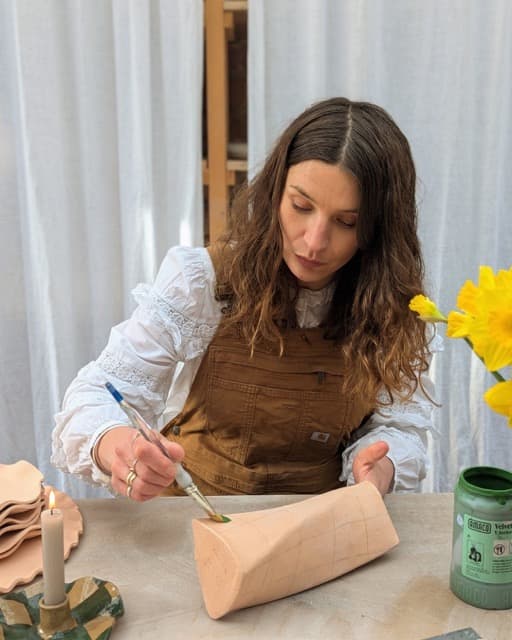
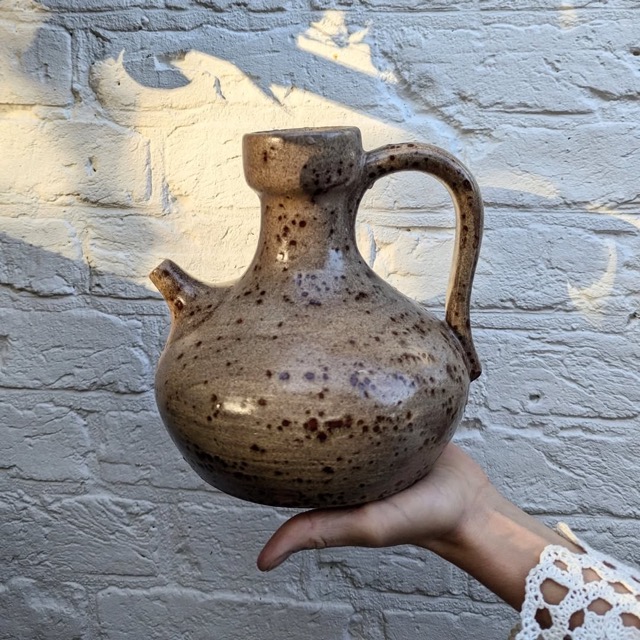
My ceramics are hand built in stoneware clay, from which I work to create organically shaped pieces which are then painted and glazed by hand. The speckled, organic, earthy tones of the stoneware are designed to balance the brightly coloured glazed patterns.
Shaping each piece by hand means they are all unique in their own way, and aims to emphasise my belief in creating unique, slow, sustainable pieces for the home.
5. Can you tell us about a favourite piece you’ve created and the story behind it?
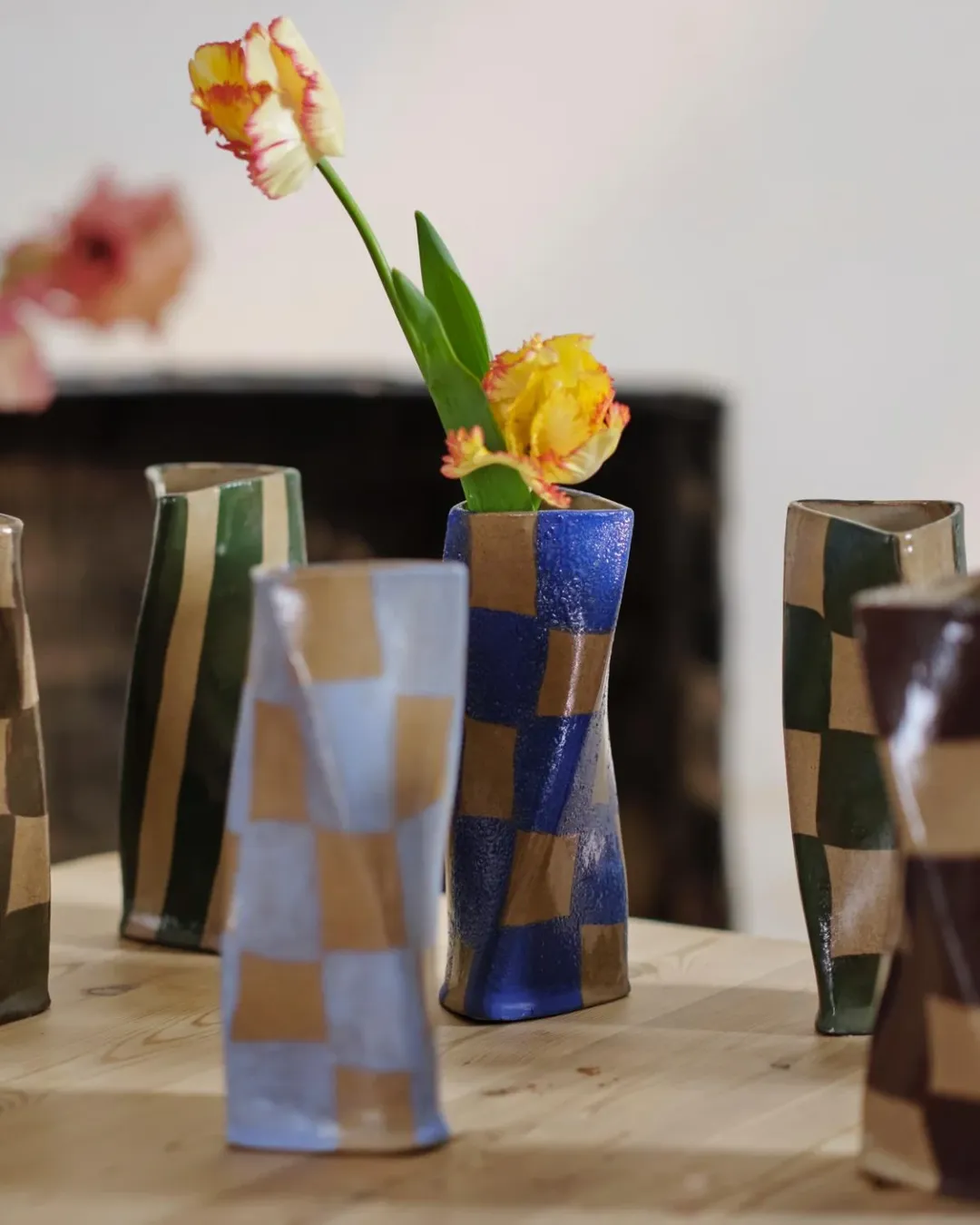
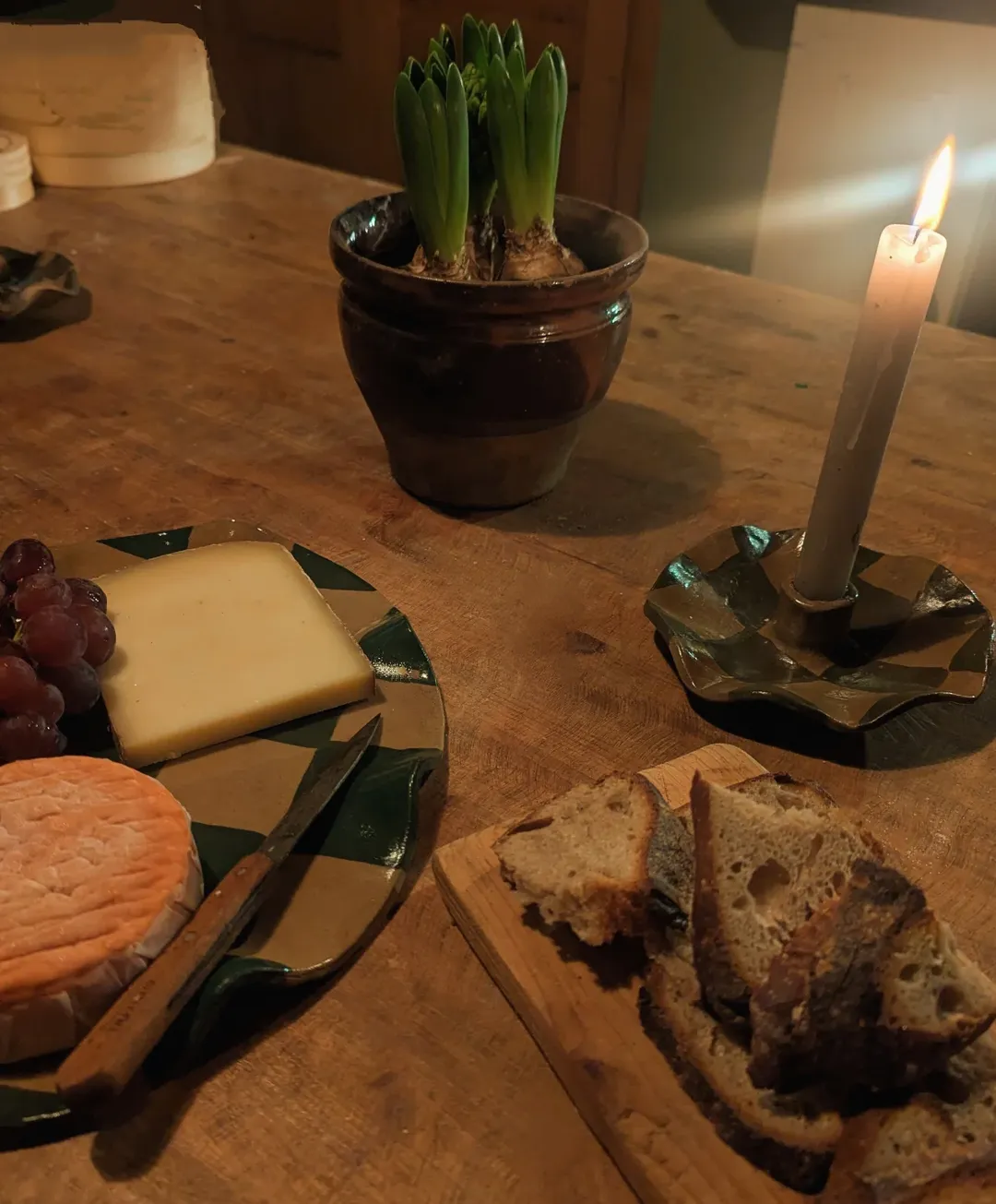
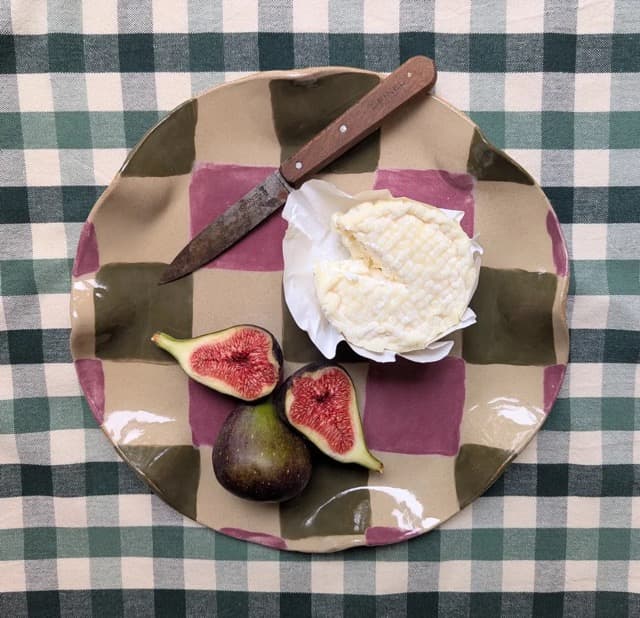
My Check Twist vases are probably my favourite piece so far and are probably the most iconic. I love check patterns but wanted to create a shaped vase where the pattern wasn’t just flat on it, but a shape that drew your attention as much as the pattern did. It took quite a lot of experimentation to come up with the final design, but I am so happy with how the final pieces look now.
Creative process
6. What does a typical day in your studio or workshop look like?
Having been a teacher where your days and even holidays are so regimented down to the minute, I now absolutely love that my time is my own. Depending on my schedule, sometimes I start work very early to start rolling out slabs upon slabs of clay, whereas other mornings I make myself a tea and sit in bed until 9am doing admin!
Depending on when I need to fire my pieces, my days are normally either a “making” day, or an order packing and admin day (although sometimes both!). Woman’s Hour is a daily must, along with many earl grey teas along the way.
7. Do you have any unique rituals or habits that help you stay creative?
To make sure I still always remain feeling energised and creative, whenever I’m making a batch to fire I always try to include a test for a new design idea.
This gives me so much excitement when the time comes to open the kiln!! For me this is really important, as sometimes finding the time to experiment and test ideas is really hard when you are really busy making orders.
8. How do you handle creative blocks? Do you have any strategies or tips for overcoming them?
For me I think taking a break is really important, I very rarely have new ideas come to me when I’m sitting down trying to think some up! They normally come when my mind is completely elsewhere and then I have to quickly jot it down or draw it. So my tip would be, go and do something else completely!
Challenges and successes
9. What’s the biggest challenge you’ve faced as a maker, and how did you overcome it?
It is quite a juggle! A great juggle, but there is lots and lots to learn on the go! Designing and making is only one part of it, so you have to be really organised and have quite a lot of initiative.
A challenge I have is planning for the year ahead, what I want to achieve and the industry deadlines for this, especially when there is so much work to do on a day-to-day basis too, so having a large yearly planner has really helped me keep on track with this.
10. What’s been your proudest moment or achievement so far?
Aside from the press coverage I’ve had without any PR agency, my proudest achievement has to be making a collection for Charleston House. Having my pieces there feels incredibly surreal!
11. What’s your favourite quote you’ve ever heard about your work? Who said it, or what was the name of the publication?
‘Your pieces are straight out of Charleston House!’
– A recent customer at a market exclaimed, which I was so delighted about!
Inspiration
12. Where do you draw inspiration from for your work? What sparks your imagination and creativity?
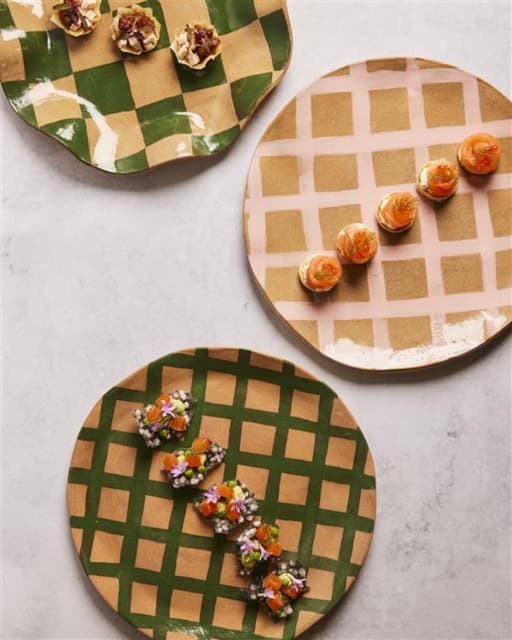
I draw inspiration from the living world around me, earthy colours inspired from nature which are complemented by traditional patterns such as check or gingham mixed with architectural shapes. The beauty in functional pieces really inspires me, pieces that are really beautiful and interesting but also can be used during a dinner party or displayed in a cabinet.
13. Do you have a favourite artist, maker, movement, or tradition that has influenced your craft?
It has to be the work of Vanessa Bell and Duncan Grant. Charleston is a house full of hand painted mantels, walls and doorways each showing signs of the maker’s paint brush strokes, hand sewn lampshades with visible wobbly stitching and ceramic pendant lampshades with fingerprint idents of the makers, all completely unique, personal and freeflow. The freeness of their work within the house really inspires me. It’s fun and free from pretense.
Another is the arts and crafts movement, specifically Standen House. I’ve been visiting here for years and it is one of my favourite places for inspiration. A place which is timelessly stylish.
14. How does colour influence your practice; is it an important part of your process? Do you have a particular palette or favourites? Any go-to sources for colour inspiration?
Colour is a huge part of my practice, giving a pop to the earthy, speckled tones of the stoneware. Different seasons call for different colours, but different styles are also suited to certain colours.
I generally prefer a more earthy colour palette- greens, browns & burgundies in varying shades. However, I love experimenting with trending colour combinations and get inspiration from designers like Studio Ashby, Beata Heuman and Colours of Arley.
Perspectives and goals
15. What role does your environment play in shaping your creativity?
My environment plays a big part in helping my creativity and generally making me feel like I’m in a productive and creative mindset. I’m now in between London and St Leonards and am loving being by the sea. I definitely feel calmer and happier closer to nature.
16. What do you want people to feel when they experience your work?
Just enjoyment and to know that it’s uniquely theirs.
17. What are you currently working on, and what excites you most about it?
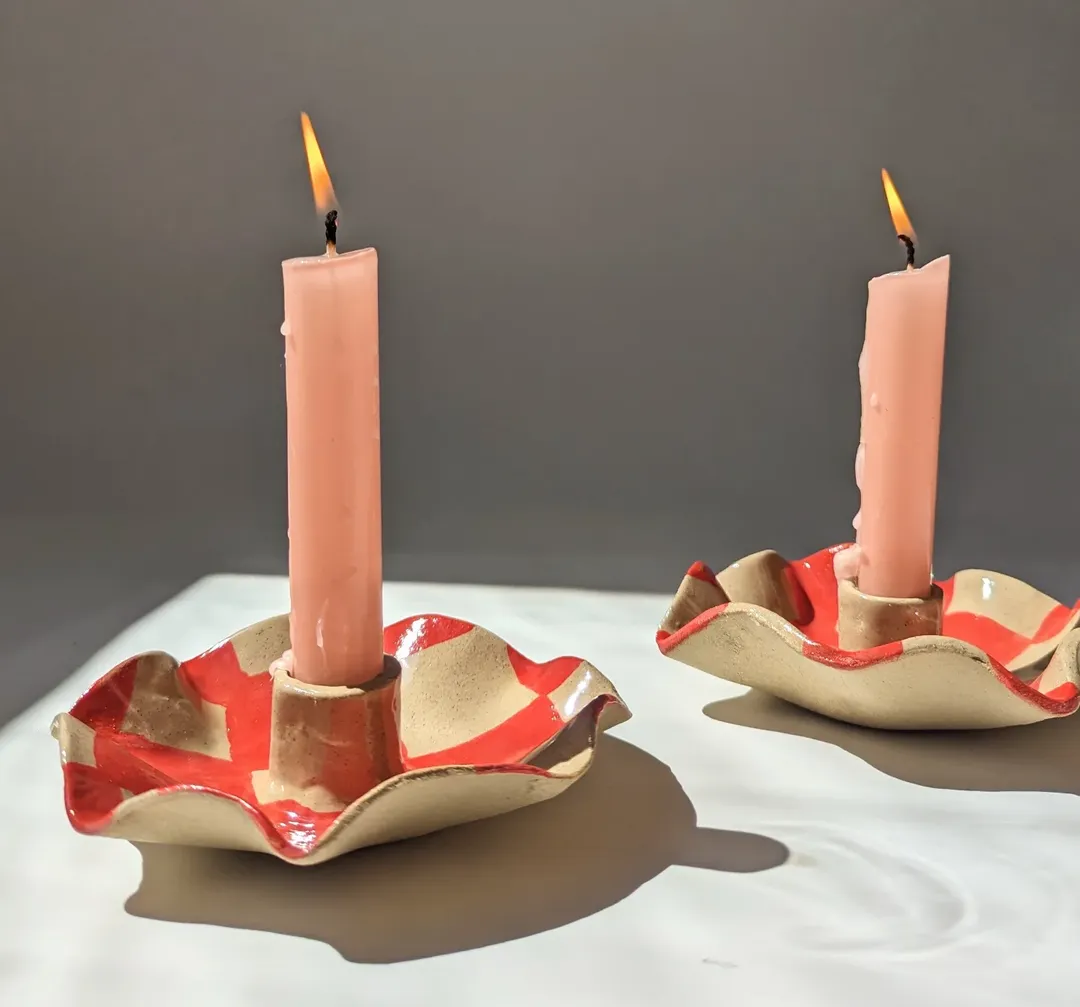
I’m currently working on a commission of some wavy candle sconces which I’m really excited about, can’t wait to experiment with which patterns look best for them.
Advice and reflection
18. What advice would you give to someone starting out as a maker?
To have confidence in your work but to also not be too precious about it. Not everything you design is going to be great and that’s OK. Trial and error is important, but I think as adults we are shaped into feeling like it’s a bad thing. Also some people will love something that you don’t like as much yourself!
19. If you could go back to the start of your career, what advice would you give your younger self?
To actually follow what you enjoy doing and what you feel most confident in. It’s really tricky as I think when you are young unless you have contacts within industries in subjects you are interested in, it all feels very daunting and you actually have no idea of the range of jobs there are out there. I’d tell myself to have a bit more confidence in myself.
Closing thoughts
20. If you could collaborate with any artist, past or present, who would it be and why?
Ivon Hitchens because I love his earthy colour palette and colour block patterns.
21. Where can people find your work, and how can they support you?
My website is the best place to find all of my work! Showing support on instagram is always a great help to spread the word!
From her London studio, Rosie Gore continues to champion handmade, sustainable design through her distinctive ceramic pieces. With every curve, brushstroke, and glaze, she offers a celebration of thoughtful craft, inviting us to find beauty in the details and joy in the handmade.
Explore Rosie’s latest collection and follow her creative journey:
Support Rosie Gore by following her creative journey on Instagram and exploring her full collection on her website.
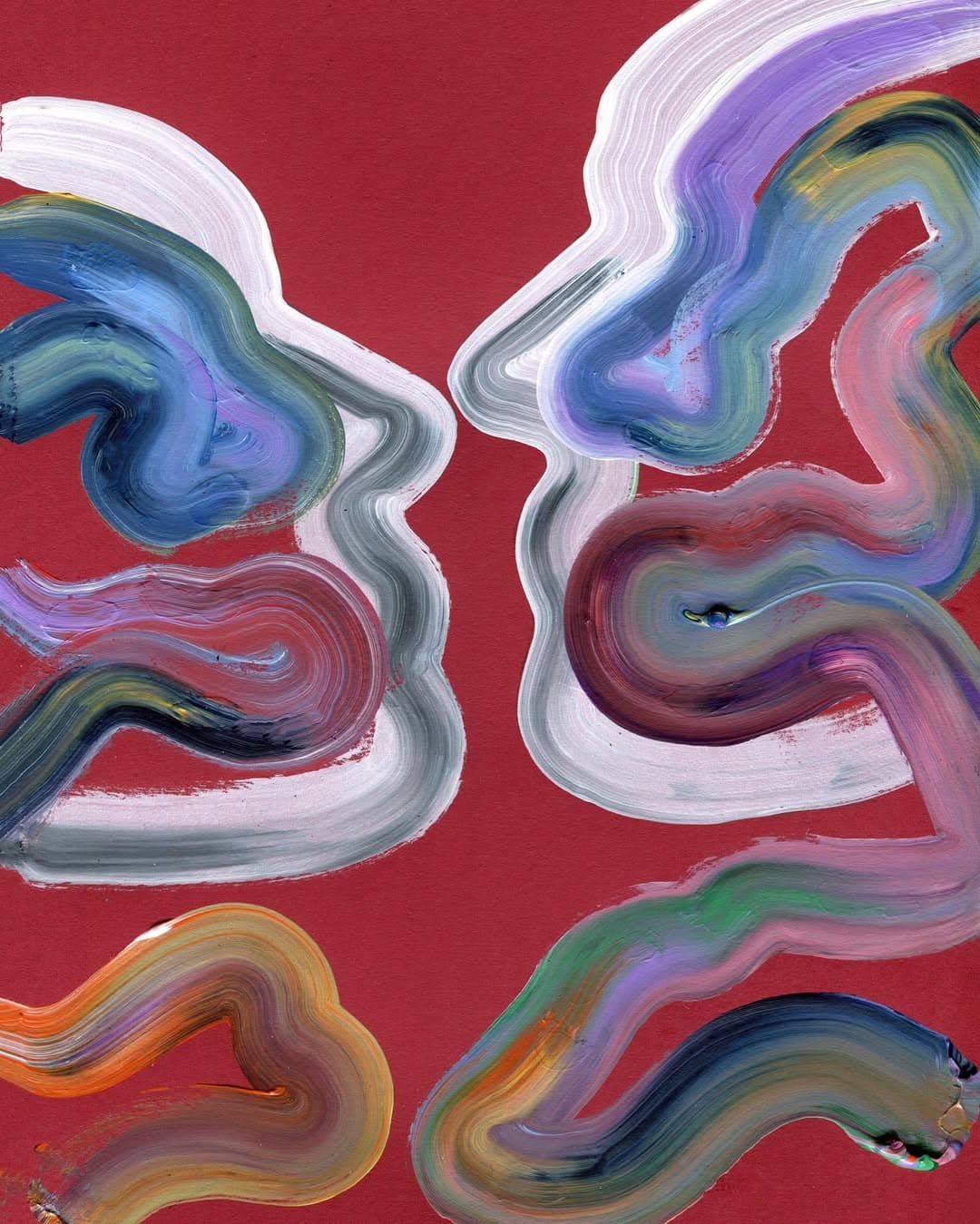
Meet the Maker: Where Art Meets Fashion with Robson Stannard
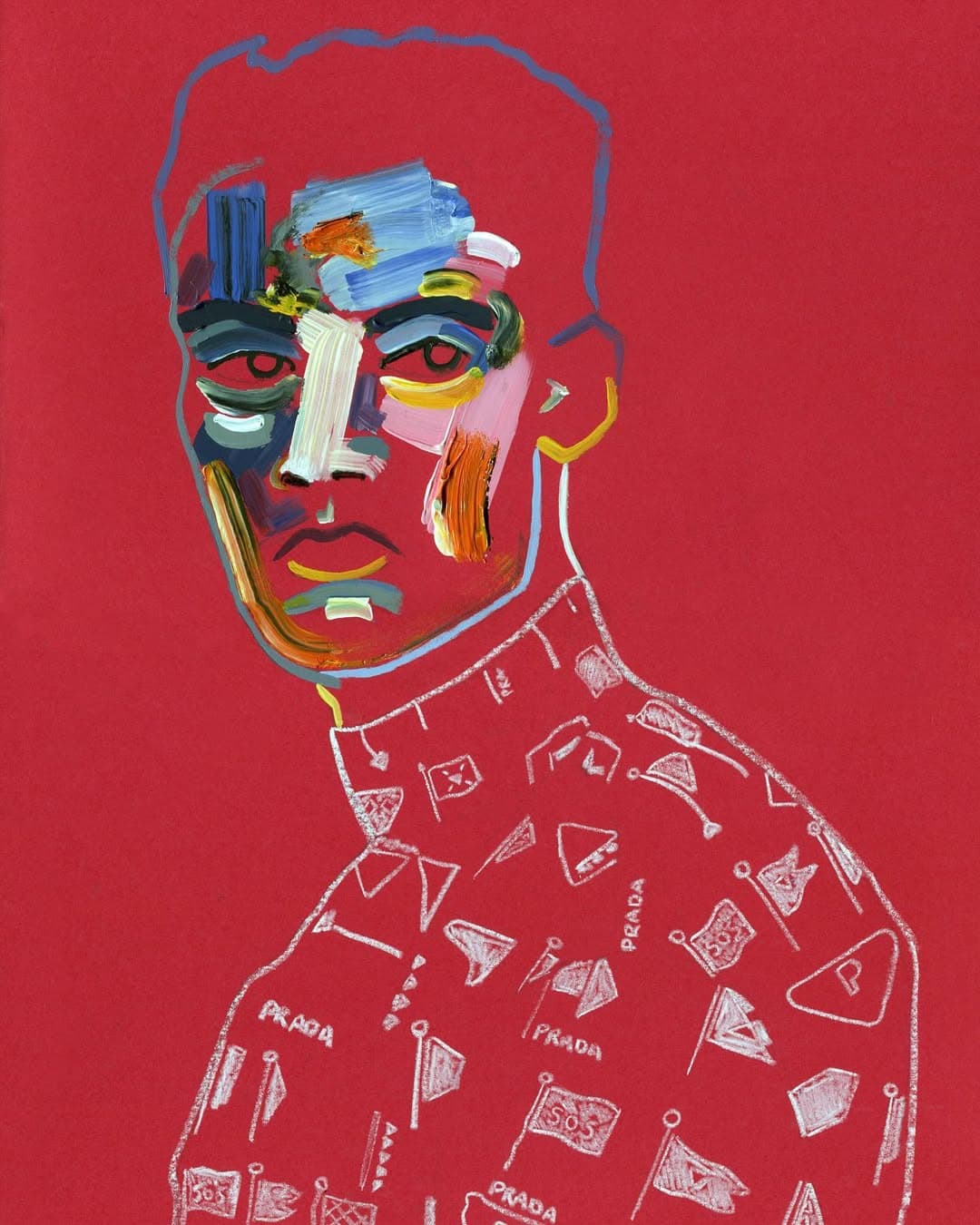
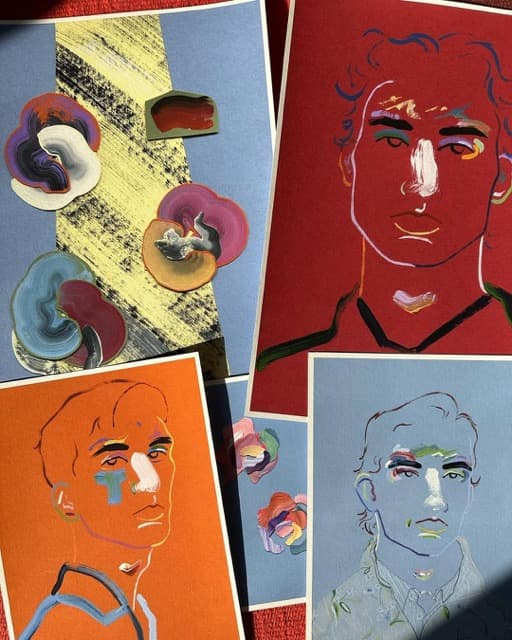
In this Q&A with Robson Stannard, the London-based fashion portrait artist shares the journey behind his vivid, intuitive style. Blending his background in Fashion Illustration with a fine art sensibility, Robson creates multi-media works that are as expressive as they are precise, each one exploring the human figure through energetic linework, tonal depth, and a distinctly playful edge.
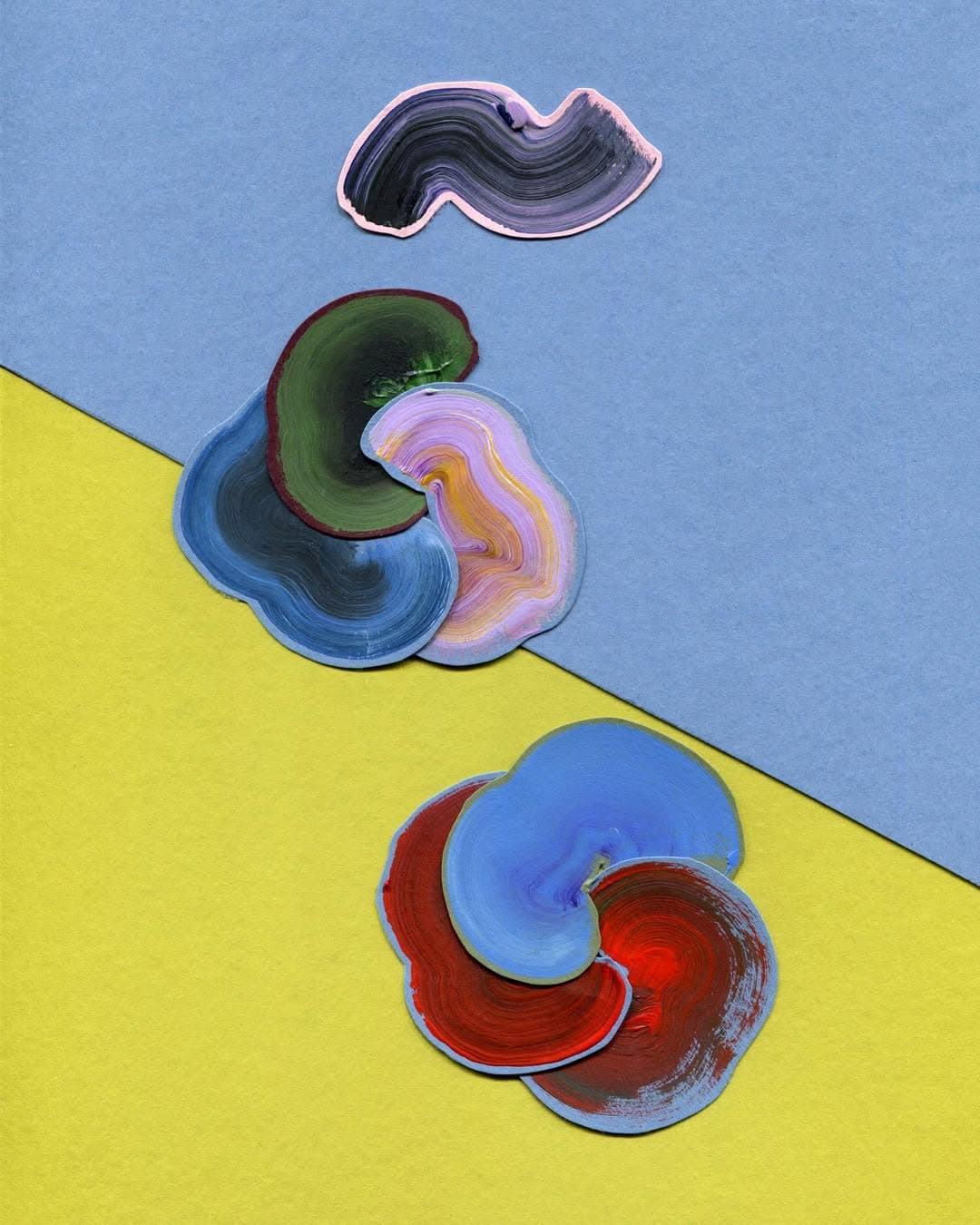
1. Can you tell us a bit about yourself and your artistic journey?
Robson Stannard graduated from the London College of Fashion with a degree in Fashion Illustration in 2017. Working fundamentally as a fashion portrait artist, he creates images using a variety of media. His vivid, illustrative aesthetic builds upon the human form with multi-tonal strokes of colour, in a way that is at once playful, yet always identifiable.
2. What inspired you to pursue your craft? Was there a defining moment or influence that
sparked your passion? I’ve always wanted to pursue a career based in the Arts, throughout school its what always felt like the right direction for me to explore.
Your craft
3. How would you describe your work in three words?
Playful, Graphic & Fluid.
4. What materials or techniques do you use, and why are they important to your process?
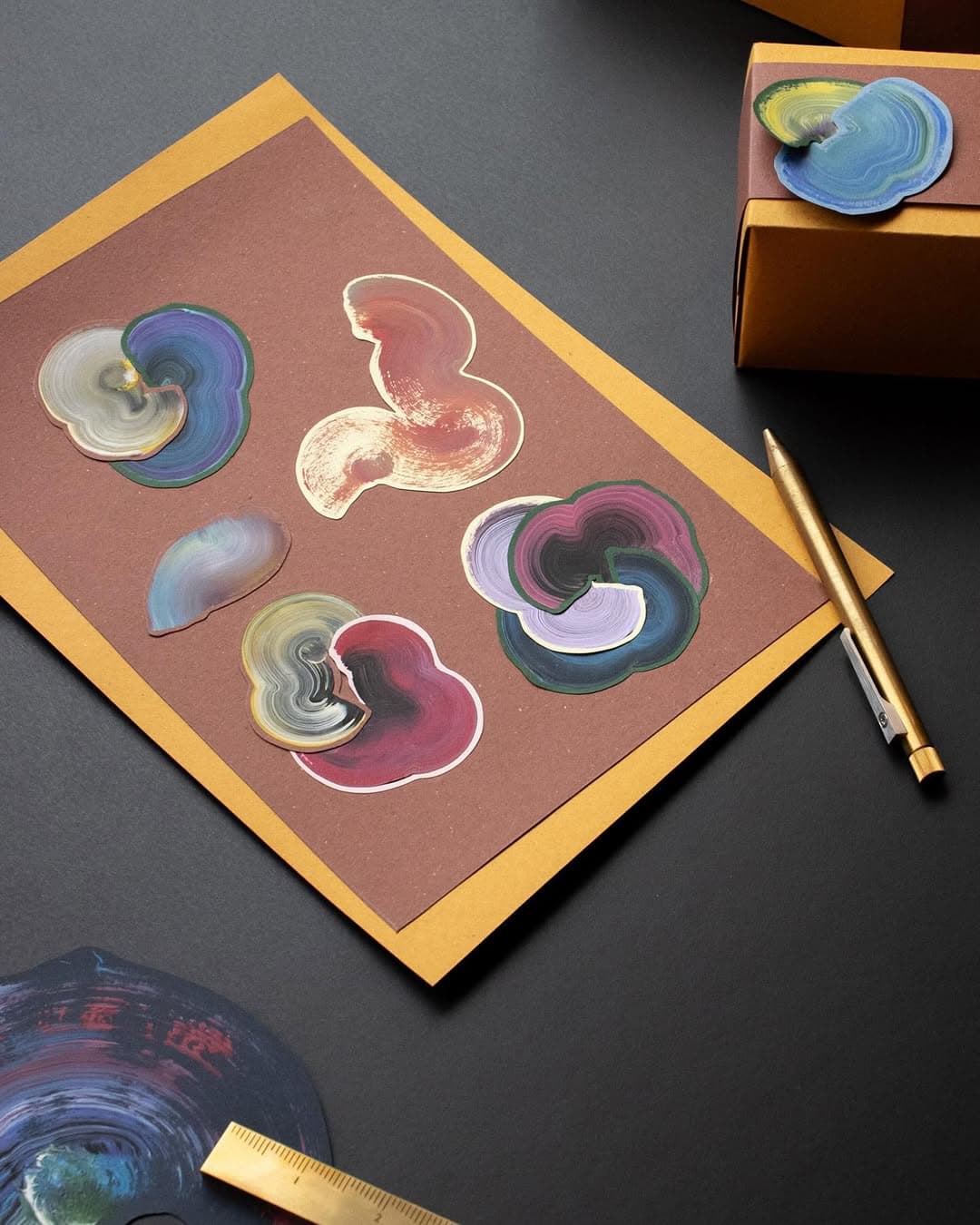
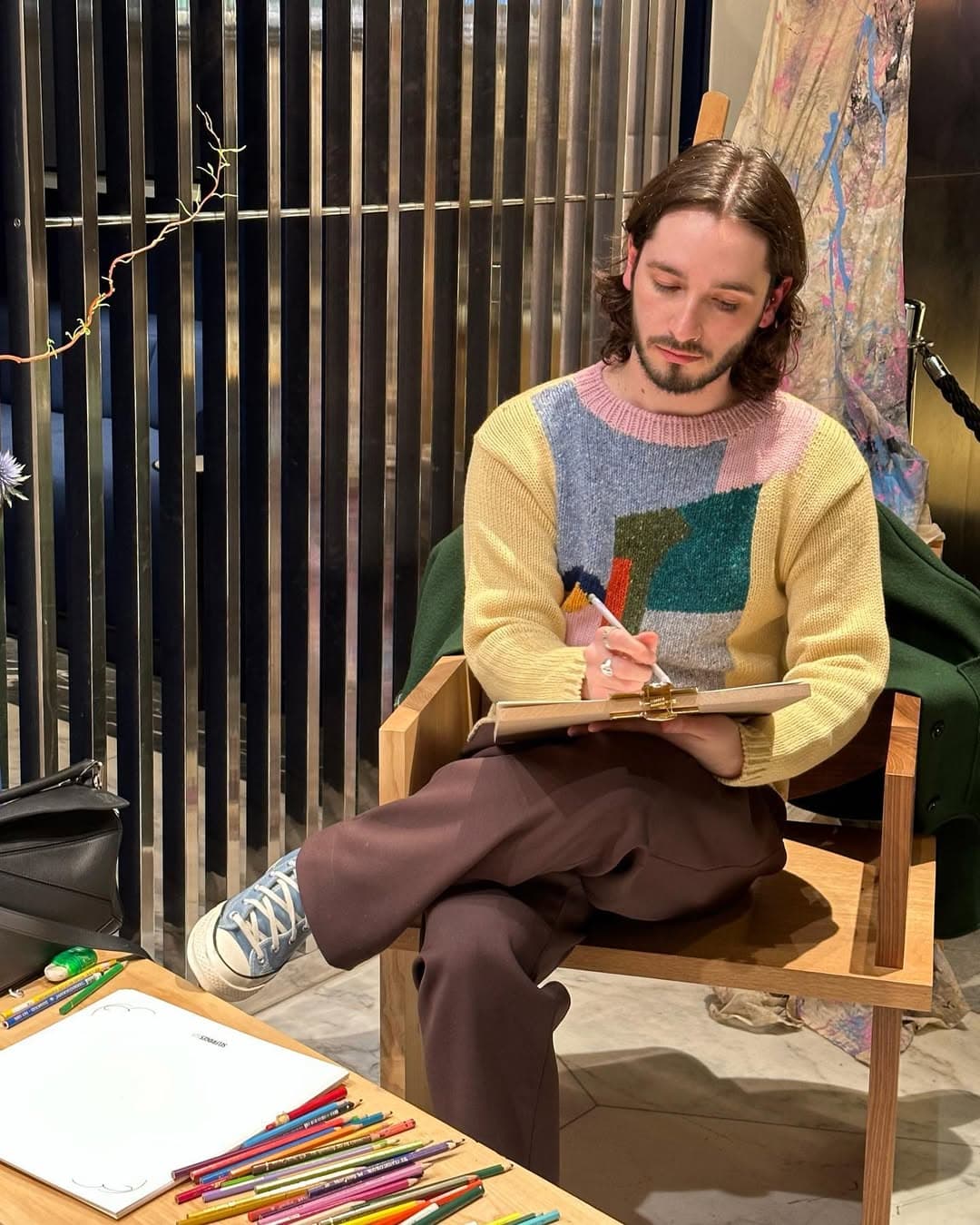
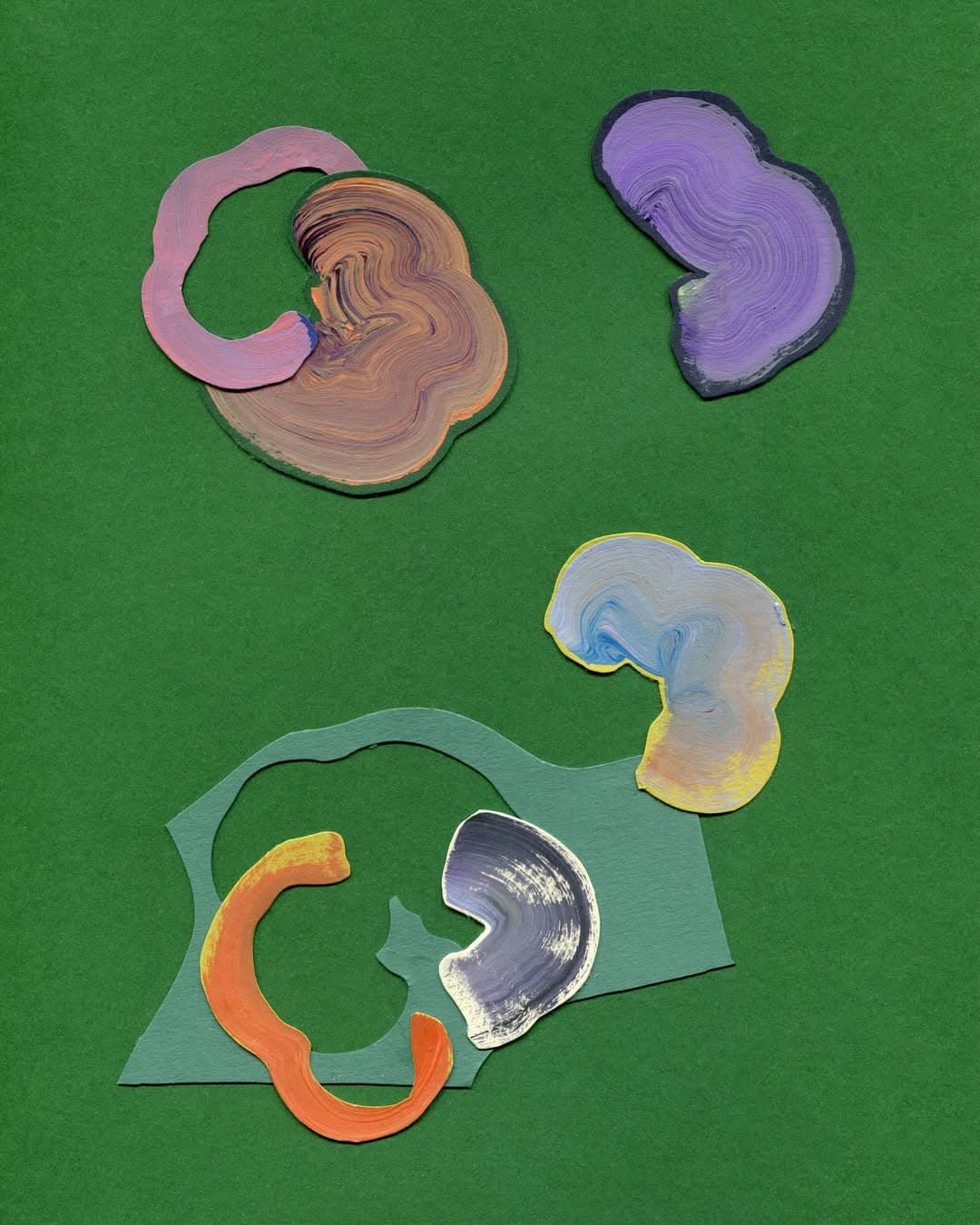
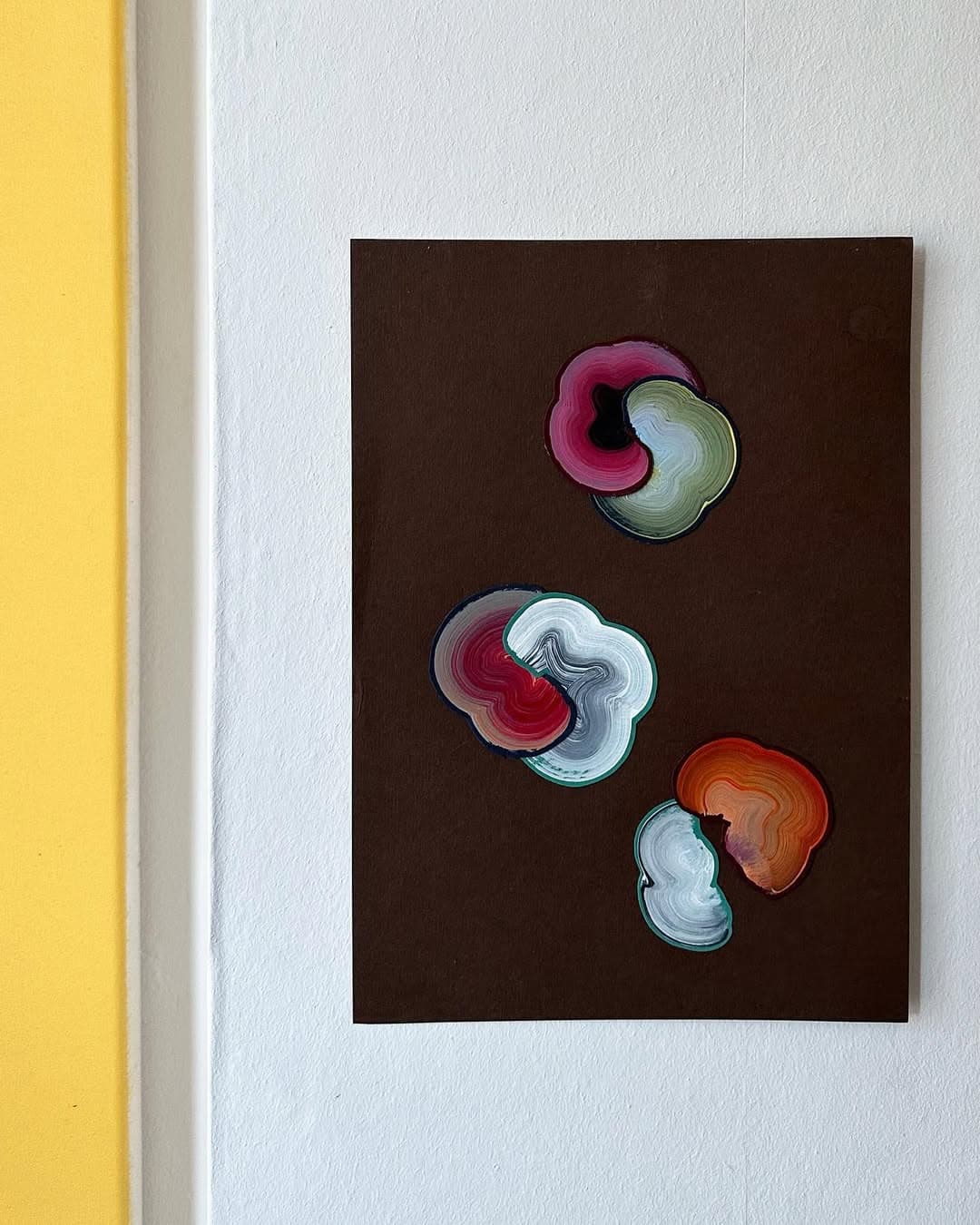
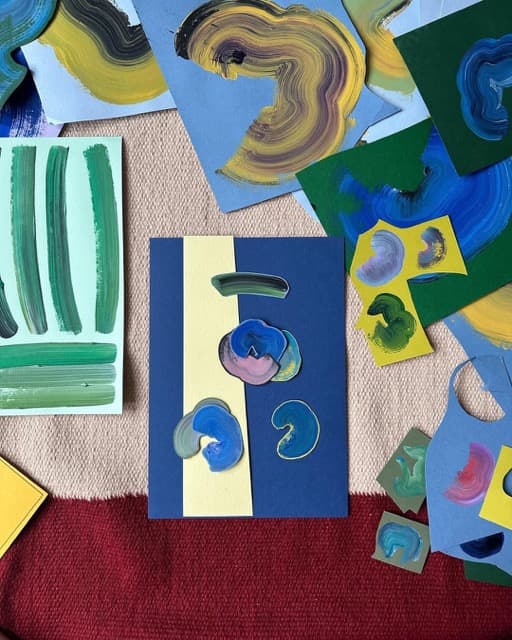
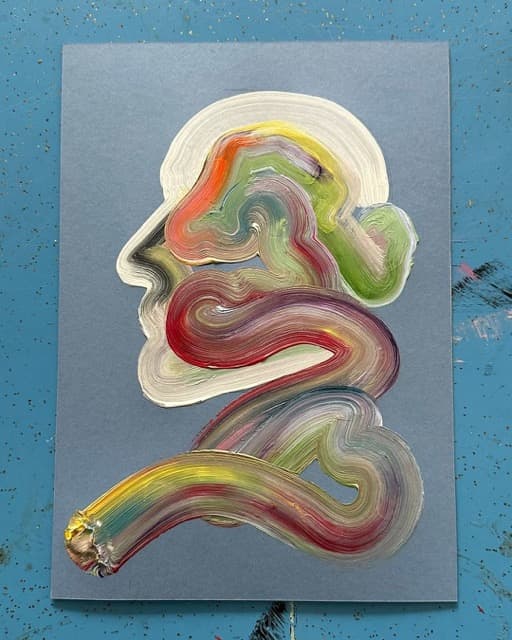
I mainly work in Acrylic & coloured pencils and then collage using these techniques.
Creative process
5. What does a typical day in your studio or workshop look like?
If its a day creating then I will always start by making a coffee to wake myself up and get the creative energy flowing, I will then aim to draw and paint as much as I can and catch up on any admin throughout.
6. Do you have any unique rituals or habits that help you stay creative?
Caffeine
7. How do you handle creative blocks? Do you have any strategies or tips for overcoming them?
Sometimes we all need a break and I think its important to realise as and when that’s approaching.
Inspiration
10. Where do you draw inspiration from for your work? What sparks your imagination and creativity?
Francis Bacon
11. Do you have a favourite artist, maker, movement, or tradition that has influenced your craft?
Francis Bacon and a plethora of illustrators.
12. How does colour influence your practice; is it an important part of your process? Do you have a particular palette or favourites?
Any go-to sources for colour inspiration? I aim to be as colourful and impactful with colour as I can.
Perspectives and goals
13. What role does your environment play in shaping your creativity?
Throughout lockdown when I was based in Suffolk, it shifted my work to begin to look at nature more and my flower collages were the result of this.
14. What do you want people to feel when they experience your work?
Joy
15. What are you currently working on, and what excites you most about it?
I am currently working on getting back into more fashion illustration portraits.
Advice and reflection
18. What advice would you give to someone starting out as a maker?
Create create create and aim to not compare yourself to others.
Closing thoughts
20. If you could collaborate with any artist, past or present, who would it be and why?
Francis Bacon, I think he’s an incredibly interesting figure and somewhat strange.
21. Where can people find your work, and how can they support you?
Mainly Instagram or through SHOWstudio
Blending fashion, portraiture, and expressive colour, Robson Stannard brings a bold, illustrative energy to everything he creates. Whether working on editorial commissions, large-scale collaborations, or live workshops, his distinctive style captures the human form with movement, emotion and unmistakable flair.
Explore Robsons’s latest collection and follow his creative journey:
Support Robson Stannard by exploring his dynamic, character-driven portraits and following along as he redefines the space between fashion and art, one bold stroke at a time.
Meet the Maker: Rachel Bottomley and Life in Colour
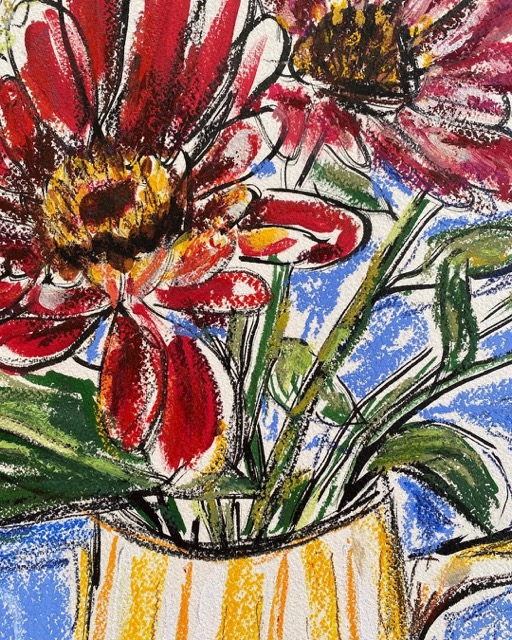
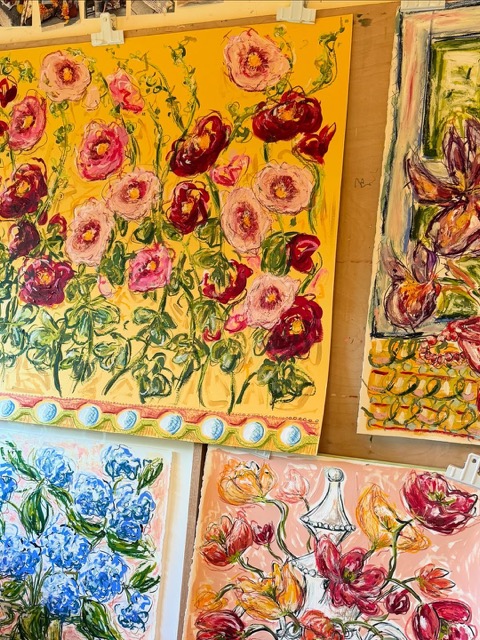
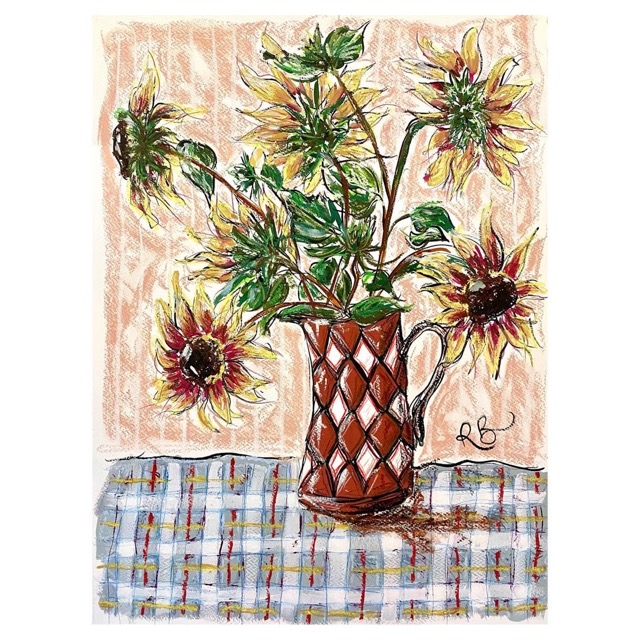
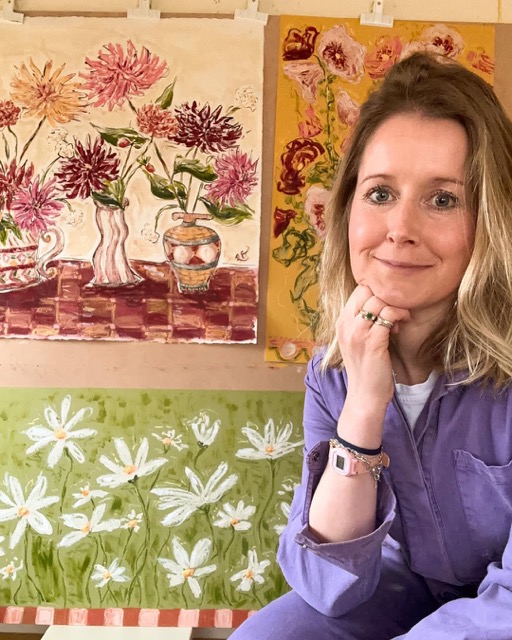
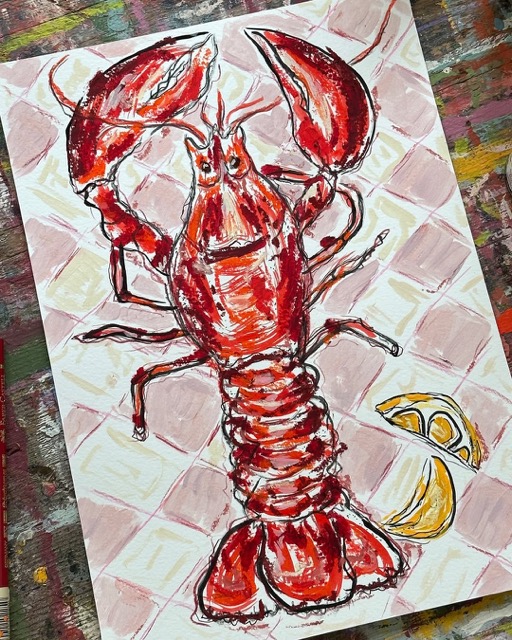
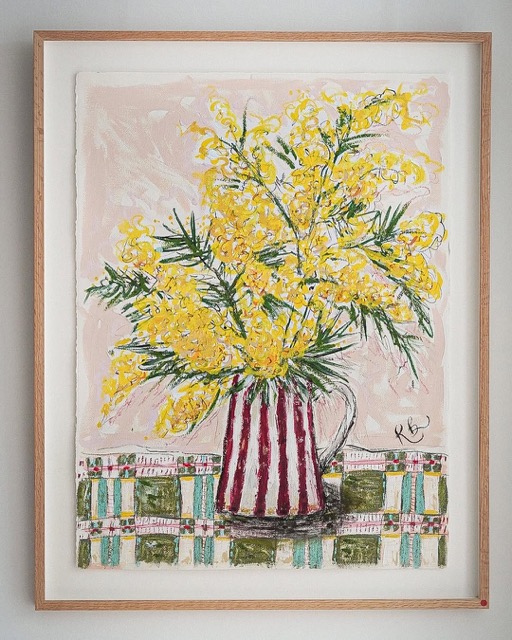
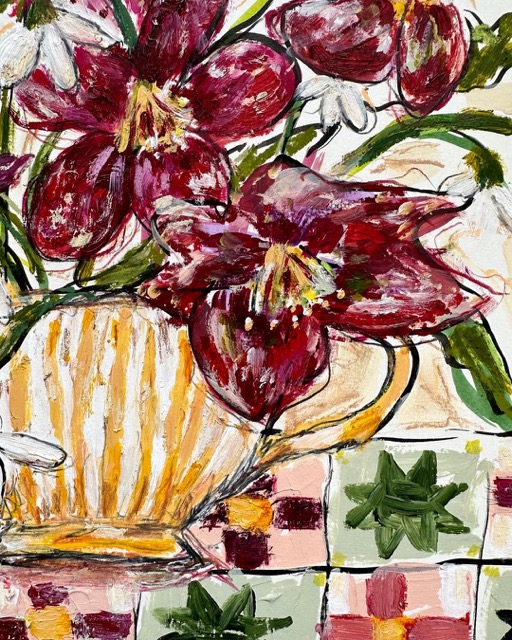
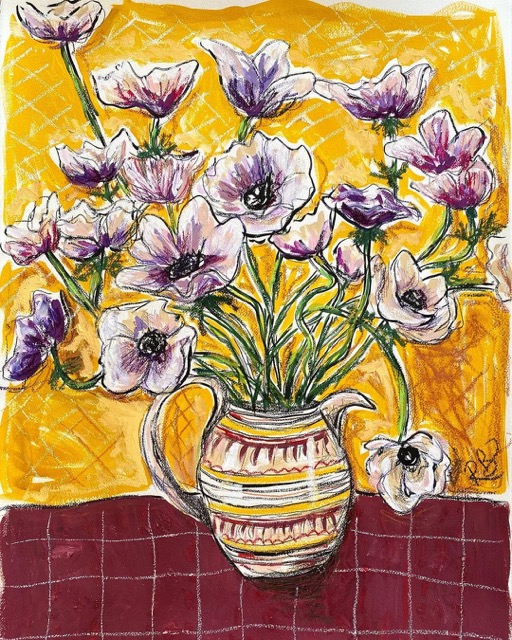
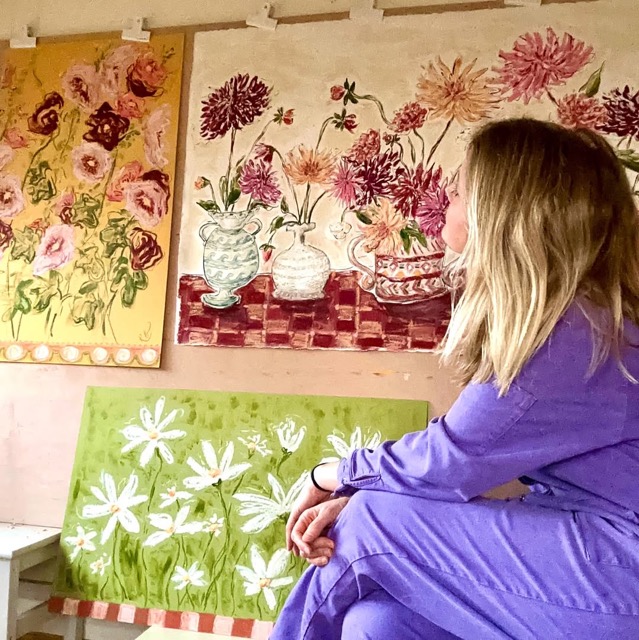
Working from her home studio in the Surrey countryside, contemporary painter Rachel Bottomley creates richly layered works that honour the joy of everyday life. Through intuitive use of acrylics, oils, pastels and pencil, her expressive pieces blend observation with imagination, capturing the essence of a moment in bold colour and fluid form. A self-taught artist who refined her practice through Turps Art School, Rachel’s distinctive style has gained recognition in both private and public collections, from the British Royal Family to collaborations with brands like Smythson and Sharland England. Her work is at once vibrant and grounding, offering a painterly invitation to pause, look closer, and celebrate the stories that shape our daily lives.

1. Can you tell us a bit about yourself and your artistic journey?
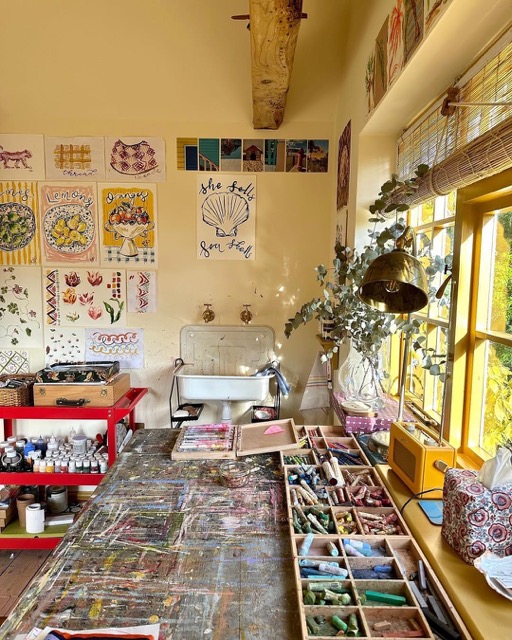
I am a contemporary painter based in South Surrey, working from my home studio surrounded by countryside. I live with my husband and two children, who are 7 and 5 years old. I am obsessed with colour, pattern and details. My wandering mind is often distracted by beautiful things which end up on my easel.
Growing up I always had a sketchbook on the go and loved anything creative. I didn’t go down the art route after school and trained to be a primary school teacher. I taught in schools for ten years until I had my children and it was then art found me again as I stepped away from teaching. Painting has been so important to me and given me headspace away from the challenges of parenthood. The immersive nature of my work allows me to be totally present and enter a different world becoming completely absorbed in my textured painting process.
2. What inspired you to pursue your craft? Was there a defining moment or influence that sparked your passion
There was definitely a defining moment. My journey as an artist took an exciting turn in June 2021 when I attended a liberating still life workshop with artist, Rose Electra Harris. My day with Rose opened my eyes to a new way of painting, allowing me to release my inhibitions and paint with my whole body engaged. Rose inspired me to paint exactly what I see and not what I think my painting should look like, as well as giving me the opportunity to engage with a range of media. She guided me into a place of freedom and total joy when painting.
Your craft
3. How would you describe your work in three words?
Joyful, energetic and layered
4. What materials or techniques do you use, and why are they important to your process?
I savour the sensory experience of dusting pastels, gliding brushes, smearing oil sticks and dashing pencils into dynamic marks and intricate details. It’s immersive and the tactile nature of working with different media is part of the joy for me.
5. Can you tell us about a favourite piece you’ve created and the story behind it?
‘The Candy Shop’ This was a big painting—a celebration of spring—featuring three shelves lined with vases of flowers. Do you remember that feeling of stepping into a sweet shop? The walls lined with jars and you can almost taste the sweets before you’ve even picked them, your little paper bag ready to be filled to the brim. My favourites were (and still are!) bubble gum cola bottles. That’s exactly how I feel about flowers and vases—the same thrill and joy. The flowers in vases represent my kind of candy shop.
For this piece, I chose spring flowers and arranged them in the order they bloom in the garden. The top shelf holds snowdrops and hellebores—the first signs that spring is on its way. Below them, daffodils take their turn, bright and bold. And finally, the main event: the tulips, dancing in full bloom, announcing that spring is here at last.
There was so much emotion behind this painting—the thrill of colour, the playfulness of mismatched vases, the promise of change. It holds the sweetness of new beginnings, the warmth of sunlight just around the corner. If this painting hung in my home, I know it would make me smile. It’s a reminder that no matter how long winter feels, spring will always come.
Creative process
6. What does a typical day in your studio or workshop look like?
I work in my home studio a stones throw from a national nature reserve in the Surrey countryside, surrounded by nature. I’m a mother of two small children, so my day is sandwiched with the school run. I am very grateful that I have a job which works so well around my family. My working day usually consists of painting commissions, work for exhibitions and completing admin tasks like packaging prints.
7. Do you have any unique rituals or habits that help you stay creative?
I go through phases of feeling creative and then not at all. I think over time I have got better at stepping away from the studio when I’m not feeling creative and accepting it, rather than trying to fight it. It always come back and when it does, I can often have bursts of doing lots of work in a short space of time. If I don’t have a choice, for example, if I’m working towards an exhibition and have to produce work, I will look through images I’ve collected over time from travelling and magazines and root through my collection of textiles.
8. How do you handle creative blocks? Do you have any strategies or tips for overcoming them?
Luckily, I have never had a big creative block but I have tried to prepare for when it does inevitably happen by getting the highly recommended book, ’The Artist’s Way’. I have started to read it and there are some interesting ideas in it; one is having a date with yourself every week to do anything you want, such as a walk, exploring an antiques shop or sitting in a garden.
Challenges and successes
9. What’s the biggest challenge you’ve faced as a maker, and how did you overcome it?
Juggling all the jobs that need doing: painting, packaging, shipping, website admin, sales, PR, social media… the list goes on! It’s tough to keep on top of everything, but I think there are pros and cons of every job in life, so it’s just part of it.
10. What’s been your proudest moment or achievement so far?
When I hear my children telling people I’m an artist and when they tell me they love my paintings and get excited about them. My proudest moment professionally was my joint show on Portobello Road with artist, Camilla Perkins, curated by Amelia Maxwell. I was really proud to be showing alongside Camilla and over the moon that so many paintings sold.
11. What’s your favourite quote you’ve ever heard about your work? Who said it, or what was the name of the publication?
“Layering mediums with abandon, Bottomley’s work is filled with dynamic energy, each stroke a testament to the joyous symphony of hues found in the natural world. With exaggerated lines and playful compositions, she transforms still life into vibrant flower paintings with movement and rhythm, inviting us to dance alongside her colourful brushstrokes.”
– The House Magazine
Inspiration
12. Where do you draw inspiration from for your work? What sparks your imagination and creativity?
Inspiration finds me! Each painting begins with a scene or object that makes me look again. My friends call me a magpie, drawn to colour and detail that I take back to my nest and make my own. I love to think of my paintings in that way, full of treasures and collectibles.
The subject of my work is often flowers, but what gives it greater depth are the details I draw upon to bring my scenes to life. The intricate weave of a welsh blanket or playful patchwork quilting, handmade ceramics I’ve collected over time, encaustic tiles from Lisbon, and the colourful masonry of homes I’ve pottered past in Greece – these are all elements with which I decorate my artworks – a colossal memory bank of pattern and colour is raided with each and every painting.
13. Do you have a favourite artist, maker, movement, or tradition that has influenced your craft?
I’m am very drawn to Milton Avery’s use colour, especially how he added occasional pops of accent colour. He didn’t follow rules, “I never have any rules to follow… I follow myself”. As well as Avery, Emily Powell’s practice has become an huge inspiration to me. In a workshop, she encouraged us to “paint like nobody is watching” and “let your paintings look after you”. With this in mind, I am striving to place greater emphasis on connection, emotion and following my intuition in my own practice.
14. How does colour influence your practice; is it an important part of your process? Do you have a particular palette or favourites? Any go-to sources for colour inspiration?
Colour is a huge influence from me, drawn from everyday life, travels and my imagination. Piece by piece, I intuitively add to the puzzle of colour, pattern, and texture. Each component holds its own presence, but when placed in contrast with another, reveals something new and unseen. This layering and balancing of tension and harmony is at the heart of my process.
Perspectives and goals
15. What role does your environment play in shaping your creativity?
Each painting begins with a moment, object, or scene, from nature or everyday life that captivates me. This spark ignites my imagination and motivates me to reimagine, reinterpret and create.
16. What do you want people to feel when they experience your work?
Comfort and joy initially. Those who look closer will be rewarded with hidden treasures.
17. What are you currently working on, and what excites you most about it?
I have recently been so lucky to travel to India and Marrakesh. I am currently absorbing myself in all the photos, letting my ideas simmer and then I’ll be creating work inspired by my trips.
Advice and reflection
18. What advice would you give to someone starting out as a maker?
To go with your gut and try to ignore the negative voice in your head. Also, try not to criticise your work whilst you’re still working on it, focusing on enjoying the journey it’s taking you on instead. I’ll let you know if I work out how to do either of these things!
19. If you could go back to the start of your career, what advice would you give your younger self?
The same as my last answer!
Closing thoughts
20. If you could collaborate with any artist, past or present, who would it be and why?
I think I’d actually like to collaboration with an interior designer or textile company as I’d love to design my own fabrics and wallpapers.
21. Where can people find your work, and how can they support you?
From my website you can access my available work directly from my studio and I also keep my website up to date with my gallery works, with links to take you to their website. I do also make work available through instagram and sometimes sell pieces on my stories. I have a newsletter that you can sign up to on my website and I make sure I let my subscribers know first about new work, prints and exhibitions.
Support Rachel by exploring her vivid, joy-filled portfolio online, discovering her original paintings and commissions, and following her evolving practice as she brings more colour, emotion and energy into the world through art.
Explore Rachel’s latest collection and follow her creative journey:
Support Rachel by exploring her expressive, joy-filled paintings, discovering vibrant works that blend observation with memory, and following her creative journey as she captures everyday life in colour, pattern, and intuitive mark-making.

Meet the Maker: The Artful Frames and Colour Stories of Poppy’s Studio
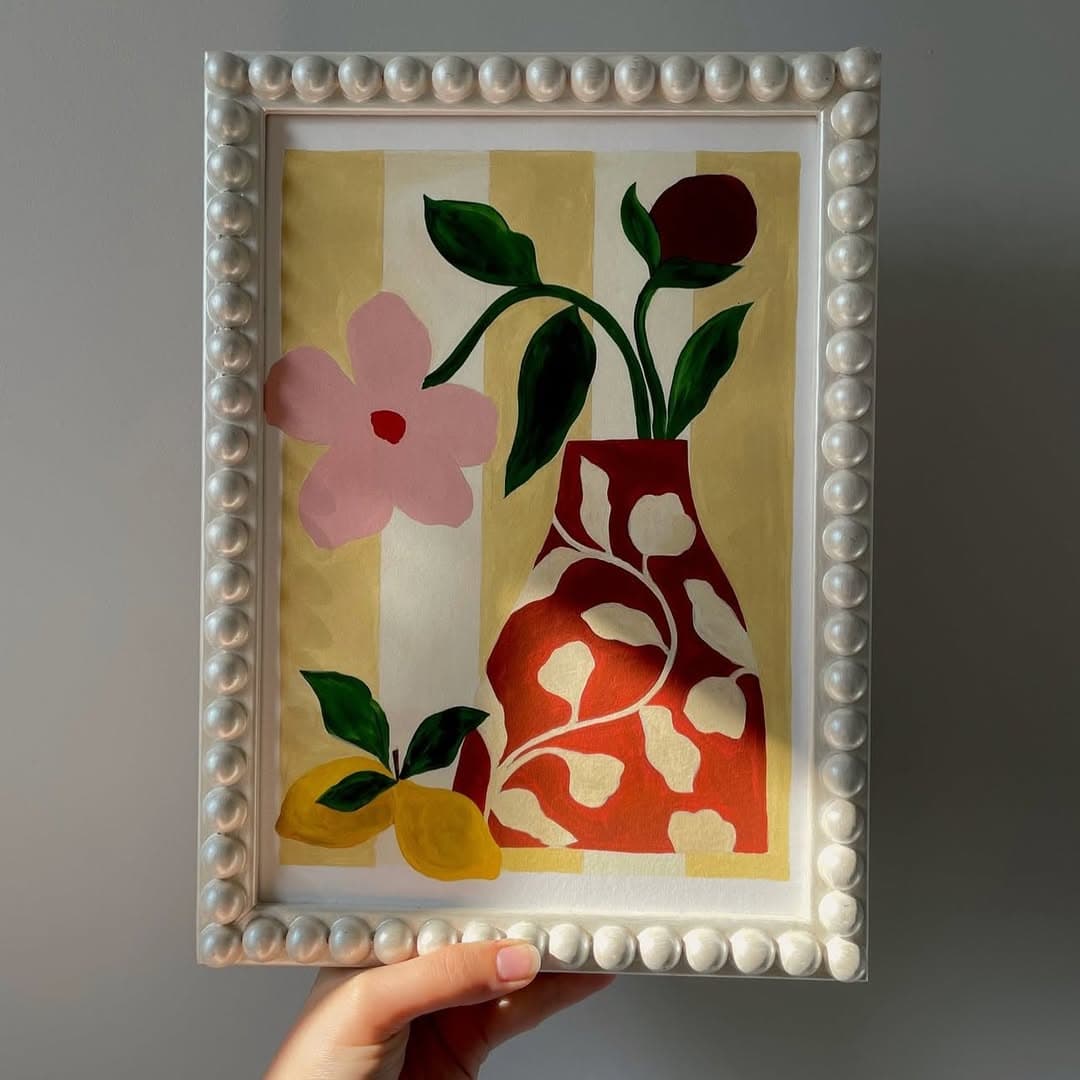
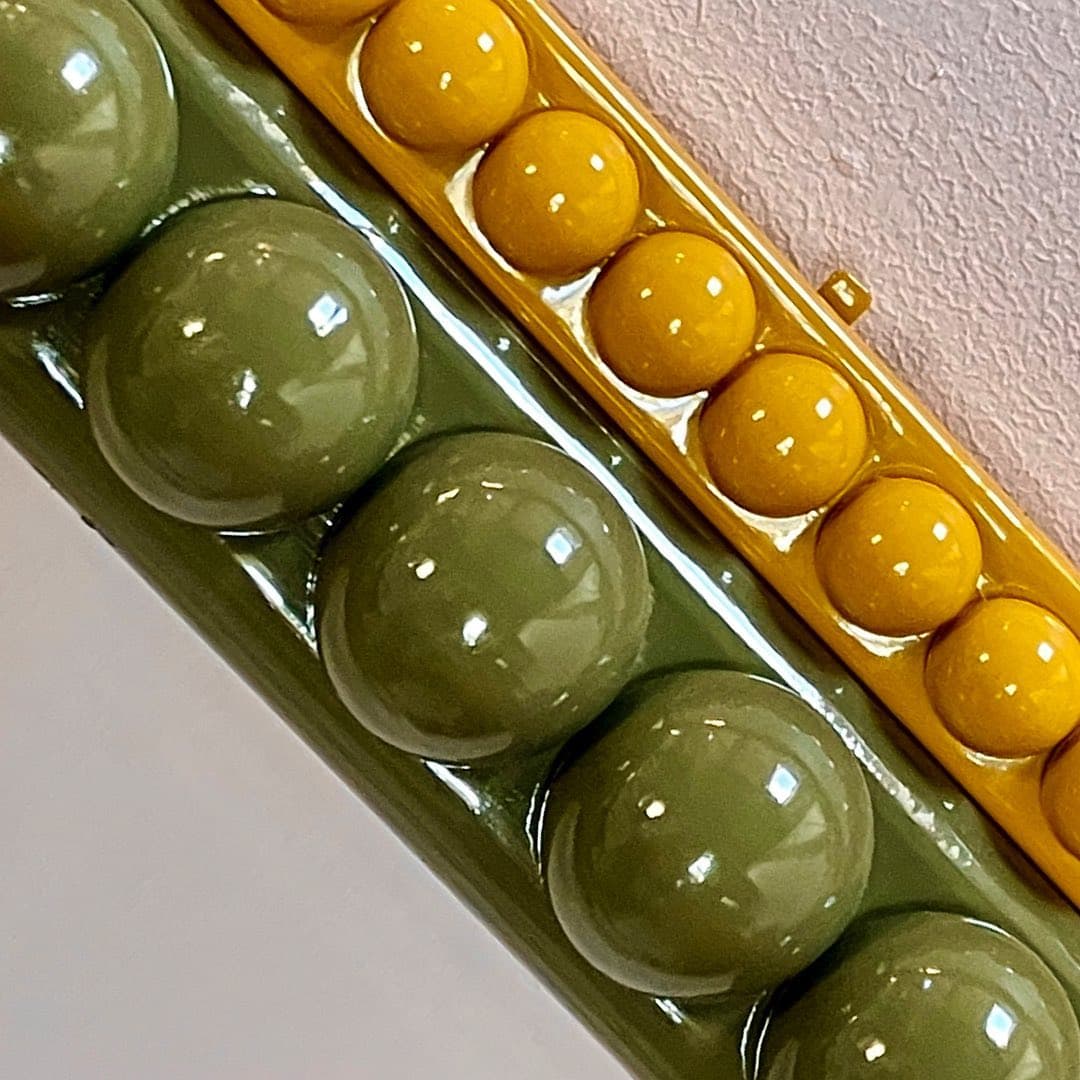
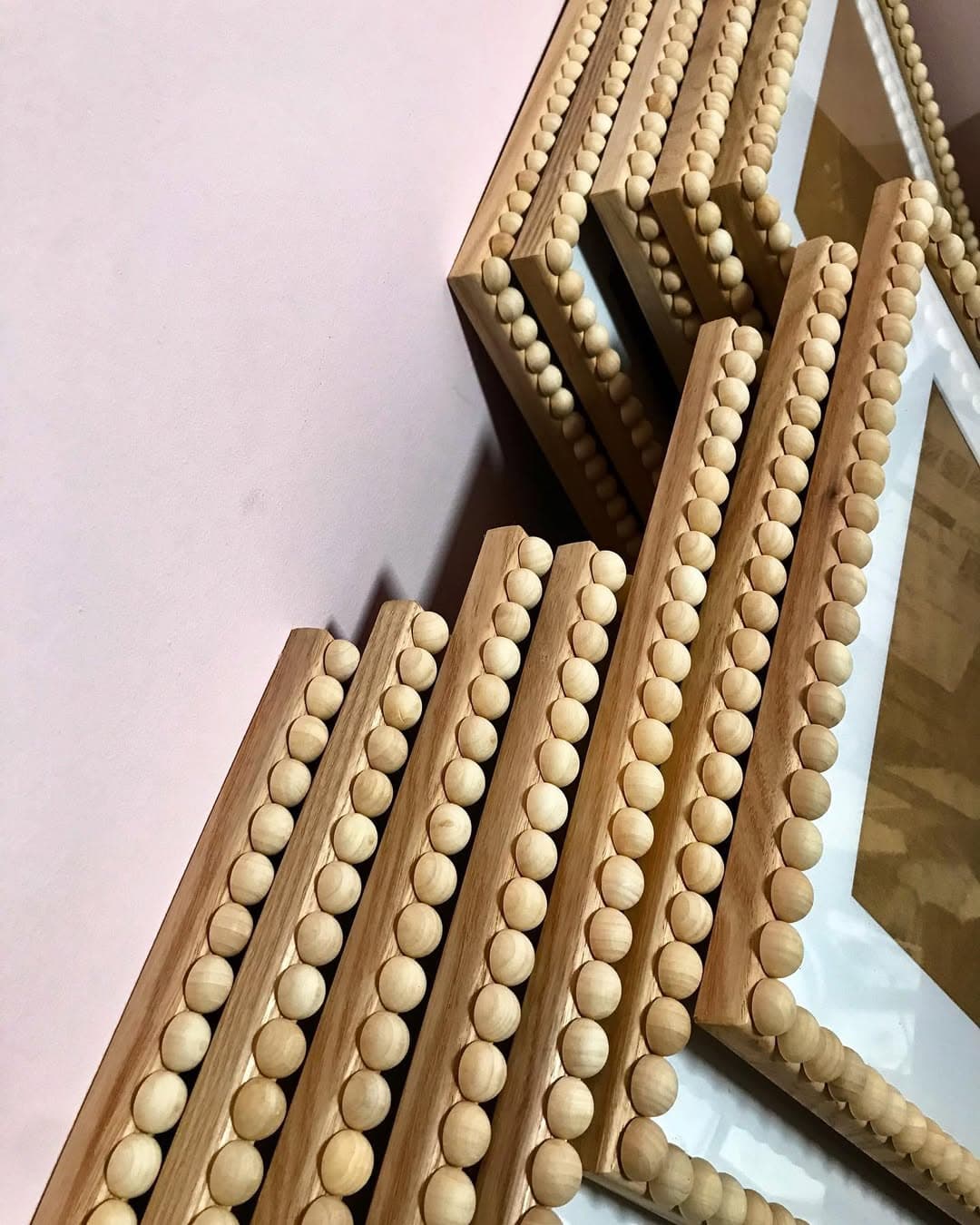
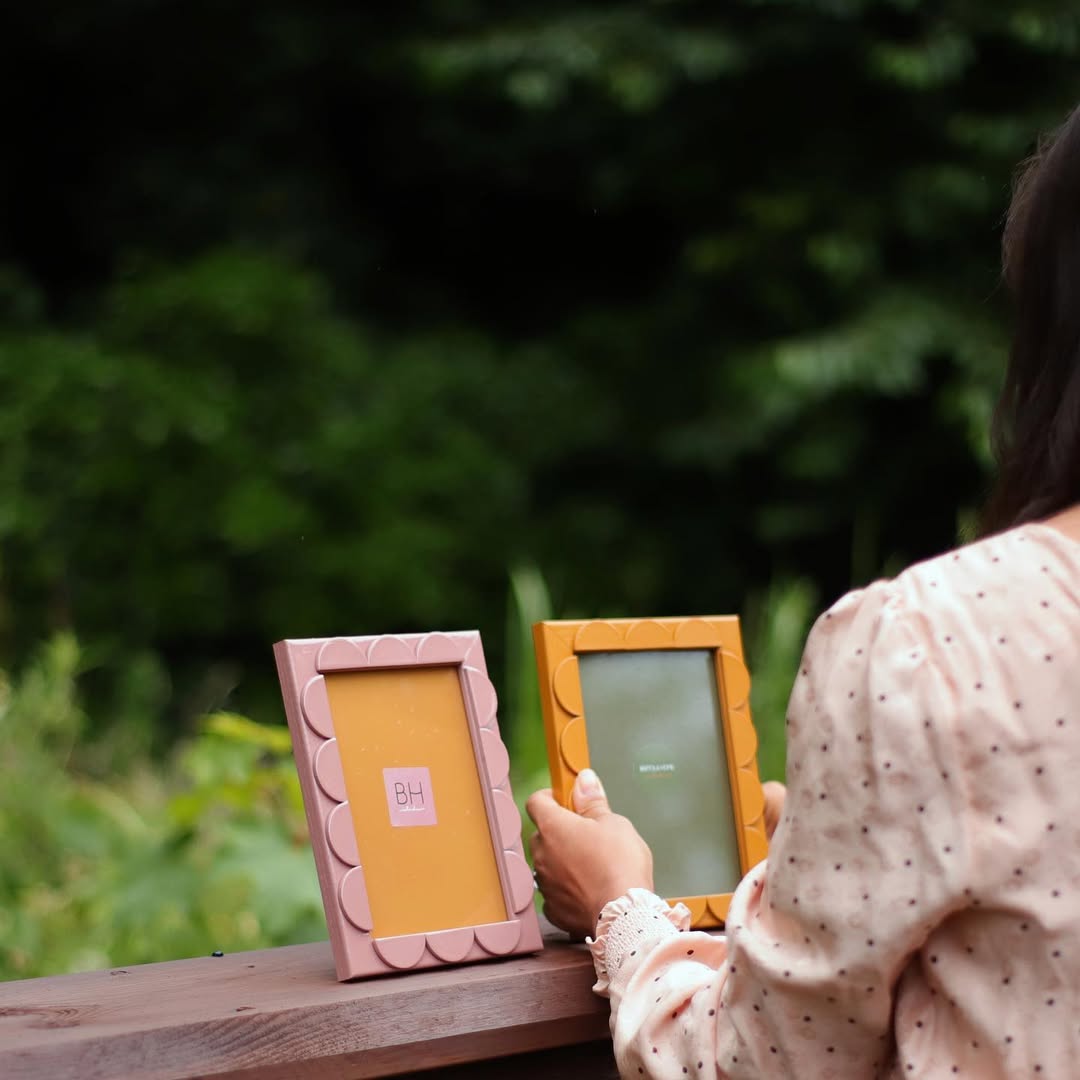
Working from her home studio, Poppy crafts distinctive picture frames that sit at the intersection of colour, craftsmanship, and emotional connection. With a background in Contemporary Art and a practice born during maternity leave in the stillness of the pandemic, she began by hand-building a single frame, an act that sparked a renewed sense of purpose. Each piece is meticulously made to order, combining traditional joinery, layered lacquer finishes, and carefully sourced materials. Guided by nature’s palette and a deep curiosity about how colour makes us feel, Poppy’s frames are both functional and expressive, designed to hold more than just what they display. Her work invites us to slow down, embrace beauty in the everyday, and surround ourselves with objects made with care.
1. Can you tell us a bit about yourself and your artistic journey?
I live and work in Yorkshire, in the north of England, with my husband and two young boys. My art journey began around 15 years ago when I pursued a contemporary art degree – some of my most carefree and creatively enriching days! During that time, I immersed myself into the world of colour, exploring both traditional and experimental painting techniques in a deeply intense way. Looking back, I can see how this experience has shaped the direction of my brand and continues to influence my design process to this day.
2. What inspired you to pursue your craft? Was there a defining moment or influence that sparked your passion?
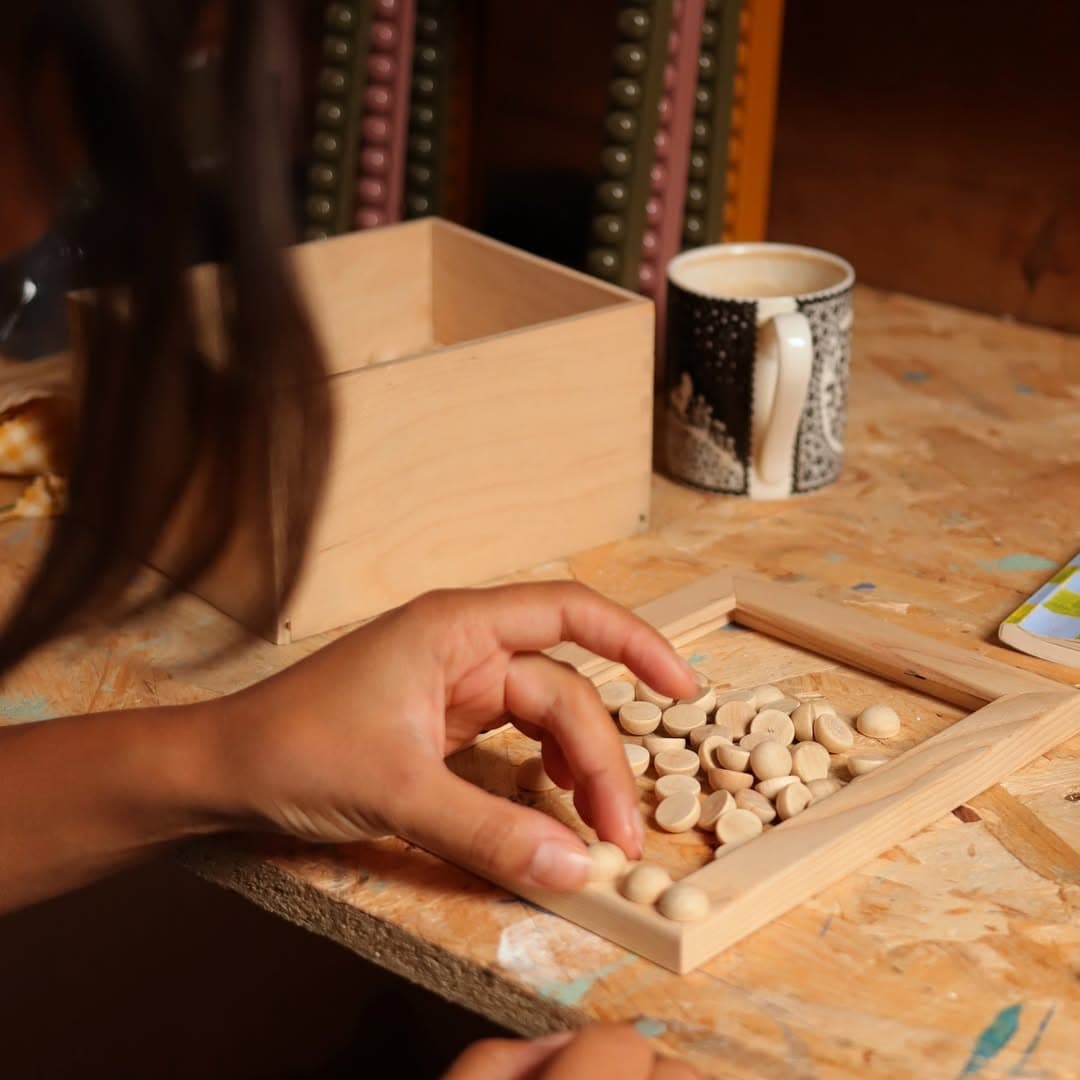
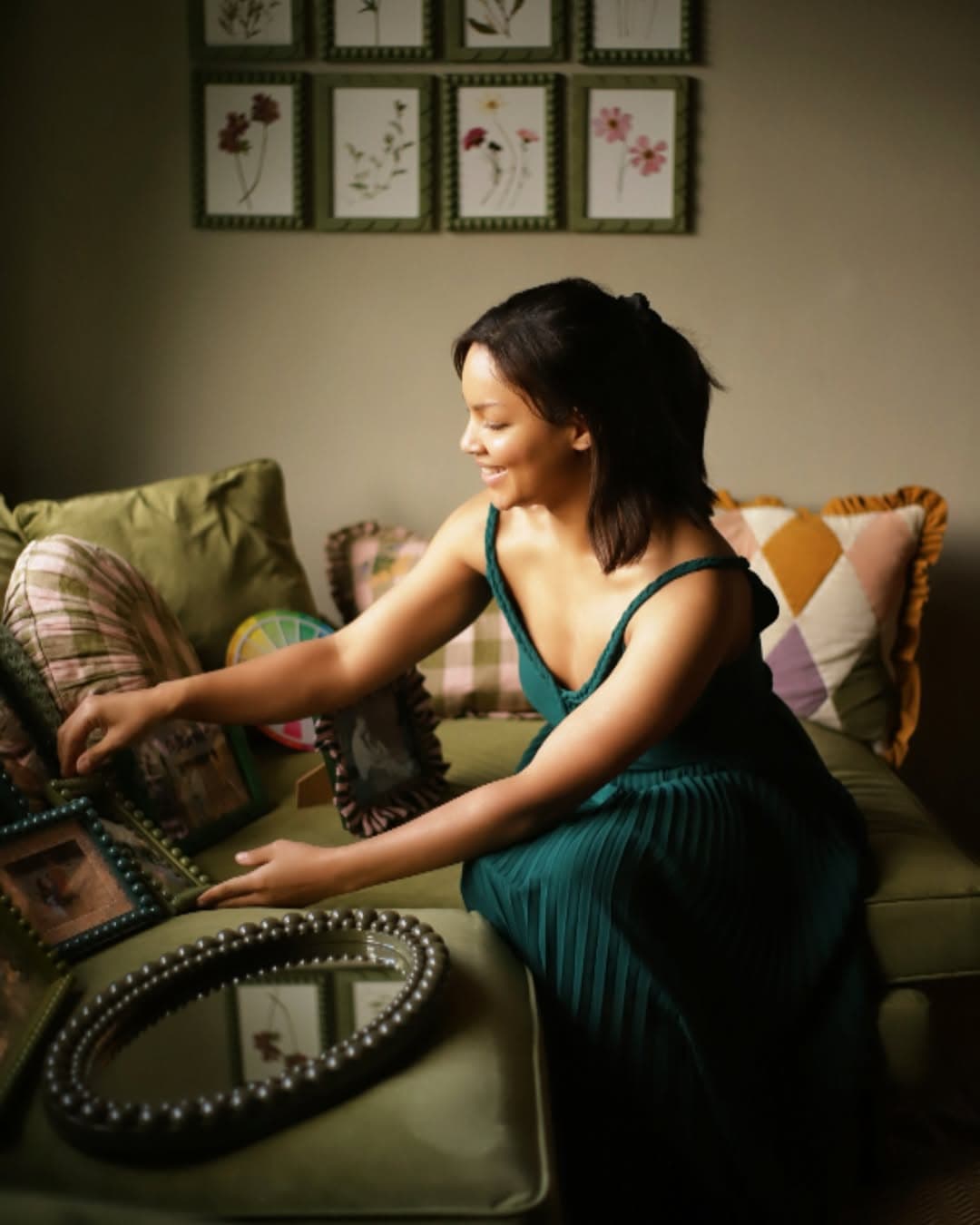
After teaching for eight years, I felt a strong desire to do something creative again – it had been far too long. During my maternity leave, I decided to handcraft some bobbin frames as Christmas presents. The creative process felt like such a treat after so much time away from it, and the frames were incredibly well received, The positive response gave me a such a huge confidence boost that I decided to make more and sell them – the rest is history!
Your craft
3. How would you describe your work in three words?
Colour-rich, unique, timeless
4. What materials or techniques do you use, and why are they important to your process?
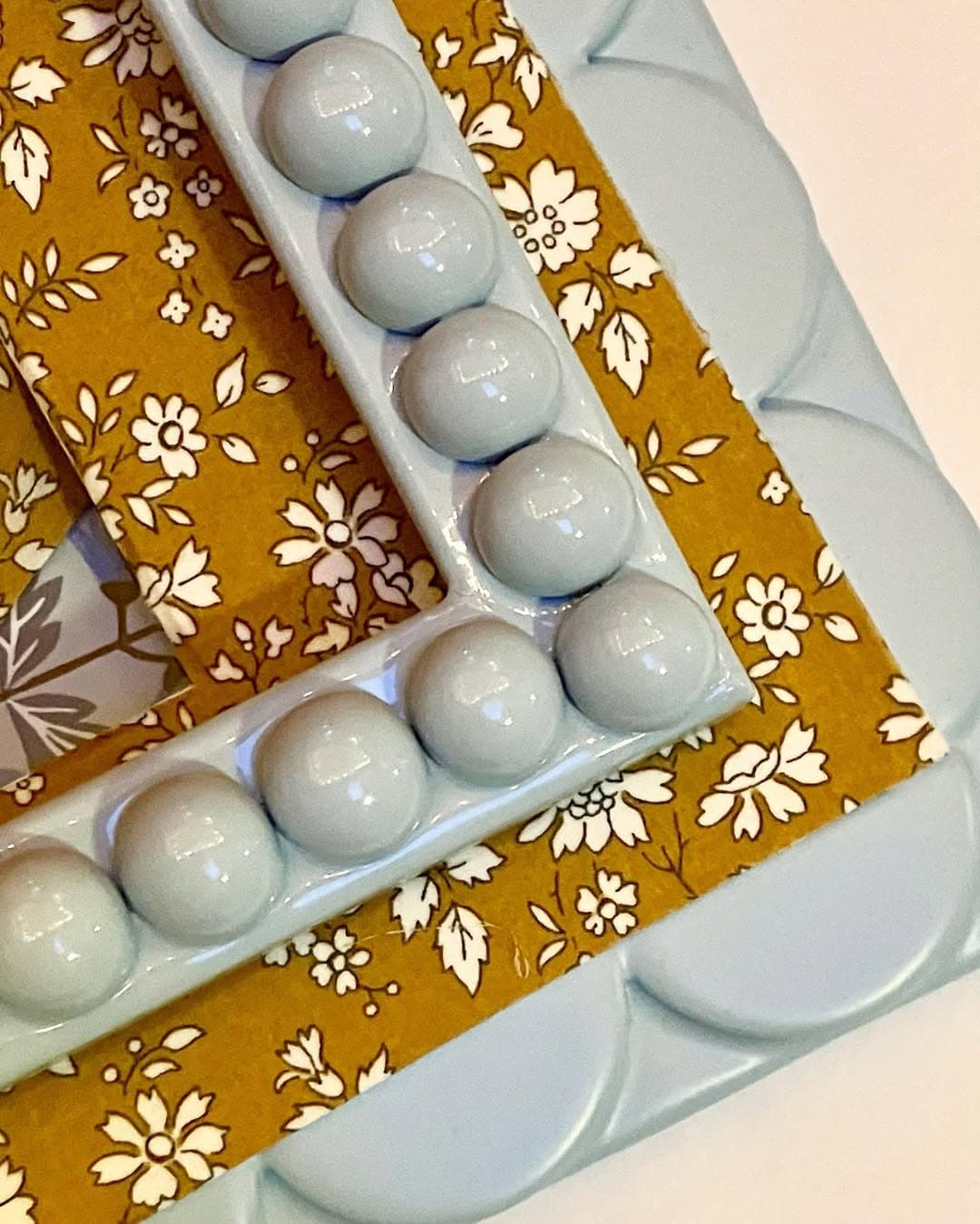
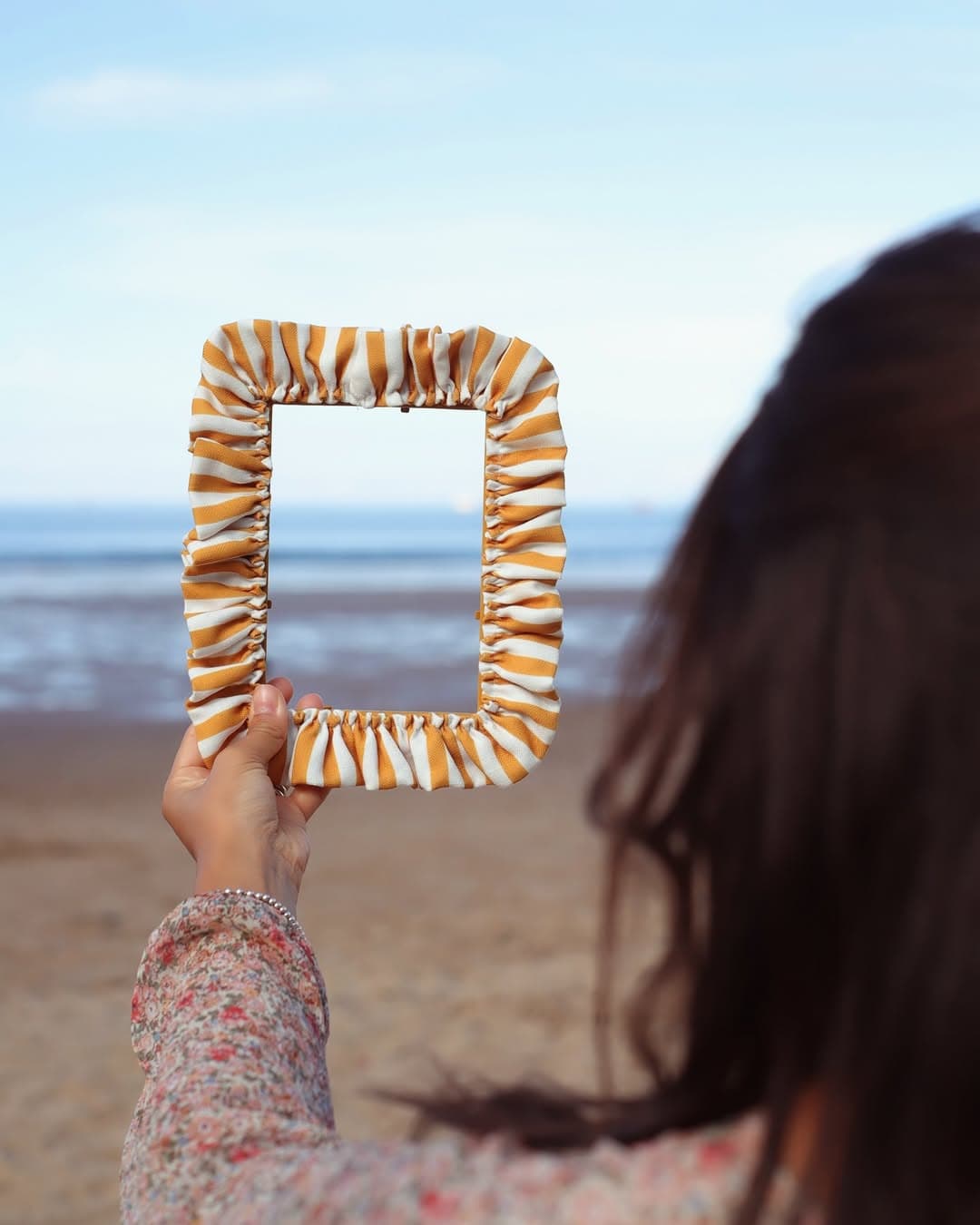
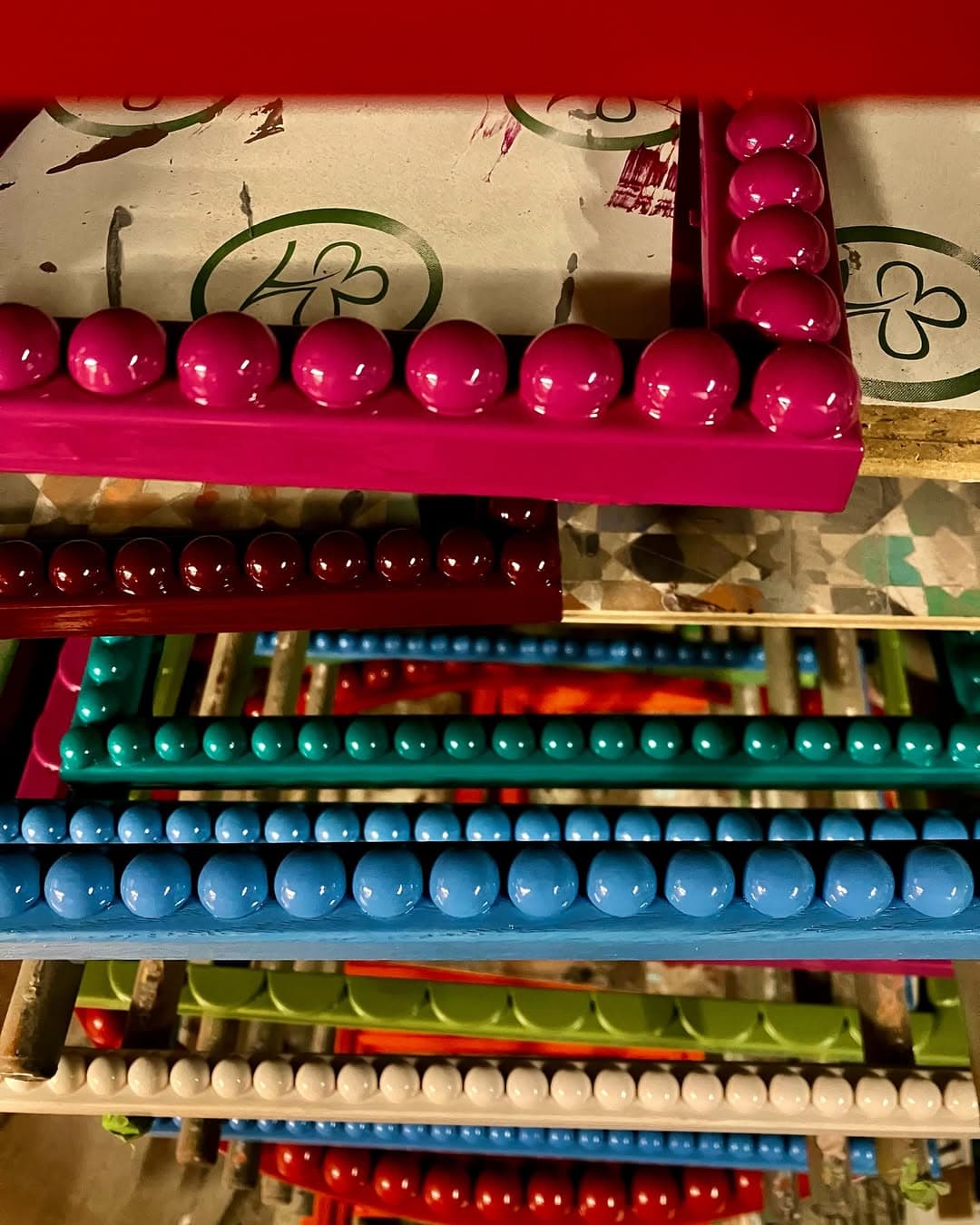
Materiality is at the heart of everything we create. We prioritise high-quality, robust wood, building up layers of lacquer or stain to achieve a rich, durable finish. We also love exploring unconventional pairings, combining materials like linen and wood to craft truly unique and standout pieces.
5. Can you tell us about a favourite piece you’ve created and the story behind it?
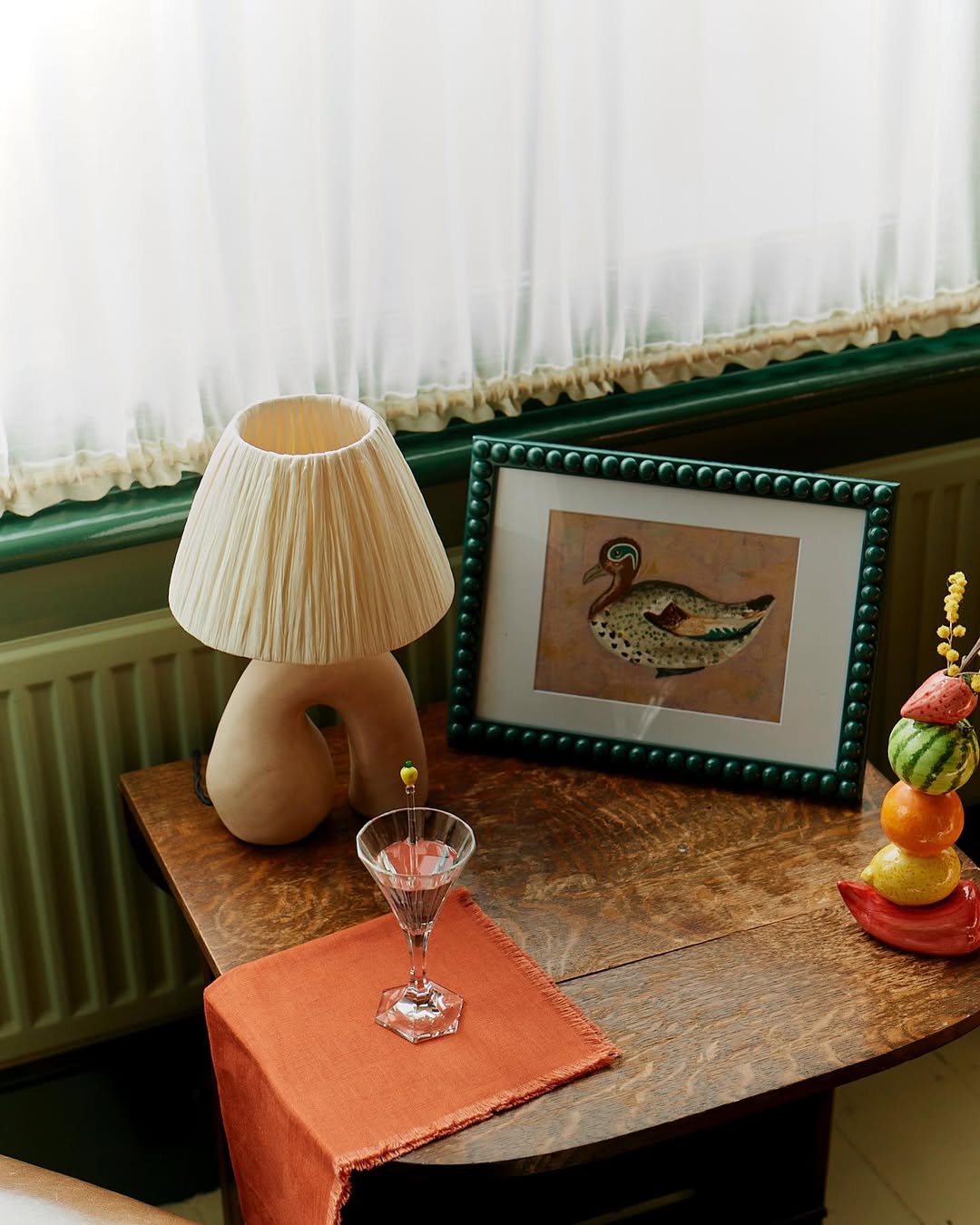
I’m incredibly proud of our latest product launch – wooden stamp mounts. I wanted to create something robust and rich and texture, adding a sense of importance and focus to whatever is being framed. The stamp-inspired outline evokes a sense of heritage and grandeur, making it the perfect way to highlight cherished photos and precious artwork.
Creative process
6. What does a typical day in your studio or workshop look like?
I am very lucky to be able to work with an incredible team, so each day feels really collaborative and very busy. The day starts by checking curing products and assessing whether they are ready to enter the finishing process – this is the quietest time of the day where we touch base as a team and set intentions or the day. The studio starts to then get busy as loud machines are switched on and processes are conducted. New pieces are assigned to enter production and existing products continue on their making journey. Although busy, we like to work calmly and maintain a chilled but productive work environment where making feels fun and satisfying.
7. Do you have any unique rituals or habits that help you stay creative?
I need time and space to think! Long car journeys where I can get lost in the scenery and work through ideas I have brewing in my head provide just that for me.
8. How do you handle creative blocks? Do you have any strategies or tips for overcoming them?
Do something else productive, away from the studio, like going for a walk with a camera and taking a photo of anything that catches your eye, or focus on a process-led/mindful activity like making bread. I find the change of focus helps to refresh my thoughts but still channel some element of creativity.
Challenges and successes
9. What’s the biggest challenge you’ve faced as a maker, and how did you overcome it?
A daily challenge is hand-making to order. The pressure is heavy most of the time, but I have to remind myself that people are investing in something truly one-of-a-kind and are happy to wait.
10. What’s been your proudest moment or achievement so far?
Building something recognised widely from nothing.
11. What’s your favourite quote you’ve ever heard about your work? Who said it, or what was the name of the publication?
"The frames are works of art themselves"
– I’ve heard this several times but it makes me so happy because I know what goes into making each one.
Inspiration
12. Where do you draw inspiration from for your work? What sparks your imagination and creativity?
It’s hard to pinpoint exactly because I find inspiration from anywhere and everywhere – a colour I spotted in my favourite fashion brand, the way a curtain moves in the breeze or the saturating hues of a winter sunset against the grey. Being open-minded and taking it all in is key.
13. Do you have a favourite artist, maker, movement, or tradition that has influenced your craft?
I have always loved Peter Doig’s colourful paintings. The way he uses striking colour combinations to elevate moments is kind of what I hope to achieve with our pieces.
14. How does colour influence your practice; is it an important part of your process? Do you have a particular palette or favourites? Any go-to sources for colour inspiration?
It’s a core element of everything we make. Our palette is often described as feminine but that hasn’t necessarily been intentional – they are just colours I adore and naturally work together. I often add colours to our collection when I feel really inspired by something I have seen and just can’t stop thinking about it.
Perspectives and goals
15. What role does your environment play in shaping your creativity?
It needs to be tidy enough to not feel chaotic but messy enough to feel productive.
16. What do you want people to feel when they experience your work?
That they have had something made especially for them and that the maker’s hand is evident and adds value to their unique piece.
17. What are you currently working on, and what excites you most about it?
I am currently exploring ways in which we can personalise our products, allowing customers to create something truly unique to them, I believe this will enhance the tailored experience we offer and further reinforce the one-of-a-kind quality that is so integral to our brand.
Advice and reflection
18. What advice would you give to someone starting out as a maker?
– You learn by doing.
– If you’re passionate about it then as long as you are consistent, you are bound to succeed.
19. If you could go back to the start of your career, what advice would you give your younger self?
It’s ok to say no.
Closing thoughts
20. If you could collaborate with any artist, past or present, who would it be and why?
I love Rob Ryan’s poetic screen prints and cut-outs. The idea of narratives within artworks intrigues me and I could totally envision his intricate work etched into our wooden mounts, telling a story.
21. Where can people find your work, and how can they support you?
You can find my work via our website: bertolahomestudio.com or via platforms Maison Flaneur, The Roost, Anthropologie and a handful of boutiques in the UK and around the world. People can support me by shouting loudly about Bertola Home Studio to their family and friends.
Guided by nature’s palette and a love of colour, Poppy creates handmade frames that pair unexpected combinations with thoughtful craft. Each piece is made to order using sustainable methods, from wooden joinery to layered lacquer, resulting in functional works full of care, process, and personality.
Explore Poppy’s latest collection and follow her creative journey:
Support Poppy by exploring her joyful world of handcrafted colour, discovering unique frames made with heart and precision, and following her creative journey as she continues to turn memory into artful design.
Meet the Maker: Polly Wolly Doodles and the Gentle Art of Framed Florals
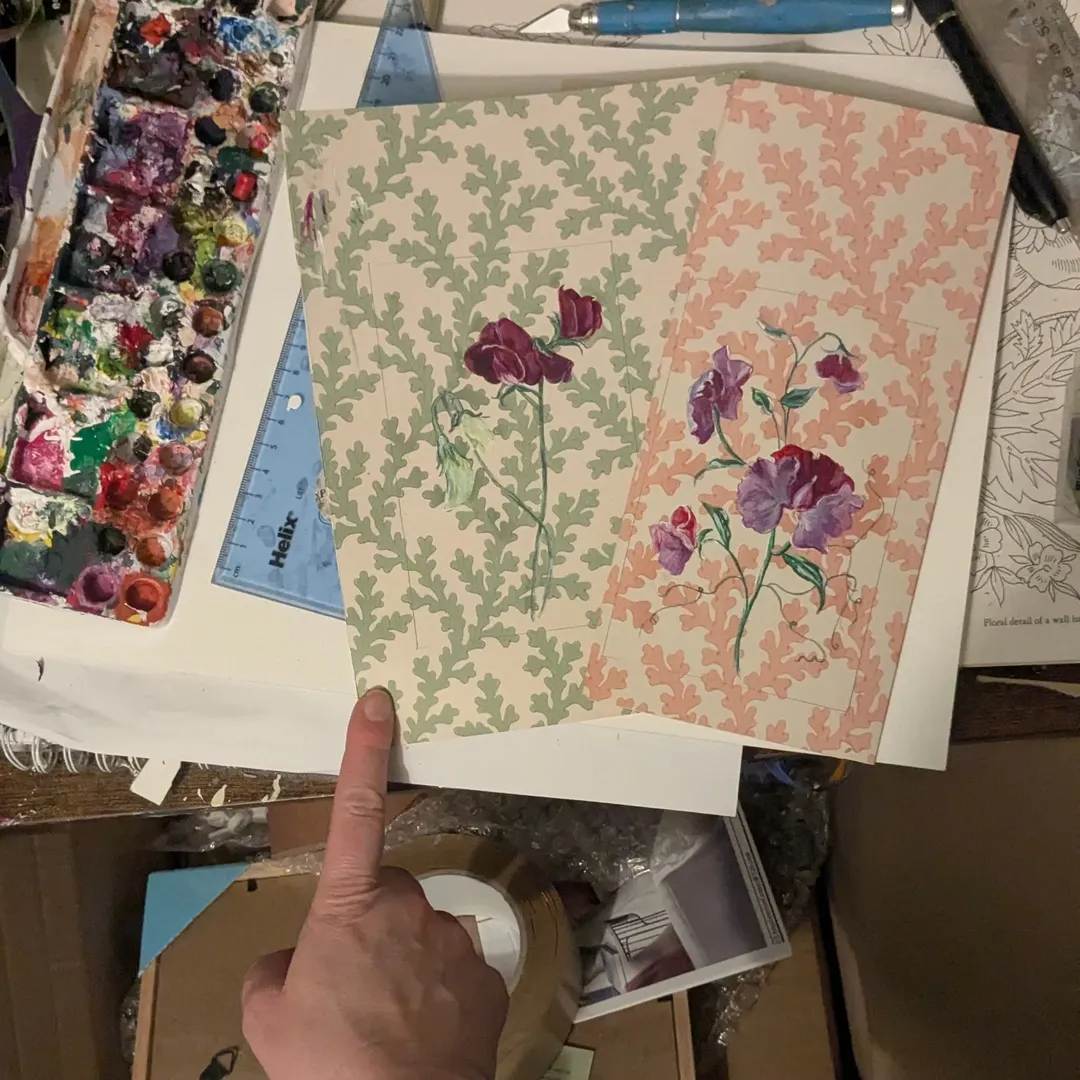
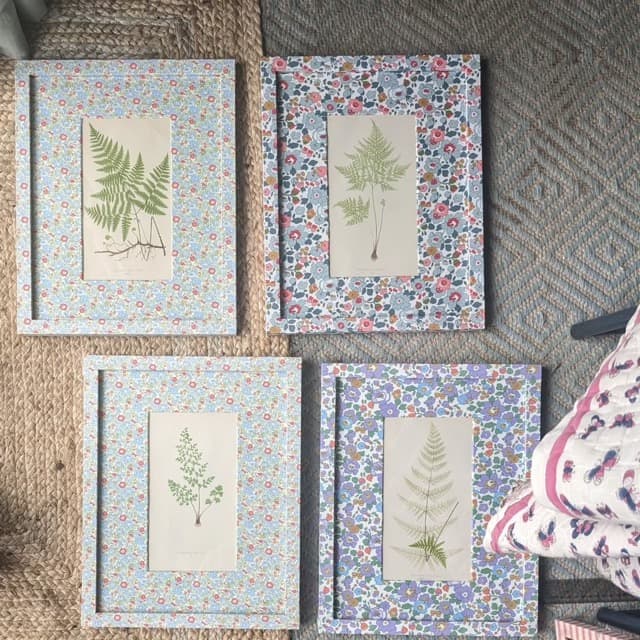
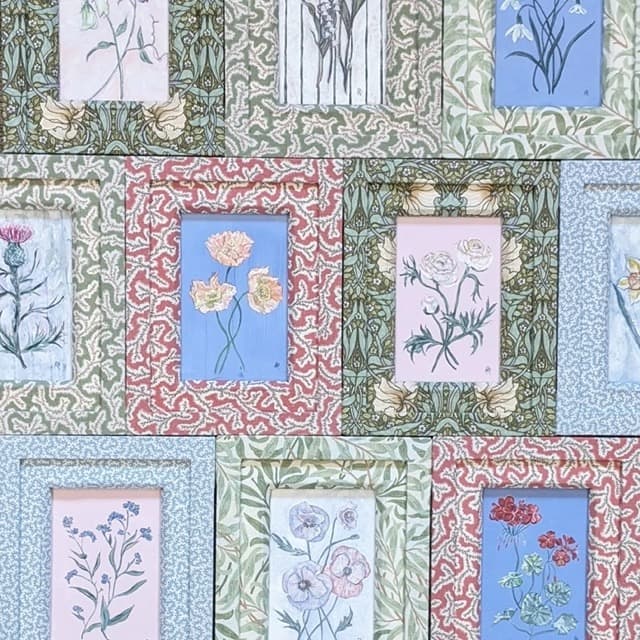
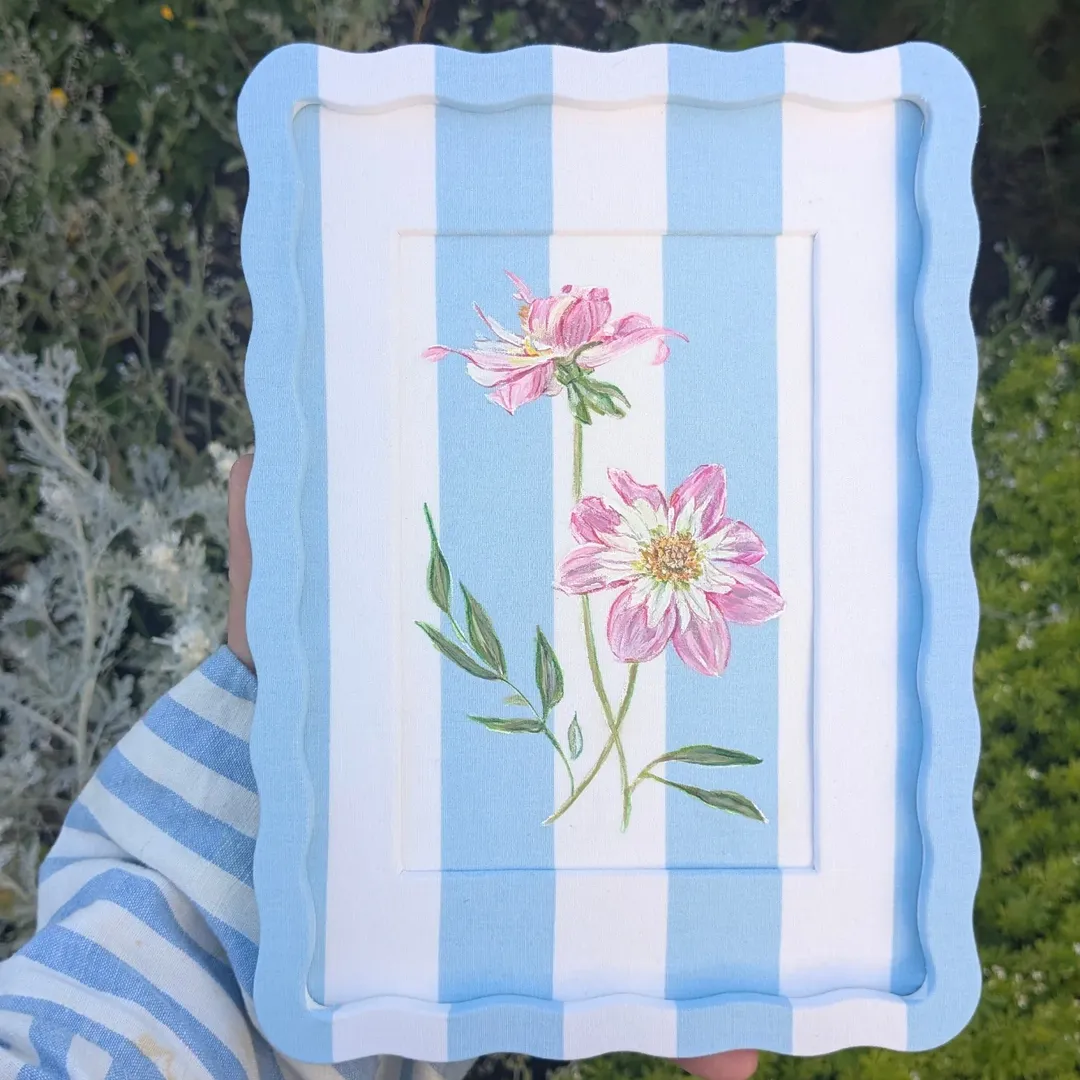
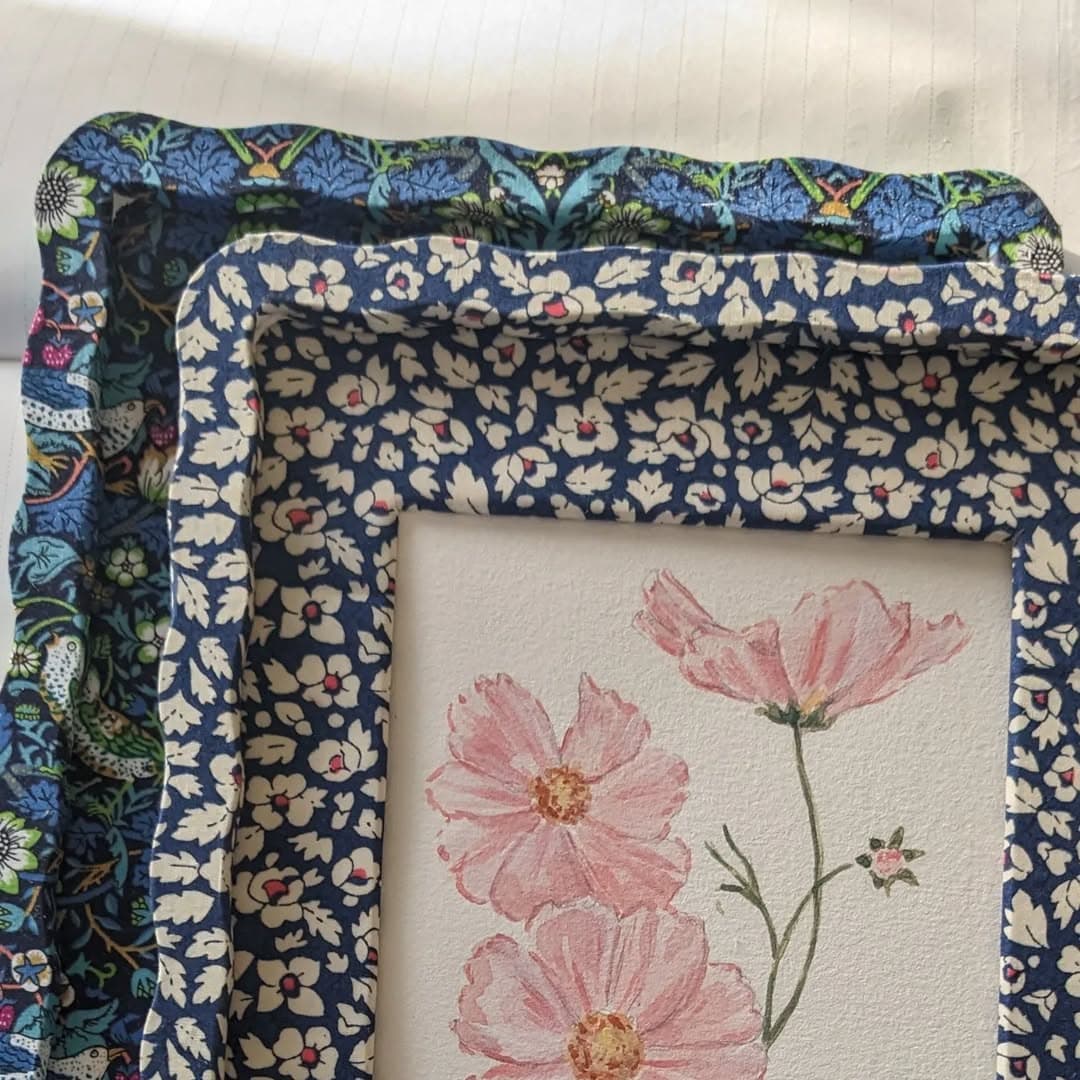
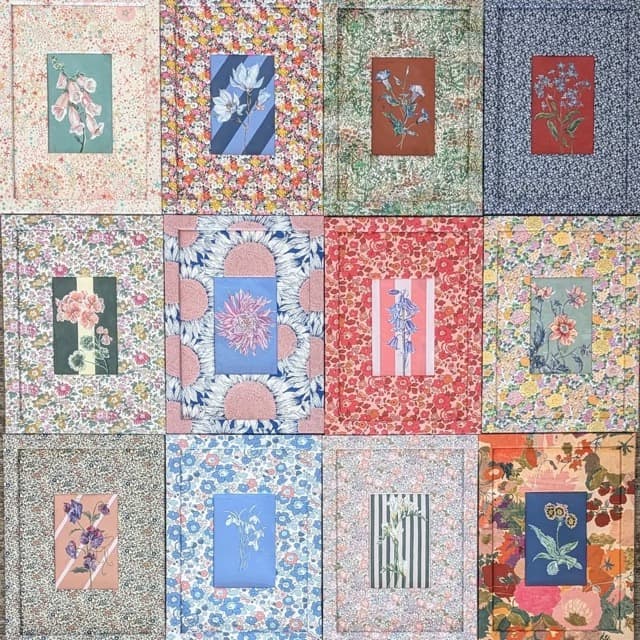
Polly Wolly Doodles brings her playful, painterly touch to the quiet poetry of the English countryside. A multi-disciplinary artist with roots in doodling and a flair for fabric, Polly creates delicate floral studies using chalk paint and acrylic, each one thoughtfully framed in textiles she wraps by hand.
Her consistent, neutral-led palette creates harmony across her pieces, while vintage and organic fabrics add depth, texture, and story. Blending past and present with care, Polly’s work invites us to slow down and enjoy the shifting beauty of the seasons.

1. Can you tell us a bit about yourself and your artistic journey?
I am based in Somerset, with three young children. Following the birth of my second child, and developing PND, I began to draw and paint as a way to come back to myself. I have since been diagnosed with ADHD – art is very much my special interest, and I feel like I haven’t quite scratched an itch if I don’t create something every day!
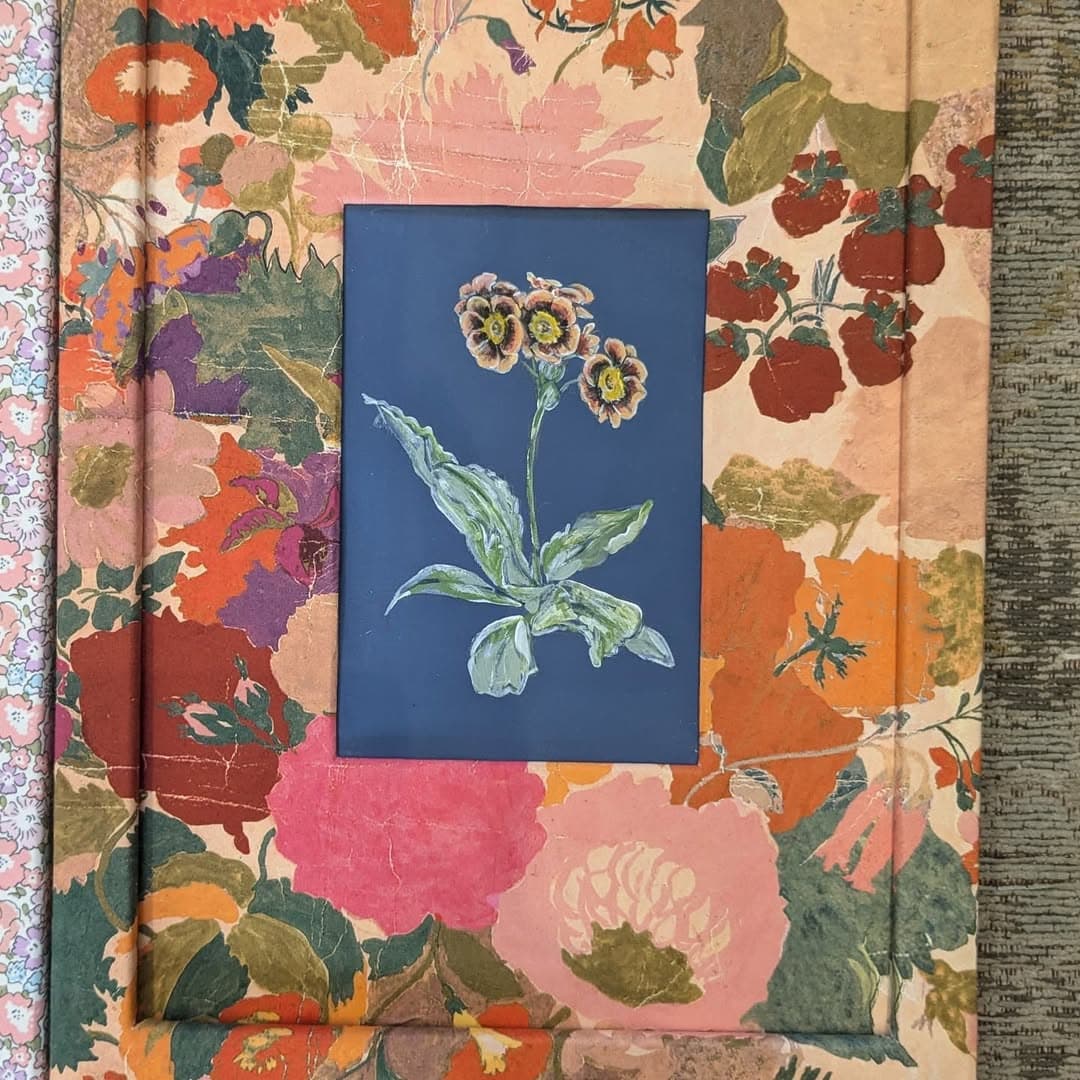
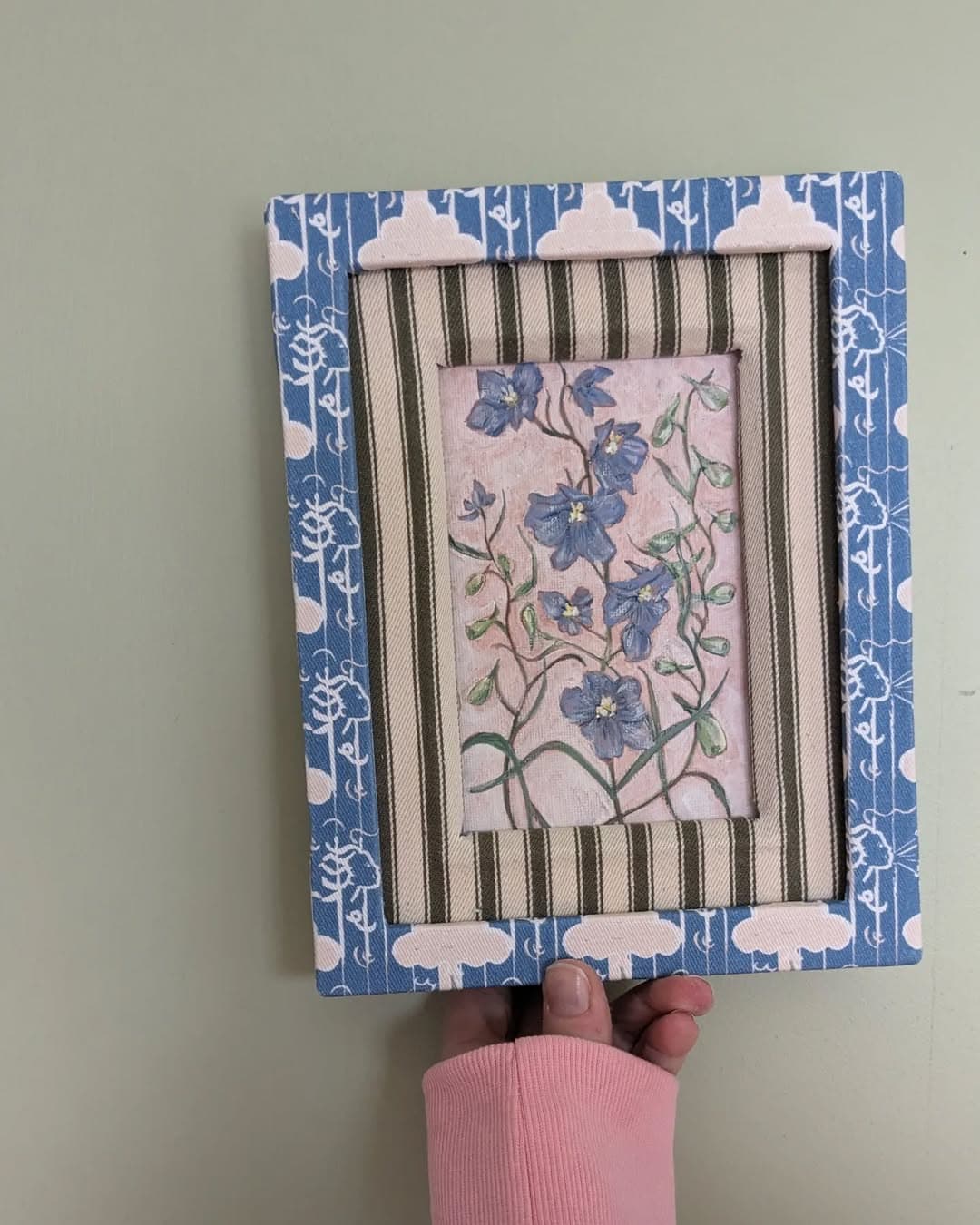
I initially offered pencil portraits, but then felt drawn to colour and botanicals, and so began to explore, first with oil pastels, then watercolour and now I offer originals painted using chalk paint, which are framed using fabrics and papers.
2. What inspired you to pursue your craft? Was there a defining moment or influence that sparked your passion?
It was feeling totally lost that inspired me ! I was looking after two small children on my own week in week out as my partner worked away from home and struggling with my mental health.
I had an accident involving my very overheated car that resulted in me getting really burnt on my face and arm – I think everything had to metaphorically and physically reach boiling point before I realised I needed something that gave my brain room to roam away from the demands of being a mum/running the home/domestic life.
Your craft
3. What materials or techniques do you use, and why are they important to your process?
I use chalk paint – which is natural and free of toxins. I use organic/reclaimed fabrics as much as possible – I love repurposing things like old cushion covers – trying to work as sustainably as I can feels important.
4. Can you tell us about a favourite piece you’ve created and the story behind it?
I created an entire auricular theatre of 9 individual paintings in a huge fabric covered frame – I loved it because I sat on the idea for nearly a year, and just felt very proud when I actually made it as I didn’t make it necessarily to sell but more to just ‘see’ it in real life
Creative process
5. What does a typical day in your studio or workshop look like?
Always starts with coffee, then if I am painting, I am really disciplined about sitting down to work by 9 at the absolute latest. I will listen to an audio book or one of my favourite podcasts and pretty much not lift my head up from my painting until I have to collect my kids from school! If I am making frames, I work on the floor, and gradually become more and more covered in glue and scraps of fabric until I emerge from the studio like some sort of sea monster.
6. Do you have any unique rituals or habits that help you stay creative?
Podcasts/audiobooks are a must, as is coffee – which is actually normally forget about but I need to have it on my desk.
7. How do you handle creative blocks? Do you have any strategies or tips for overcoming them?
When I feel blocked, I have to be really strict with myself and down tools. Stepping away, giving my head time to calibrate and just stopping for a moment is the only way through for me. I don’t create when I feel blocked, but I will turn to archives online to research things and try and find something to help me move forward and look at my issues in a new light. But really, I think often creative blocks are the brains way of calling for a break, so I try to make myself do that (which is easier said than done).
Challenges and successes
8. What’s the biggest challenge you’ve faced as a maker, and how did you overcome it?
The biggest challenge for me is managing my ADHD – its makes me so sensitive to rejection – perceived or real, it makes me hyper critical of myself, it makes me overload myself with choices so that moving forward can be really overwhelming. It makes the ‘boring bits’ (aka the essential, grown up parts !) of the job feel like pulling teeth as the reward centres in my brain feed off making art and enjoying how it looks etc as opposed to thinking about how I’m going to book a courier and package up my work on time.
9. What’s been your proudest moment or achievement so far?
Definitely having my work sold in Liberty.
Inspiration
10. Where do you draw inspiration from for your work? What sparks your imagination and creativity?
Gosh I spend HOURS researching historical artwork – I go back as far as medieval books of hours pages, trawling online libraries and looking at colours, compositions, pattern – thinking about how I can combine all the things I love into one single piece. I love looking at old fabric pattern books, relics of pieces and scraps of salvaged embroideries.
11. Do you have a favourite artist, maker, movement, or tradition that has influenced your craft?
I don’t have a singular favourite for any of these as Im just constantly moving through so much information and research that I am alway falling in love with something/someone new – but I really adore the Arts and Crafts movement, I come back to it a lot.
12. How does colour influence your practice; is it an important part of your process? Do you have a particular palette or favourites?
Any go-to sources for colour inspiration? Colour is vital – I play with it nonstop – I am self taught so things like colour theory aren’t lodged in my brain, so I have to learn through trial and error. I love mixing muted tones with vibrant dashes in my paintings. Go to sources for colour inspiration comes from my old botanical books which are mostly from National Trust second hand book shops and a treasure trove for inspiration.
Perspectives and goals
13. What role does your environment play in shaping your creativity?
I live in the Somerset countryside and watch the seasons changing day by day – I get so much out of being in my garden, identifying plants when out on walks, observing the sky and the birds – for me its all about soaking up and watching.
14. What do you want people to feel when they experience your work?
I want them to feel their dopamine levels rise, and their hearts and minds to feel happy and joyful!
15. What are you currently working on, and what excites you most about it?
I am working on a collection for Maison Flaneur, as well as some collaborations with some lovely brands – I really love collaborative work as it makes me feel like part of team which is important amongst all the days working alone in my studio.
Advice and reflection
16. What advice would you give to someone starting out as a maker?
Keep going – move forward, research, connect with fellow makers, be nice and own your mistakes.
17. If you could go back to the start of your career, what advice would you give your younger self?
To be kind to myself and have more self belief!
Closing thoughts
18. If you could collaborate with any artist, past or present, who would it be and why?
I would collaborate with Alida Withoos – she painted in 1600’s but her work feels modern somehow – its magical
19. Where can people find your work, and how can they support you?
I am on instagram, I have a website (which I’m a trying to learn how to use!) and I also sell my work in Liberty London – when I have drops, I update my instagram with all details as to where it will be available from so my advice is to follow me there!
Support Polly by browsing her soft-hued collections, discovering the tactile charm of her hand-framed florals, and following her journey as she continues to blend fabric, paint, and nature into something quietly extraordinary.
Explore Polly’s latest collection and follow her creative journey:
Meet the Maker: Helen Wilde and the Art of Textured Design
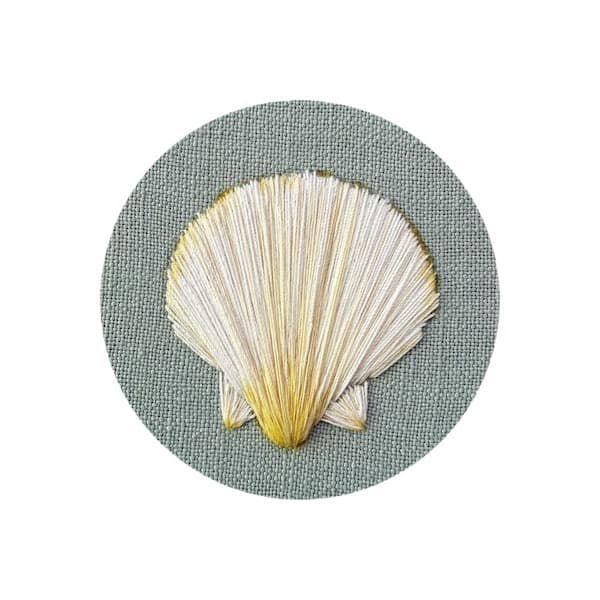
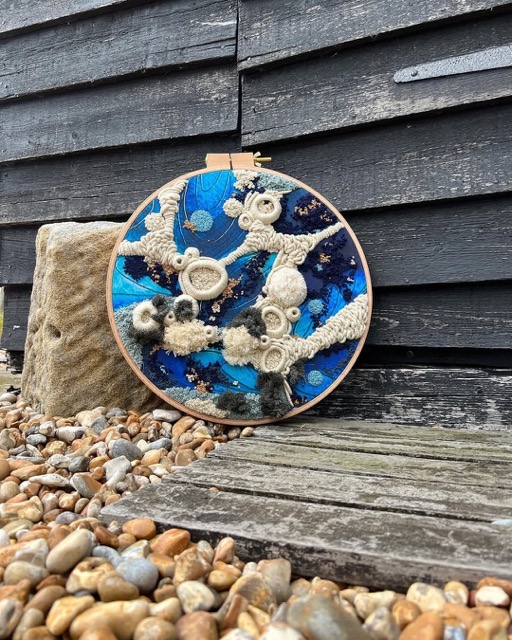
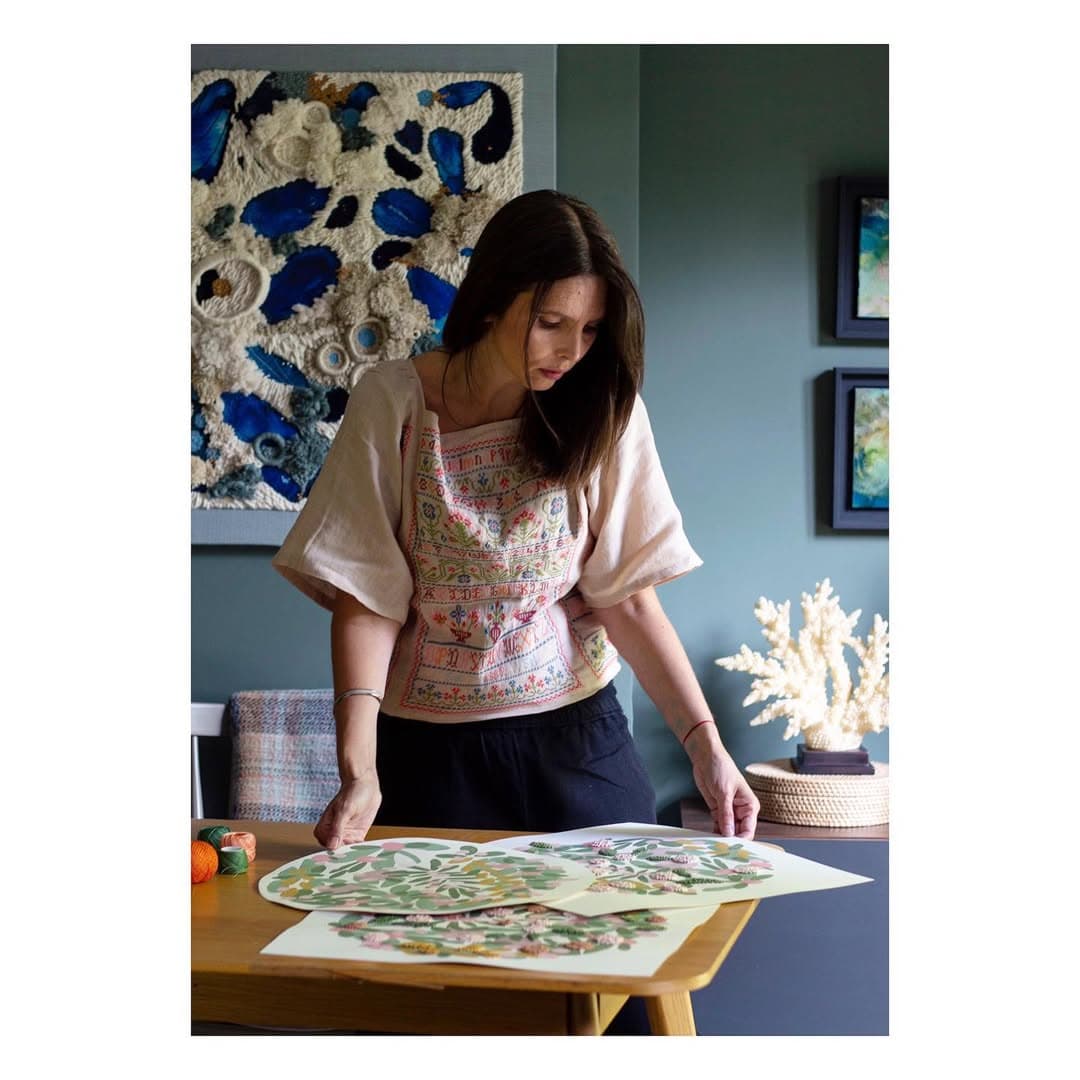
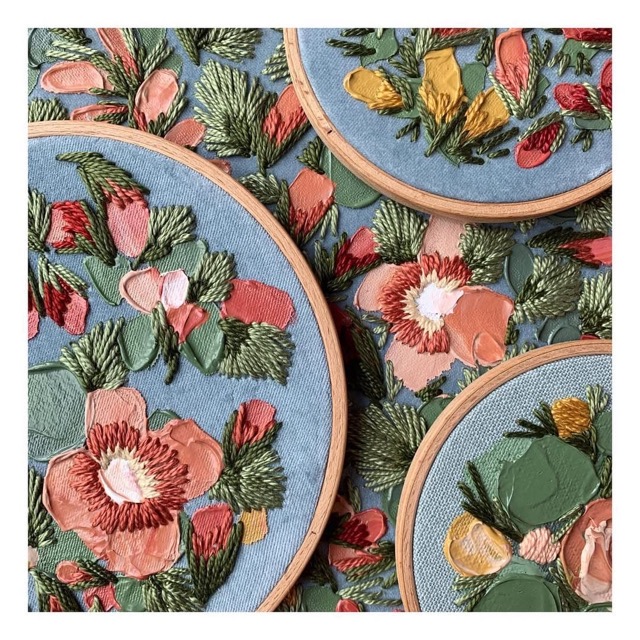
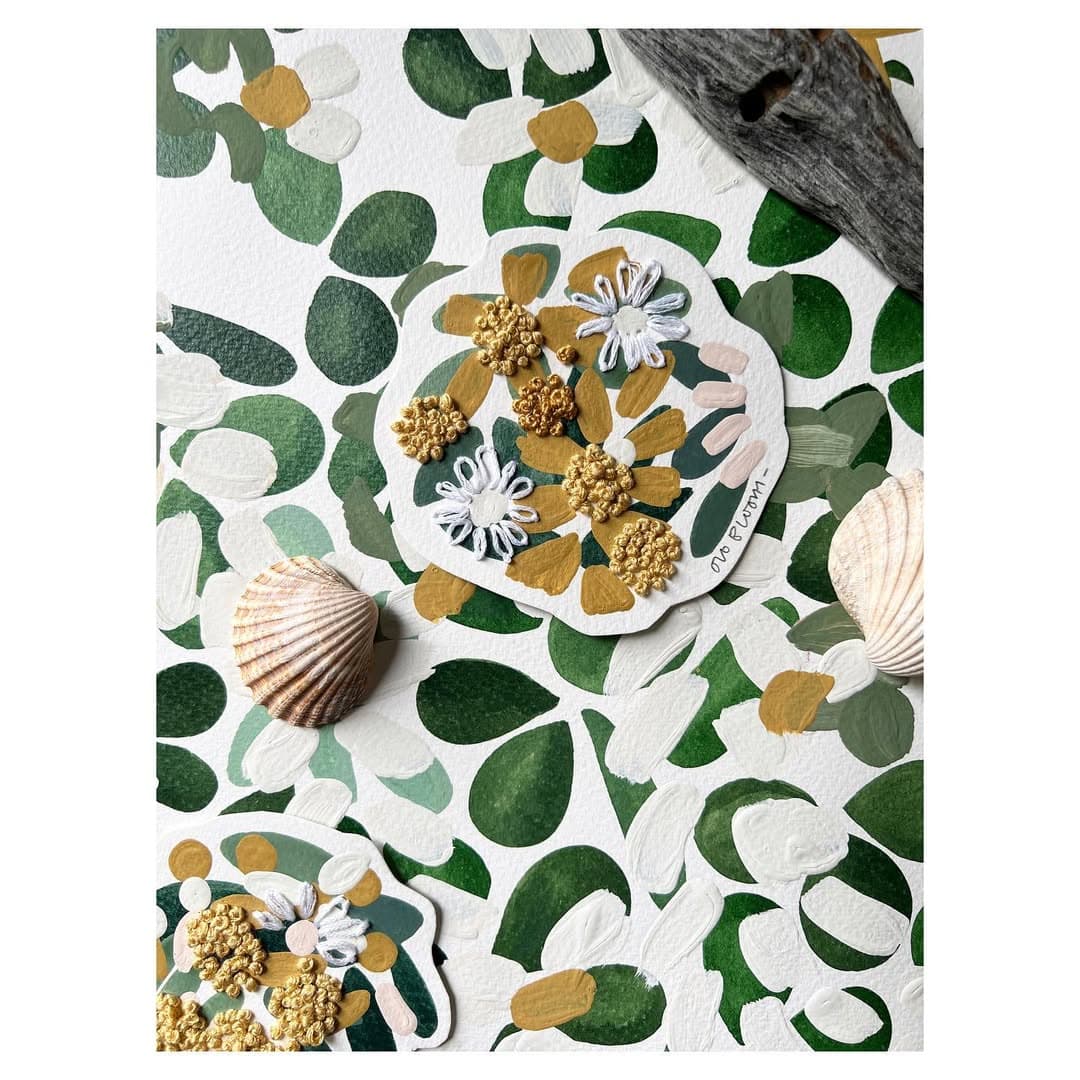
Blurring the lines between nature and fantasy, Helen Wilde creates richly layered textile artworks that burst with texture, movement, and colour. A Decorative Arts graduate and leading voice in modern embroidery, Helen transforms paper, fabric, yarn, and silk into enchanting botanical dreamscapes and tactile wildlife scenes.
Her evolving palettes mimic the seasons, while her innovative use of humble stitches, 3D forms, ceramic elements and painterly detail elevate each piece into something truly extraordinary. With work exhibited across the U.S. and collected around the world, from Elle Decoration features to The Dorchester’s walls, Helen continues to reimagine what fibre art can be.
1. Can you tell us a bit about yourself and your artistic journey?
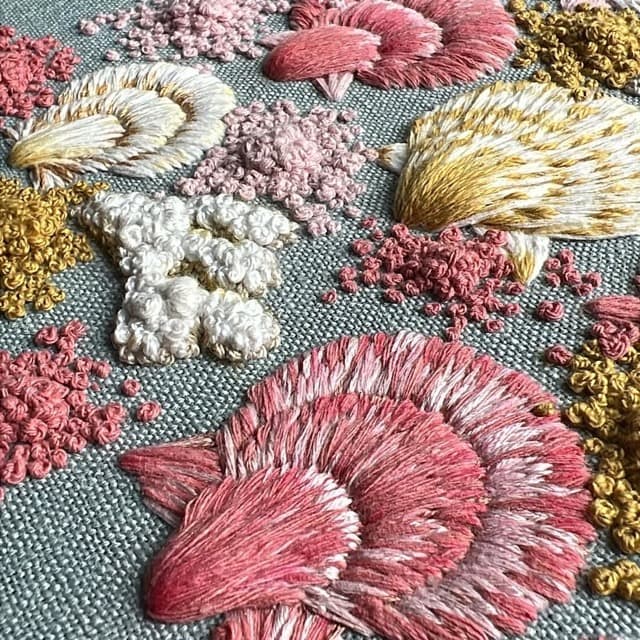
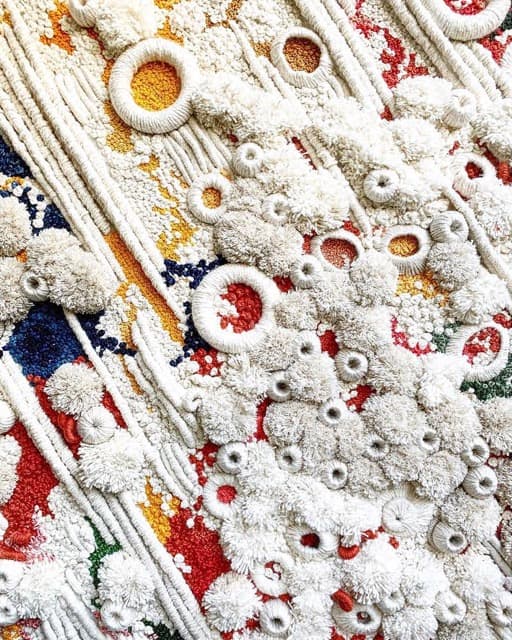
I am a multidisciplinary artist, based in Derbyshire, my art is predominately led by embroidery but takes many forms, from textiles to paper and more recently ceramics & is inspired by my career so far, the places I’ve been and the people whom I have been lucky enough to work with such as Daniel Hanson, Vivienne Westwood and Tom Phillips.
2. What inspired you to pursue your craft? Was there a defining moment or influence that sparked your passion?
My family have always been very creative with an emphasis on traditional craft, being encouraged to pursue a handmade craft was nurtured from an early age and was encouraged even more during my degree – all based around traditional craft and practices.
Your craft
3. How would you describe your work in three words?
Textural, imaginative, evolving.
4. What materials or techniques do you use, and why are they important to your process?
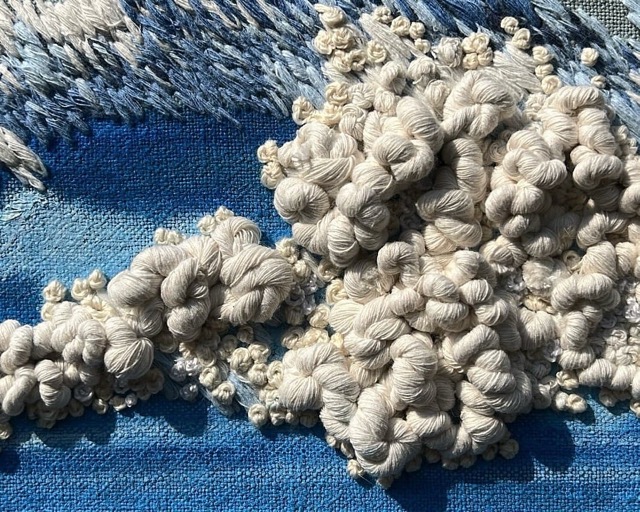
I predominantly use embroidery, whether it be textile or paper based. The techniques are a combination of traditional stitches and contemporary explorations. Thus creating the forms and textures so featured within my collections.
Can you tell us about a favourite piece you’ve created and the story behind it?
One of my favourite season collections was a series of paper embroideries based around the gardens of Derek Jarman’s ‘Prospect Cottage’ – we spent a wonderful Summer in Dungeness, a true escape and then these pieces influenced a collection commissioned by the ‘Dorchester Hotel’, Hyde Park. London.
Creative process
6. What does a typical day in your studio or workshop look like?
I always start with tea, a litre of tea must be consumed. My studio is in the centre of my home, a 300 year old cottage that dictates where I will work during the day – in the Summer I’ll work outside, the Winter by the fire.
7. Do you have any unique rituals or habits that help you stay creative?
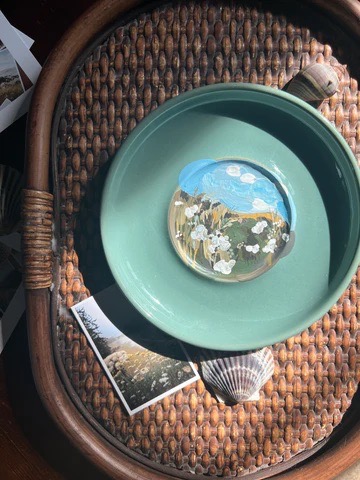
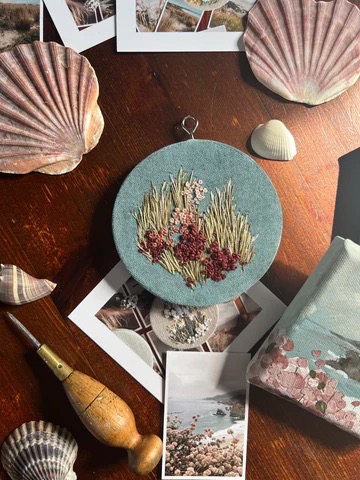
I have several folders with hundreds of images I have taken during my travels, whether these be sea shells and coral reefs, the gardens of Derek Jarman, or studies of seashells – every few weeks I’ll decide on my new direction by looking through these images & seeing what catches my eye.
Challenges and successes
8. What’s the biggest challenge you’ve faced as a maker, and how did you overcome it?
Deadlines I find increasingly difficult within commercial projects – not sleeping helps.
9. What’s been your proudest moment or achievement so far?
Being commissioned by the ‘Dorchester Hotel’ to create a collection of work for their new hotel suites. A legacy collection that will hang there for possibly longer than my lifetime.
10. What’s your favourite quote you’ve ever heard about your work? Who said it, or what was the name of the publication?
“An ambassador for modern day embroidery”
– Elle Decoration
Inspiration
11. Where do you draw inspiration from for your work? What sparks your imagination and creativity?
Currently and more often than not, the ocean, coral reefs and seashells.
12. Do you have a favourite artist, maker, movement, or tradition that has influenced your craft?
There are many people that I admire for their use of colour, texture and form. People like Geoffrey Bawa, for his approach to his practice, Tom Phillips for his use of colour, texture and experimentation and Jacques Cousteau for his exploration of the ocean are people I find myself returning to.
13. How does colour influence your practice; is it an important part of your process? Do you have a particular palette or favourites? Any go-to sources for colour inspiration?
Colour plays an enormous role, normally influenced by the natural environment – the blues and greens of the ocean which then influences every aspect of my life – including my home.
Perspectives and goals
14. What role does your environment play in shaping your creativity?
I like to surround myself by the themes I’m passionate about, unfortunately not living near the ocean means I have a wonderful collection of seashells.
15. What do you want people to feel when they experience your work?
Escapism.
16. What are you currently working on, and what excites you most about it?
A collection for a gallery based on the Scilly Isles – think rock pools, which I adore.
Advice and reflection
17. What advice would you give to someone starting out as a maker?
Try everything and anything, everything is practice.
18. If you could go back to the start of your career, what advice would you give your younger self?
Believe in yourself and your half way there.
Closing thoughts
19. If you could collaborate with any artist, past or present, who would it be and why?
Not necessarily and artist, but a movement. The Bauhaus – traditional methods, contemporary practice – heaven!
20. Where can people find your work, and how can they support you?
My own website, ovobloom.com
Waterside Gallery, St Mawes.
Bryher Gallery, Bryher, Isle of Scilly
Nahcotta Gallery, USA
Helen Wilde’s textile artworks blur the line between the real and the imagined, transforming natural inspiration into vibrant, multi-dimensional pieces. From delicate stitches to bold painterly textures, each creation reflects her unique vision where botanical beauty, colour, and craftsmanship meet. With an ever-evolving palette and a deeply intuitive approach to materials, Helen invites us to see embroidery not just as a technique, but as a richly expressive art form.
Explore Helen’s latest collections and follow her creative journey:
Support Helen by exploring her vivid, nature-inspired world online, discovering her sculptural fibre pieces, and following her artistic journey as she continues to stitch new stories with imagination and care.
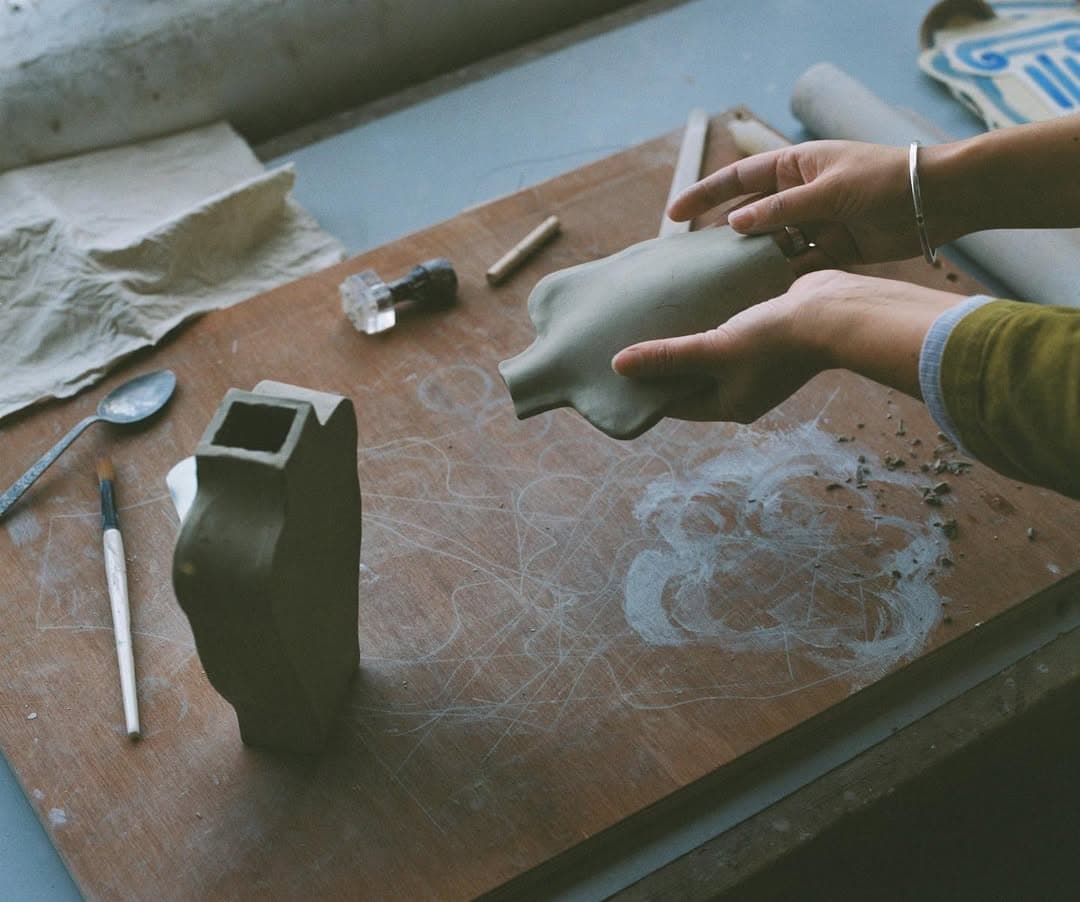
Meet the Maker: Lizzie Scarlett Towndrow and the Charm of Handmade Keepsakes
Lizzie Scarlett Towndrow’s ceramics sit somewhere between functional homewares and curious keepsakes. Based in South London, Lizzie brings her background in illustration and textiles to every hand-built piece.
She draws on a long-standing fascination with ancient ruins and the stories they preserve, exploring the passing down of knowledge, the handmade processes, and how everyday objects can hold sentiment and memory. With a practice shaped by years of experimentation, from patchwork quilting to her MFA in Crafts, Lizzie continues to build a collection of tactile pieces that feel familiar yet deeply personal.

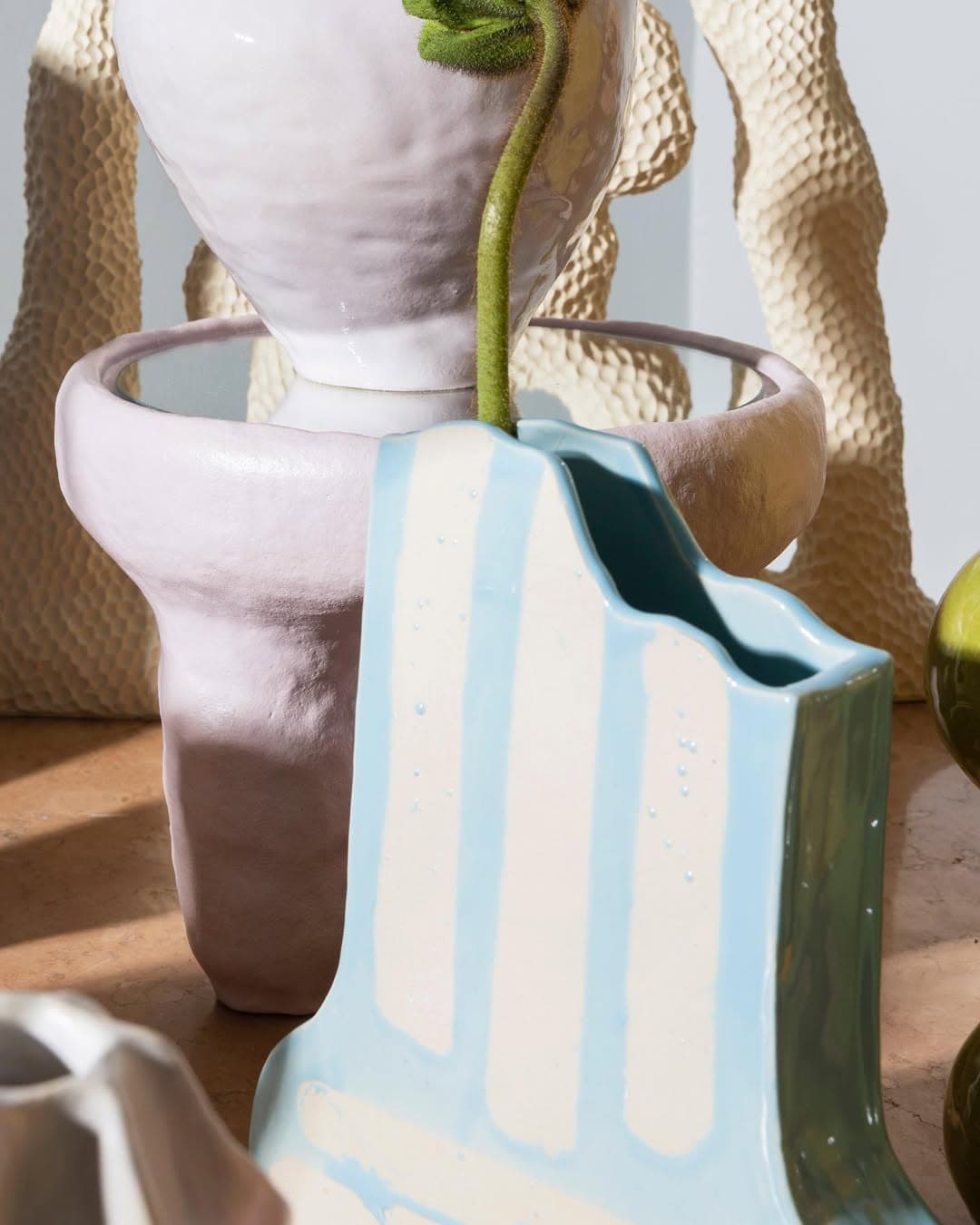
1. Can you tell us a bit about yourself and your artistic journey?
I started in illustration but soon found that a lot of the materials I was using to illustrate were textiles, which led to my Masters in textiles and crafts. I would say my primary practice is patchwork quilting, but for the last 15-plus years, I have also been playing with clay, making functional homeware, exploring the passing of knowledge, skills, and stories through making, interaction, and play, in my little South London studio.
2. What inspired you to pursue your craft? Was there a defining moment or influence that sparked your passion?
I learned lots of crafts from my Grandmother, embroidery, knitting, painting, baking, gardening, etc. I have always loved making with my hands, and through experimenting with ceramics during uni, I realised I could manipulate the clay in the same way as I would a textile pattern, making 2D into 3D.
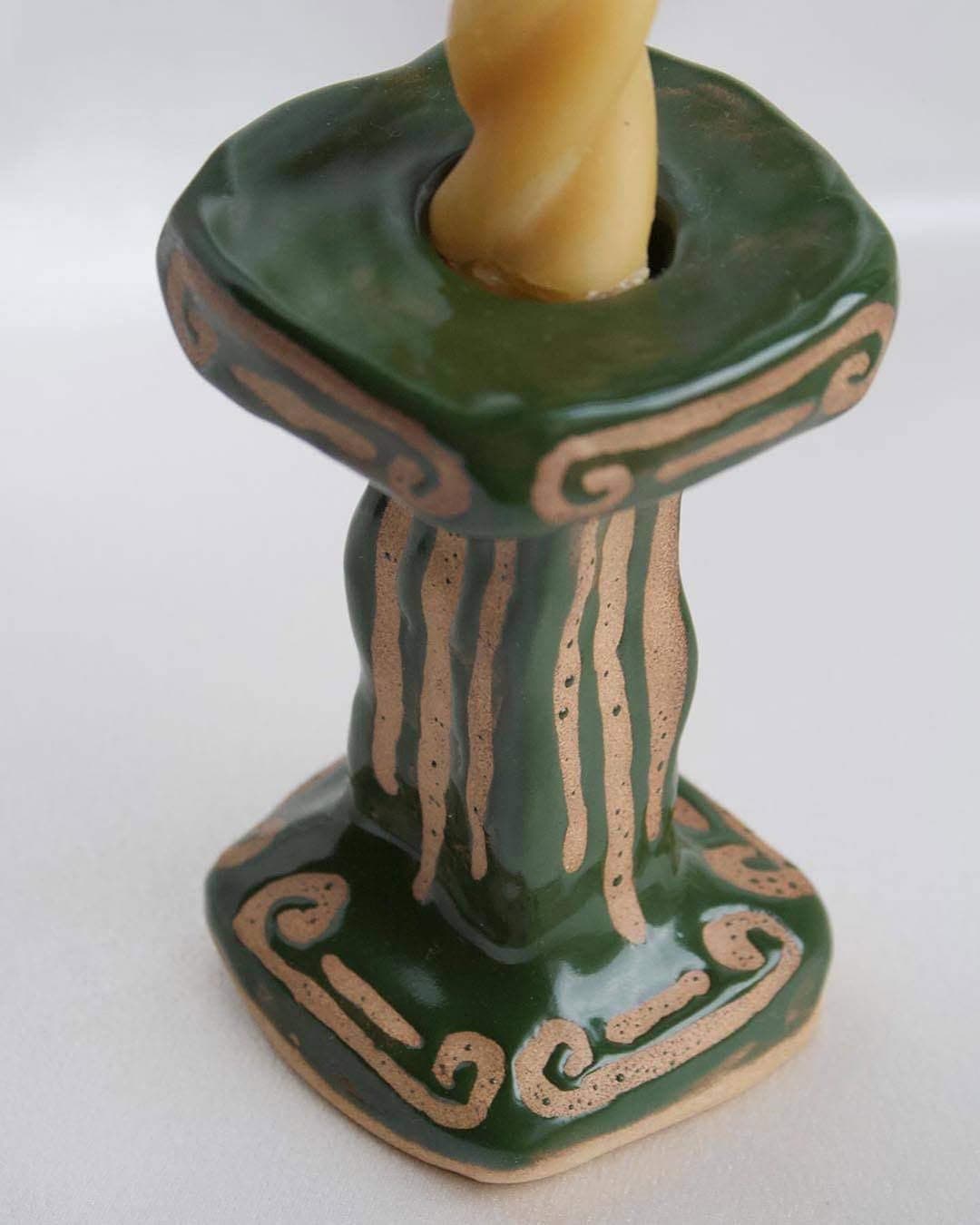
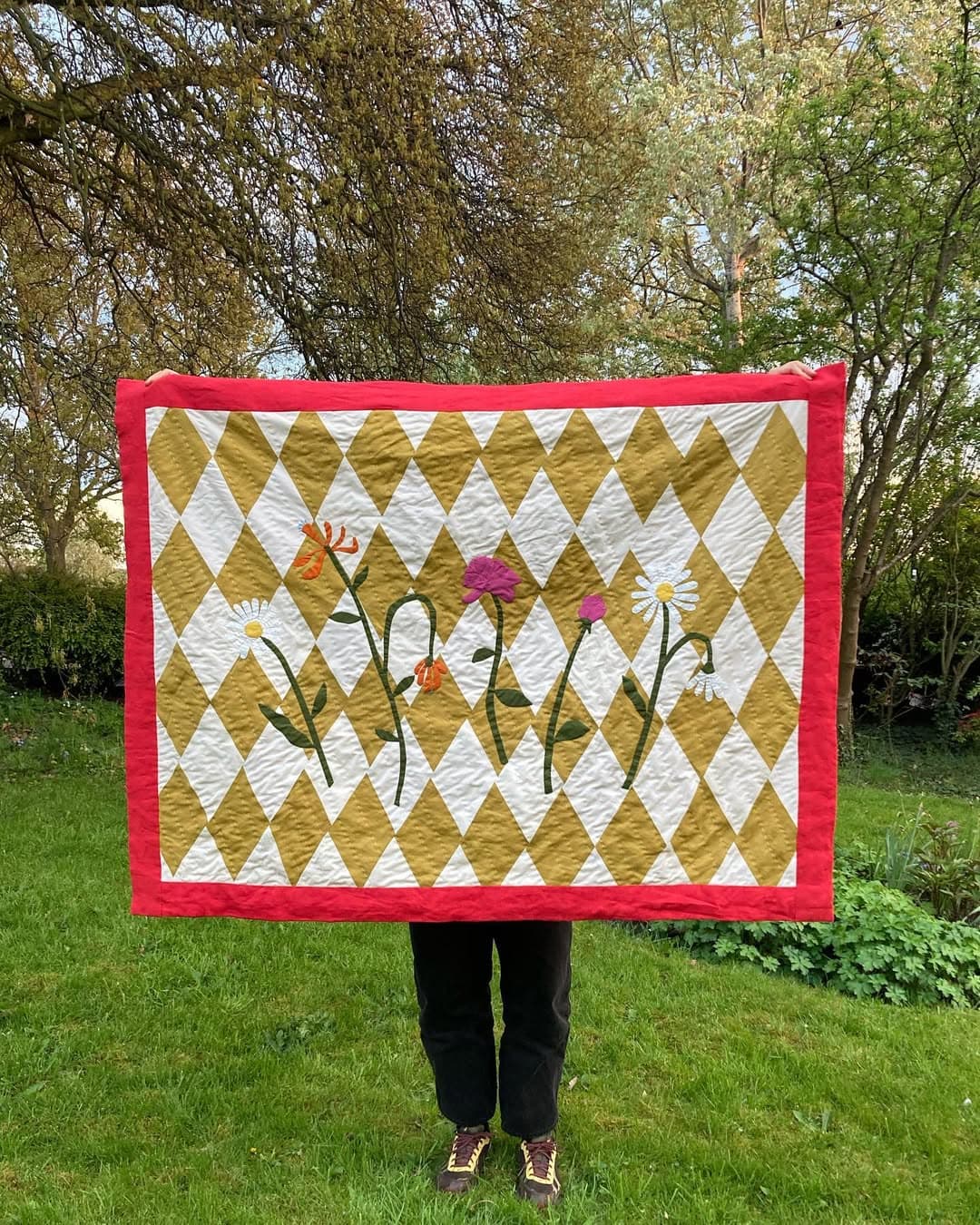
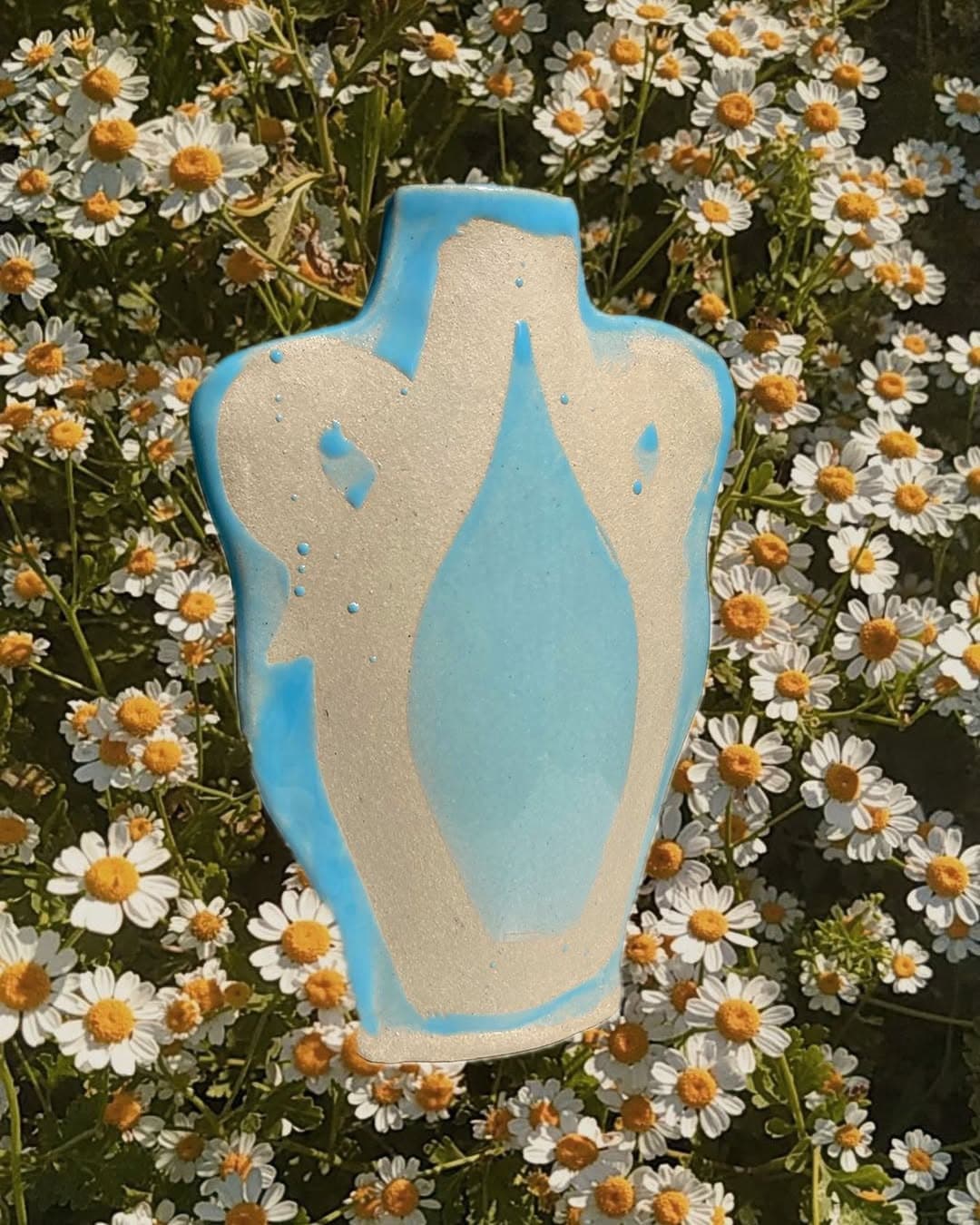
Your craft
3. What materials or techniques do you use, and why are they important to your process?
I mainly work with stoneware clay and hand-build each individual piece. Slab building allows each piece to be one of a kind, showing the marks I make with my fingers and hands.
4. Can you tell us about a favourite piece you’ve created and the story behind it?
My classic vase, I call ‘Vase Vase’, as I draw the line of the vase shape onto the vase to bring out its silhouette. This is a shape I have been making for over 10 years and came from my interest in ancient Greek artifacts, the amphora vase.
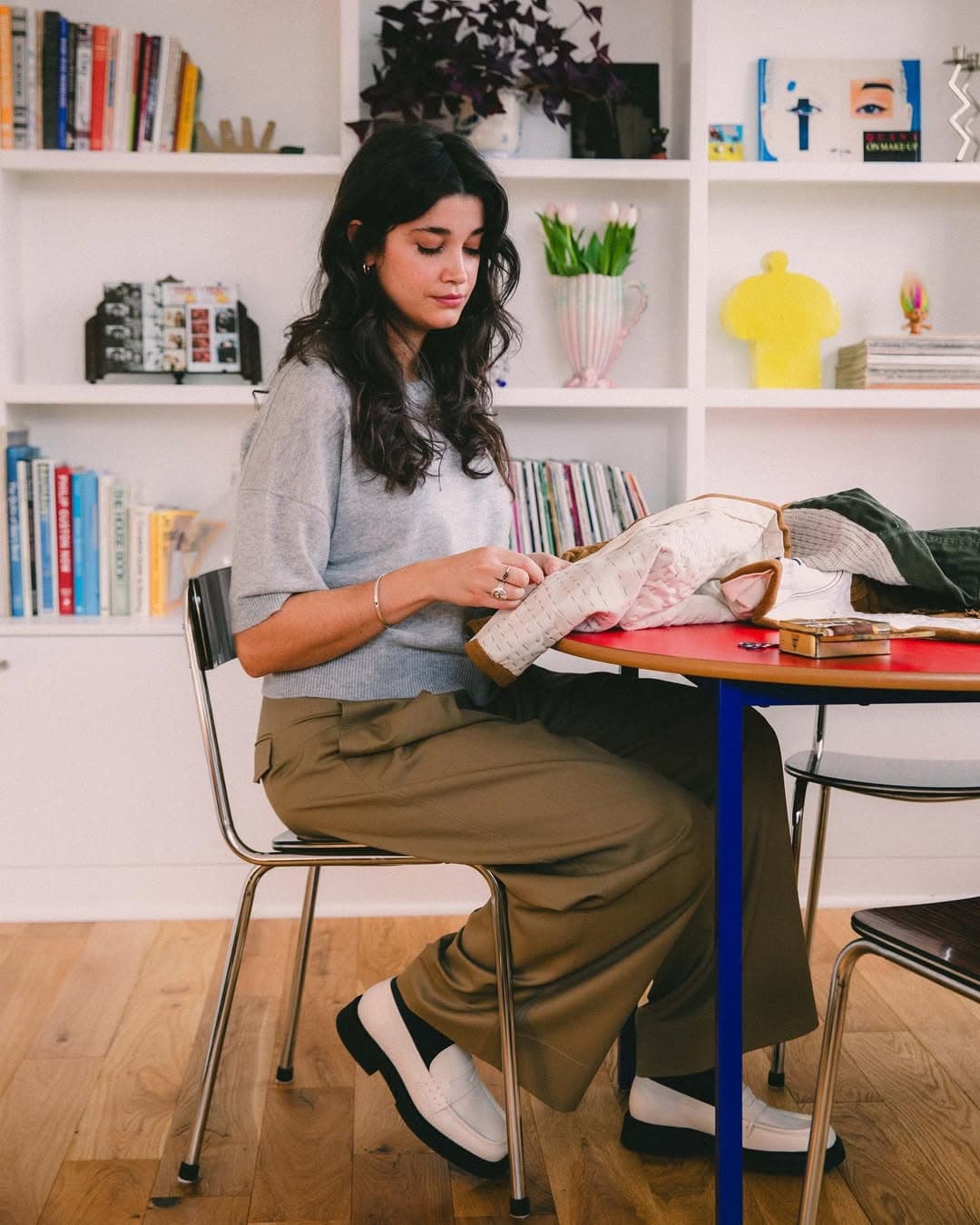
Creative process
5. What does a typical day in your studio or workshop look like?
Like most crafts it’s a very slow process, I start by prepping the clay, rolling it out, and letting it stiffen up a little, then I will choose one of my template patterns to cut all the pieces out before constructing. I will have a few different designs on the go at the same time, all at different stages, so whilst one is drying, I can build another, or work on glazing. You can never have too many hands in a ceramic studio.
6. Do you have any unique rituals or habits that help you stay creative?
Not so unique but a good old fashioned sketchbook is always in my bag, I maybe do not sketch in them as much as I would like to, but full of notes and lists that consists of ideas, diagrams and to do’s.
7. How do you handle creative blocks? Do you have any strategies or tips for overcoming them?
When I’m coming up with new designs, I like to work in silence, sketching and making notes, I find with no distractions the hours pass by so quickly – plus snacks and coffee!
Also just playing, not having any idea what the outcome might be, but testing, practicing, seeing what works, and you never know what is going to come out of a ball of clay.
Challenges and successes
8. What’s the biggest challenge you’ve faced as a maker, and how did you overcome it?
Time – This is ongoing but i’m trying to manage it by giving myself deadlines and planning in my calendar day by day what I need to tick off.
Underselling your craft – Again this is something ongoing, trying to make sure I sell my work at its true value, taking into consideration all of the hours that has gone into making it and all materials and bills.
Cost of your craft – I think for most creatives its always challenging financially, being able to cover your cost of studio rent, materials, etc… This is something I think we always have to keep a close eye on, but its just about trying to keep ontop of it all and believing in myself.
9. What’s been your proudest moment or achievement so far?
It’s always special working on commissions or projects and seeing the final pieces in homes, stores, shoots and magazines, once everything has come together.
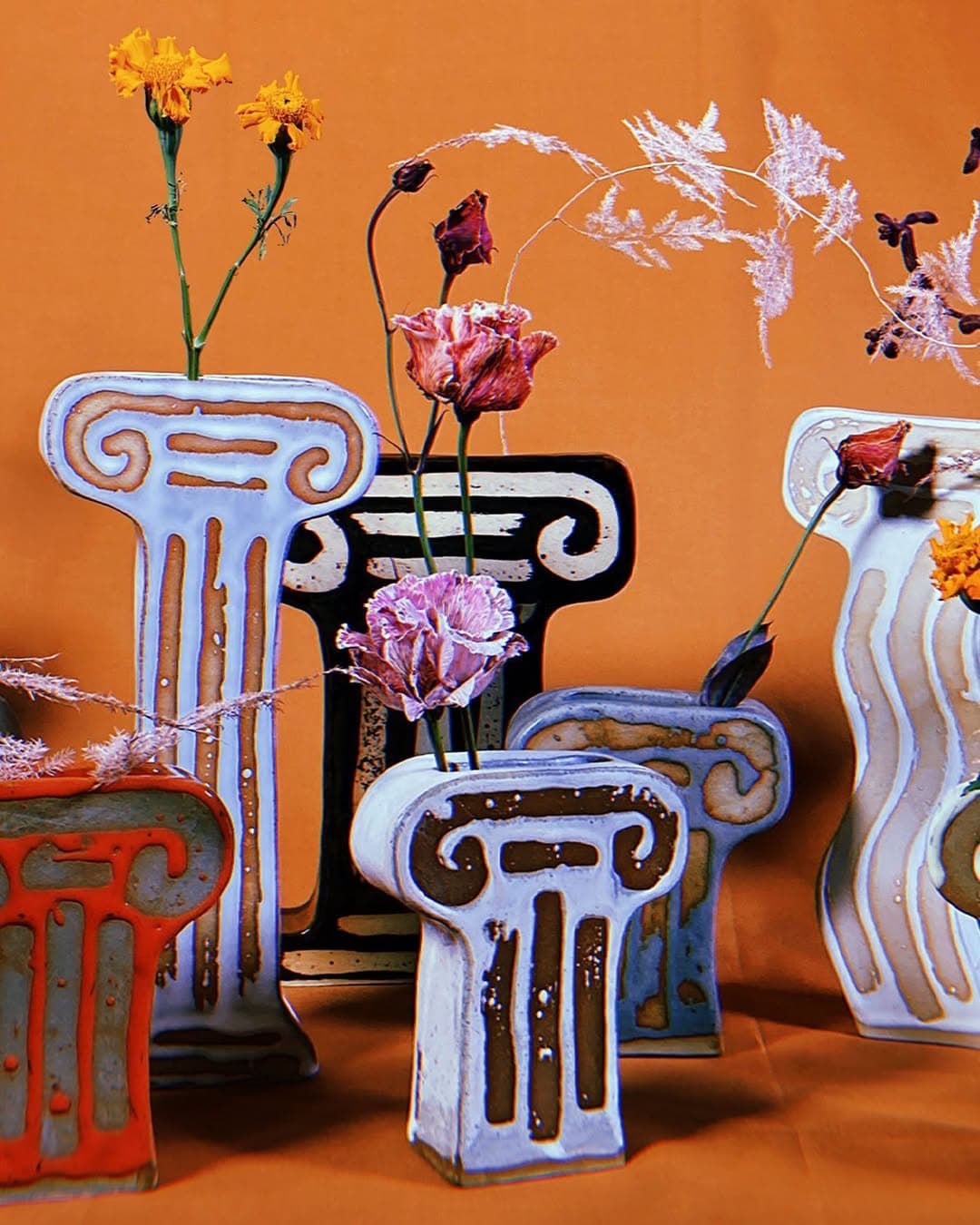
Inspiration
10. Where do you draw inspiration from for your work? What sparks your imagination and creativity?
I love traveling and visiting different museums and galleries, but mostly I love seeing people’s homes and work spaces, what they have, and how they use spaces and objects.
When I’m at home I look through lots of artist, interior, design and history books, then it is lots of doodling and notes. But i’m constantly looking for inspiration, theres nothing better than a wander and getting lost around London to spark ideas and my imagination.
11. Do you have a favourite artist, maker, movement, or tradition that has influenced your craft?
Theres a lot but theses are some of my favourites: Henri Rousseau’s paintings, Charles & Ray Eames home and designs, the community of Gees Bend and their quilts
12. How does colour influence your practice; is it an important part of your process? Do you have a particular palette or favourites? Any go-to sources for colour inspiration?
I do love a primary red, but then I tend to use more earthy tones such as the natural colour of the toasted sandy stonewear clay or deep earthy orangy red of terracotta clay.
This also depends on how the glazes I mix react, its always a guessing game and a surprise, and I find it hard to get the same glaze to look the same in each firing, but that is the fun of it and means no two pieces are the same.
As I mentioned above, I love the colours in Rousseau paintings, The Dream being my favourite.
Perspectives and goals
13. What role does your environment play in shaping your creativity?
Living in London everything is very fast-paced, I work for a textile designer in the day, then any evening or weekend I try to get into the studio. My studio is not only there to make my work, but there to make work and wind down, and switch off at the same time. I find working with clay very cathartic, the hours pass so quickly and I’m in my own little world.
14. What do you want people to feel when they experience your work?
I want them to smile and feel happy when looking at or handling work, and if it is something they own, to cherish and use forever and hopefully pass on
15. What are you currently working on, and what excites you most about it?
I would like to make more dinnerware, so currently making a set of plates for our home.
I am also excited to spend some time on developing my vases and working on new designs
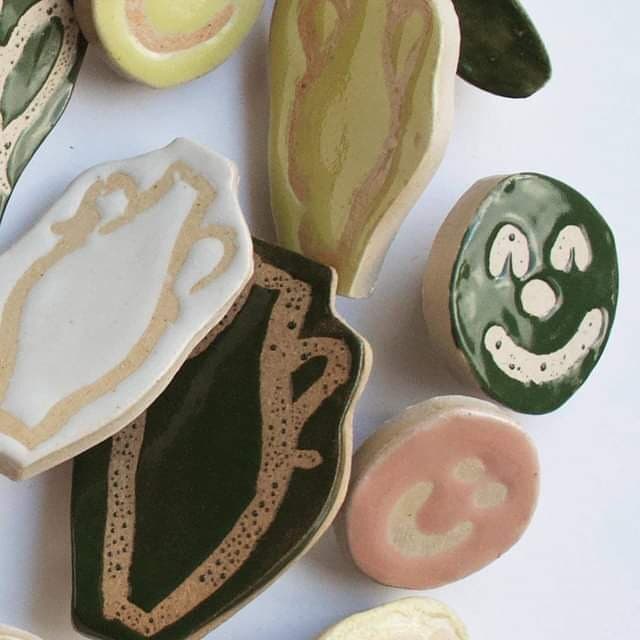
Advice and reflection
16. What advice would you give to someone starting out as a maker?
Go for it, try and spend as much time as possible on your work so you feel really happy and confident with your outcome
17. If you could go back to the start of your career, what advice would you give your younger self?
Say yes to opportunities, don’t worry (about the money side), believe in yourself and go for it !
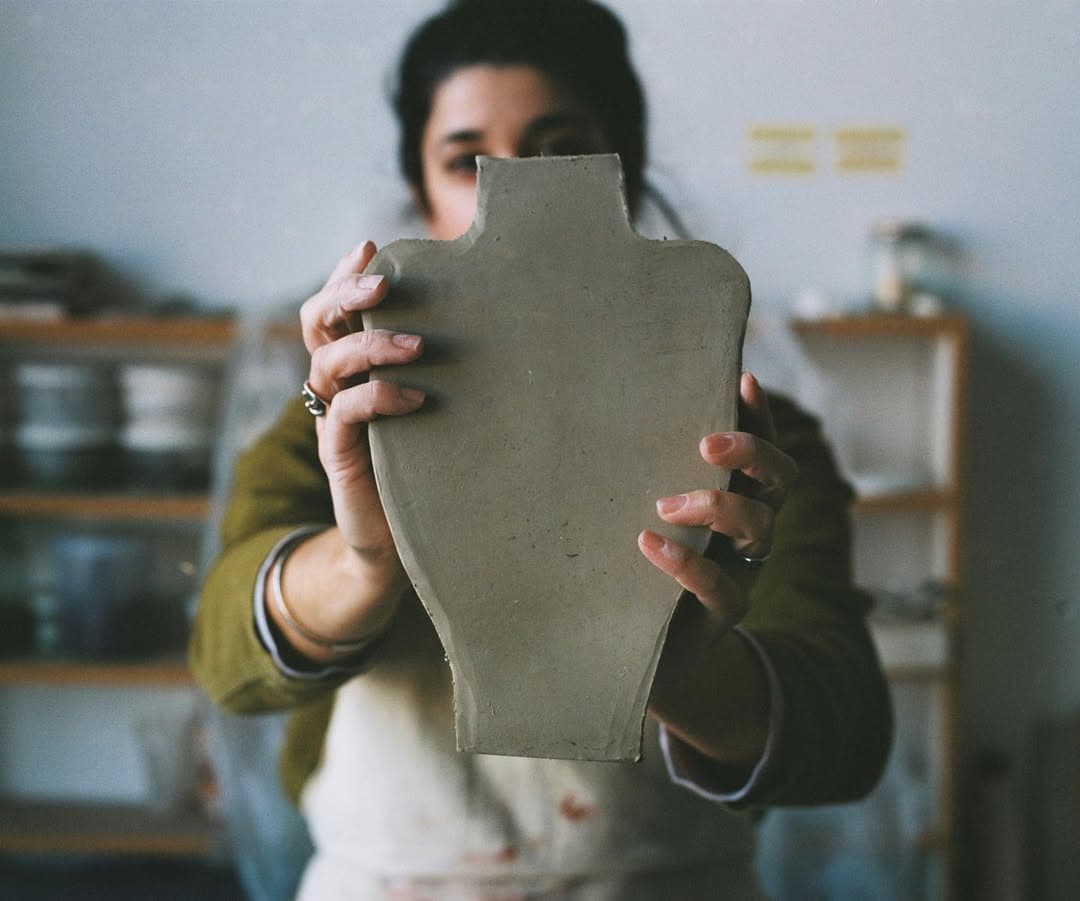
Closing thoughts
18. If you could collaborate with any artist, past or present, who would it be and why?
I think it would be really fun to collaborate on some kind of homeware with Ray Eames, I love her playful approach to design, colour, and materiality, especially her products aimed more so at children. Also just to have been able to hang out in their home and studio would have been a dream.
19. Where can people find your work, and how can they support you?
At the moment please message me through Instagram or email and I can send you my available stock list, but also if you are interested in orders and commissions, including my textile work
Lizzie Scarlett Towndrow’s ceramics are rich with quiet stories, playful yet poetic pieces that honour both the past and the present. Balancing function with feeling, her work celebrates the handmade as a form of preservation: of knowledge, of joy, and of small, everyday rituals. With each unique object, Lizzie invites us to see domestic spaces as places of memory, creativity and care.
Explore Lizzie’s latest collection and follow her creative journey:
Support Lizzie by exploring her playful, memory-infused ceramics, discovering hand-built pieces that blend function with storytelling, and following her creative journey as she reimagines everyday objects through humour, history, and heart.
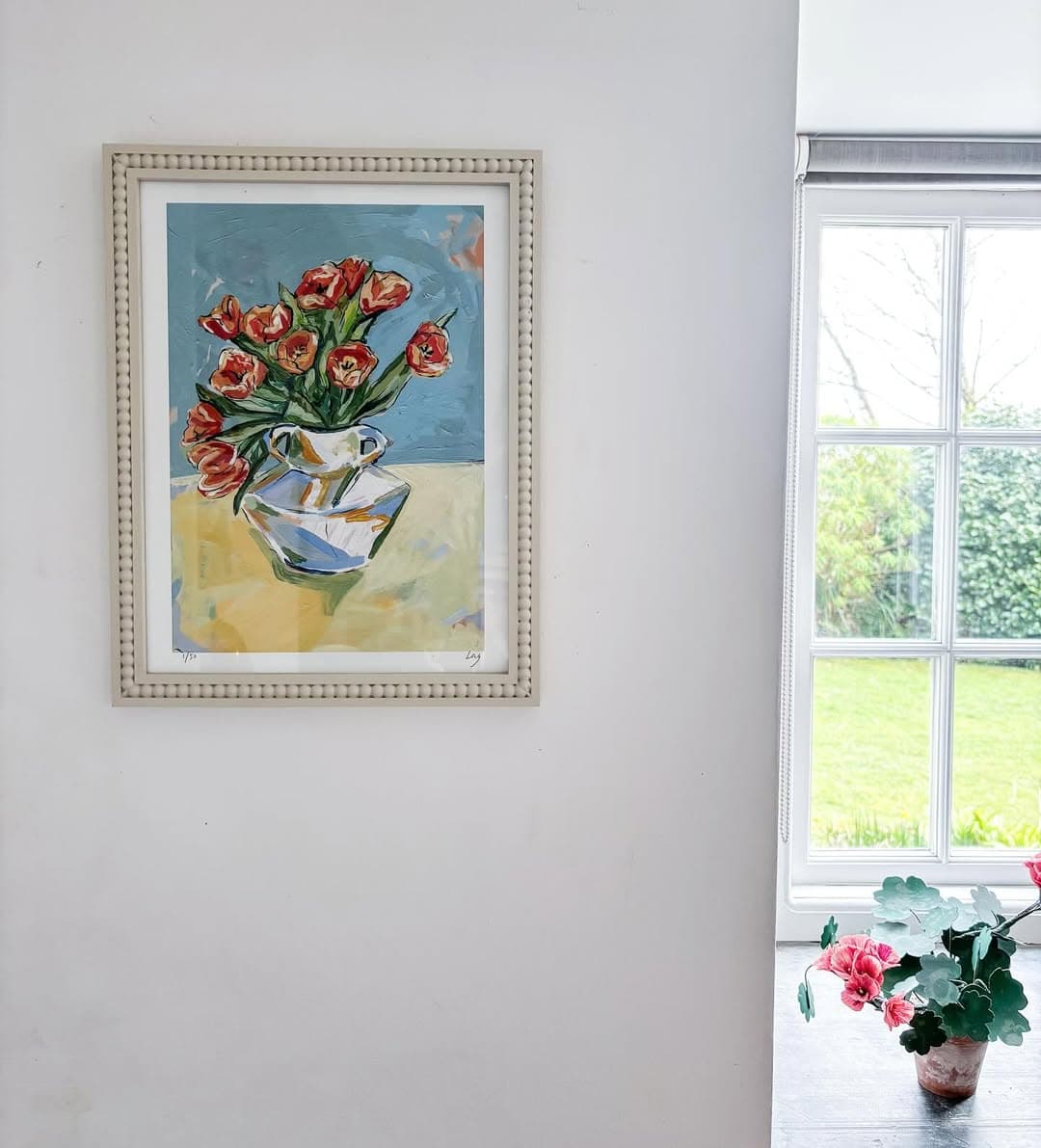
Meet the Maker: The Painted Stories of Ruth Ley and Ley Lines
In this Q&A, we chat with artist Ruth Ley, the creative force behind Ley Lines, a collection of hand-painted works that celebrate place, memory, and meaningful connection. Working from her studio in West Cornwall, Ruth draws inspiration from the landscape around her, often painting using flowers from her garden or natural objects found on coastal walks. Her pieces are personal, playful, and rooted in sentiment, whether it’s capturing a honeymoon fish or a beloved wedding bouquet. Ruth shares how storytelling shapes her practice, the joy of turning found objects into heirlooms, and why colour, character and sustainability sit at the heart of every Ley Lines creation.
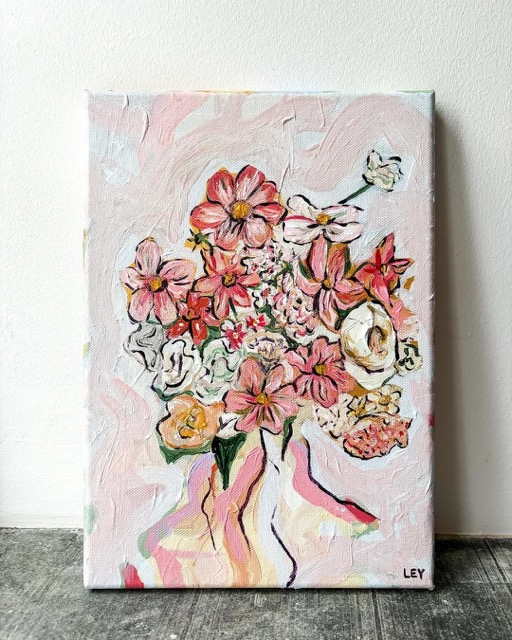
1. Can you tell us a bit about yourself and your artistic journey?
Creating art was always my main ambition. I studied a Foundation Year in Art and Design at Falmouth, but after facing a loss of confidence, I went down a different route – eventually finding my way into Art Direction for video production as a career. After returning to Cornwall with my young family, I rediscovered my artistic practice and started sharing my work online. To my surprise (and gratitude!), it quickly gained traction. I’m incredibly thankful to now be making work that I’m truly proud of.
2. What inspired you to pursue your craft? Was there a defining moment or influence that sparked your passion?
I definitely think that returning to Cornwall, being surrounded by nature, reminded me of what I had lost. The desire to be recognised both as an artist and as an individual – especially after having children – has really propelled me forward. I’m inspired to create pieces that are not only unique but also accessible, where possible, ensuring that original art is something everyone can appreciate and enjoy.
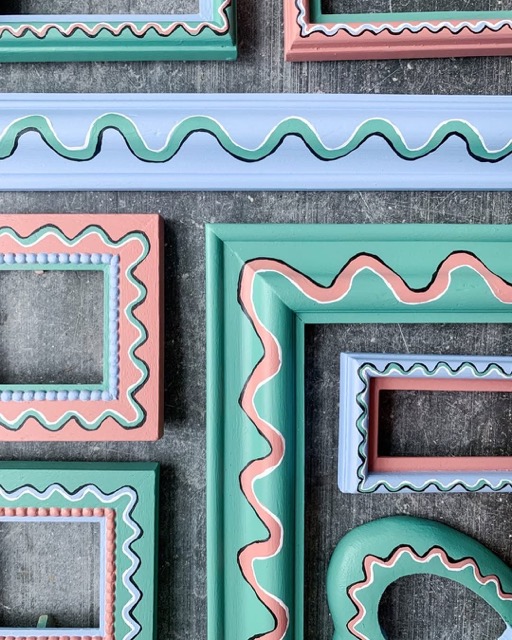
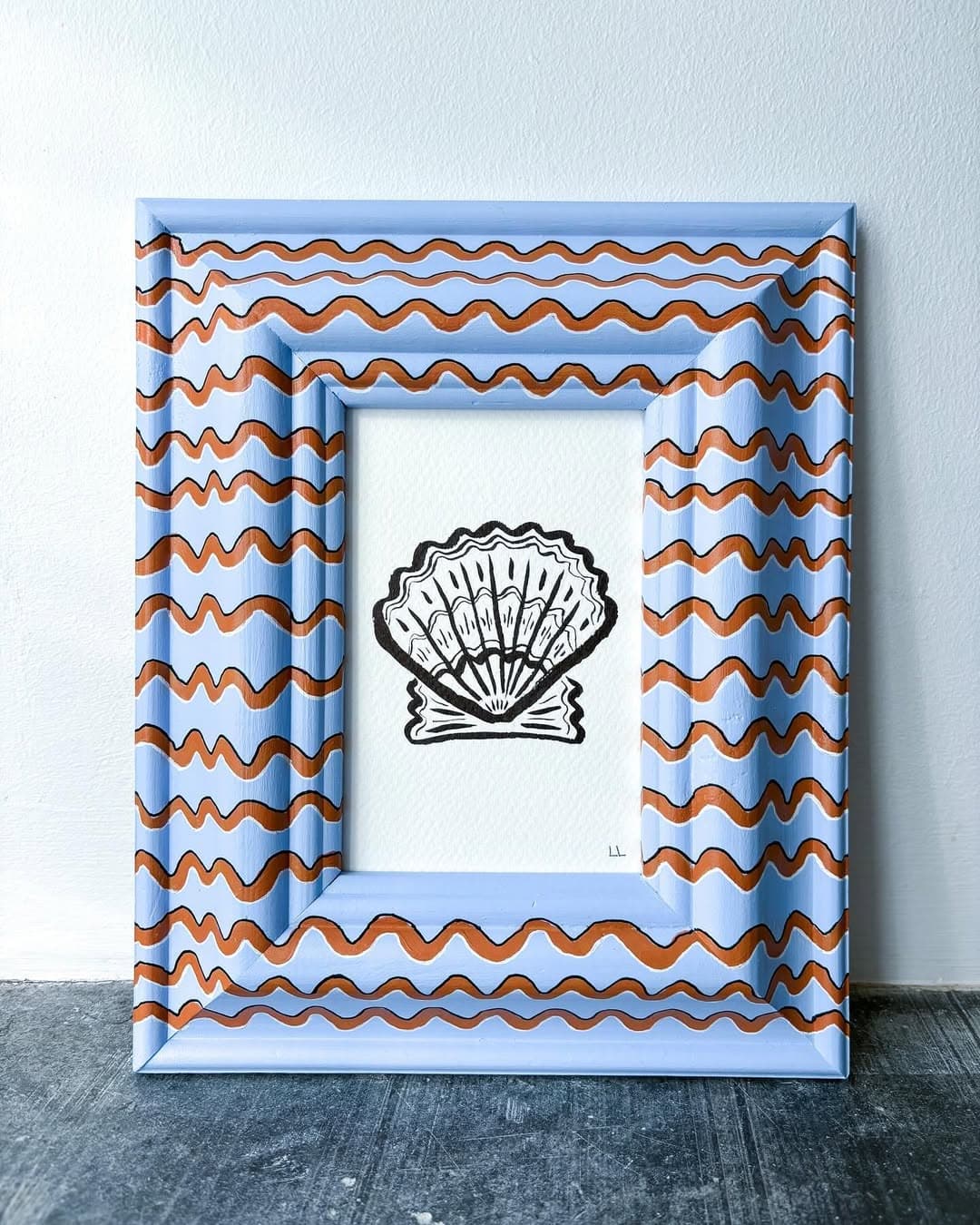
Your craft
3. How would you describe your work in three words?
Hand-printed, Joyful, Colourful
4. What materials or techniques do you use, and why are they important to your process?
Treading lightly on the earth is at the heart of my process. Our fabrics are sourced from a European mill powered by green energy. Our dyes are hand mixed and water based. Screen printing allows me to oversee the whole print process.
I love printing my fabrics by hand because I can make beautiful things locally. Screen printed fabrics are imperfect, unique and each separate piece tells its own story
5. Can you tell us about a favourite piece you’ve created and the story behind it?
A lovely project we recently worked on was decorating a Somerset yurt. Alice and I had a simple mission, not to buy anything new. We screen printed on old table cloths and covered the yurt walls with patterns. It was such a joy to create something from reclaimed materials and transform old fabrics with print.
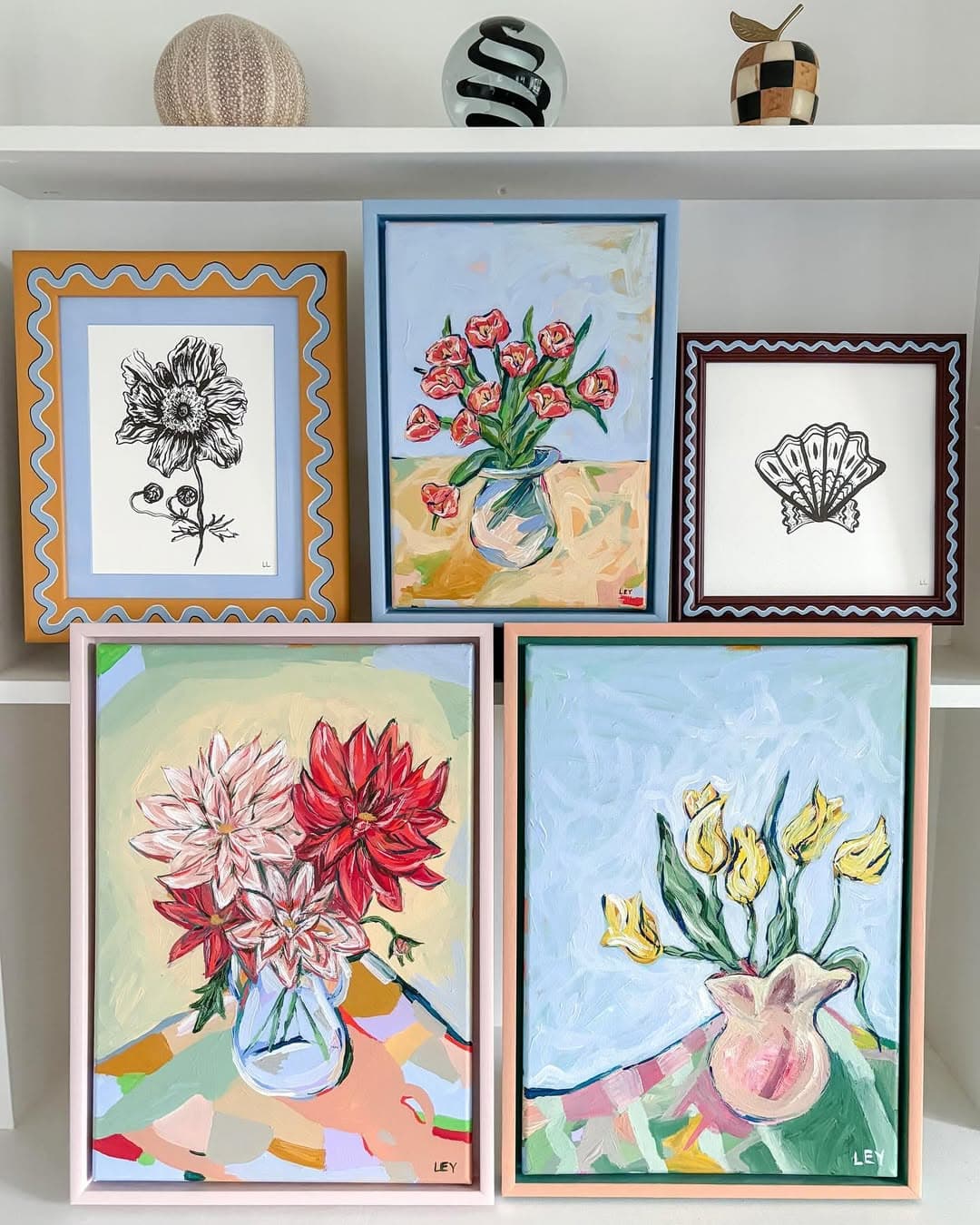
Creative process
6. What does a typical day in your studio or workshop look like?
My dream day would look like this – coffee, moving my body – either pilates or a good walk, looking for inspiration in my garden or buying flowers locally, painting or drawing, a delicious lunch, more painting, spending time with my family and friends – ideally outside on a beach – and then dinner.
7. Do you have any unique rituals or habits that help you stay creative?
I’m currently short on time because of having young children, and it feels like my mind is fizzing with ideas that I just can’t get to. However, I’ve found that the limited time I have actually sparks my creativity. Having a set window to work in helps me stay focused and productive, as it pushes me to make the most of the time I do have, instead of getting stuck in procrastination (doom scrolling!).
8. How do you handle creative blocks? Do you have any strategies or tips for overcoming them?
A cliche, but getting outside into nature always helps me to stay inspired.
Challenges and successes
9. What’s the biggest challenge you’ve faced as a maker, and how did you overcome it?
I definitely agree with the saying ‘comparison is the thief of joy’. As soon as you start of compare your abilities or achievements to others, it can start to make you lack confidence. This is what happened on my Foundation year – I was surrounded by brilliant artists and completely lost sight of my personal offering. Putting yourself out there is so scary, but to be honest, i’ve found that the rewards are almost always worth it.
10. What’s been your proudest moment or achievement so far?
I don’t mean this to sound terribly commercial, but I think the first time someone bought a piece! It was honestly such a vote of confidence, that it really drove me to keep on making work and developing my style.
Another very cool moment was when a celebrity couple, who I really admire for their personal style, bought two of my paintings from a pop up (thanks to the shop Quinn Says!).
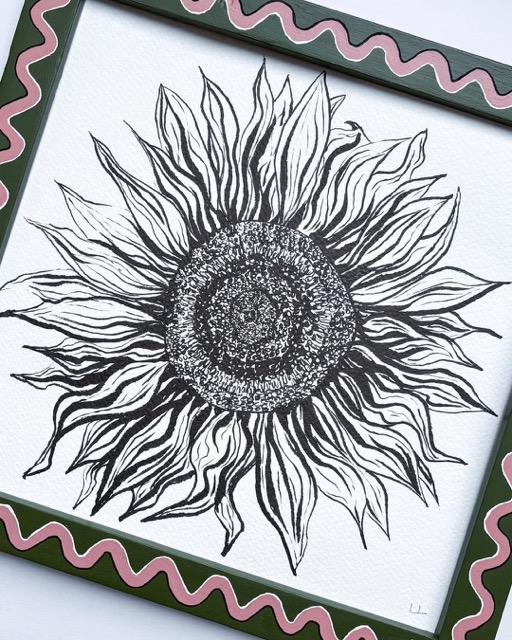
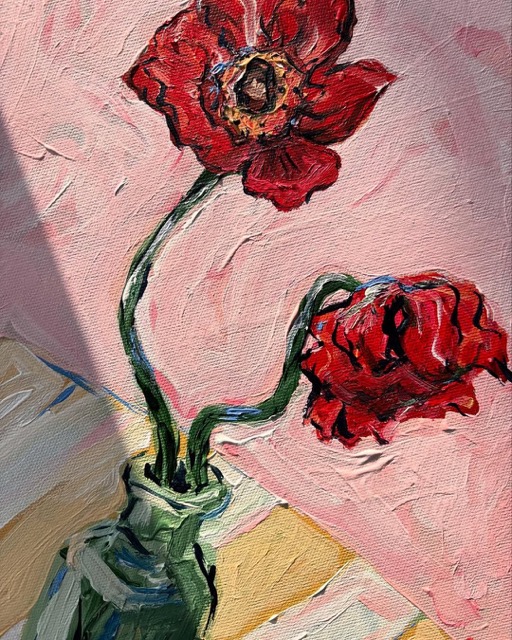
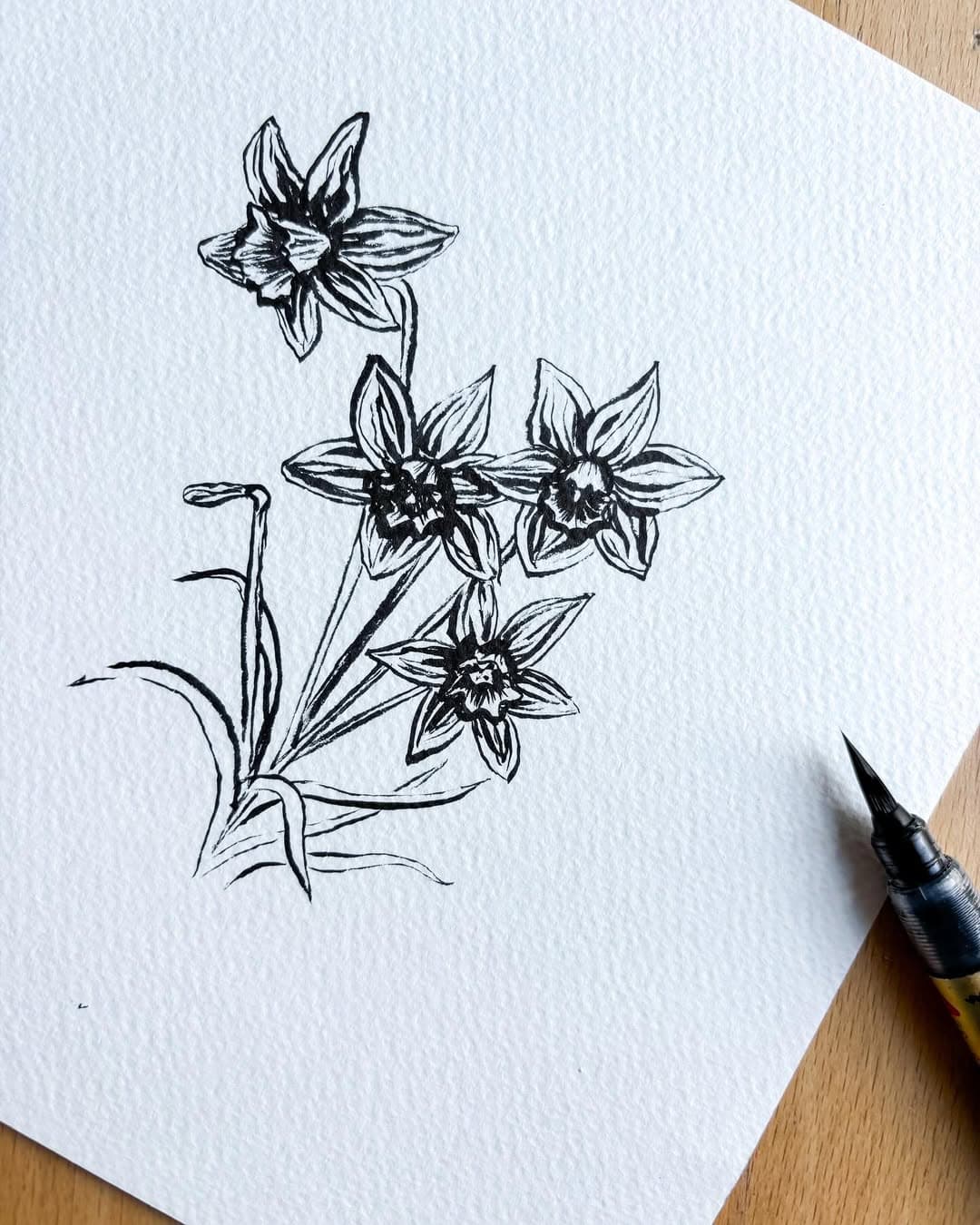
Inspiration
11. Where do you draw inspiration from for your work? What sparks your imagination and creativity?
I live in remote Cornwall and am very inspired by nature and the seasons.
12. Do you have a favourite artist, maker, movement, or tradition that has influenced your craft?
I absolutely love the paintings of Olive Guest – her use of colour and form are incredible.
I’m so inspired by a lot of the other makers on Makers Made too, across all of the disciplines. I love to see how people are working with their chosen mediums and constantly evolving to create works which are profound or inspiring or beautiful (or all of those things!).
13. How does colour influence your practice; is it an important part of your process? Do you have a particular palette or favourites? Any go-to sources for colour inspiration?
I also love that my pieces are generally quite bright, colourful and stylistic. There seems to be this miscommunication that ‘natural’ or ‘environmental’ means white or pared back. Nature is awash with colour and I want to embrace that and help people bring pops of colour into their homes (even if they prefer a pared back aesthetic generally).
Perspectives and goals
14. What role does your environment play in shaping your creativity?
I’m incredibly inspired by where I live and also the current period in my life. I’m inspired by the colours of the shells on the beach or the flowers in my garden, how my children draw, what colours they currently like… The seasons really affect my work – throughout this winter I have been drawn to much darker, richer hues and now that spring is around the corner, I’m suddenly reaching for much bolder brighter paints.
In terms of the bigger environmental picture, I try to be as sustainable as I can. The frames I use for my ‘ink+frame’ collection, are all preloved, so not only is each one unique but also getting a new lease of life.
15. What do you want people to feel when they experience your work?
I want people to feel excited by my work – i aim to create pieces which are desirable for interior spaces, but are also sentimental – I love to create works which will be treasured and loved. So much time and energy goes into creating each piece, even the tiny ones, that I really want that love to be reflected in the final pieces.
16. What are you currently working on, and what excites you most about it?
I’m currently in the process of hopefully moving into a larger studio space, so can’t wait to have the space to produce some much larger pieces. I can’t wait to see how my style translates to these larger scale pieces.
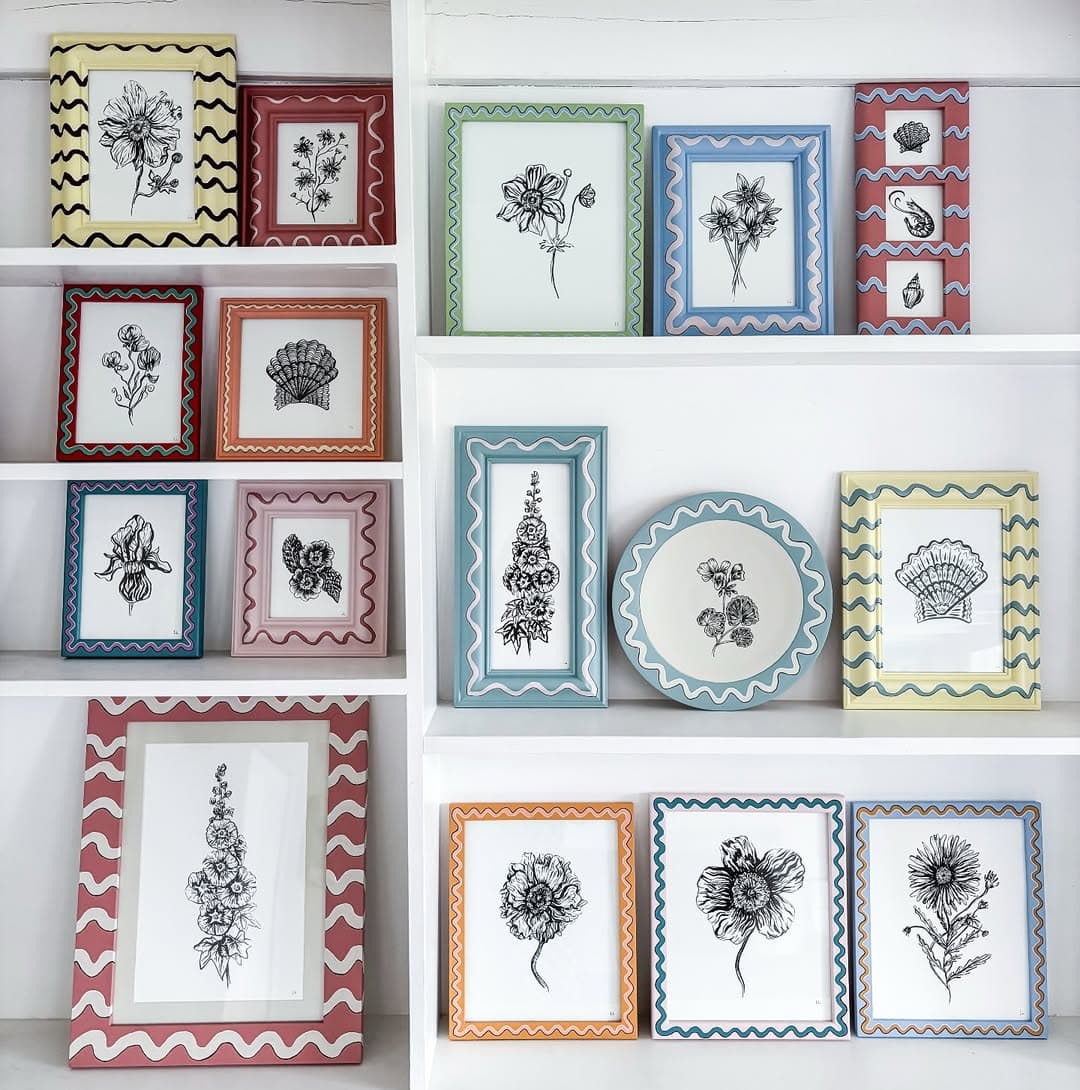
Advice and reflection
17. What advice would you give to someone starting out as a maker?
Back yourself and stay true to your own style.
18. If you could go back to the start of your career, what advice would you give your younger self?
Be more confident in what you have to offer – your people will find you!
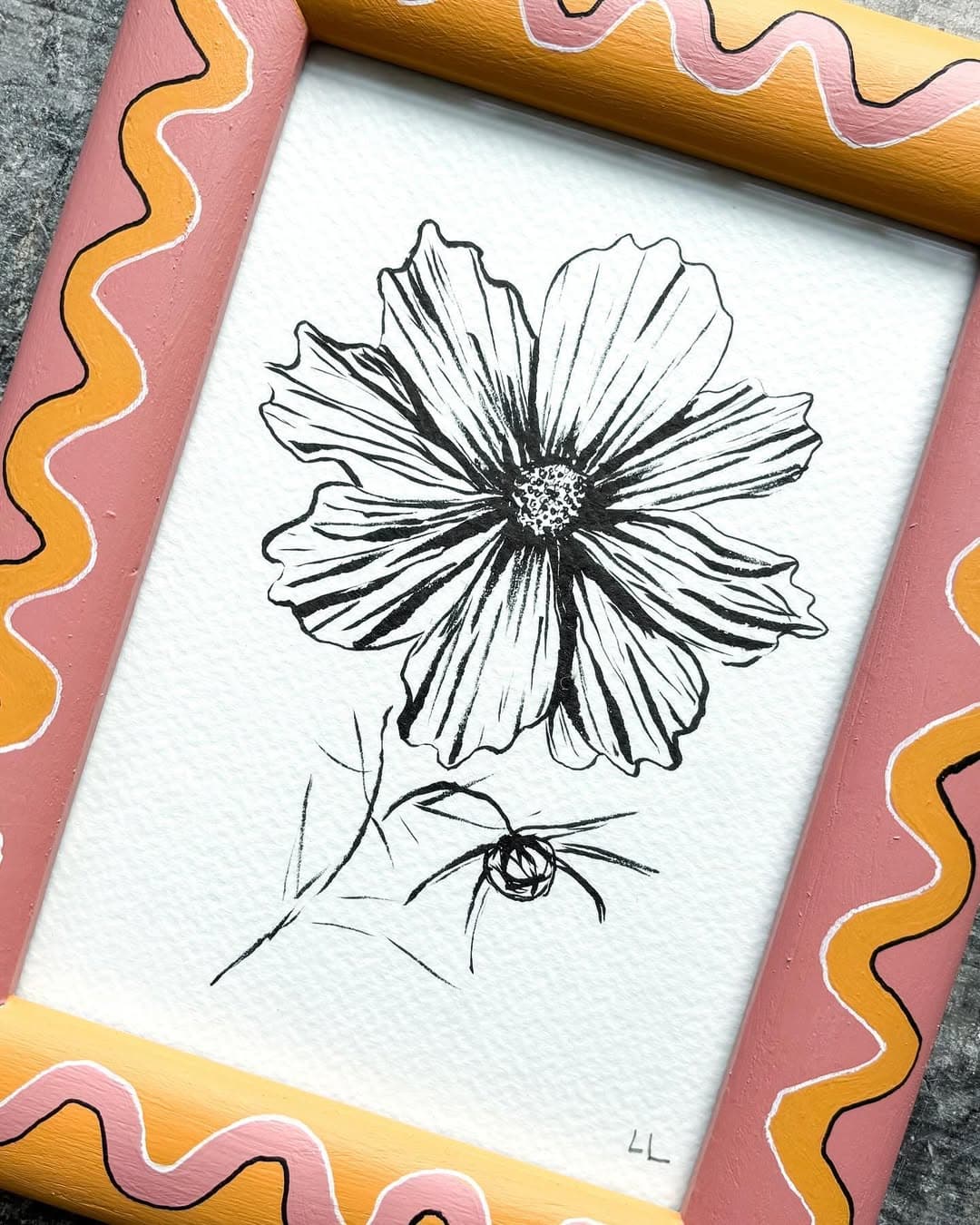
Closing thoughts
19. If you could collaborate with any artist, past or present, who would it be and why?
I absolutely love the work of Sandra Blow – I’d love to have met and worked alongside her – her works are so striking. I’m also so drawn to the beautiful forms of Barbara Hepworth and she sounded like a strong character, so I would have loved to see her working.
20. Where can people find your work, and how can they support you?
My website is ley-lines.co.uk or you can see my work on instagram. Thanks so much for featuring my work.
Ruth Ley’s pieces are a celebration of colour, memory, and individuality. Whether it’s a personal commission or a ready-made piece, each artwork carries a sense of story and place created to bring character and emotion into the everyday. With a playful yet thoughtful approach to materials and meaning, Ruth invites us to decorate with pieces that truly feel like our own.
Explore Ruth’s latest collections and follow her creative journey:
Support Ruth by visiting the Ley Lines website, exploring her hand-painted, heirloom-inspired pieces, and following the colourful, sentimental journey of her West Cornwall studio on Instagram.
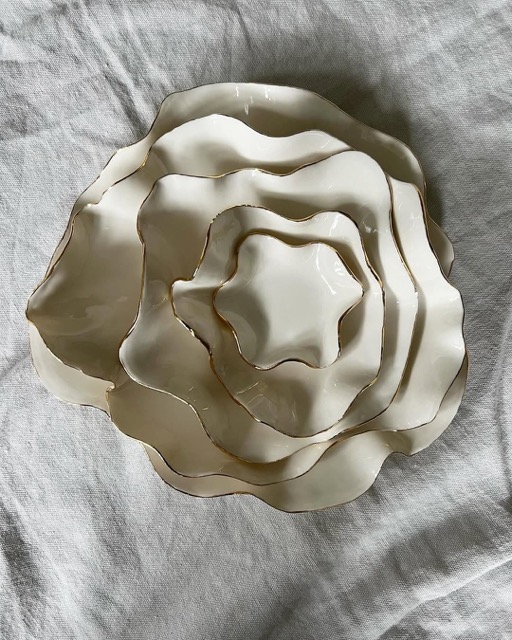
Meet the Maker: Joanna Ling and the Art of Considered Ceramics
In this Q&A, we speak with Joanna Ling about the quiet elegance of her ceramic practice shaped by the English countryside and a considered approach to design. Joanna Ling explores how minimalism and meaning come together in each handmade piece, drawing on the gentle forms of fields, woods, and the spaces her work is destined for.
She shares her thoughts on the beauty of one-of-a-kind objects in a world of mass production, the satisfaction of working on bespoke commissions, and the role sustainability plays in her process, from brush-on glazes to careful material reuse.
With a client list that includes Matches Fashion, the National Portrait Gallery, and The Newt in Somerset, Joanna Ling’s ceramics resonate with those who appreciate thoughtful craft and timeless design.

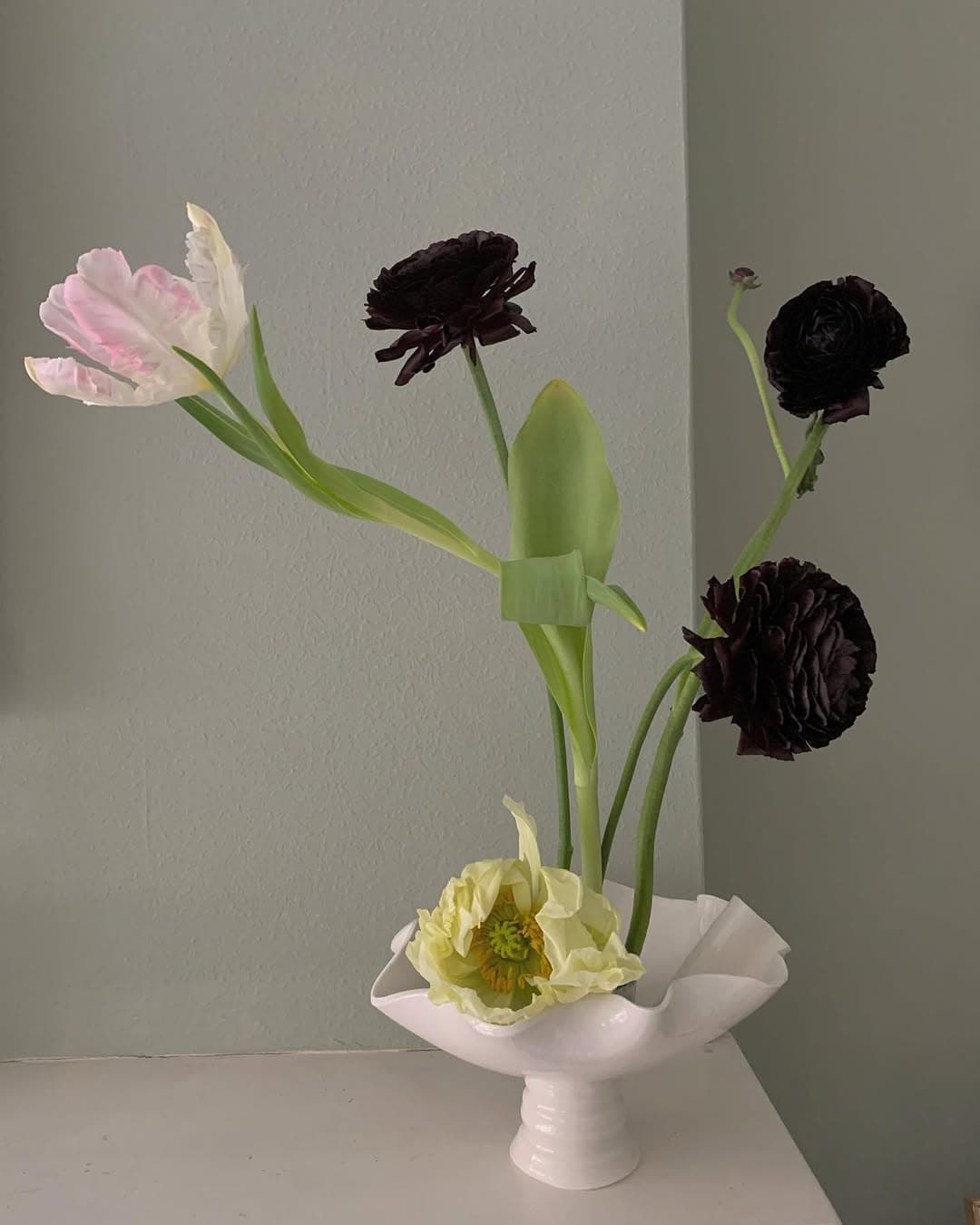
1. Can you tell us a bit about yourself and your artistic journey?
I design and make – mainly porcelain – ceramics from my garden studio. I worked at Sotheby’s for over 30 years and while I was there I did a ceramics evening class. I was immediately smitten and when I left Sotheby’s in 2018 I set up my ceramics business. It has been an incredibly rewarding journey since then!
2. What inspired you to pursue your craft? Was there a defining moment or influence that sparked your passion?
I have always been fascinated by ceramics. Soon after I started my ceramics evening class, I entered a porcelain bowl in the Sotheby’s annual staff exhibition which was, to my great surprise, bought by the chairman and other pieces were commissioned by a high level Sotheby’s client. This gave me the boost to start making ceramics commercially.
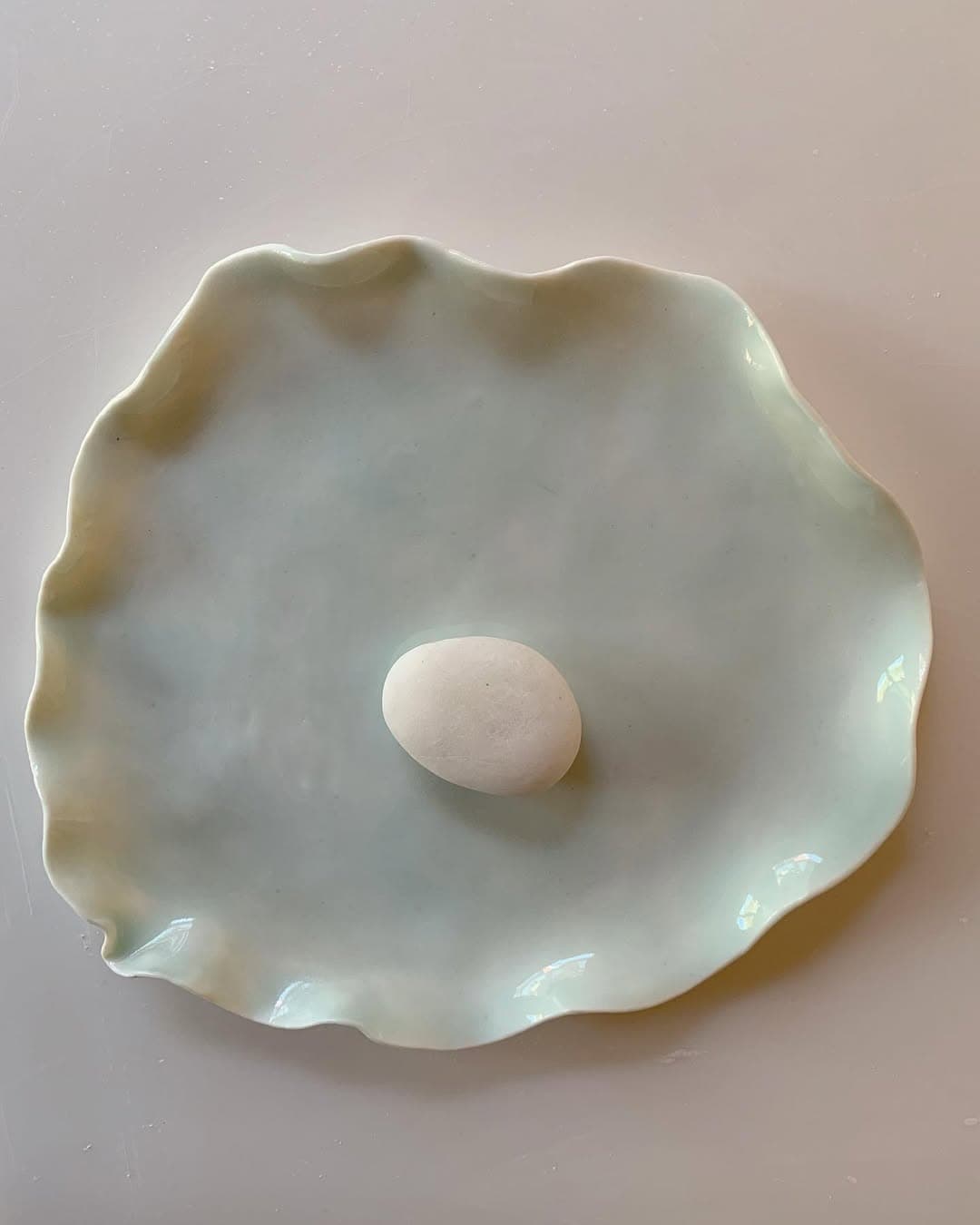
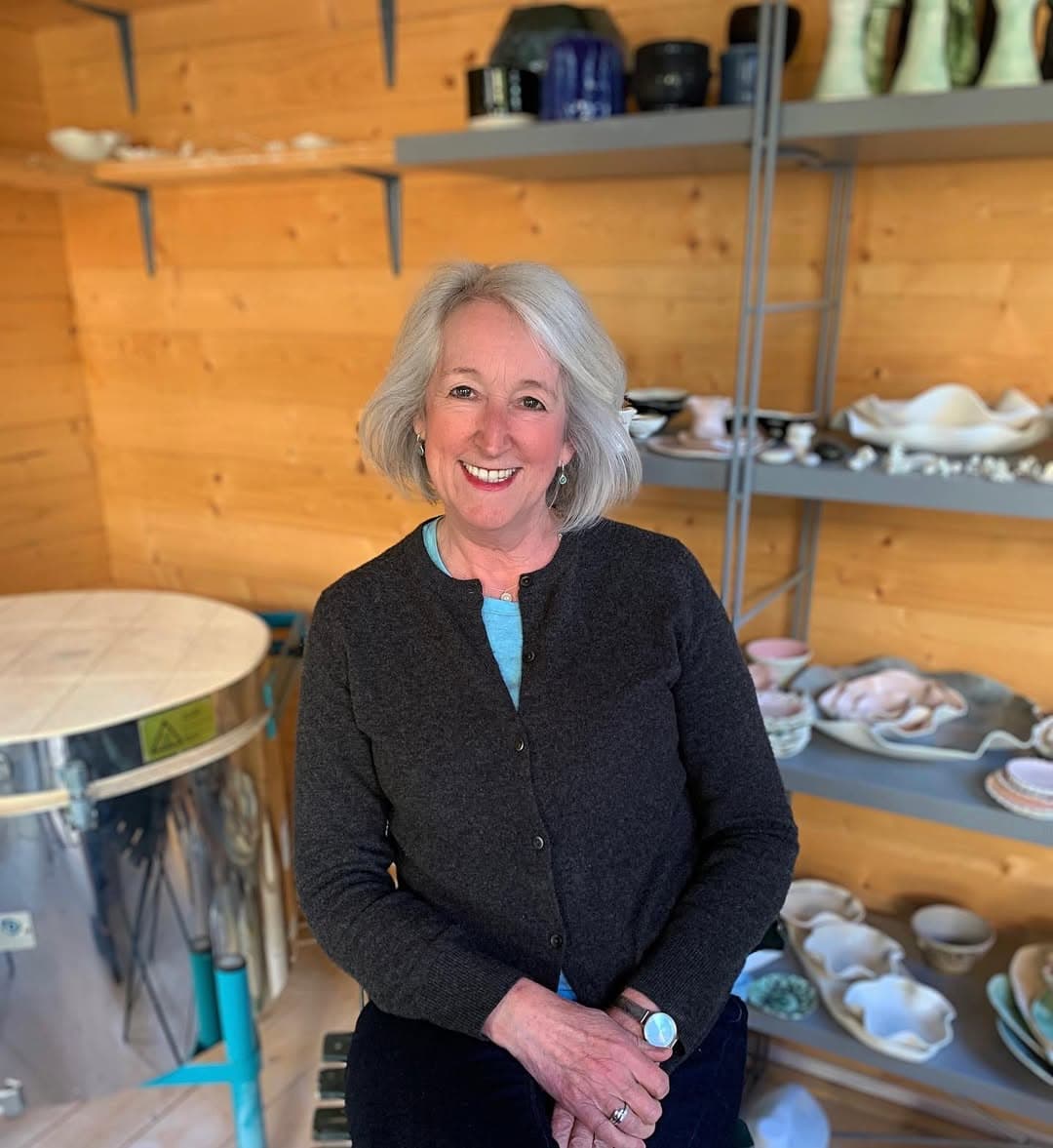
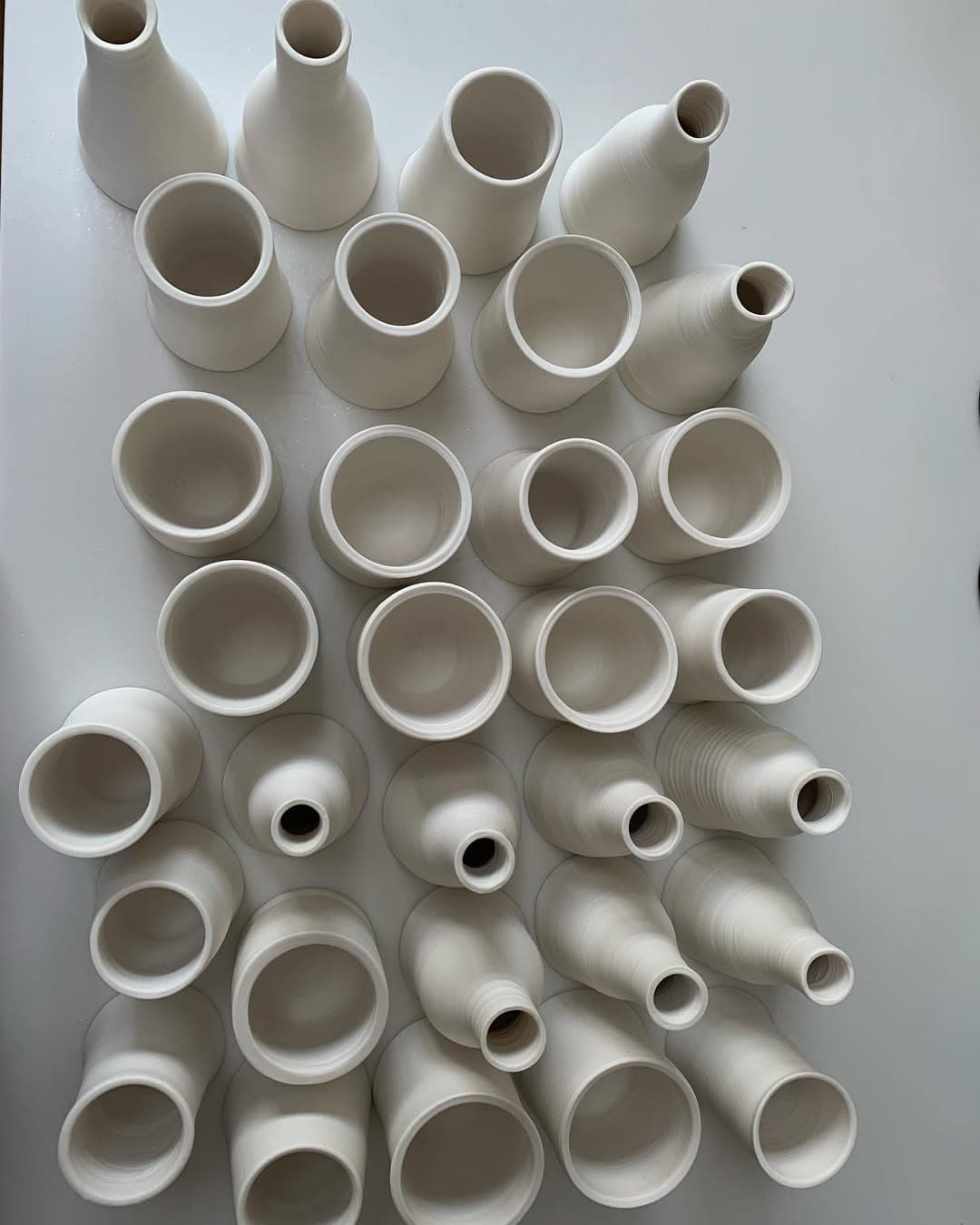
Your craft
3. How would you describe your work in three words?
Contemporary, unique, functional
4. What materials or techniques do you use, and why are they important to your process?
I work almost exclusively with porcelain because although it is a difficult clay to work with I love its delicacy and translucency once it has been fired. I normally use a transparent glaze to accentuate these qualities.
I either hand build or throw on the wheel or a combination of the two. As I make everything individually, no two pieces are the same, so when you buy from me you know that you have a unique work. In a bid for sustainability, I raw glaze my work with brush-on glazes and recycle wherever possible.
5. Can you tell us about a favourite piece you’ve created and the story behind it?
I have been making wave top pedestal bowls for many years and they are one of my most popular designs. I suddenly had an idea to make a vase version of it which I did last year and I love it because it works well with all my other designs but serves a different function, can be styled in so many ways and makes a great table centrepiece. I have now experimented with different sizes and heights so that they can be used for a single stem or an extravagant arrangement.
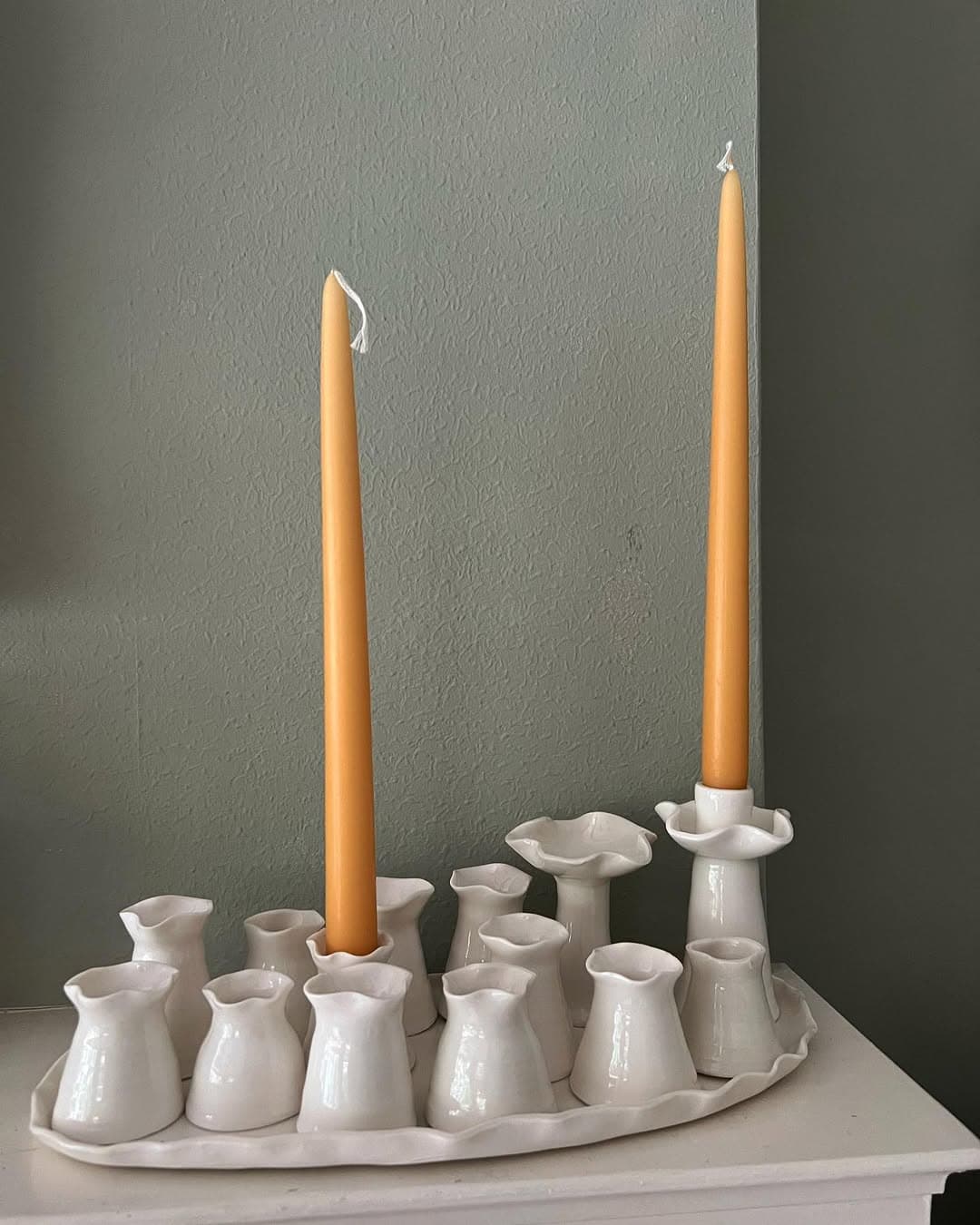
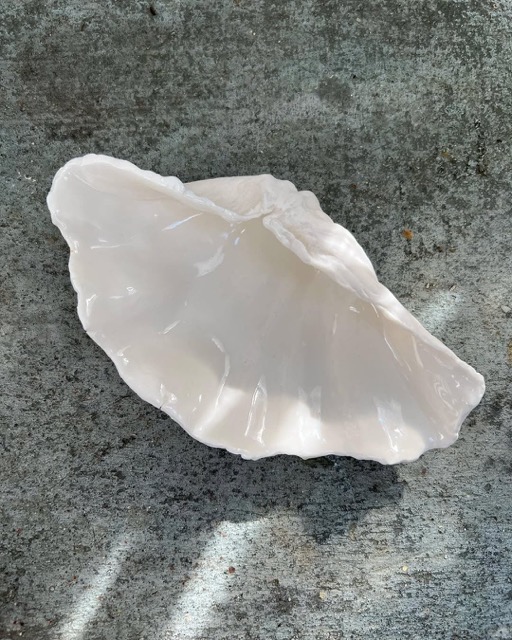
Creative process
6. What does a typical day in your studio or workshop look like?
All my days are different. Most of the time I am working on orders which means throwing on the wheel in my studio or hand building, often in my kitchen. Other days are glazing days and as with any business a lot of time is spent on admin.
Days when I open my kiln to discover how everything has come out are always exciting. If I have set off a lustre firing it is usually a joy to open to see the gold or silver highlighting the porcelain.
7. Do you have any unique rituals or habits that help you stay creative?
I always have my notebook with me should inspiration strike. My work is very much influenced by nature and I walk in Richmond Park most days and often come up with new ideas whilst there. I am an art historian by training and one of my great pleasures is visiting exhibitions and often I will see something, be it a colour, a design on a frame or ceramic piece in a painting that can lead to thoughts for new designs.
8. How do you handle creative blocks? Do you have any strategies or tips for overcoming them?
I am usually busy working on commissions which doesn’t leave me much time to work on new designs but I find when I have a quieter patch that is when I have time to think and plan and get motivated about new work. I have accepted, after several years of running a business, that work and creativity ebbs and flows and that is ok.
Challenges and successes
9. What’s the biggest challenge you’ve faced as a maker, and how did you overcome it?
The solitary nature of being a maker. Being part of Makers Made is a brilliant antidote to that. It’s great to be part of a supportive network and to be able to run ideas and problems past people who are in the same situation. I have also recently joined a couple of local artists groups which are similarly rewarding.
10. What’s been your proudest moment or achievement so far?
It’s always a thrill to be commissioned by a well known brand or establishment but I think my proudest moment was having my work stocked in the shop at The National Portrait Gallery to accompany a major Cecil Beaton show there. I ran the Beaton Archive at Sotheby’s for over 20 years and had a curatorial role in the show so to be involved with both my old and new career hats on was an amazing experience.
11. What’s your favourite quote you’ve ever heard about your work? Who said it, or what was the name of the publication?
“I instantly loved your work when I first saw it - the delicacy, subtle tones, glazes and quirky shapes.”
- Birdie Fortescue
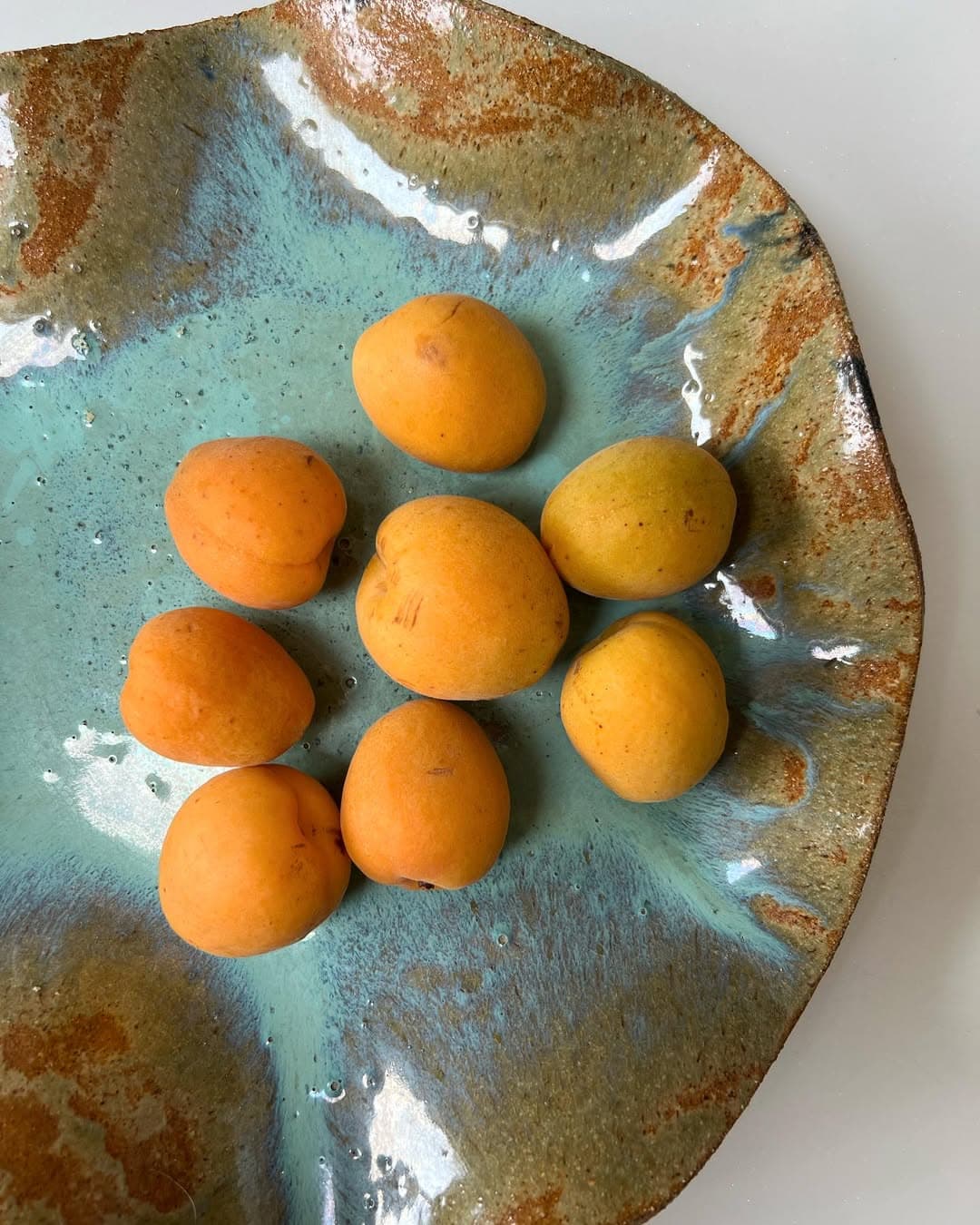
Inspiration
12. Where do you draw inspiration from for your work? What sparks your imagination and creativity?
The natural world – especially flowers and shells – and working on the Cecil Beaton archive has definitely had an influence on my work. He had such an amazing eye for design.
13. Do you have a favourite artist, maker, movement, or tradition that has influenced your craft?
The ceramics of Lucie Rie, paintings by Giorgio Morandi and the pared back aesthetics of Japan.
14. How does colour influence your practice; is it an important part of your process? Do you have a particular palette or favourites? Any go-to sources for colour inspiration?
Decoration is usually in the form of my ceramics and leaving them unglazed or with a transparent glaze brings out the inherent qualities in the porcelain clay. I sometimes use green, blue and pink glazes and love a bit of gold lustre to add a highlight to a piece.
Perspectives and goals
15. What role does your environment play in shaping your creativity?
A huge role. I am lucky enough to have my own studio in my garden. It is simple and functional but surrounded by greenery. It is a peaceful and soothing creative space.
16. What do you want people to feel when they experience your work?
That they are seeing something that is aesthetically pleasing but also functional and that they will enjoy it for a long time.
17. What are you currently working on, and what excites you most about it?
I was recently commissioned to make vases to go on each table in The Glade Bar at Sketch in London. I love making bespoke pieces for a particular place so this was perfect, particularly as it is such an amazing place!
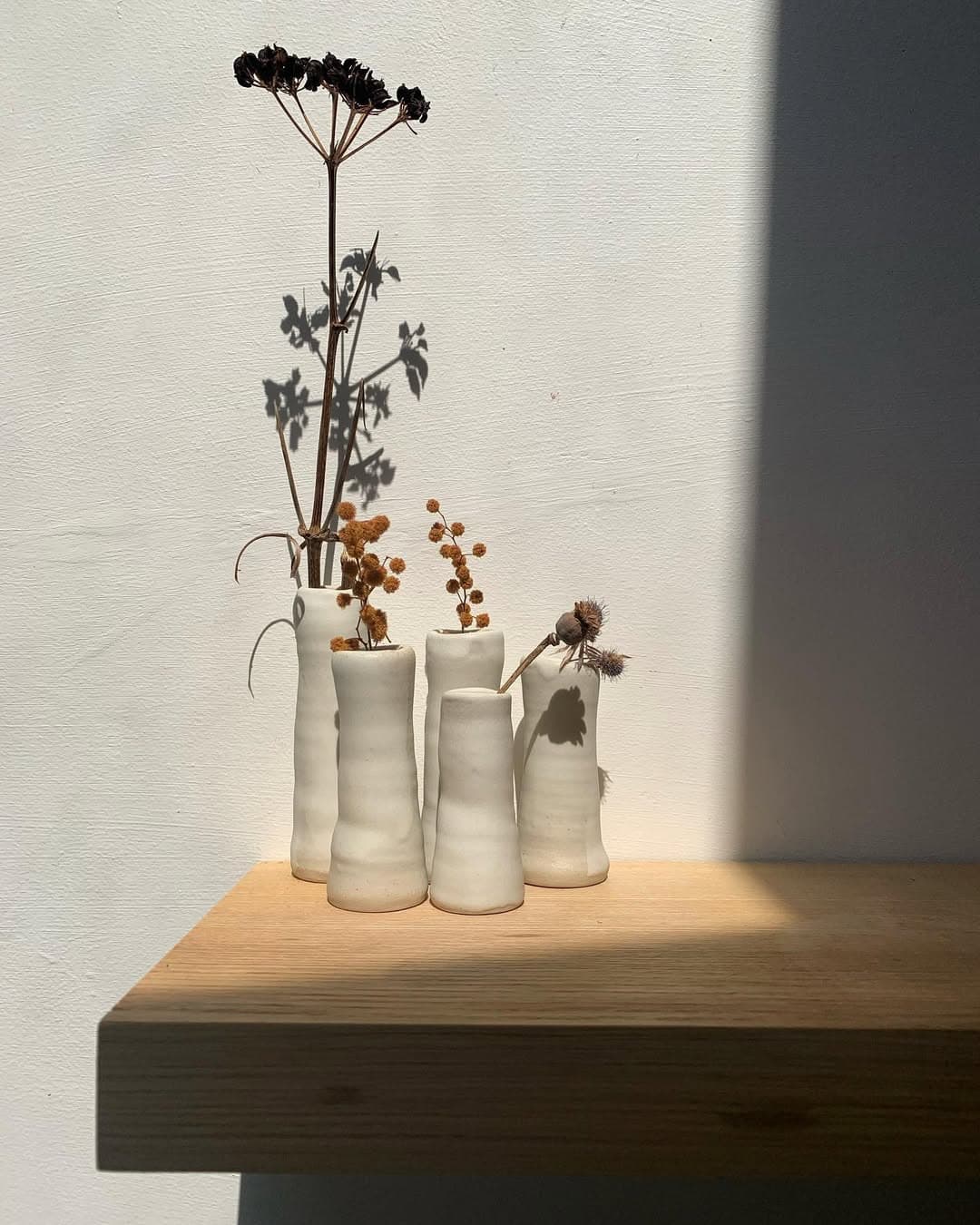
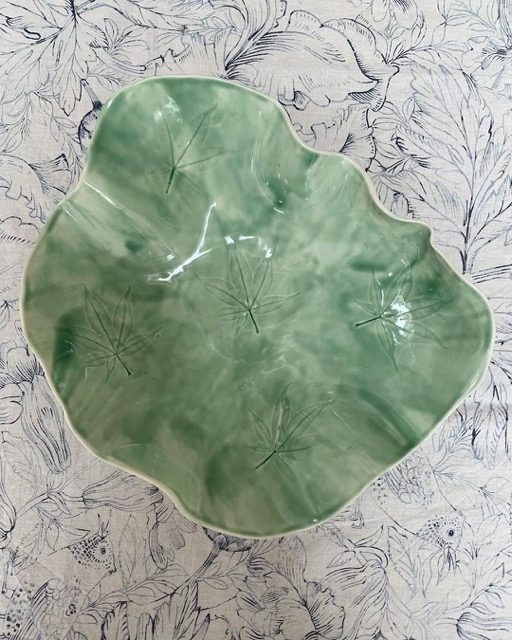
Advice and reflection
18. What advice would you give to someone starting out as a maker?
Just go for it! If it is the right thing for you it will work and give you great pleasure and satisfaction. Don’t be afraid to approach stockists or galleries you would like to work with.
19. If you could go back to the start of your career, what advice would you give your younger self?
That things work out as they should. Don’t feel you have to stay in a job if you want to start your own business. My second and fulfilling career came about after leaving a company I had worked for for over 30 years. It was scary but so worth it. Be brave.
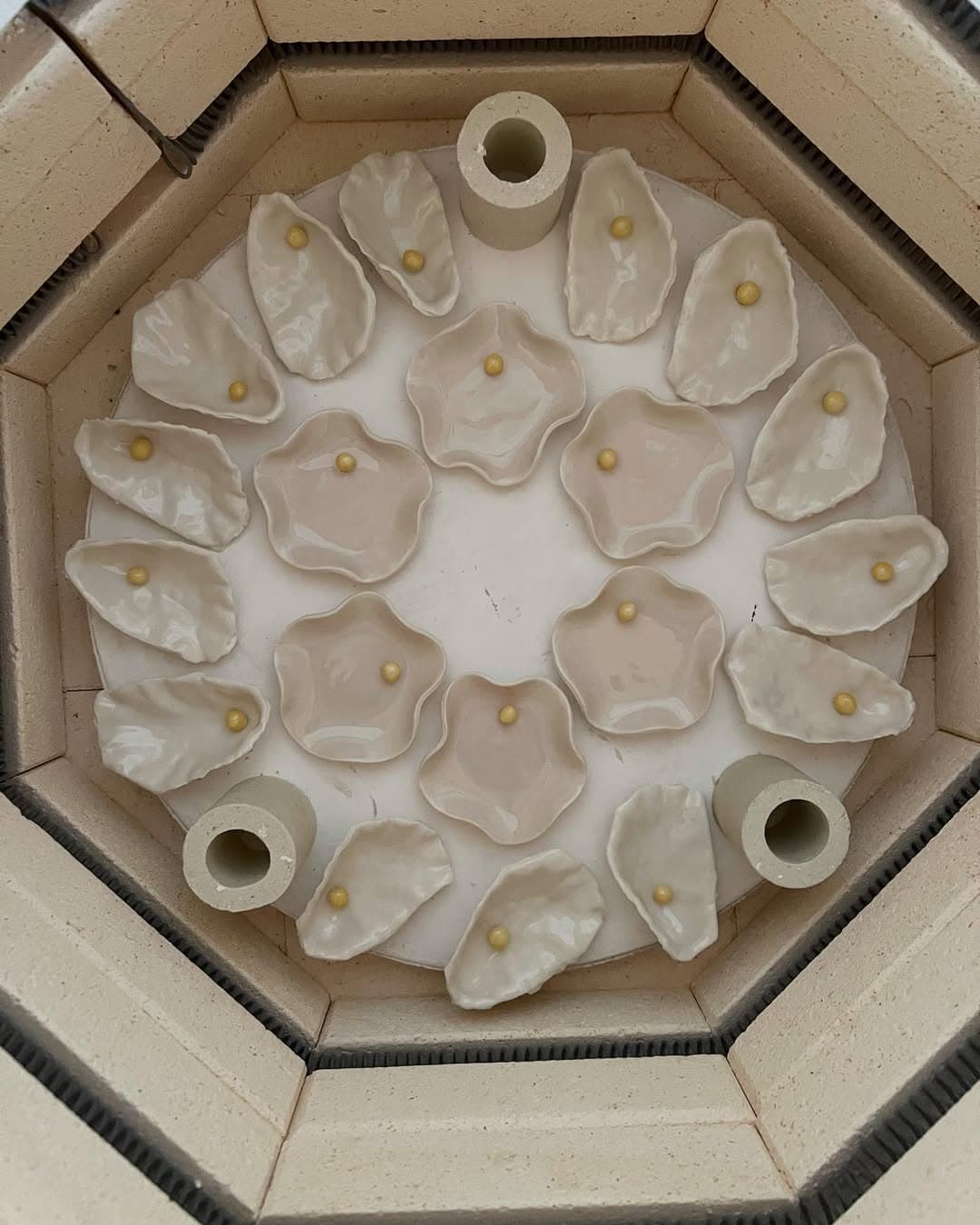
Closing thoughts
20. If you could collaborate with any artist, past or present, who would it be and why?
Lucie Rie. I would have loved to work with her in her small studio in Albion Mews and learn how she produced such beautiful work. She was so ahead of her time and her work still looks so contemporary.
21. Where can people find your work, and how can they support you?
I have various UK stockists including The Muse at Estelle Manor, The Newt in Somerset, Thyme England and Glassette amongst others. You can also buy direct from me by contacting me through my website or through my Instagram account. I have an Open Studio in May and November each year where new work, seconds and samples are for sale.
Visitors are also welcome to my studio at other times, by appointment. It’s always lovely when people see where the work is made and can find one-off pieces that aren’t usually available.
Joanna Ling’s ceramics blend restraint, story, and intention, each piece echoing both the English countryside and the person or space it’s made for. In a fast-paced world, her practice offers a slower, more meaningful way of making, where uniqueness is celebrated and connection is at the heart of every commission.
Explore Joanna’s collections and find out more about her studio practice:
Support Joanna by visiting her website, exploring her delightful creations, and connecting with her vibrant community on Instagram.
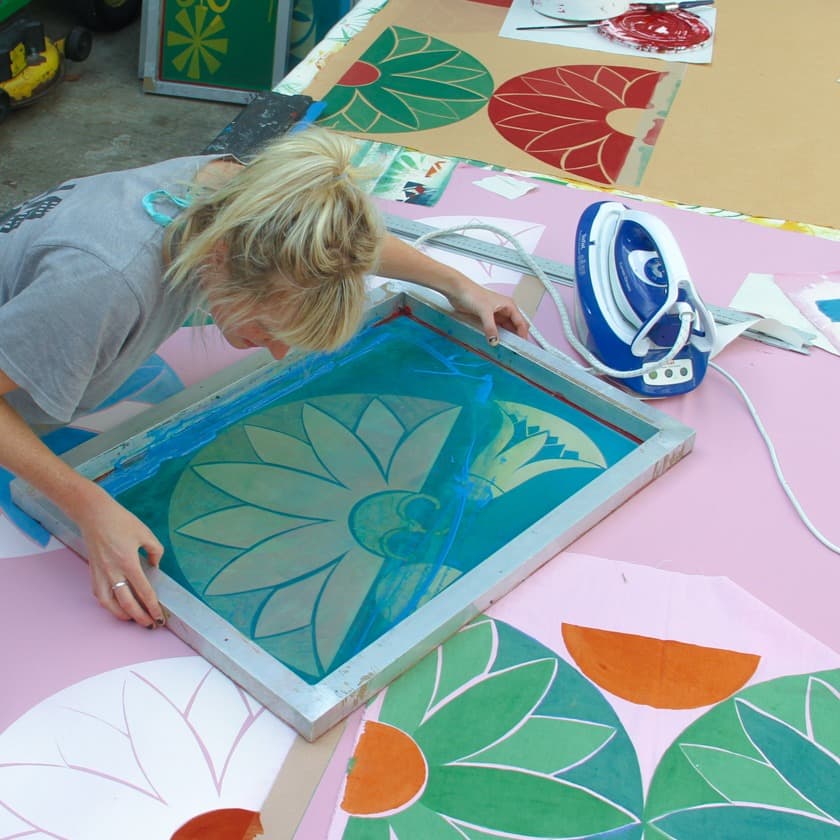
Meet the Maker: Folklore, Fabric, and the Natural Rhythms of Jessie de Salis
We catch up with Jessie de Salis in her Somerset barn studio to talk about the beauty of hand-printed textiles, the emotional depth to her bold designs, and how she captures the shifting moods of the natural world.
Jessie shares how folklore, memory, and landscape inform her process; and the quiet magic of printing by hand, embracing imperfection and individuality in every piece. We also discuss the joys and challenges of rural studio life, building a slow, intentional practice, and the stories woven into each batch of fabric Jessie creates.

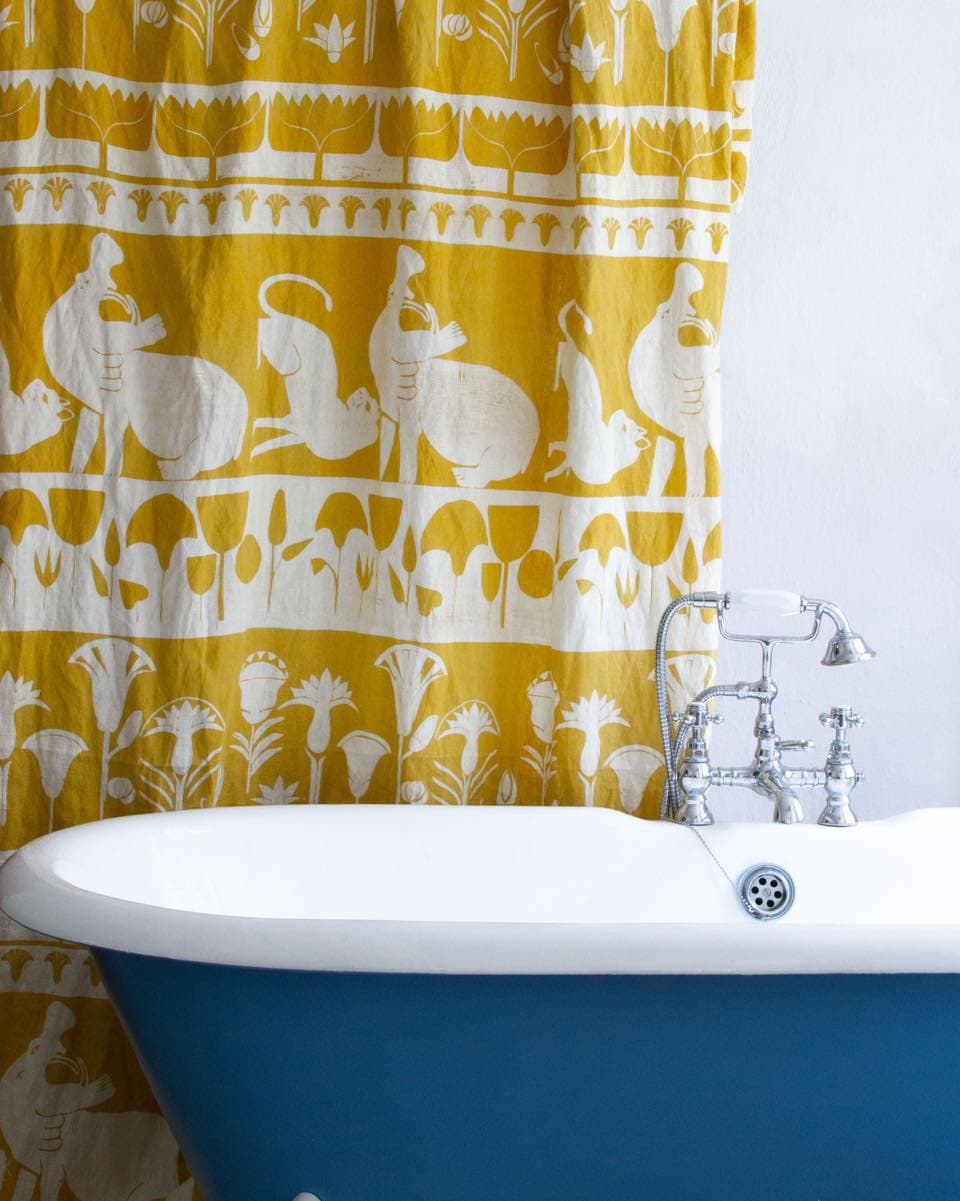
1. Can you tell us a bit about yourself and your artistic journey?
My name is Jessie de Salis, I am a textile designer and screenprinter. I have always been into textiles. At school I drew patterns over every piece of paper in my grasp. At uni, while studying textiles, I covered every scrap of the wall space with fabrics (at the time I thought this looked like a very sophisticated tent).
2. What inspired you to pursue your craft? Was there a defining moment or influence that sparked your passion?
During lockdown I began my screen printing journey and developed my textile craft. I started screen printing on the kitchen table and realised “this is me now. I am a screen printer”. I fell in love with the look of hand printed fabrics: the way the inks sit on the cloth, the freshness of the colours and the crispness of the print. It’s the most exciting and satisfying moment when you print a design, lift up the screen and see your image come to life.
I work with my cousin Alice. We now hand print all our products in a Somerset barn, surrounded by the flowers and the bees. Treading lightly on the earth is a guiding principle. We aspire to make natural handcrafted pieces that will carry on telling stories for years to come.
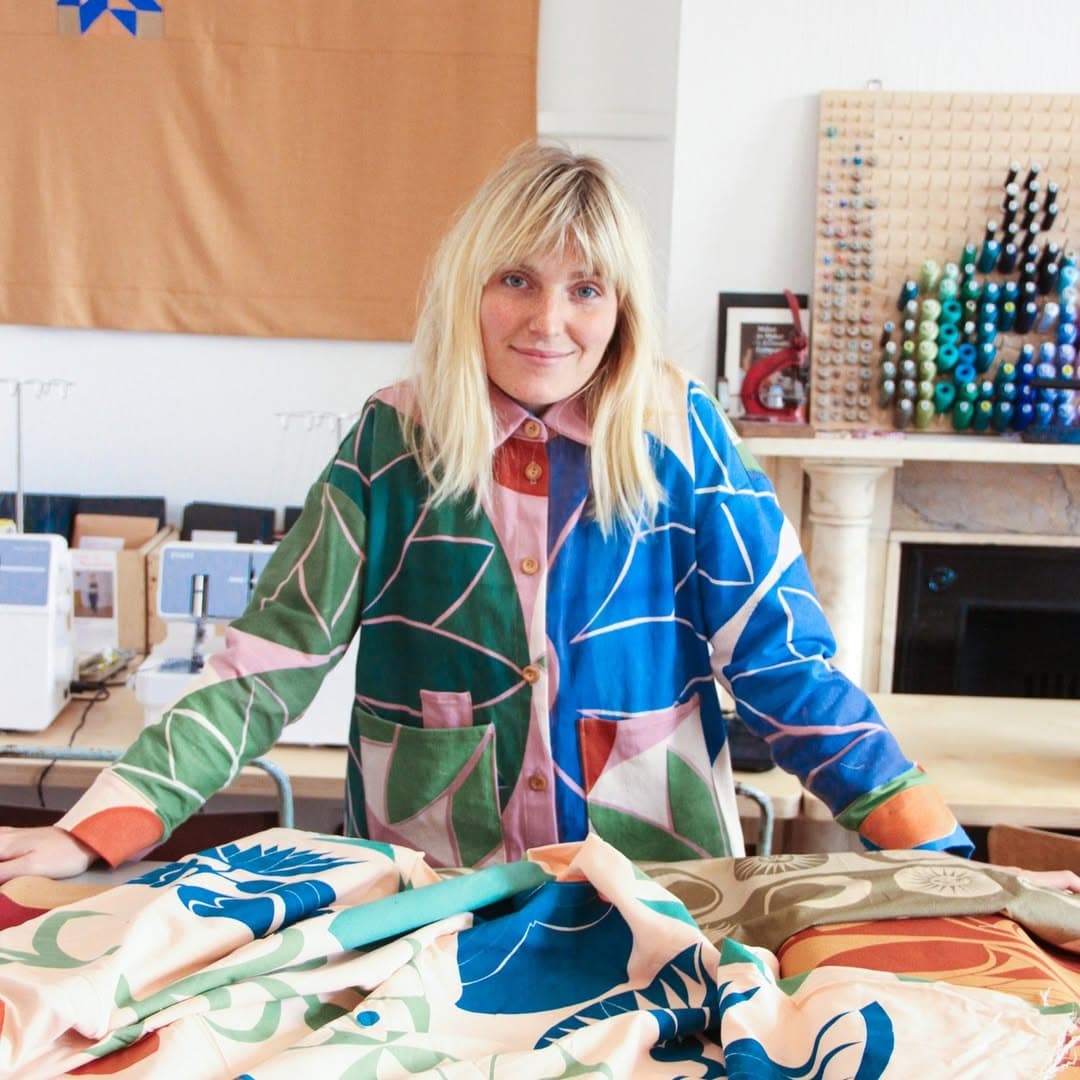
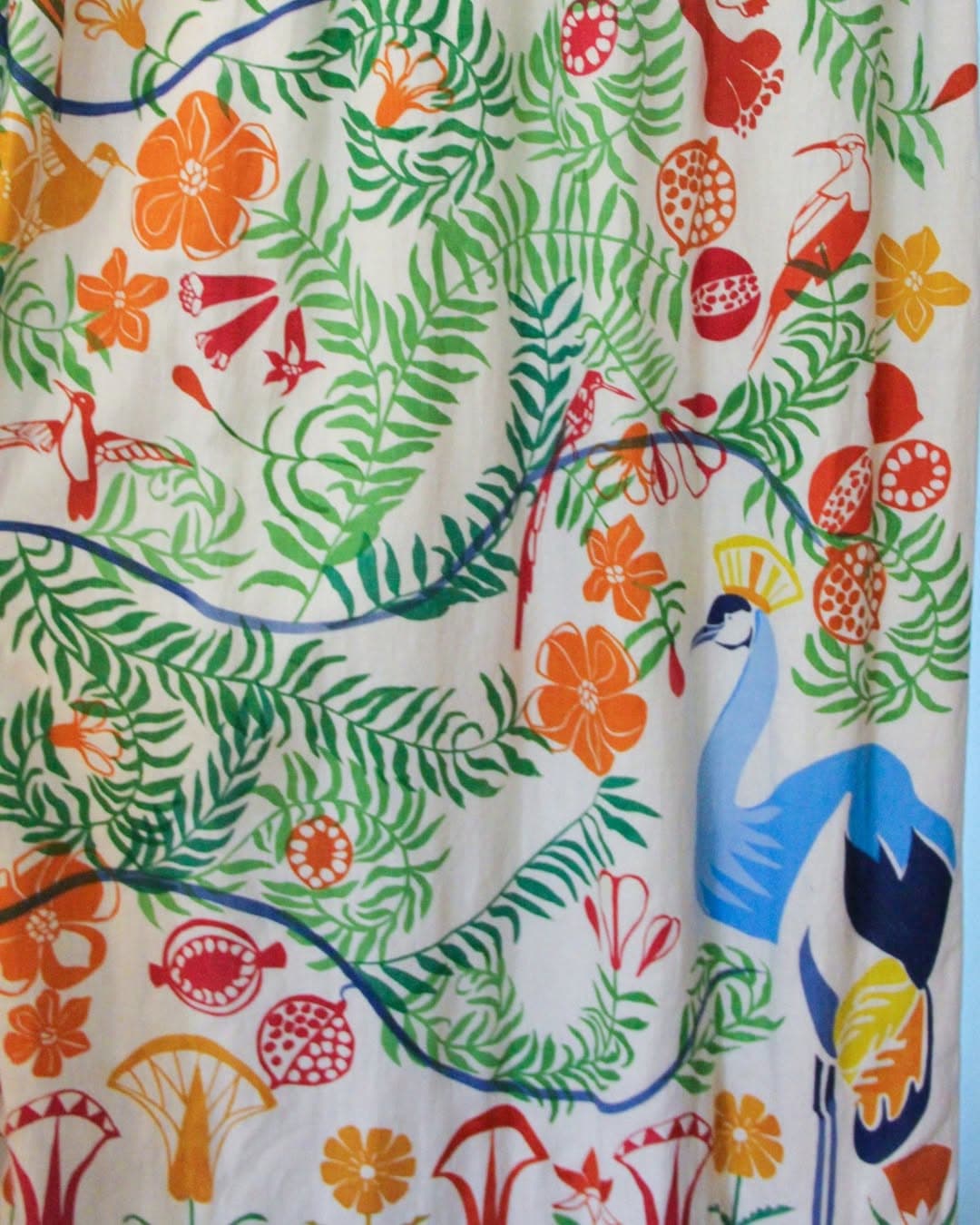
Your craft
3. How would you describe your work in three words?
Hand-printed, Joyful, Colourful
4. What materials or techniques do you use, and why are they important to your process?
Treading lightly on the earth is at the heart of my process. Our fabrics are sourced from a European mill powered by green energy. Our dyes are hand mixed and water based. Screen printing allows me to oversee the whole print process.
I love printing my fabrics by hand because I can make beautiful things locally. Screen printed fabrics are imperfect, unique and each separate piece tells its own story
5. Can you tell us about a favourite piece you’ve created and the story behind it?
A lovely project we recently worked on was decorating a Somerset yurt. Alice and I had a simple mission, not to buy anything new. We screen printed on old table cloths and covered the yurt walls with patterns. It was such a joy to create something from reclaimed materials and transform old fabrics with print.
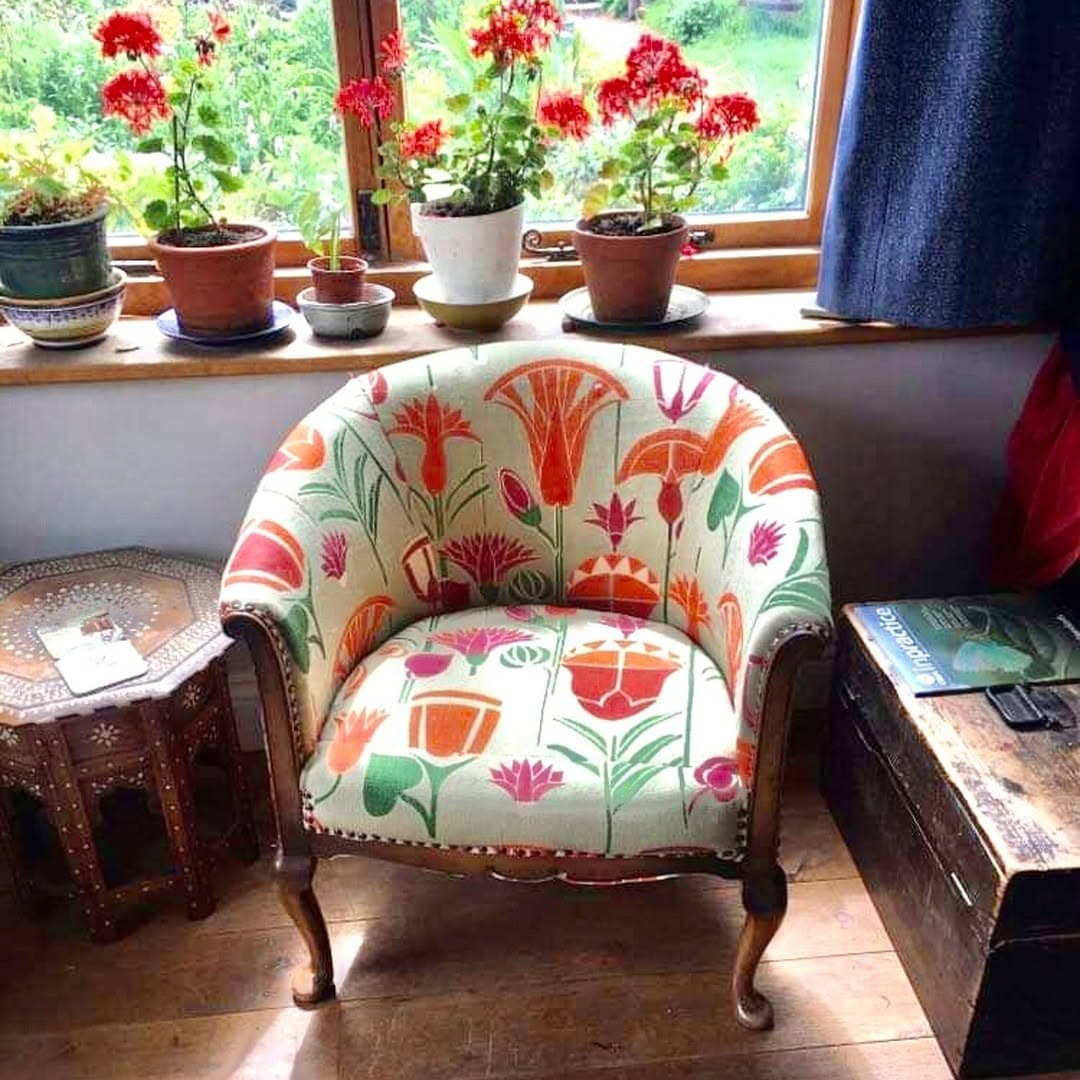
Creative process
6. What does a typical day in your studio or workshop look like?
Every day is quite different. My studio is great, I’m super lucky to have the space and totally wouldn’t be able to print big runs of fabric without it. Alice and work with the seasons which means long print days in summer when the light is good. Print days are a joy. It’s amazing to see a 10m fabric print coming alive in front of your eyes.
7. Do you have any unique rituals or habits that help you stay creative?
I am currently journaling and drawing every day. Even if it’s just a few words and a sketch on my bed it keeps the ideas going.
8. How do you handle creative blocks? Do you have any strategies or tips for overcoming them?
Being a designer is about collecting visual research wherever you go. This can be through places I visit, people I meet and stories of the past. If I’m feeling stuck I’ll try to go to galleries, buildings or botanical gardens and draw. Sometimes I’ll get a bunch of art books out and look at designs I find inspiring.
Challenges and successes
9. What’s the biggest challenge you’ve faced as a maker, and how did you overcome it?
Learning how to screen print perfect prints has been so hard, there is so much that can go wrong. I think the biggest challenge has been keeping motivated and starting again when something doesn’t go to plan, which happens from time to time when you’re doing everything by hand.
10. What’s been your proudest moment or achievement so far?
Setting up a print studio has been my proudest achievement I think. There has been so much research, building and planning involved and it’s taken years. I know it’s a small thing but it’s so nice getting photos from customers to see how they have used my fabrics.
11. What’s your favourite quote you’ve ever heard about your work? Who said it, or what was the name of the publication?
"Soft green pea plant tendrils curling around bed heads, Bauhaus inspired napkins adorned with vivid blue and soft green circles and gloriously sunny yellow petals spread gracefully across a table."
- Rosanna Spence, Bristol Life, March 2025
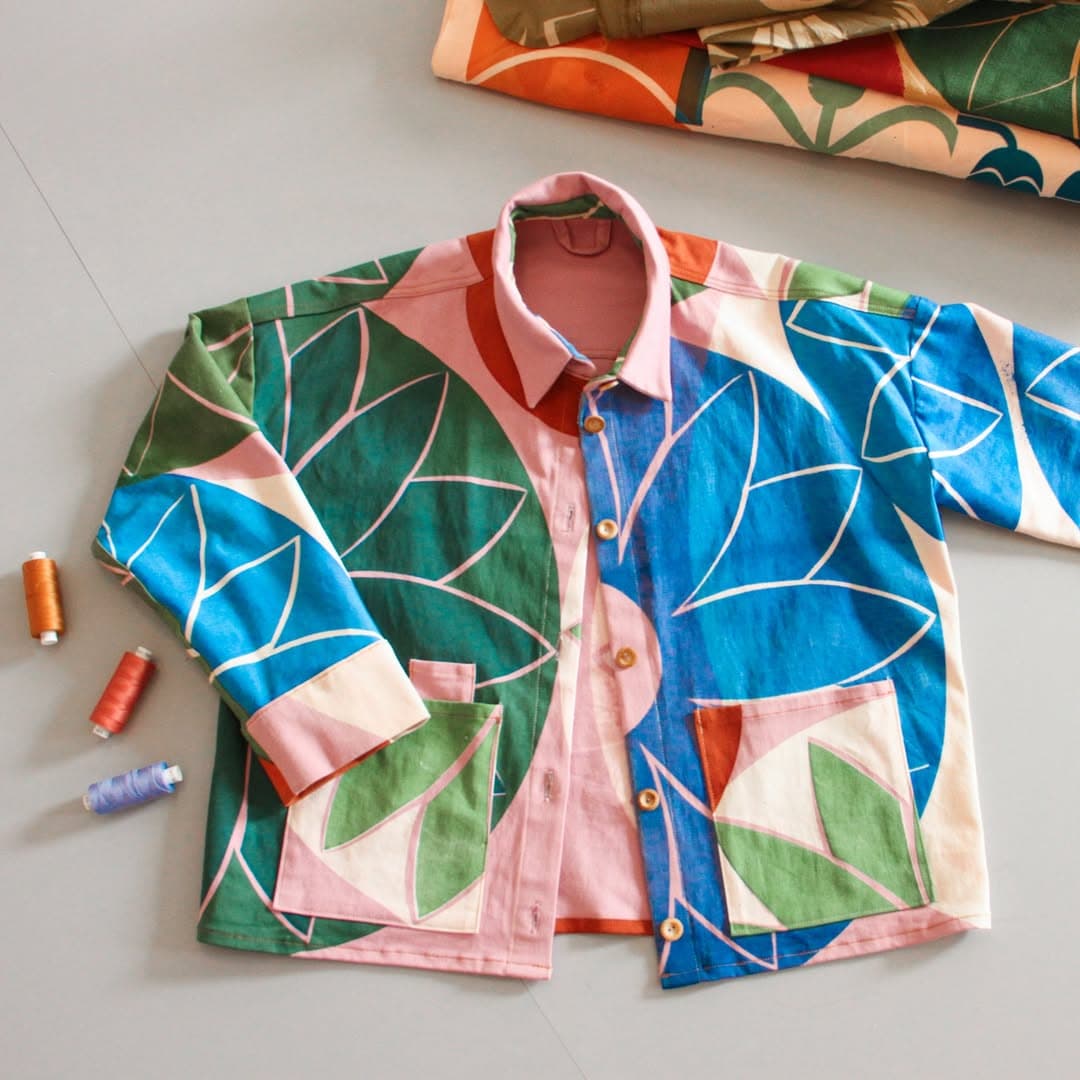
Inspiration
12. Where do you draw inspiration from for your work? What sparks your imagination and creativity?
I love bright and bold designs . Also, flowers, grasses, animals and trees. Nature is a constant source of inspiration, just look out your window and you have a pattern.
13. Do you have a favourite artist, maker, movement, or tradition that has influenced your craft?
I always find myself returning to the Bauhaus School of Art. I love Josef and Anni Albers. The clean crisp shapes from their work look so contemporary to me: beautiful satisfying circles and simple squares. The Bauhaus had such an inspirational attitude to design. For the Bauhaus, design is a considered and spiritual process.
Another huge inspiration is the amazing Hilna Af Klint. Her paintings are free, bright, expressive and on such a scale. I remember when I first saw her work I bought the book straight away, and became so obsessed with her paintings and her story. When I discover a designer I love to buy the book, listen to interviews and become immersed in their work.
A friend recently gifted me a beautiful hardback book of the work of Marimekko – the dream company in design and ethos! It was started by visionary Armi Ratia who converted an old oil cloth factory into an incredible textile printing studio where they printed huge scale fabulous designs. It’s a dream of mine one day to establish a textile collective in a disused building, creating sustainable and local textiles and building a local community of designers.
14. How does colour influence your practice; is it an important part of your process? Do you have a particular palette or favourites? Any go-to sources for colour inspiration?
I see the world through colour and remember it through colour. It really affects my mood. Even when I start a design using soft greys and a muted pallet, a bright colour will sneak its way in!
Colour leads my designs. It’s the first thing I work out. I like working with contrasting colours and seeing how colours relate to each other. A very pale pink next to a white looks muted, but next to a navy it pops. Screen printing limits my designs to 6 colours so the colours that are chosen need to be carefully considered. I create colour palettes through emulsion paint charts – a great way to quickly see what works together.
Perspectives and goals
15. What role does your environment play in shaping your creativity?
As I am writing this we are entering spring, which is my favourite season and brings me so much inspiration. The weather and the environment really affect how I create, when the world is warm and alive there’s nothing nicer to do than sit outside and paint designs.
16. What do you want people to feel when they experience your work?
I want my work to lift a space and brighten a room. My designs are quite bright and look best when picking up other colours.
17. What are you currently working on, and what excites you most about it?
I am currently figuring out how to hand print wallpaper. Paper works so differently to fabric and is used in a very different way. I love to think about how materials will be used and seen in a place and how this affects the design.
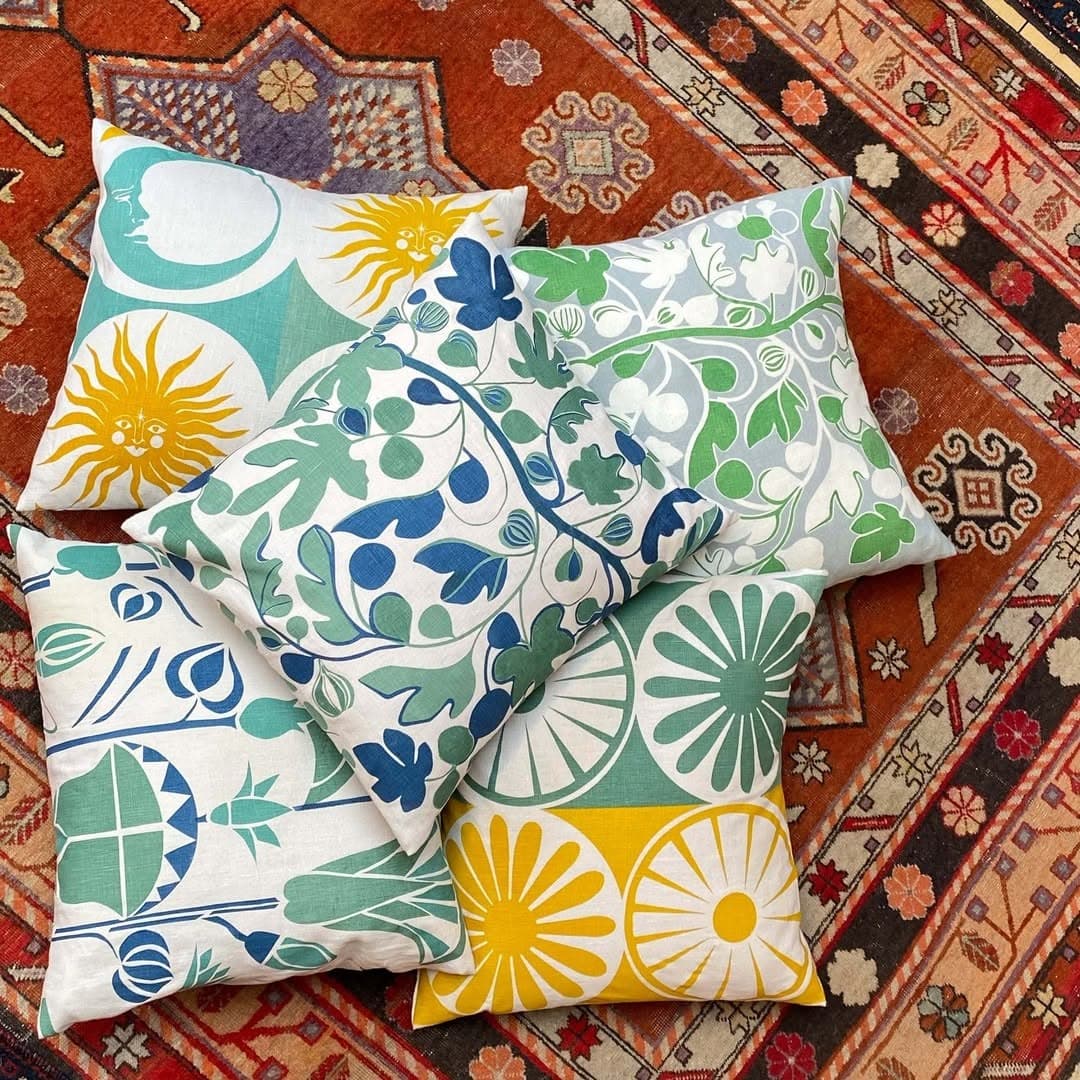
Advice and reflection
18. What advice would you give to someone starting out as a maker?
Being a maker can be tough, but it’s incredible to do what you love. Be slow, be perfect, be super proud of who you are and what you put out into the world. Also, something that many people have told me over the years, things always work in three.
19. If you could go back to the start of your career, what advice would you give your younger self?
Don’t take everything so seriously. You’re living your dream, have fun and enjoy the journey.
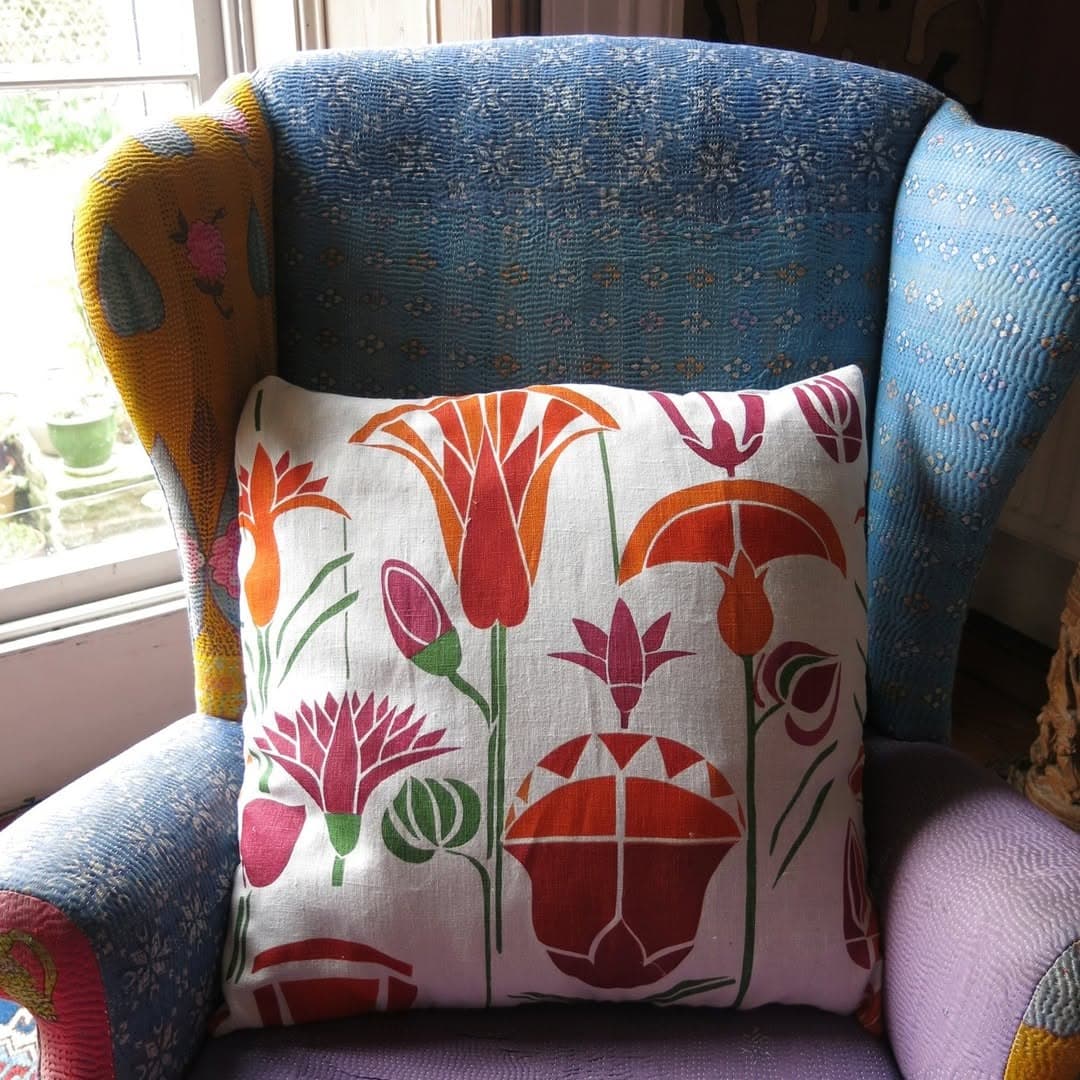
Closing thoughts
20. If you could collaborate with any artist, past or present, who would it be and why?
This is a fun question. Either William Morris or Mattissee
21. Where can people find your work, and how can they support you?
Mainly through our website: www.jessiedesalis.com. We have recently started selling through a company called Haines as one of their eco designers. We sell through interior designers, on some independent homeware online stores, some shops and hotels.
Jessie de Salis’ hand-printed fabrics blend bold storytelling, pastoral charm, and an appreciation for the handmade. Rooted in nature, her work honours the rhythm of the seasons and the beauty of variation, where every print holds its own quiet narrative.
Explore Jessie’s latest collections and follow her creative journey:
Support Jessie by browsing her website, discovering her joyful handmade pieces, and joining her colourful, creative world on Instagram.
Meet the Maker: Hodge Pots Approach to Conscious Clay
In this Q&A, we chat with Nikki Seymour, founder of Hodge Pots, about her journey into ceramics and the stories behind her joyful, hand-painted pieces. Nikki shares how travel, nature, and the buzz of North London inspire her designs, and opens up about the sustainable ethos at the heart of her practice. We delve into the rituals of her creative process, the challenges of building a small business rooted in craft, and the proud moments that keep her going, from studio milestones to seeing her pieces find homes near and far.
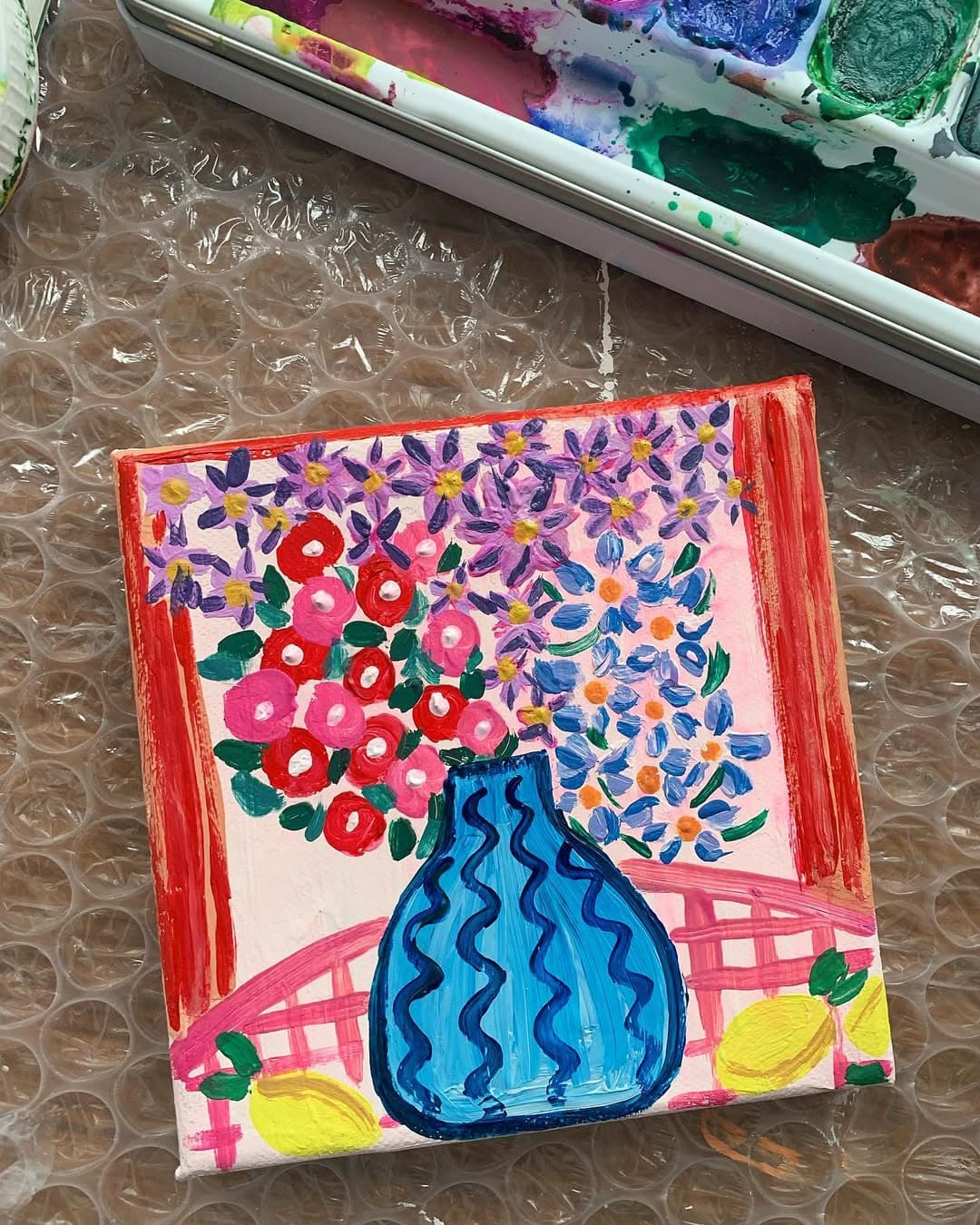
1. Can you tell us a bit about yourself and your artistic journey?
I’m Nikki, a North London-based artist with a background in fashion styling. For two decades, I worked with brands and luxury department stores like Selfridges and Harvey Nichols, styling shoots and curating window displays.
My journey with ceramics started unexpectedly during the pandemic. While on furlough, I needed a creative outlet and bought some clay, initially making pieces as gifts for friends and family. What started as a personal project quickly became something bigger—I fell in love with the process, and before I knew it, people were asking to buy my work. That’s when I realised I’d found something really special.
2. What inspired you to pursue your craft?
It all began with sharing my ceramics on Instagram—just as a way to document the process. But as more people started reaching out, asking if they could buy my pieces, I realised I had something worth pursuing.
Beyond that, working with clay is pure joy. It’s meditative, grounding, and offers a kind of creative freedom I hadn’t felt in years. Coming from the fashion world, where creativity is often shaped by external demands, ceramics gave me full control. There’s something really special about bringing an idea to life with your own hands, without anyone else’s say.
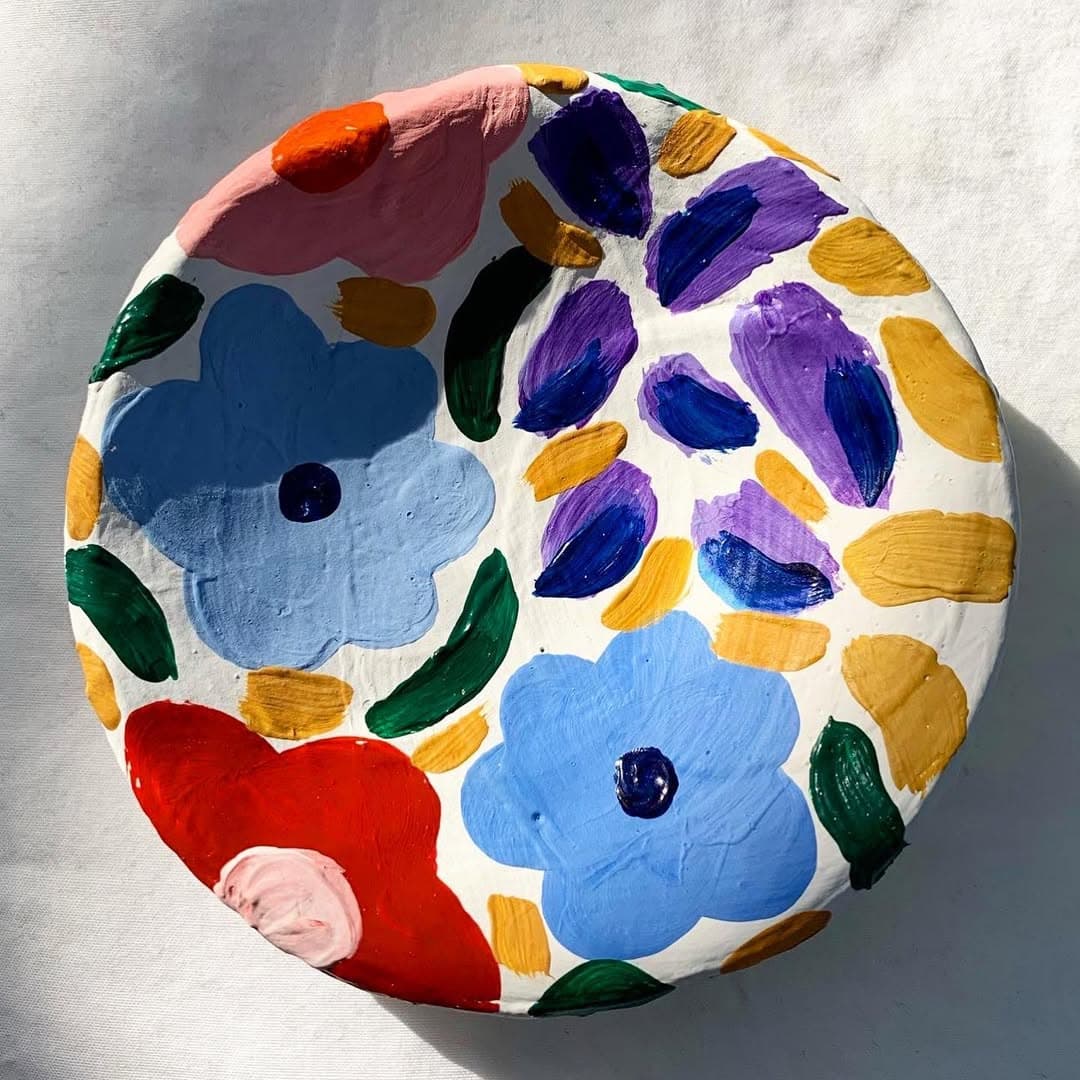
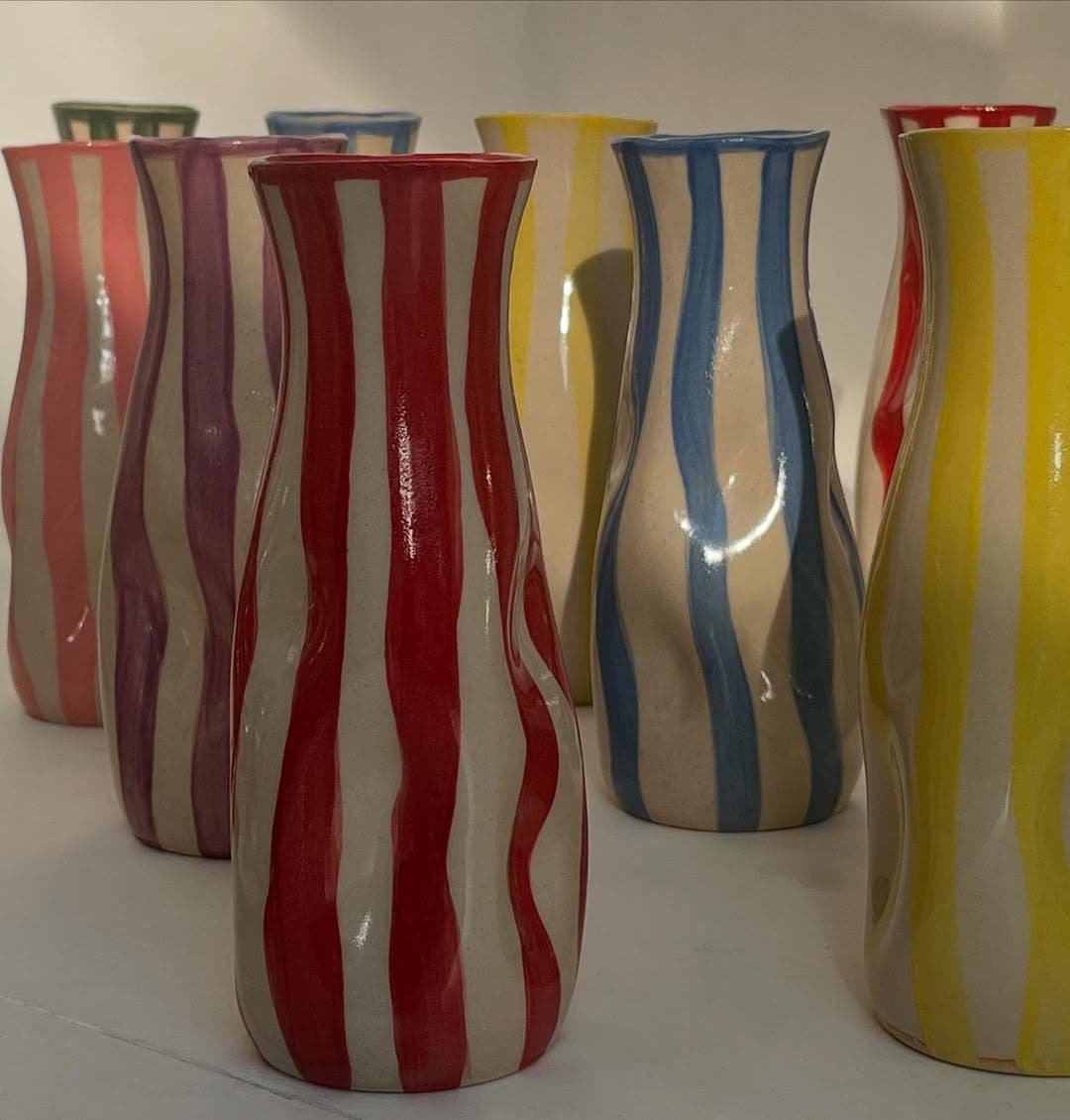
Your craft
3. How would you describe your work in three words?
Joyful, tactile, timeless.
4. What materials or techniques do you use, and why are they important to your process?
I hand-build all my pieces using stoneware clay. Sustainability matters to me, so I work with recycled clay that’s carefully processed by our studio technicians, ensuring nothing goes to waste.
I primarily use coiling and slab-building techniques, which allow me to create organic, sculptural shapes. And then, of course, there’s the colour—bold, bright glazes are a signature of my work. I love the way they transform a piece, bringing warmth, energy, and personality to each one.
5. Can you tell us about a favourite piece you’ve created and the story behind it?
One of my favourites has to be the 200 ceramic coasters I made for my sister’s wedding. Each one was bespoke, stamped with the date on the back, and crafted with so much love. It was such a meaningful project—knowing that something I created would be part of such a special day made every moment in the studio feel even more rewarding.
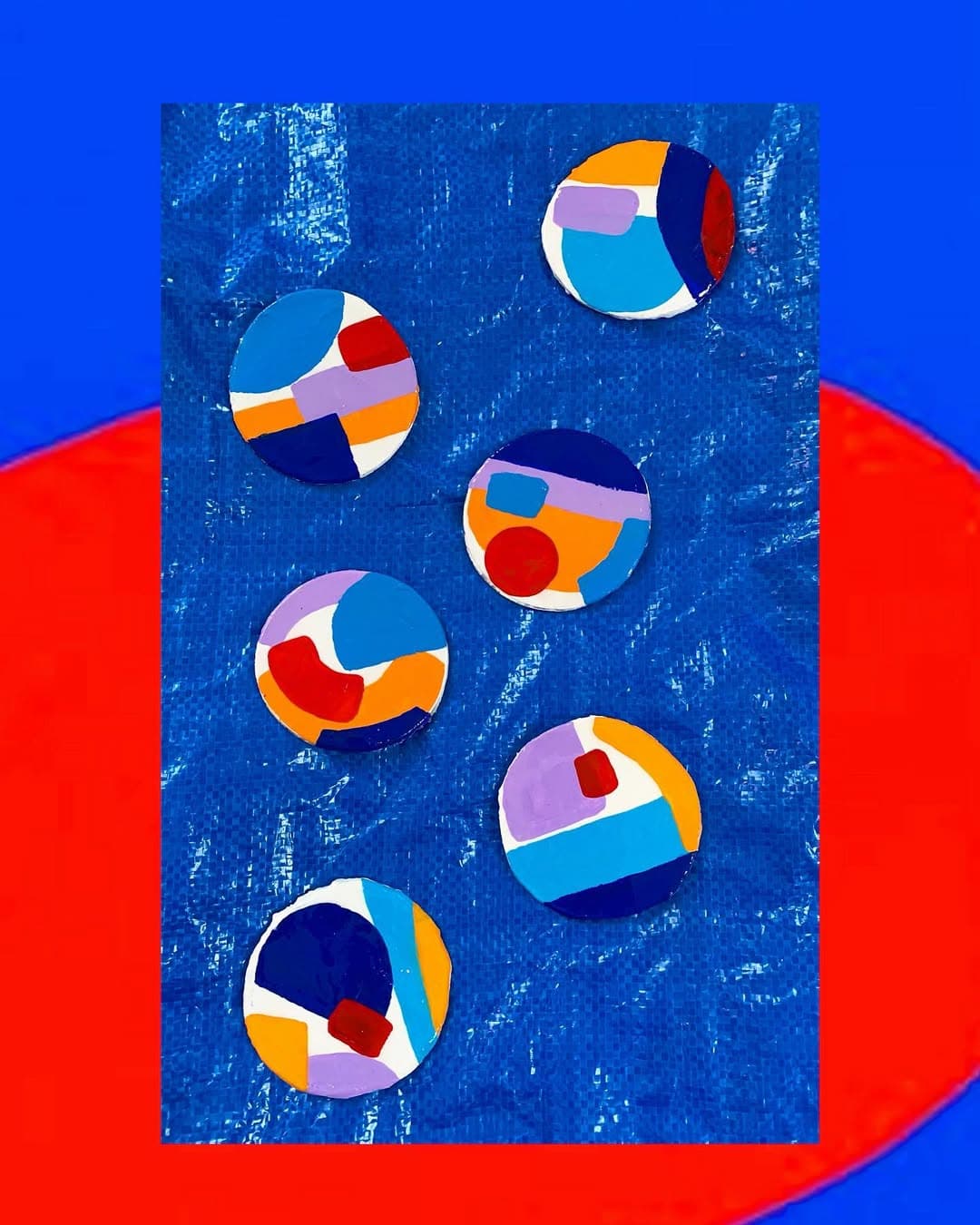
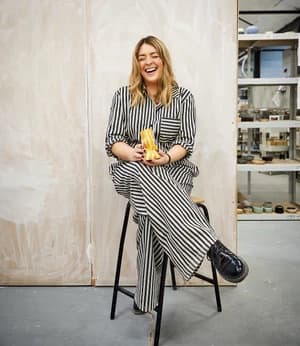
Creative process
6. What does a typical day in your studio look like?
My day starts with Yorkshire tea and settling into my favourite spot at the studio—it’s my little ritual. Then, depending on what’s on my to-do list, I might spend the morning hand-building new pieces, painting pots, or glazing. There’s something really satisfying about seeing a piece come to life, layer by layer. The process is both calming and energising, and I’m at my happiest when I’m fully immersed in it.
7. Do you have any unique rituals or habits that help you stay creative?
I always start my studio days with a mug of Yorkshire tea and a bit of quiet time, just to settle in. But beyond that, nature is a big source of inspiration for me—whether it’s a walk in the woods, time by the sea, or just paying attention to textures and colours around me. And when I feel creatively stuck, I step away. A change of scenery—whether that’s a walk, an exhibition, or just a break—almost always sparks something new.
8. How do you handle creative blocks?
I’ve learned to trust the process. If I feel blocked, I don’t try to force it—I step away, do something different, and let my brain reset. Sometimes, revisiting old sketches or experimenting with a new technique helps. And if all else fails, I remind myself that creativity isn’t linear—some of my best ideas have come when I least expected them.
Challenges and successes
9. What’s the biggest challenge you’ve faced as a maker, and how did you overcome it?
Balancing creativity with the business side of things. As my work grew, I found myself juggling orders, logistics, and marketing—all things that can take you away from the creative process. I’ve had to learn to set boundaries, manage my time better, and accept that I can’t do everything at once. Having a strong support system—friends, fellow makers, and the amazing technicians at my studio—has helped me stay focused on what I love most: making.
10. What’s been your proudest moment or achievement so far?
Being asked to be a founding member of Makers Made was a big moment. The sense of community, especially among women makers, has been incredible. Seeing my work evolve over the years, gaining recognition, and being featured in the press—each milestone reminds me of how far I’ve come. It’s humbling, exciting, and always pushes me forward.
11. What’s your favourite quote about your work?
“Pairing smooth sculptural vases with higgledy-piggledy pots is a playful reminder to celebrate imperfection.”
- Homes writer Mandy Ando for Country Living UK

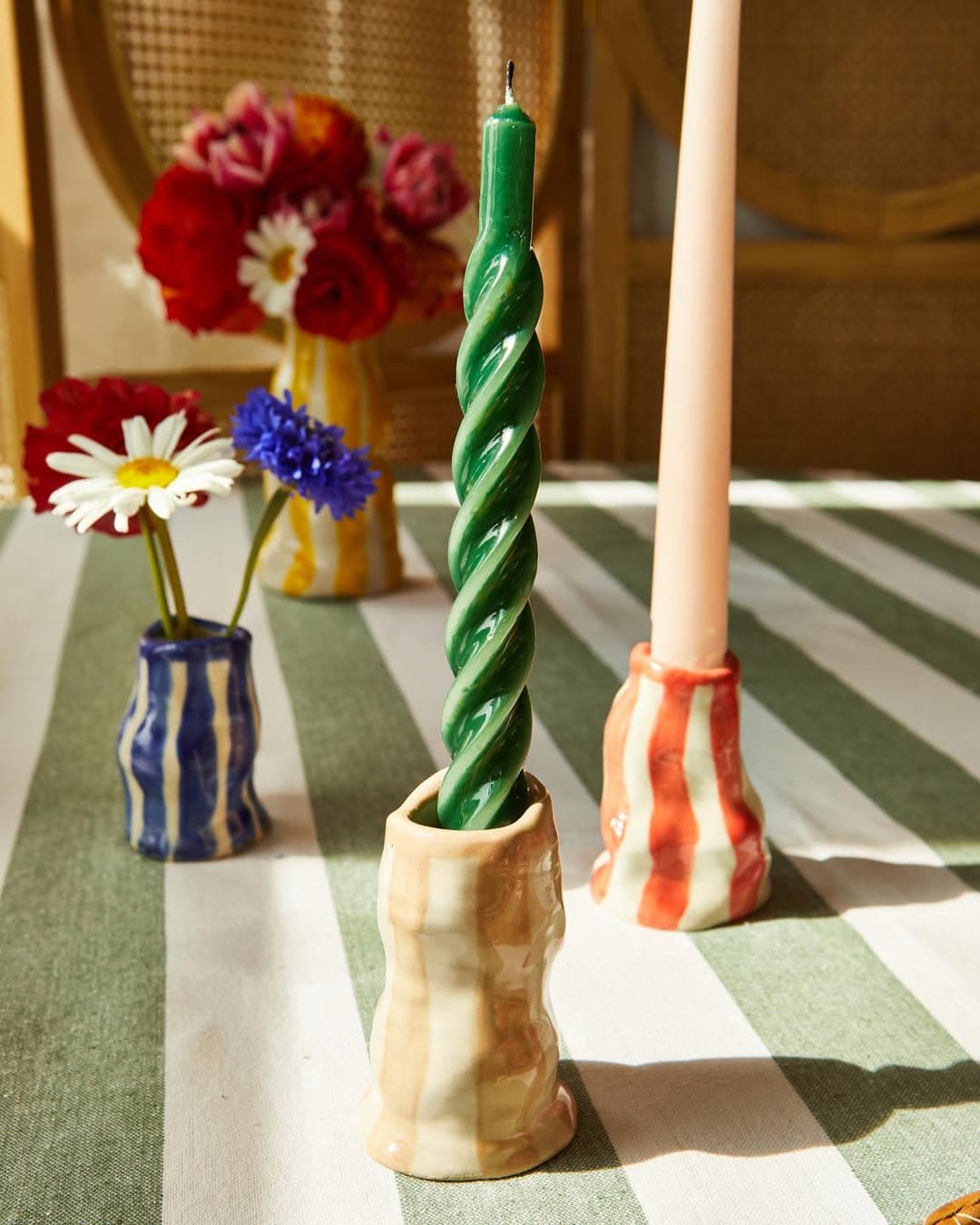
Inspiration
12. Where do you draw inspiration from for your work? What sparks your imagination and creativity?
Travel plays a huge role in sparking my creativity. A recent trip to Porto, with its stunning ceramics and tiled buildings, really set my imagination alight. Nature is another big influence—whether it’s the colours, textures, or shapes I find at the beach, in the woods, or wandering through the British countryside. Living in London also keeps me inspired, with its vibrant multicultural energy and all the exhibitions, festivals, and art happening around me.
13. Do you have a favourite artist, maker, movement, or tradition that has influenced your craft?
On a personal note, my grandad was a pottery and art teacher, so I grew up surrounded by his creations, which definitely shaped my appreciation for ceramics. My parents have a beautiful collection from artists like Springfield Pottery, Clive Bowen, and Sandy Brown. Last summer, I was fortunate enough to visit the studios of some of these incredible potters in Devon, and I even had the chance to try throwing with Philip and Franny Leach. The ceramic culture in that region left a lasting impression on me. I also draw a lot of inspiration from the Bloomsbury Group, particularly the Charleston Trust and Lee Miller’s house nearby. Those spaces are a real well of inspiration.
14. How does colour influence your practice; is it an important part of your process? Do you have a particular palette or favourites? Any go-to sources for colour inspiration?
Colour is a huge part of my practice—always has been. When I started creating Hodge Pots, the world felt a little gloomy, so I wanted to make a joyful, vibrant collection filled with bold colours and playful designs. Colour inspiration comes from absolutely everywhere: fashion shows, nature, magazines, even architecture and packaging! I’m especially drawn to different shades of green, along with blues and pinks—honestly, all of it speaks to me.
Perspectives and goals
15. What role does your environment play in shaping your creativity?
My environment has a huge impact on my creativity. Living in North London, I’m constantly surrounded by energy, diversity, and art. It pushes me to think in new ways, explore different influences, and incorporate elements of the city’s eclectic spirit into my work. Whether it’s the buzz of the streets or the peaceful moments in nature, everything around me feeds into my creative process.
16. What do you want people to feel when they experience your work?
I want people to feel joy, fun, and warmth when they experience my work. I aim to create pieces that invite a sense of playfulness and make people smile. There’s a real warmth of spirit in what I make, and I hope it brings a little brightness into people’s lives.
17. What are you currently working on, and what excites you most about it?
Right now, I’m working on some exciting collaborations and workshops that will lead to an adventurous summer. It’s all a bit hush-hush for now, but I’m really looking forward to seeing where these projects take me and the new creative connections they’ll bring.
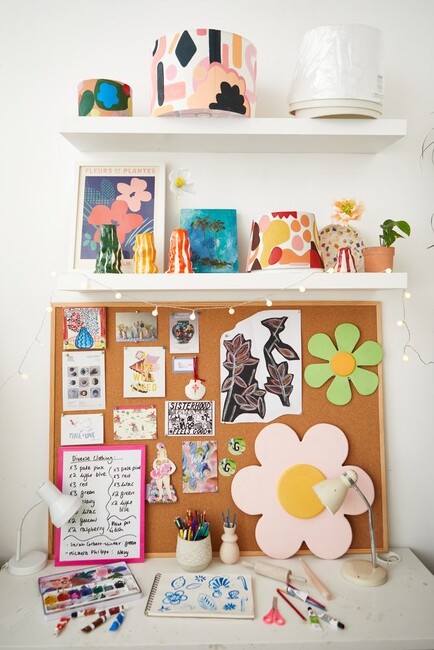
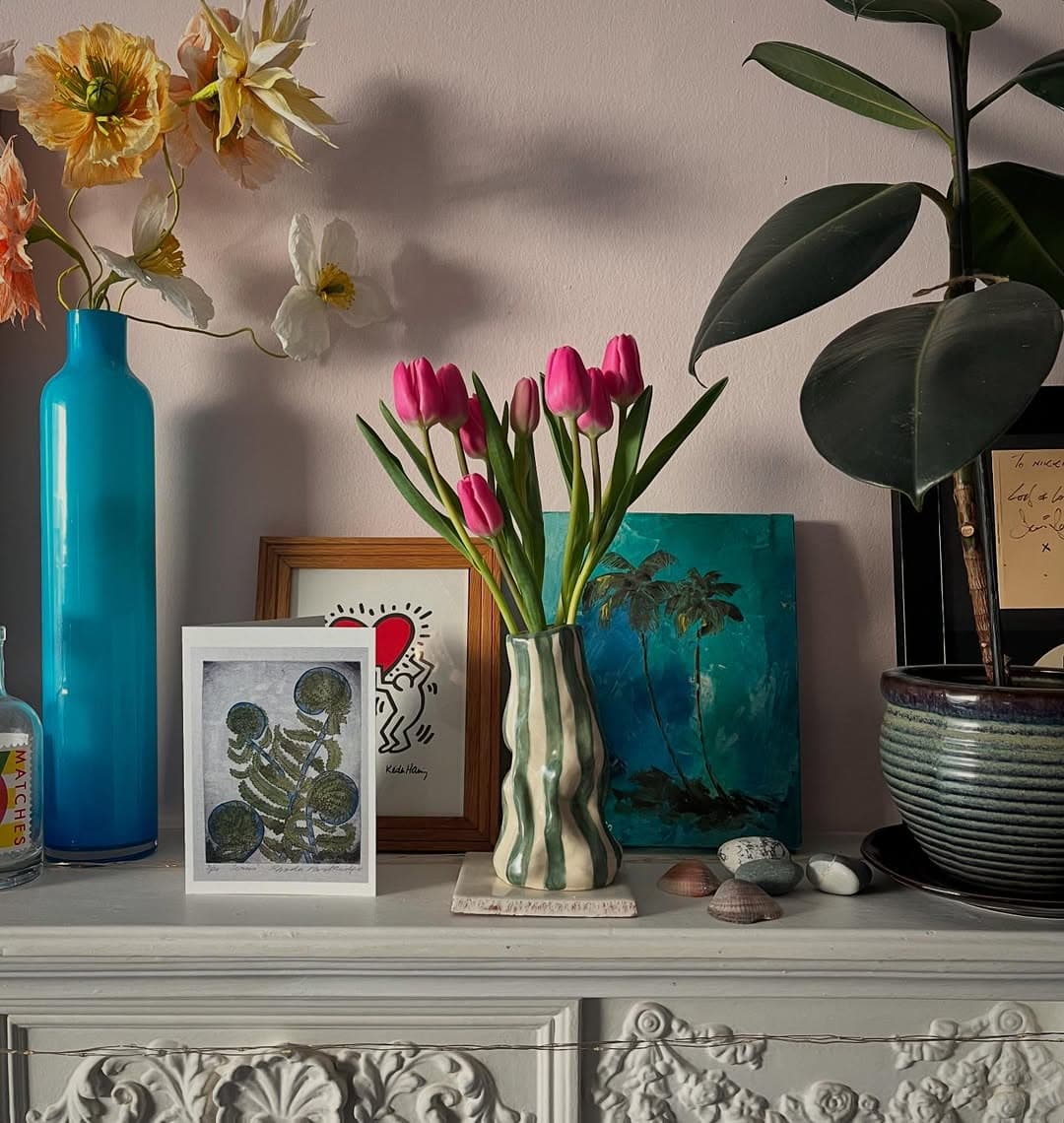
Advice and reflection
18. What advice would you give to someone starting out as a maker?
My advice would be to stay authentic to yourself—make for yourself first and foremost. If you’re true to your own vision, everything else will follow. Don’t get caught up in what others expect of you.
19. If you could go back to the start of your career, what advice would you give your younger self?
Honestly, I wouldn’t change a thing. Even the mistakes have been part of my journey and helped refine my craft and my direction. Every experience—good or bad—shapes the path you’re meant to follow.
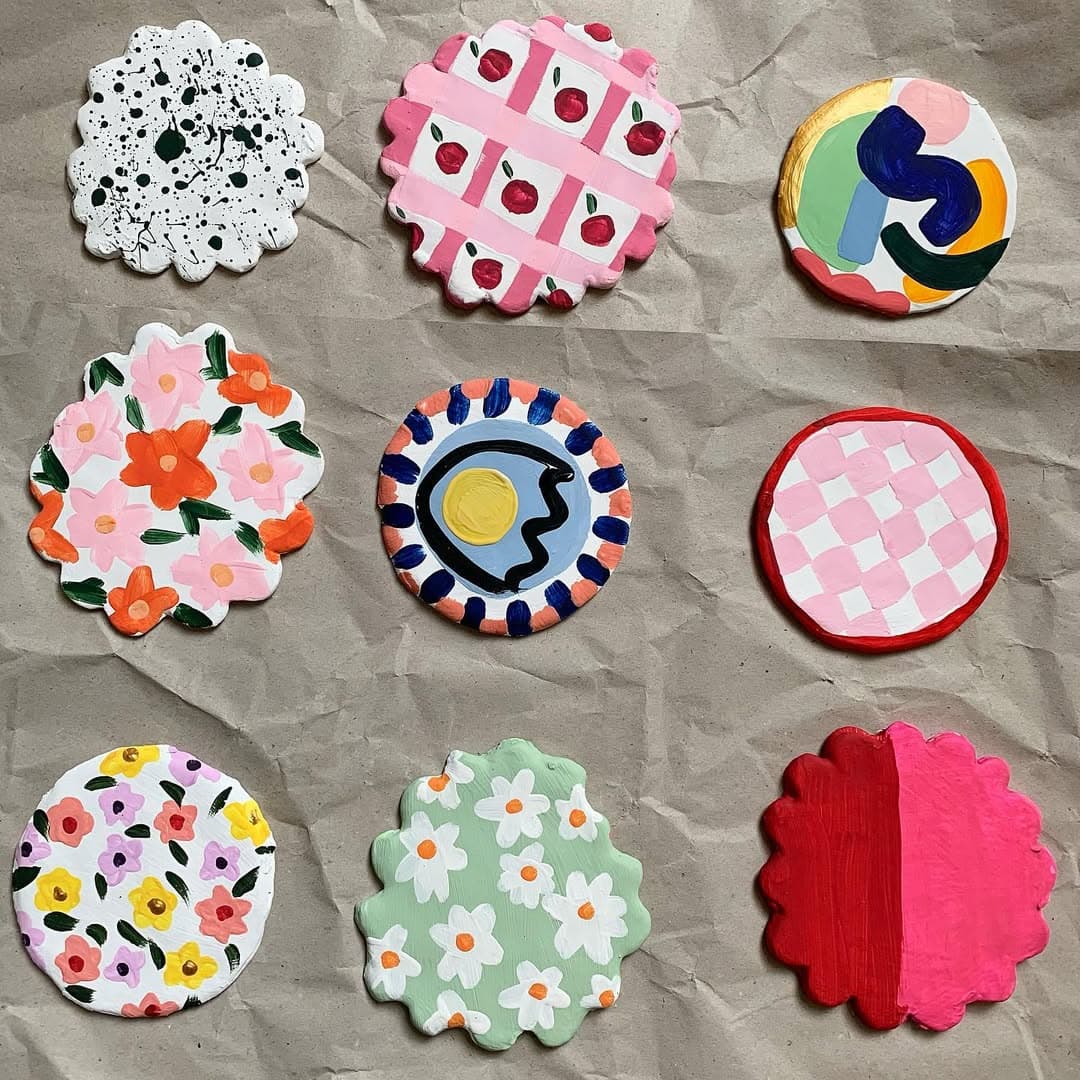
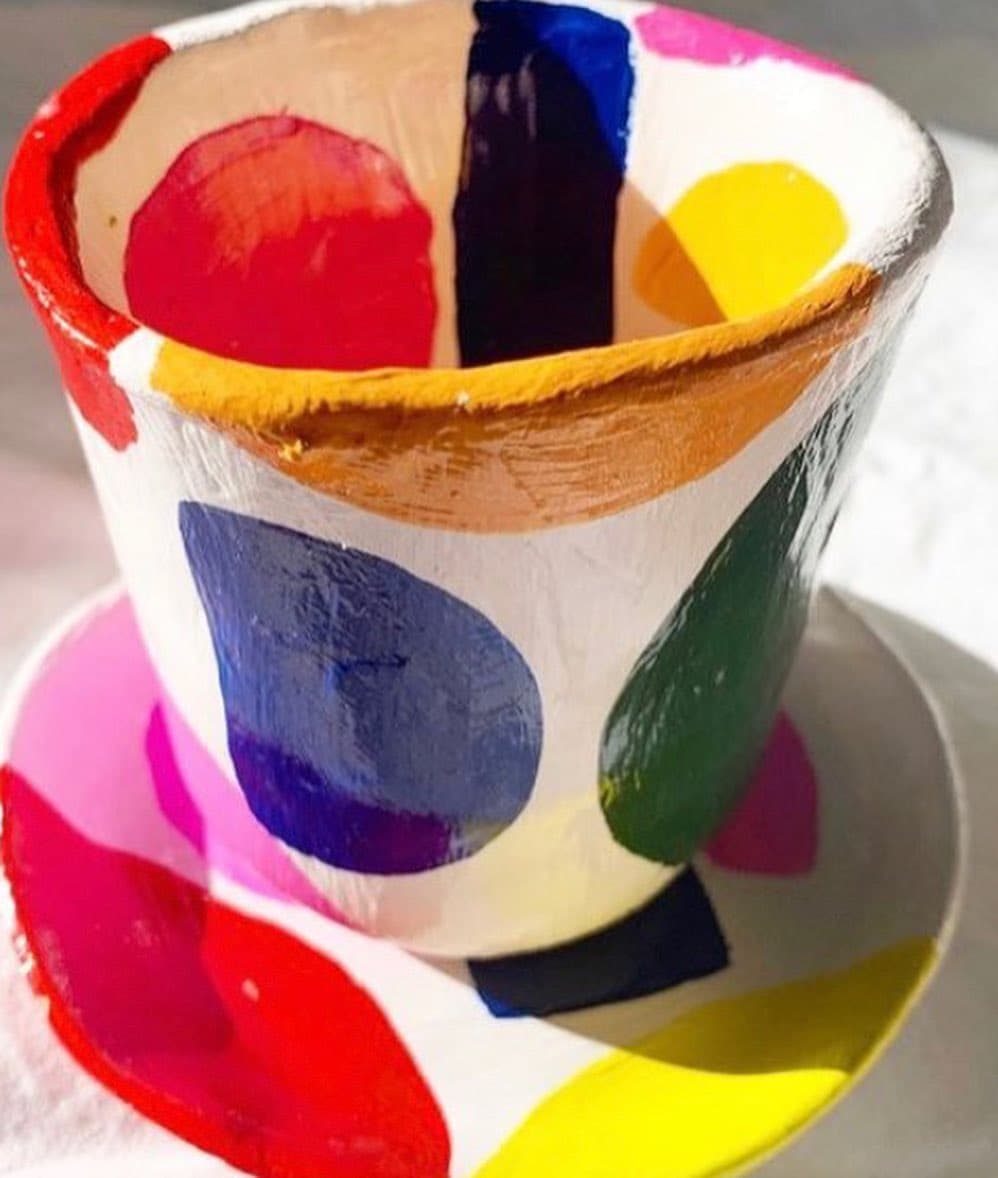
Closing thoughts
20. If you could collaborate with any artist, past or present, who would it be and why?
Without a doubt, I would collaborate with my grandad. He was such a huge influence on me, and it would be incredible to bring our creative worlds together.
21. Where can people find your work, and how can they support you?
You can find my work on Wonderful Makers Made, Maison Flaneur, and Dominca Marland. Of course, you can also visit my website, www.hodgepots.com, to see more of what I’m creating and how you can support my work.
Nikki Seymour’s hand-painted ceramics celebrate colour, sustainability, and a deep connection to place. Through Hodge Pots, she brings together playful design, conscious making, and a love for everyday beauty, crafting pieces that are as thoughtful as they are joyful.
Explore Nikki’s latest collections and follow her creative journey:
Support Nikki by visiting her website, exploring her characterful ceramic pieces, and following along with the joyful rhythm of her studio life on Instagram.
Meet the Maker: Harriet Says Hi, Serving Up Playful Homewares
In this Q&A, we chat with Harriet Says Hi about discovering her passion for tufting, the joy of creating tactile homewares, and how her playful, food-inspired designs came to life.
Harriet opens up about drawing inspiration from supermarket aisles, the unique rituals behind her creative process, and the challenges and triumphs of balancing creativity alongside a full-time job. She also shares her proudest moments, including curating a foodie-themed pop-up, overcoming creative insecurities, and her excitement about expanding her popular bath mat range.
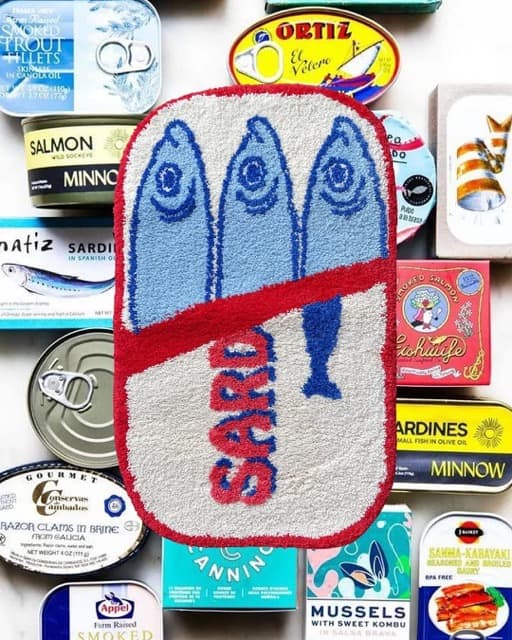
1. Can you tell us a bit about yourself and your artistic journey?
I have always been very creative, but never found a medium that I felt really fit me. After being inspired by all the brilliant tufting artists through social media, I decided to try it out and really loved the hands-on experience of creating my own textile art. This gave me an extremely fulfilling opportunity to create my own cushions and rugs, finally feeling as if I could express myself in a medium that felt right.
After developing my foodie-themed style, I branched out into designing blankets, bath mats, and accessories – enabling me to create more accessible products.
2. What inspired you to pursue your craft? Was there a defining moment or influence that sparked your passion?
I’m sure we’ve all been heavily influenced by social media to try new things, and a few years ago there was a huge tufting-phenomenon that felt like it took over the creative industry. I loved the way you could use a hand-held machine to create art with wool, and turning this art into tactile, useable cushions felt like a huge breakthrough for me.
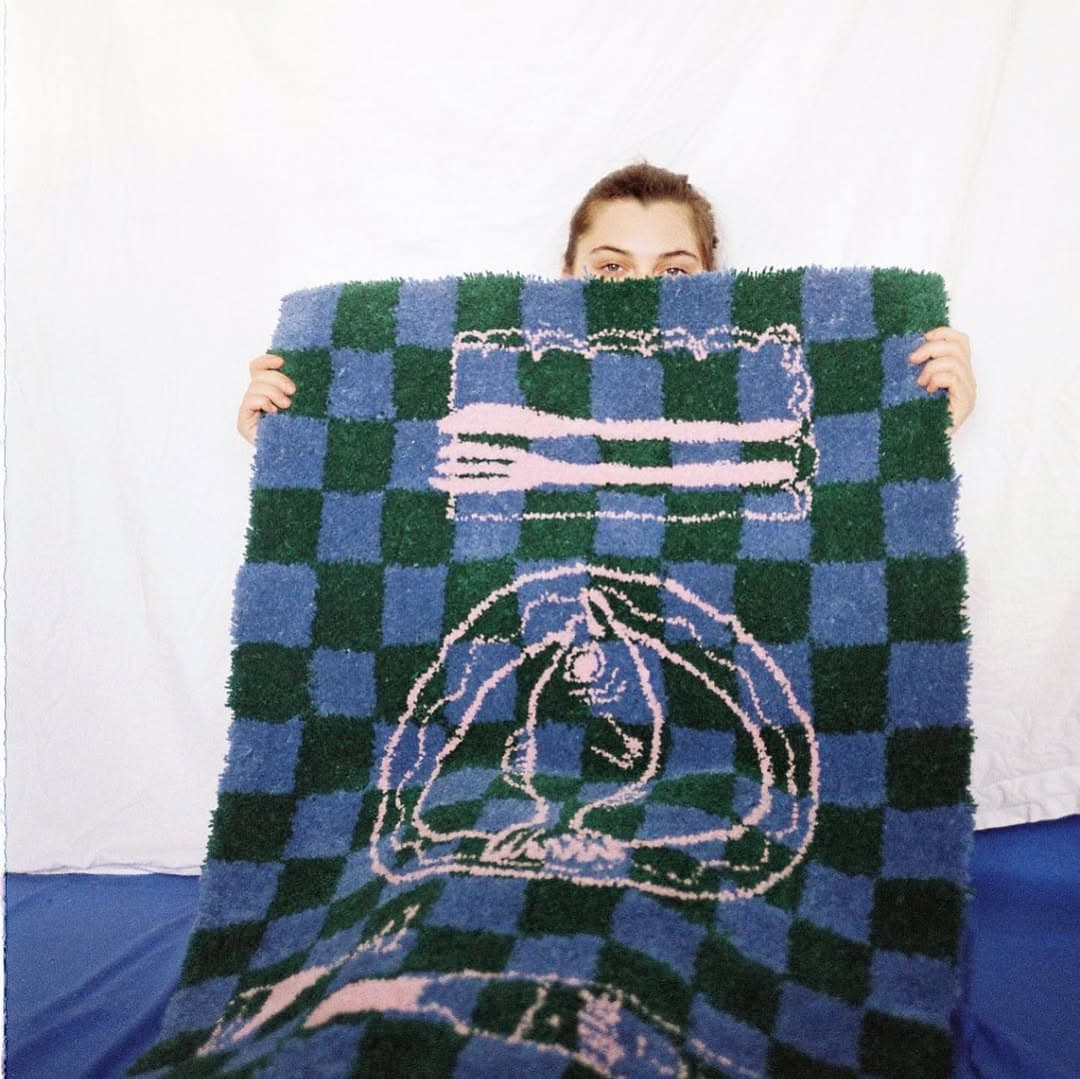
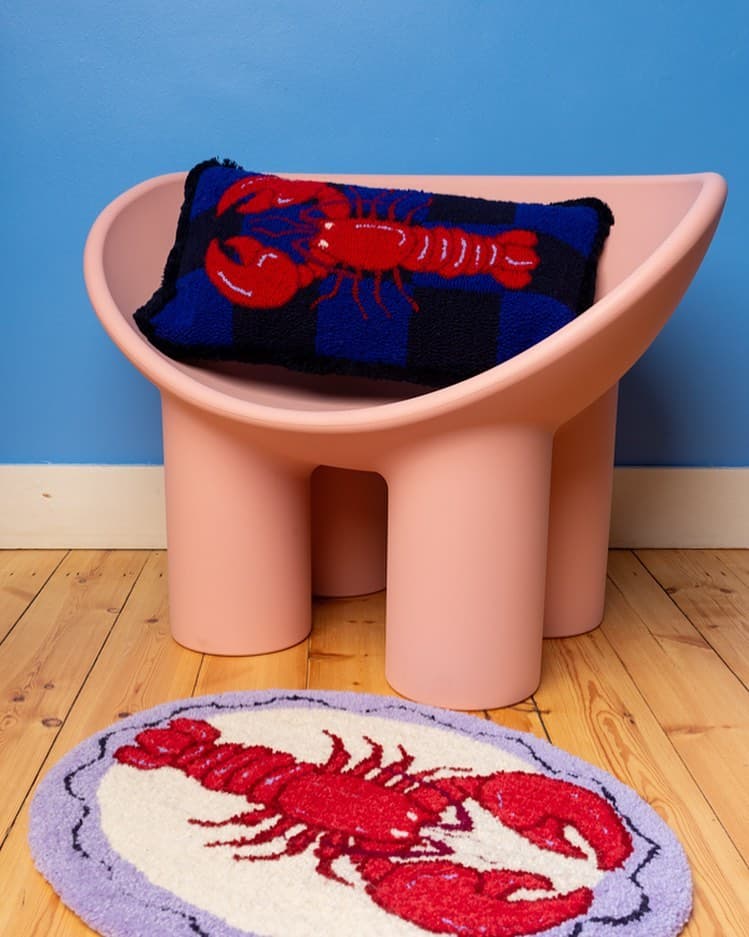
Your craft
3. How would you describe your work in three words?
Quirky, vibrant, and tactile.
4. What materials or techniques do you use, and why are they important to your process?
For tufting, I use a loop-pile tufting gun and deadstock Axminster wool to create my cushions. I also use a cut-pile tufting gun to create rugs, as this method forms a shaggy pile effect.
5. Can you tell us about a favourite piece you’ve created and the story behind it?
My favourite piece is probably my salt-and-pepper cushion. I love the weirdness of the vibrant red salt-and-pepper pots, boldly sat on a black and white checkered table, with an intense cobalt blue background and luxurious navy fringed trim around the outside. It was a piece that I always look back fondly on as it was the first moment I really felt a sense of pride in creating. These silly salt-and-pepper pots just spark a lot of joy for me.
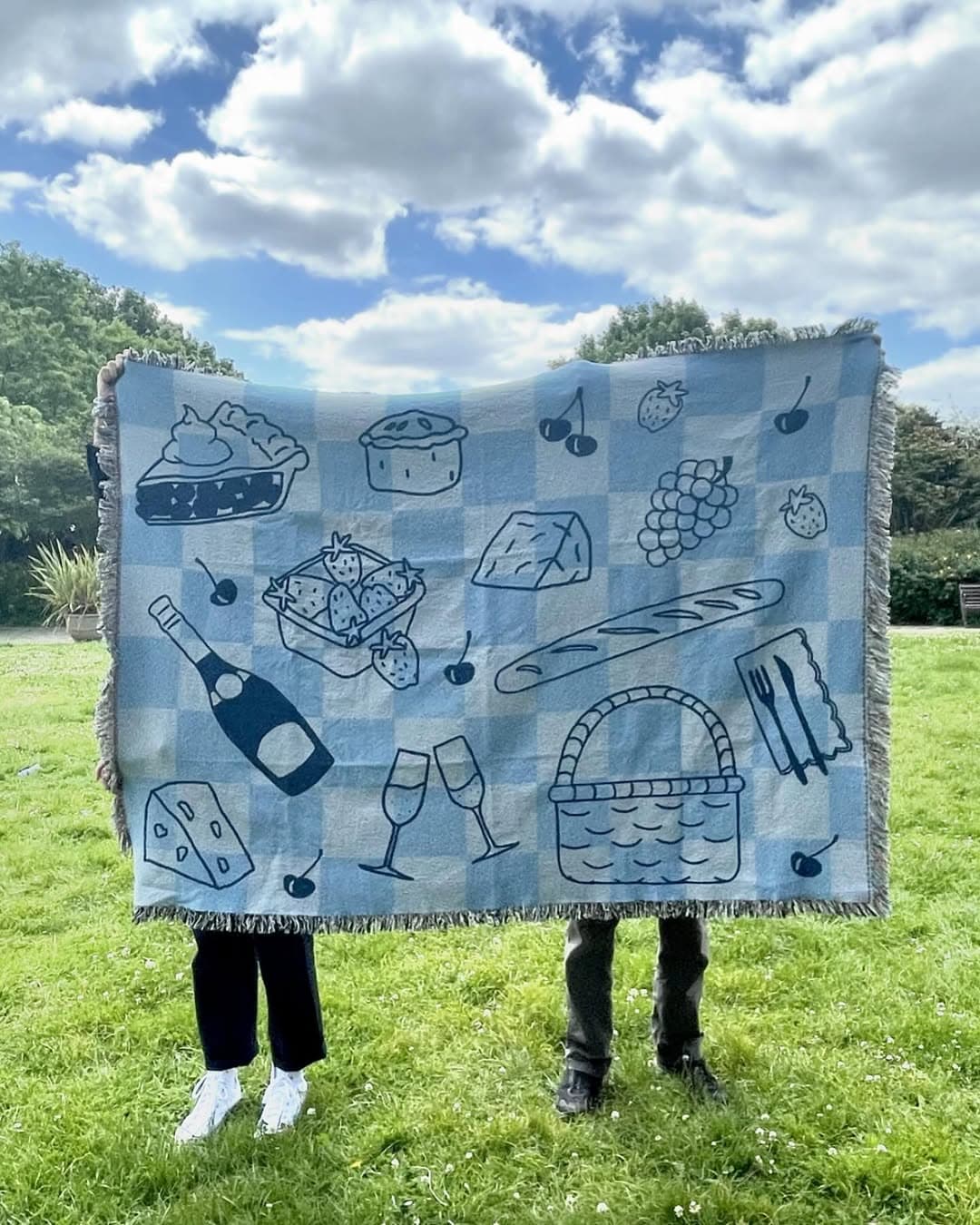
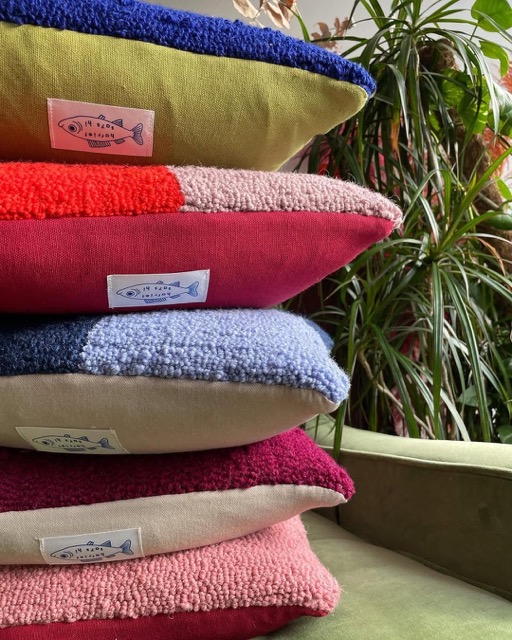
Creative process
6. What does a typical day in your studio or workshop look like?
I currently run Harriet Says Hi alongside my full-time PR agency job, so a typical day of running my business is squeezed into late-night designing, tufting, and packing orders.
7. Do you have any unique rituals or habits that help you stay creative?
I wouldn’t say its particularly unique, but as my work revolves around food, I often take way to long in the supermarket looking around at all the funky packaging and products to draw inspiration from.
8. How do you handle creative blocks? Do you have any strategies or tips for overcoming them?
I like to put all my devices away and get my trusty notebook and pen out. I do some terrible shaky hand drawing of ideas I have stuck in my head and go back to basics before digitally designing pieces.
Challenges and successes
9. What’s the biggest challenge you’ve faced as a maker, and how did you overcome it?
I think my biggest challenge are my own insecurities. Social media is a great place to connect and market yourself as a maker, but I think it can also have a negative effect sometimes when you compare yourself to others.
10. What’s been your proudest moment or achievement so far?
I’ve always loved the idea of owning my own foodie-themed shop, and last year I curated a foodie-themed pop-up, bringing together 20 small businesses and deli-products under one roof. It took a lot of work, and I was so proud of what I had pulled off. Being surrounded by so many talented people’s work was amazing, and I had so much fun curating the space.
11. What’s your favourite quote you’ve ever heard about your work? Who said it, or what was the name of the publication?
"Grab the bubbly and a baguette, for it would be rude not to adhere to the menu artfully illustrated on this charming blanket by Harriet Says Hi"
- THE TIMES
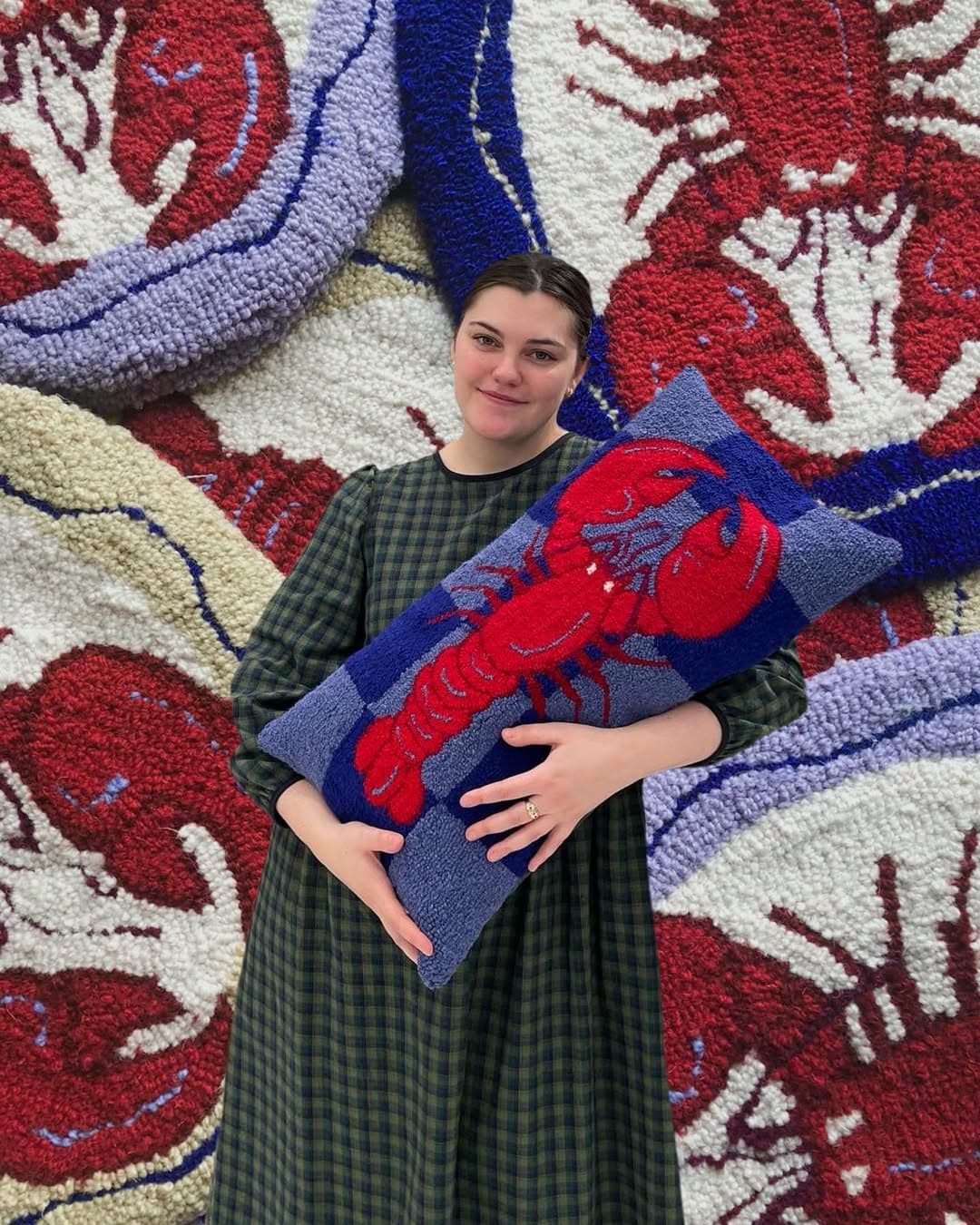
Inspiration
12. Where do you draw inspiration from for your work? What sparks your imagination and creativity?
Food glorious food! Wandering the aisles of the supermarket and quirky deli shops is where you’ll find me. I love creating pieces centred around people’s favourite memories based around food.
13. How does colour influence your practice; is it an important part of your process? Do you have a particular palette or favourites? Any go-to sources for colour inspiration?
I love contrasting colours, and predominantly use blues and reds together.
Perspectives and goals
14. What do you want people to feel when they experience your work?
Food plays such a huge role in all our lives, and I’d love to think people see my pieces and draw on memories from their own experiences with food and loved ones.
15. What are you currently working on, and what excites you most about it?
I’m currently developing a wider range of my foodie-themed bath mats – they have been doing so well and I have more weird and wonderful designs in the works. I love that people can elevate their bath rooms with a giant slab of butter as a bath mat.
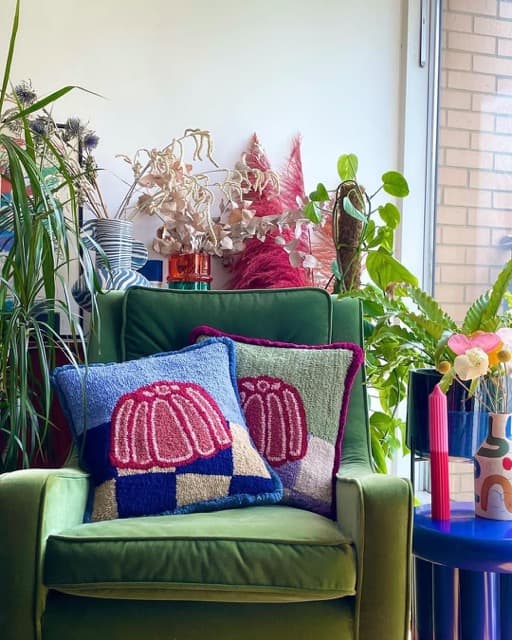
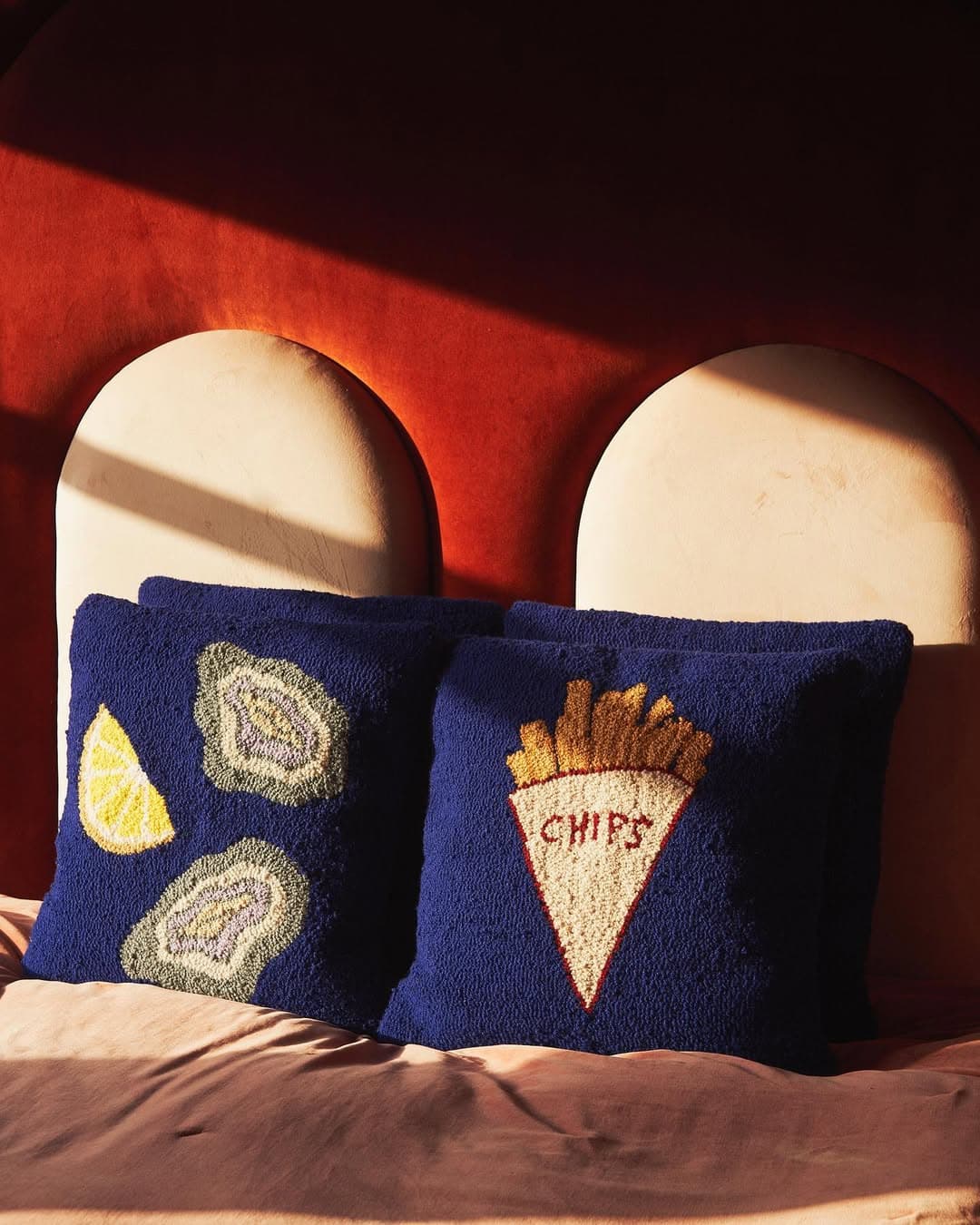
Advice and reflection
16. What advice would you give to someone starting out as a maker?
Form your own circle of creatives. Being a maker can feel quite lonely sometimes, but having people around you that you can bounce ideas off, cheerlead each other, and confide in, is really important.
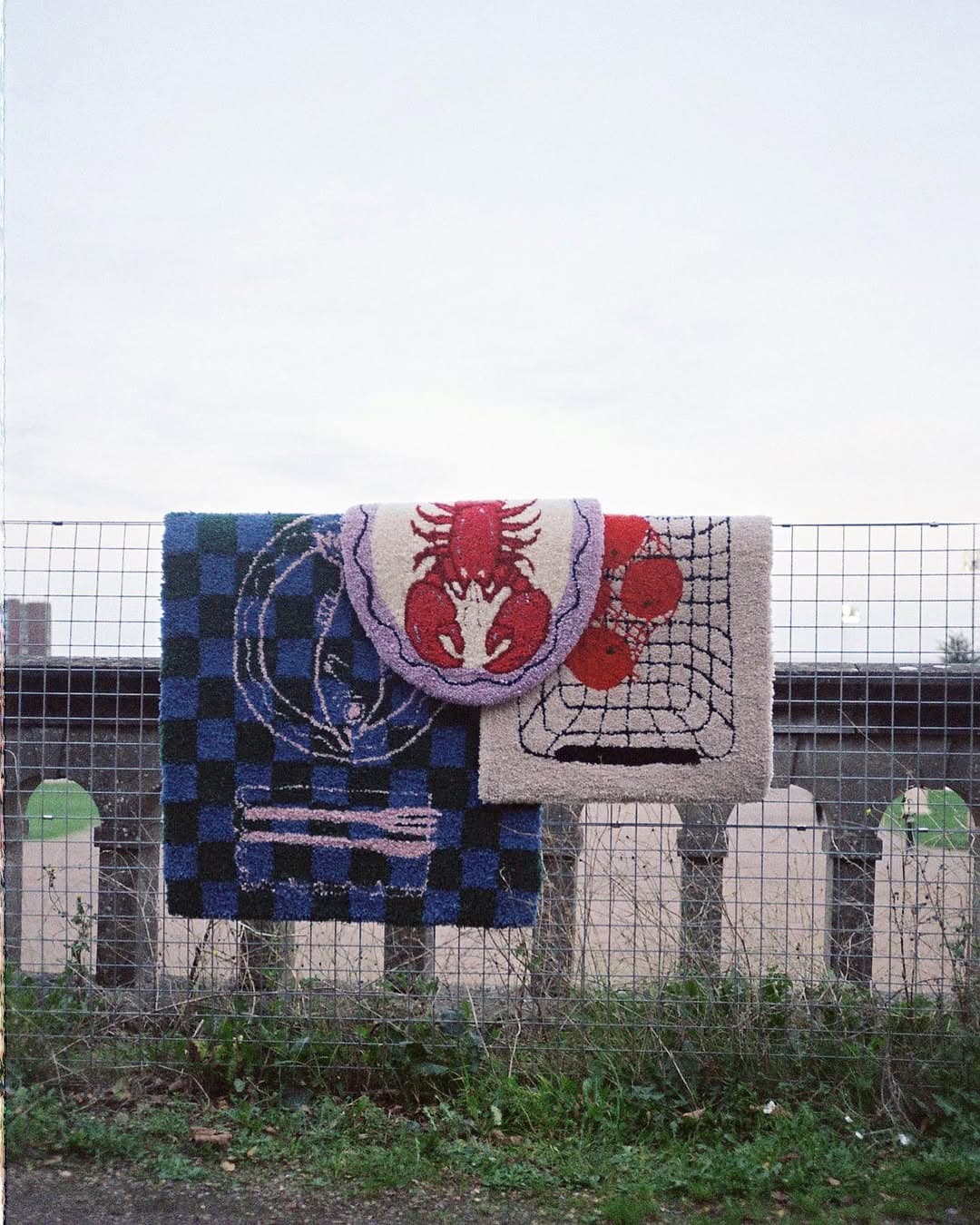
Closing thoughts
17. Where can people find your work, and how can they support you?
I’m lucky enough to be stocked in some fabulous shops and online market places. My website is the place to go for new pieces and popular products, and once in a while you’ll find me at a market too.
Harriet Says Hi’s playful, foodie-inspired pieces blend vibrant colours, quirky concepts, and comforting tactile design. From joyful bath mats to whimsical cushions, her creations encourage us to savour life’s small pleasures and celebrate the memories we create around the table.
Explore Harriet’s latest collections and follow her creative journey:
Support Harriet by visiting her website, exploring her delightful creations, and connecting with her vibrant community on Instagram and at markets and pop-ups near you.
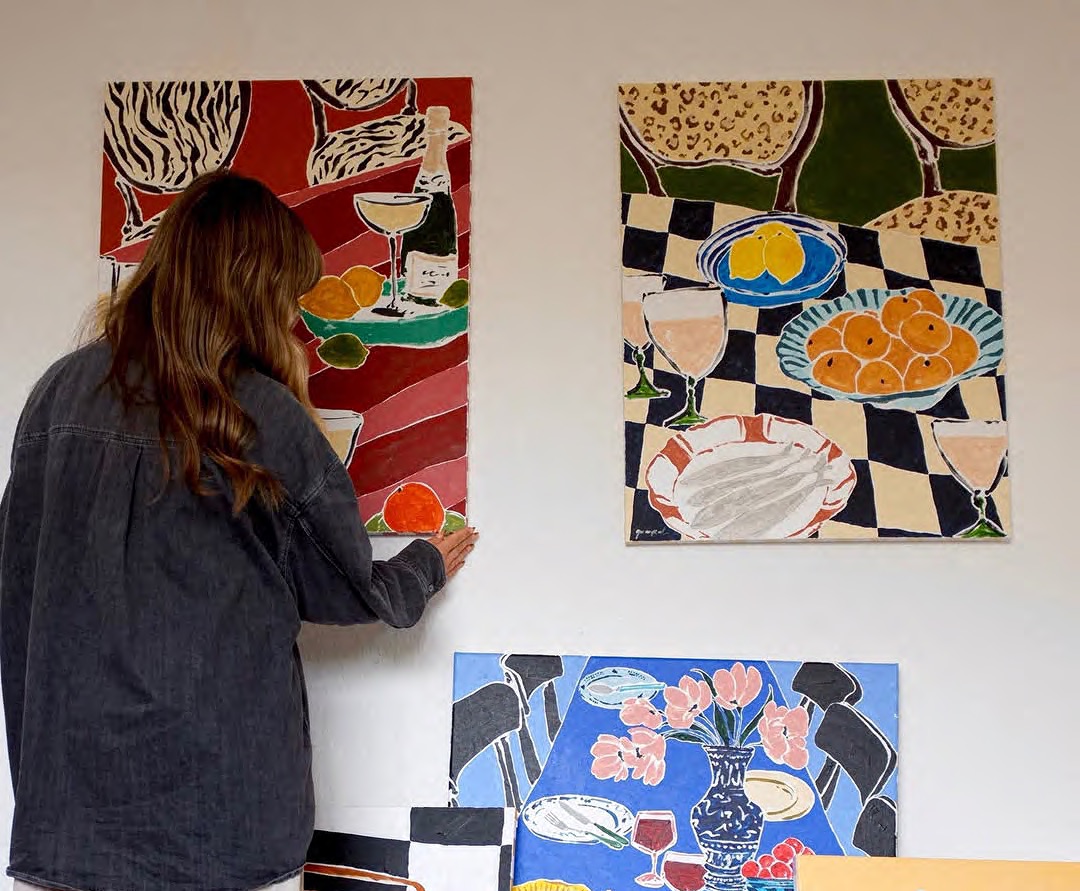
Meet the Maker: The Jazzy, Expressive World of Grace Percival
From her early love of fashion and textiles to collaborating with renowned brands, Grace Percival’s creative journey has been colourful, spontaneous, and filled with playful expression. With inspirations ranging from antique ceramics to bustling wine bars, her artwork captures everyday charm in a uniquely vibrant style. Here, Grace shares insights into her creative habits, her passion for vivid colours, and why coffee and tiny brushes are essential to her process.
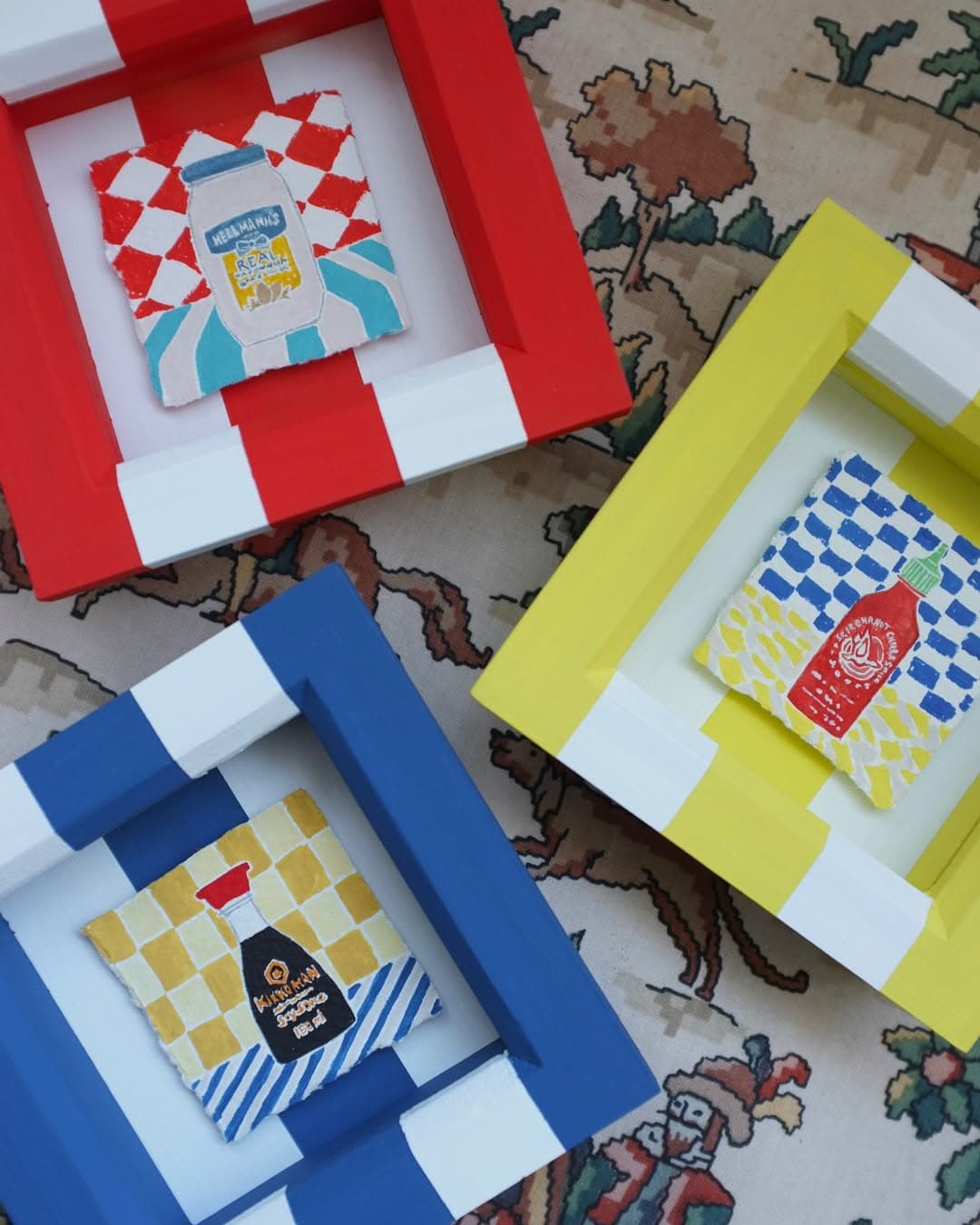
1. Can you tell us a bit about yourself and your artistic journey?
After studying fashion and textiles I thought I wanted to work in Bridal wear, this however, was short lived.
I then went on to search for a new route but wasn’t sure what I wanted to do. I came across an advert on a job site – on reflection, a very cheesy advert – for an internship that asked, “Do you love painting? Do you love drawing?” I decided I did love both of those things so took a shot.
After interning for a couple of solid years, I became a print designer selling to multiple different brands, before going freelance and working for a bunch of studios which I still do now.
Ultimately though, I love creating my own pieces which I started fairly recently. I really like the freedom and complete control: It’s great. I found it a bit daunting at the beginning but really sometimes you just need to start.
2. What inspired you to pursue your craft? Was there a defining moment or influence that sparked your passion?
Has to be my dad, he is amazing at all things creative. He’s always been my biggest influence.
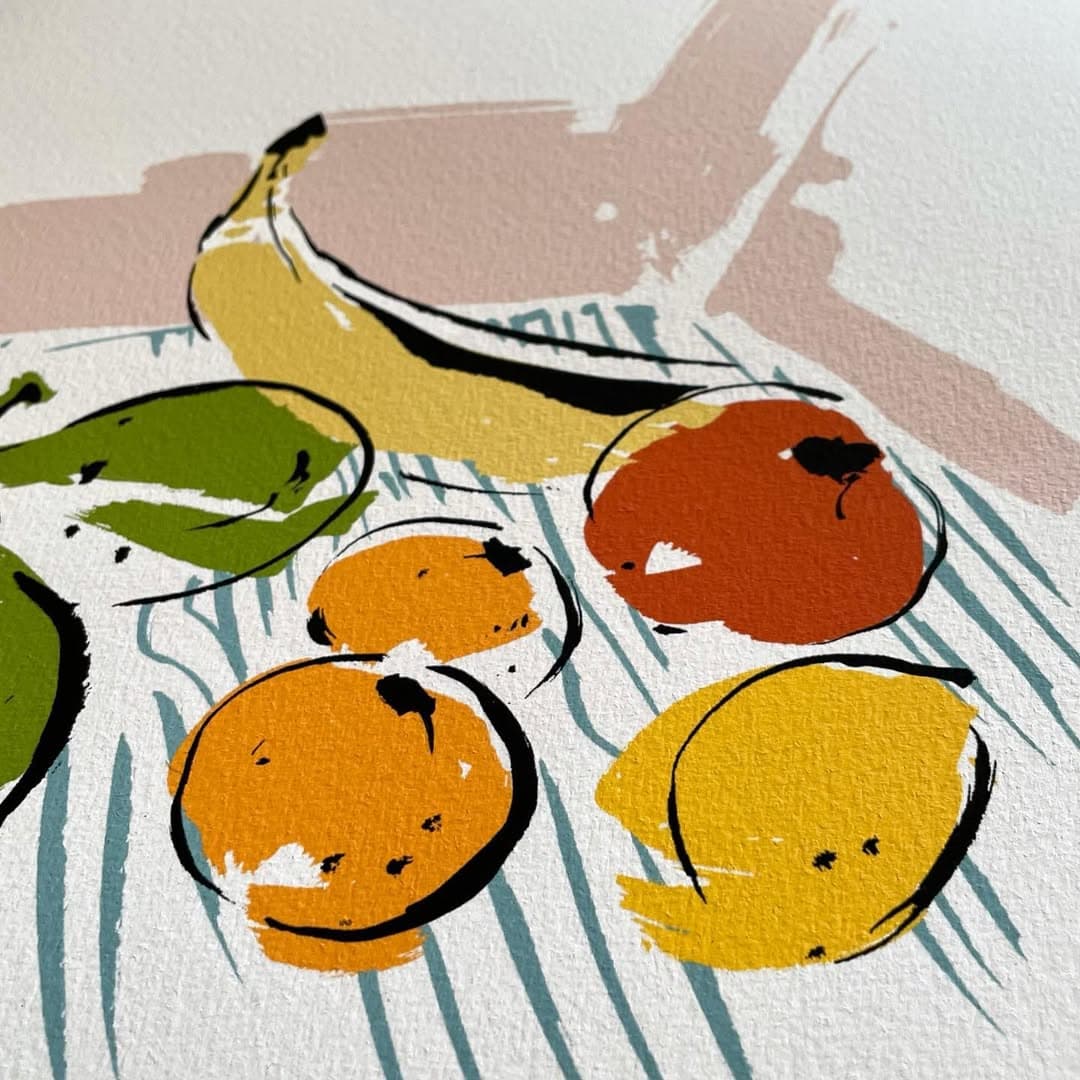
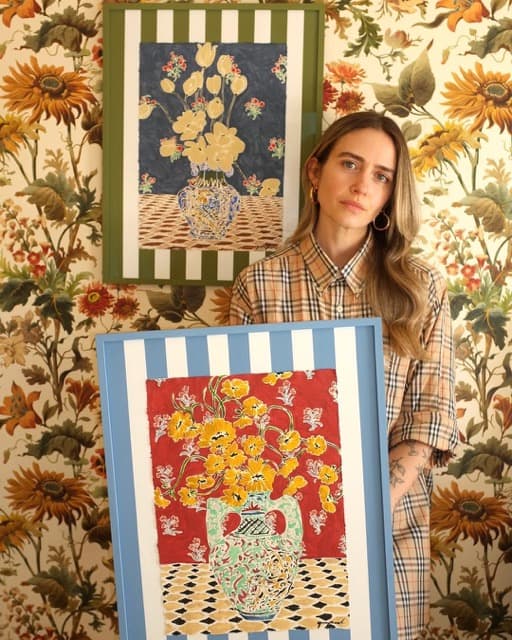
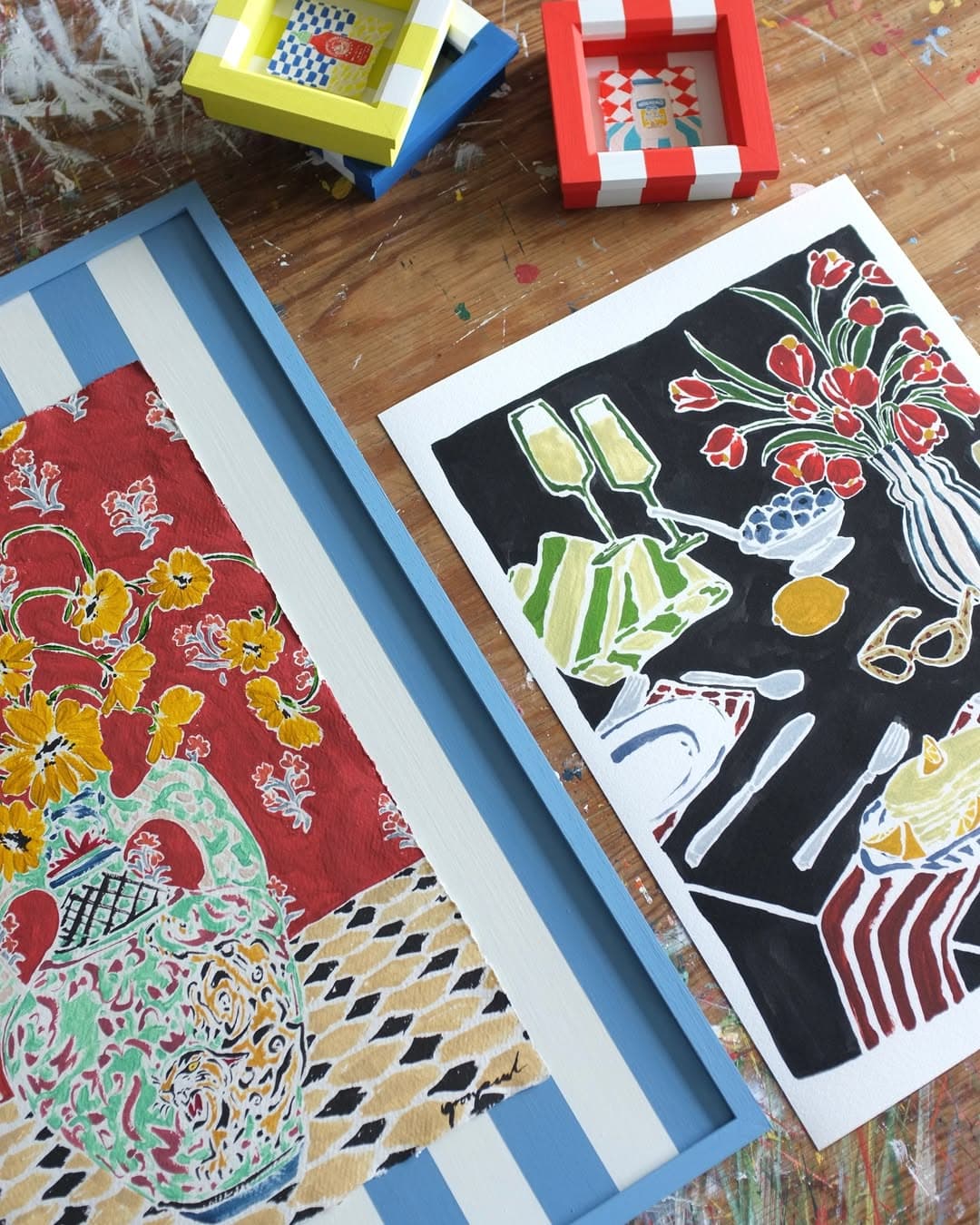
Your craft
3. How would you describe your work in three words?
Playful, vibrant and jazzy.
4. What materials or techniques do you use, and why are they important to your process?
Gouache paints, torn paper and the worlds smallest brushes.
5. Can you tell us about a favourite piece you’ve created and the story behind it?
‘Pat’s Chair’ it was the first big piece I created on canvas. The story behind it, I have a weird obsession with` chairs and leopard print so I combined the two.
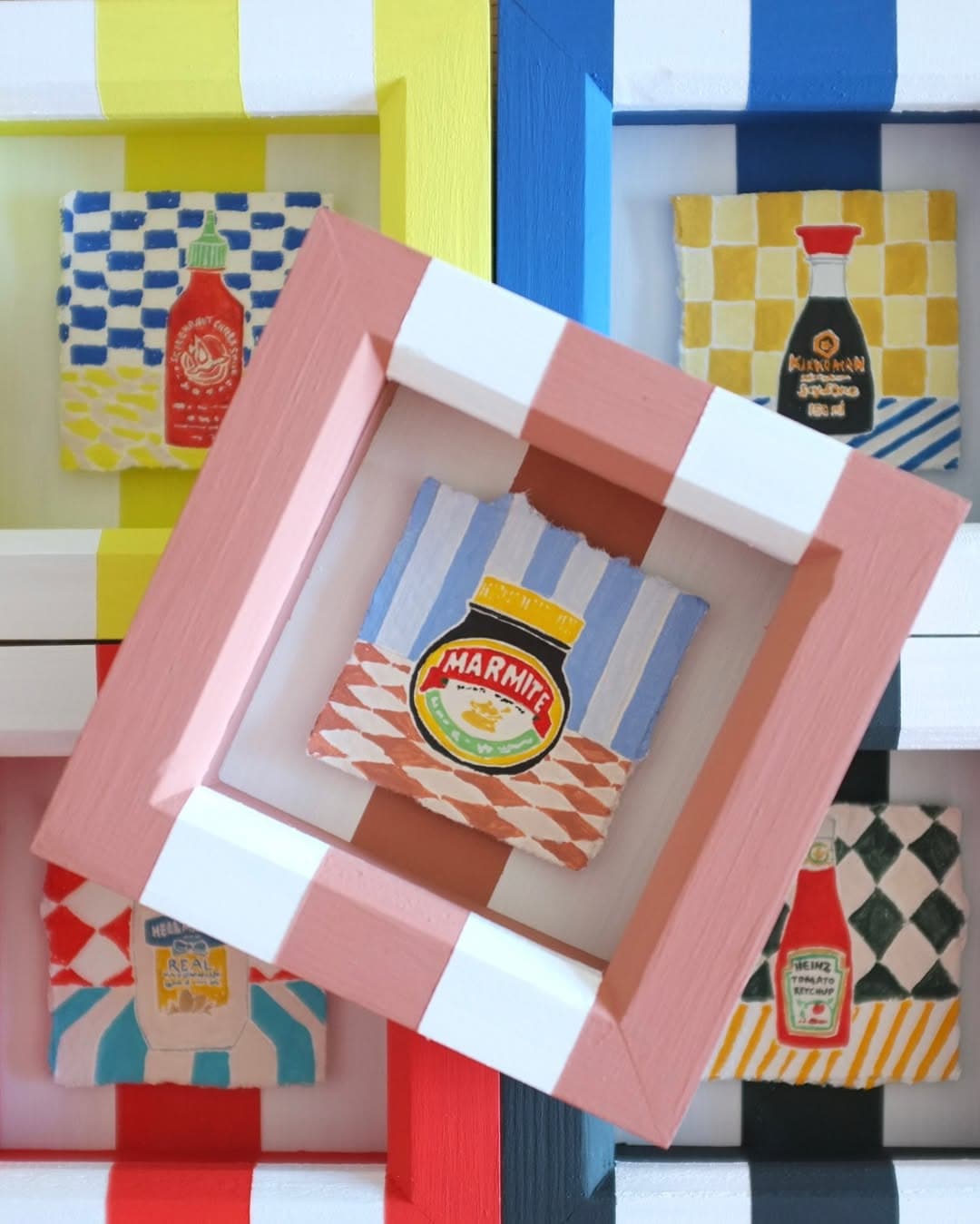
Creative process
7. Do you have any unique rituals or habits that help you stay creative?
It’s always difficult to pin point the exact spark of inspiration but I tend to fill my time with these habits – looking at interiors is a real hobby (old or new)/flowers and florists take up a bit of my time/ annoying to admit but instagram is almost always quite a big muse.
8. How do you handle creative blocks? Do you have any strategies or tips for overcoming them?
Coffee, lots of it.
Challenges and successes
9. What’s the biggest challenge you’ve faced as a maker, and how did you overcome it?
Comparing myself to other artists. I am still learning how to overcome this.
10. What’s been your proudest moment or achievement so far?
I have done a collection of my designs on t – shirts with Topshop, this was a huge moment.
11. What’s your favourite quote you’ve ever heard about your work? Who said it, or what was the name of the publication?
“Grace’s paintings effortlessly exude such charisma, with their painterly appearance and confident but loose line work.”
- MILIEU STUDIOS
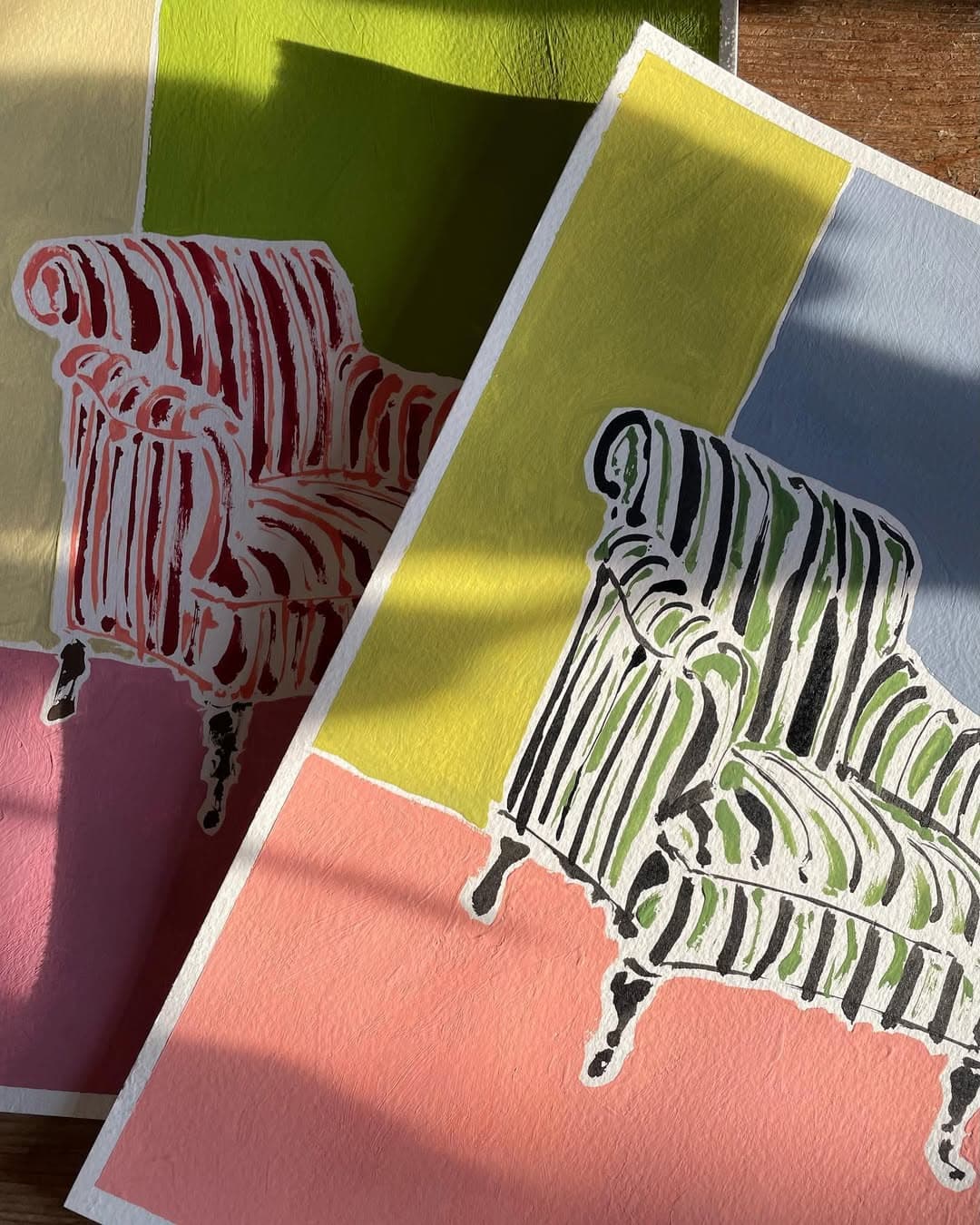
Inspiration
12. Where do you draw inspiration from for your work? What sparks your imagination and creativity?
I’m currently obsessed with still lives. These always include ceramics, window shopping for vases is my favourite pastime. Wine bars are pretty much a constant, not necessarily for the reason you think. I like the table layouts, glasses, flowers, bottles and table cloths; they are usually ever changing too, so a constant source of inspiration, from the bottle branding to the bud vases on the tables.
13. Do you have a favourite artist, maker, movement, or tradition that has influenced your craft?
Kate Boxer, every time. Her work is unlike anyone else’s and she uses techniques I’ve never seen before.
14. How does colour influence your practice; is it an important part of your process? Do you have a particular palette or favourites? Any go-to sources for colour inspiration?
Choosing a colour palette is my favourite part, my phone is filled of screenshots. I always start with a rough sketch on my computer, then I can play around with the colours as much as I like. That way when it comes to painting I’m already confident my palette.
Perspectives and goals
16. What do you want people to feel when they experience your work?
My work is always very vibrant and playful, I like to think it brings a bit of fun to peoples homes.
17. What are you currently working on, and what excites you most about it?
I’m currently working on some large pieces that will be framed and painted in my classic colourful stripes. These are particular exciting as they incorporate lots of my favourite things; leopards, antiques and florals. They are jazzy.
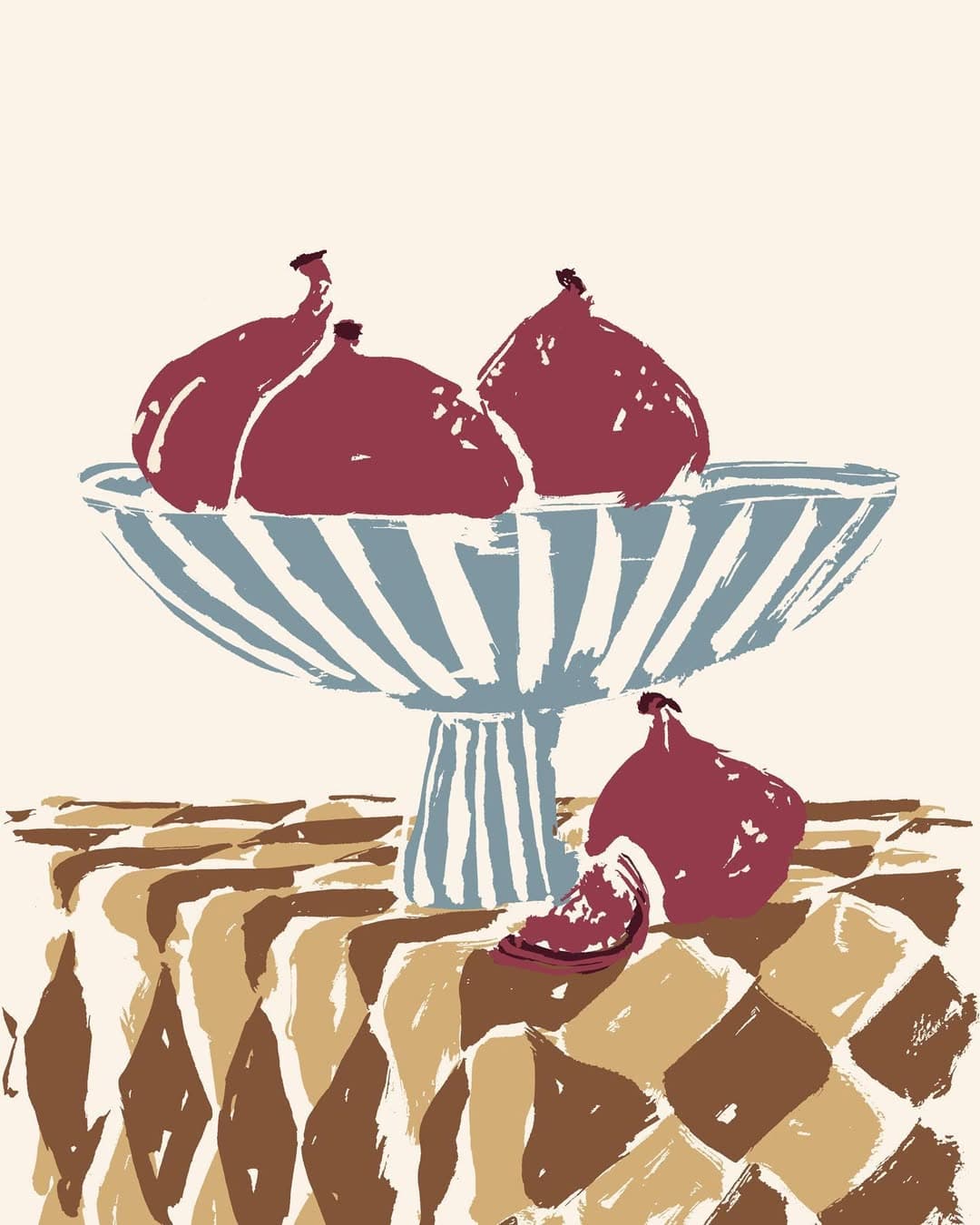
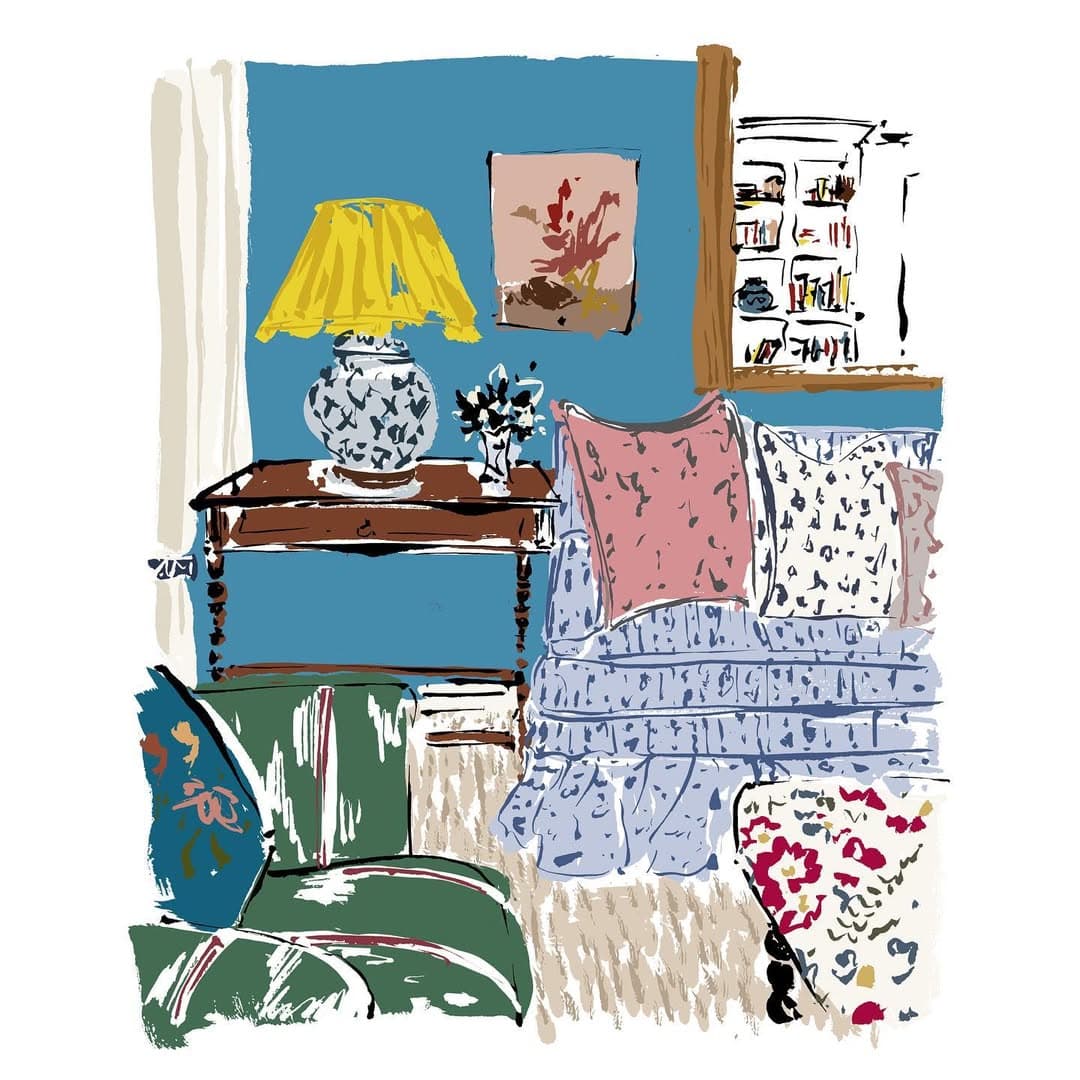
Advice and reflection
18. What advice would you give to someone starting out as a maker?
Paint what you enjoy, not what you think others will like.
19. If you could go back to the start of your career, what advice would you give your younger self?
Keep slogging on, someone will buy something eventually.
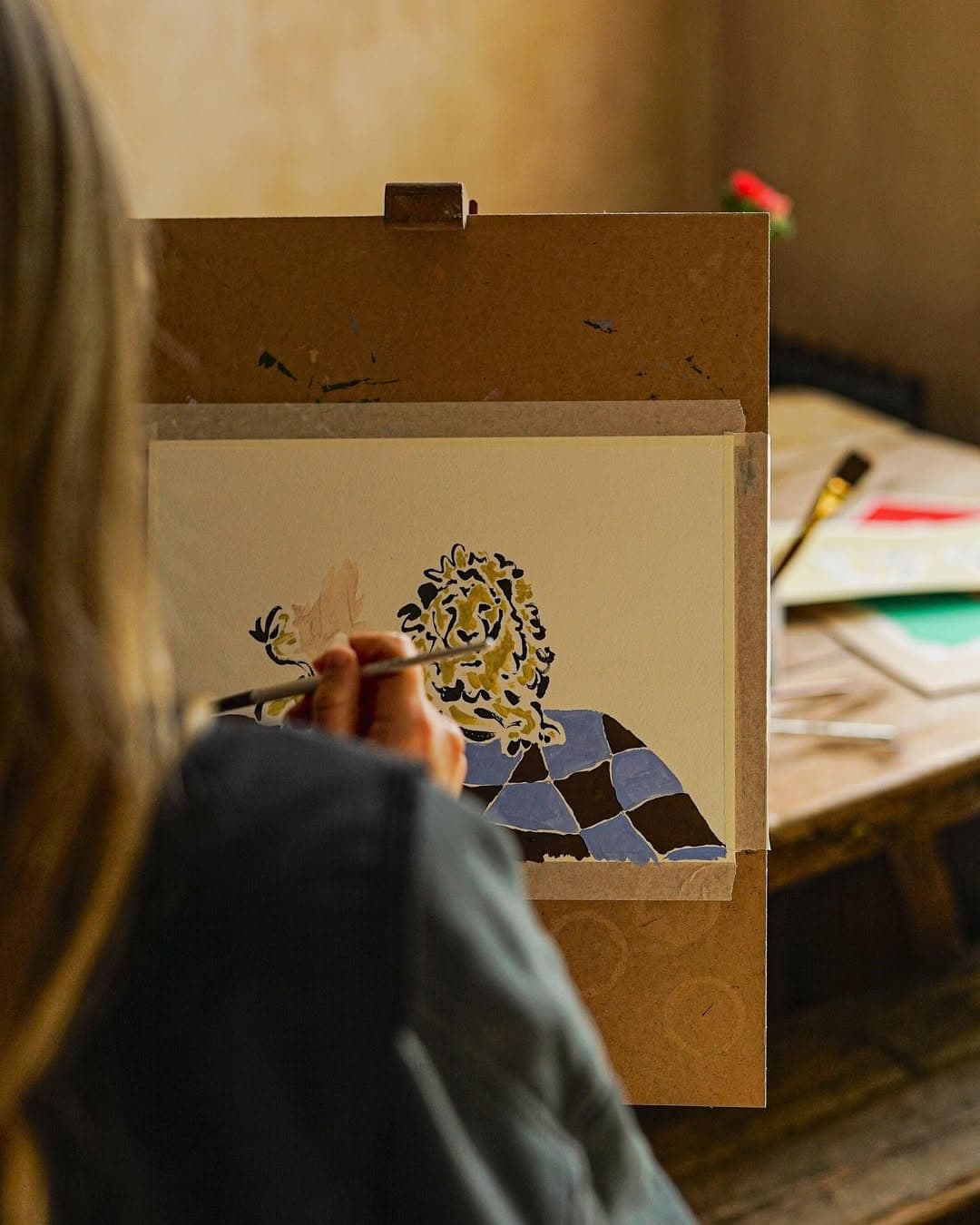
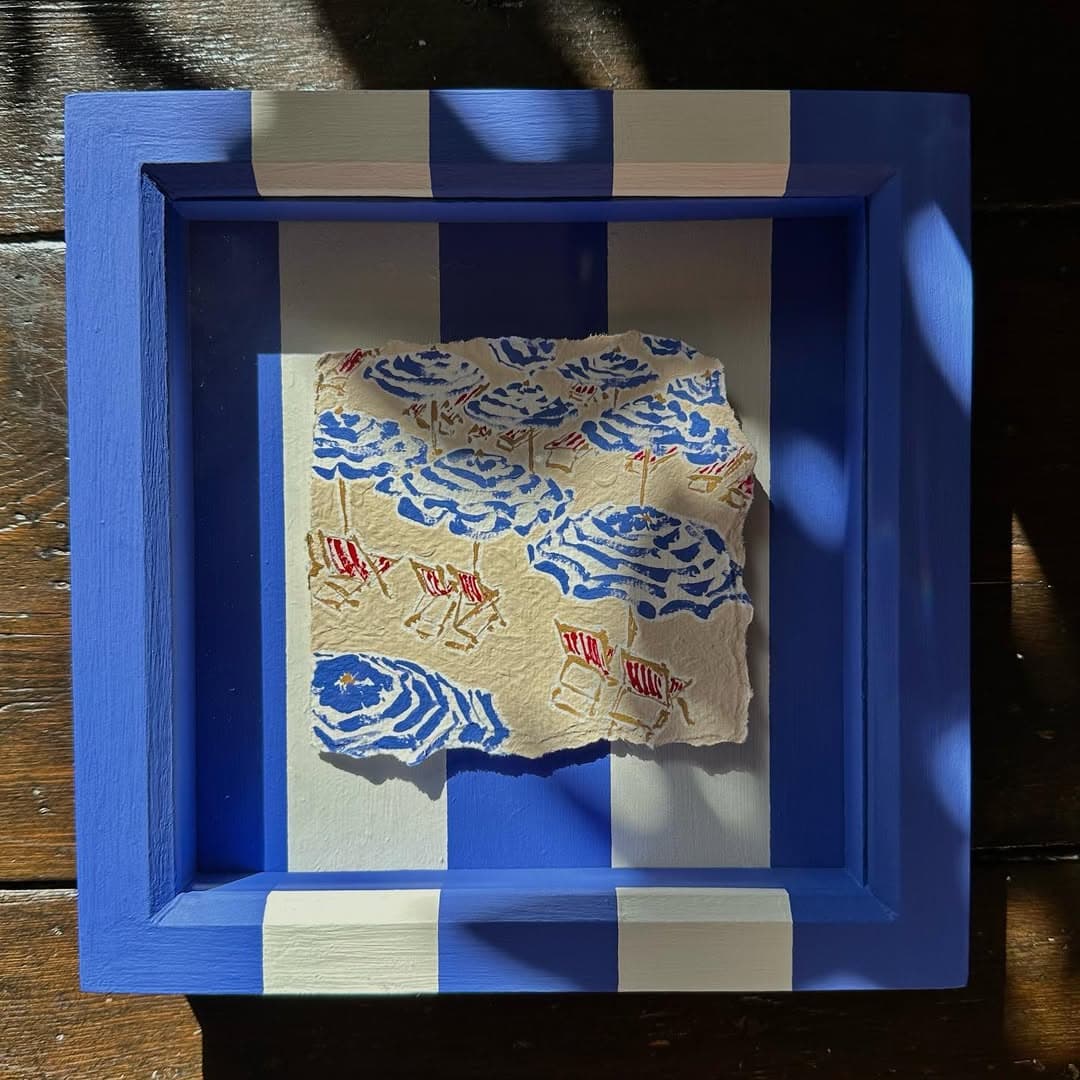
Closing thoughts
20. If you could collaborate with any artist, past or present, who would it be and why?
Has to be Hockney for me. I’ve always been a massive fun of how unique his work is, he has such original ideas.
21. Where can people find your work, and how can they support you?
They can find me at: www.gracepercivaldesign.co.uk
Explore Grace’s latest collections and follow her creative journey:
Support Grace by visiting her online shop, experiencing her creations at select boutiques, and following along as she continues to bring joyful creations into the world.
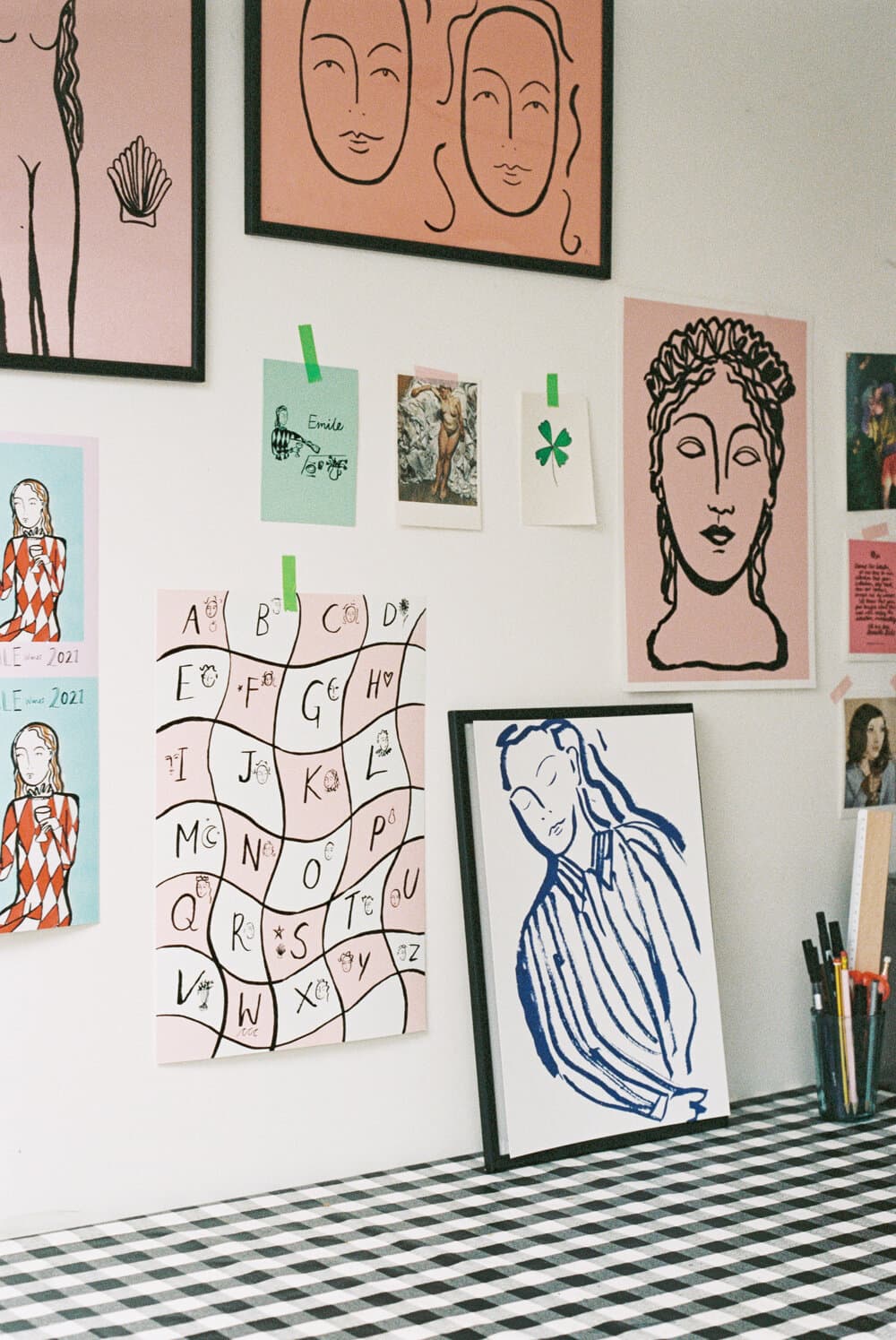
Meet the Maker: The Vibrant, Nature-Inspired Artistry of Frances Costelloe
We had the pleasure of chatting with Frances Costelloe, a self-taught artist whose vibrant and free-spirited drawings capture the essence of nature and everyday moments. Frances shares insights about her artistic upbringing, her love for quick, intuitive mediums like pastel, and the joyful spontaneity she brings to each piece. From her cherished tulip series to collaborations with esteemed brands, Frances offers an intimate glimpse into her creative world and the joy she finds in capturing life’s fleeting moments.

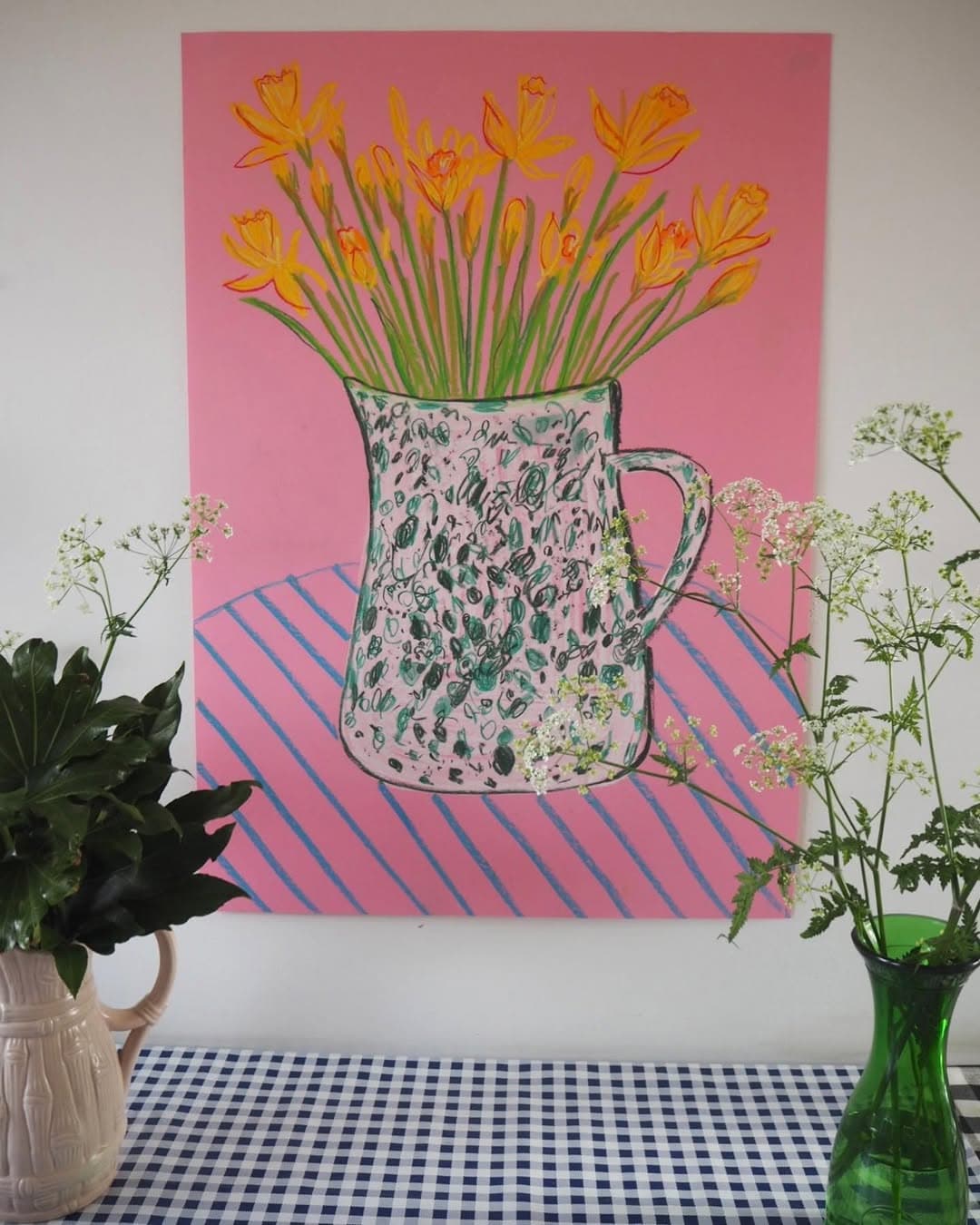
1. Can you tell us a bit about yourself and your artistic journey?
I always thought I would be an artist when I was younger as both of my grandparents were and I come from a creative family. I am self taught as I took a detour in the form of a politics degree however I had a great grounding at secondary school painting with oils whilst looking across the skyline of London. The city has always inspired me as there is something special about the light in the capital.
2. What inspired you to pursue your craft? Was there a defining moment or influence that sparked your passion?
Art was one of the few things I was really good at as a child when I didn’t find the rest of school that easy. I have always enjoyed the act of drawing and my practice across a variety of mediums always comes down to that.
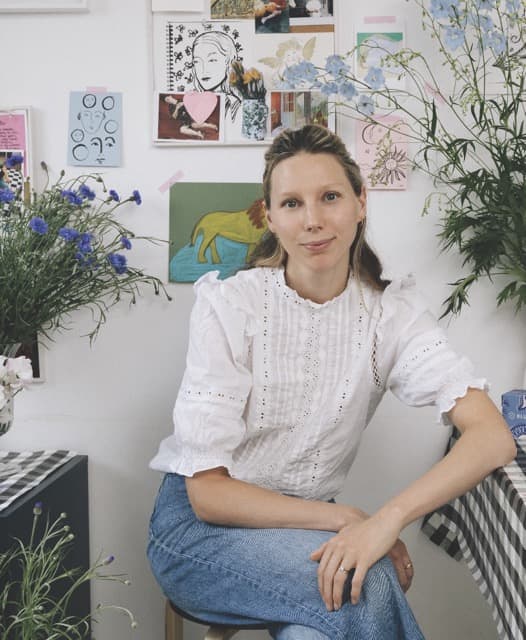
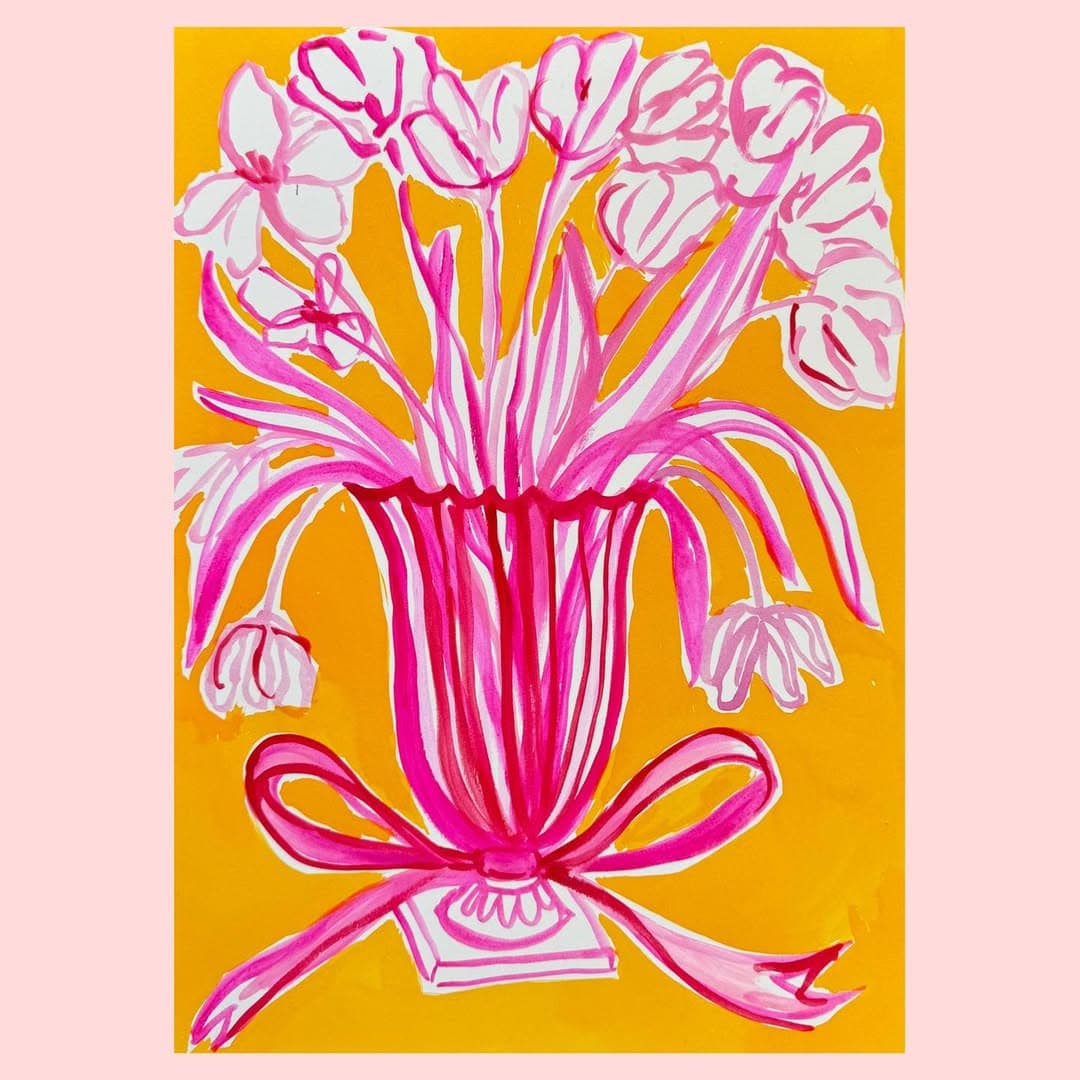
Your craft
3. How would you describe your work in three words?
Playful, free, born in nature.
4. What materials or techniques do you use, and why are they important to your process?
I like quick work. The idea of laboured work for me is not appealing. I love the speed of pastels and the simple colour play that can be achieved with the highly pigmented sticks. Lime has also been important to my work as it helps my drawings flow.
5. Can you tell us about a favourite piece you’ve created and the story behind it?
I love all my tulip works. I have a large catalogue of photos on my phone and draw these on repeat. Often I change all the colours but keep the basic shapes on a favourite composition the same.
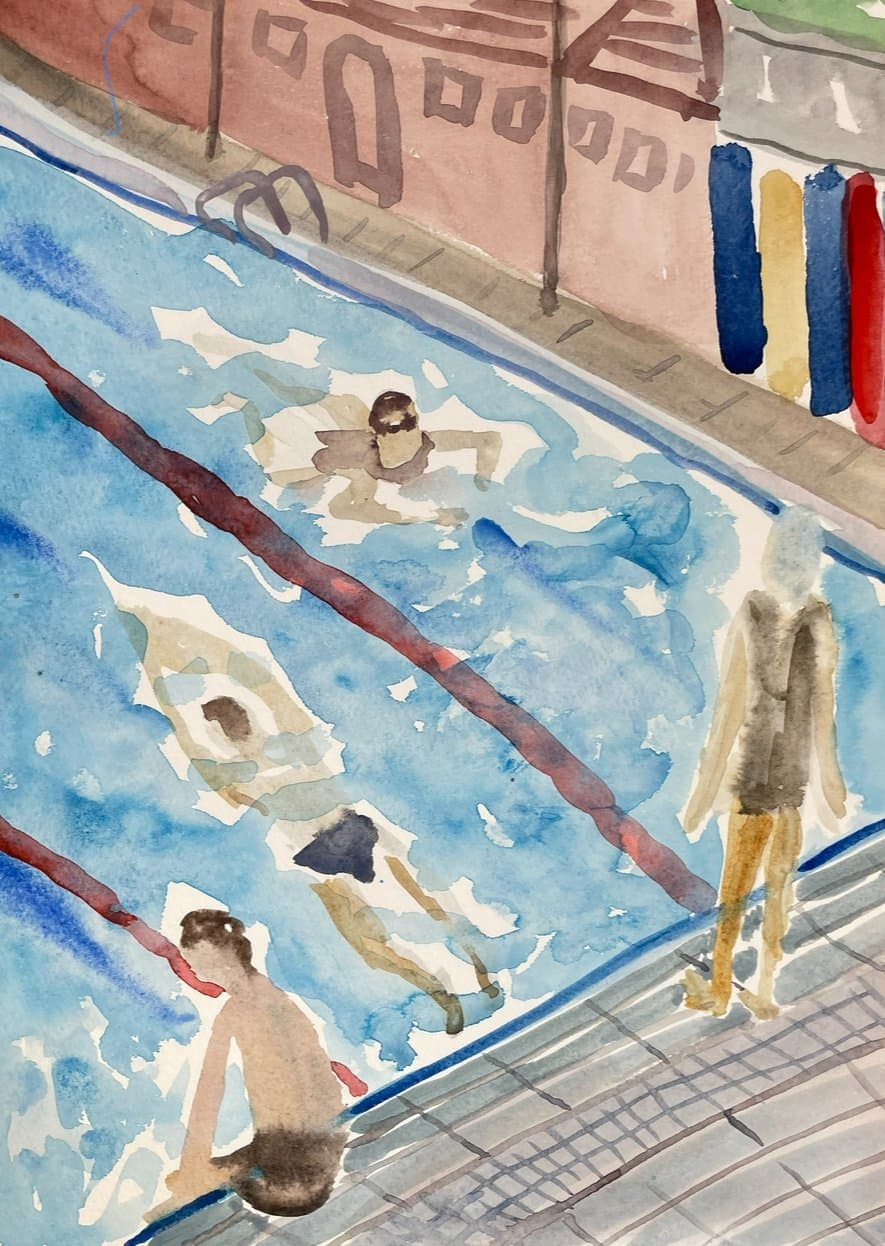
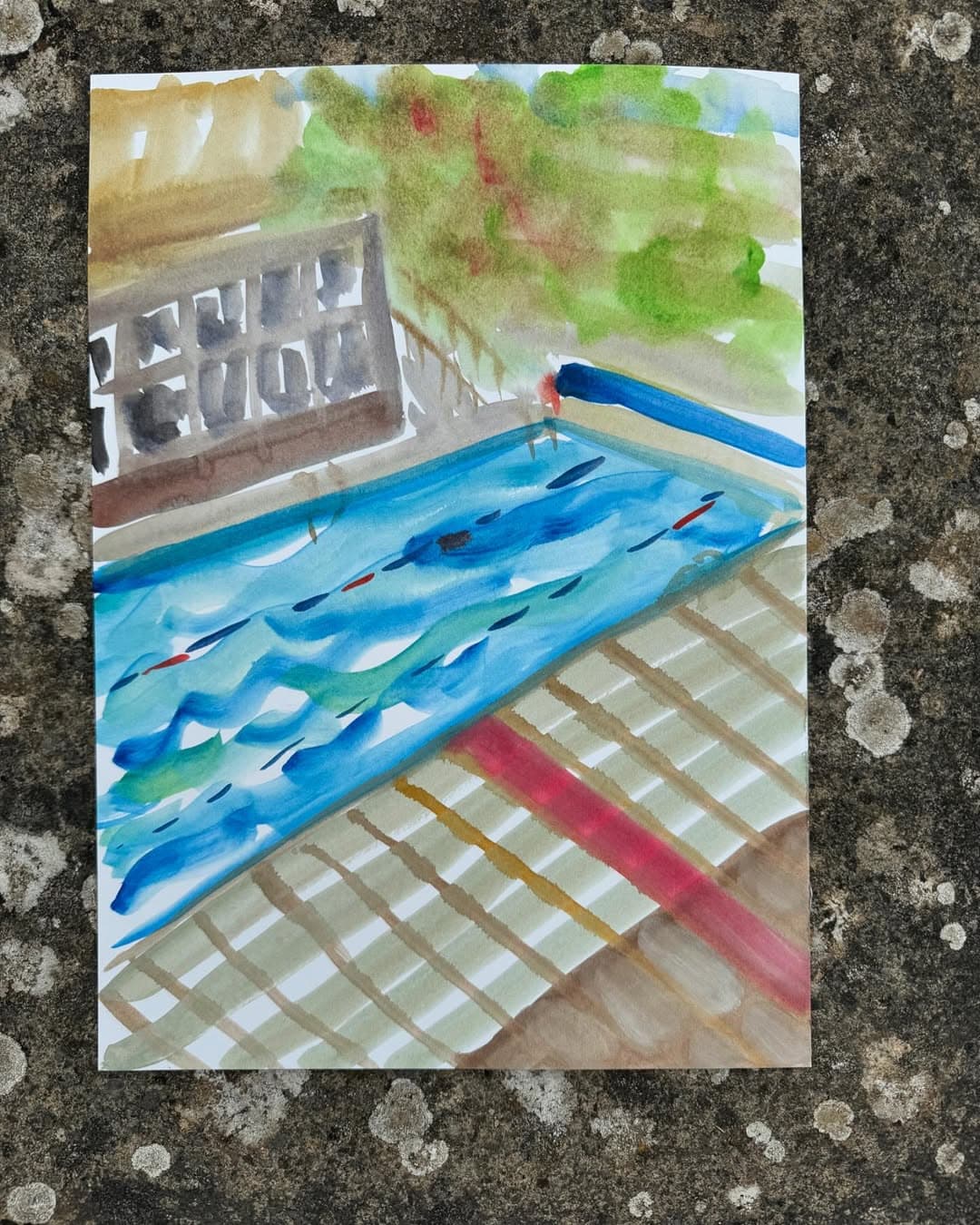
Creative process
6. What does a typical day in your studio or workshop look like?
I only work on my art part time. It usually involves large cups of english breakfast tea in cornishware mugs, making marks on big pieces of paper and my face smudged with pastel as I rush out the door to collect my kids.
7. Do you have any unique rituals or habits that help you stay creative?
Gallery visits- although this has not been a priority recently as I have been trying to focus on good health habits.
8. How do you handle creative blocks? Do you have any strategies or tips for overcoming them?
Make multiples and toss a lot out. Some gold will shine through.
Challenges and successes
9. What’s the biggest challenge you’ve faced as a maker, and how did you overcome it?
Trying to paint extremely large portraits of the staff of a hotel in Mozambique while extremely pregnant so I couldn’t properly reach the top of the paper on my drawing board.
10. What’s been your proudest moment or achievement so far?
Getting into Liberty less than 5 months after launching my brand which I started while my son was 6 months.
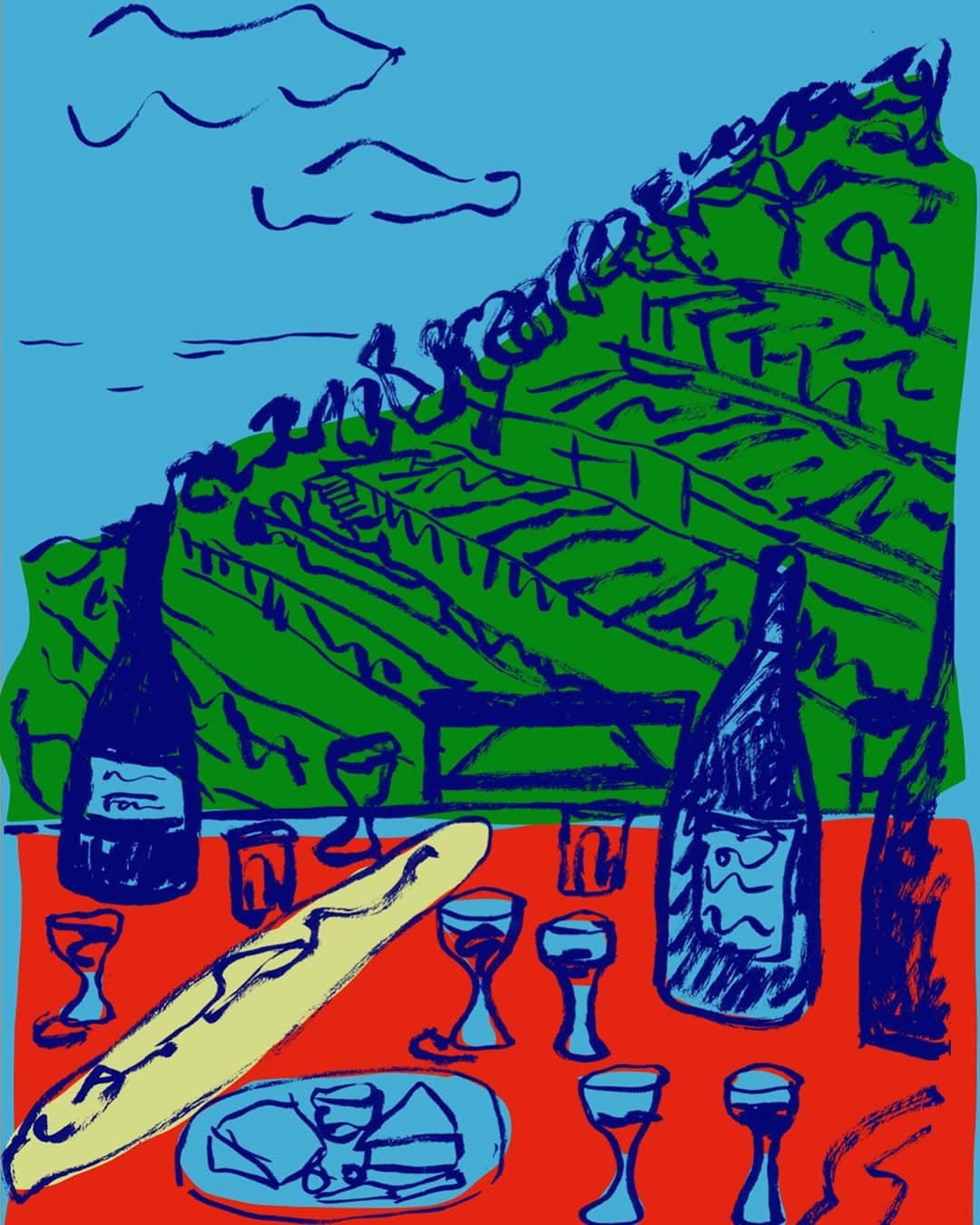
Inspiration
11. Where do you draw inspiration from for your work? What sparks your imagination and creativity?
Always Van Gogh.
12. Do you have a favourite artist, maker, movement, or tradition that has influenced your craft?
I love Matisse and Van Gogh. I am obsessed with colour and they are masters. I also love Tracy Emin and think she is superb at painting the figure.
13. How does colour influence your practice; is it an important part of your process? Do you have a particular palette or favourites? Any go-to sources for colour inspiration?
Colour is very important – it’s more about a feeling, an energy a vibration. I don’t have rules.
Perspectives and goals
14. What role does your environment play in shaping your creativity?
A pretty large role. I take a lot of photos and these inform my practice. I am often trying to sum up a feeling from a meeting, a meal, a still life. Capturing the energeticness of life in a single frame of a picture.
15. What are you currently working on, and what excites you most about it?
Two collaborations with brands I respect. They will both mean I have to cover new ground and explore new mediums and surfaces.
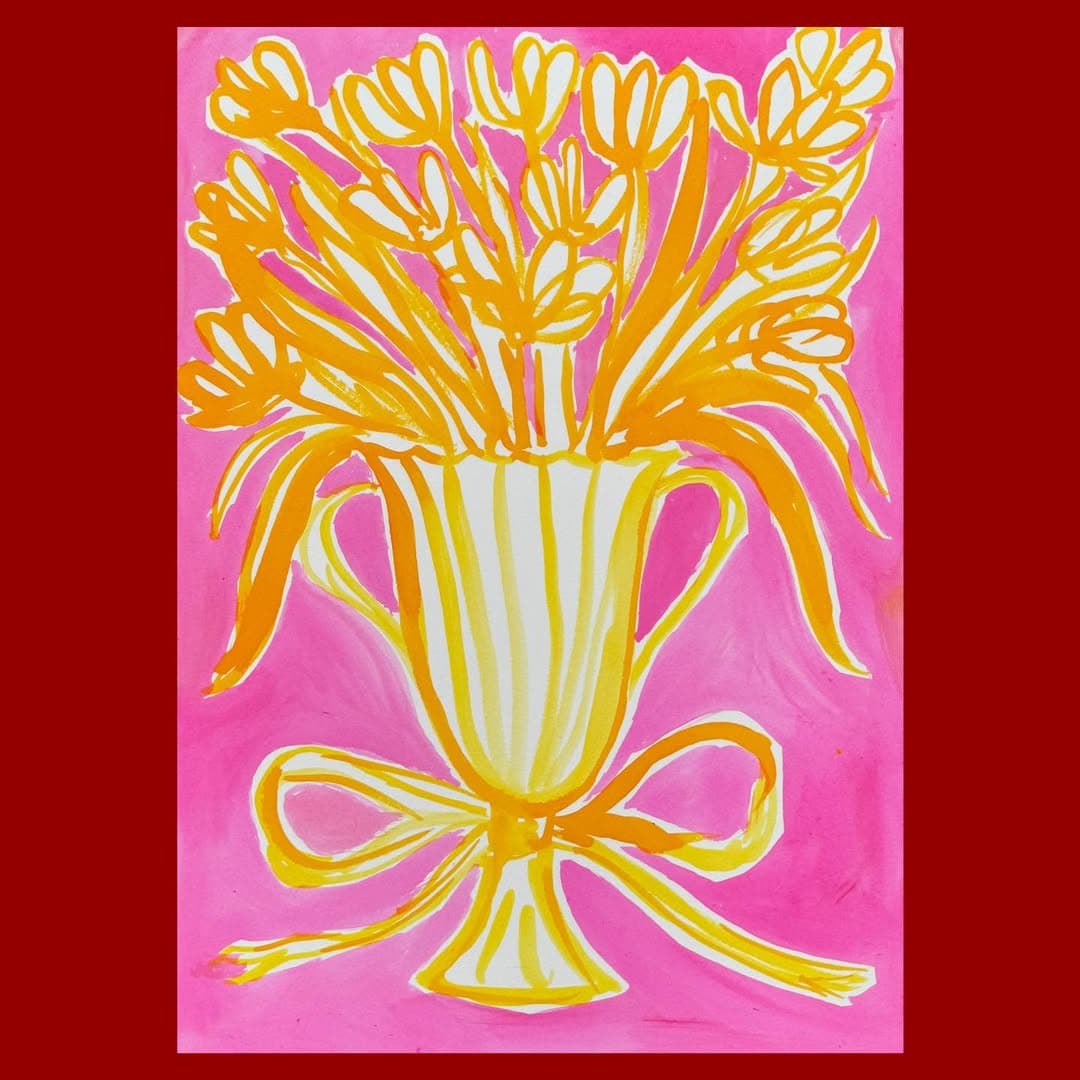
Advice and reflection
16. What advice would you give to someone starting out as a maker?
Have another job too!
17. If you could go back to the start of your career, what advice would you give your younger self?
Trust yourself, do what makes you feel good.
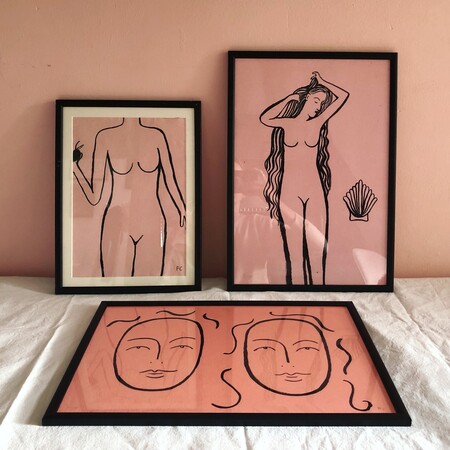
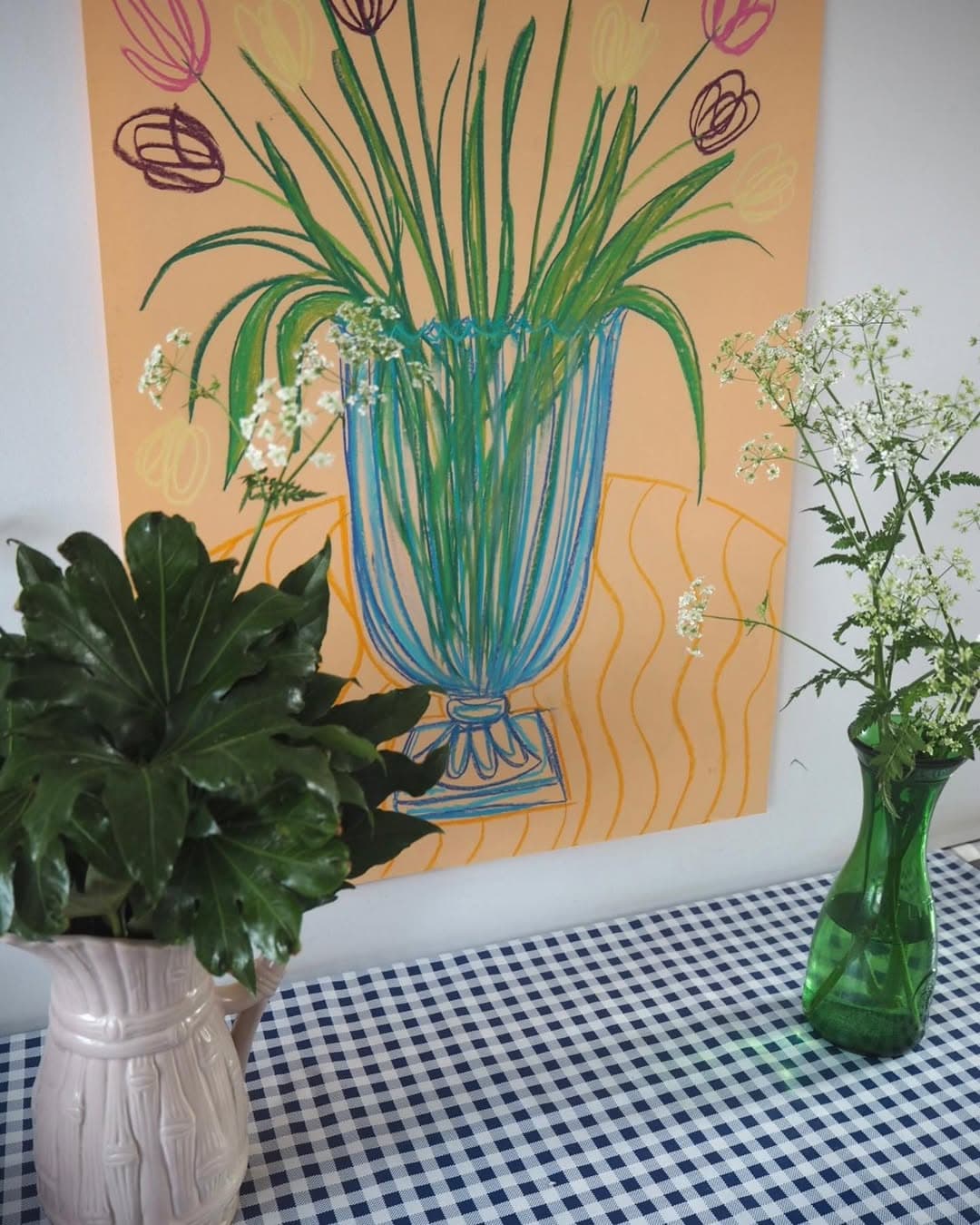
Closing thoughts
18. If you could collaborate with any artist, past or present, who would it be and why?
I would love to glaze more ceramics. I would love to go to Picasso’s studio and create a collection of bowls and plates and jugs..
Frances Costelloe’s work brings spontaneity and rich colour inspired by nature, everyday moments, and the vibrant energy of life.
Explore Frances’ creations at:
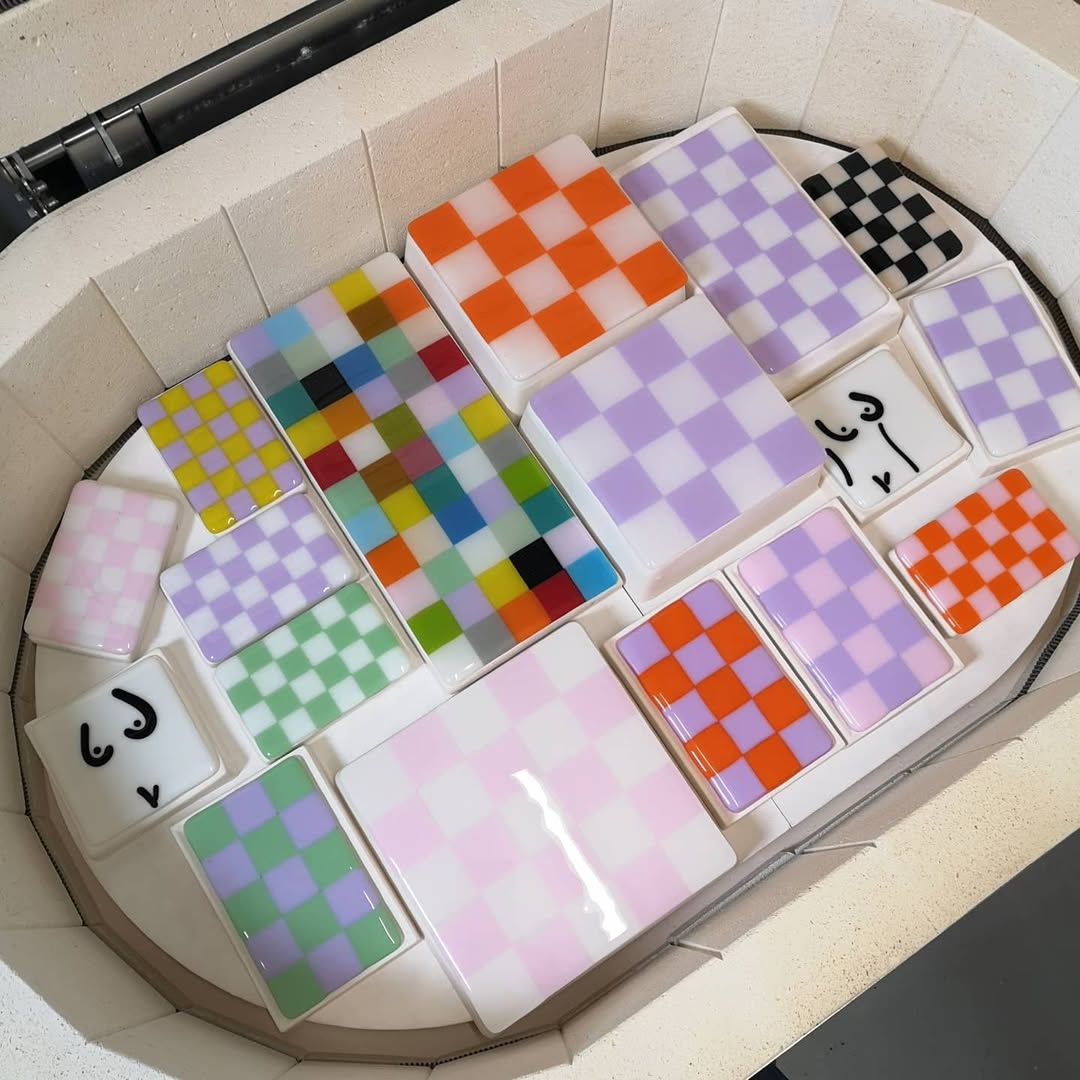
Meet the Maker: The Art of Accuracy with David Perry
We recently connected with David Perry, whose vibrant glass creations are characterised by meticulous precision and bold, geometric patterns. David shares his fascinating journey from an IT career to embracing a creative life in Cornwall, where the coastal surroundings inspire his dynamic glasswork. He delves into his passion for the science and artistry behind fused glass, the joy he finds in perfecting each hand-cut square, and how continuous learning and environmental consciousness drive his evolving practice.

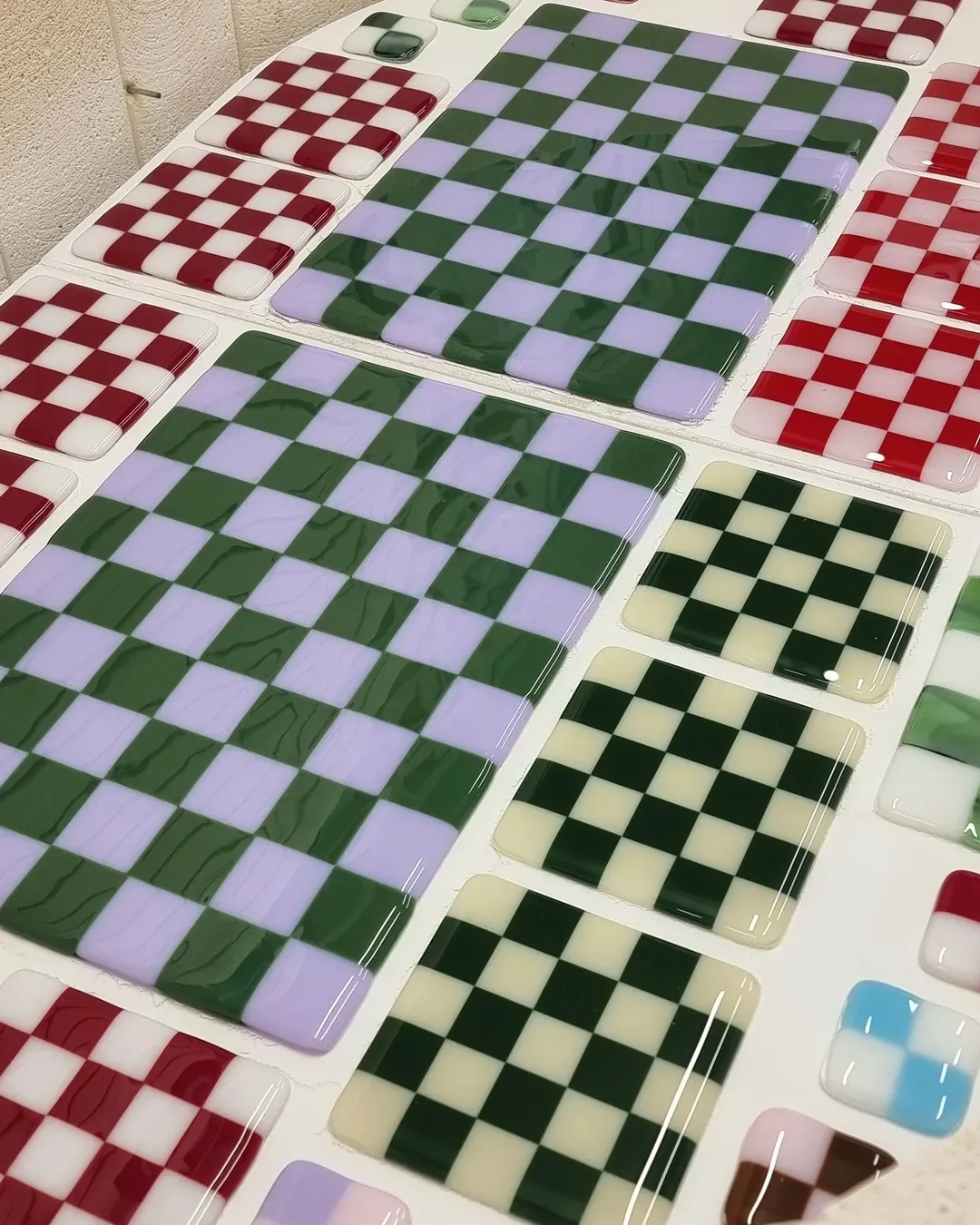
1. Can you tell us a bit about yourself and your artistic journey?
I was born in Mitcheldean and lived in Gloucestershire, starting my career making spectacles in a factory, moving onto pensions, and then I.T. for over 15 years. I moved to Cornwall in 2011 and although I initially continued working in IT, living by the sea and adapting to the Cornish way of life had a big impact on me. I wanted to explore life in a more creative way including scuba diving and photography. In 2017 I took the plunge and became self-employed with my photography and fused glass, also tinkering with ceramics. Although my artistic journey started a little later in life, I have embraced it and have grown as a person as well as in my art. In 2022 I went one step further and became a part-time life drawing model and encourage others in their artistic journey.
2. What inspired you to pursue your craft? Was there a defining moment or influence that sparked your passion?
I attended a local fused glass workshop and was hooked, I really wanted to learn more about the science behind fused glass and to see how far I could use the materials to push my creative boundaries. I gave myself two years to see if I could start making an income from my art and knowledge; it is now 2025 and I still feel the excitement of working with glass and knowing that my art is enjoyed in homes all over the world.
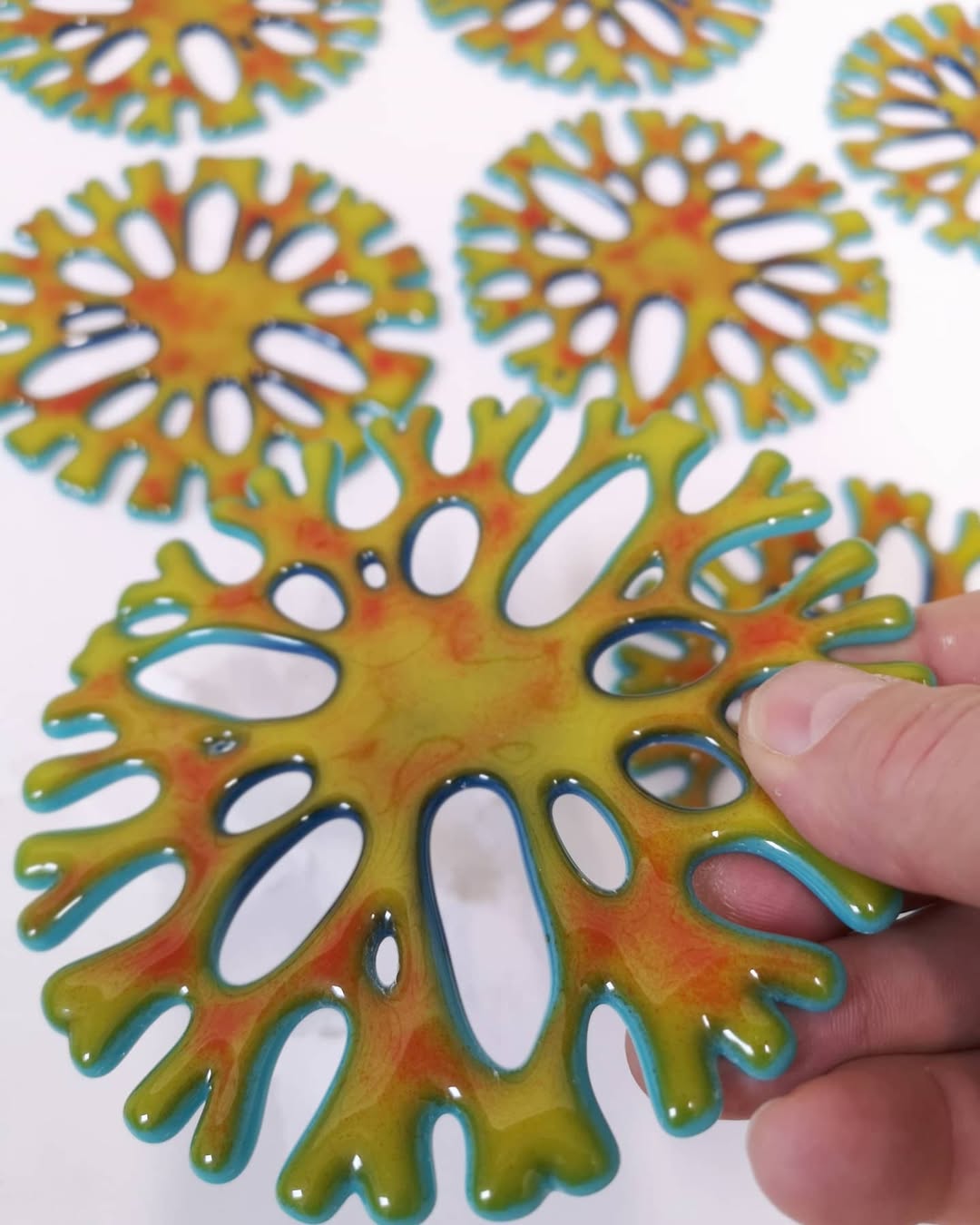
Your craft
3. How would you describe your work in three words?
Chequers, precision, colourful
4. What materials or techniques do you use, and why are they important to your process?
Chequered patterns are my best-selling products, and I take great pride in meticulously hand-cutting each piece of glass to ensure they are as perfectly square as possible. This precision of the crisp lines allows the pieces to fit seamlessly together in the kiln, creating the signature look I love to see in my pieces.
5. Can you tell us about a favourite piece you’ve created and the story behind it?
I really enjoy working with glass powders (instead of the normal flat glass sheets I use for most items), as the powders blend and can be layered to create unique pieces like my crackle bowls and coral style vase.
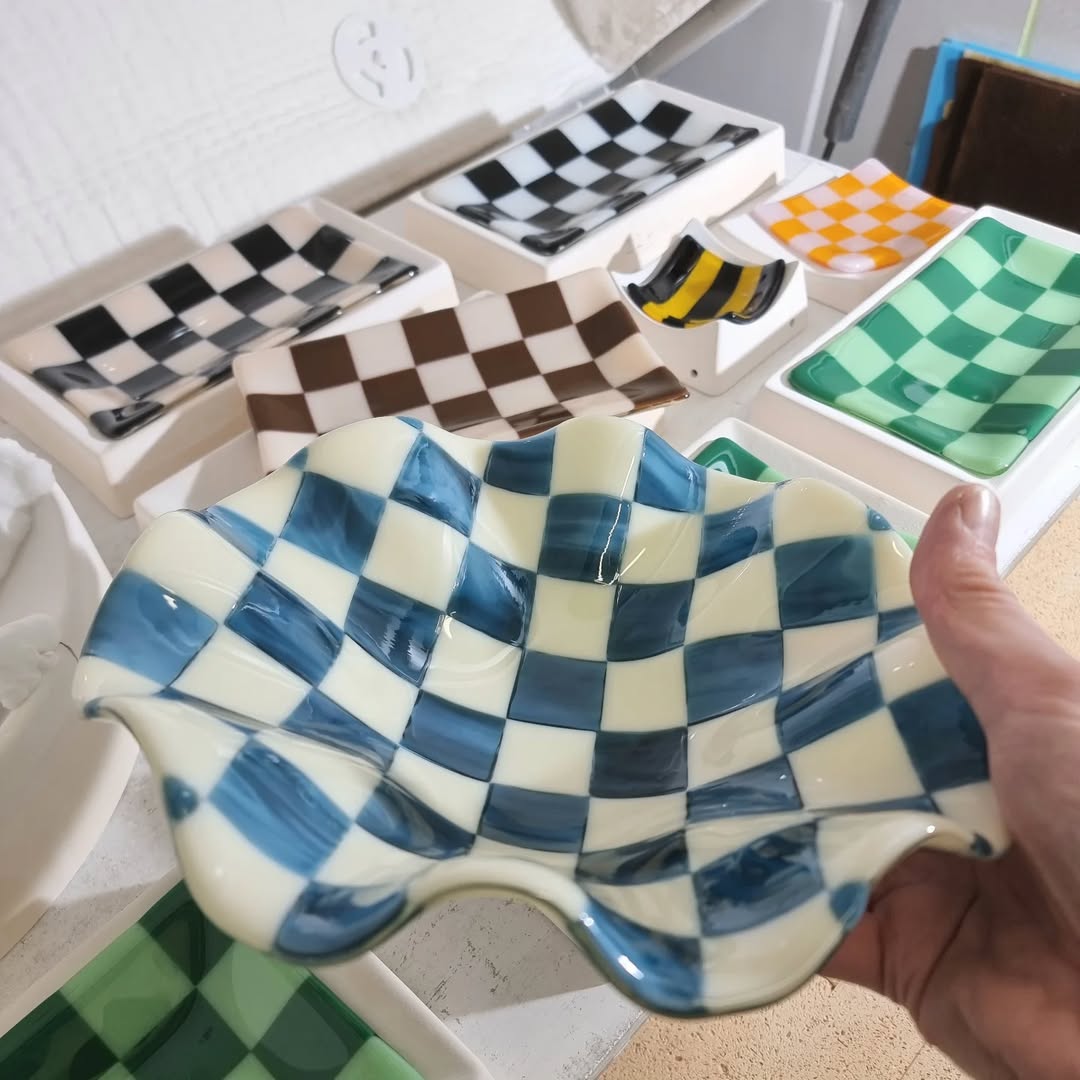
Creative process
6. What does a typical day in your studio or workshop look like?
Squares, squares and more squares! Did I mention squares!? After planning what needs to be made and fits in the kiln space, the next task is hand cutting hundreds of squares, stacking them in piles so I know which ones will go where and then hand cleaning each one as they are placed on top of a clear glass base inside the kiln. The squares are then carefully nudged around to get them as square and linear as possible.
7. Do you have any unique rituals or habits that help you stay creative?
I really had to think about this question… glass can be manipulated in so many ways that I feel I have barely scratched the surface. I am always learning and have several books and tutorials that I am studying to tantalise my creative taste buds. Speaking of taste buds, I do love a cup of TeaPigs tea while I am in the workshop.
8. How do you handle creative blocks? Do you have any strategies or tips for overcoming them?
Living next to the Cornish coast means I am only a short drive away from walking on the clifftops or beaches or going to woodland to photography nature. If time is a little tight it is time to put the kettle on and have a cup of tea, giving me time to reflect. My I.T. background also means I find website redesigning a refreshing change or using my skills to edit product photography.
Challenges and successes
9. What’s the biggest challenge you’ve faced as a maker, and how did you overcome it?
My biggest challenge is trying to maintain social media and their algorithms daily. Instagram is my favourite media to keep viewers updated, but I have learnt that trying to post several times a day across multiple platforms is just not achievable. Just do what you can as and when you are able to.
10. What’s been your proudest moment or achievement so far?
Being interviewed on Channel 4 TV “Stephs Packed Lunch” back in 2021 surrounded by my glasswork. It was a very nerve-racking experience knowing that thousands of UK viewers watched at lunchtime, but I absolutely loved such a brilliant experience, and I will never forget it.
11. What’s your favourite quote you’ve ever heard about your work? Who said it, or what was the name of the publication?
#Obsessed
- The most popular word from my amazing followers on Instagram.
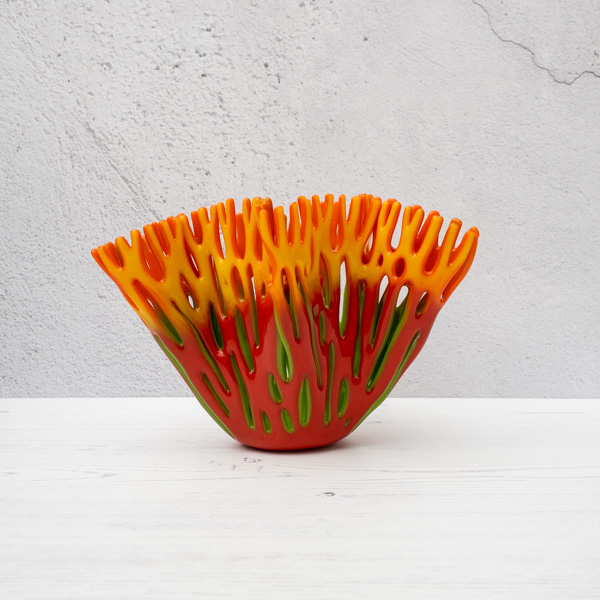
Inspiration
12. Where do you draw inspiration from for your work? What sparks your imagination and creativity?
I have always found geometry and linear lines intriguing; I like the clean and contrasting effect it creates. Chequers or checks are a timeless pattern, but science also plays a part as not all colour combinations and glass types are compatible.
13. Do you have a favourite artist, maker, movement, or tradition that has influenced your craft?
Checkers is everywhere from game boards, fashion, art and architecture to motor racing, so there is whole range of traditions throughout history from the very first checkered floor to the first chess board that have influenced me. Artists who have inspired me include Bob Leatherbarrow, Glenda Kronke, and Marguerite Beneke; all artists who have shared their knowledge and continue to influence my work.
14. How does colour influence your practice; is it an important part of your process? Do you have a particular palette or favourites? Any go-to sources for colour inspiration?
I live a rainbow of colour every day and I do enjoy creating a new combination. Some glass can contain metals which can react with other colours, so science also plays a part in creating the palettes I use. I find inspiration in nature and the many hues you see on the cliffs around Cornwall, and from my social media followers and their suggestions.
Perspectives and goals
15. What role does your environment play in shaping your creativity?
I hand built my workspace at home, so have the shortest commute in the mornings. As soon as I step into my workshop and am surrounded by glass sheets and powders, and put my music on, I feel inspired.
16. What do you want people to feel when they experience your work?
I want my work to make people smile and leave a lasting impression. In a world where we do not always have space for art in our homes, I feel I cross the barrier of creating art pieces that are also practical and will last a lifetime.
17. What are you currently working on, and what excites you most about it?
All things glass fascinates me, so in 2025 I am learning lampworking to create glass sculptures. I am conscious of the environment when I work and ideally, I will use the leftover glass I already have to do this. This will open new avenues for me as the designs you can make are endless. I have 3 very large books to read through first, so watch this space.
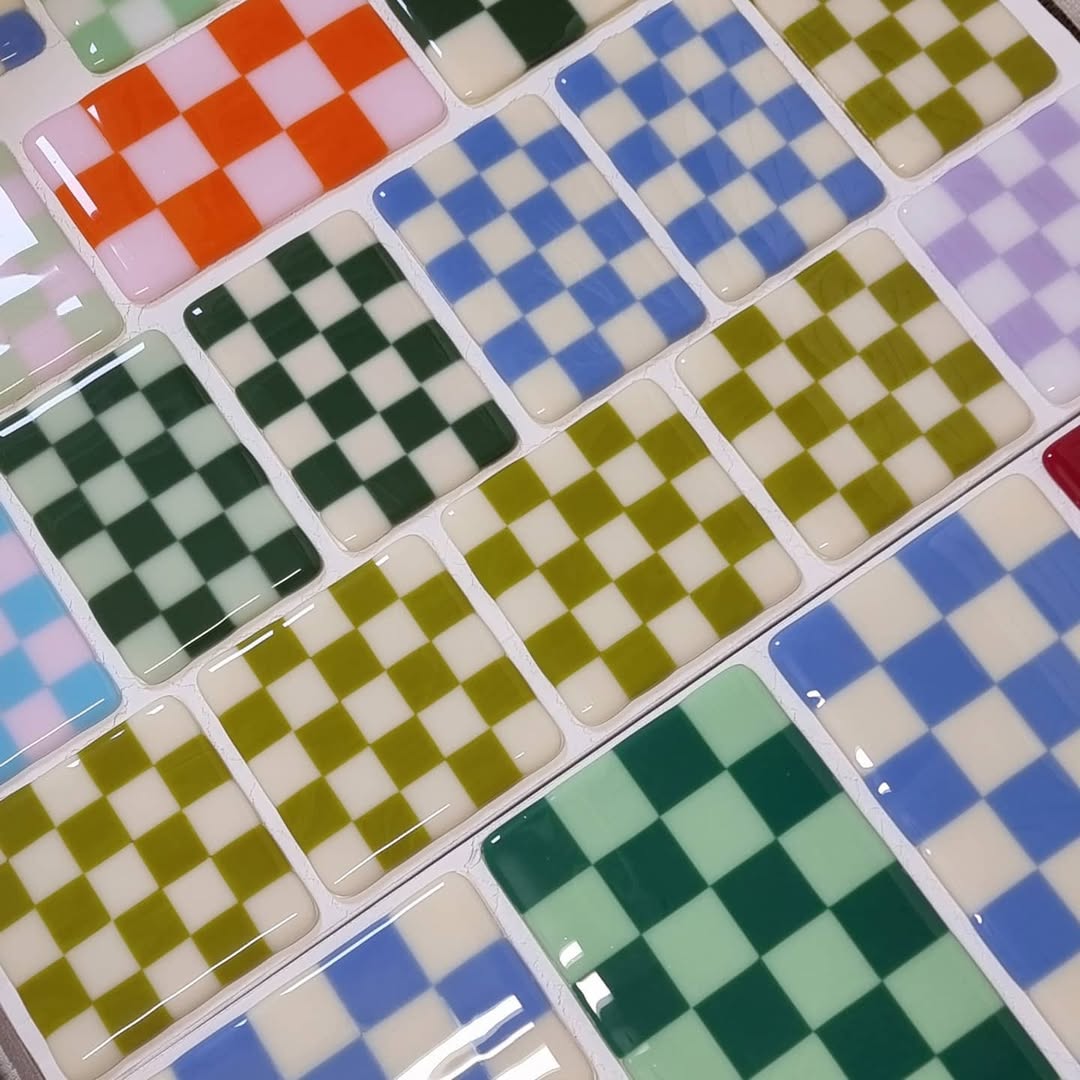
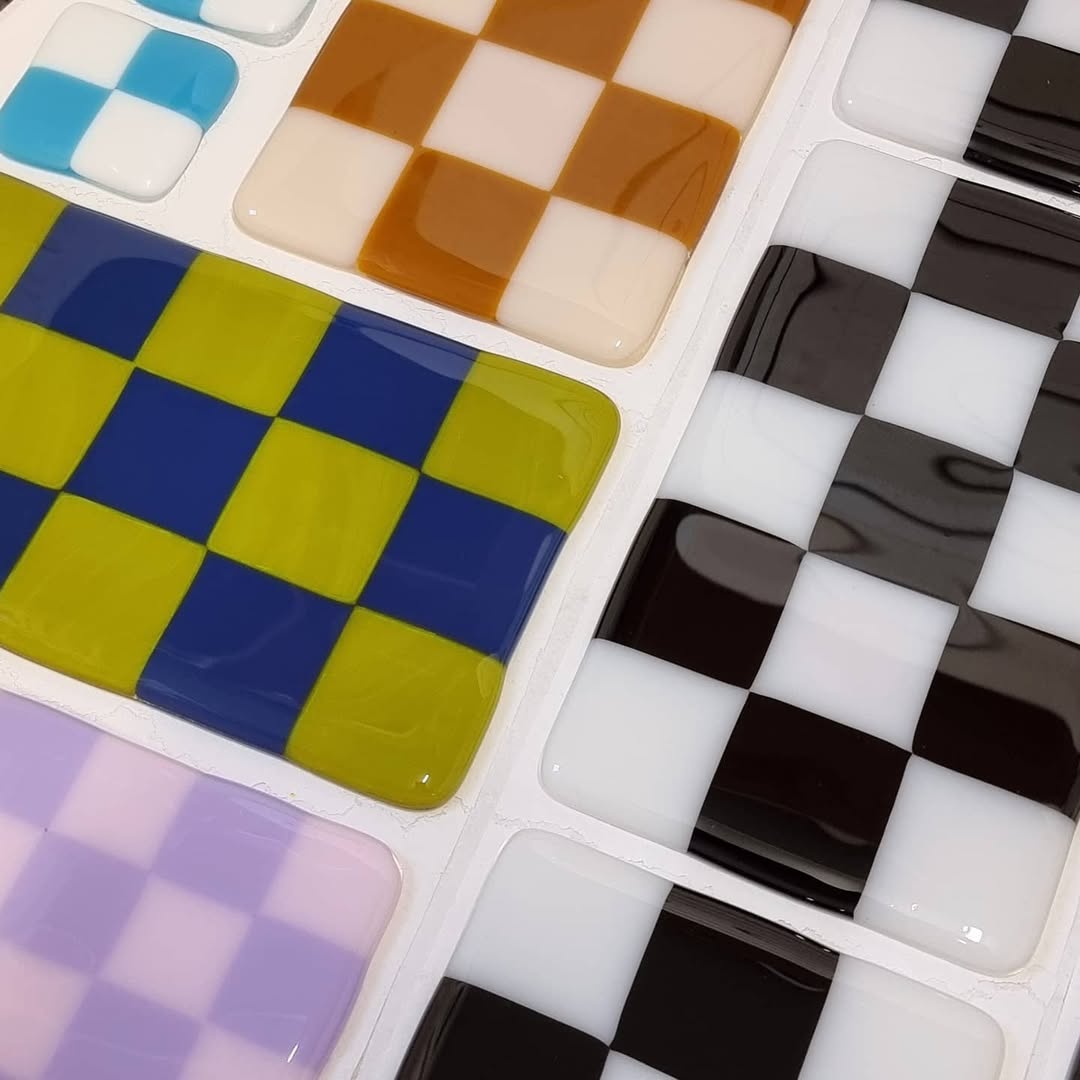
Advice and reflection
18. What advice would you give to someone starting out as a maker?
Starting your own craft business for the first time can be very daunting. I would say to always believe in your products, enjoy the journey of creating as much as the selling. Plan your days to keep yourself focused and get in touch with other creatives for support and advice. Keep yourself visible online or in your local area, depending on where you are focusing your sales. It is an exciting and rewarding journey.
19. If you could go back to the start of your career, what advice would you give your younger self?
Having a creative outlet is so rewarding, start now and believe in yourself.
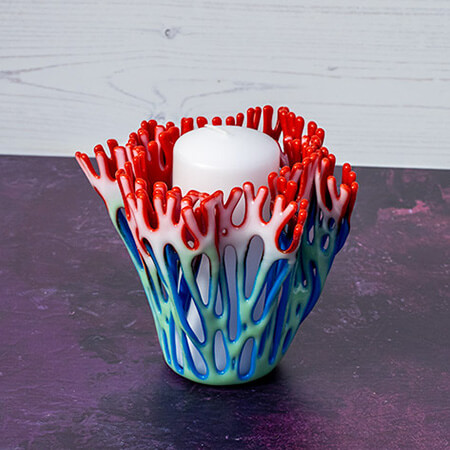
Closing thoughts
20. If you could collaborate with any artist, past or present, who would it be and why?
I think it would be glass artist Bob Leatherbarrow who creates some amazing artwork from sheet glass/glass powders but also produced some very detailed books/videos explaining about how and why glass acts in certain ways from heating, melting, cooling, annealing. He has taught me a lot and inspired me when I started out and continues to do so today.
21. Where can people find your work, and how can they support you?
All of my items for sale are listed on my website davidperryglassceramics.uk and always lots of photos on my socials including Instagram, TikTok and also BlueSky, but the easiest way to find all my socials is via linktr.ee/davidperryuk
David Perry’s glass art brings precision, vibrant colour, and joyful design into everyday spaces. Each handcrafted piece balances practicality with artistic beauty, creating functional artworks designed to uplift homes and captivate imaginations.
Explore David’s latest collections and follow his creative journey:
Support David by visiting his website, engaging with him on social media, and discovering the colourful world of his striking glass art.
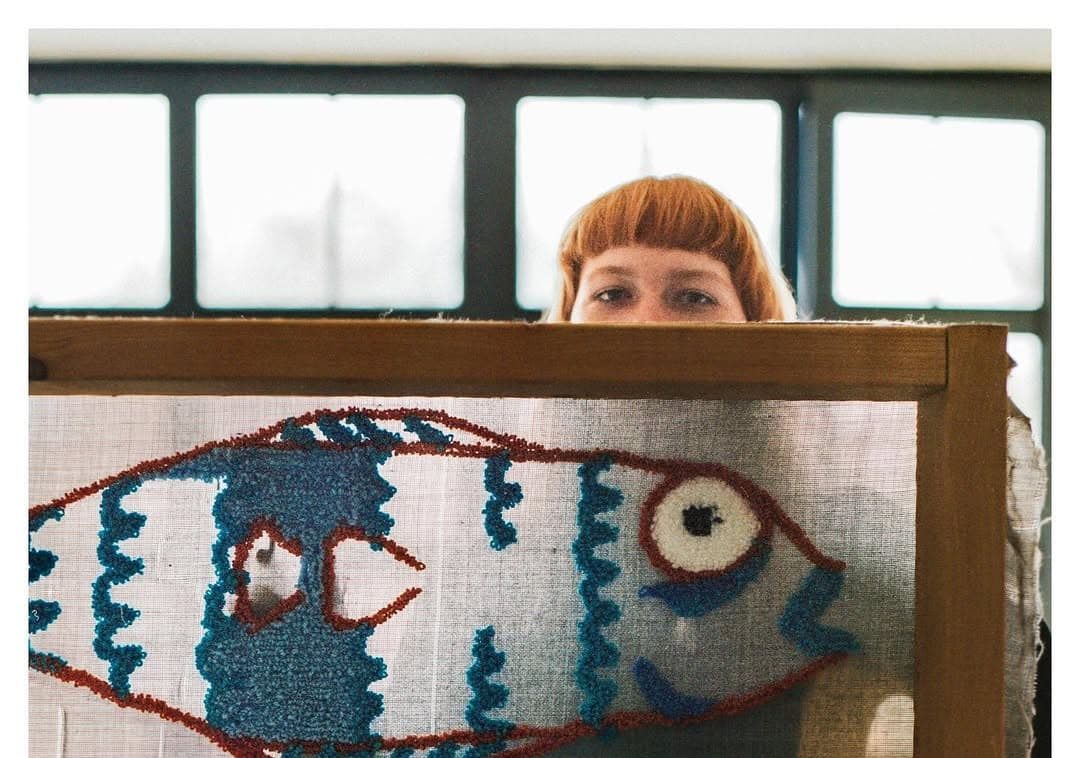
Meet the Maker: Daisy Tortuga Autobiographical Artworks
We recently caught up with Daisy Tortuga, an artist whose practice spans craft-based mediums, exploring the playful and autobiographical through textiles, ceramics, and music. Daisy shares stories from her creative journey, from crafting waistcoats for her childhood cat to finding catharsis in tufted rugs. We delve into how limitations fuel her creativity, her love for outsider and folk art, and the balance between experimentation and practicality. Daisy offers thoughtful insights on finding joy and authenticity in making art and embracing one’s unique path.
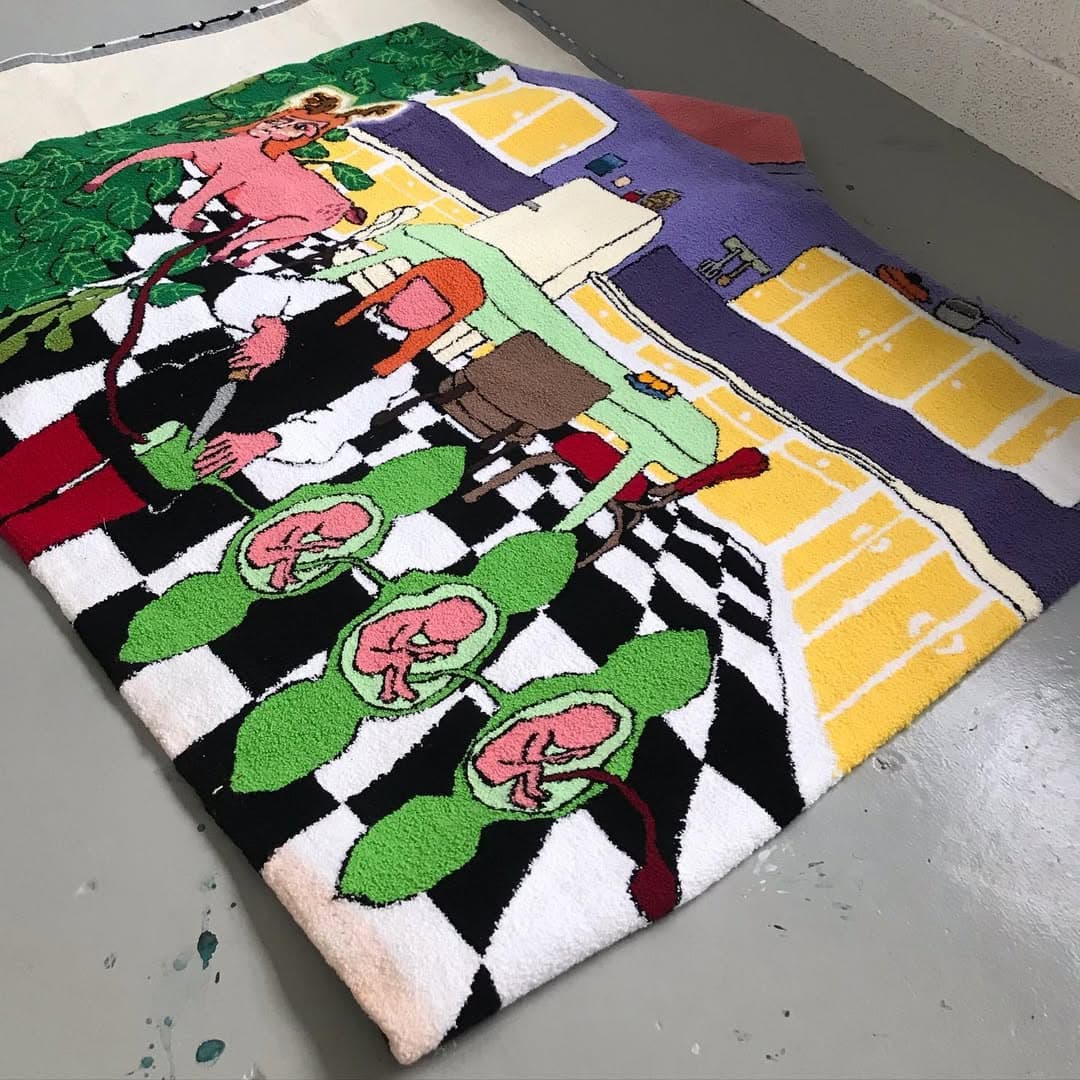
1. Can you tell us a bit about yourself and your artistic journey?
I have always enjoyed making things, it’s the only thing I have ever felt good at. I would describe myself as an artist that enjoys working in craft based mediums. I’ve never liked painting or drawing particularly, I think with craft mediums there is always a limitation with the material which makes me more excited than the endless possibility of paint colours for example. I like to use tangible materials like fabric, wool and clay; using their limitations to tell stories.
2. What inspired you to pursue your craft? Was there a defining moment or influence that sparked your passion?
My earliest memory of craft was making clothes for my cat Apricot when I was 5 or 6. I wasn’t able to sew yet but I stapled the seams together and made him a collection of waistcoats. My practice isn’t miles away from this now, not that I make clothing for animals but my work is very much led by what I feel like making at that time. My work has a connection of shared visual language but crosses many materials and forms.
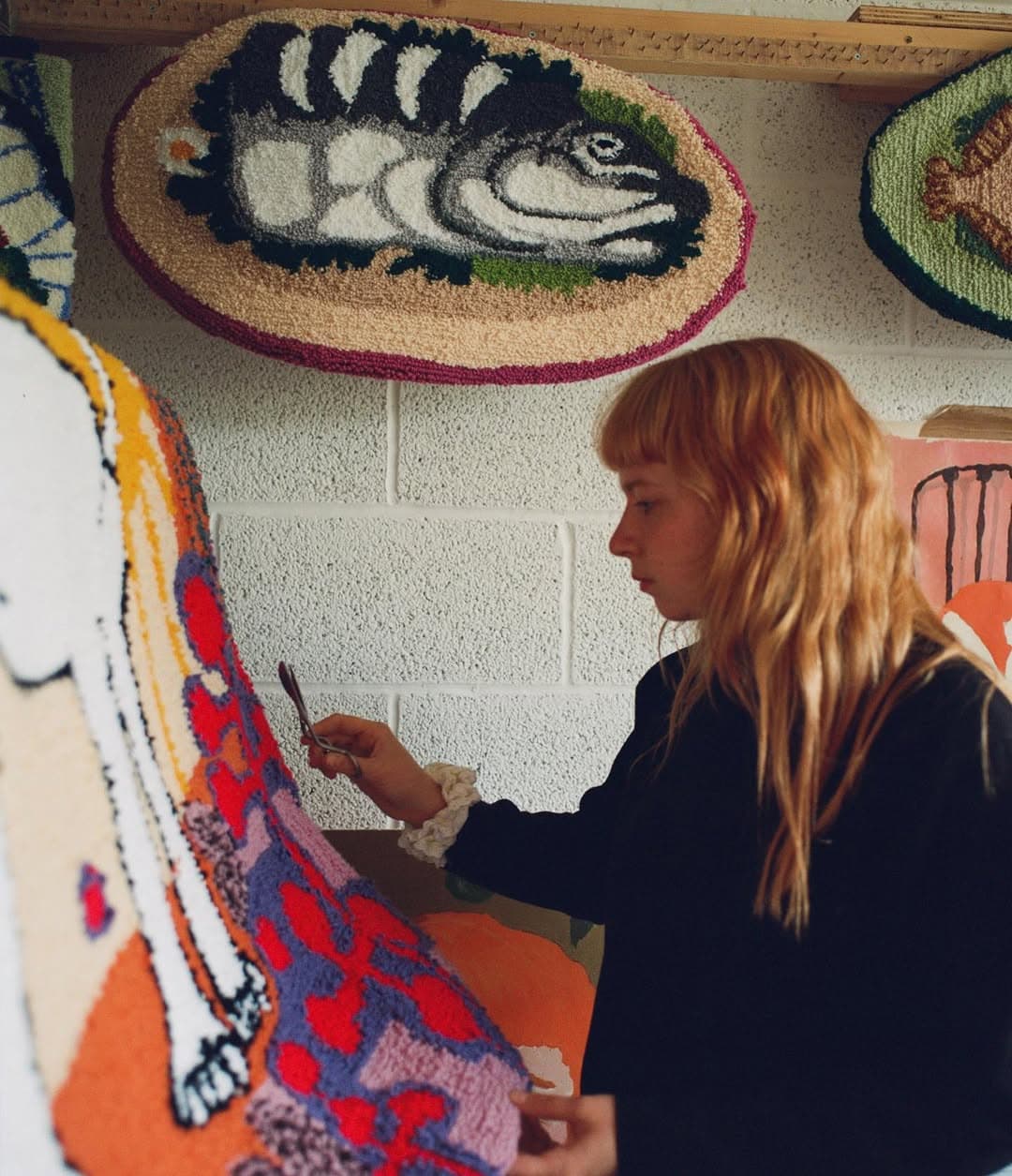
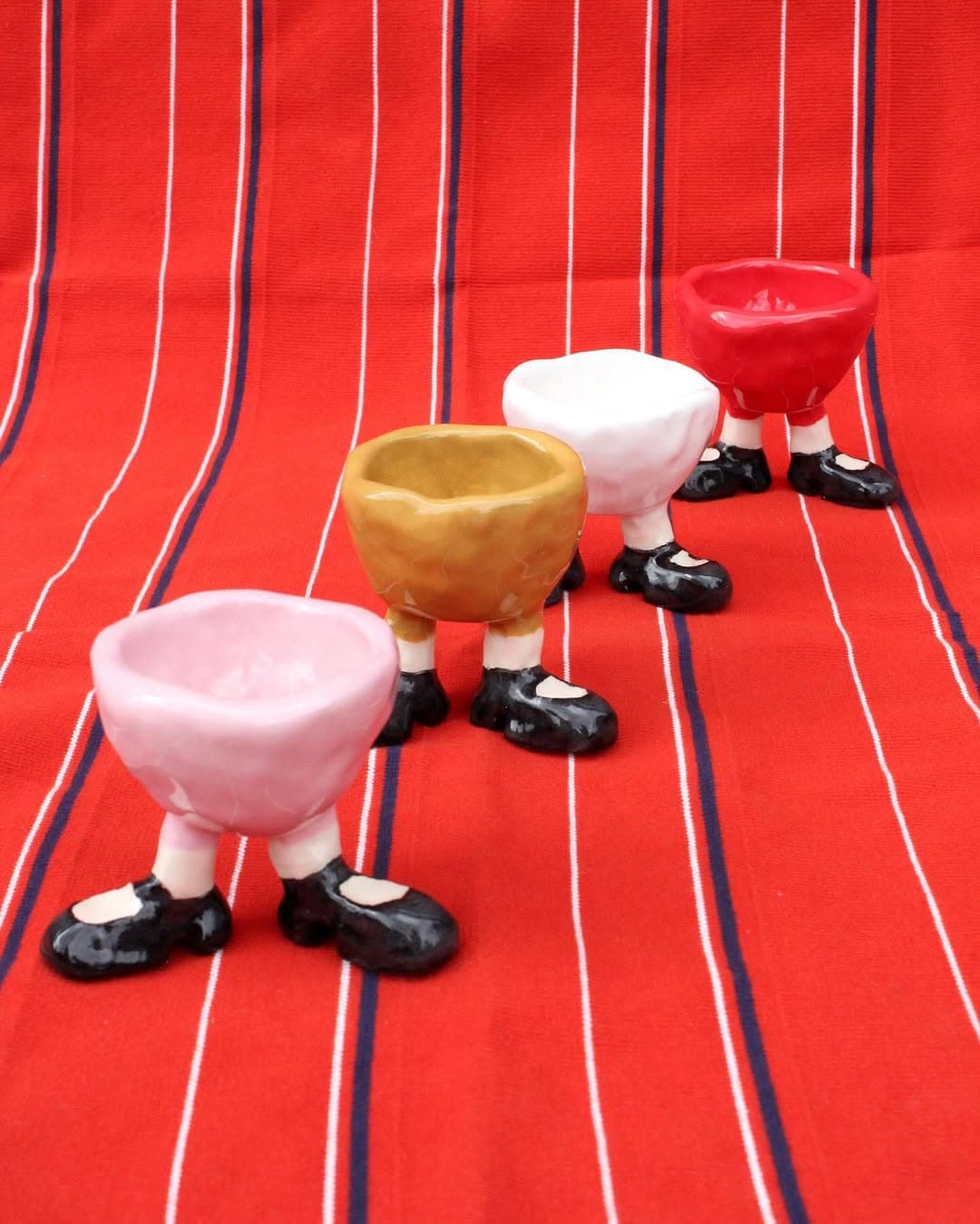
Your craft
3. How would you describe your work in three words?
playful, autobiographical, tactile
4. What materials or techniques do you use, and why are they important to your process?
I work mainly in tufted rug using wool, knitting using a domestic knitting machine and in clay. These materials are important to me because they allow me to make illustrations but through more tactile materials than just paper and pen. As previously mentioned, the materials all have limitations, for example when making a rug my frame can only make a certain size, the yarn colours are already dyed and so deciding what to do within these limitations is what I work within. Also using traditionally female techniques is something I feel connected to and continuing this tradition is something I’m interested in. I am also a songwriter and musician, for me my music lives in the same world I have created visually.
5. Can you tell us about a favourite piece you’ve created and the story behind it?
My favourite collection of work I have made was an exhibition I did called ‘New Rug, New Me’ in 2021 at The Truman Brewery in Shoreditch. I had a period of time constantly making rugs with autobiographical stories throughout and the work was made compulsively and in complete flow. I was extremely unhappy at the time and found catharsis in the body of work.
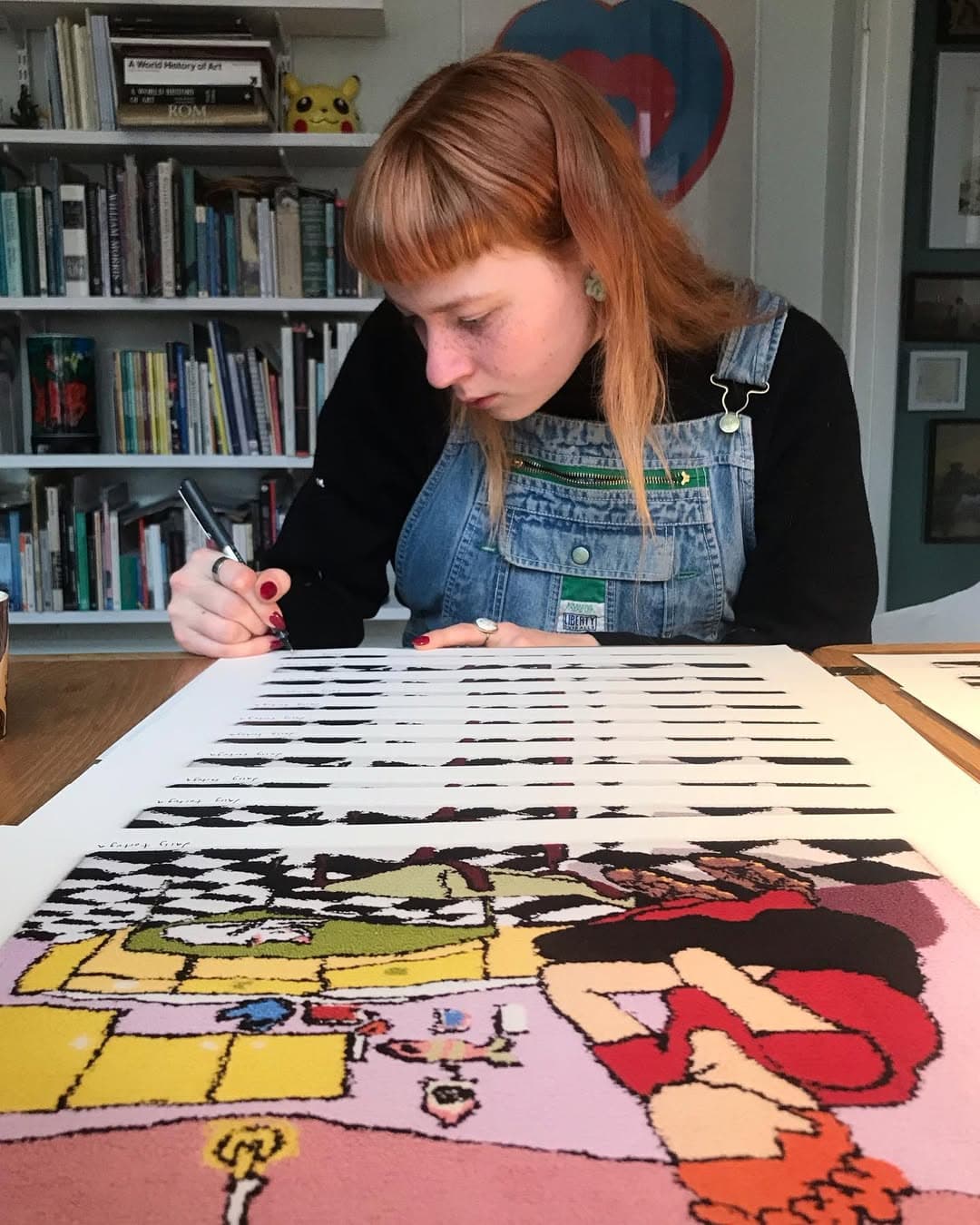
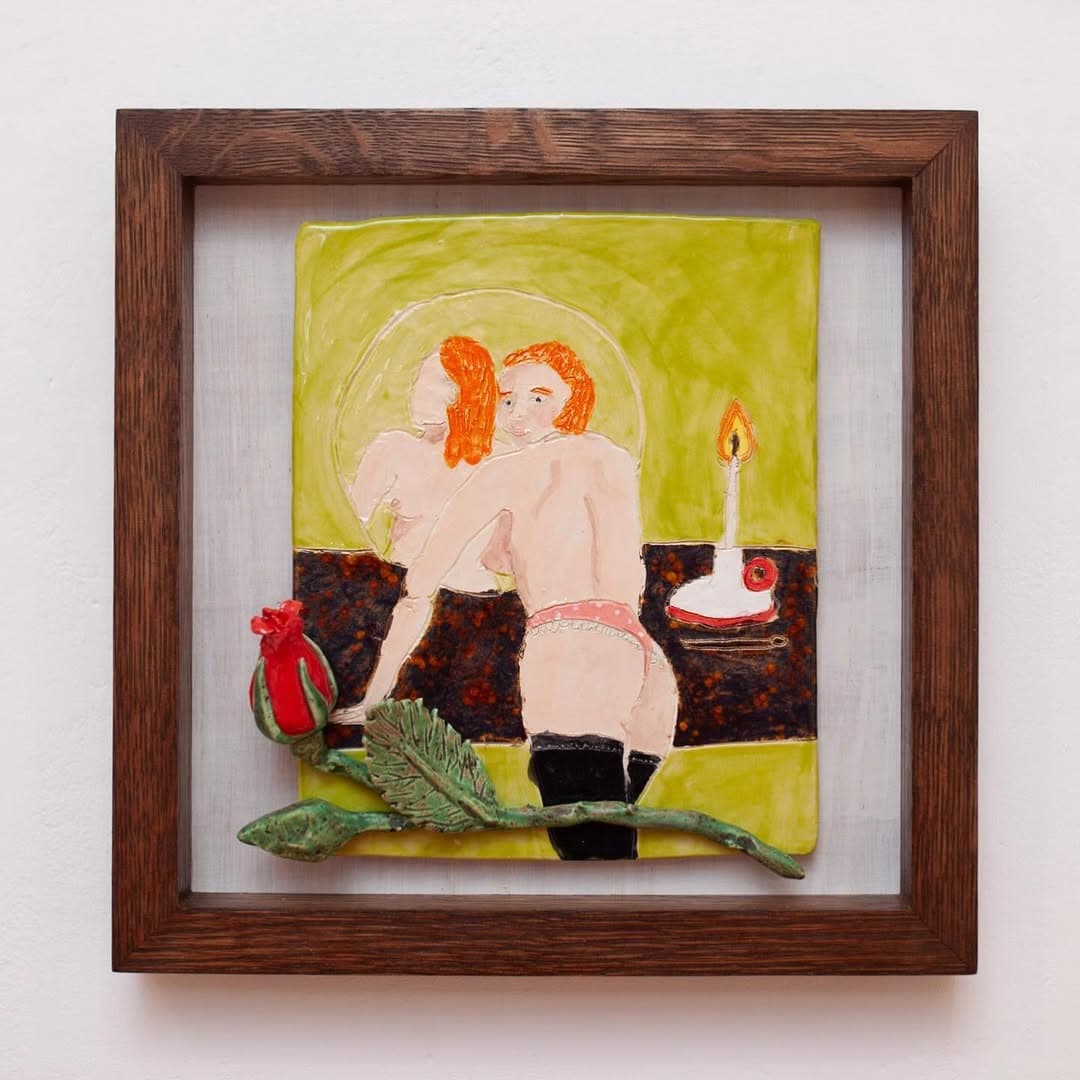
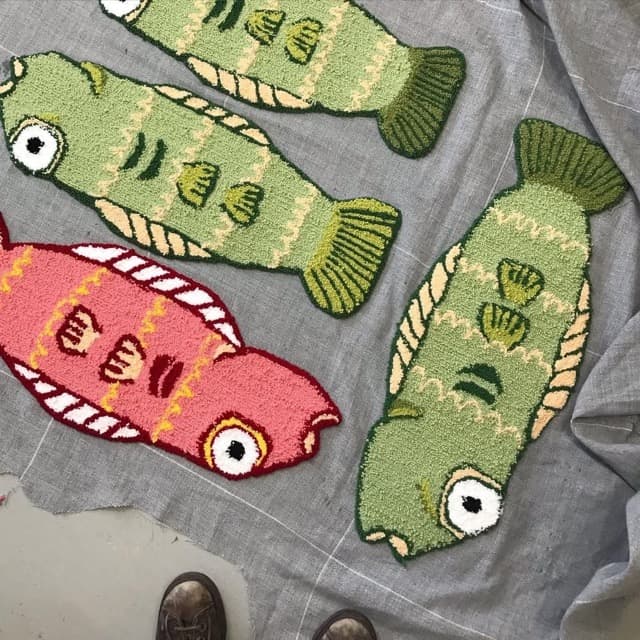
Creative process
6. What does a typical day in your studio or workshop look like?
I get to my studio around 10 am. I’m quite absorbed in my work when I’m working and don’t tend to procrastinate. I take cigarette breaks, make to-do lists, listen to podcasts and occasionally watch crap TV. I leave the studio at around 6 pm
7. Do you have any unique rituals or habits that help you stay creative?
Cigarettes
8. How do you handle creative blocks? Do you have any strategies or tips for overcoming them?
I find not working for a while the best thing for a block. Not being allowed to make work can make you miss it.
Challenges and successes
9. What’s the biggest challenge you’ve faced as a maker, and how did you overcome it?
Needing to make money at the same time as trying to experiment and take risks within my practice – still working on this
10. What’s been your proudest moment or achievement so far?
Finding my work in a charity shop
11. What’s your favourite quote you’ve ever heard about your work? Who said it, or what was the name of the publication?
‘Bitterly vindictive yet ultimately charming’
- Hard of Hearing Magazine about my bands EP
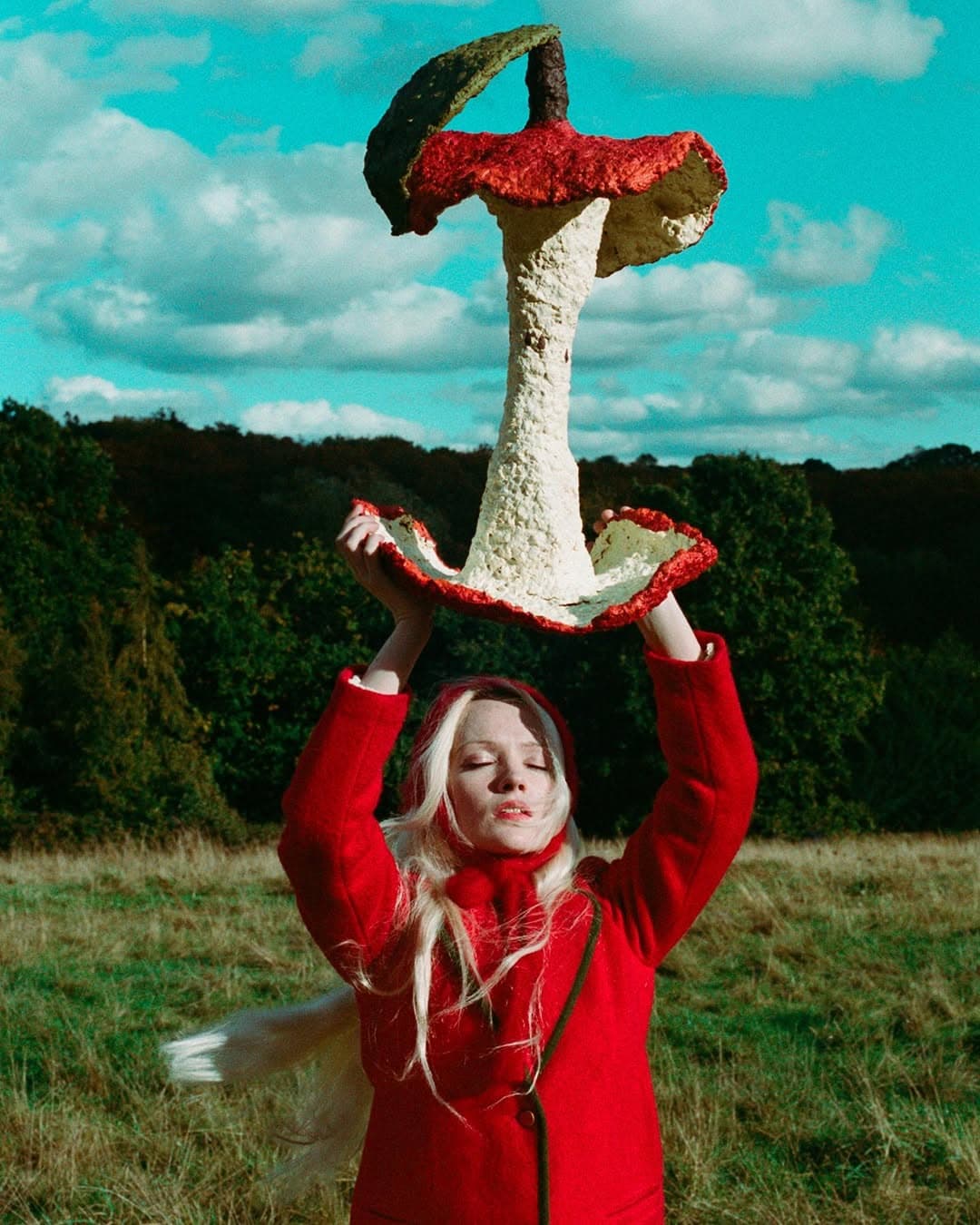
Inspiration
12. Where do you draw inspiration from for your work? What sparks your imagination and creativity?
I’m interested in outsider art/folk art. I think work made intuitively and without the intention of an audience is most interesting. I find myself inspired by literature, music and domestic spaces.
13. Do you have a favourite artist, maker, movement, or tradition that has influenced your craft?
I think craft work by women is an area of interest for me. Victorian needle point, handicrafts etc. This work was never considered art and I believe this is where the most pure, inventive creation can come. When there is no great intention of audience.
14. How does colour influence your practice; is it an important part of your process? Do you have a particular palette or favourites? Any go-to sources for colour inspiration?
My work definitely has a lot of colour, i’m not sure about a particular palette, I just add colours quite freely and don’t think about them too much.
Perspectives and goals
15. What role does your environment play in shaping your creativity?
I like to be alone when i’m working. I also like to wear headphones and be completely absorbed in what i’m doing, not distracted by phone messages etc. My studio also needs to be a place I feel safe and is decorated to my liking.
16. What do you want people to feel when they experience your work?
I’d like people to feel a sense of connection to something they might have experienced, like a story or character that resonates with them. Or simpler than that just an object that brings them joy.
17. What are you currently working on, and what excites you most about it?
I’m going to work on some more self portraits this year, I hope to make some vases a bit more similar to my textile work. I also want to make a collection of jumpers.
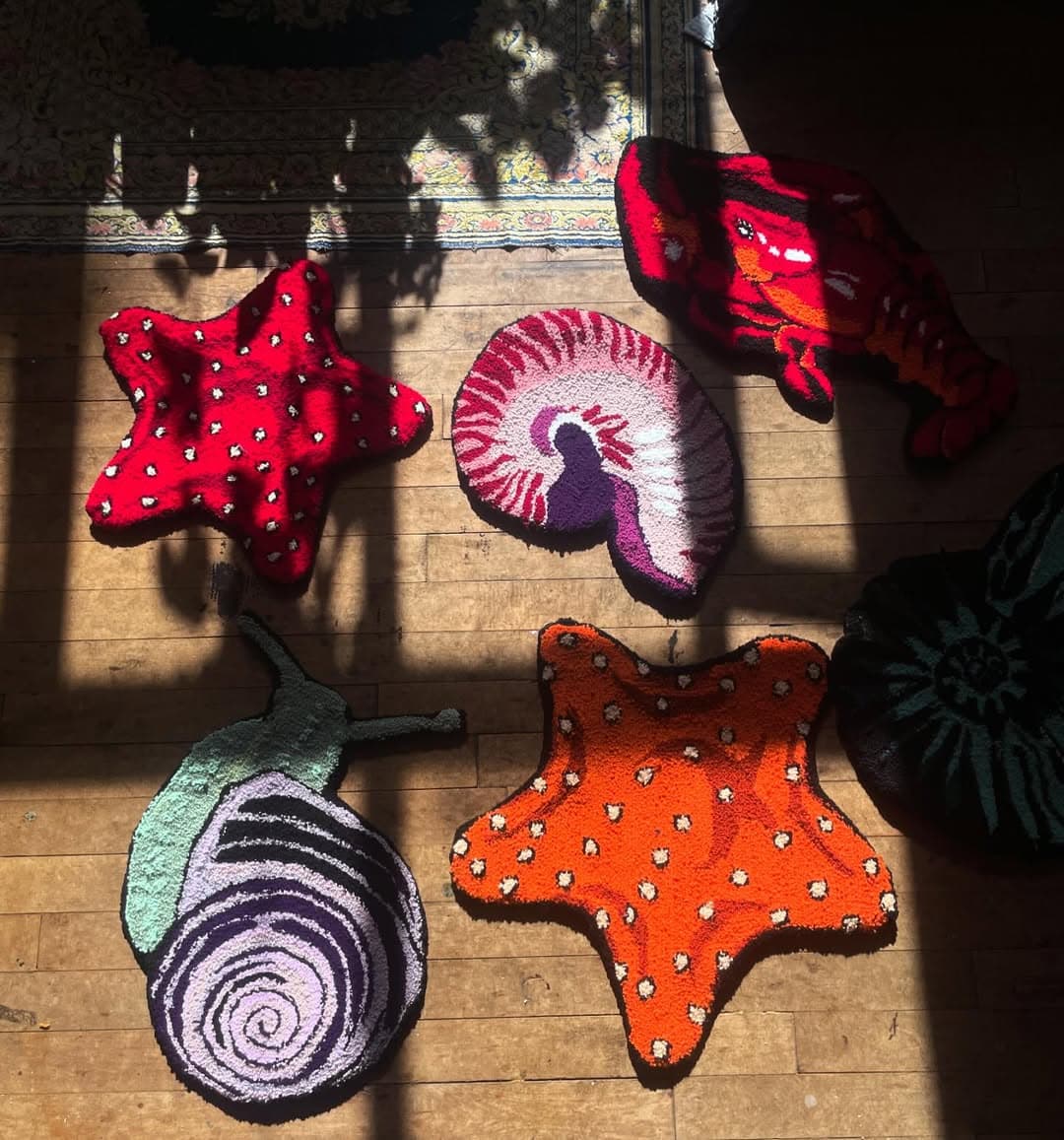
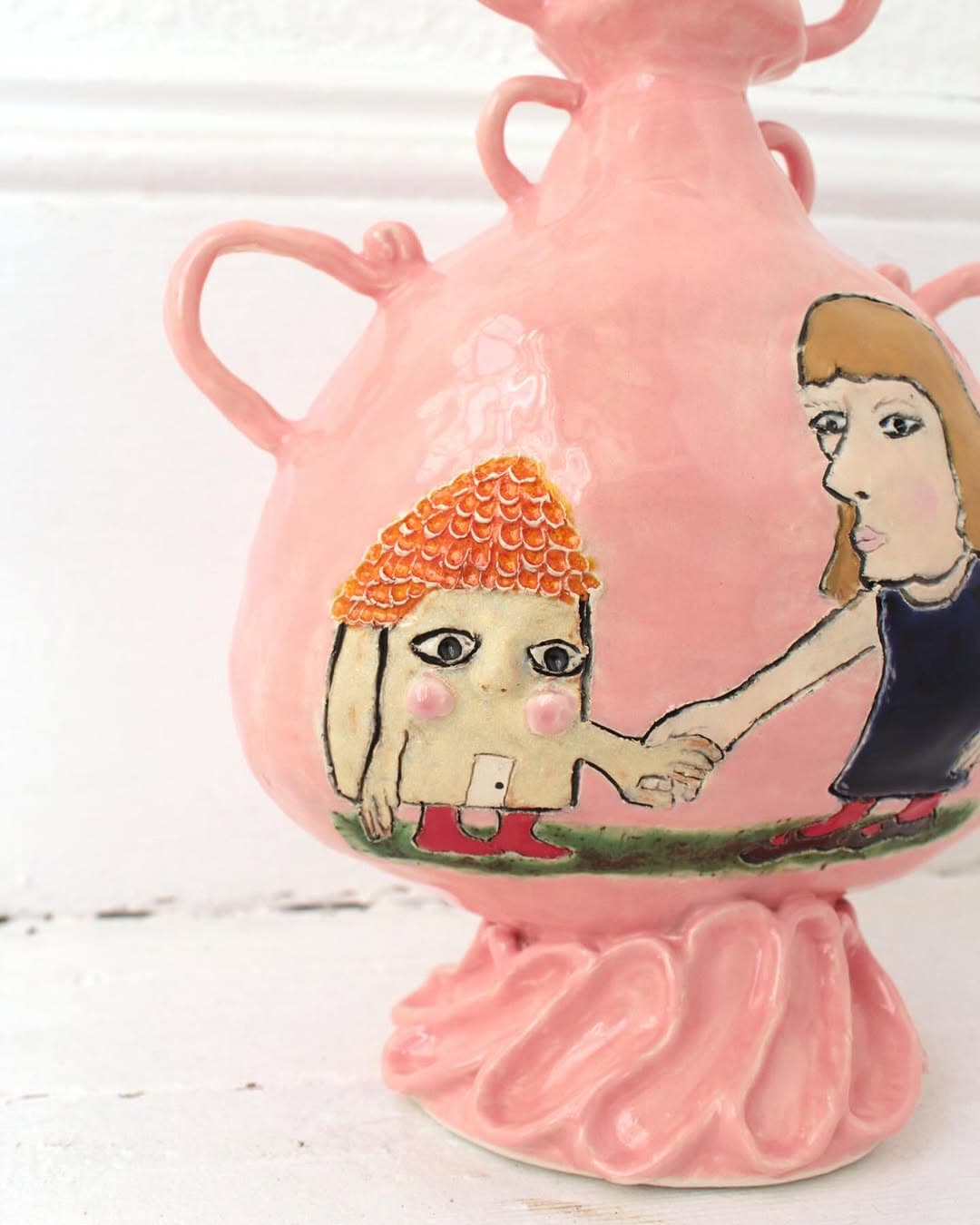
Advice and reflection
18. What advice would you give to someone starting out as a maker?
Do your own thing. Try not to follow trends
19. If you could go back to the start of your career, what advice would you give your younger self?
If I could tell myself at 16 that I could be a professional artist I would have been very pleased. I didn’t know I would be able to be a full time artist, I had never met anyone who had a creative job. I think its good to remember there are so many jobs involved in the creative world and you can always find your niche.
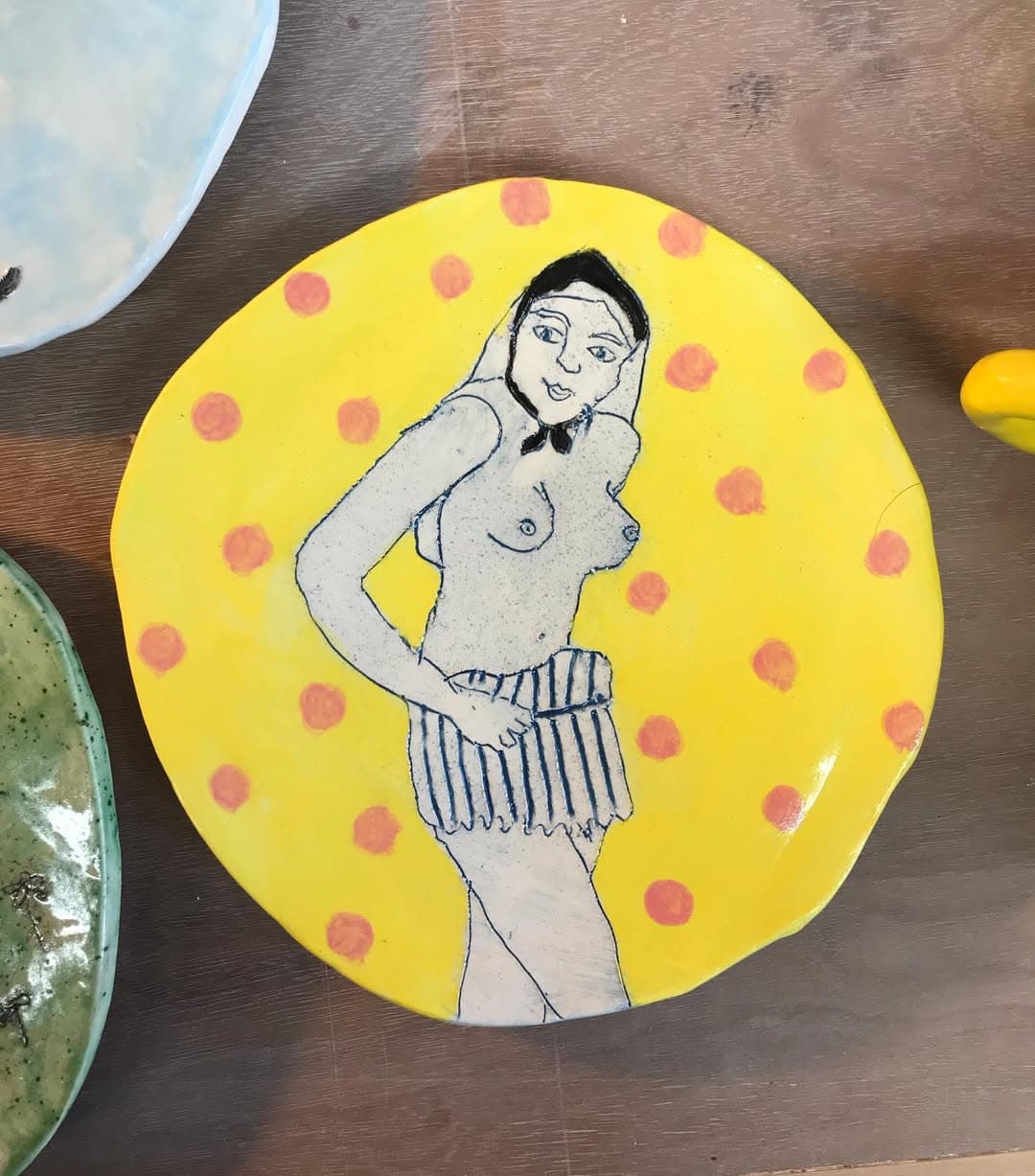
Closing thoughts
20. If you could collaborate with any artist, past or present, who would it be and why?
Black Sabbath
21. Where can people find your work, and how can they support you?
They can support me on my website daisytortuga.com or over on Instagram.
Daisy Tortuga’s vibrant, tactile artworks blend storytelling, playful exploration, and heartfelt connection, creating pieces that resonate deeply with everyday experiences. Her multidisciplinary approach crosses boundaries, offering joyful and introspective pieces that invite personal connection and warmth.
Explore Daisy’s latest collections and follow her creative journey:
Support Daisy by visiting her website, following her on Instagram, and staying tuned for her exciting new projects.
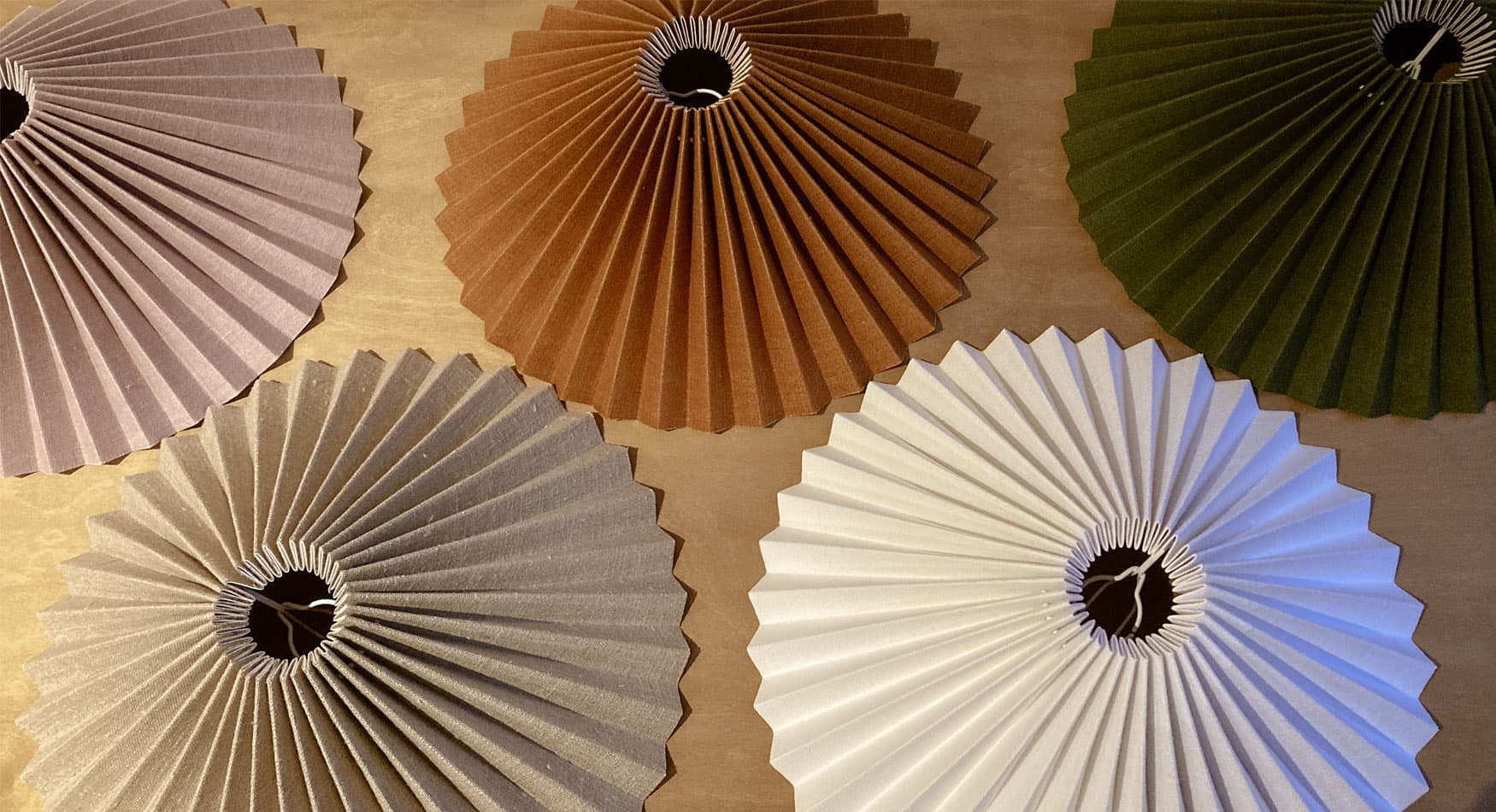
Meet the Maker: The Precise, Sculptural Creations of Ceau Store
In this Q&A, we sit down with the maker behind Ceau Store to explore her journey—from childhood projects to crafting the elegant, sculptural lampshades that have become her signature. She shares her love for tactile materials, thoughtful sustainability choices, and how creative problem-solving shapes her imaginative designs. We also discuss overcoming challenges, memorable moments like being featured in Elle Decoration, and the joy she aims to bring to everyday spaces.
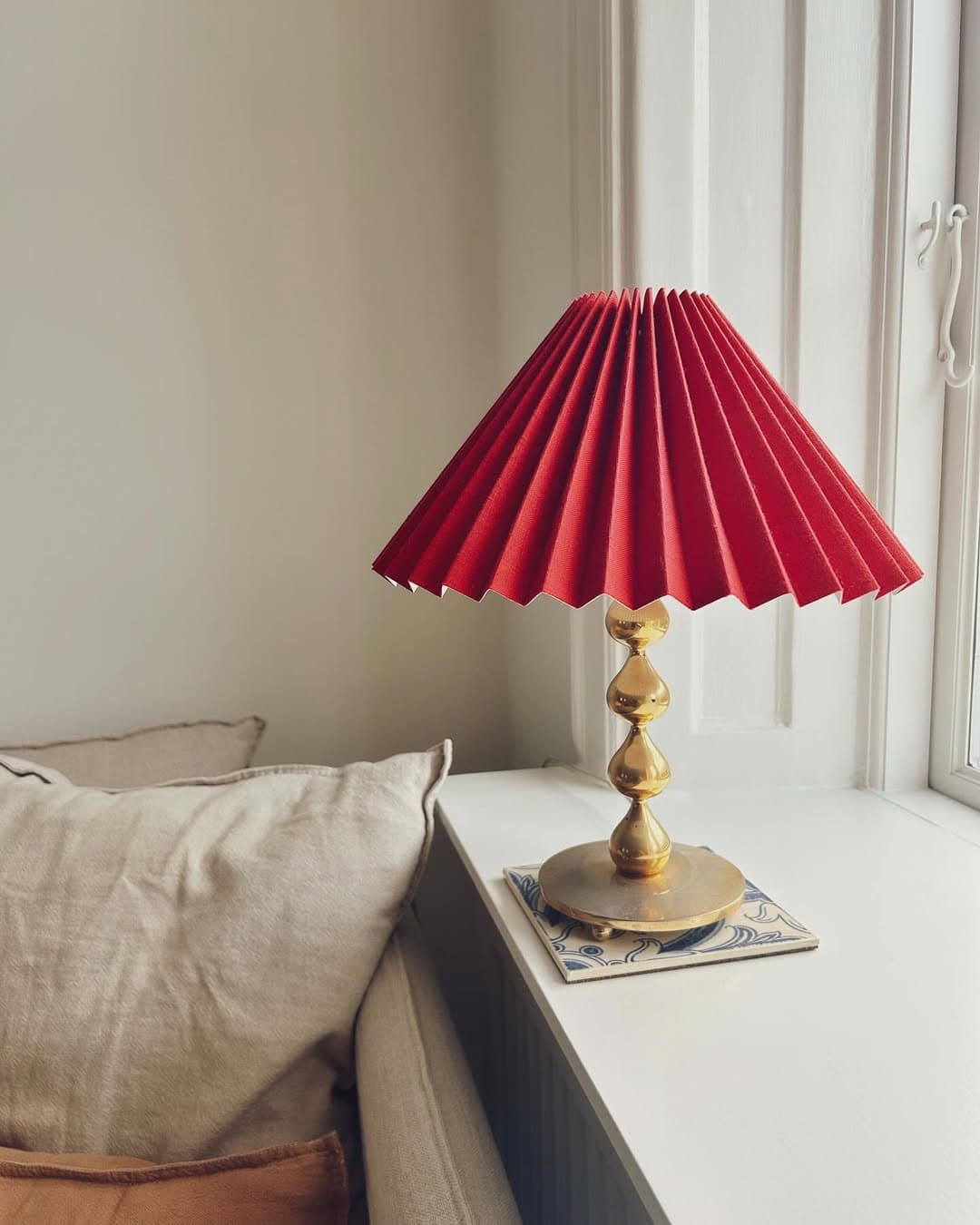
1. What inspired you to pursue your craft? Was there a defining moment or influence that sparked your passion?
I’ve always made things, even as a child I would be constantly asking my mum if I could make something. And I’ve always loved paper and fabric and tactile materials. I used to collect leaflets when I was really young and I once made a full dolls house, furniture and all out of A4 paper sheets. I’m sure if I saw that now it would be terrible but at the time it felt like I’d created a masterpiece. Creating and making is a total happy place for me.
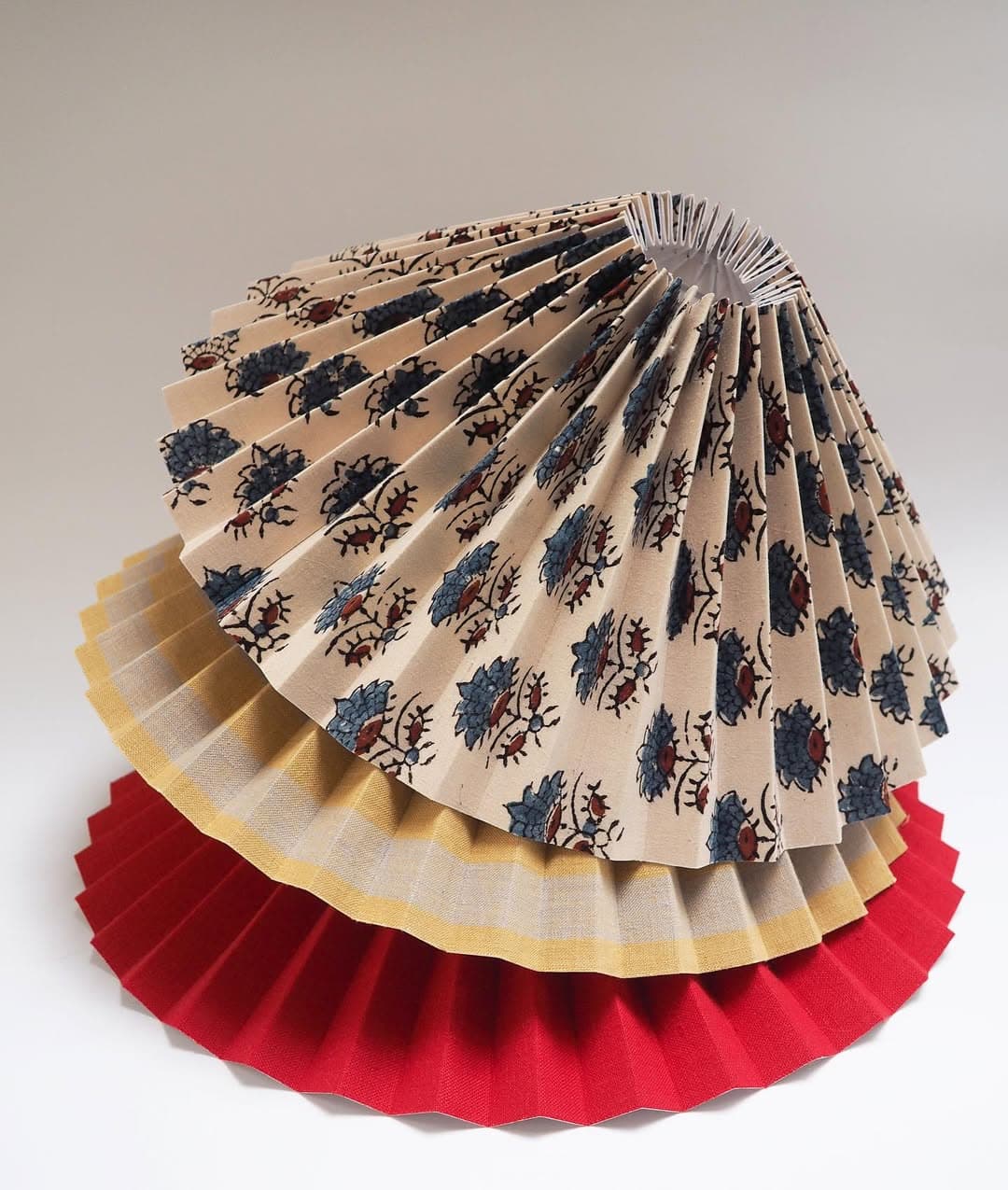
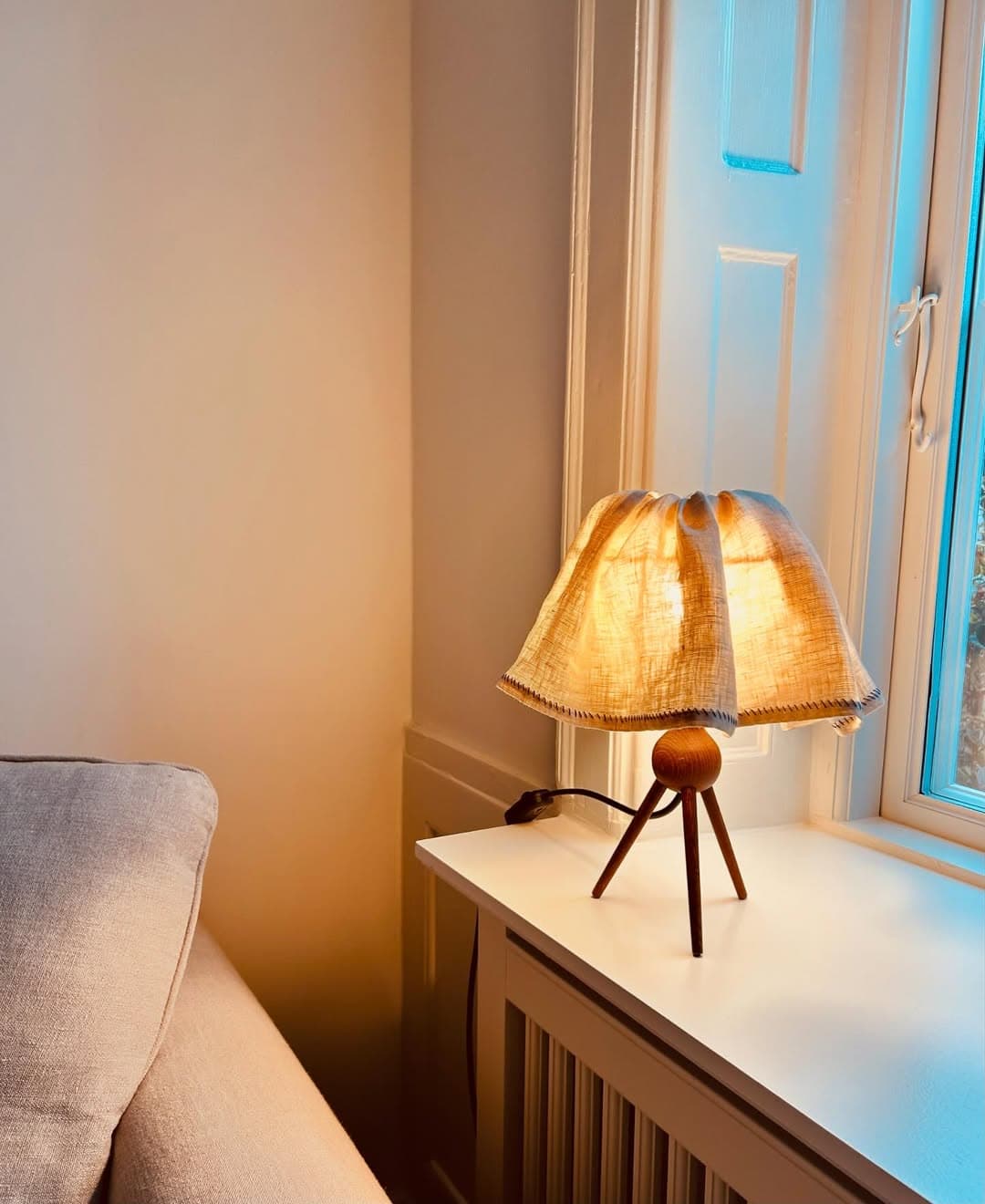
Your craft
2. How would you describe your work in three words?
Precise, Sculptural, Cosy
3. What materials or techniques do you use, and why are they important to your process?
All the materials I use are carefully considered, and all come from other small businesses. The lampshade backing is a beautiful thick card, chosen because it’s more sustainable than the alternative plastic but also because it gives an intrinsic beauty and tactility that you wouldn’t get from plastic. The fabric is all natural- Cotton or Linen, no polyester or polycotton. These choices add to the design of the lampshades they are part of what makes them beautiful.
In terms of techniques, I don’t think I do any “standard lampshade” making techniques. When I started making the pleated lampshades there wasn’t even an online “how to” on what to do so I created my own process and techniques, worked out all the tools and materials that I needed to created what I had in my head and over time I’ve tweaked these so that I can produce the best quality lampshades possible.
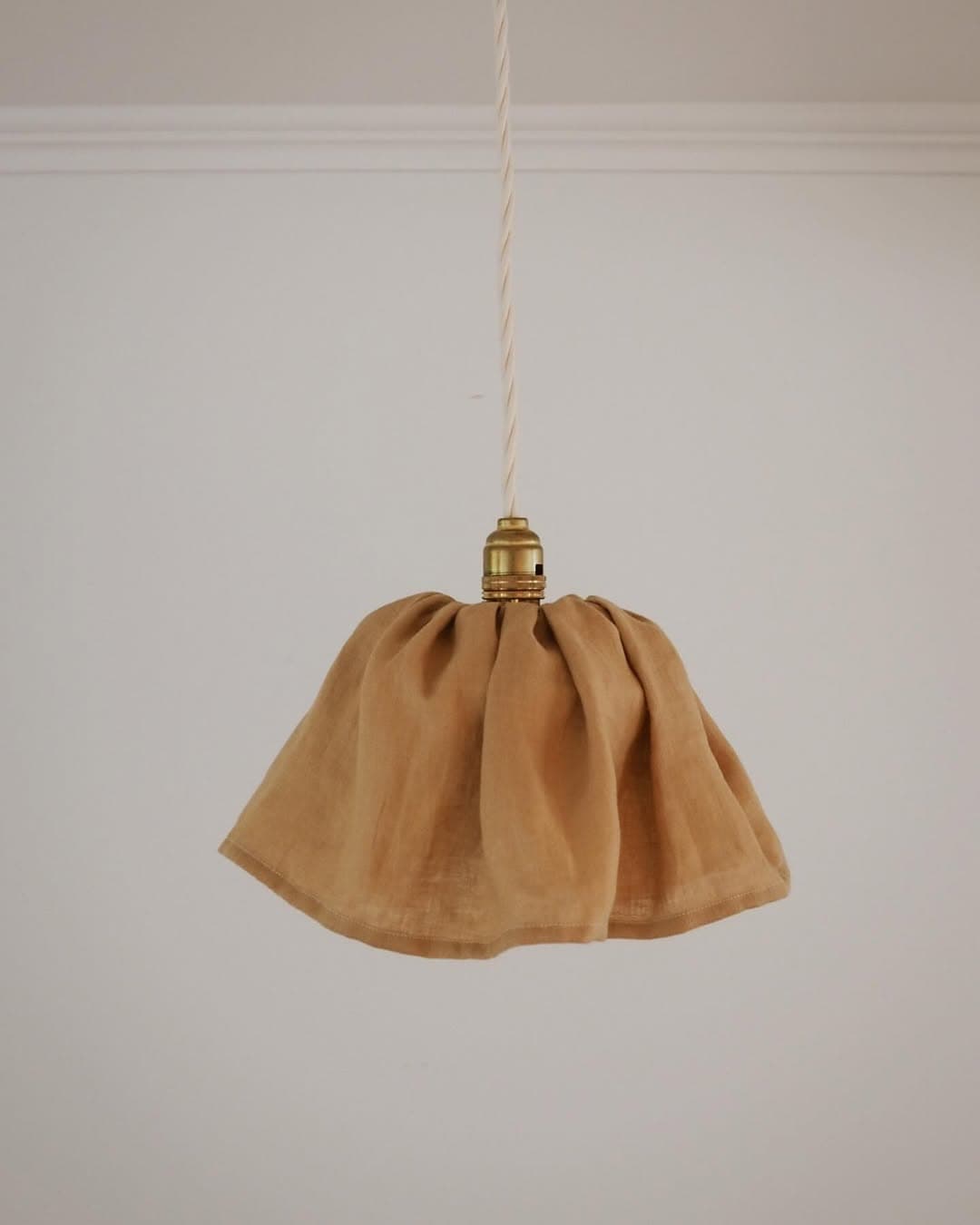
Creative process
4. What does a typical day in your studio or workshop look like?
Every day before starting work in the studio I take my dog for a walk with my husband and son. This is such a lovely start to the day regardless of the weather, I find that connection to nature and my family really helps me to get my head in the right space for the rest of the day. Then every day is different, if I have lampshades to make I’ll get started on those straight away, normally with a podcast in my ears and just head down focus on making those. Some days I have meetings and calls most recently with web designers and also a manufacturer who is creating part of some new products that I’m launching soon. I also spend time designing, exploring new colour options, fabrics, ideas for new products. Then at 4pm I go and collect my son from nursery and that’s my working day finished.. until he’s in bed at least.
5. Do you have any unique rituals or habits that help you stay creative?
I write all of my creative thoughts/ideas down and always on paper with a pencil, I’m very analogue with stuff like that and can’t get my thoughts out if I do it on my phone or computer. I find making mood boards really helpful, collating images or ideas that inspire all in one place definitely helps me to solidify what I’m thinking.
Challenges and successes
6. What’s the biggest challenge you’ve faced as a maker, and how did you overcome it?
Plagiarism, unfortunately I think this is something that a lot of creatives have to deal with especially when putting yourself and your work out there. Not to go into too much detail/specifics I had a not great situation with someone buying one of my lampshades and then using it to replicate the lampshades and to be honest it was devastating. When you put so much time, effort, energy into creating something from scratch it’s hard to handle. Initially I got bogged down in legal options (of which there are not many) and it was a really stressful upsetting time but I realised a more powerful way to deal with it was to focus that energy into making my creations better, develop new ideas and use it as motivation to do better and make more of the ideas I had for Ceau Store a reality.
7. What’s been your proudest moment or achievement so far?
Honestly every sale I make is like a pinch me moment. Sounds so cheesy but I think a lot of small business owners can relate to that especially when they make the products. Every time I get a request or sale from an Interior Designer my stomach does a little flip and when my lampshades were bought for the Hoxton hotel in Barcelona too. Also, the Lampshades being in Elle decoration, a publication I have coveted from a young age, that felt like a crazy moment.
8. What’s your favourite quote you’ve ever heard about your work? Who said it, or what was the name of the publication?
A customer once likened getting hold of one of my lampshades to getting Glastonbury tickets.
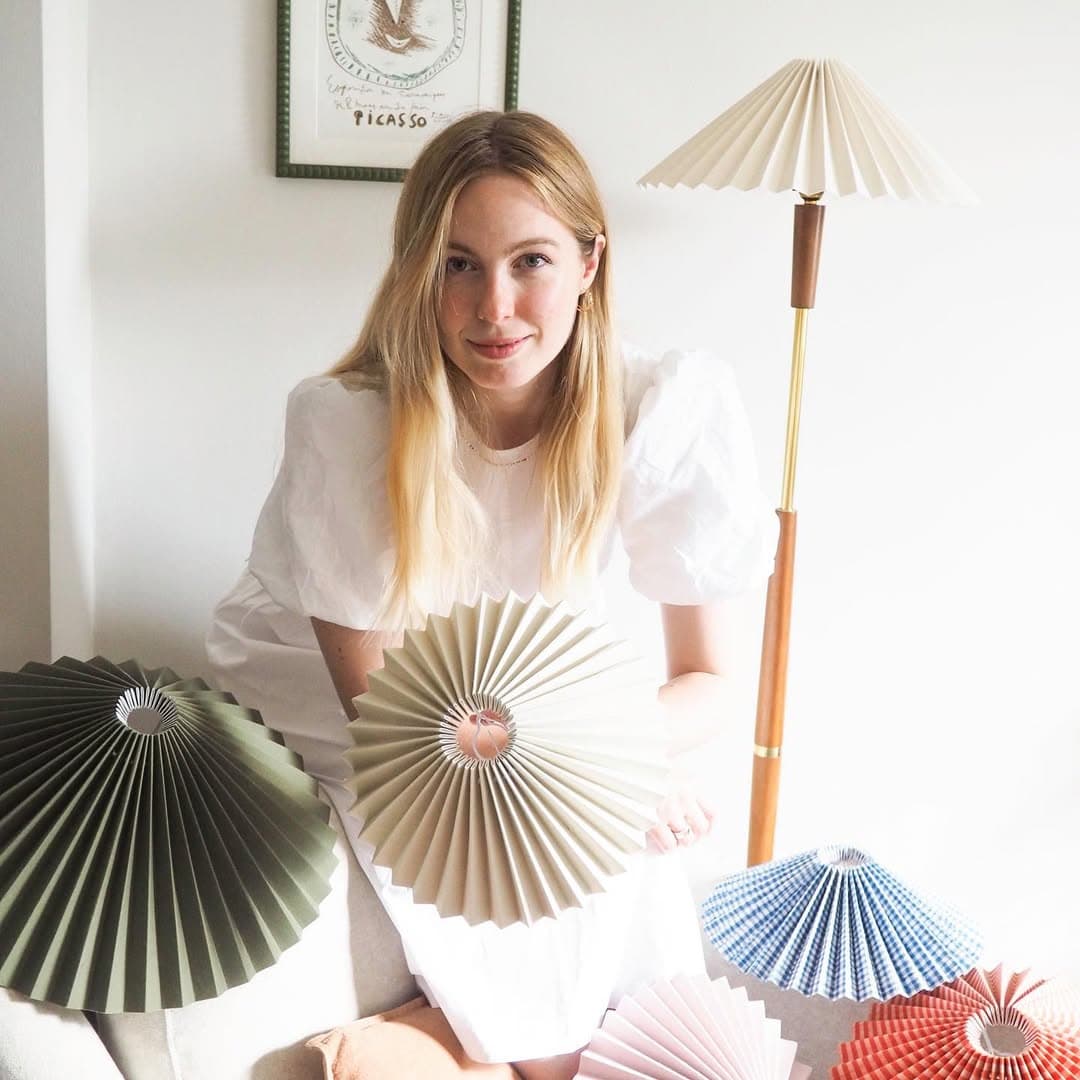
Inspiration
9. Where do you draw inspiration from for your work? What sparks your imagination and creativity?
The essence and idea of home definitely influences my decisions and fuels my imagination. Form, texture, pattern, colour and how that relates to and enriches our homes and lives is so interesting to me. Little nuances and details can make all the difference and I love paying attention to that. For example, the shadow that comes from the pleated lampshade when lit is really pleasing and unexpected. Those little details that come from creation is a really lovely thing to pay attention to. It may not be immediately evident but I think you can see these intricacies- the care, the thought comes through in the final outcome.
I almost feel like this is a bit of a cliché that I learned from art college but problem solving also fuels my imagination and creativity. If I have boundaries or a problem to solve/get around, the outcome can often be more valuable than if all the possibilities were endless.
10. Do you have a favourite artist, maker, movement, or tradition that has influenced your craft?
Jean Cocteau, Miro, Picasso, Matisse. I love the abstract, whimsical, playful, colourful work of these artists. Since having my son I’ve also fallen for the illustrations of Ludwig Bemelmans- we read a lot of Madeline, illustrations are amazing, the stories however are a little odd but he seems to like them.
11. How does colour influence your practice; is it an important part of your process? Do you have a particular palette or favourites? Any go-to sources for colour inspiration?
I always think about colour when creating a new shade or collection, it’s really a primary focus and I always consider how the colours I choose will work in an interior space. When picking colours or fabrics its more of a feeling I get when I know something is right and will work well.
Perspectives and goals
12. What do you want people to feel when they experience your work?
Joy! I don’t have a very serious job, if I’m not bringing joy to people’s lives with the lampshades then I think I’ve missed the point.
13. What are you currently working on, and what excites you most about it?
I have a new lighting collection in the works and I’m so excited about it because it’s all designed to pair perfectly with the lampshades, colour, shape, style everything. So now people can buy a lampshade and have a perfect match, be it a wall light, pendant or table lamp, available to them.
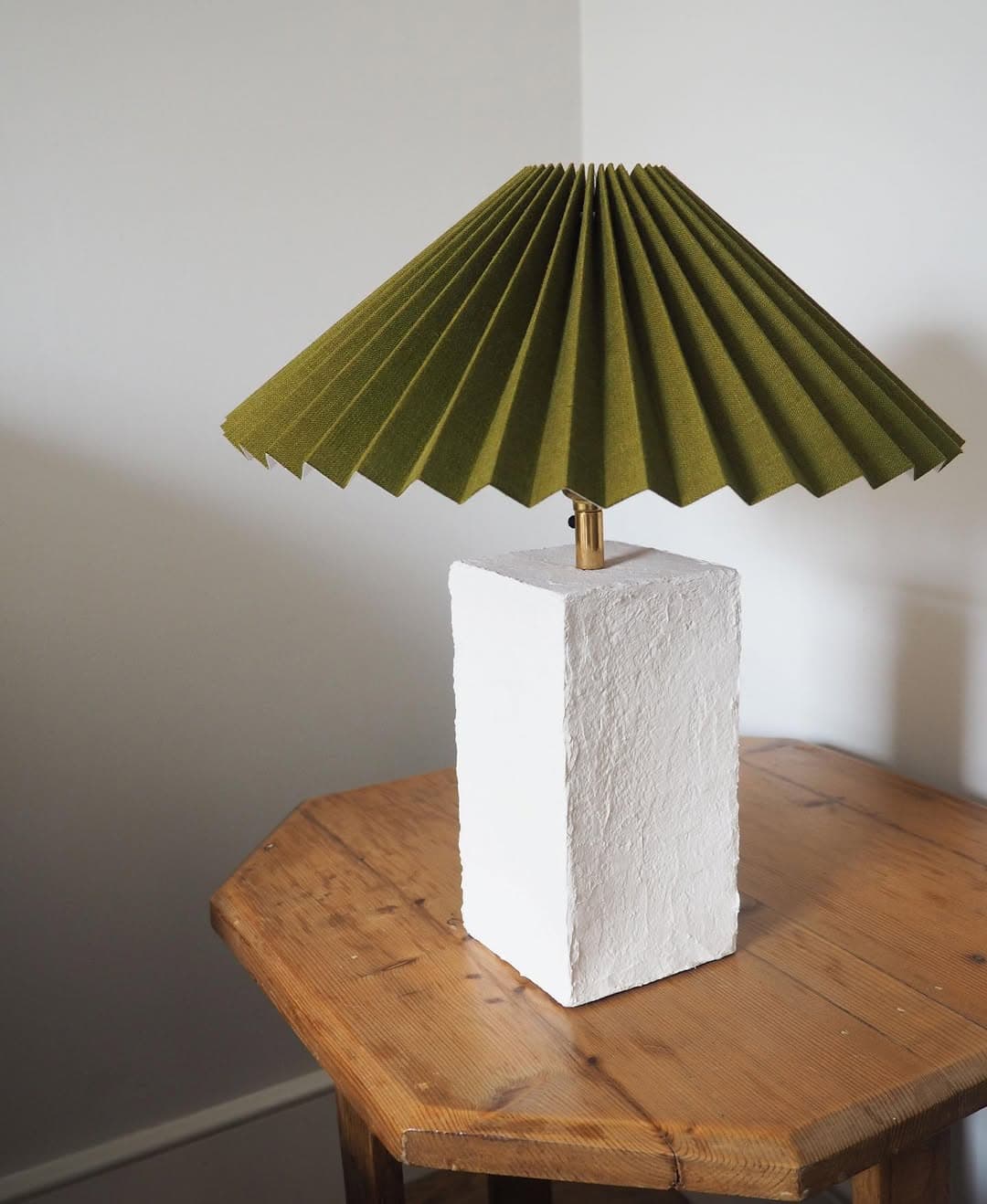
Advice and reflection
14. What advice would you give to someone starting out as a maker?
Don’t compare yourself to others, it’s really hard not to especially in this environment of oversharing but if you can find your thing and focus on that, the rest will follow.
15. If you could go back to the start of your career, what advice would you give your younger self?
Don’t rush, you have time and often more interesting things pop up along the way.
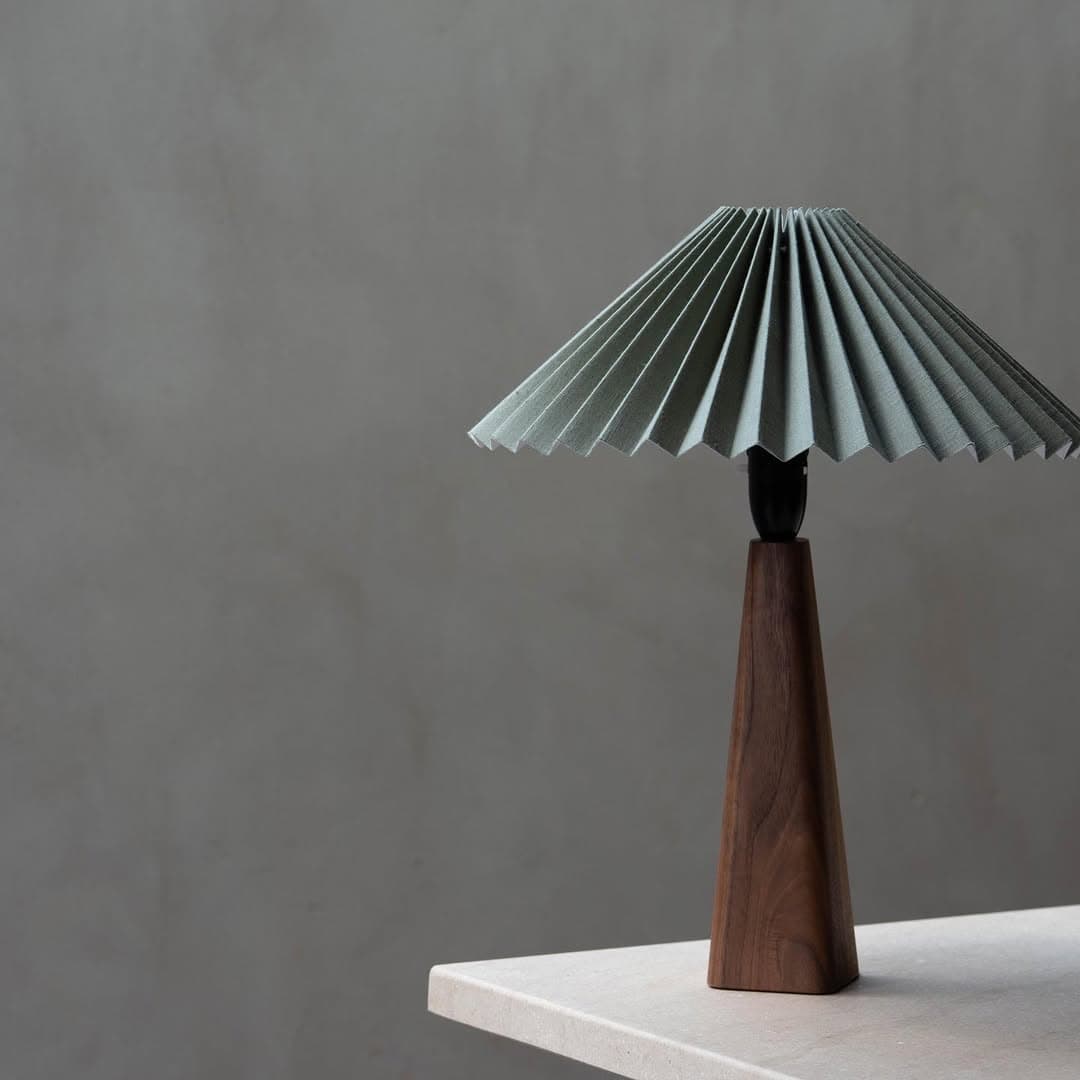
Closing thoughts
16. Where can people find your work, and how can they support you?
At the moment just on my website ceaustore.com and my Instagram account. There’s definitely a shift away from Instagram at the moment and I think it’s pretty healthy so signing up to my newsletter would be the best way to support me and my work.
Ceau Store’s lampshades beautifully combine thoughtful design, sustainability, and cosy sophistication, making them striking yet joyful additions to any home interior. Each piece carries meticulous attention to detail, colour, and form, creating unique lighting solutions that enhance everyday spaces.
Discover Ceau Store’s latest collections and follow her creative journey at
Support her by signing up for the newsletter and exploring her beautiful creations.
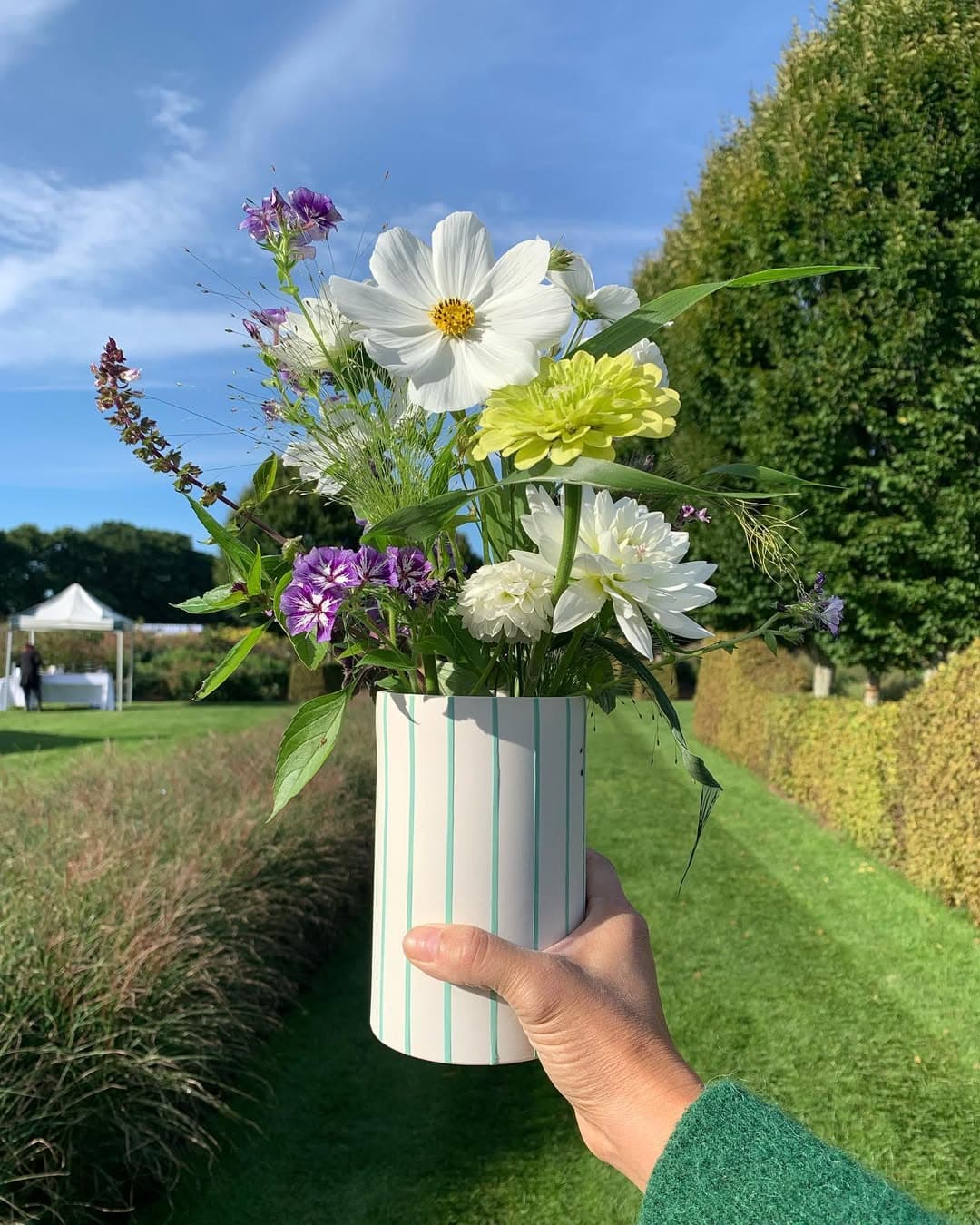
Meet the Maker: Aeyglom's Colourful Craftsmanship
In this Q&A, we chat with Aey of Aeyglom, exploring her artistic journey from childhood in Chiang Mai, Thailand, to establishing her ceramics studio in the UK. Aey shares the personal significance behind her brand name, her love for porcelain’s challenging beauty, and her vibrant approach to creating colourful ceramic pieces. She also discusses the delicate balance between creativity and business, drawing inspiration from global architecture, and her excitement for upcoming projects like expanding into lighting.
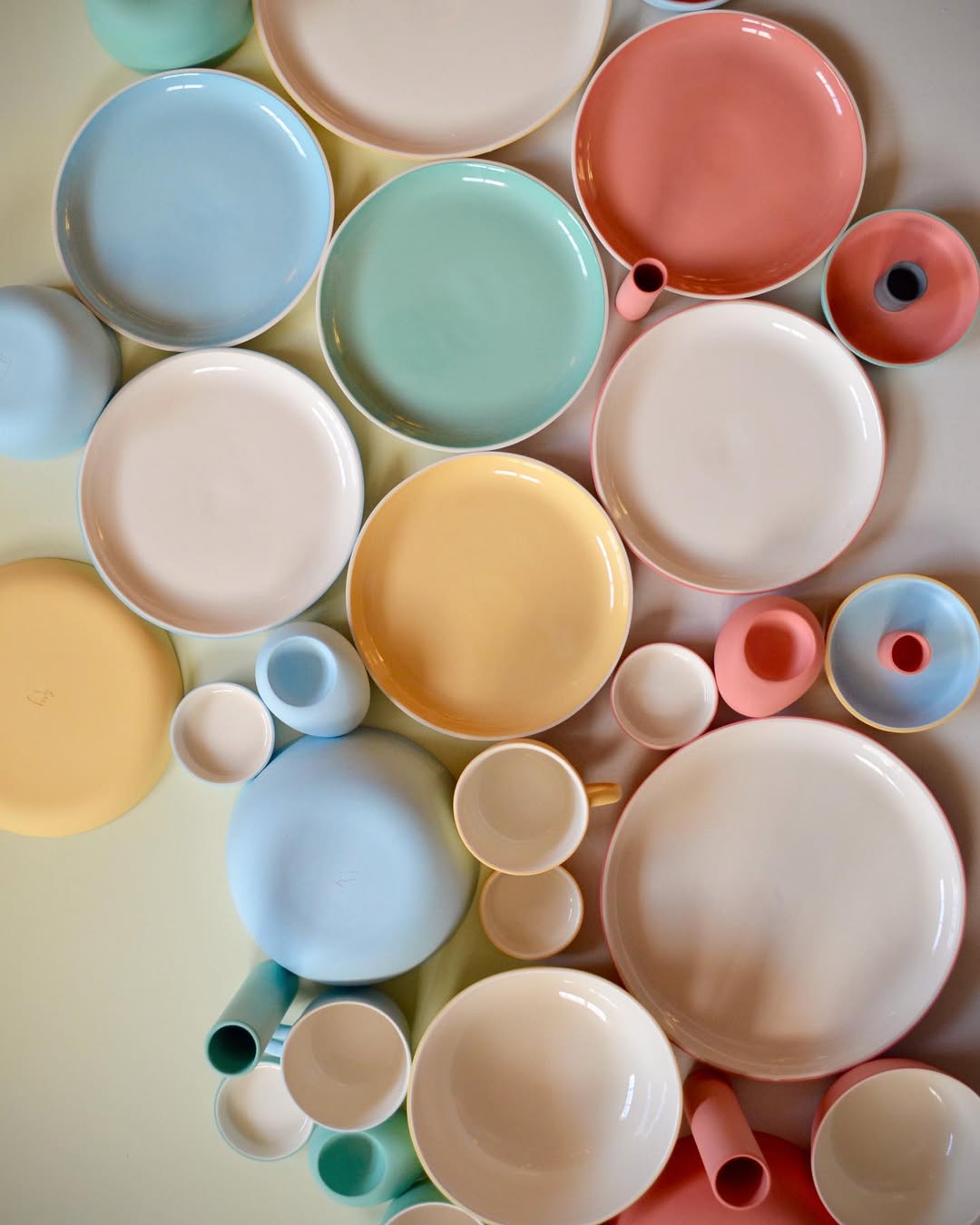
1. Can you tell us a bit about yourself and your artistic journey?
The brand name – aeyglom – is a combination of my Thai nickname Aey and the word Glom, meaning circle – the shape and form often reflected in my work. Having spent my childhood in Chiang Mai, Thailand, I moved to the UK as a teenager and graduated with a BA in three-dimensional design, specialising in ceramics before starting my own small ceramics studio.
2. What inspired you to pursue your craft? Was there a defining moment or influence that sparked your passion?
Design and homeware have always been a real passion, my love of food, design and ceramics featuring regularly throughout my career.
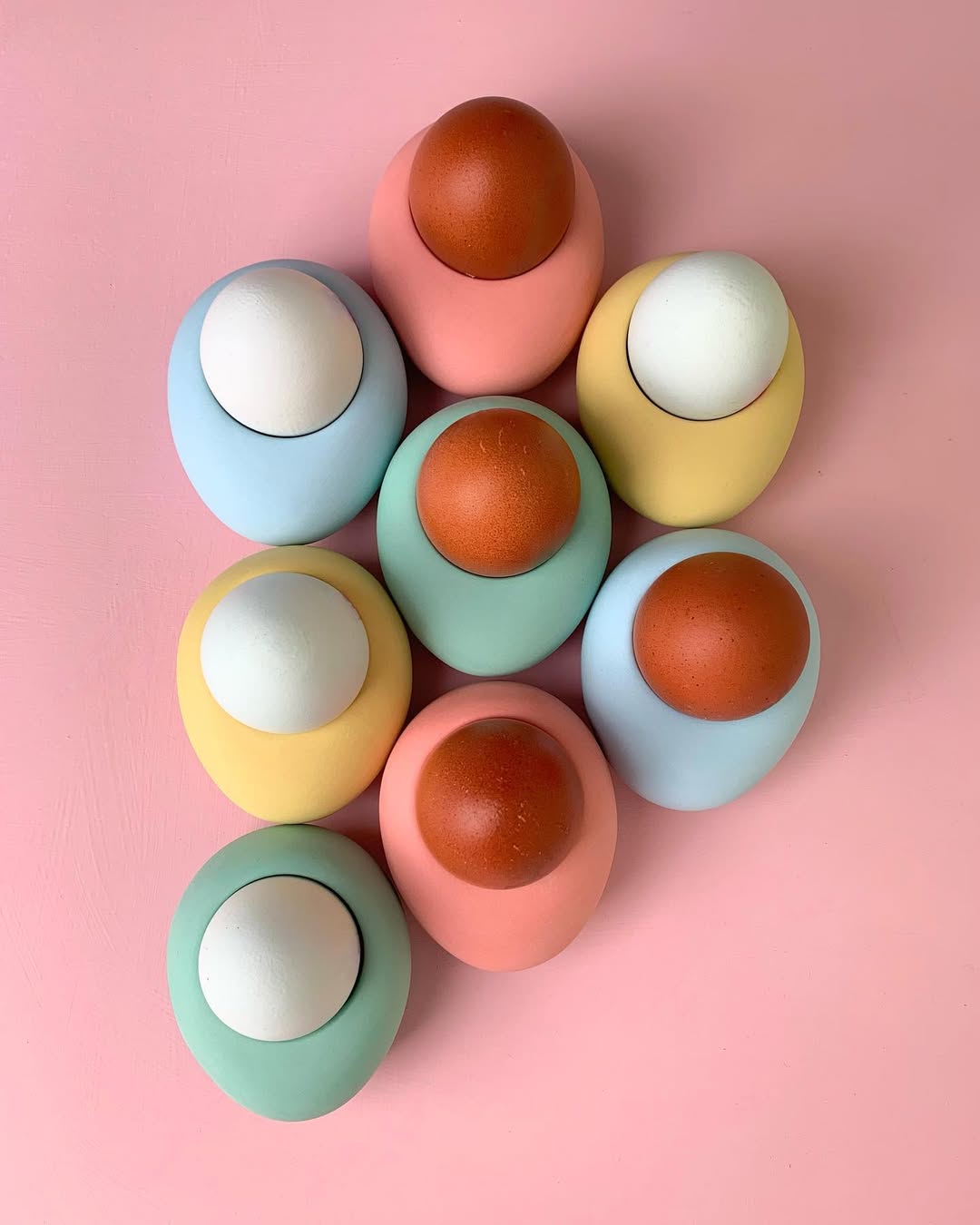
Your craft
3. How would you describe your work in three words?
Creative, Precise, Colourful
4. What materials or techniques do you use, and why are they important to your process?
I love working with porcelain, although it can be very challenging! The material is very delicate and prone to mistakes, but the final finish is very smooth and has a luxurious feel. This love of working with porcelain stems from my time at university, and the freedom of experimenting with mixing colours into porcelain and testing the translucency. I started out making porcelain lights before moving onto tableware.
5. Can you tell us about a favourite piece you’ve created and the story behind it?
The Kelly Egg Cup is my favourite piece in my collection. It is named after one of my dear friends, Kelly, whom I met 20 years ago and who has supported me throughout my creative career. The shape of the egg cup is very tactile and lovely to hold. There are eight colours in the collection.
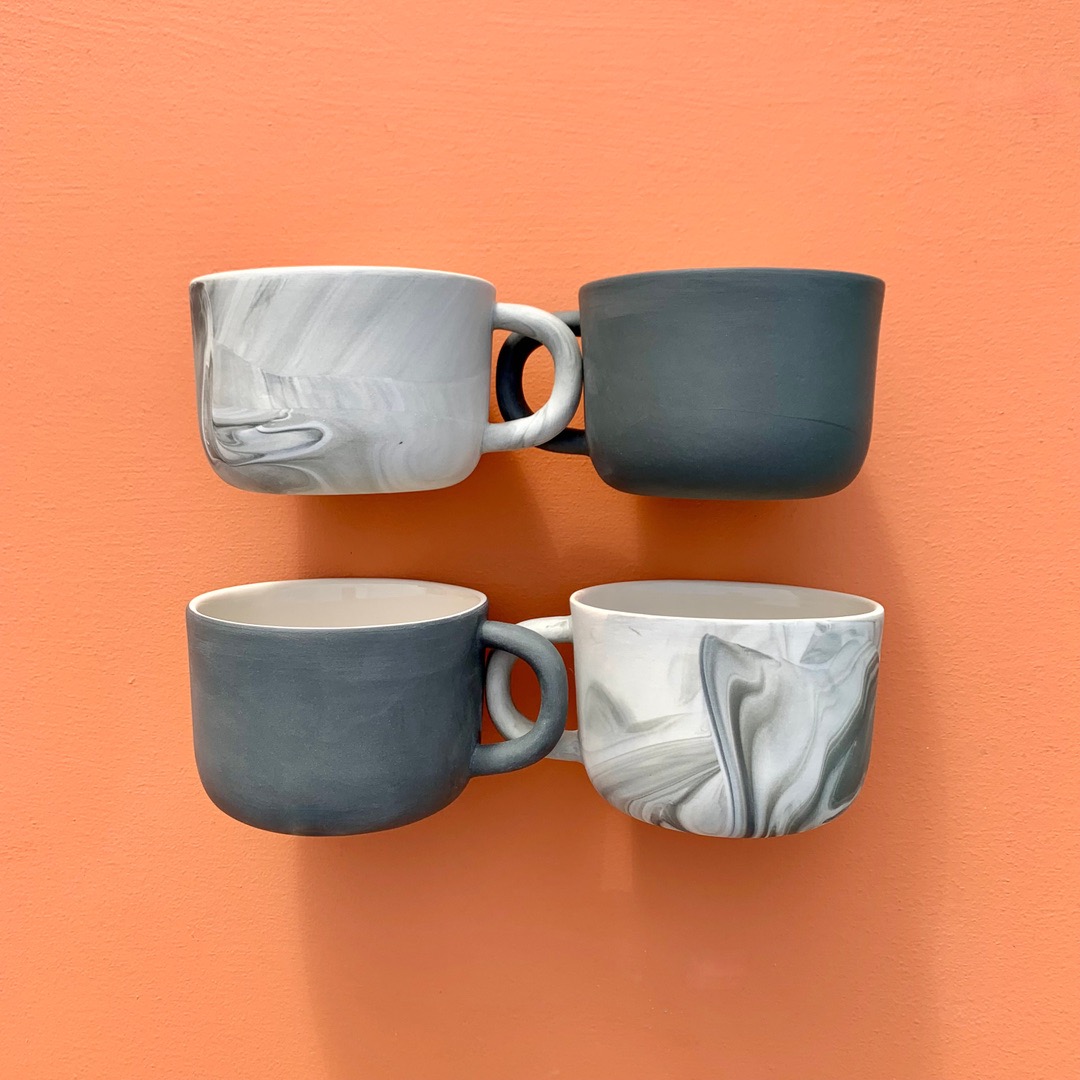
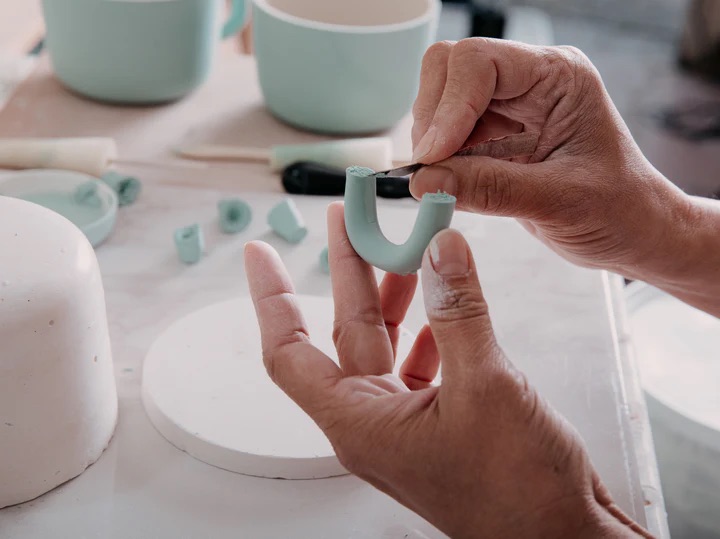
Creative process
6. What does a typical day in your studio or workshop look like?
My studio is in my garden at home. After the school drop-off and a dog walk, I spend my time in the studio making, casting, and mixing new colours. Each piece requires time and patience to create. Porcelain is a strong material but also very delicate, requiring care and attention. I work in small batches—some days, I focus on casting new pieces. Each cast needs to be left in the mould overnight before being turned out to dry. I love spending time in my studio; it’s very calming and rewarding when everything comes out of the kiln perfectly.
7. Do you have any unique rituals or habits that help you stay creative?
Design and homeware have always been a real passion of mine. My love of food, design, and ceramics has featured regularly throughout my career, inspiring my creativity and work.
8. How do you handle creative blocks? Do you have any strategies or tips for overcoming them?
When I have a creative block, I keep making and experimenting. If I have an idea in my head, sometimes I need to create it first to see if it will work or not.
Challenges and successes
9. What’s the biggest challenge you’ve faced as a maker, and how did you overcome it?
Running a small business isn’t just about making. I build my own website, do all the photography, manage social media, handle customer service and enquiries—all alongside creating my work. The biggest challenge is balancing the creative side with the demands of running a business, as it needs to stay afloat. I’ve had to learn how to juggle multiple roles while ensuring my creativity isn’t compromised.
10. What’s been your proudest moment or achievement so far?
There have been many proud moments. One was when I participated in a craft fair for the first time, selling directly to customers and receiving great feedback. In my second year of business, several press outlets contacted me to feature my work. One of my dreams has been to supply a restaurant or hotel, and that became a reality last year—my egg cups are now being used and admired in a hotel establishment.
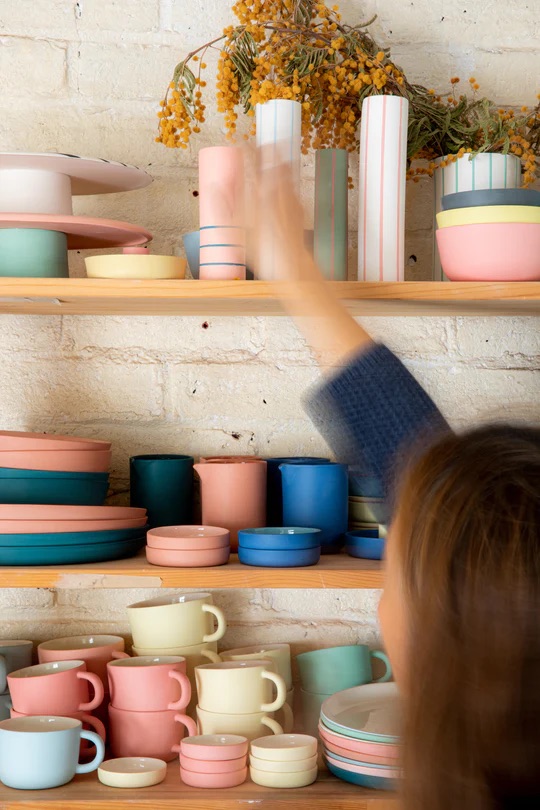
Inspiration
11. Where do you draw inspiration from for your work? What sparks your imagination and creativity?
My work is very colourful, and I love creating vibrant ceramic pieces. My inspiration for colours comes from the architecture around the world, such as the vibrant buildings in Miami and the colourful houses on the hills of the Amalfi Coast.
12. Do you have a favourite artist, maker, movement, or tradition that has influenced your craft?
I admire the work of many ceramic artists. Their creativity and craftsmanship inspire me, and I draw influence from various styles and techniques within the ceramic community.
13. How does colour influence your practice; is it an important part of your process? Do you have a particular palette or favourites? Any go-to sources for colour inspiration?
Colour plays a significant role in my work. I love working with vibrant hues, and my palette is often inspired by the colours found in architecture around the world—such as the bold buildings in Miami or the colourful houses on the hills of the Amalfi Coast. These vibrant scenes spark my imagination and influence the colours I choose for my ceramic pieces.
Perspectives and goals
14. What do you want people to feel when they experience your work?
I want people to enjoy looking at, holding, and using my work, whether for decoration or when eating from it.
15. What are you currently working on, and what excites you most about it?
I’m working on adding a lighting range to my collection, which I’m really excited about.
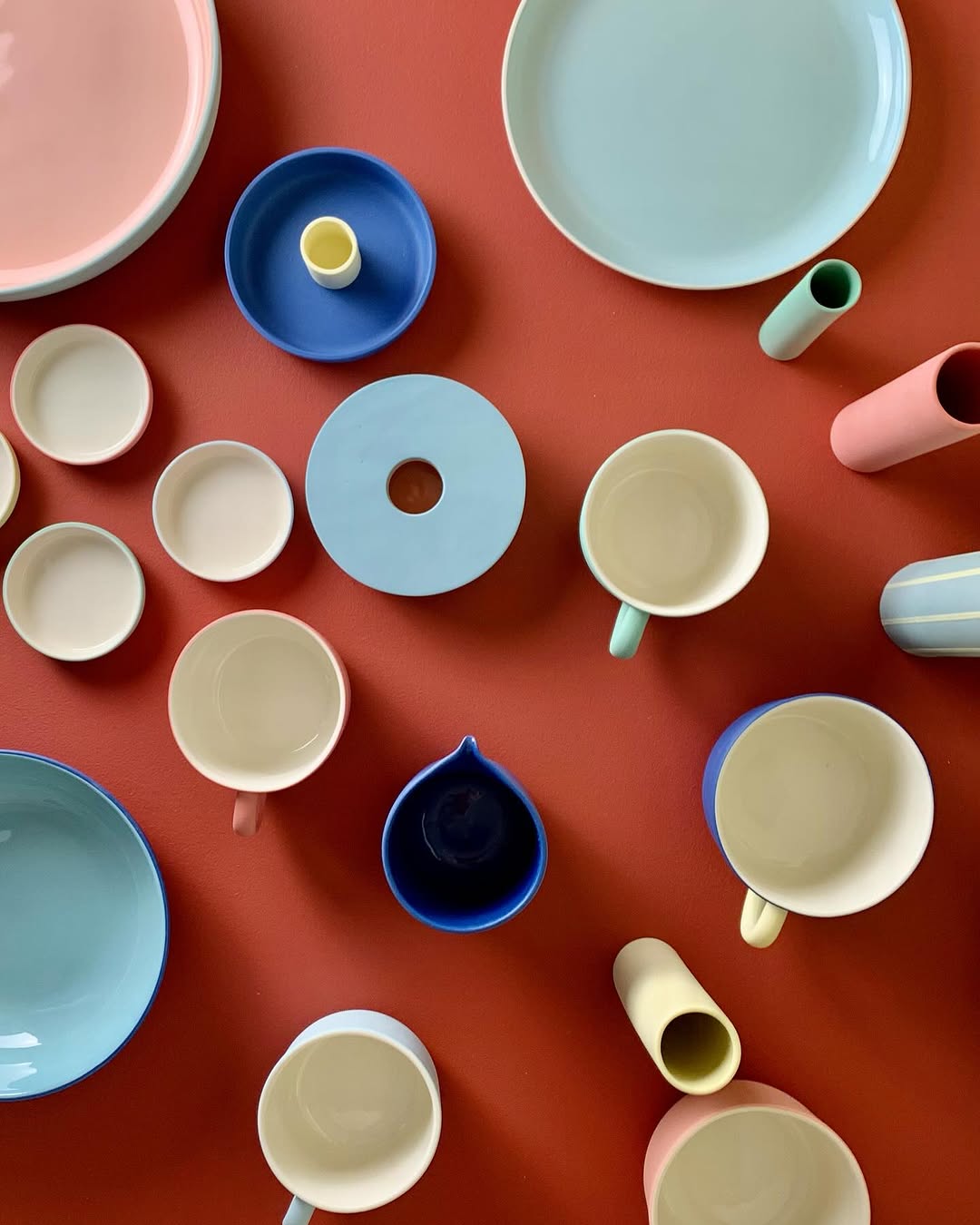
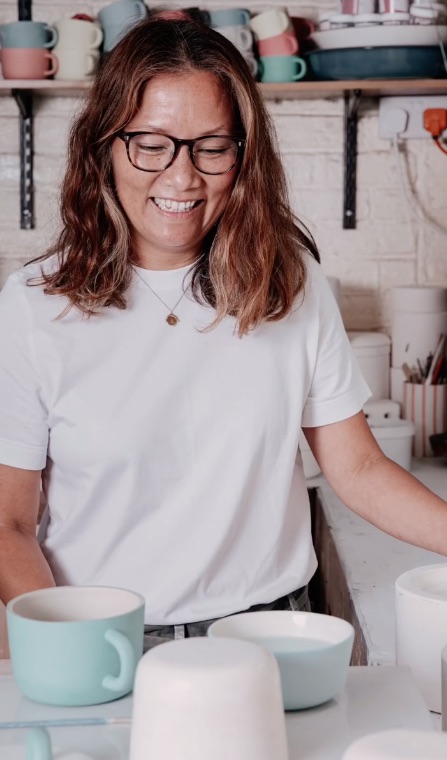
Advice and reflection
16. What advice would you give to someone starting out as a maker?
Just do it—make, experiment, and keep it simple. Not everything will work, but great work can come from accidental mistakes.
17. If you could go back to the start of your career, what advice would you give your younger self?
Keep going and stick with it, even when it’s tough. It will be rewarding in the end.
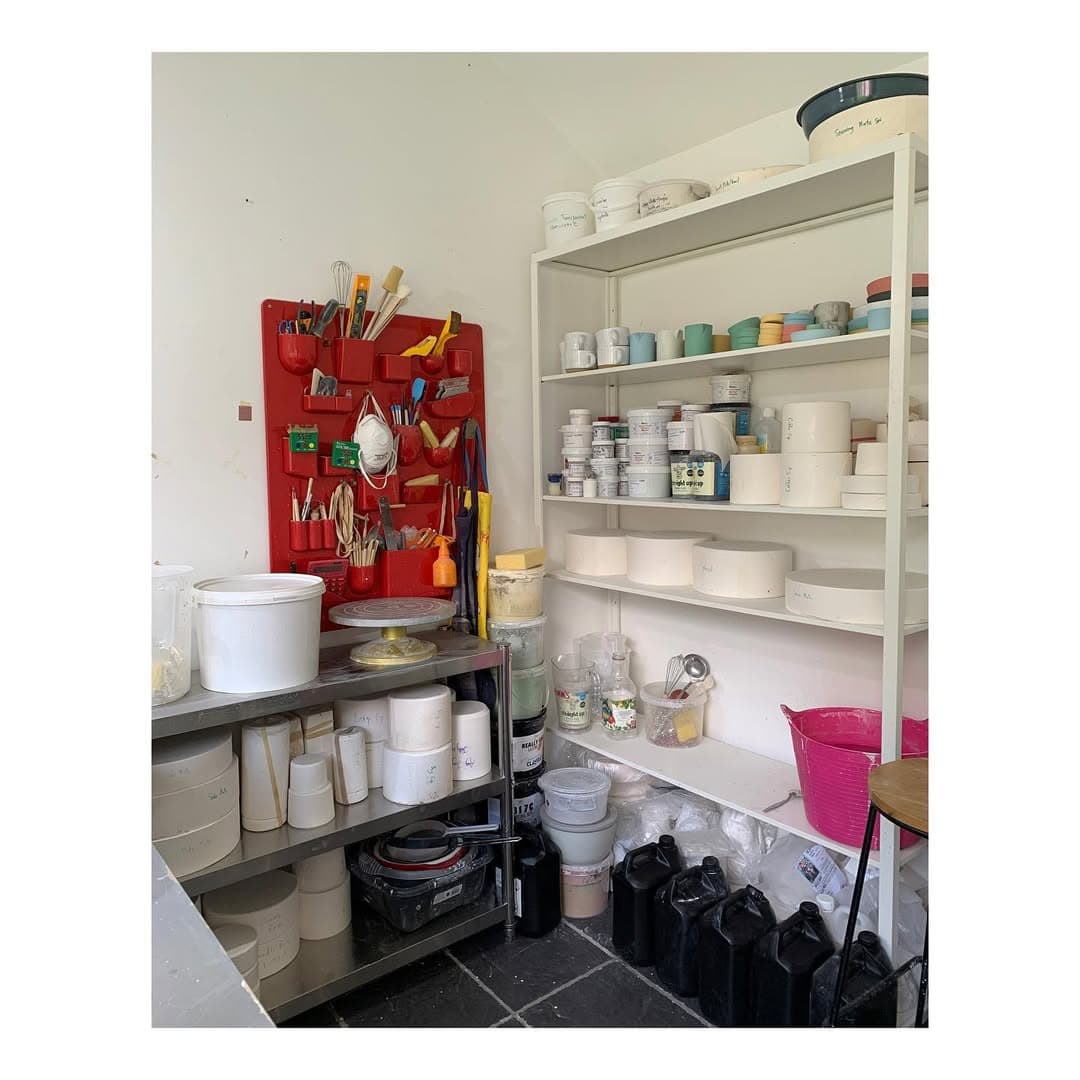
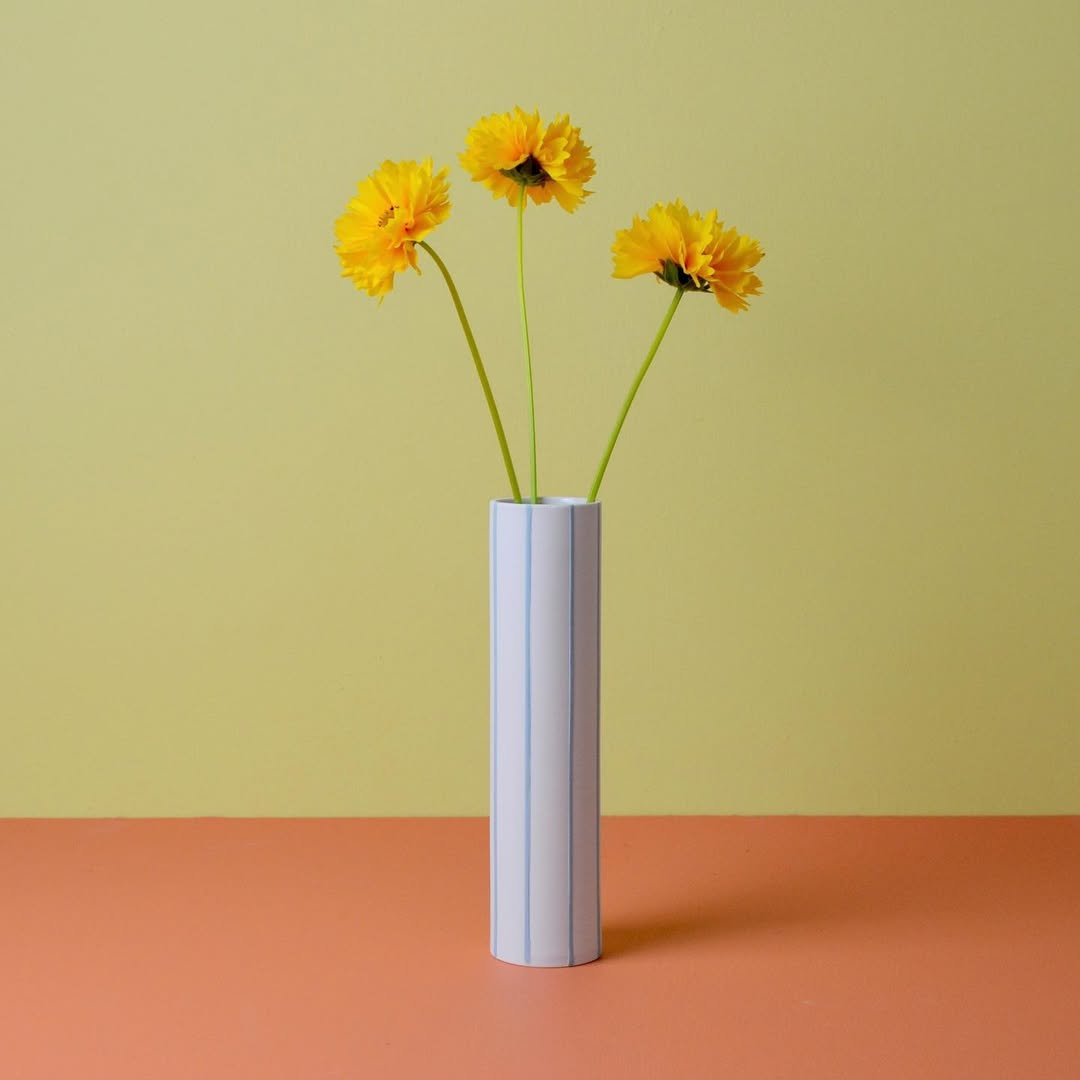
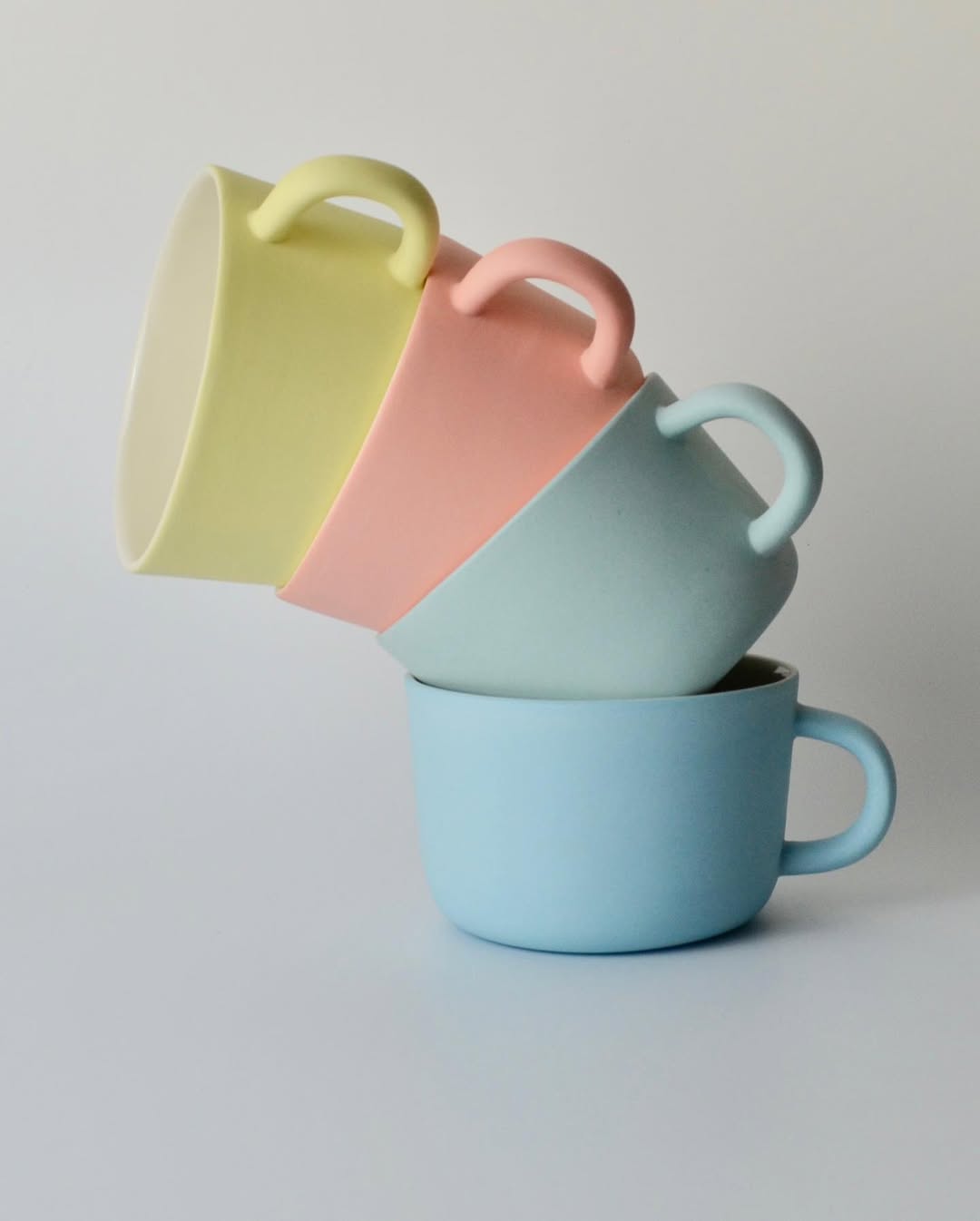
Closing thoughts
19. Where can people find your work, and how can they support you?
You can find my work on my website, aeyglom.com, where you’ll also find a list of stockists. I also attend craft fairs and maker markets—details are available on my Instagram story.
Aeyglom ceramics embody precise craftsmanship, vibrant colours, and thoughtful design, resulting in beautiful pieces that bring joy and elegance to everyday living. Inspired by global architectural hues and crafted with meticulous care, Aey’s work invites people to experience the simple pleasures of handcrafted beauty.
Explore Aey’s latest collections and follow her creative journey:
Support Aey by exploring her ceramics online, discovering her collections at craft fairs and markets, and staying connected through her website and Instagram.
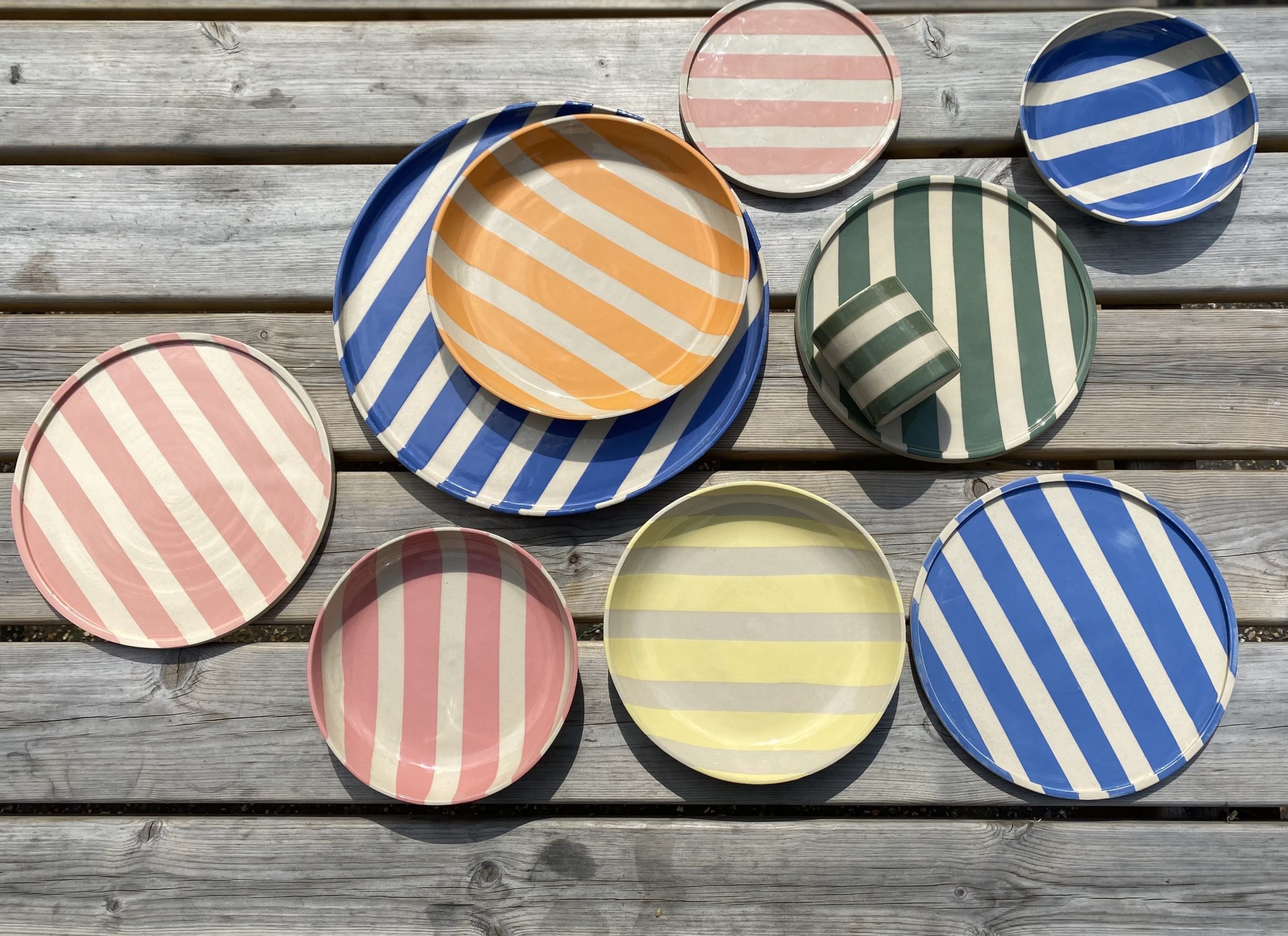
Meet the Maker: The Playful, Joyful Pottery of Kate Sellers
In this Q&A, we speak with Kate Sellers, the founder of K.S. Creative Pottery, about her journey from visual merchandising and prop styling to discovering pottery as a deeply therapeutic and joyful creative practice. Kate shares how personal challenges sparked her pottery passion, leading to success and collaboration with prestigious brands like Liberty. She offers insights into her creative rituals, the influences behind her playful designs, and the importance of finding balance and joy in her work.
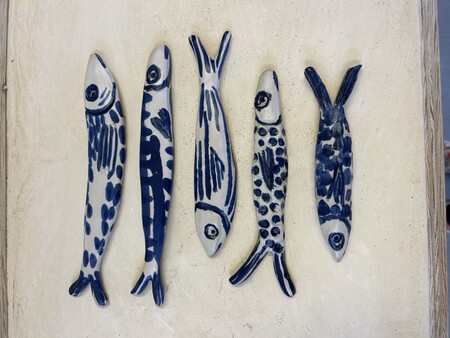
1. Can you tell us a bit about yourself and your artistic journey?
My name is Kate and I am the founder of K S Creative pottery. I am a multi disciplinary creative working as a Prop and Set stylist, with a career in Visual merchandising for various fashion brands.
2. What inspired you to pursue your craft? Was there a defining moment or influence that sparked your passion?
My friends gifted me a weekend workshop at the Kiln rooms. I was living in London and after losing my Dad and going through a break up life was a bit bleak. I did a degree in Decorative arts and I hadn’t realised how much I had missed making with my hands. I found the course extremely therapeutic and I was totally hooked. My teacher at the time realised that I had an immediate affinity with throwing and offered me a space at her studio where I could just sit and throw. It was wonderful and became the highlight of my week.
When I moved back home to Kent a few years later it was finding a studio where I could continue to make that was the priority. Then lockdown hit, Eunice who runs my new studio realised that I would need to continue to make so kindly offered me a wheel to borrow, I placed it in the tiny shed in the garden and began to make daily. Photo shoots and commercial work shut down so I channeled all my energy into photographing what I had been making and started to build a following on Instagram. This led to me catching the attention of the buyers at Liberty and my pottery brand was launched the following summer with an exclusive collection that sold out.
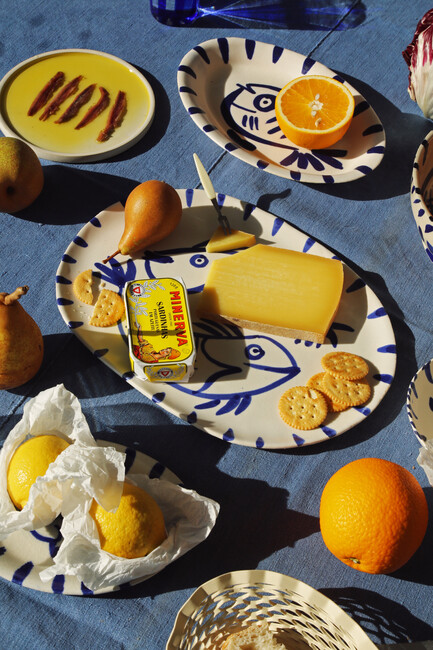
Your craft
3. How would you describe your work in three words?
Unique, playful, small-batch
4. What materials or techniques do you use, and why are they important to your process?
I throw on the wheel and Hand build using Staffordshire white stoneware. Decorating in coloured slips and simple glazes, sometimes finishing my pieces with a cobalt oxide hand painted design.
I enjoy hand finishing my pieces, often not planning out my design prior to painting. I love that each piece is completely unique.
5. Can you tell us about a favourite piece you’ve created and the story behind it?
I really enjoy working on a larger scale and a huge round platter I made recently is a current favourite. I am also very fond of my Isolation face collection, fun and playful in bright colours that spark joy.
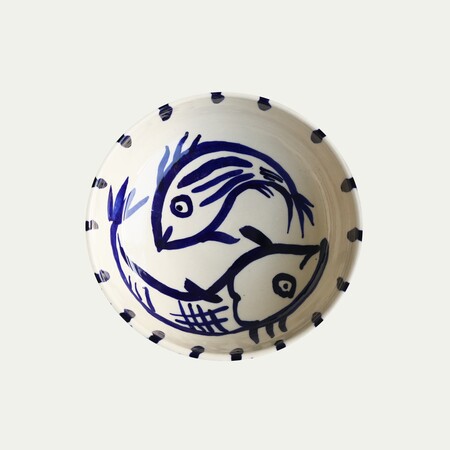
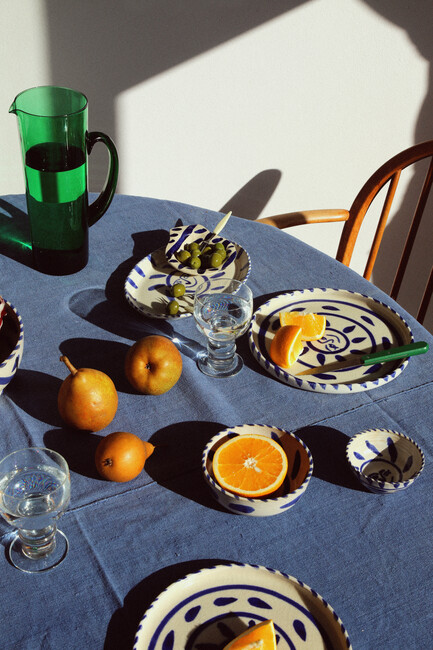
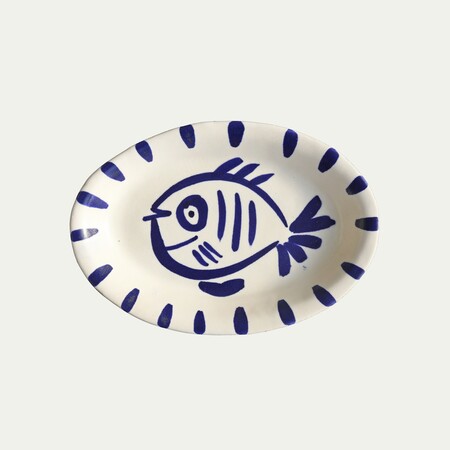
Creative process
6. What does a typical day in your studio or workshop look like?
I start my day in the studio with a nice coffee from the cafe next door. I write a to do list on the board and get my clay prepared for the day. Weighing out and wedging clay ready to be thrown or rolling out clay if I am planning to hand build.
I save all my admin work for home as I have to fully focus whilst making otherwise things go wrong. I listen to Guy Garvey or a good podcast and get into the zone, making away until it is dark or I’m hungry!
7. Do you have any unique rituals or habits that help you stay creative?
I love to look through old magazines and as much as I love going to exhibitions I don’t do it nearly as much as I should. Instagram and pinterest are great starting points for a creative boost but I often go down rabbit holes started off by pinterest ending somewhere really interesting.
8. How do you handle creative blocks? Do you have any strategies or tips for overcoming them?
I try to allow myself to step away if I am feeling blocked. Take time out to read, travel, talk to friends and go to the seaside. This always revives me.
Challenges and successes
9. What’s the biggest challenge you’ve faced as a maker, and how did you overcome it?
I think my biggest challenge came from my biggest success. I received my first wholesale order from Liberty for over 600 pieces and they needed to be delivered within 4 months. Everything was handmade and painted. Two kilns failed in the process meaning I lost around 60 plates and caused a big repair bill for the kiln.
10. What’s been your proudest moment or achievement so far?
Getting my first wholesale order from Liberty for a debut collection of limited Isolation face plates that sold out.
11. What’s your favourite quote you’ve ever heard about your work? Who said it, or what was the name of the publication?
"KS Creative Pottery's unique Isolation Face Plates are a cult tableware item”
- LIBERTY
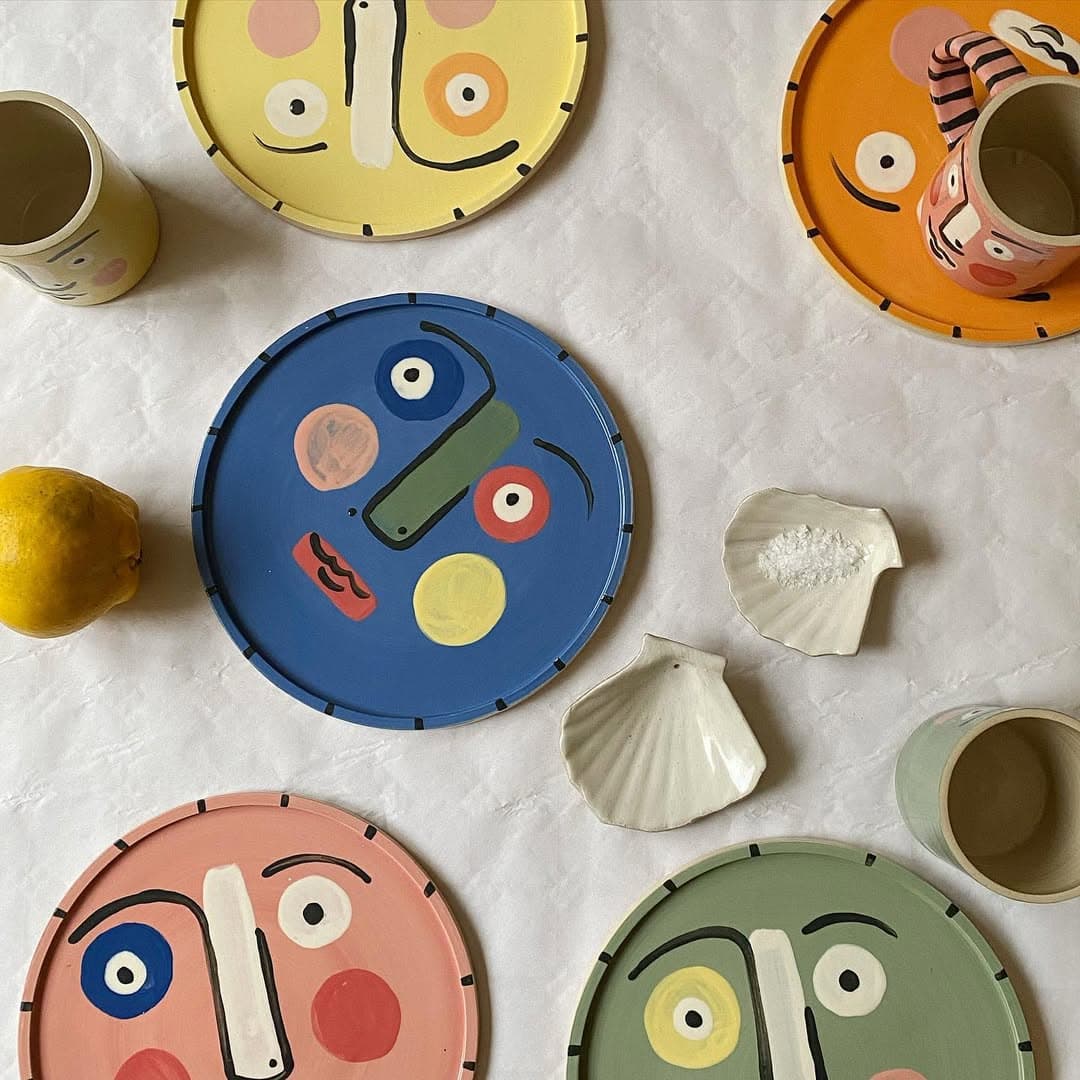
Inspiration
12. Where do you draw inspiration from for your work? What sparks your imagination and creativity?
All around me I would say, I love the sea living near the Kent coast and I love to travel. I have been visiting Sicily for 23 years and I find the heritage for artisanal pottery very inspiring. I love to visit different villages to see how their style and use of colour varies. I collect pieces that I bring home and refer back to.
13. Do you have a favourite artist, maker, movement, or tradition that has influenced your craft?
As well as Sicilian artisan pottery I am very intrigued by artist movements and groups. I am drawn to the colours and geometry of The Bauhaus movement and the freedom and expression Charleston/ The Bloomsbury group.
14. How does colour influence your practice; is it an important part of your process? Do you have a particular palette or favourites? Any go-to sources for colour inspiration?
I am so inspired by colour and very drawn to unusual colour combinations. I dress predominantly in black or blue but love to explore colour within my work and find it makes my pieces joyful. I love a sludgy olive green with a lemon yellow and a soft pink. I find the book ‘ A Dictionary of Color Combinations’ a great source. I would say my palette is unique and inspired by holidays and the seaside. Stripes have always been in my life and I was called stripey Kate at university. I love to use bright but soft colours in my Duci stripes, trying to toe a line between playful and sophisticated.
Perspectives and goals
15. What role does your environment play in shaping your creativity?
I live in the Kent countryside and not far from the sea so the environment around me really plays a big part in my creativity. I am inspired by the colours of the land and space around my home and studio. I find a walk along the sea shore or even my drive through the high bush lined country lanes to the studio really give me the space to think and to create.
16. What do you want people to feel when they experience your work?
I hope that my pieces spark joy and that they add interest to peoples homes. Making you smile in your day to day moments.
17. What are you currently working on, and what excites you most about it?
I am very pleased to be working on a new collection for The Courtard Museum gallery and a collection of Fish for the National Gallery. I am also working on developing my workshops and possibly doing my first retreat this year.
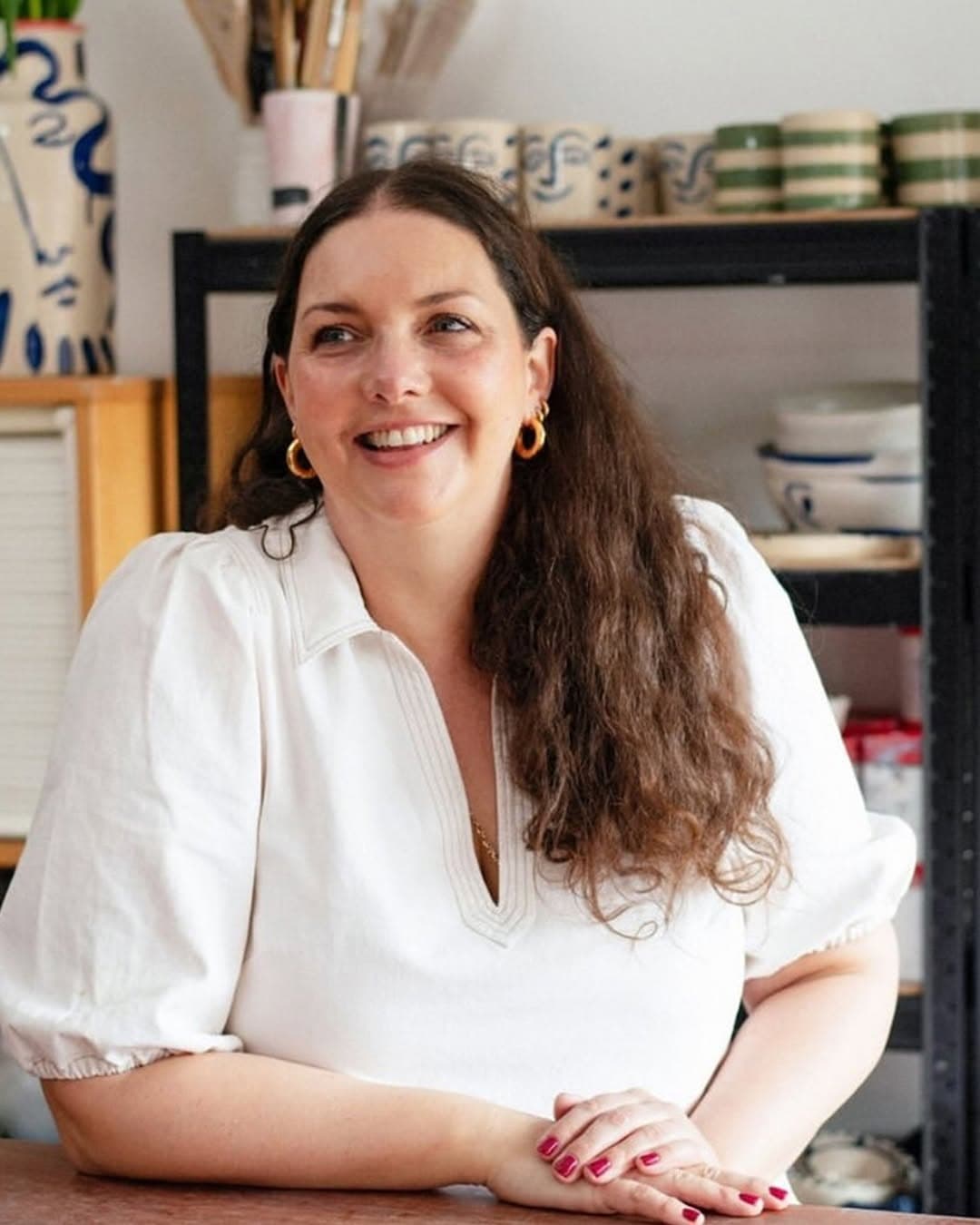
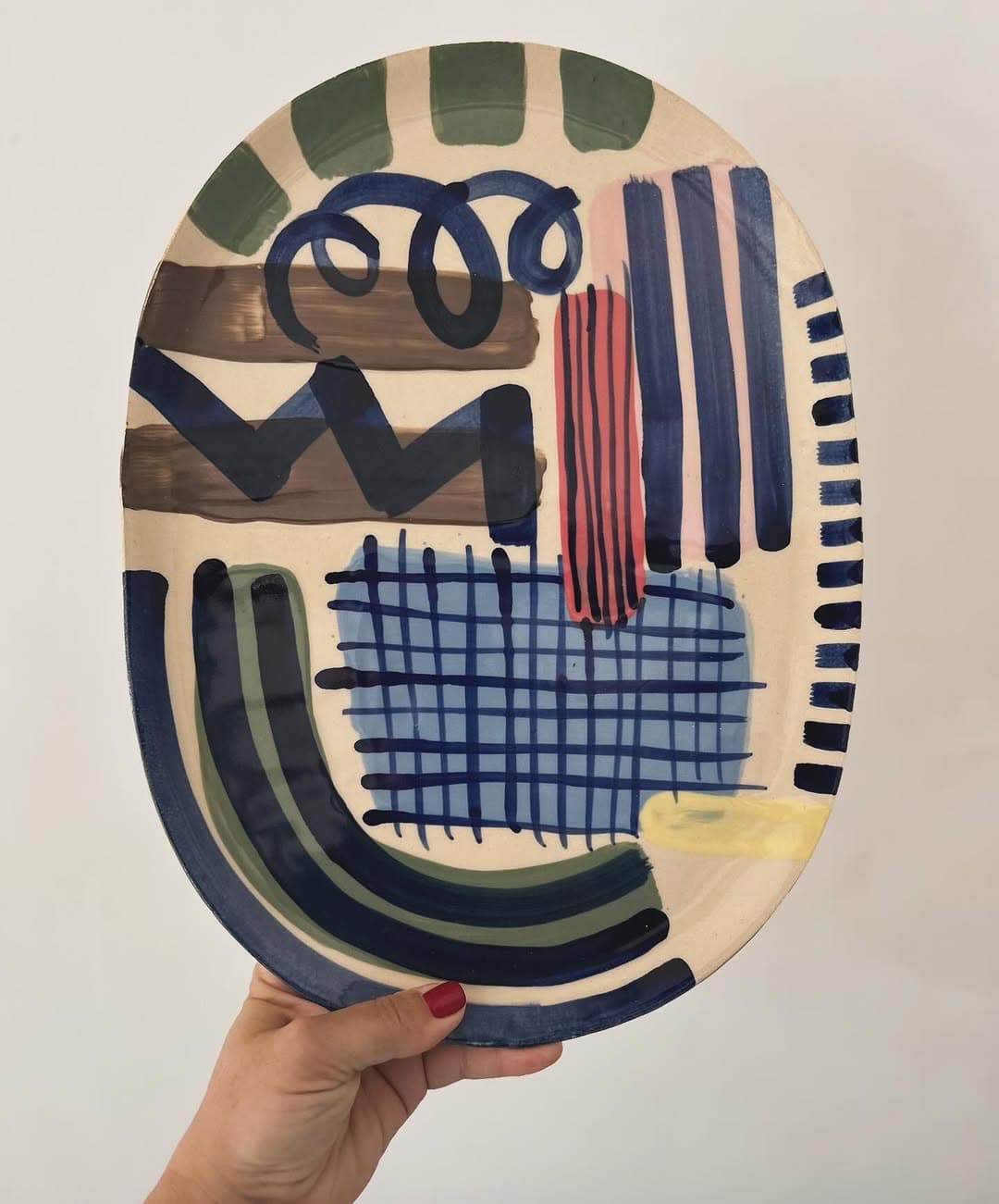
Advice and reflection
18. What advice would you give to someone starting out as a maker?
Always make pieces that you love and that you enjoy making.
19. If you could go back to the start of your career, what advice would you give your younger self?
I have had a really varied career and I have thoroughly enjoyed my work, generally working with really nice people who are great at what they do. I think that the only advice I would give is do what you love and start making/ working with clay a lot sooner, as I have found it so cathartic and is probably the calm I needed when I was younger.
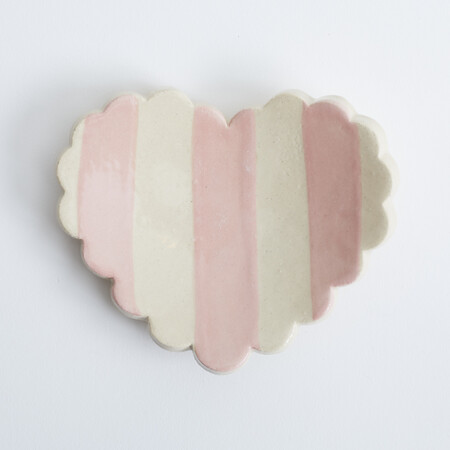
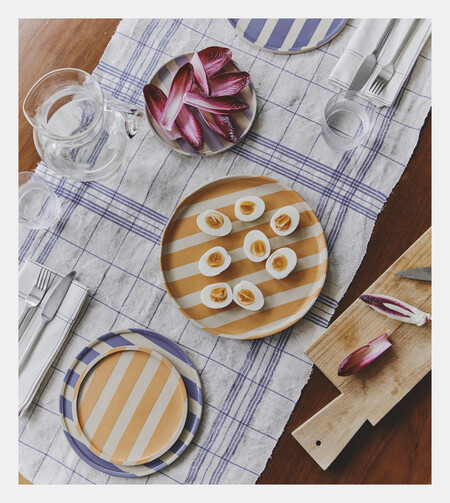
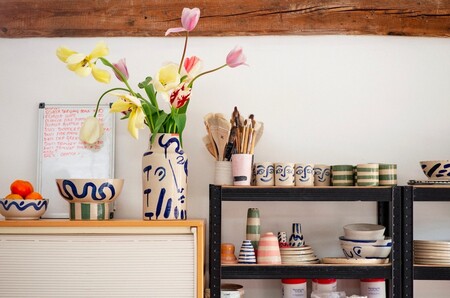
Closing thoughts
20. If you could collaborate with any artist, past or present, who would it be and why?
I would love to have worked in the pottery at Charleston with Vanessa Bell and Duncan Grant, or have been part of the Bauhaus. I would also have loved to have collaborated with Barbara Hepworth or Picasso. But in terms of today I would love to work with artist Rosie Harbottle, I am taking a painting course with Rosie in April and I can’t wait to explore paint and oil pastels with her. I love her style and hope to start to produce work on paper as well as in clay.
21. Where can people find your work, and how can they support you?
I have a website where you can shop directly with me – kscreativepottery.com
Or my work is available in a The Courtard museum shop and handful of small local boutiques:
The Courtard Museum – Somerset house London
Lamp London Home – Peckham Rye
Aime – Ledbury rd London
Rae Lifestyle – Rye
Kate Sellers’ ceramic designs are vibrant and uplifting, intended to bring joy to everyday moments. Influenced by the seaside landscapes of Kent and artisanal traditions of Sicily, her pottery adds warmth, character, and a touch of playful elegance to any home.
Explore Kate’s latest collections and follow her creative journey:
Support Kate by visiting her online shop, experiencing her creations at select boutiques, and following along as she continues to bring joyful pottery into the world.
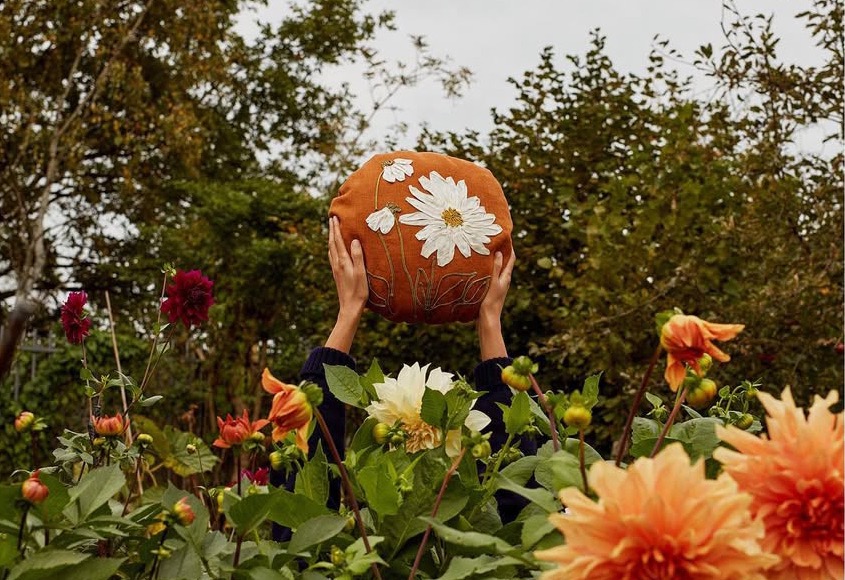
Meet the Maker: The Embroidered Narratives of Lora Avedian
Meet the Maker: The Embroidered Narratives of Lora Avedian In this Q&A, we chat with Lora about her artistic journey, her love for antique materials, and the influence of her multicultural heritage. She shares insights into her creative process, including overcoming challenges, celebrating key achievements like her residency at the Barbican, and what it means to create joyful, vibrant textile pieces inspired by nature and history.

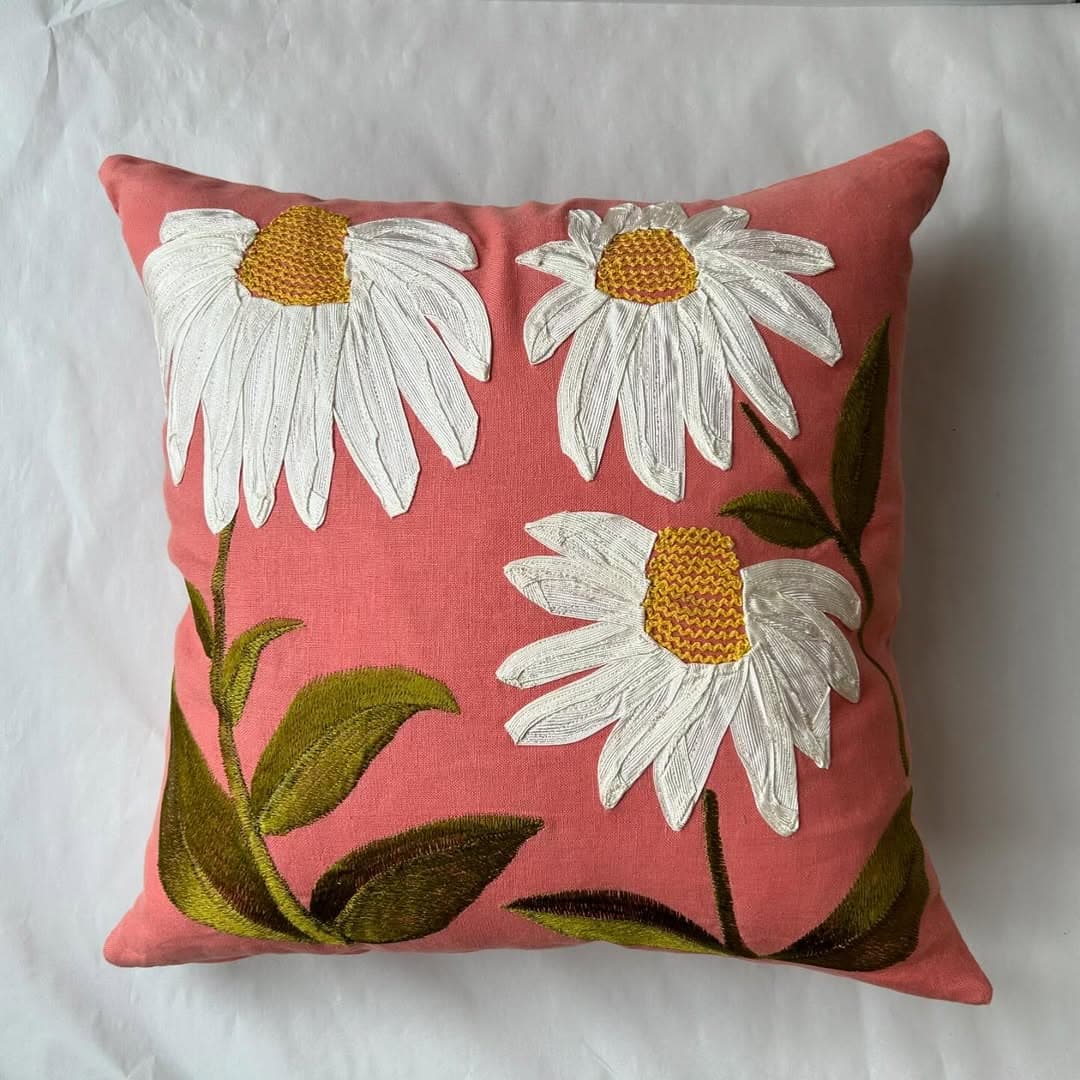
1. Can you tell us a bit about yourself and your artistic journey?
My work sits between textile design and art, encompassing everything from large-scale installations at venues like Barbican Centre and the Chelsea Flower Show to embroidered linen and soft furnishings. Which are all made by me in small batches or as exclusive collections for select retailers such as the V&A shop, and Fortnum & Mason. I studied Mixed Media textiles at the Royal College of Art and have been interested in embroidery in particular since I was a teenager. In between my BA in Embroidery at Manchester Metropolitan University and MA at the RCA I did a stint of about 7 years working for artists and designers and eventually worked as a set designer and prop stylist for still life photography. I love to create visual narratives with colour, texture and materials, which I took into my work at the RCA and has become a part of how I create my textile work.
2. What inspired you to pursue your craft? Was there a defining moment or influence that sparked your passion?
My mum got me into textiles as she had studied print design, and so I always had an appreciation and interest in textiles. When I met Karen Nicol when I was a teenager that really opened up my eyes to the possibilities of embroidery and she told me about the BA and the MA that I ended up doing, so I owe a lot of my career to meeting her.
Your craft
3. How would you describe your work in three words?
Tactile, floral, illustrative
4. What materials or techniques do you use, and why are they important to your process?
I like to use natural materials, like linens and wools to work on, and I am really keen on using second hand materials so I am always scouring the antique markets to find reels of beautiful ribbons or braids. The process of looking for these materials is something I love, the fact that they are often made in the early 20th century means they have a certain quality that it’s really hard to find now with new materials. I use these braids and ribbons to do an embroidery technique called ‘couching’ which I started using during my MA, and have developed a way of doing with my hand guided machine. It’s a key technique for me, and I even wrote a book about it!
5. Can you tell us about a favourite piece you’ve created and the story behind it?
I think my favourite piece I have made is still one from my masters, which is a large ‘cape’ which works as a wall hanging. It’s the thing I probably spent the most time and effort creative and the photographs of it still get used in articles, and I often get asked to do commissions off the back of it. It has hand embroidered tulips using braid, and three dimensional pleated carnation flowers, with 3D leaves and machine embroidered stems. I hand dyed almost every part of it, it was a real labour of love. The flowers and colour palette are symbolic of flowers and fruit of Iran and Armenian, where my father is from. It is probably the one piece of work that is most referenced by clients for projects.
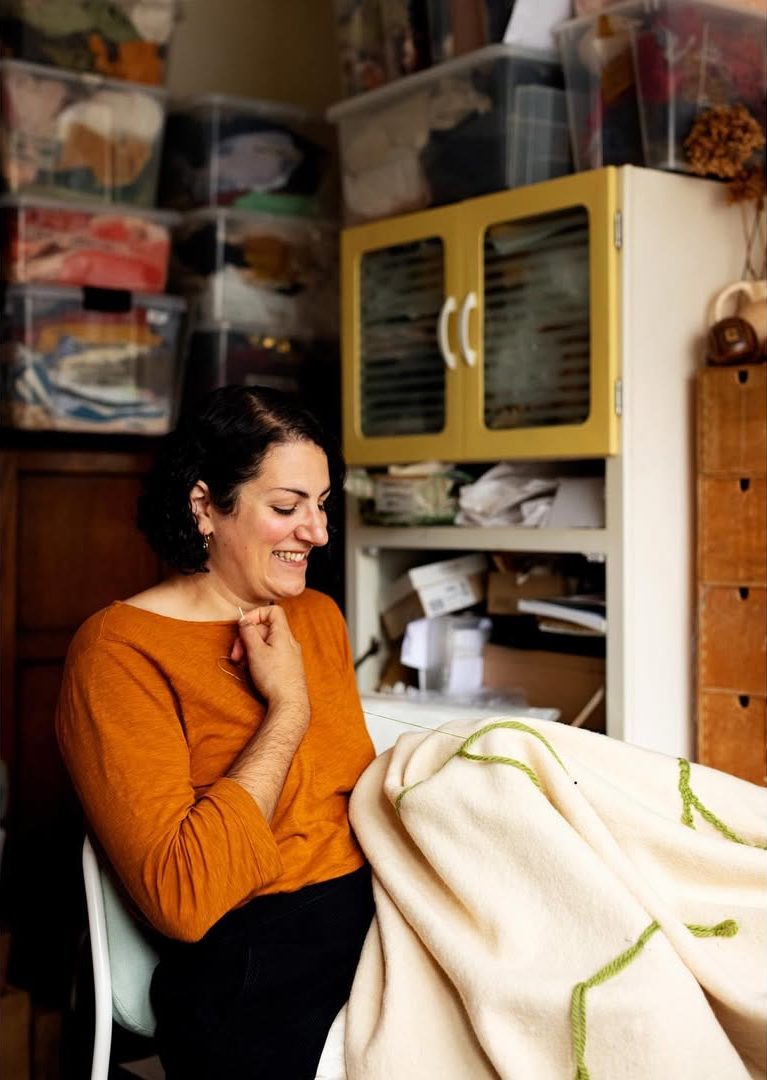
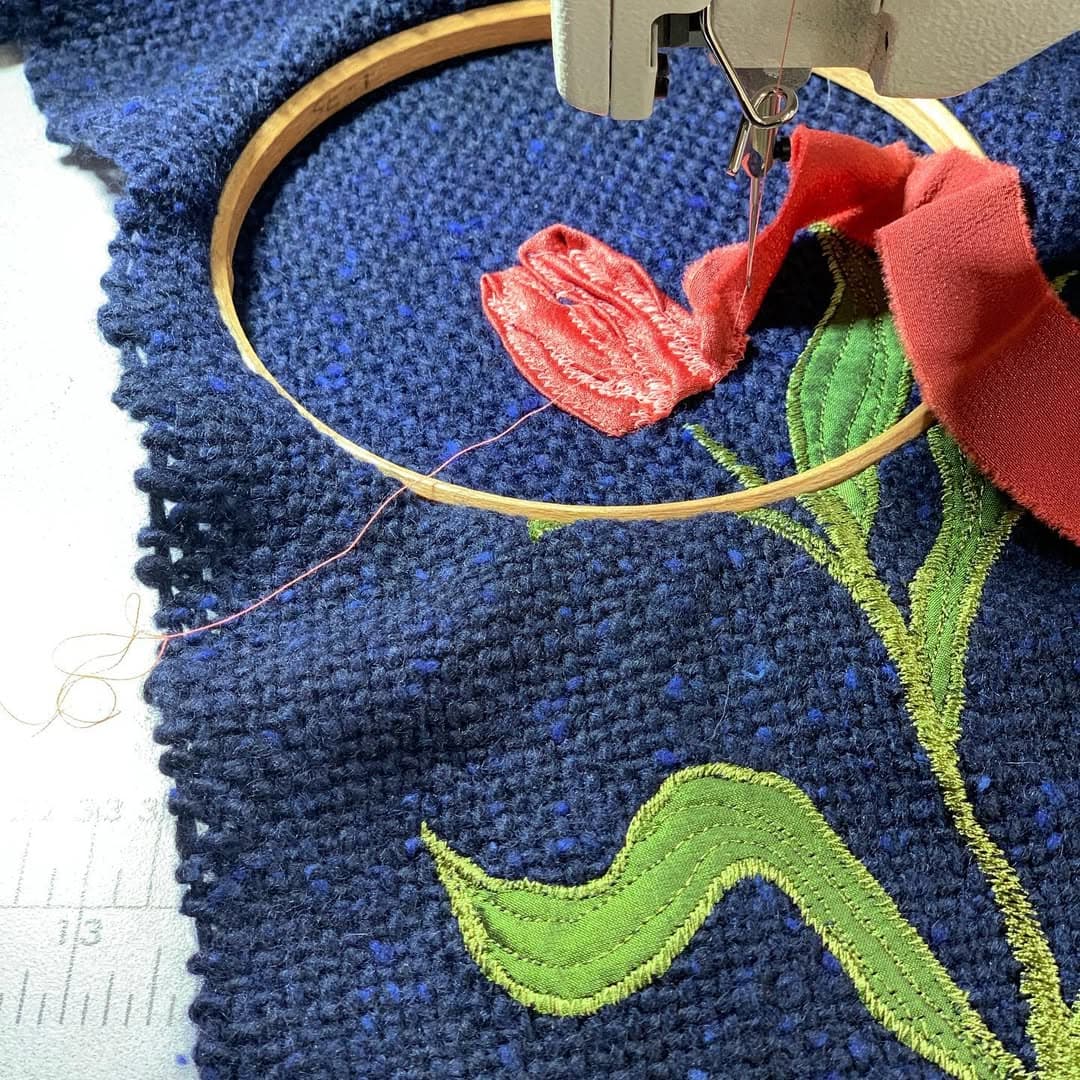
Creative process
6. What does a typical day in your studio or workshop look like?
I will get into the studio, stick the kettle on, and make myself a cup of tea. Unless I have an ongoing project I often sit and look at my mood board for a moment, and try to plan my day, writing a list is really key for me to get anything done. I will usually work for a few hours and then have my lunch at my desk. I try to go for a walk to clear my head if I have a lot going on. I usually have to leave quite early to pick up my kids so I try and make the most of my time in the studio!
7. Do you have any unique rituals or habits that help you stay creative?
I like to go to the usual galleries and exhibitions, or a National Trust house or garden. I also love to go to markets, charity shops and car boot sales. The weird and wonderful bits and pieces I can find at that sort of place can really inspire me.
8. How do you handle creative blocks? Do you have any strategies or tips for overcoming them?
Going for a walk, having a dance, doing something completely different, and listening to music!
Challenges and successes
9. What’s the biggest challenge you’ve faced as a maker, and how did you overcome it?
Not having enough space to make work is a challenge, and not knowing when to say no to projects that are out my depth. I have learnt to reach out to people for help, and it’s so often that when I speak to people about a project most things can be resolved. I think you have to make these mistakes to learn from them and get better as a business person – it’s hard to be an artist who has to do it all!
10. What’s been your proudest moment or achievement so far?
Writing a book was a great achievement. Early in my career not long after I graduated from my MA I was asked to do be artist in residence at the Barbican Shop, and with that I was asked to design the Christmas decorations for the entrance way and that was a big pinch me moment.
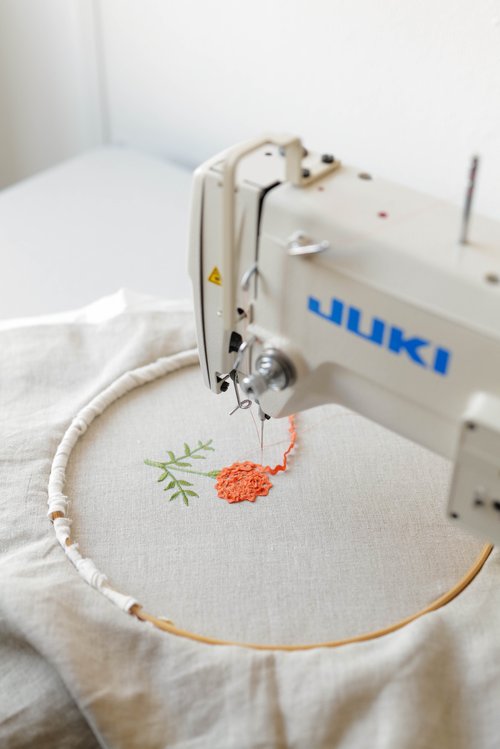
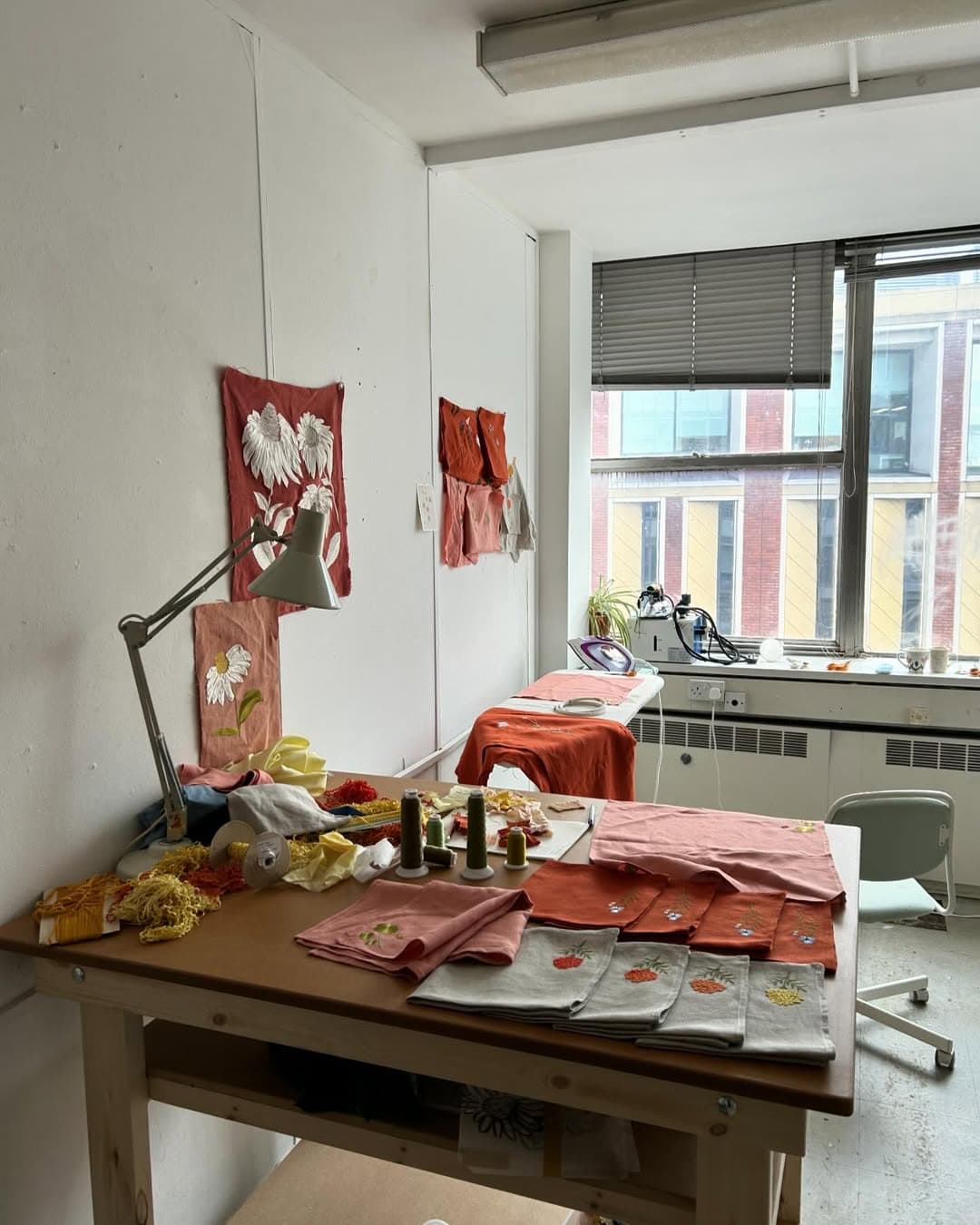
Inspiration
11. Where do you draw inspiration from for your work? What sparks your imagination and creativity?
I love going out into nature, there is just so much to be inspired by. I really enjoy going to the British museum to look at the ancient objects. The V&A is a particular favourite of mine, I don’t think I could ever get bored of it, especially the glass and ceramics rooms. I have a lot of books, and also find a lot of inspiration from antique clothing; Portobello market on a Friday is a real treat for the eyes.
12. Do you have a favourite artist, maker, movement, or tradition that has influenced your craft?
I am a big fan of the Bloomsbury Group, and their Omega Workshops project. I would say their colours and aesthetic have been really influential but there are so many people who’s work I love, it’s really hard to say! It’s always a big mix of things for me.
13. How does colour influence your practice; is it an important part of your process? Do you have a particular palette or favourites? Any go-to sources for colour inspiration?
I think colour is so important to an artist, it really helps to define your work. When I was at the RCA they had a colour room, with draws full of colour swatches, and I spent a lot of time there working on my colour palette. I referenced my visual research, and in particular a film called Colour of Pomegranates which I used a still from t get my palette. I think that really helped bring my work together in the end and I have stuck to it ever since.
Perspectives and goals
14. What role does your environment play in shaping your creativity?
I collect a lot of seemingly random and probably quite objects from car boot sales, twigs from walking in the woods, shells from going to the seaside. All of these things will feed into my work, whether it’s a colour, a texture or a shape of something. I love to be surrounded by my things, and see them on my walls, both at home and in my studio.
15. What do you want people to feel when they experience your work?
Joy! I want people to feel happy when they see the colours and textures of my work.
16. What are you currently working on, and what excites you most about it?
I am working on a new collection of embroidered artworks and interior samples coming in October 2025. Both of these things are things I have thought about for a while, and I am really excited to finally get them out of my head and into the world.
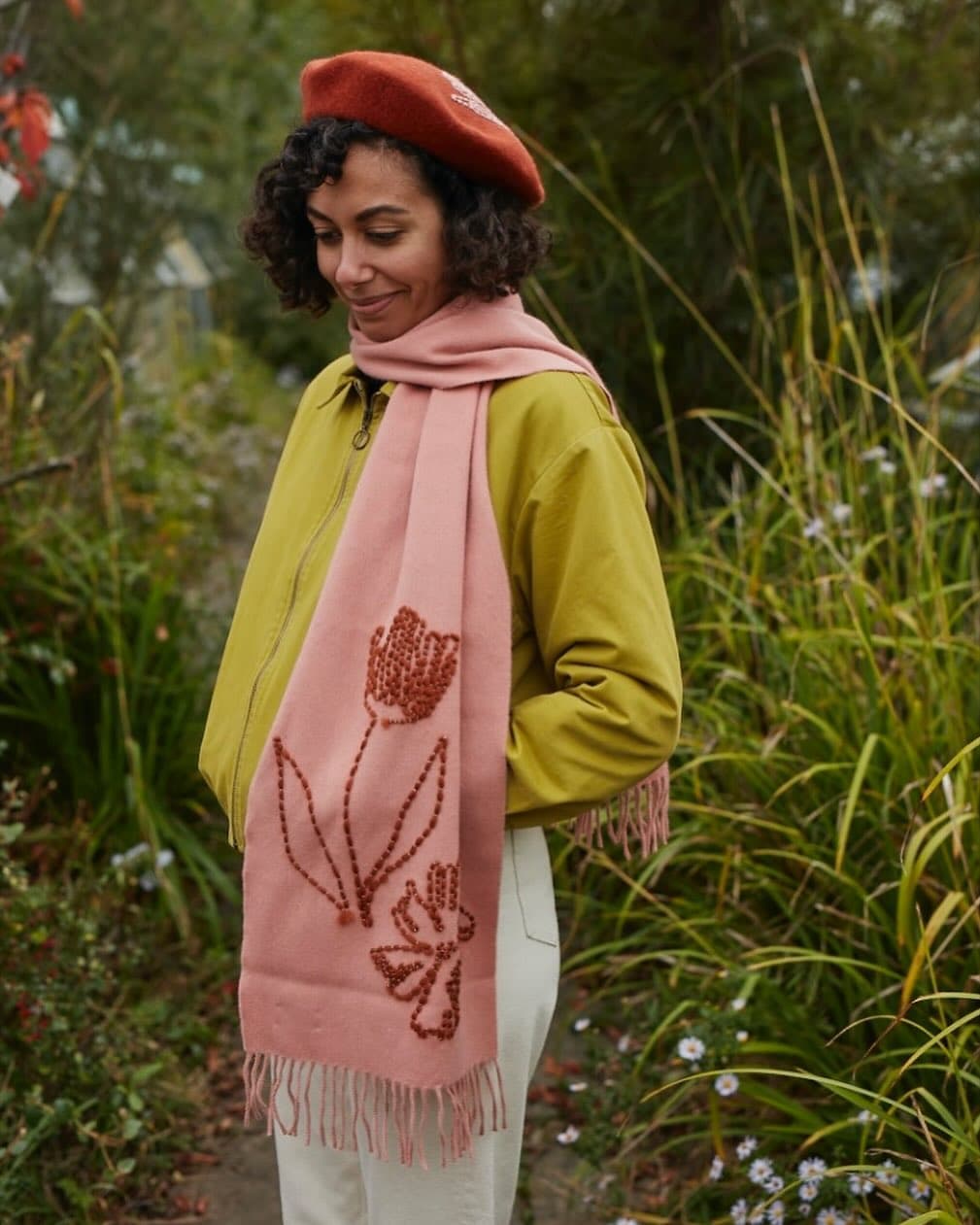
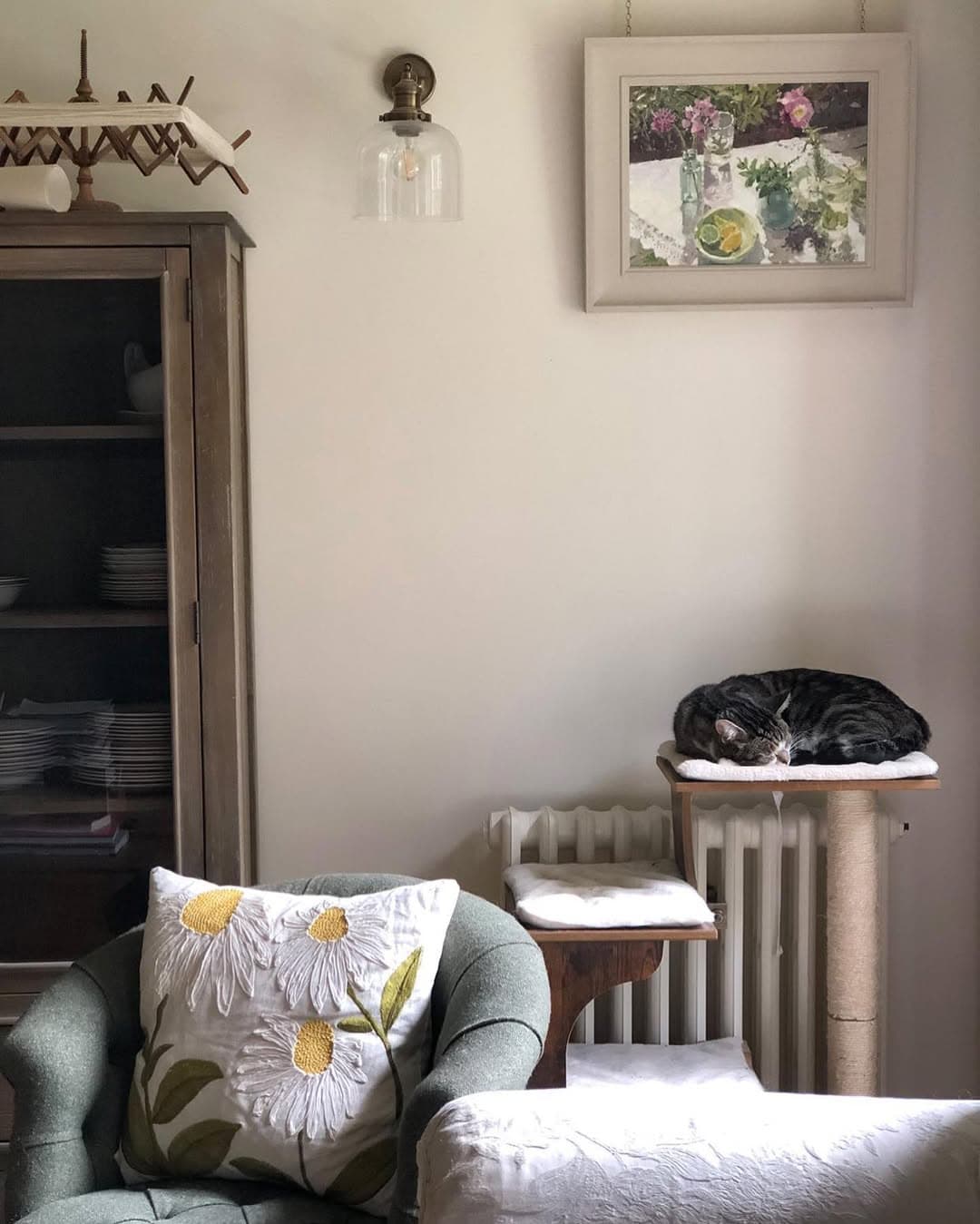
Advice and reflection
17. What advice would you give to someone starting out as a maker?
Show people your work, tell them what you do. Don’t be shy!
18. If you could go back to the start of your career, what advice would you give your younger self?
Have more confidence in your work, keep doing your research, and keep making what you like, not what you think everyone else will like.
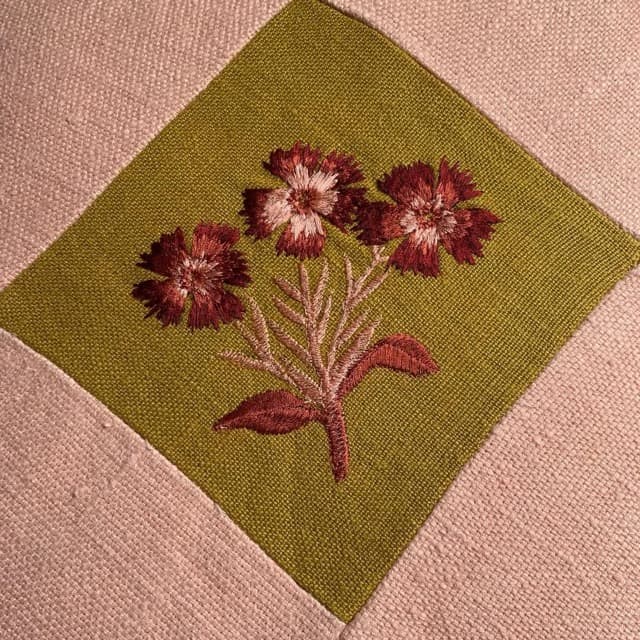
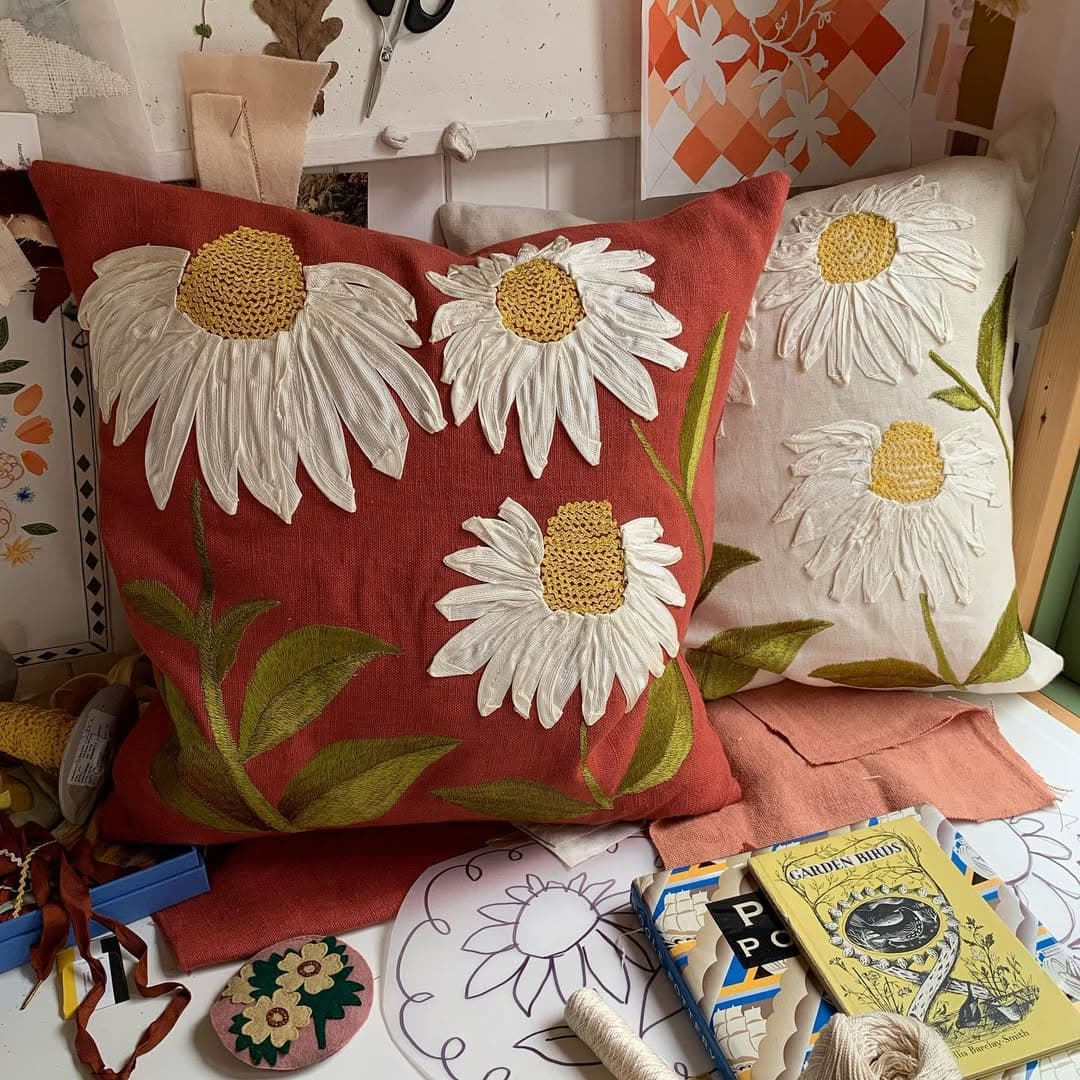
Closing thoughts
19. If you could collaborate with any artist, past or present, who would it be and why?
This is so hard! I would love to collaborate with Louise Bourgeois and make some embroidery for her, I love her use of textiles and colour.
Lora Avedian’s work seamlessly combines embroidery, storytelling, and a deep appreciation for colour and texture, creating pieces that feel contemporary yet nostalgic. From large-scale installations to delicate embroidered linens, her creations are meticulously crafted delights.
Explore Lora’s latest collections and follow her creative journey:
You can sign up to my mailing list for (infrequent but excellent) Studio News letters.
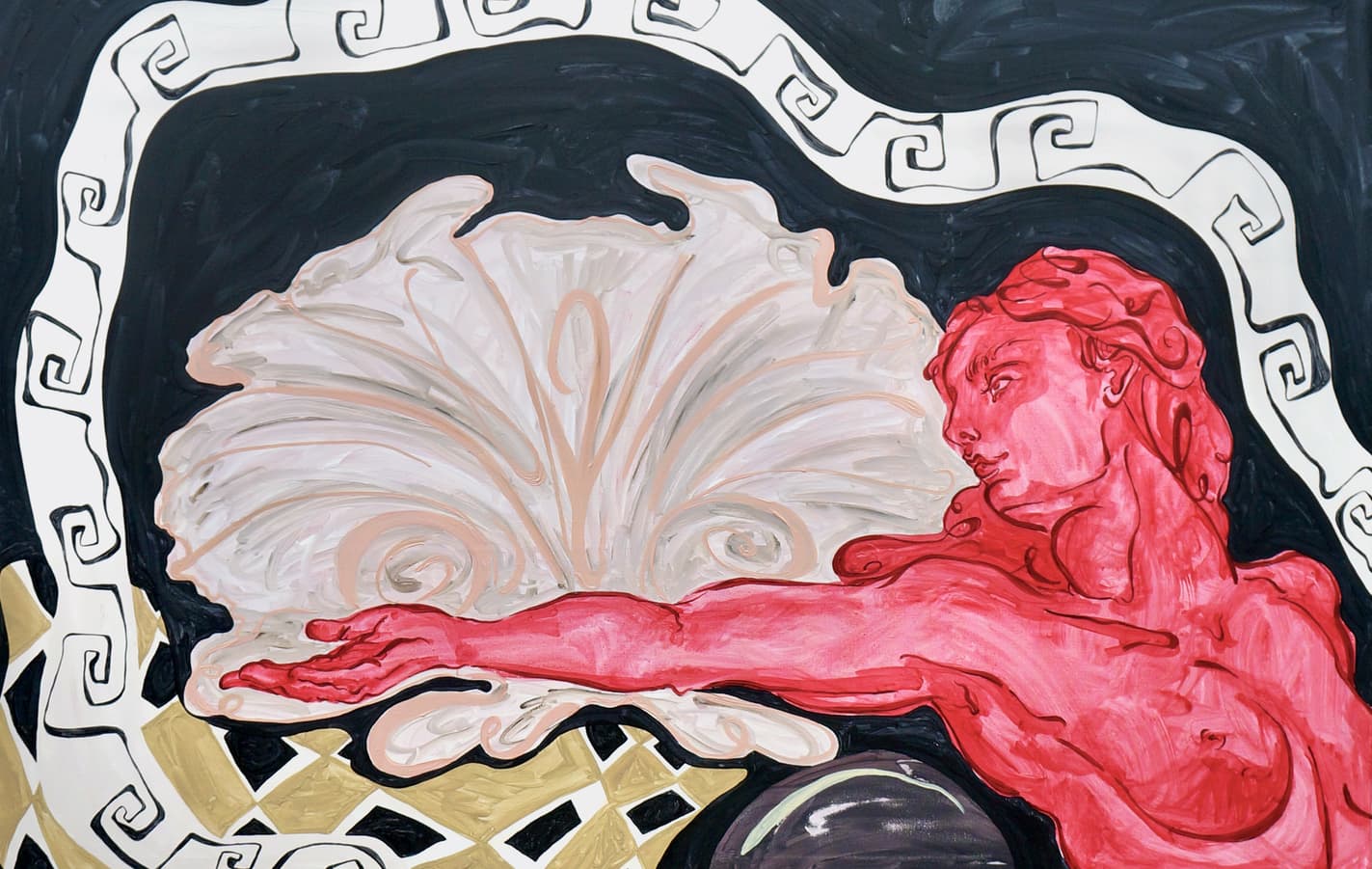
Meet the Maker: Ruby Bateman's Timeless, Heartfelt Creations.
In this Q&A, we speak with artist Ruby Bateman about her lifelong artistic journey—from childhood creativity at the kitchen table to studying at the Royal College London, and now working from her cosy studio in Devon. Ruby shares insights into her intuitive creative process, the emotional narratives woven through her paintings, and how ancient histories, myths, and folk culture deeply inspire her work. She discusses the joy of collaboration and the importance of authenticity in the artistic journey

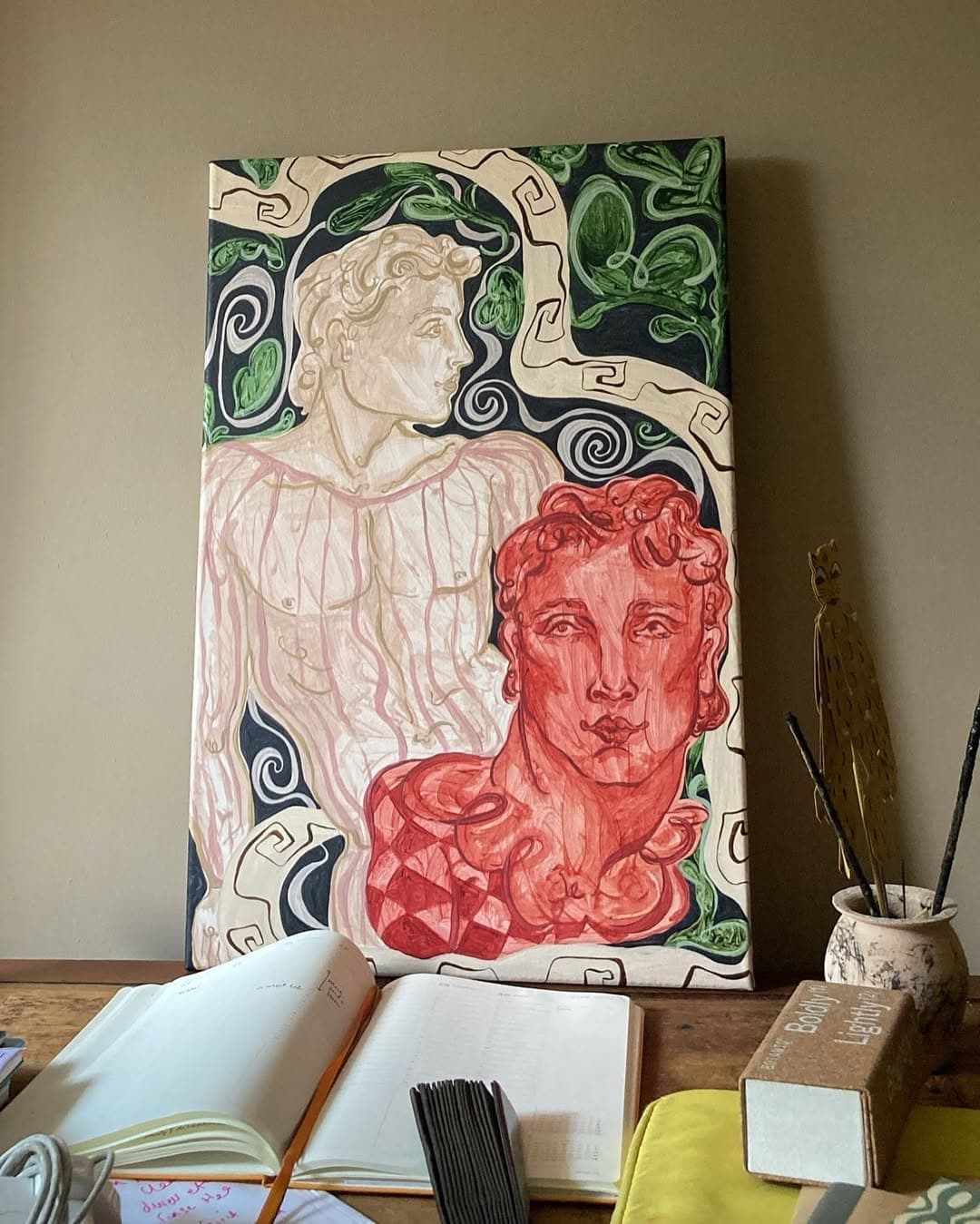
1. Can you tell us a bit about yourself and your artistic journey?
My artistic journey started at the kitchen table around age four; making mechanical dolphins out of card and computers out of cereal boxes, eventually leading me to study a print at Brighton, and then a Masters at the Royal College London. Now you can find me at my home studio in Devon, painting and drawing which I love best.
2. What inspired you to pursue your craft? Was there a defining moment or influence that sparked your passion?
It has always been an intuition of mine, something that has not felt like a choice. I remember saying aged five that I wanted to be an artist and a mummy, and I still stand by that.
Your craft
3. How would you describe your work in three words?
Swirly. heartfelt. old-worldy
4. What materials or techniques do you use, and why are they important to your process?
I’d ideally like to paint in oil, but I’m so sensitive to smells I can’t stand it! To compromise I’ve tried to make my acrylic paintings as ‘liquid’ and gestural as possible. It’s dryness does appeal to my impatient side, and I do quite like how immediate it is to use.
Every single work starts out with a pencil drawing, so that has always been at the heart of my process, whether it be an indian ink drawing on cartridge paper or acrylic painting on cotton canvas.
5. Can you tell us about a favourite piece you’ve created and the story behind it?
A favourite work of mine is ‘Many Have Walked But Not in Your Shoes’ acrylic on canvas triptych. This large two piece was the show stopper at my solo exhibition ‘PASSAGE’ at Haricot Gallery in 2023. It’s about pilgrimage; the transformational act of walking and paying reverence to a place. As Satish Kumar suggests, if we walk more like pilgrims on this Earth rather than tourists (self-serving and looking to find things to consume), we might have a richer, healthier planet and inner self. This painting marks the places I hope to visit around the UK, my birthplace and heritage, which I hope to pilgrimage to one day.
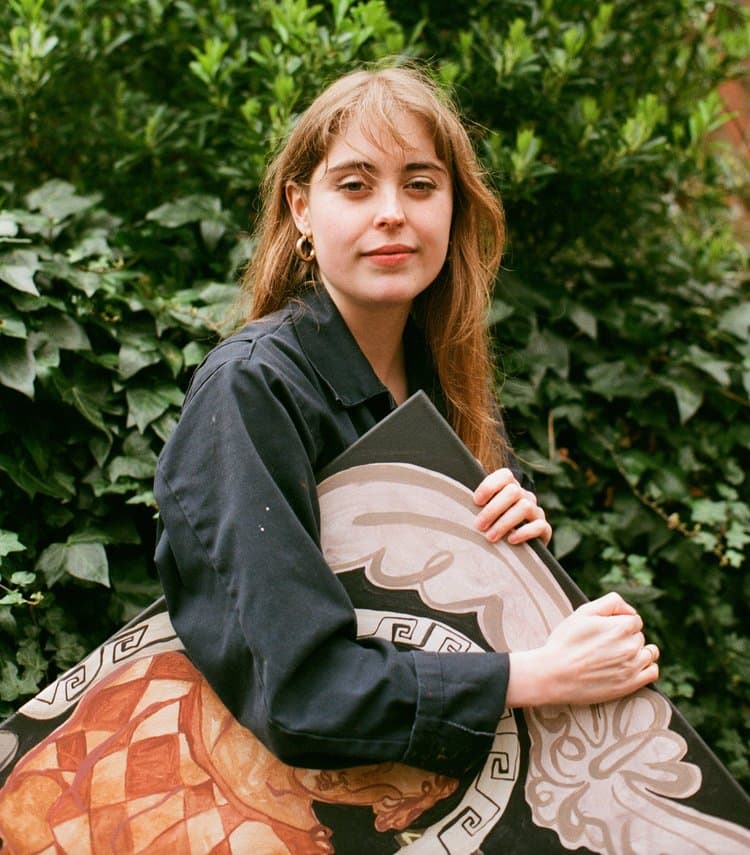
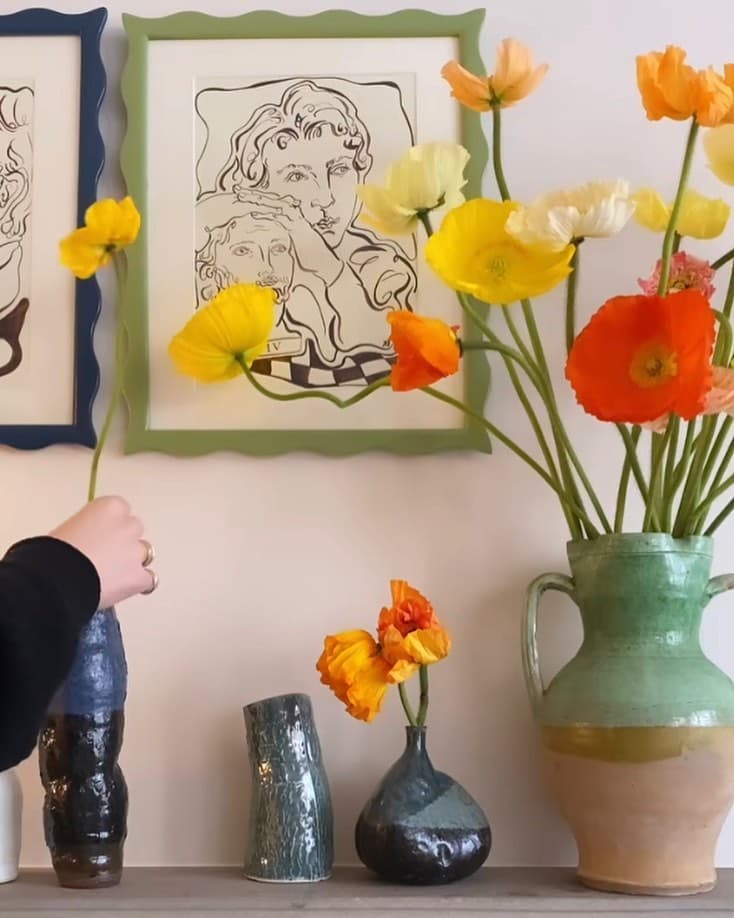
Creative process
6. What does a typical day in your studio or workshop look like?
My art making is cosy and domestic, with frequent trips to the kitchen for tea and snacks! I will wake up and get straight to work in my home studio, and will enjoy a 9-5 working day, suiting my morning personality. I will always be listening to something, Radio 4, podcasts, music. It’s wide ranging to hold me through a variety of moods and more often than not challenging scenarios in the studio.
7. Do you have any unique rituals or habits that help you stay creative?
I have a very large pinterest board which I save all my drawings references to. I love to draw from classical statues, old masters paintings and turn of the century black and white photographs.
A stick of palo santo or copal will usually be burning which grounds and inspires me, with continuous tea throughout the day.
8. How do you handle creative blocks? Do you have any strategies or tips for overcoming them?
I will always just try to make something. Perseverance and showing up for the work is integral, even if I don’t feel like making. I still haven’t figured out the secret to making a piece of work I like, it can suddenly come about when I am exhausted and stressed after trying for ages and not being in the mood. Or it can come when I am relaxed, ready and in flow. It’s this cosmic comedy I live with, so I just have to show up and see what happens!
Challenges and successes
9. What’s the biggest challenge you’ve faced as a maker, and how did you overcome it?
Expectation and reality are always a challenge for me. The painting I expect will come out, verses the painting which actually emerges. I essentially don’t have the control I think I do which creates tension. Ink drawing for me is easier, it is like playing an instrument, but painting is the true challenge, it is like conducting an orchestra. There is so much to balance and lose control of. I always chuckle to myself when I go to create a series of work in the same colour scheme, as I find it impossible to mix the same colour twice, so each work will insist on coming out exactly as it is regardless of the effort I put it to manipulate it elsewhere. It is a process of acceptance, which I might always be working through.
10. What’s been your proudest moment or achievement so far?
All my solo shows have been a gift to me, a validation that my work matters to someone. You spend all your days alone, creating, in this echo chamber of yourself, unable to actually see the work for what it is. When a gallery come along and chooses YOUR things, it is the greatest catharsis. It says that people are ready and interested in what you’ve been doing and your particular perspective and expression. The job that you do that bewilders most people actually exists for a moment in the ‘real world’.
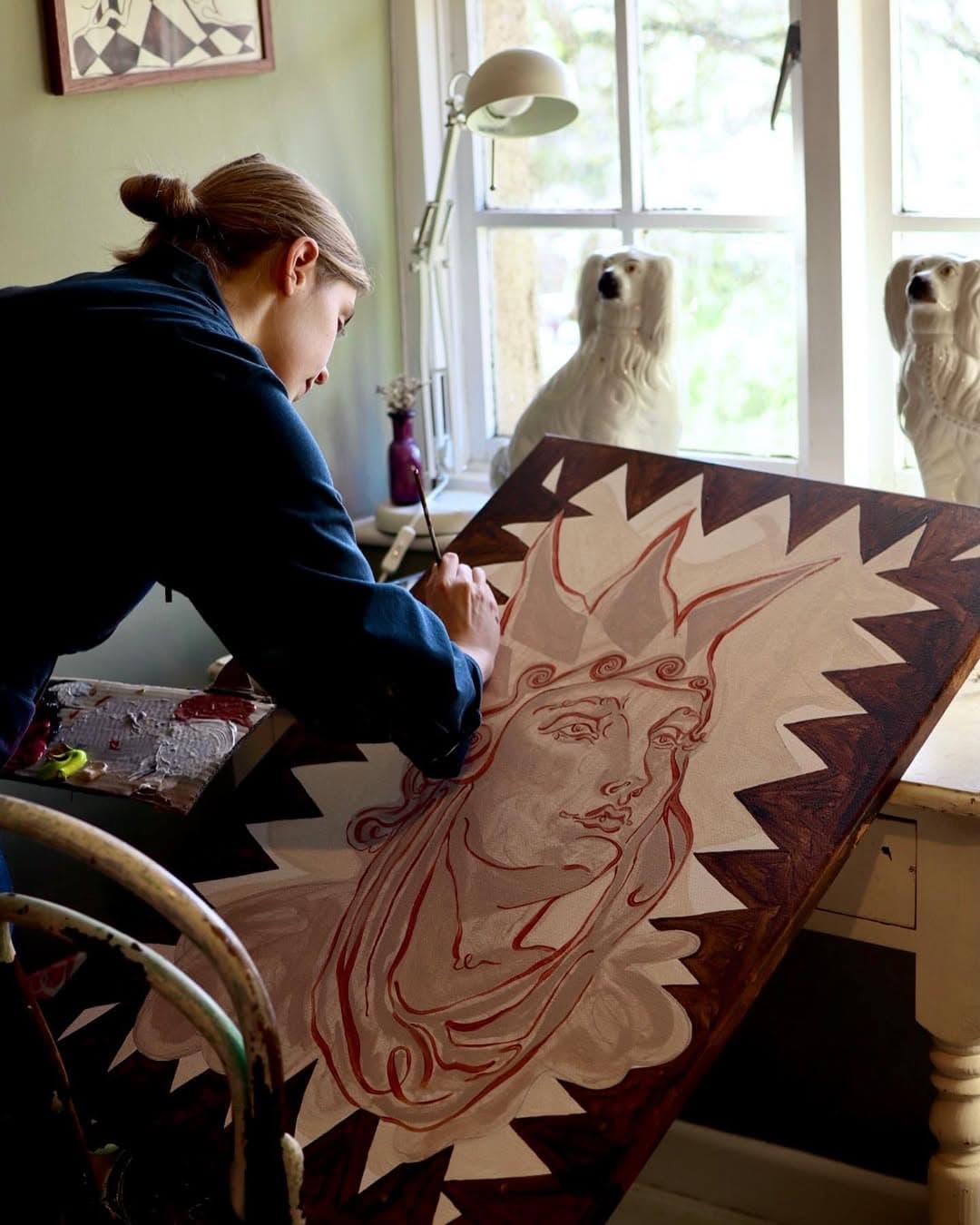
Inspiration
11. Where do you draw inspiration from for your work? What sparks your imagination and creativity?
I’ve always loved old worlds, ancient Rome/Greece, the Medieval, Georgian and Victorian England, myths, folklore and legends. I’m hardwired to live in these places, so my creativity naturally springs from there. Some shout outs to William Blake, Weird Walk magazine, Dr Martin Shaw, the Bloomsbury Group Artists, The Bible of British Taste, Julia Maragret Cameron, Luke Edward Hall and Faye Weiwei.
Engaging with nature, old landmarks, ancient stones, cathedrals, moorlands, churches, castles, National Trust homes, walkways, bridlepaths, ancient (rainforests) woodland, ceremonies, rituals, plant magic and old stories connect me to a deeper creative consciousness and open heartedness.
12. Do you have a favourite artist, maker, movement, or tradition that has influenced your craft?
Around age 17 I discovered Frida Kahlo, who imprinted narrative, introspection and the soulfulness of being a woman (artist) onto me. I felt very close to her and still do. I managed to visit her homes in Mexico last summer in 2024, which was a wonderful pilgrimage for my old artist self. Shortly after came William Blake, another soul shaker, who’s ecstatic relationship to art making and his own uniqueness was deeply magical.
13. How does colour influence your practice; is it an important part of your process? Do you have a particular palette or favourites? Any go-to sources for colour inspiration?
Red is my spirit colour, so I will generally stick to that tonality. I love looking at Charleston House Bloomsbury Group artists for colour inspiration and William Blake’s coloured prints. I will tend to mix brown into most my colours as I prefer a more muted range, something slightly more natural.
Perspectives and goals
14. What role does your environment play in shaping your creativity?
Where I live in Devon, we are experiencing a rich revival of folk culture which has been highly influential in my work. Local writers, makers, galleries and musicians are connecting to our old heritage and stories. In recent works I’ve been creating drawings based off retellings of myths and folktales from local writers, I’ve loved connecting to their work in this way.
15. What do you want people to feel when they experience your work?
To experience beauty and rest within my some of my images, and in others ask questions around our connection to this world, where do we come from, what is our true nature and how can we create a more peaceful intuitive life (together).
16. What are you currently working on, and what excites you most about it?
As mentioned previously, I’m making work based off local writer’s myths and legends, but also interested in origin stories. The stories we tell ourselves, the stories that live in our bodies and the stories we have inherited through generational trauma. How do we honour these and transform them.
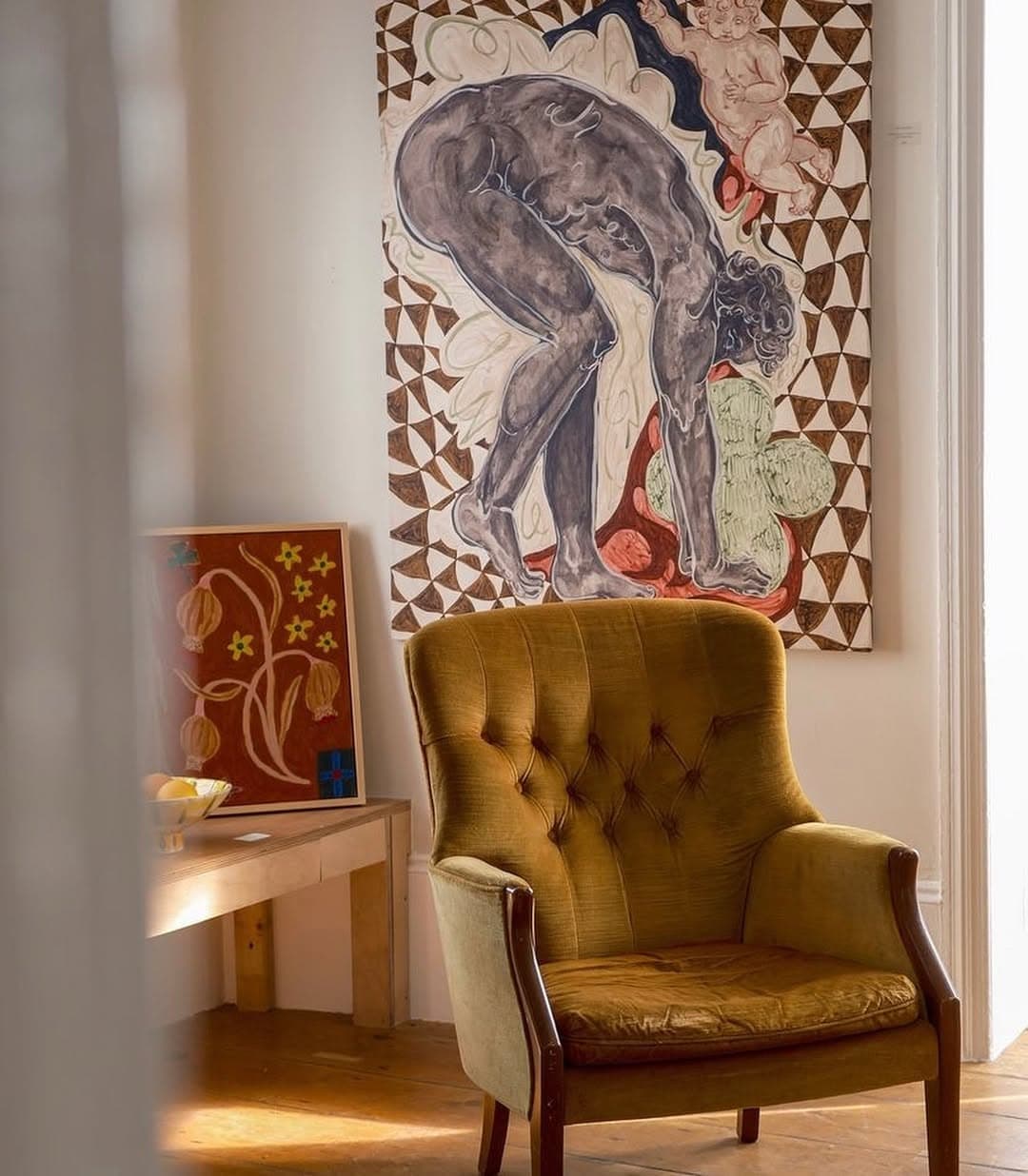
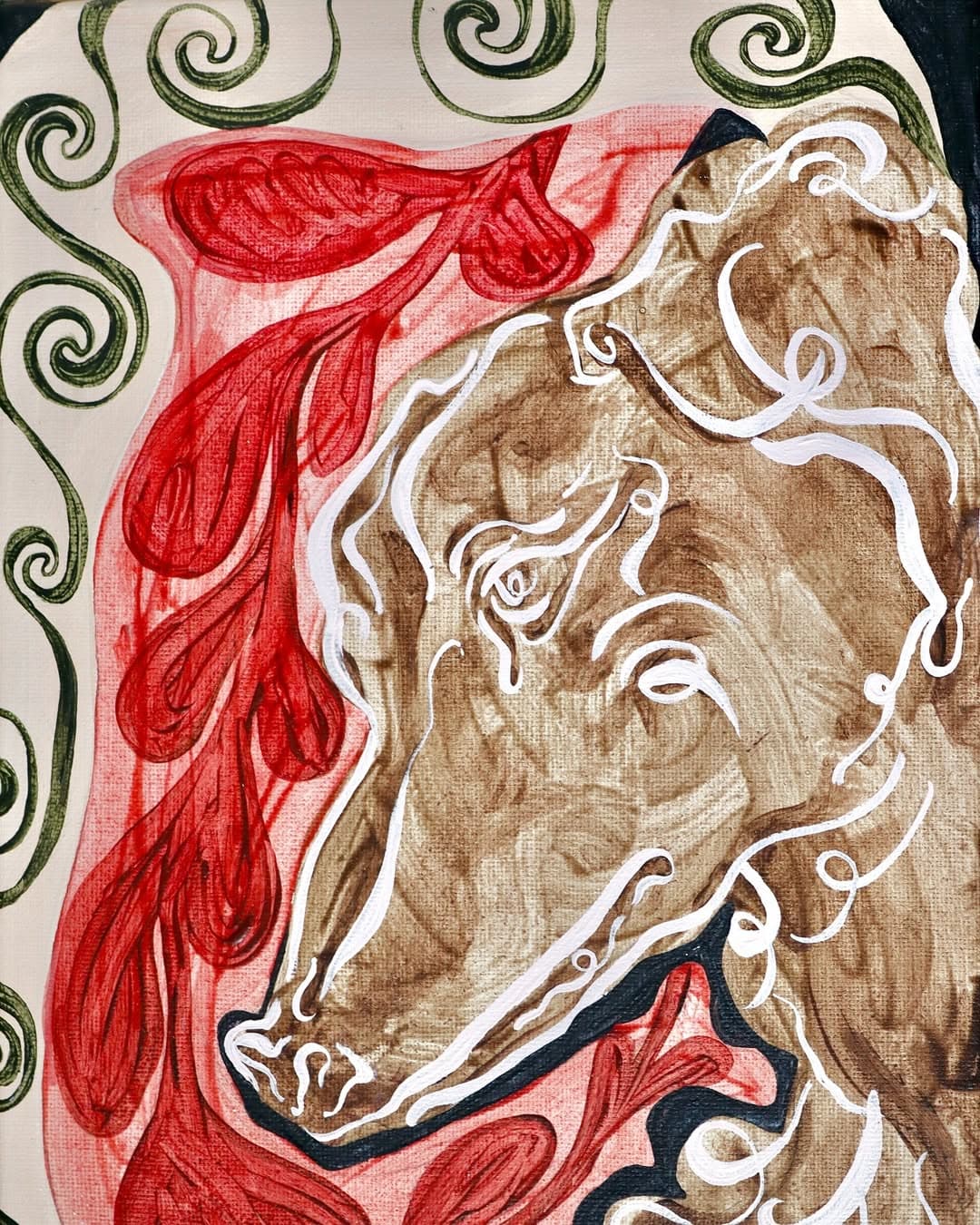
Advice and reflection
17. What advice would you give to someone starting out as a maker?
The work always should come first. Instead of worrying about which gallery to exhibit in or how to exhibit your work, make the work steadily and be an artist. All the rest will follow in due course.
18. If you could go back to the start of your career, what advice would you give your younger self?
Connect to the way you started out with painting and drawing, not what you think is fashionable or what people want to see.
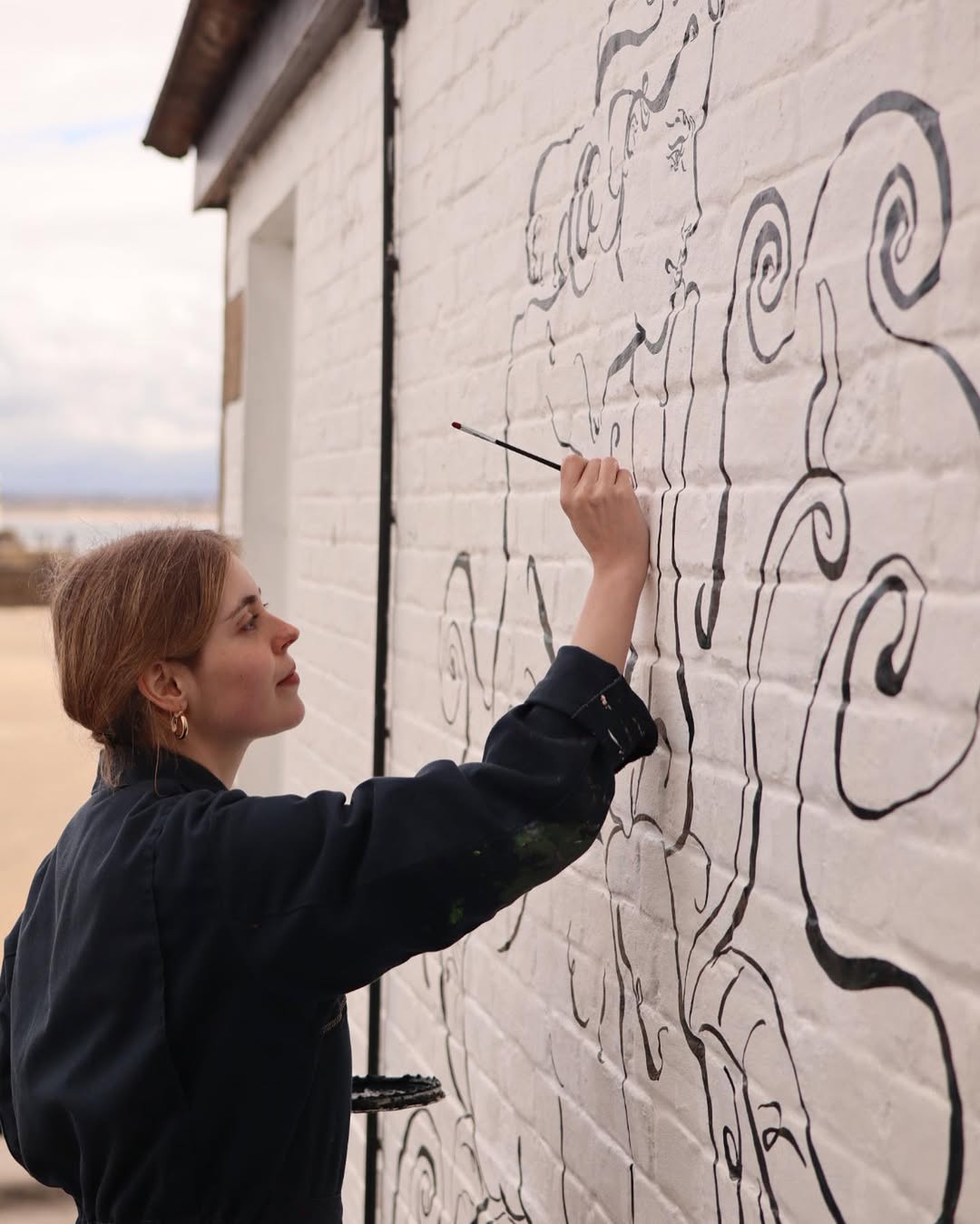
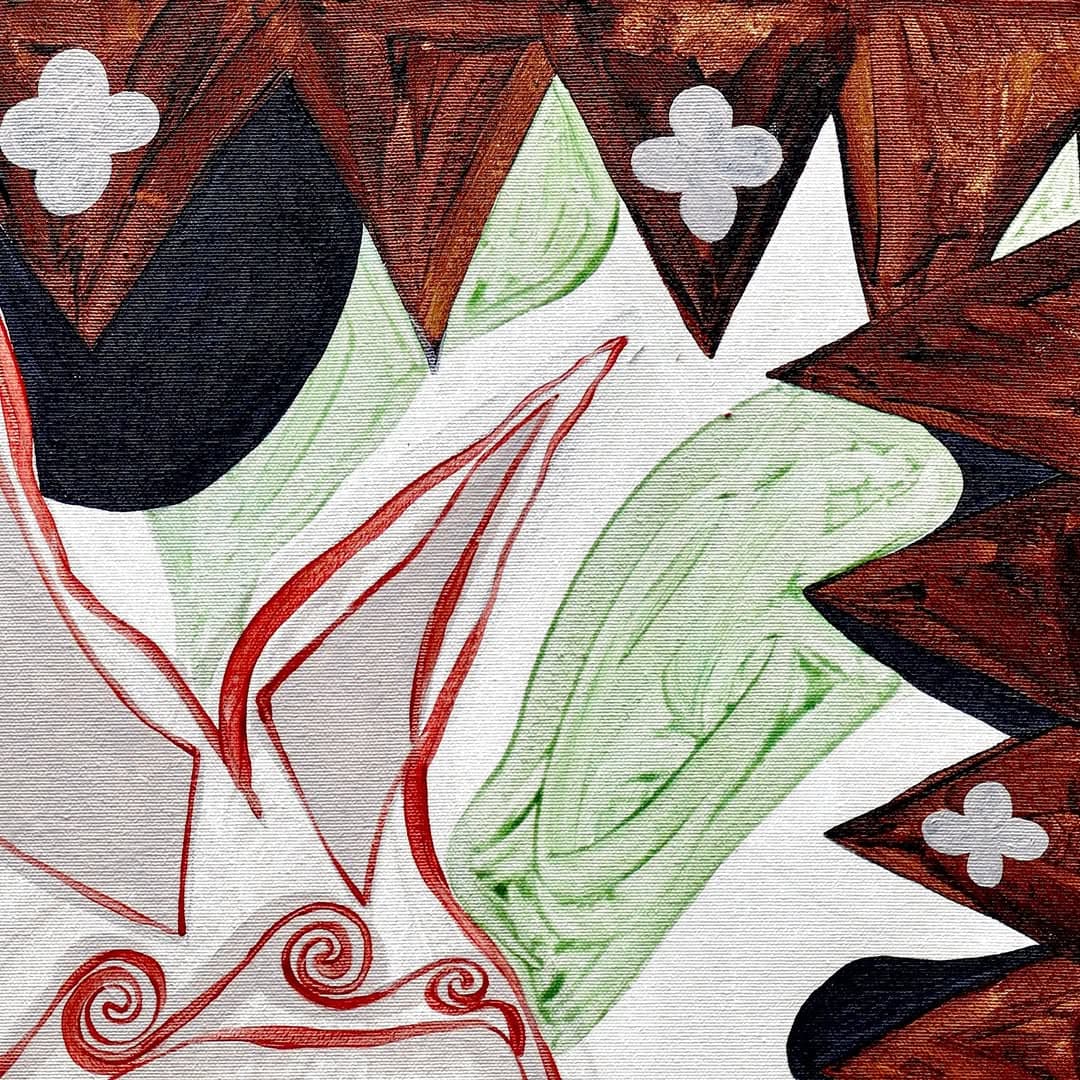
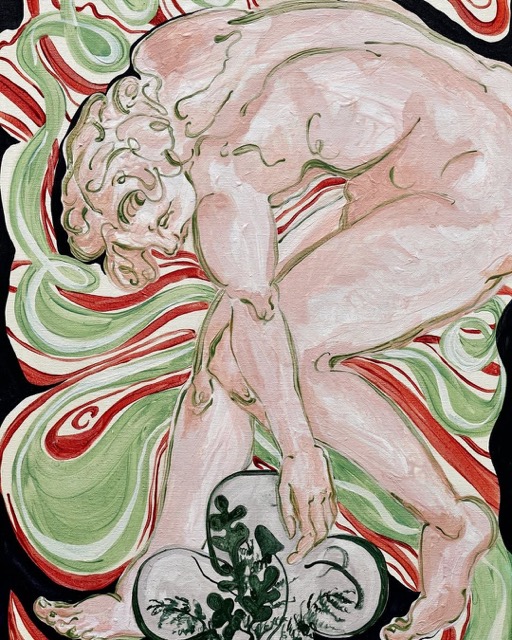
Closing thoughts
19. If you could collaborate with any artist, past or present, who would it be and why?
I’d love to collaborate with Kate Bush and do an installation of artwork and music together! I think her songwriting shows how much she reads, her brilliant enquiring mind and emotional depth. To make work in collaboration her stories and unique vision would be phenomenal!
20. Where can people find your work, and how can they support you?
Contacting me directly for commissions and sales is always a massive help! You can find me through Makers Made, my website rubybateman.com and giving me a follow on instagram @ruby__bateman
Ruby Bateman’s art beautifully blends introspection, mythology, and a rich sense of heritage, expressed through swirling lines, heartfelt narratives, and evocative colours. Her creations invite viewers to find both rest and reflection, connecting deeply with timeless themes and stories.
Explore Ruby’s latest collections and follow her creative journey:
Discover Ruby’s Work:
Support Ruby by reaching out directly for commissions, following her artistic adventures on Instagram, and engaging with her captivating creations through Makers Made.