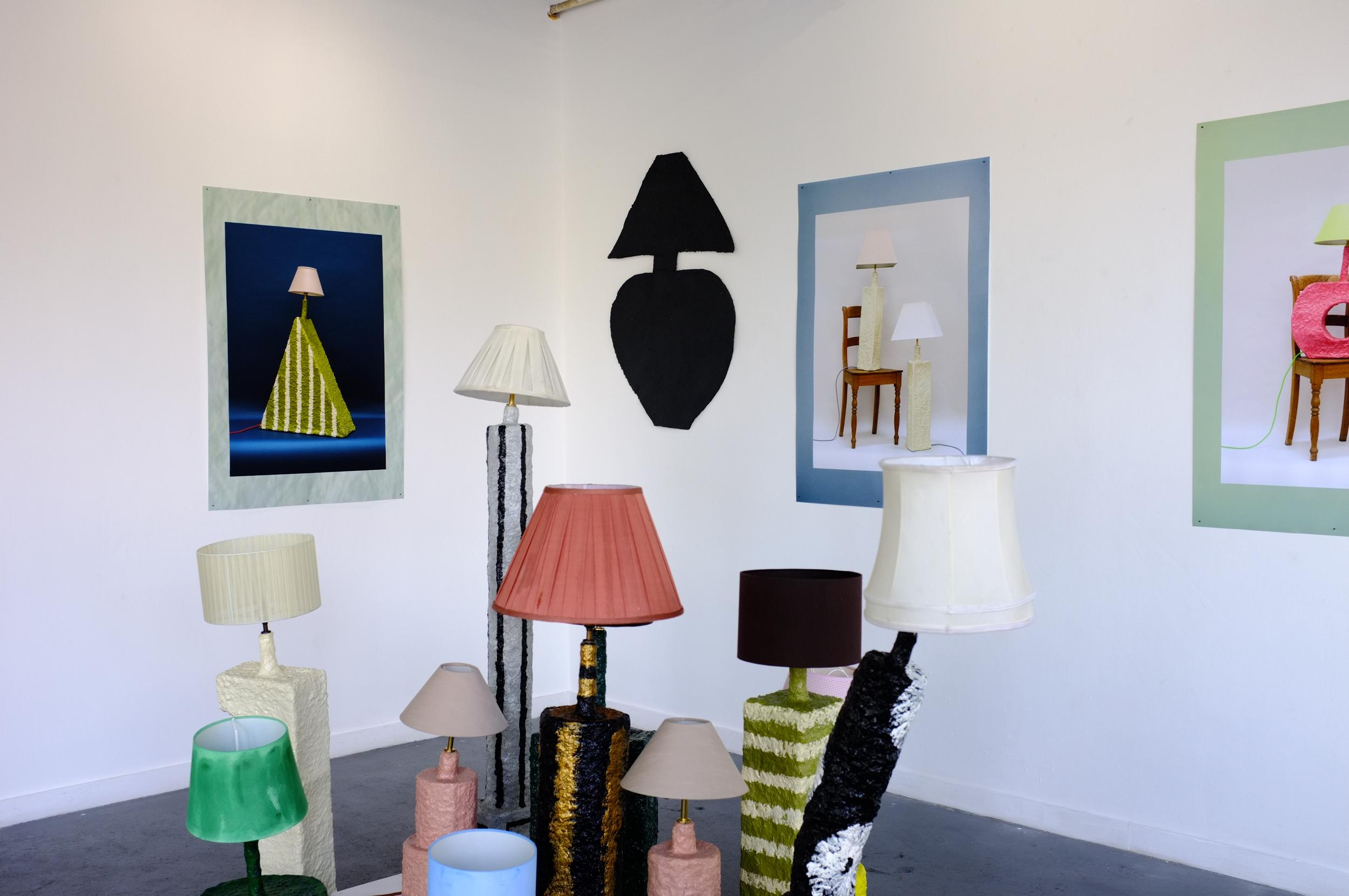
“On Taste” – A Maker’s Perspective by Annie Strachan, Pulp Sculptuur
Taste isn’t something you can buy off the shelf—and if it was, there would be no evolution in design or popular aesthetics. It’s something an individual builds up over time, shaped by key experiences that are deeply personal. Memories unlocked from a childhood holiday—the bright colors of an ice cream stall—or the ridges of rough clay interspersed with thick, glassy glaze from a piece of studio pottery at your grandparents’ house.
The Playful Palette: Bold & Unexpected Combinations
Some makers are drawn to the joy and surprise of working with unconventional colour combinations.
“Every piece made by our makers is genuinely handmade—because there is no other way.”
The problem is that it’s so easy to fall into the trap of a carefully curated homewares collection, mass-manufactured by a multinational, investment-run brand. But when you do, you lose that sense of purpose in an object. It’s no longer something that requires careful handling or passing down through generations. There’s no story behind acquiring it—no memory of how you saved or sacrificed dinners out to afford it. No gentle needling from your partner when friends come round, teasing you for your commitment to a form of taste they don’t quite get (but secretly admire). And when trends change, you won’t give it a second thought before bunging it in a bag for the charity shop.
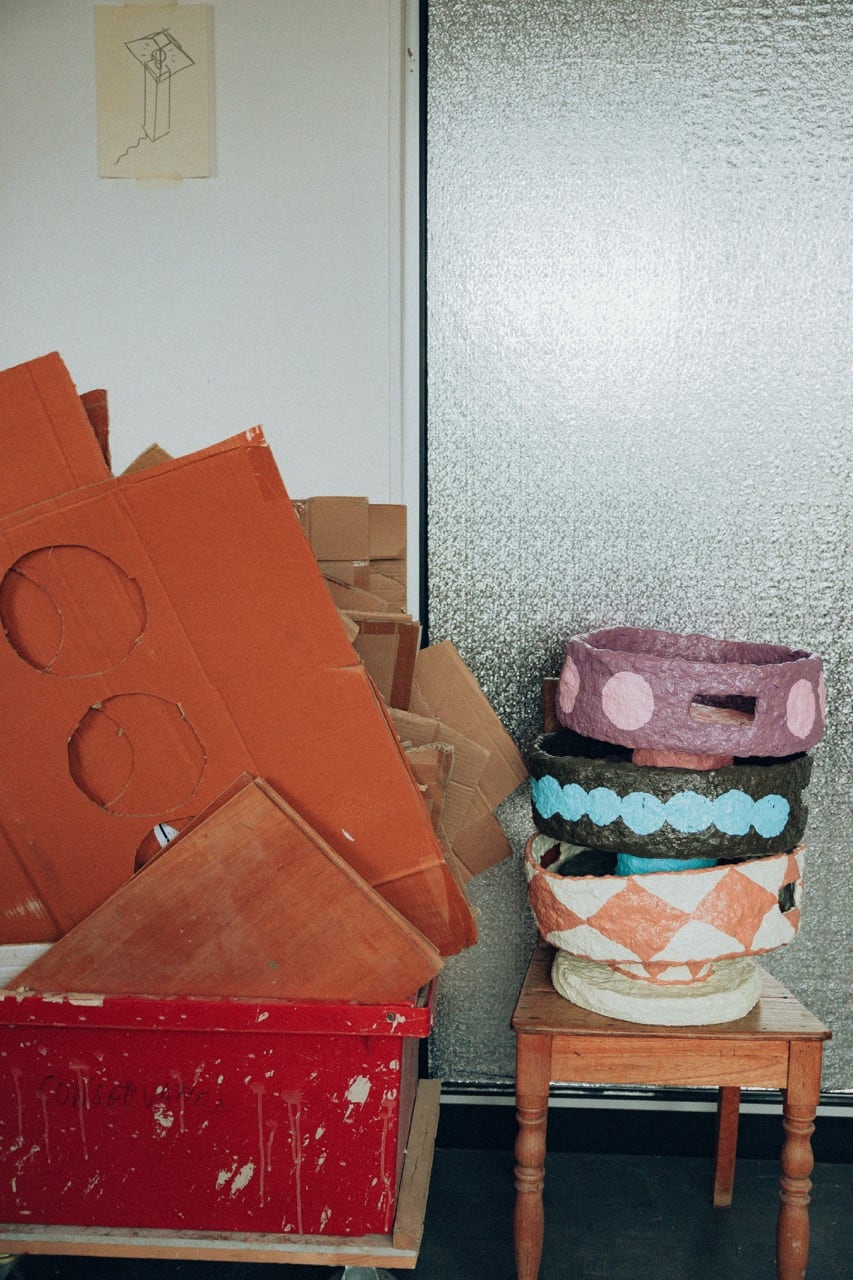
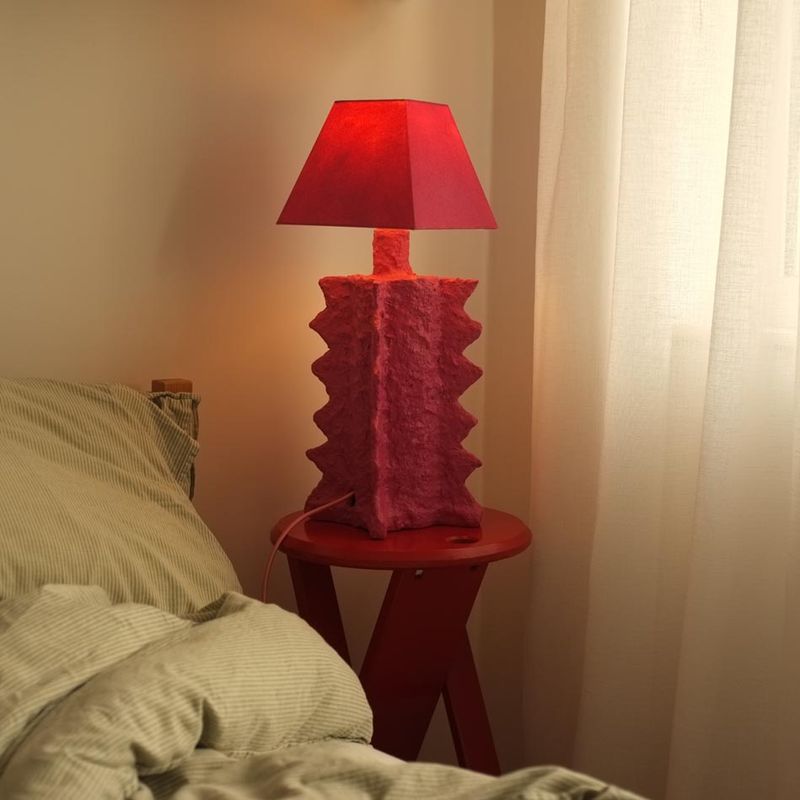
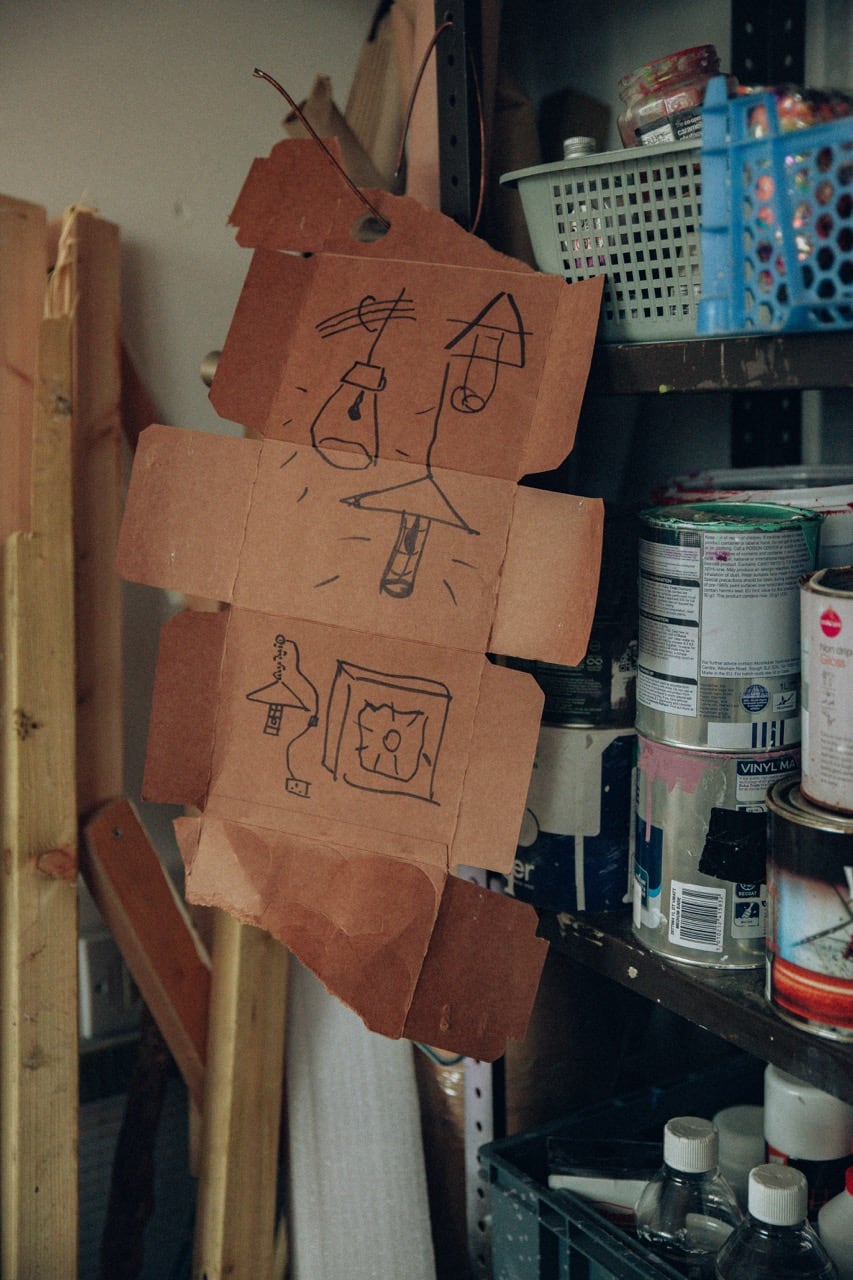
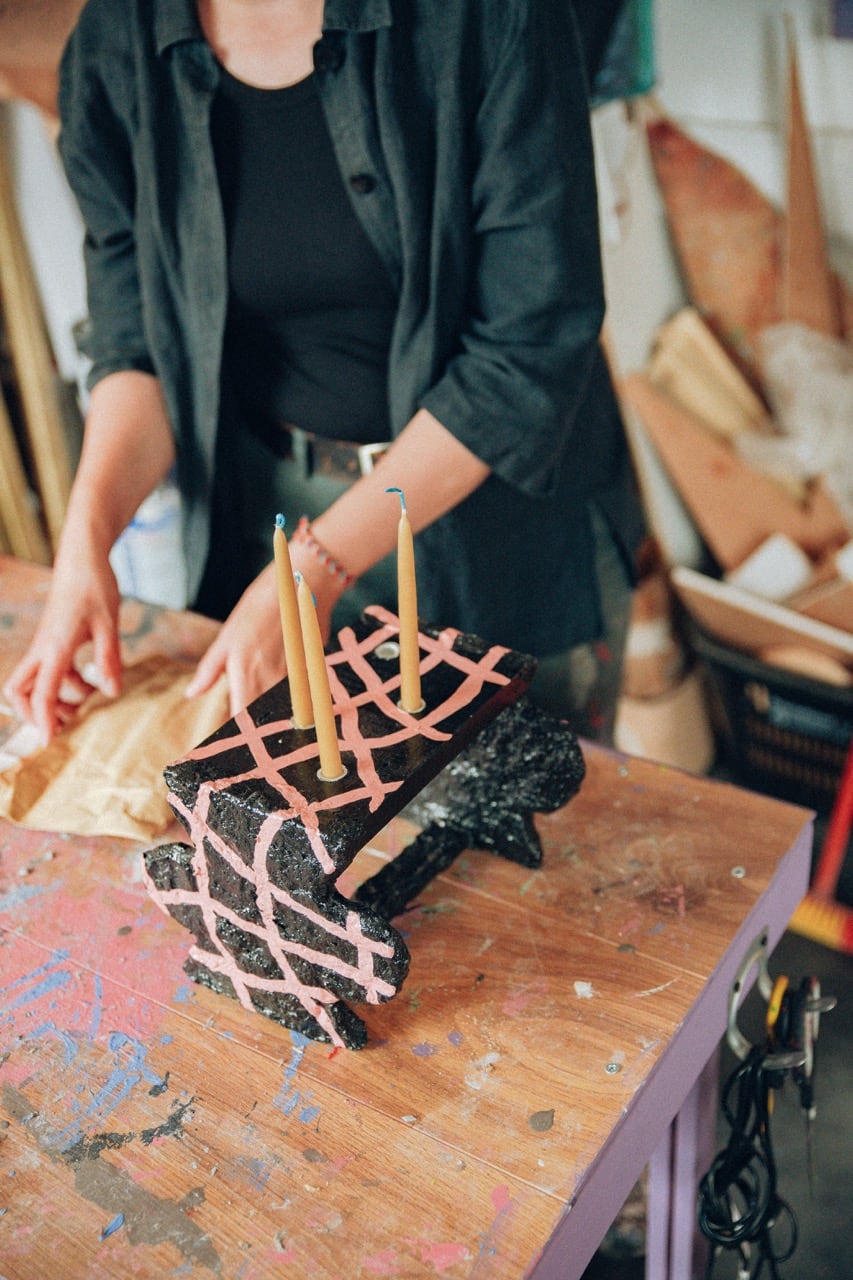
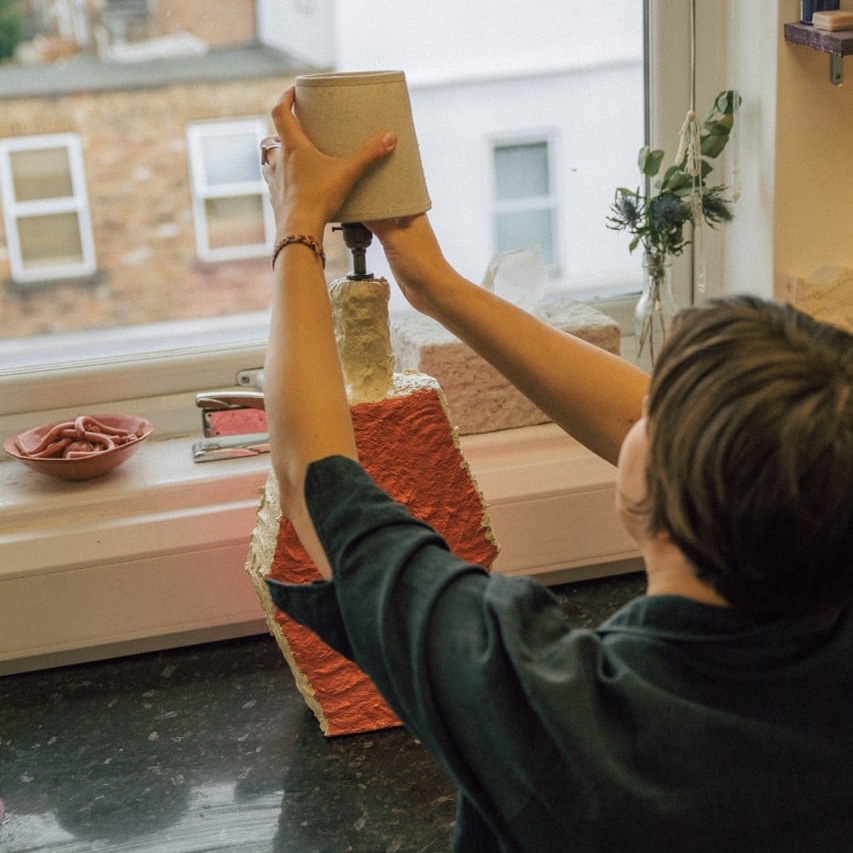
Every piece made by our makers is genuinely handmade—because there is no other way. There’s no pre-approved budget, no buying team, no shareholders to appease. We just make—for the sheer joy of it. In my case, there isn’t a mold that pulp is poured into every time I want to reproduce a lamp base. It has to be built from scratch. When producing that pulp, I’m not buying ready-flaked bleached paper-I’m shredding and processing it all myself, by hand, in buckets. I’m using a recipe I’ve researched and perfected, and I’m doing it with my hands.
“It’s so important to know the difference between a high price tag that pays for real labour and one that funds a well-connected marketing team.”
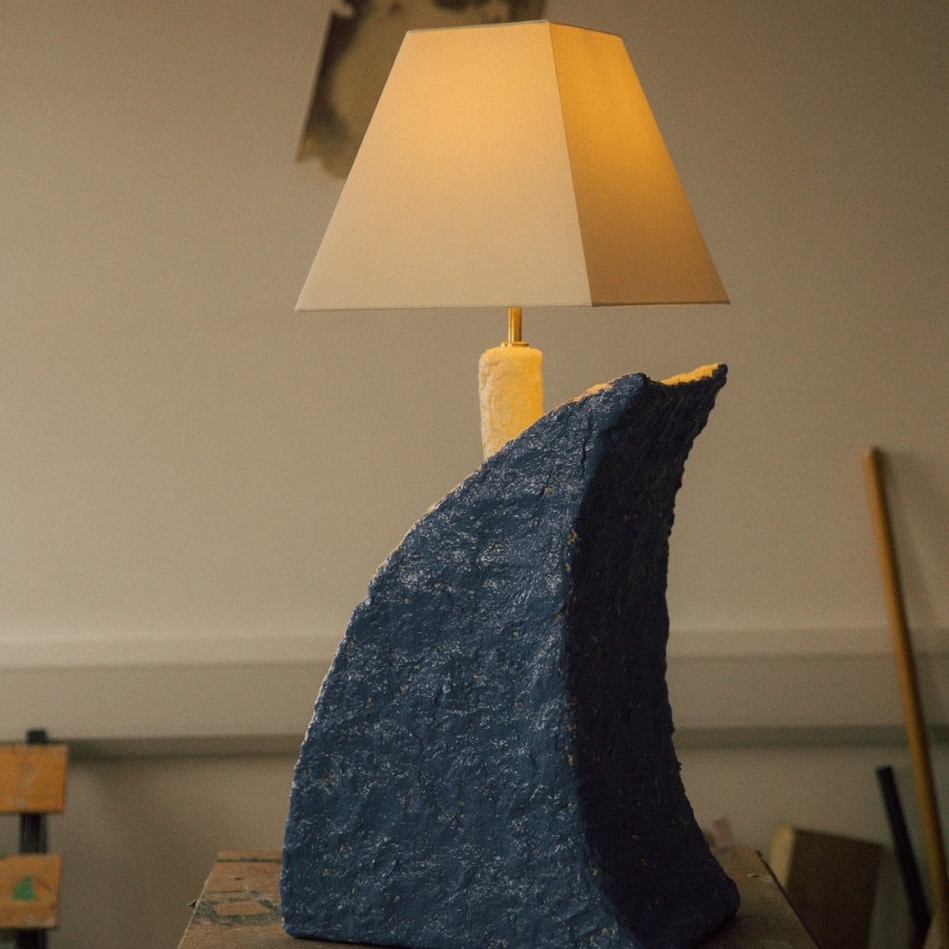
Subtle & Natural: A Muted, Calming Approach
While some makers embrace bold contrasts, others prefer a more understated, calming palette.
It’s so important for consumers to know the difference between a high price tag that pays for real labor and one that funds a well-connected marketing team. In my case, you’re paying for my hands to create something truly handmade, hand-painted, hand-designed, and hand-marketed. The money you spend goes directly towards my rent, my materials, and my labor. It costs that much because that’s the true price of craftspersonship in the UK.
“When you understand the true value of craftspersonship, you don’t just buy a piece—you invest in a story, a craft, a maker.”
And that’s when buying something a maker made becomes more than just a purchase; it becomes part of your own taste.
Colour as a Personal Connection: From Sketches to Confidence
For some makers, the colour selection process is about more than just aesthetics—it’s about building confidence in their creative choices.
Earthy & Grounded: A Love for Natural Hues
For some makers, colour is deeply rooted in the materials they work with, enhancing the natural beauty of their craft.
About the author
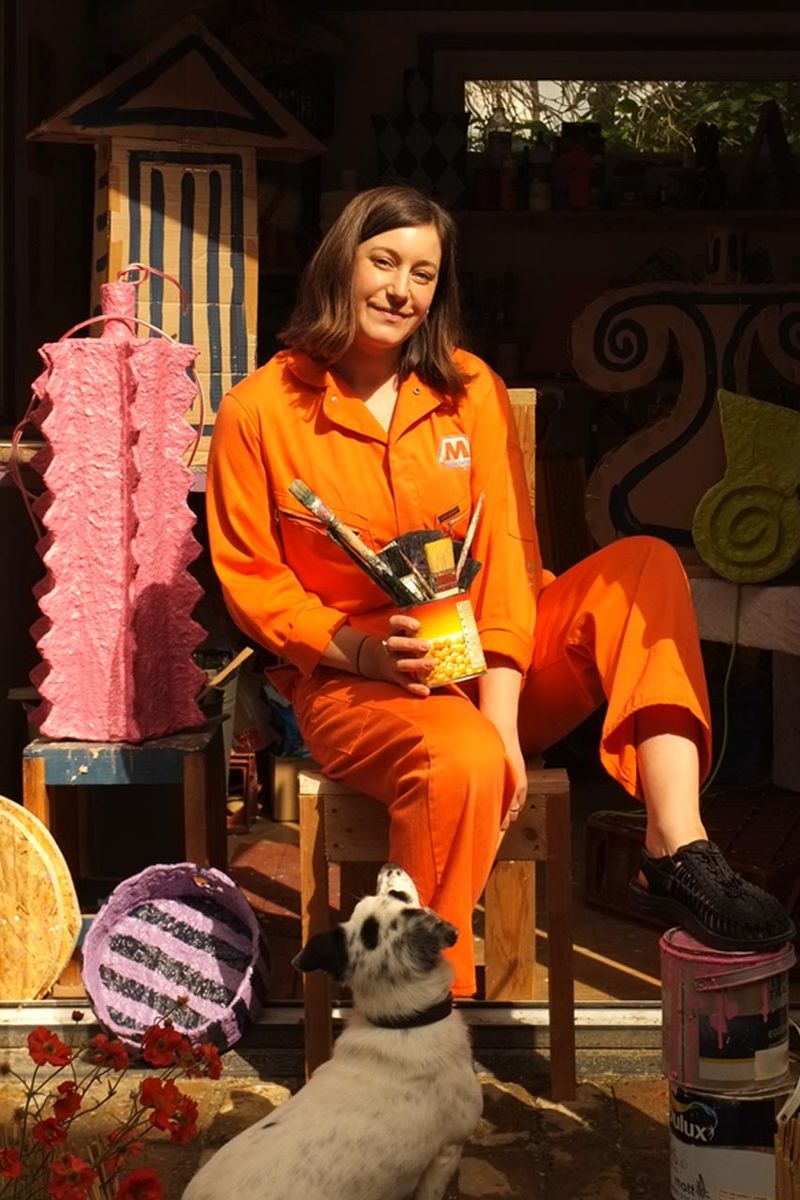
Annie Strachan, Pulp Sculptuur
A London-based artist creating sustainable, functional sculptures from recycled materials like wood, textiles, and papier-mâché. With a background in ceramics and sculpture from Chelsea College of Art & Design, her work blends influences from Modernist architecture, post-war Hollywood set design, and traditional craft techniques.
Handmade in her garden studio, each piece is built from scratch using layered paper pulp and her signature textural relief. Annie has collaborated with brands and institutions including Selfridges, London Design Fair, and The Museum of the Home, with her work recognized by House & Garden’s Design 100 and It’s Nice That’s Nice List.
Discover more about her work and explore her latest pieces by visiting her Maker Page.

Rituals for Creativity by K.S.Creative
Creativity is deeply personal, and over the years, I’ve realised that every artist has their own rituals—small, grounding habits that set them up to have a productive day creating.
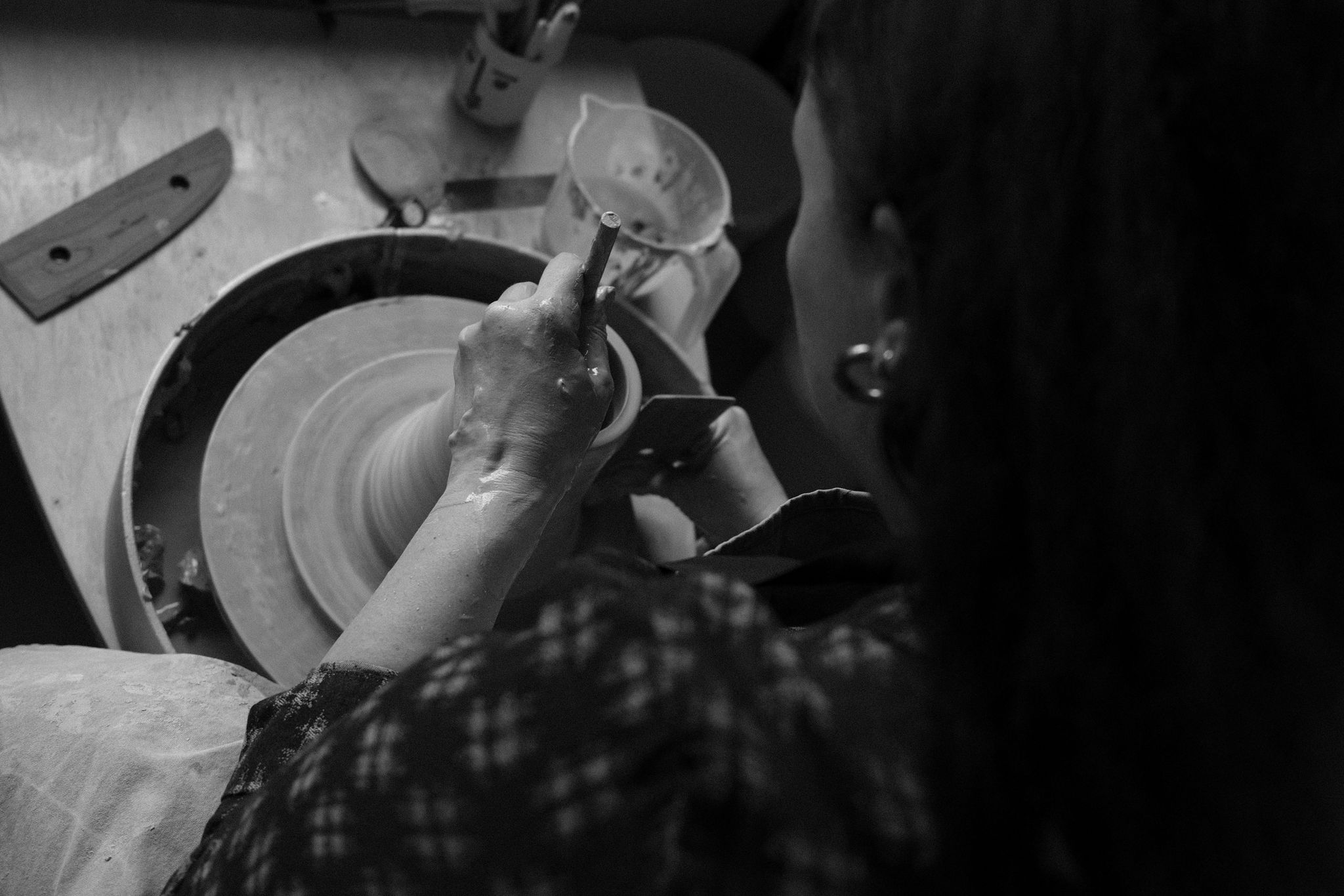
As a ceramicist and founder of K.S. Creative Pottery, I have always been fascinated by the rhythms and routines that shape the creative process. Whether it’s a quiet morning moment, the hum of a favourite playlist, or the tactile act of working with clay, these rituals not only influence my own practice but also offer insight into how other makers find their flow.
In this article, I explore the role of these daily habits, drawing on my own experiences and those of fellow makers, to understand how creativity is nurtured through ritual and routine.
The Playful Palette: Bold & Unexpected Combinations
Some makers are drawn to the joy and surprise of working with unconventional colour combinations.
“It’s my moment to pause before the day gets going.”
Pottery is a process of transformation—both for the clay and for me as an artist. It requires patience, precision, and focus to navigate the many stages, from preparation and glazing to firing. While every maker finds their own way of working, we all share a commitment to balancing technical skill with creative expression.
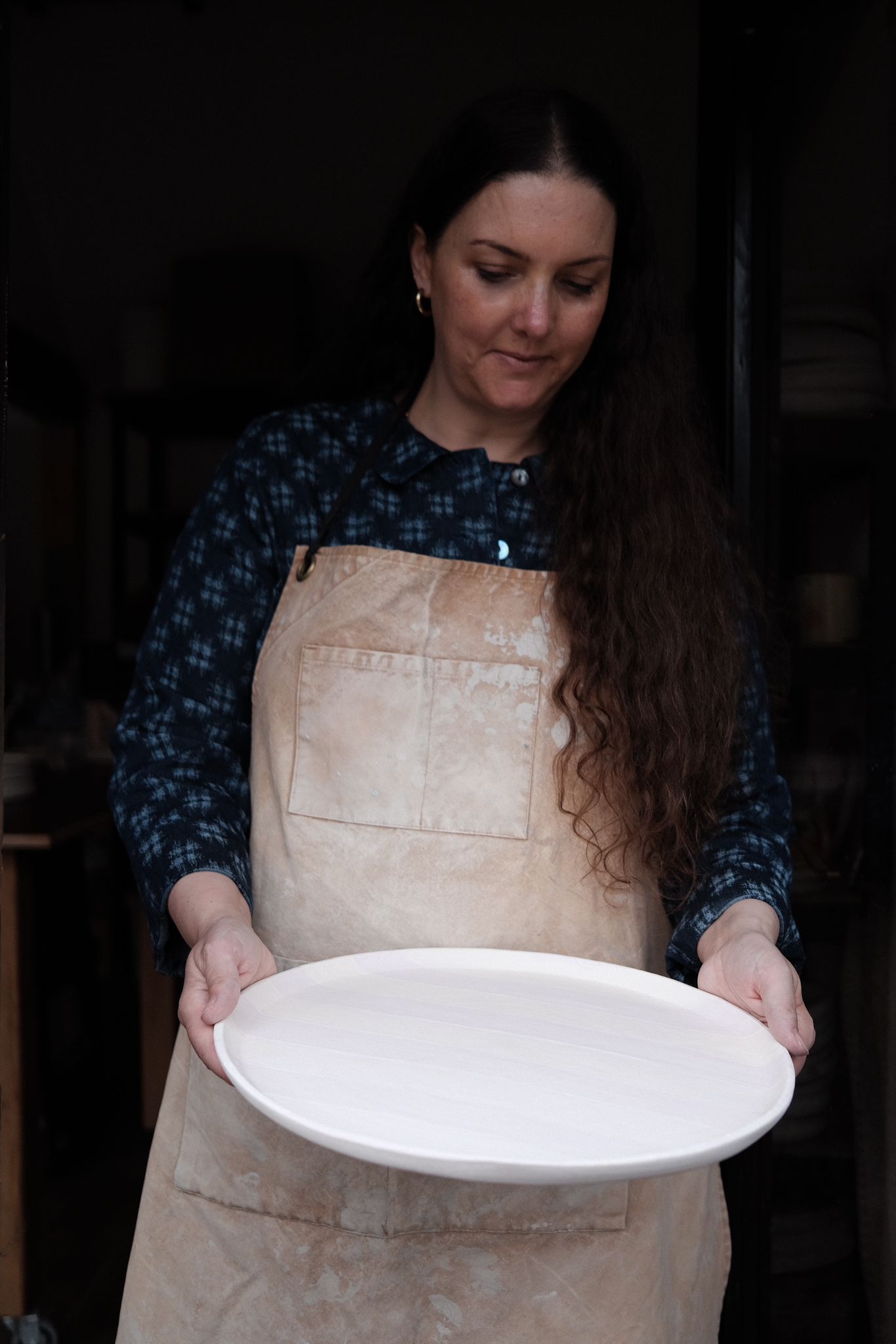
For me, starting the day right is essential. Whether it’s a cup of coffee, a walk in the countryside, or simply taking a quiet moment before stepping into the studio, these rituals create a sense of calm before the physical process of making begins.
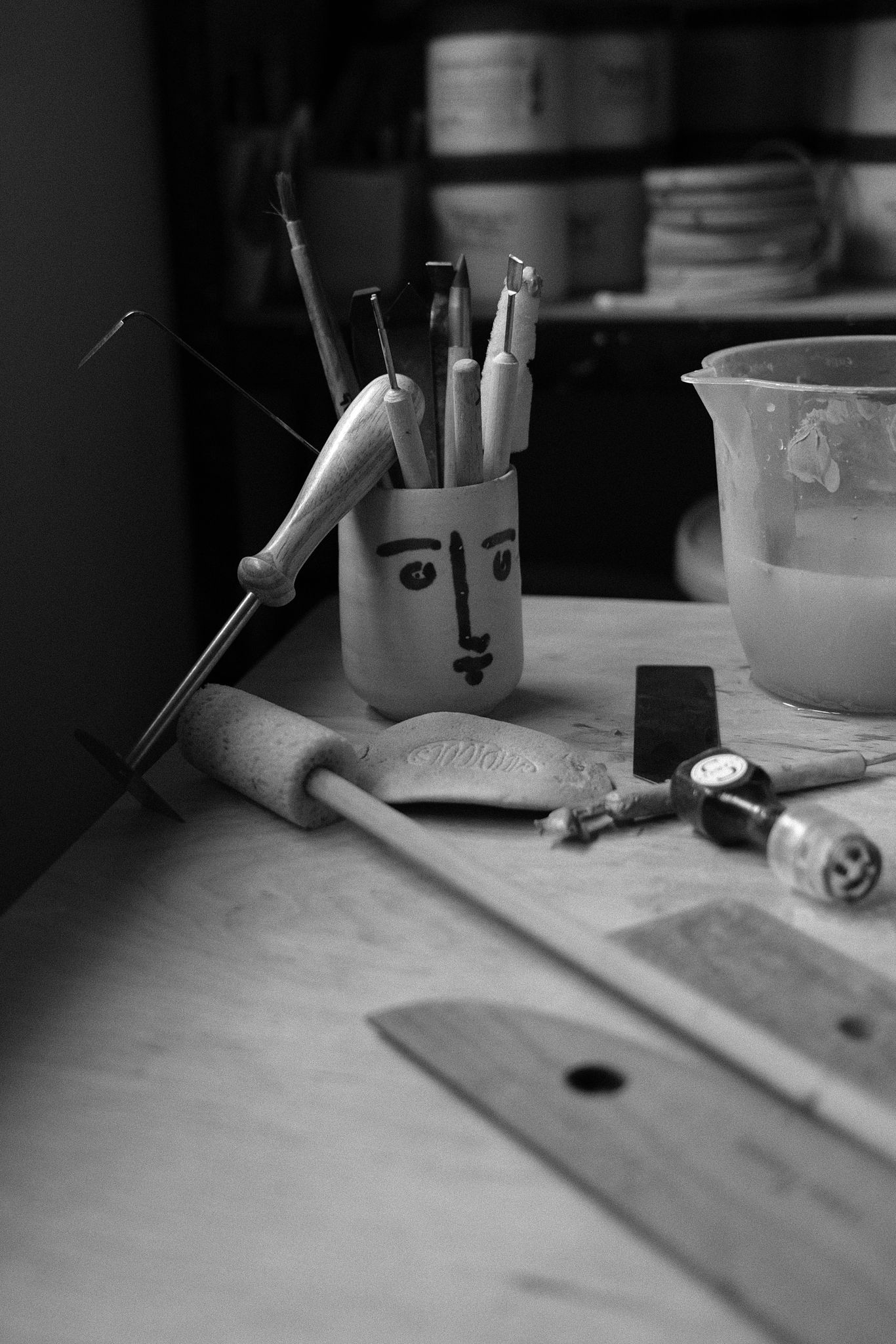
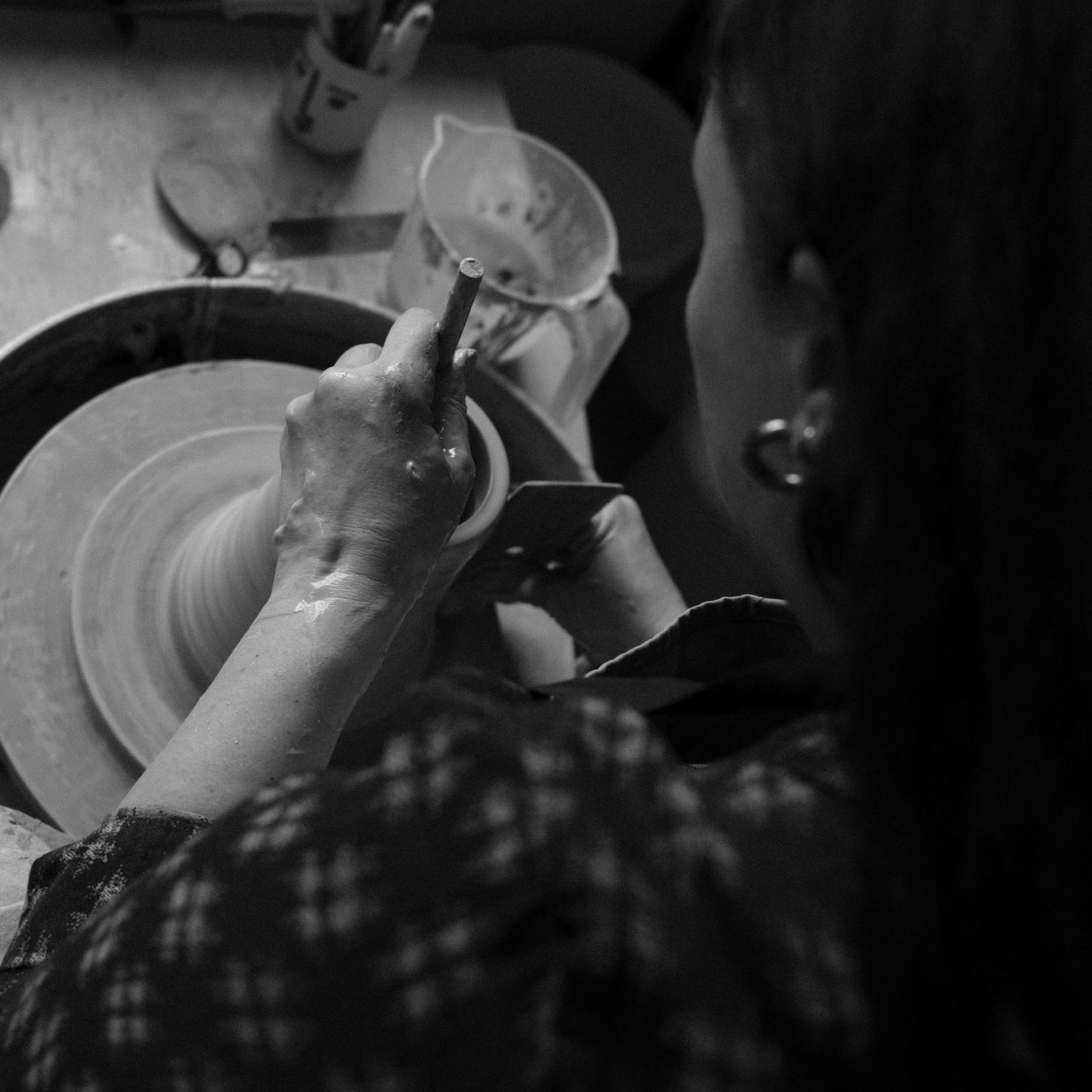
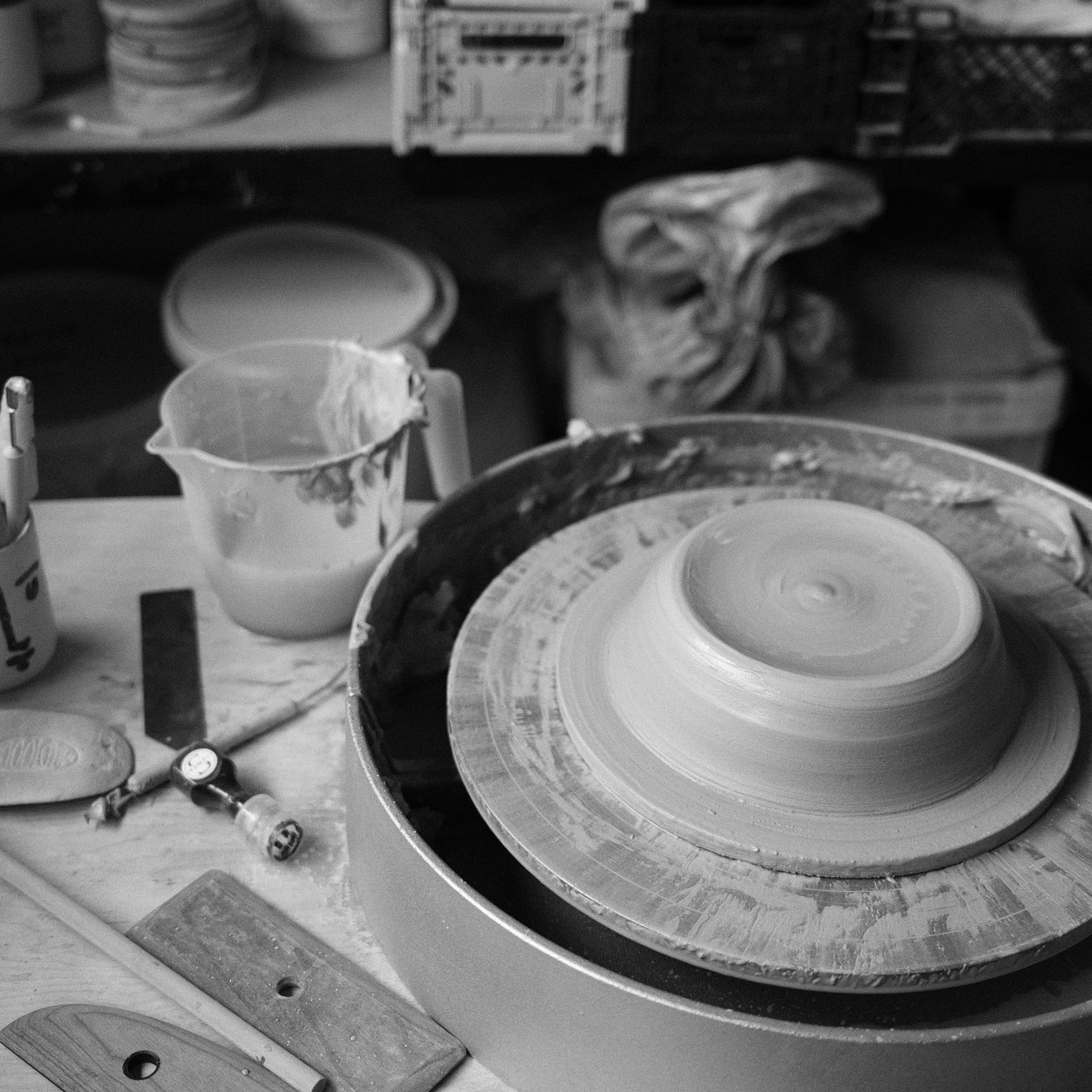
Once I’m in the studio, the environment plays a crucial role in shaping my creativity. Some makers thrive in silence, while others need sound to keep them focused on their work. I tend to have music, a podcast, or the radio playing in the background. I love Guy Garvey’s voice—it helps set the tone for the day and keeps me engaged while working.
My fellow maker Hal Haines embraces shifting rituals:
“I find rituals extremely important, but I often shift from one to another. I used to burn a particular scent of St Eval candle in my studio every day, or drink a specific Pukka tea infusion (one with fennel), or binge a full podcast series from beginning to end.”
Subtle & Natural: A Muted, Calming Approach
While some makers embrace bold contrasts, others prefer a more understated, calming palette.
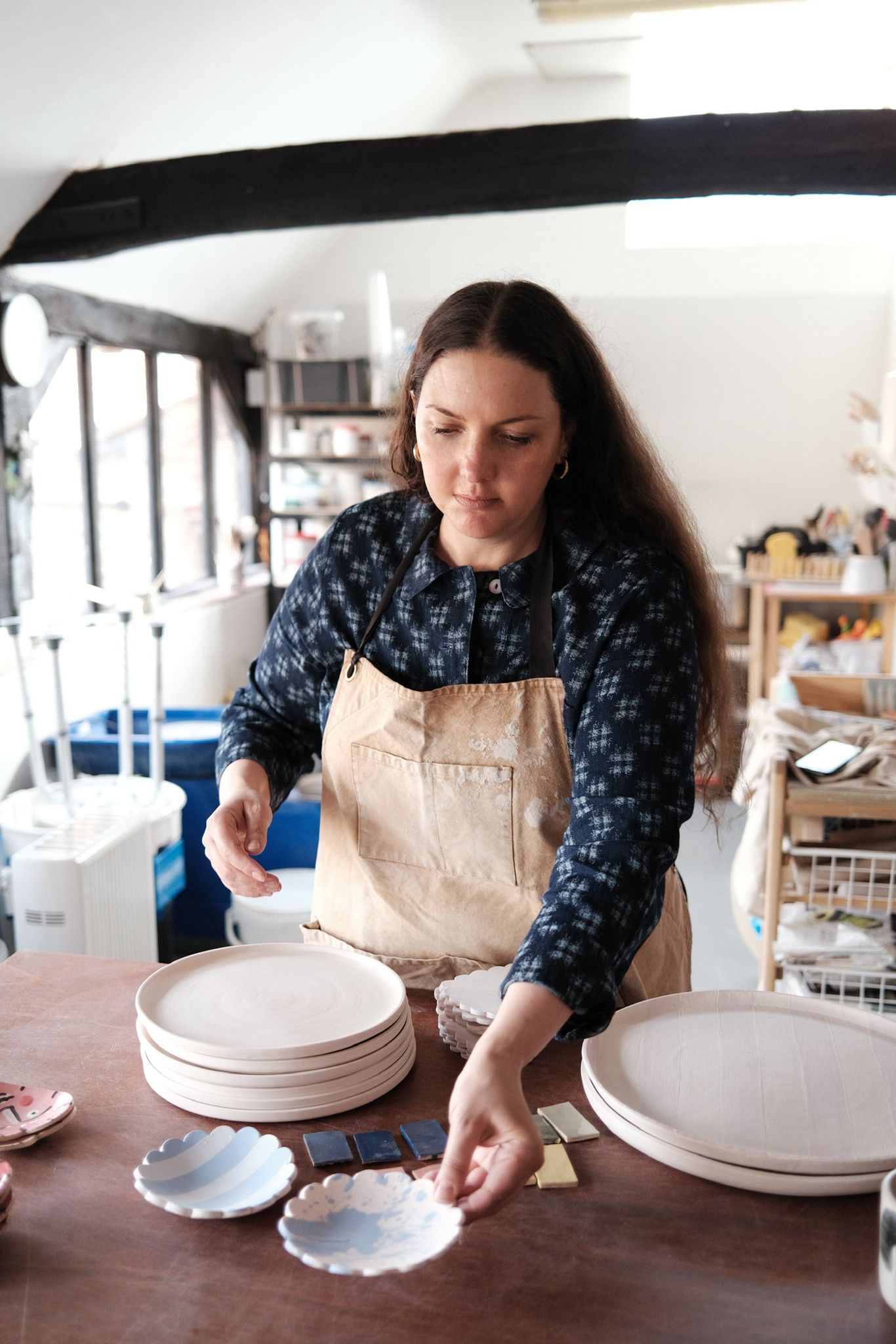
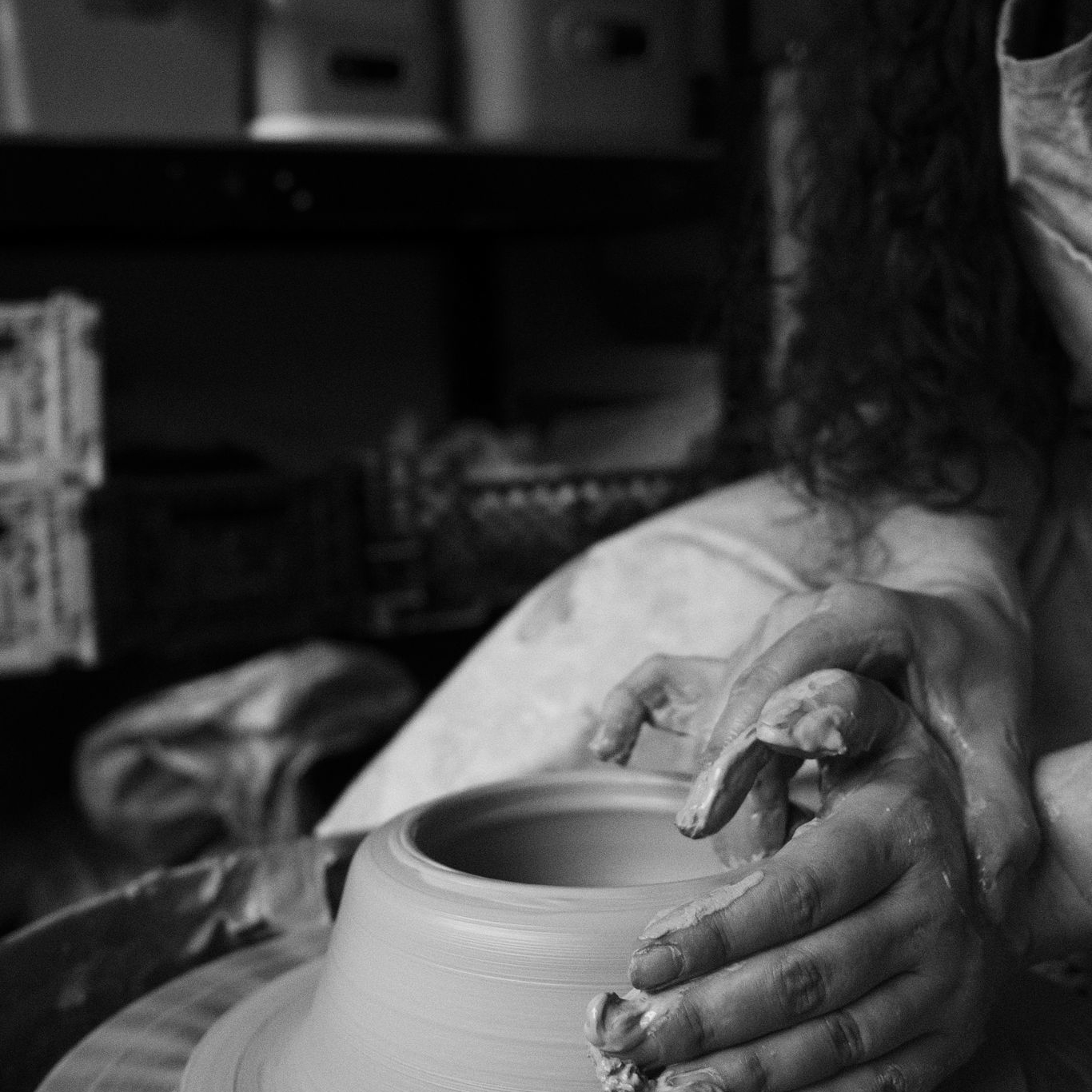
Making in clay is both enjoyable and rewarding—often described as therapeutic—but it is also physical and demanding. It takes skill and practice to master the craft, from centering clay on the wheel to achieving the perfect glaze finish.
Leaving space for creativity is just as important as mastering the technical aspects of pottery. Artists and makers understand that inspiration cannot be forced, and allowing room for spontaneity can lead to some of the most meaningful work.
“I make sure to give myself the freedom to experiment — Some of my best pieces have come from moments where I simply let the clay guide me.”
Hodge Potts
Hains echoes this sentiment, emphasising the importance of curiosity:
“If you don’t leave room for exploration, you risk losing the joy in making.”
Having structure is important—especially when making to order or working to deadlines—but leaving room for spontaneity is crucial for true creativity. It allows new ideas to develop naturally.
Maker Hodge Potts shares a similar approach:
“I don’t start with a fixed plan for every piece. I allow myself to be inspired by the material, responding to it as I go.”
Hodge Potts
I see value in both approaches:
“Some artists thrive on routine, while others embrace the unknown. There’s no right or wrong—it’s about what allows the creativity to come through.”
Colour as a Personal Connection: From Sketches to Confidence
For some makers, the colour selection process is about more than just aesthetics—it’s about building confidence in their creative choices.
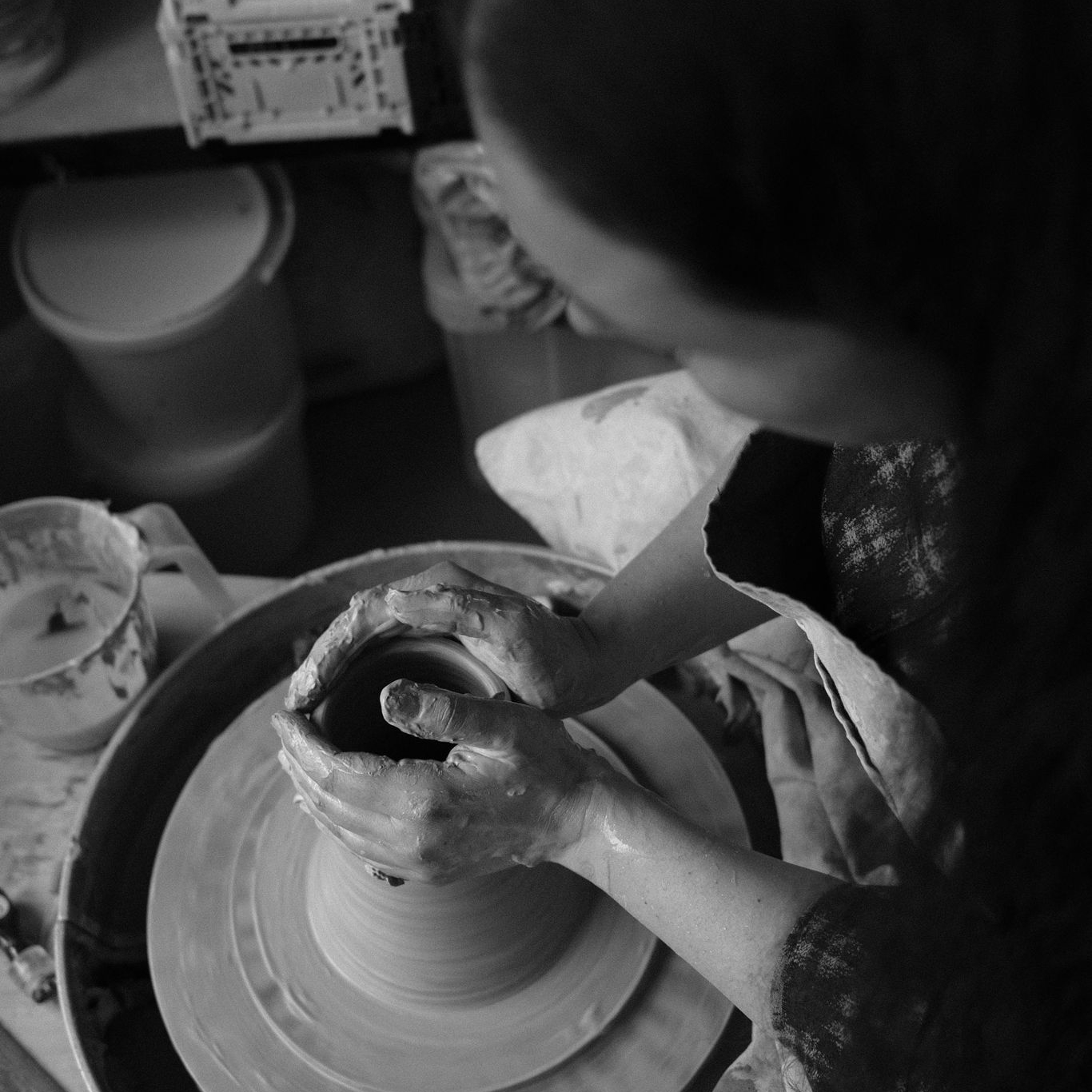
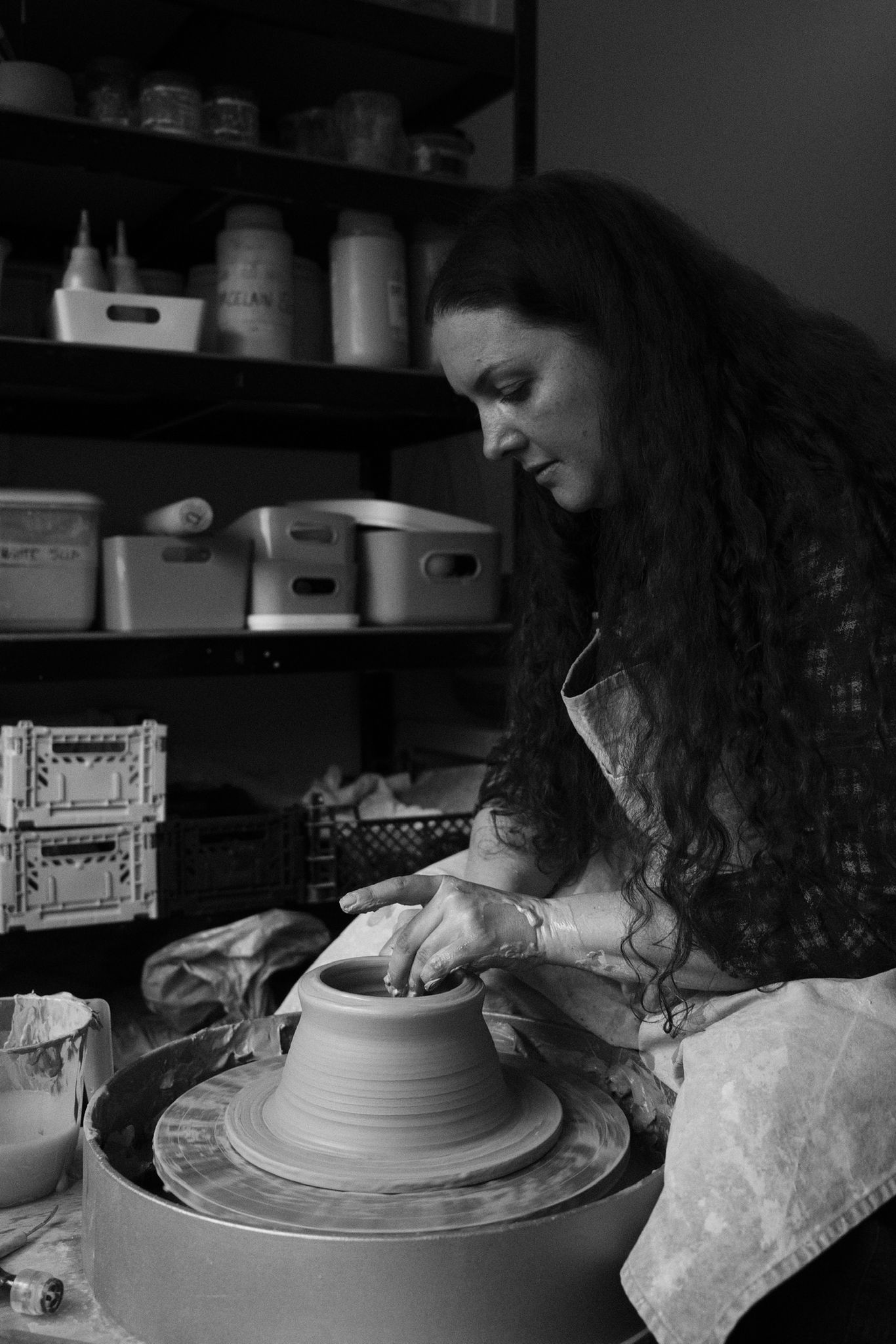
For me, the beauty of pottery is in its balance between function and meaning. Every object carries the marks of its maker. “Showing the maker’s hand” is a term commonly used, but it’s not just about the physical marks—it’s about the process and rituals that brought the piece to life.
A handmade mug, for example, has throwing rings at its centre—marks left where fingers pulled up the walls of clay. Its glaze will be unique, with speckles and variations from the kiln’s unpredictable reactions.
A cup of tea in a handmade mug will always feel more special.
Earthy & Grounded: A Love for Natural Hues
For some makers, colour is deeply rooted in the materials they work with, enhancing the natural beauty of their craft.
“At the heart of it all is the joy of making.”
Ali Hewson
Hal Haines adds:
“If you don’t leave room for exploration, you risk losing the joy in making.”
Every artist has their own way of working, but rituals remain a common thread. These small acts shape the creative process and give meaning to making.
There’s something beautiful about the way creatives build their own rhythm.
“It’s a reminder that making is just as much about the process as it is about the finished piece.”
We could all choose to produce our pieces in a factory—but we don’t.
We want to feel the clay.
We choose to create with our own hands.
We enjoy the process—and it is the process that makes each piece unique.
There is so much that goes into making pottery, but it is these small rituals that keep us focused and enable us to produce beautiful pieces that people want to own and treasure.
Photography by: Imogen Love
About the author
K.S. Creative Pottery
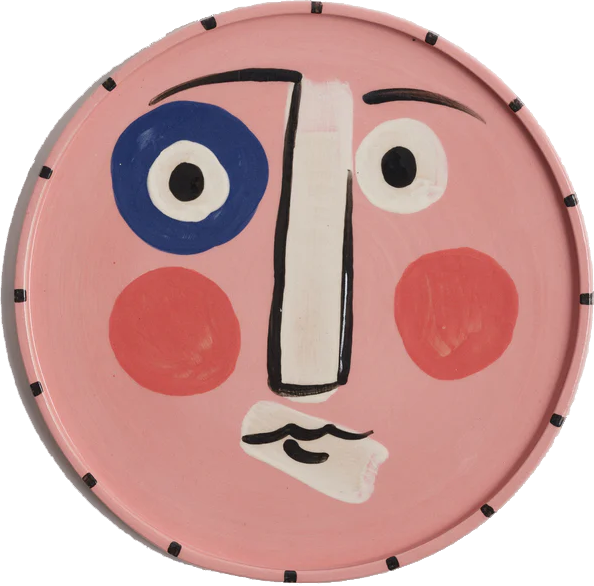
Kate Sellers is a multi-disciplinary creative and the founder of K.S. Creative Pottery, a boutique pottery studio set in the idyllic Kent countryside. With a background as a prop stylist and set designer, her artistic journey has been shaped by a love for creating and a keen eye for detail. She turned to pottery as a way to slow down, reconnect with hands-on making, and bring her vision for timeless, meaningful homeware to life.
Discover more about her work and explore her latest pieces by visiting her Maker Page.
Meet the Maker: Playful Design with Will James Bryan of OWMI studio

1. Can you tell us a bit about yourself and your artistic journey?
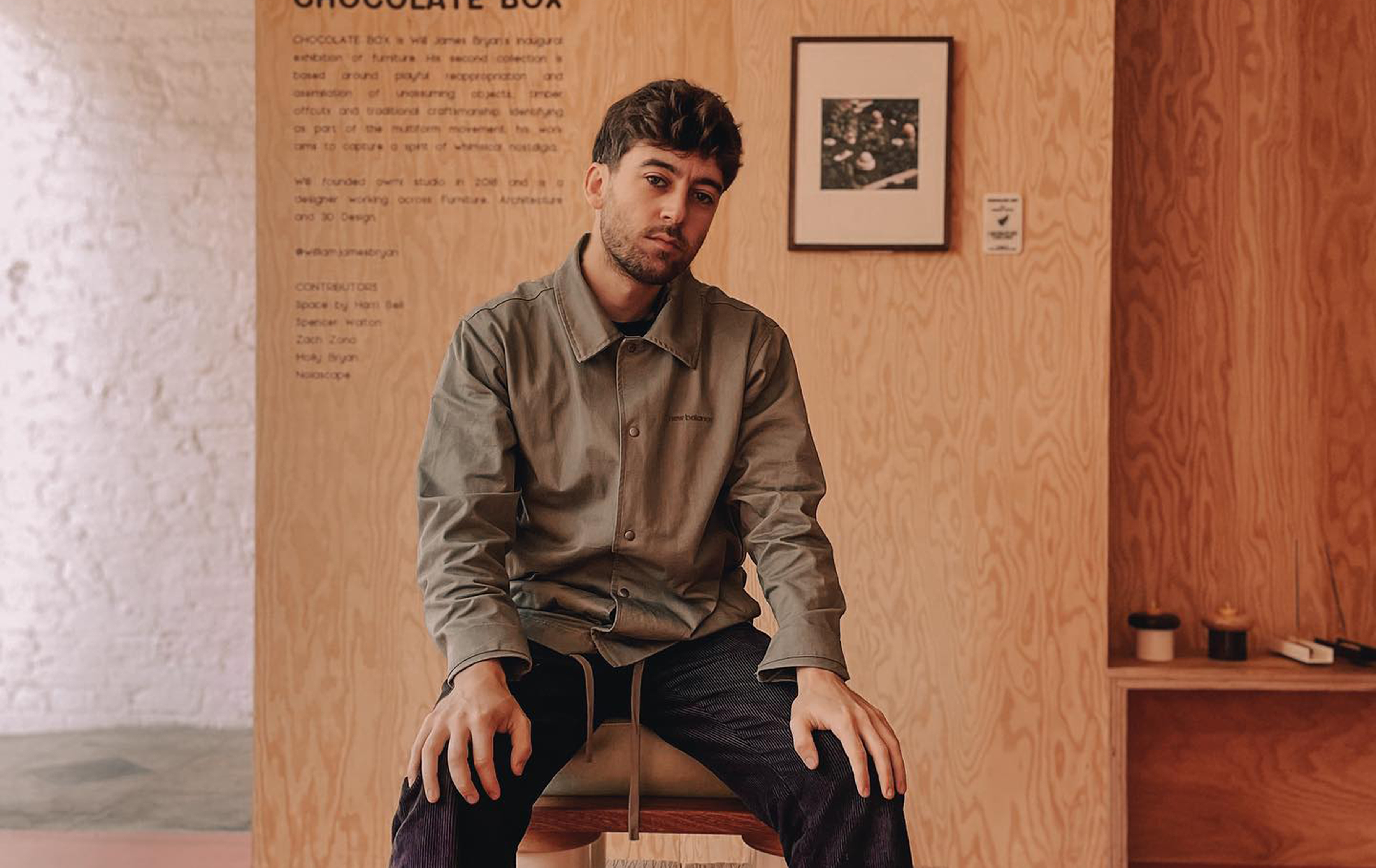
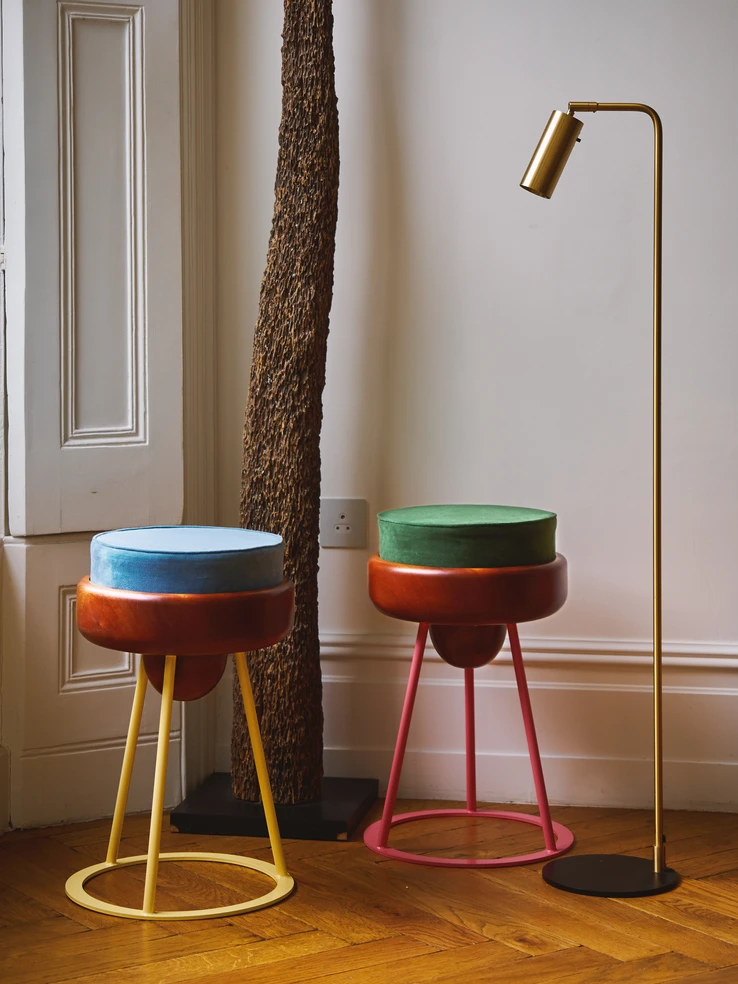
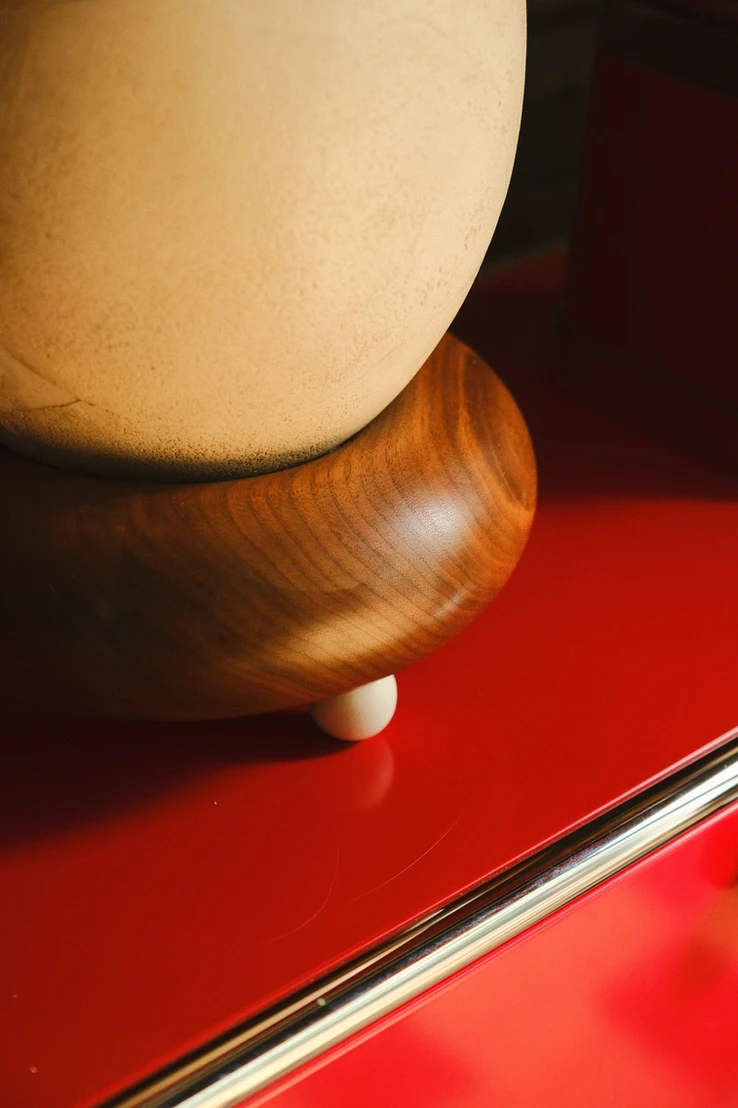
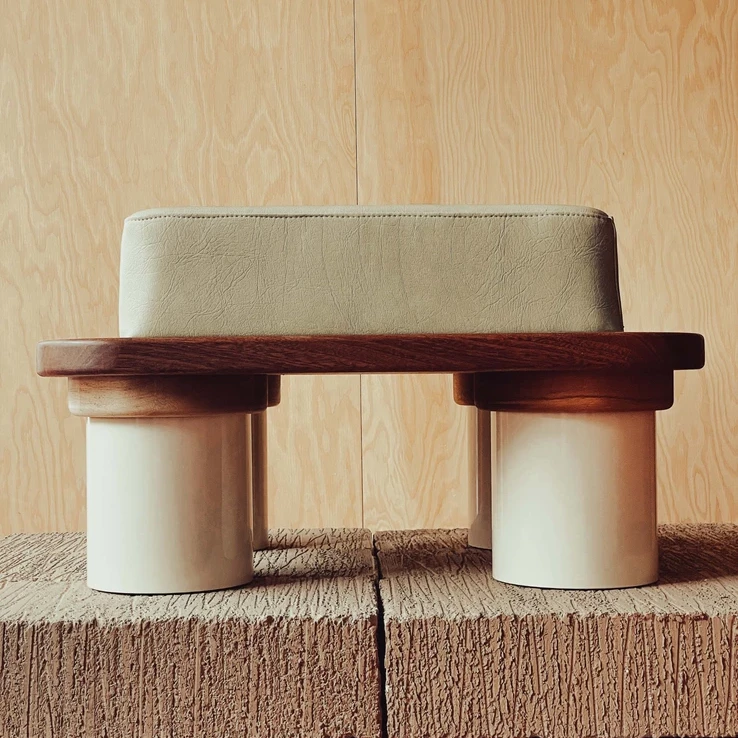
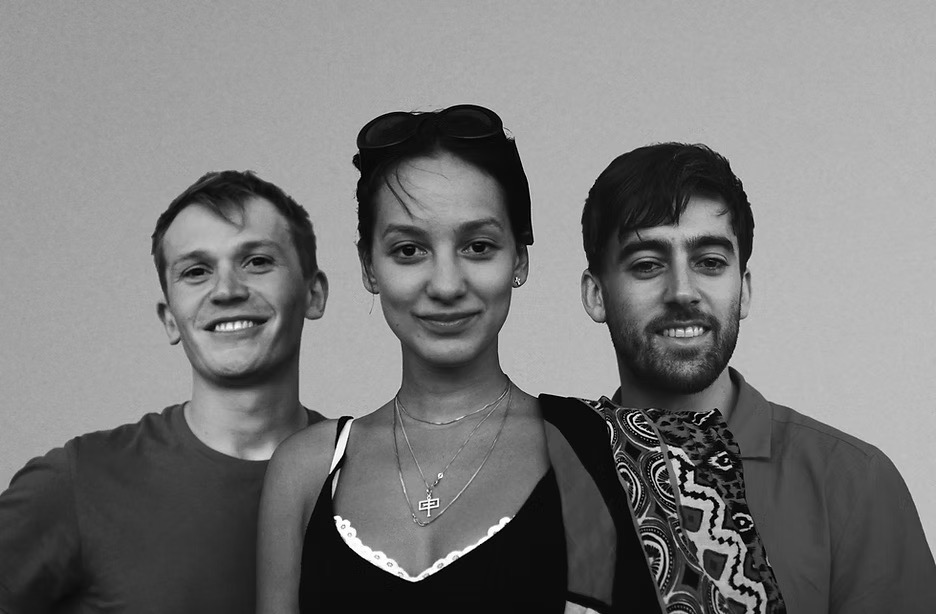
Educated as an architect, I started designing objects and furniture in 2021 and was fortunate enough to have my first piece, the Button Stool, published in a few magazines. I have been designing ever since through a mixture of commissions, exhibition work and self-initiated collections. I publish my work through a design collective I established with friends called owmi studio.
2. What inspired you to pursue your craft? Was there a defining moment or influence that sparked your passion?
The immediacy of it, especially in comparison to the architectural profession – you can go from sketch ideas to finished forms in a matter of months, compared to the years it takes in architecture. I had always enjoyed physical modelmaking through my degree studies; during my Masters I prototyped a chair, and that had always stayed in the back of my mind as a creative strand to explore further down the road.
Your craft
3. How would you describe your work in three words?
Playful, tactile, colourful
4. What materials or techniques do you use, and why are they important to your process?
My work spans various materials and techniques, from woodworking, metalwork, upholstery, as well as repurposed objects. I frequently collaborate with various craftspeople across the UK, all of us focusing on handmade, small-batch production. When designing, I model everything digitally first and render it to test materiality and form – this allows me a huge amount of creative control before I start prototyping and allows me to communicate my ideas through imagined digital scenography.
5. Can you tell us about a favourite piece you’ve created and the story behind it?
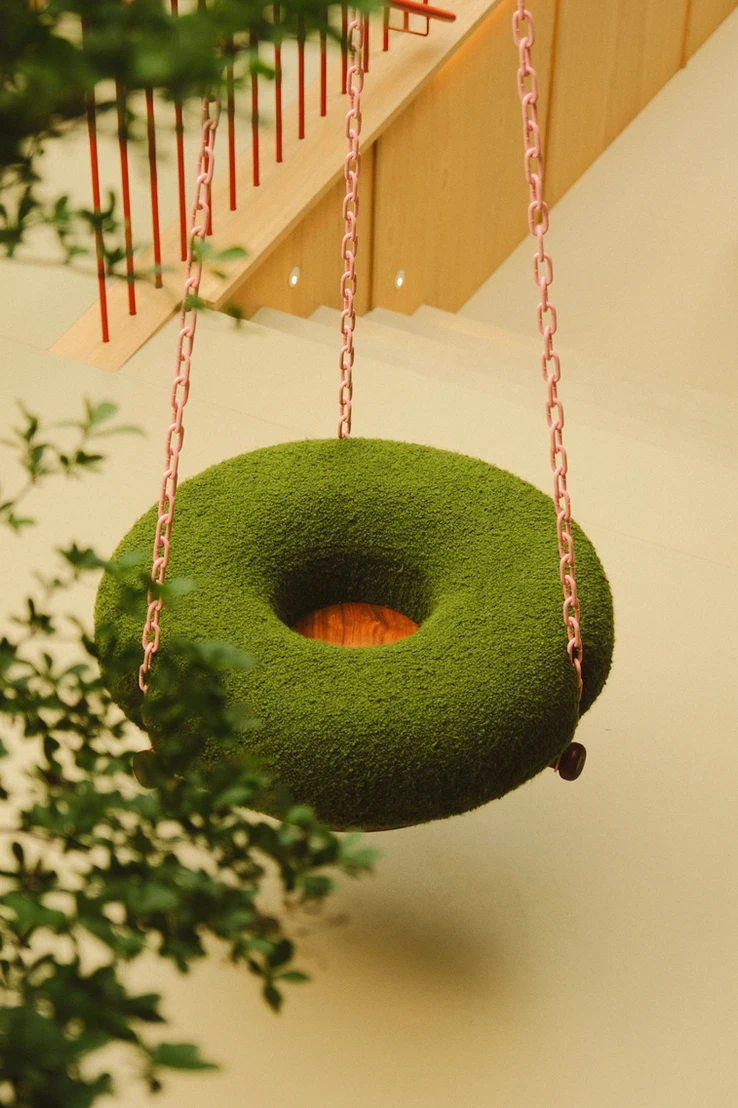
I was commissioned to design and fabricate a Swing for the atrium of a beautiful house in Highgate – it’s always rewarding to work with a client who gives you creative freedom, and with interior designers that align with your design ethos. In this case both boxes were ticked and we were all very pleased with the outcome, the Doughnut Swing.
Creative process
6. What does a typical day in your studio or workshop look like?
Currently there is no typical day! I am in the process of finishing the construction of my workshop, which is super fun but means that my flat is rather chaotic…
7. Do you have any unique rituals or habits that help you stay creative?
No, but I am a night owl, often at my most creative in the evenings!
8. How do you handle creative blocks? Do you have any strategies or tips for overcoming them?
Some days my brain is overflowing with ideas, and on other days the creative juices just don’t flow and that’s ok! I try not to fight it in those less-inspired moments and focus on more prosaic aspects of my work. When I need to work through and refine a concept, I have a trusted network of friends across various disciplines who are always incredibly helpful to bounce ideas off, some whose taste I admire and some who bring a technical focus that I sometimes overlook.
Challenges and successes
9. What’s the biggest challenge you’ve faced as a maker, and how did you overcome it?
Like a lot of designers, I struggle with social media, finding it difficult to post regularly while simultaneously acknowledging that self-promotion is necessary to reach an audience. Once my workshop is finished, I intend to document my process more thoroughly rather than just the finished products. I also struggle with the commercial side of being a small business, remembering to value my own time, alongside the ever-increasing cost of materials.
10. What’s been your proudest moment or achievement so far?
The novelty of complete strangers choosing to spend their hard-earned money on my designs, or commissioning something bespoke, is still a joy and a surprise 3 years in!
11. What’s your favourite quote you’ve ever heard about your work?
Who said it, or what was the name of the publication?
British Vogue described my work as ‘covetable’, which is a lovely, generous word to use!
Inspiration
12. Where do you draw inspiration from for your work? What sparks your imagination and creativity?
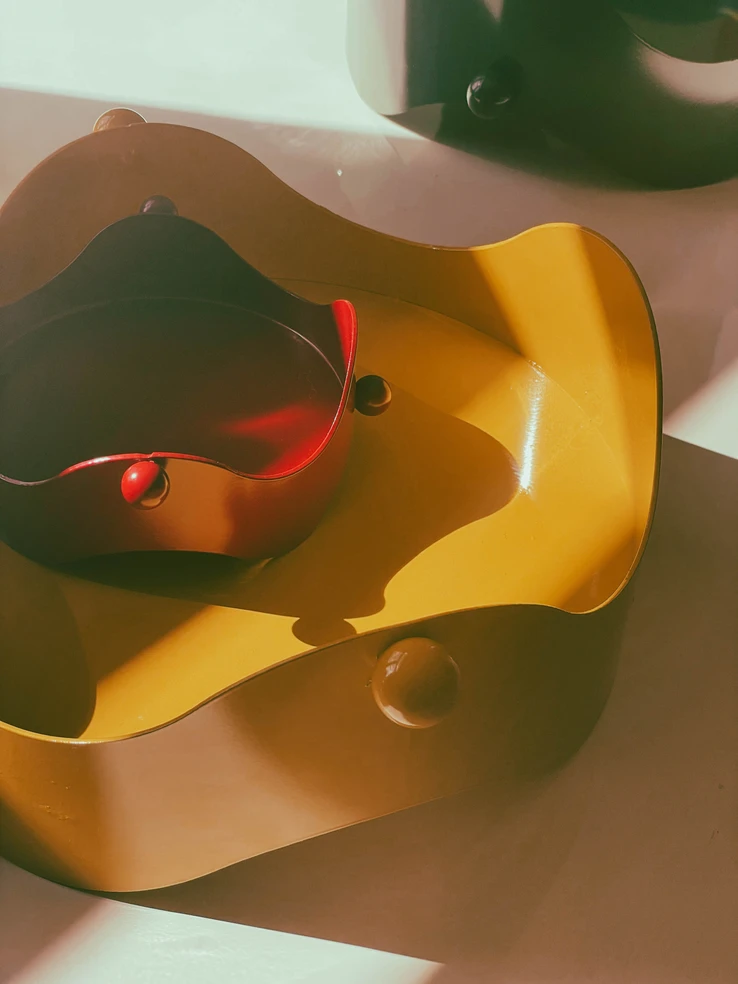
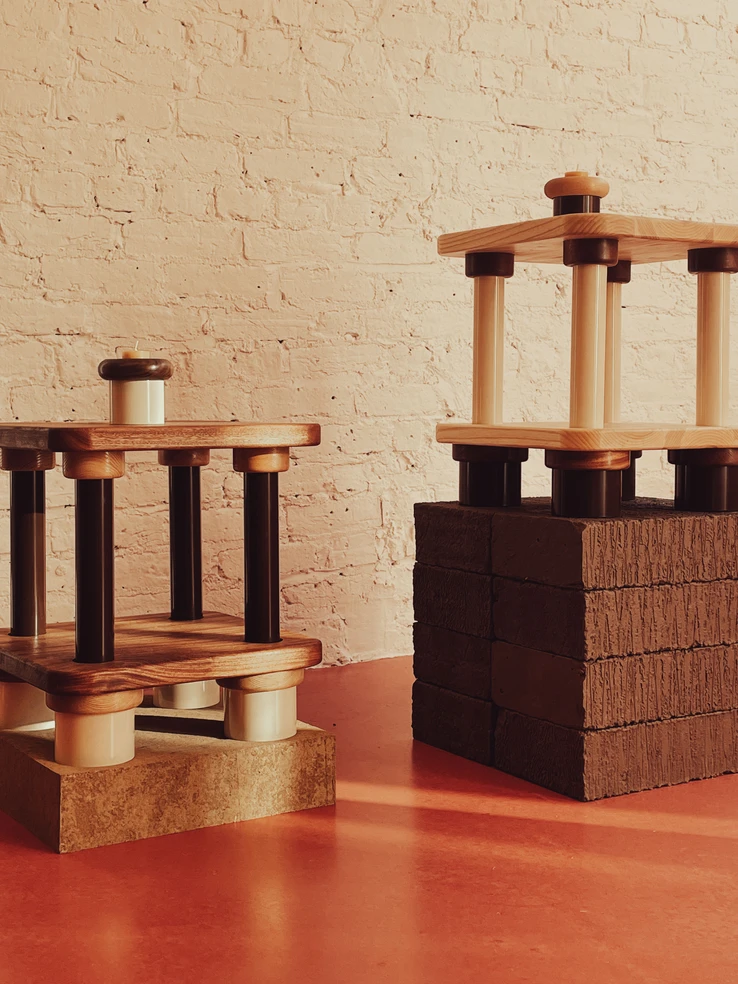
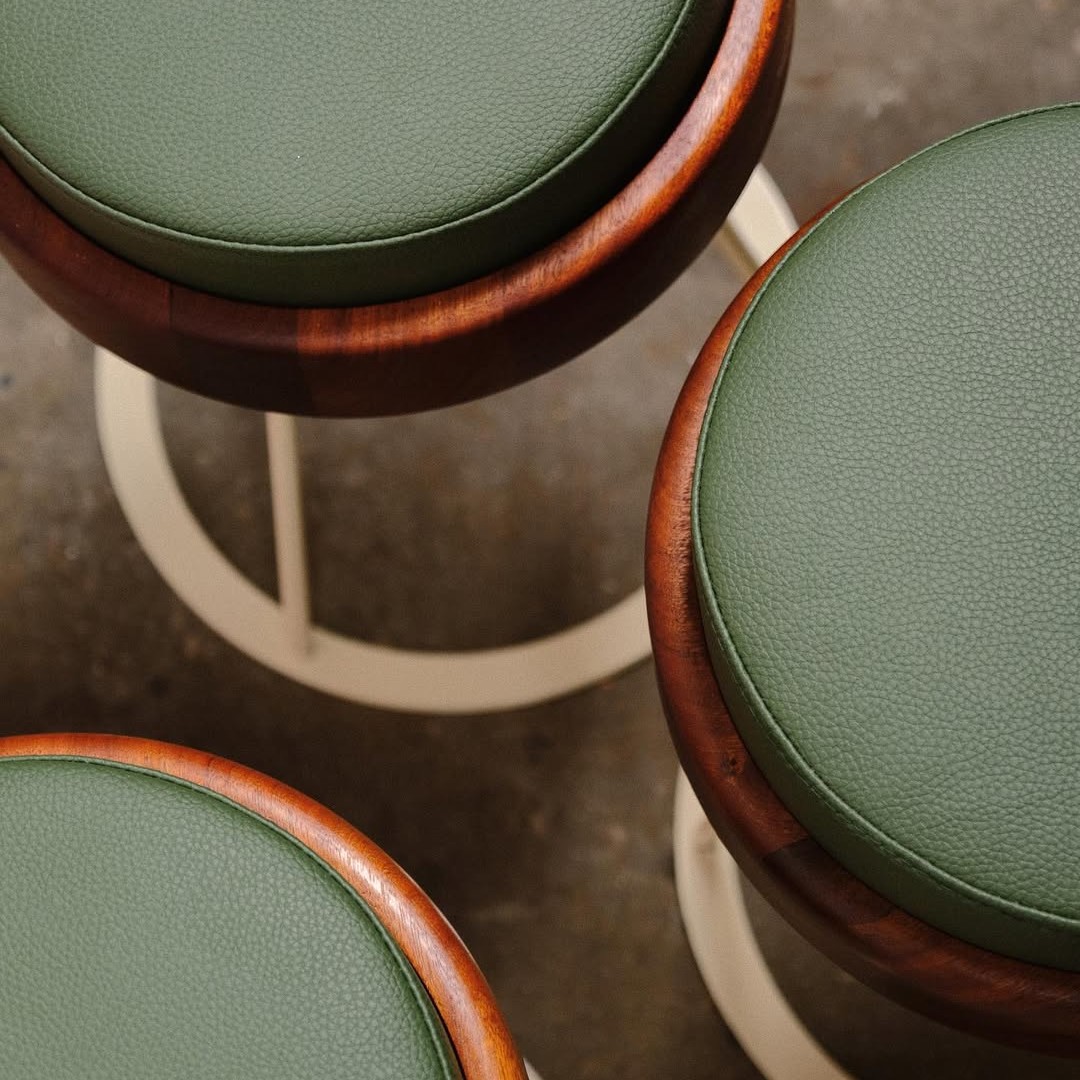
Often ordinary objects – my first solo exhibition ‘Chocolate Box’ was full of furniture inspired by food, pairing natural brown hues with pistachio/caramel coloured fabrics. My ‘Doughnut swing’ I upholstered in a spongey, green boucle that resembled moss.
13. Do you have a favourite artist, maker, movement, or tradition that has influenced your craft?
I love postmodernism, and any artist that doesn’t take themselves too seriously. Contemporary architects whose work I admire includes Office S&M, Nimtim Architects, Studio Mutt amongst others. I also keenly follow EBBA Architects, and appreciate how founder Benni Allan works across various creative disciplines.
14. How does colour influence your practice; is it an important part of your process? Do you have a particular palette or favourites? Any go-to sources for colour inspiration?
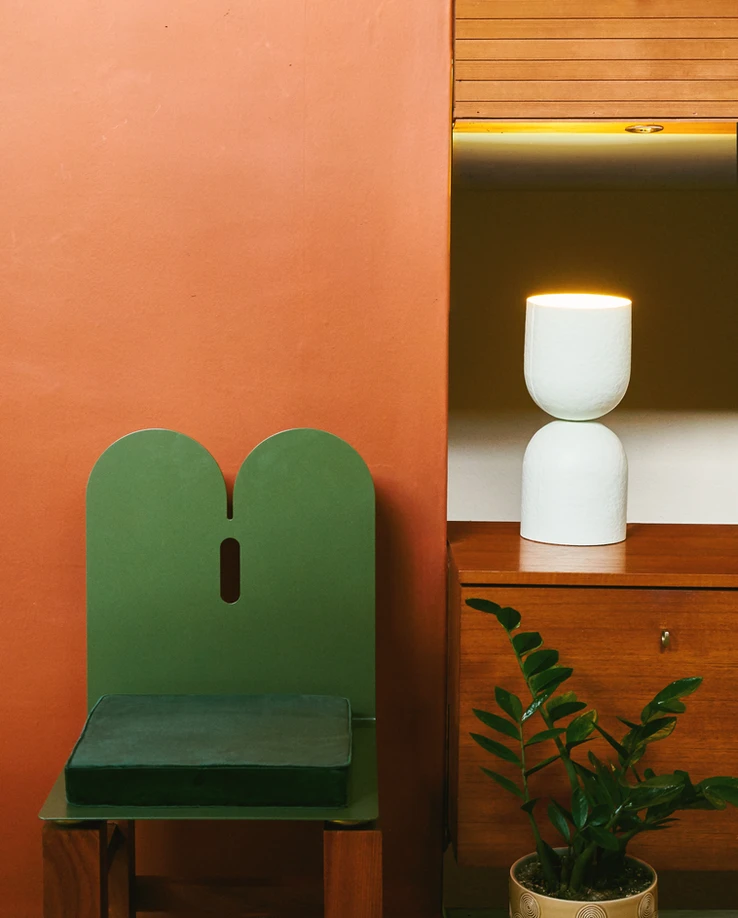
I love working with colour, particularly pairing timbers with either fabrics or metalwork. Once I am happy with a form, I often consider multiple colourways, some more neutral and others way more poppy and vibrant. Inspiration wise, historical Art & Design books always throw up surprising combinations.
Perspectives and goals
15. What role does your environment play in shaping your creativity?
I was very fortunate to grow up in a family of designers and architects – in particular I was inspired by my Grandad’s self-built mid-century home, so have always been motivated by the idea of creating and honing my own environment.
16. What do you want people to feel when they experience your work?
A sense of nostalgic familiarity, and little surprise.
17. What are you currently working on, and what excites you most about it?
Two things in particular – firstly a commission for a huge bookcase in a grade 2 listed property. Although daunting, there is a lot of scope to create something genuinely original and slightly mischievous.
Secondly, an unnamed collection I am currently working on involves casting resin-bound aggregate, a surface treatment usually used for residential driveways, into sculptural and monolithic forms. Think little chunks of the Barbican!
Advice and reflection
18. What advice would you give to someone starting out as a maker?
Document your process, and don’t be afraid to be too earnest. Have a business plan, even if it’s not highly specific you should set yourself targets to aim for.
19. If you could go back to the start of your career, what advice would you give your younger self?
Put yourself out there more – no one really knows what they are doing, it’s all smoke and mirrors!
Closing thoughts
20. If you could collaborate with any artist, past or present, who would it be and why?
I would love to design a chair with Eileen Grey!
21. Where can people find your work, and how can they support you?
I post on my Instagram @williamjamesbryan and upload to my website www.owmi.co.uk! Support me by giving me a follow, or even better commission something! The weirder the better!
Will James Bryan and owmi studio approach design with a playful, tactile, and colourful ethos, often drawing inspiration from everyday objects and postmodern influences. Their pieces, such as the Button Stool and Doughnut Swing, reflect a deep appreciation for form, materiality, and storytelling. Through owmi studio, Will collaborates with UK-based craftspeople, using digital modeling to refine ideas before bringing them to life.
Their creative process thrives on spontaneity, with inspiration drawn from food, nostalgia, and architectural textures—the latest collection even incorporates resin-bound aggregate, reminiscent of Brutalist concrete surfaces. Despite the challenges of self-promotion and rising material costs, Will and owmi remain motivated by the joy of seeing strangers invest in their designs.
Currently, owmi studio is working on a bespoke bookcase for a Grade II listed property and an experimental furniture collection. Whether designing a swing for a private home or pushing the boundaries of material innovation, their work always aims to surprise and delight.
Follow Will’s work and owmi studio on Instagram @williamjamesbryan or explore owmi studio for commissions—the weirder, the better!
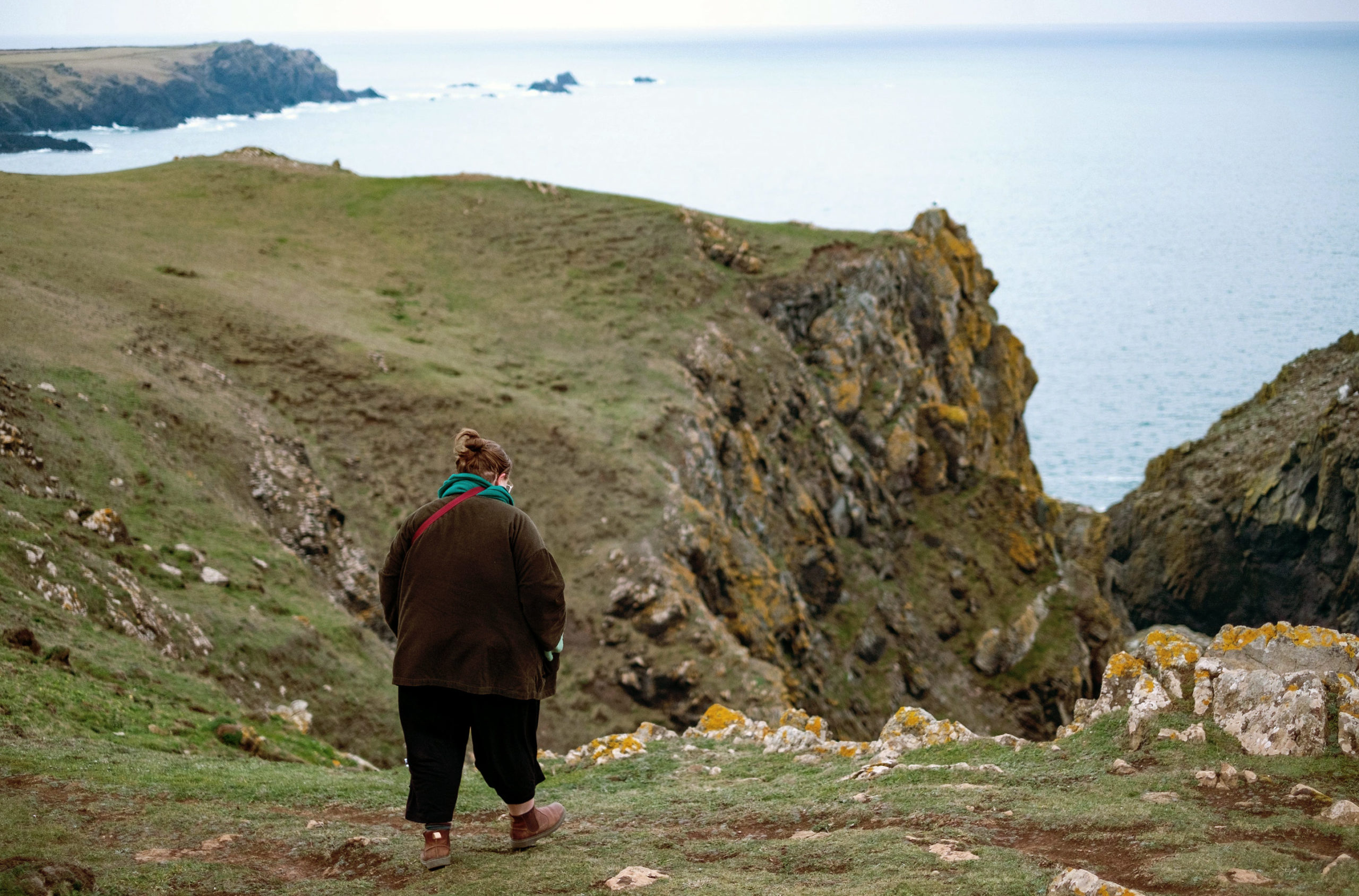
Meet the Maker: The Layered, Tactile World of Megan Fatharly
1. Can you tell us a bit about yourself and your artistic journey?
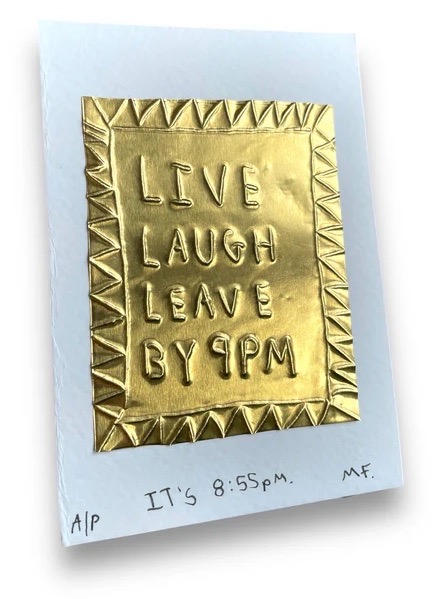
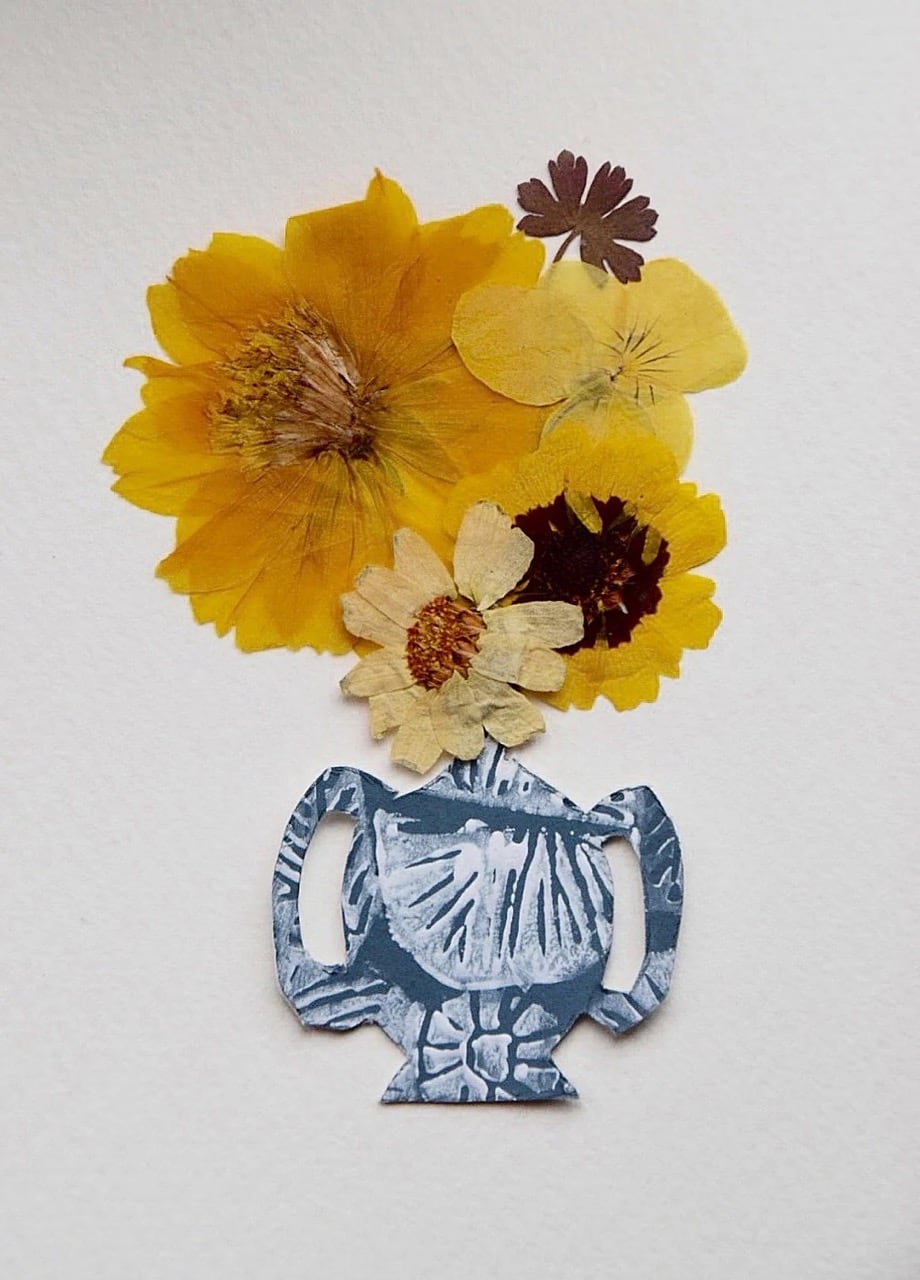
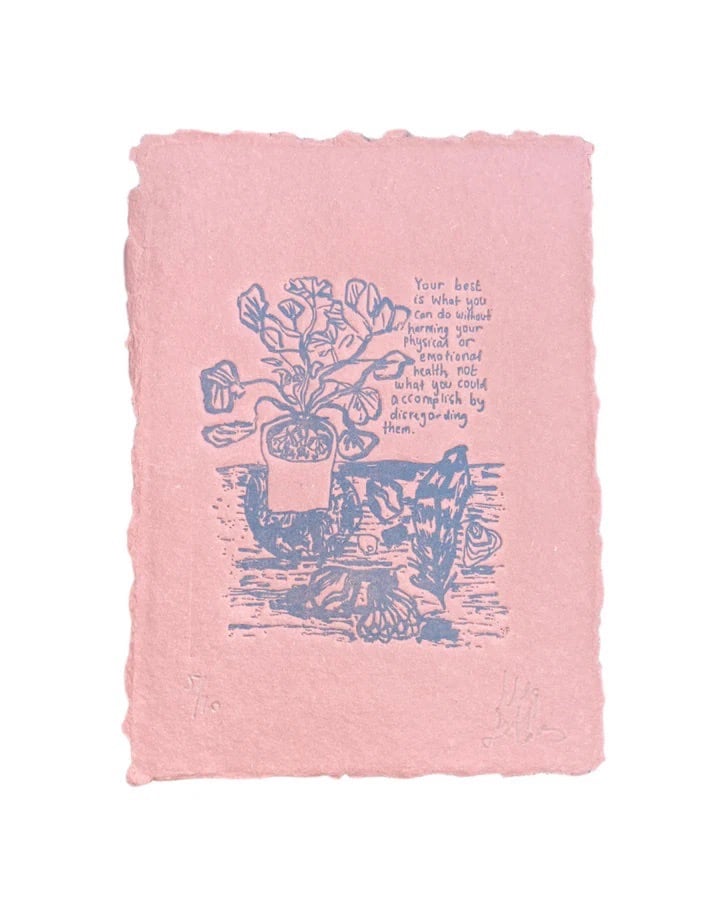
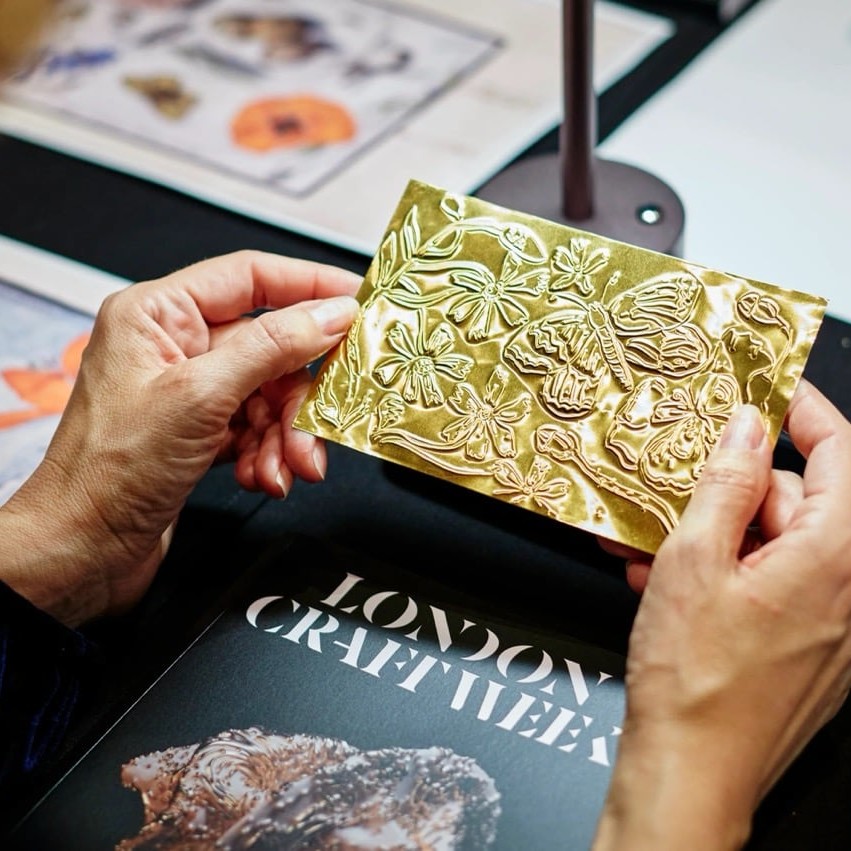
I am a self-employed artist and maker working primarily with tin embossing, printmaking, and collage. My work explores themes of emotion, memory, and resilience, using tactile materials to create pieces that invite touch and reflection.
Over the years, I have had the opportunity to collaborate with institutions such as the V&A, The Body Shop, Net-a-Porter, the Natural History Museum, and Fortnum & Mason. My journey has been shaped by a deep love of making but also by the challenges of ADHD, perfectionism, and balancing creativity with business. I am constantly learning how to embrace experimentation and imperfection, allowing my work to evolve in a way that feels authentic.
2. What inspired you to pursue your craft? Was there a defining moment or influence that sparked your passion?
I’ve always been drawn to making things with my hands, but my love for working with tin and collage developed over time. There wasn’t a single defining moment—more a series of small realisations that creating was how I best processed the world. Seeing how my work resonated with others and how it could bring comfort or reflection reinforced my desire to keep going.
Your craft
3. How would you describe your work in three words?
Tactile, emotive, layered.
4. What materials or techniques do you use, and why are they important to your process?
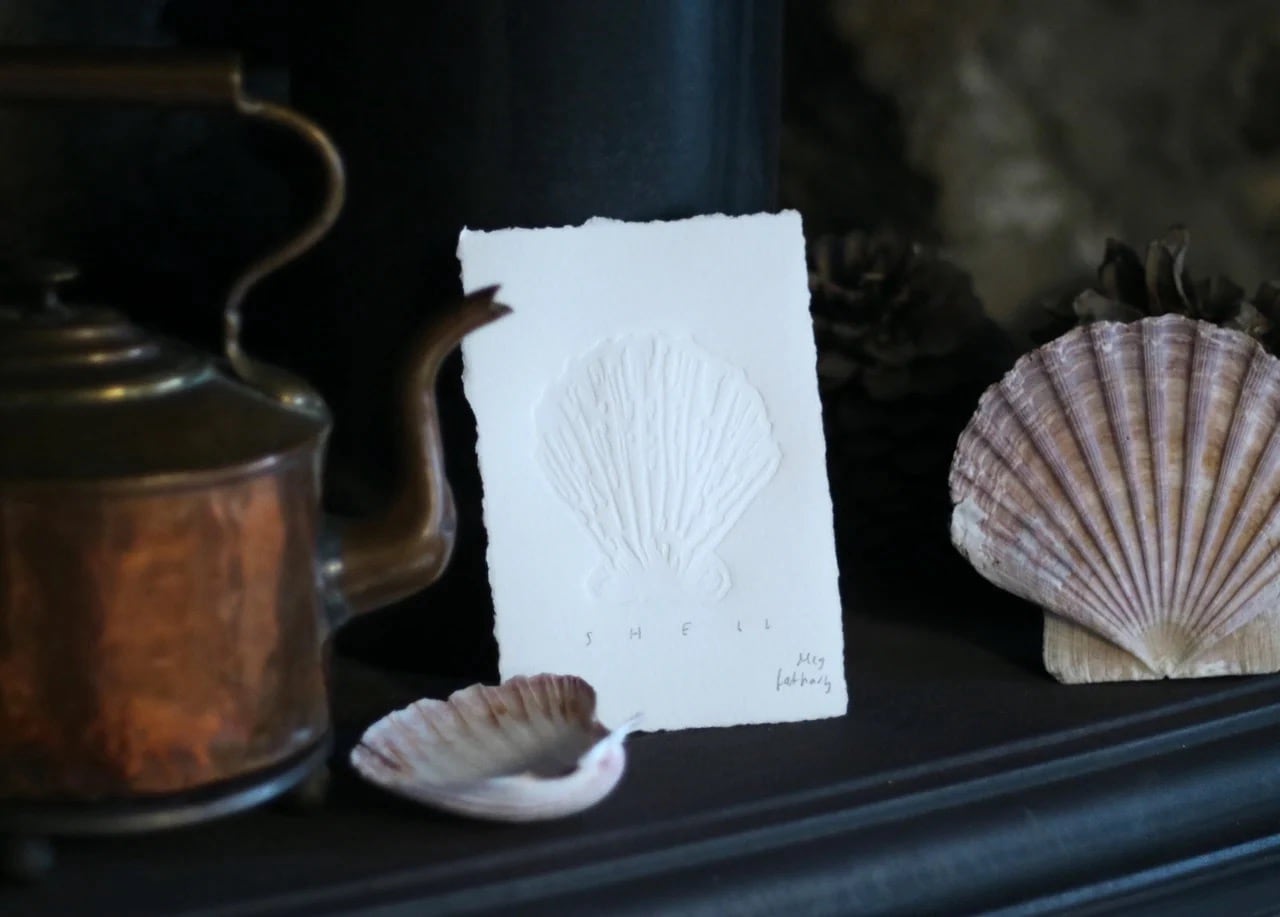
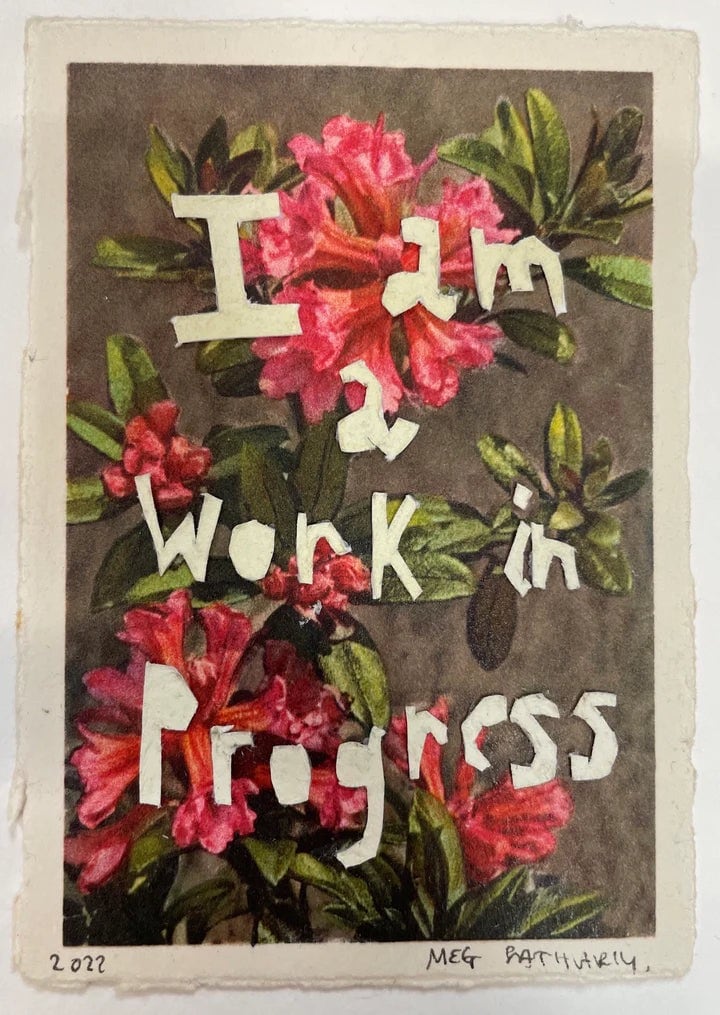
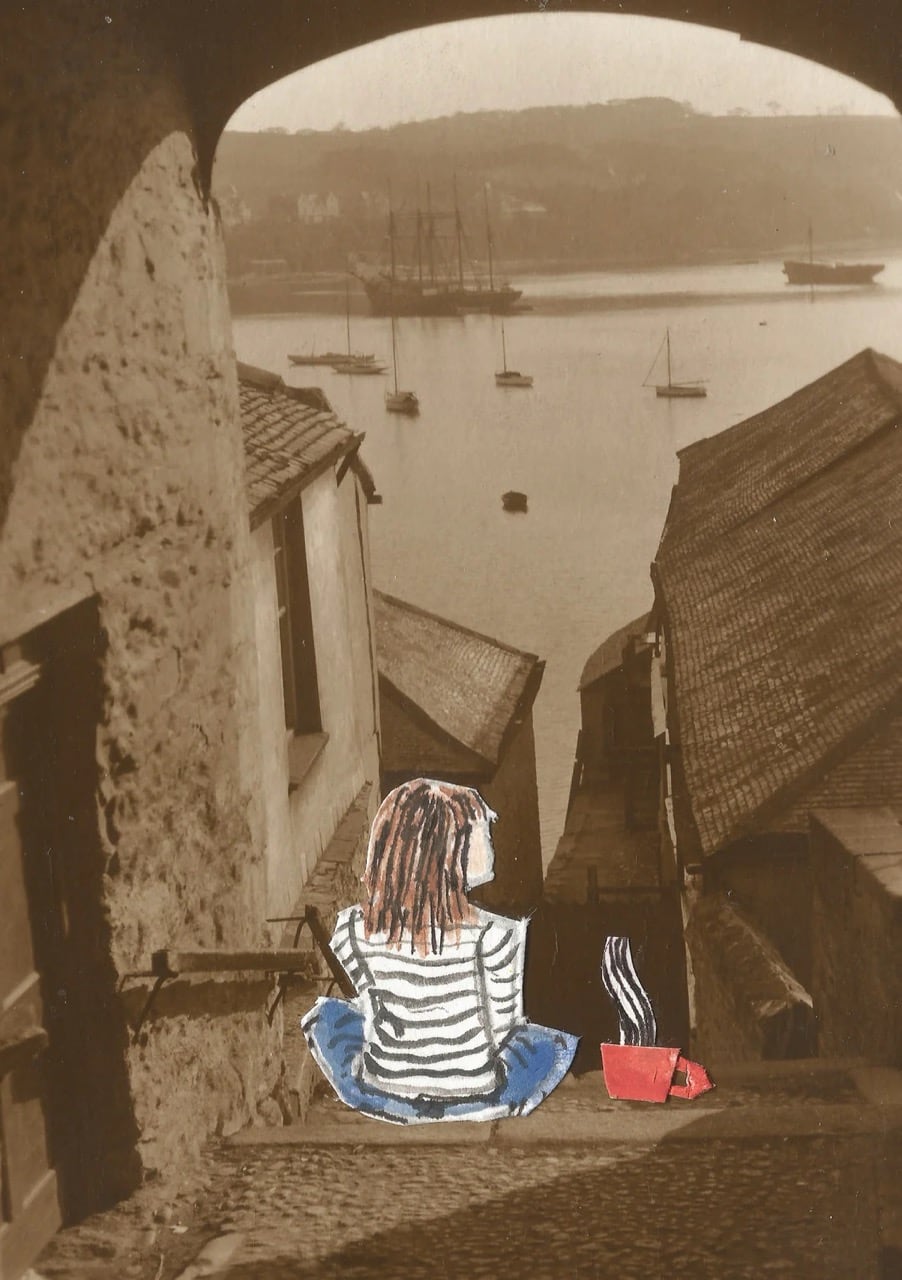
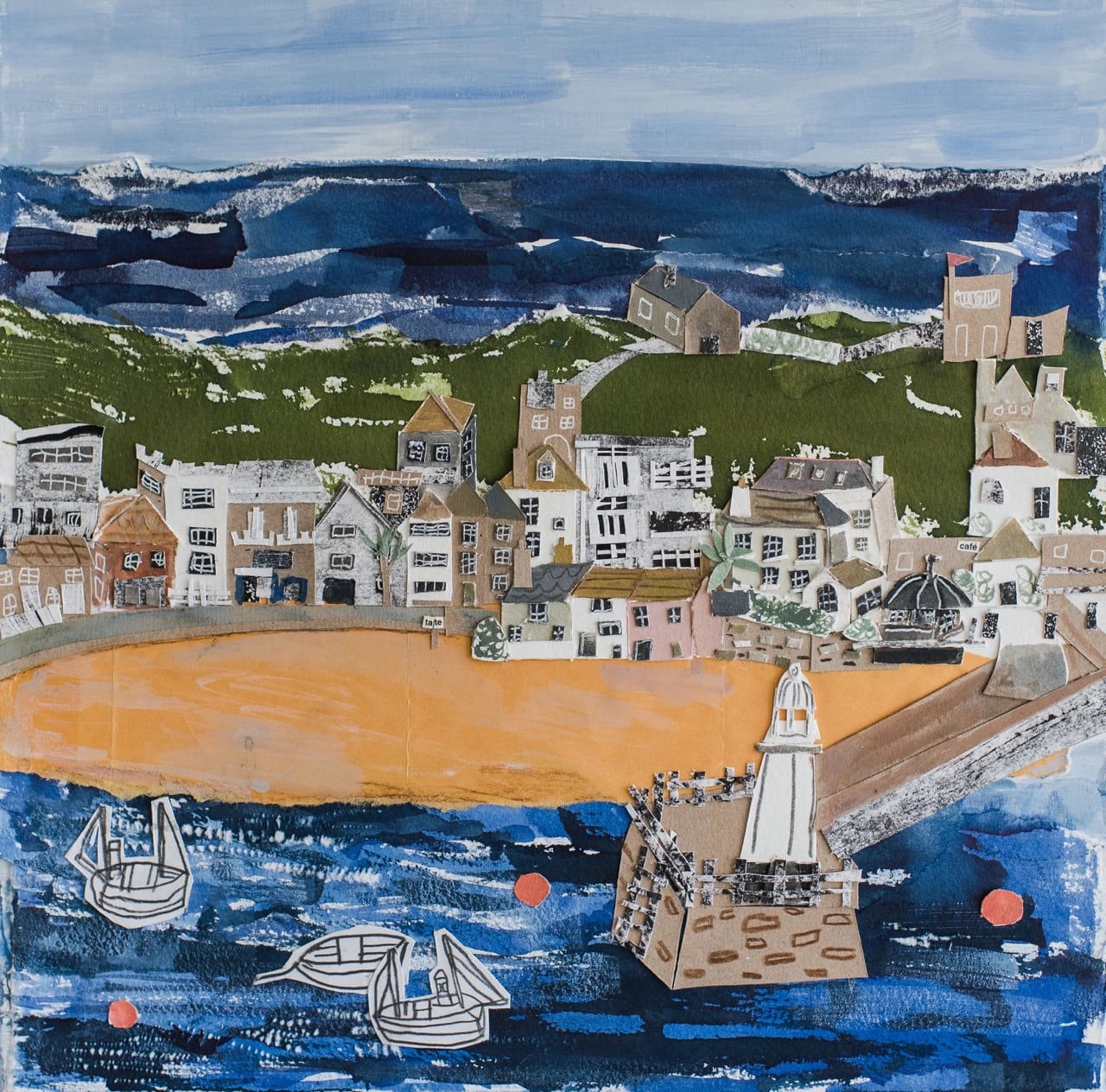
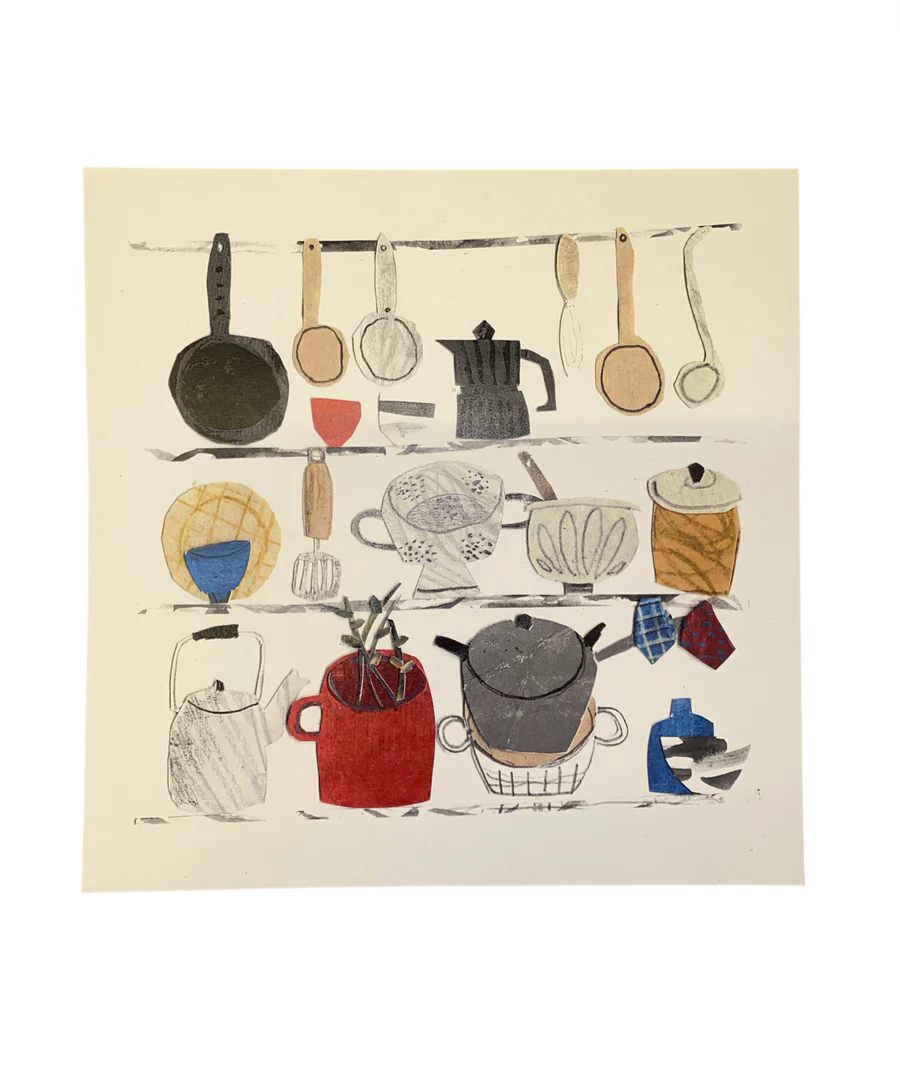
I primarily work with embossed tin, printmaking, and collage. Tin allows me to create intricate, tactile surfaces that catch the light, while printmaking and collage introduce layers of meaning and texture. Collage is especially important to my process—it lets me assemble fragments, creating something new from what already exists. I love the way torn edges, overlapping textures, and unexpected compositions can communicate emotion in a quiet but powerful way.
5. Can you tell us about a favourite piece you’ve created and the story behind it?
One of my favourite pieces is a small embossed tin work that reads What if it all goes right? It started as a personal mantra, a way of challenging my tendency to catastrophise. When I shared it, I realised how deeply it resonated with others. That phrase has since become a recurring motif in my work, reminding me—and those who collect my pieces—that hope is always an option.
Creative process
6. What does a typical day in your studio or workshop look like?
My studio days are varied, but they usually begin slowly. I struggle with transitions, so I ease into work by tidying my space or flicking through scraps of paper and materials for inspiration. Once I get started, I might spend hours embossing tin, cutting metal, layering collage elements, or working on prints. I often hyperfocus and lose track of time, so I try to build in breaks to reset my perspective.
7. Do you have any unique rituals or habits that help you stay creative?
I often start by playing with materials without a clear goal—moving bits of paper around, embossing a scrap of tin, or printing something imperfectly. This helps me loosen up and get into a creative flow. Listening to music or a podcast can also help shift my mindset.
8. How do you handle creative blocks? Do you have any strategies or tips for overcoming them?
Creative blocks are difficult, especially when I feel pressured to produce work that will sell. When that happens, I return to making for myself—collaging with no intention of sharing, embossing something small just to feel the texture under my hands. Taking a walk, shifting materials, or reminding myself that not everything has to be “good” also helps.
Challenges and successes
9. What’s the biggest challenge you’ve faced as a maker, and how did you overcome it?
Balancing the emotional and financial aspects of creative work. I often tie my self-worth to how well my shop is performing, which leads to burnout. Learning to separate my creative practice from external validation is an ongoing process, but breaking tasks down, giving myself permission to experiment, and allowing myself to rest has helped.
10. What’s been your proudest moment or achievement so far?
Collaborating with institutions and brands such as the V&A, The Body Shop, Net-a-Porter, the Natural History Museum, and Fortnum & Mason has been incredibly rewarding. These projects have allowed me to push my creative boundaries, work on a larger scale, and see my work in unexpected contexts. Beyond that, my proudest moments are often the smaller, more personal ones—seeing my work resonate with people, hearing how a piece has brought someone comfort, or running workshops that spark creativity in others.
11. What’s your favourite quote you’ve ever heard about your work?
Someone once said my work felt like
“a whisper of reassurance, solid yet delicate.”
That stuck with me.
Inspiration
12. Where do you draw inspiration from for your work?
I’m drawn to quiet moments—fragments of conversations, light hitting a surface, the texture of something well-worn. Collage, in particular, allows me to build on these fleeting moments, layering scraps of paper, printed textures, and embossed tin to create new narratives.
13. Do you have a favourite artist, maker, movement, or tradition that has influenced your craft?
I admire artists who work with materials in intuitive, storytelling ways—Louise Bourgeois, Anni Albers, and those who engage in folk traditions. I also love the resourcefulness of collage artists who work with found materials, embracing imperfection.
14. How does colour influence your practice?
Colour plays a subtle but important role. I tend to lean towards muted, natural tones—deep blues, soft greys, warm metallics. In collage, I enjoy layering different textures and shades, letting chance play a role in what colours emerge through the process.
Perspectives and goals
15. What role does your environment play in shaping your creativity?
My surroundings deeply affect my creative energy. My studio, when organised, feels like a safe space, but my home environment (especially with past mould issues) has sometimes been a source of stress. I find inspiration in nature, especially during walks—small details like peeling paint, faded signs, or the texture of stone often find their way into my work.
16. What do you want people to feel when they experience your work?
A sense of quiet reassurance. I hope my work offers small moments of reflection, a pause in the chaos.
17. What are you currently working on, and what excites you most about it?
I’m working on a new series of embossed tin pieces and collages exploring the themes of less and more—what we carry, what we let go of. I’m also experimenting with new ways to layer materials, playing with depth and light. I am also getting back into my collage making which brings me so much joy.
Advice and reflection
18. What advice would you give to someone starting out as a maker?
Let yourself make bad work. Not everything has to be perfect or shareable. Your voice will develop through the act of doing, not just planning.
19. If you could go back to the start of your career, what advice would you give your younger self?
Slow down. You don’t have to prove your worth through constant output. Trust that your work has value beyond sales or social media engagement.
Closing thoughts
20. If you could collaborate with any artist, past or present, who would it be and why?
Anni Albers—her approach to materials and structure fascinates me. I’d love to explore how embossed metal and woven textures could intersect.
I also love to collaborate with people who come to art making from a different angle or path. I think people who think in varying ways are so inspiring.
21. Where can people find your work, and how can they support you?
My work is available through my online shop and at select indie shops and galleries. People can support me by purchasing pieces, sharing my work, or simply reaching out—kind words mean more than they know.
Megan’s work is tactile, emotive, and richly layered, combining embossed tin, collage, and printmaking to create pieces that invite both touch and reflection. Her process is deeply intuitive—whether arranging fragments of paper, embossing tin, or printing textures, she allows the materials to guide her. Inspired by folk traditions, found materials, and the unexpected beauty of imperfection, she finds meaning in the quiet details of everyday life.
Her journey as a maker hasn’t been without challenges, particularly in balancing the emotional and financial demands of creative work. However, through a focus on process over perfection, she continues to create pieces that resonate deeply with collectors. Recent projects explore the themes of what we carry and what we let go of, using layered materials to play with depth and light. Above all, Megan hopes her work provides a moment of quiet reassurance, a gentle pause in the chaos of life.
Discover Megan’s work:
Website: meganfatharly.com
writing: meganfatharly.substack.com
Instagram: @printcessmeg
The Art of Colour: Inspiring a Maker’s Palette
Colour is more than just a visual element—it’s an emotional connector, a source of inspiration, and a defining feature of a maker’s unique style. For artists, designers, and makers, colour isn’t just a tool; it’s an essential part of the creative process that communicates mood, narrative, and personal expression.
From bold contrasts to subtle, natural tones, each maker finds their own way to play with colour, bringing their creations to life in ways that are deeply personal and unique.
The Playful Palette: Bold & Unexpected Combinations
Some makers are drawn to the joy and surprise of working with unconventional colour combinations.
K S Creative Pottery: A Love for the Unexpected
K S Creative Pottery embraces the unexpected, experimenting with colours that others might not typically consider together.
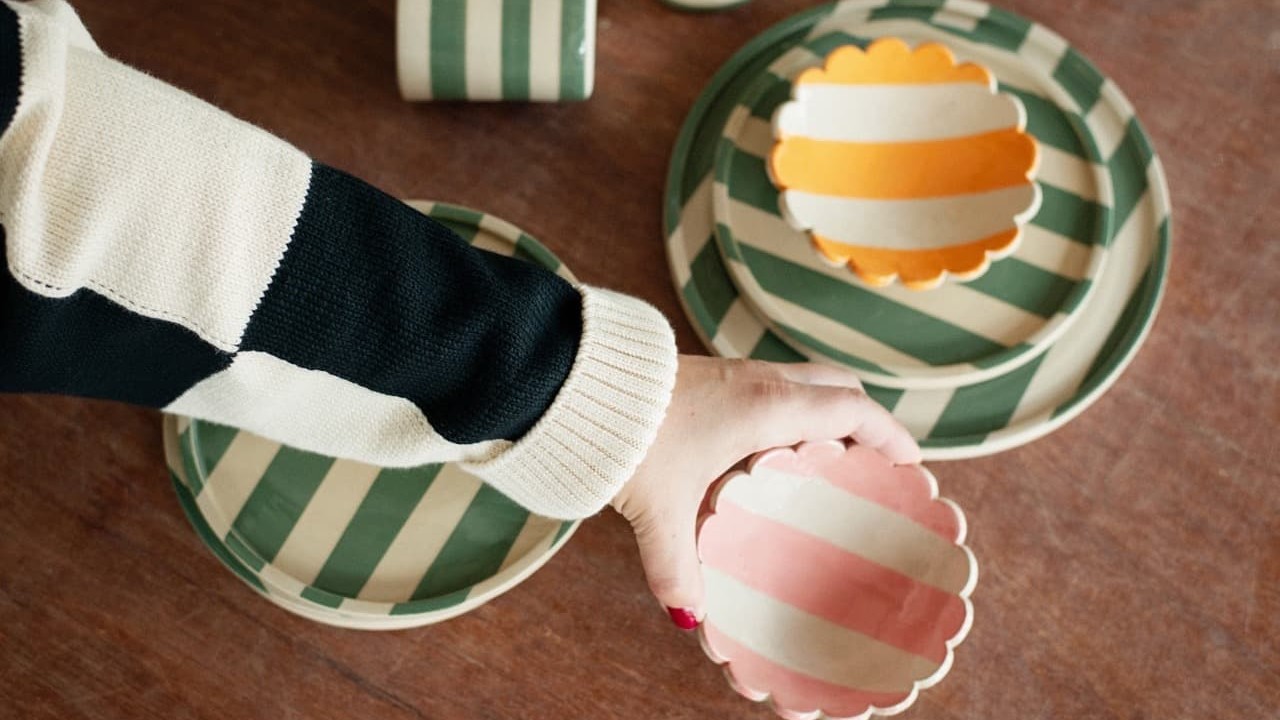
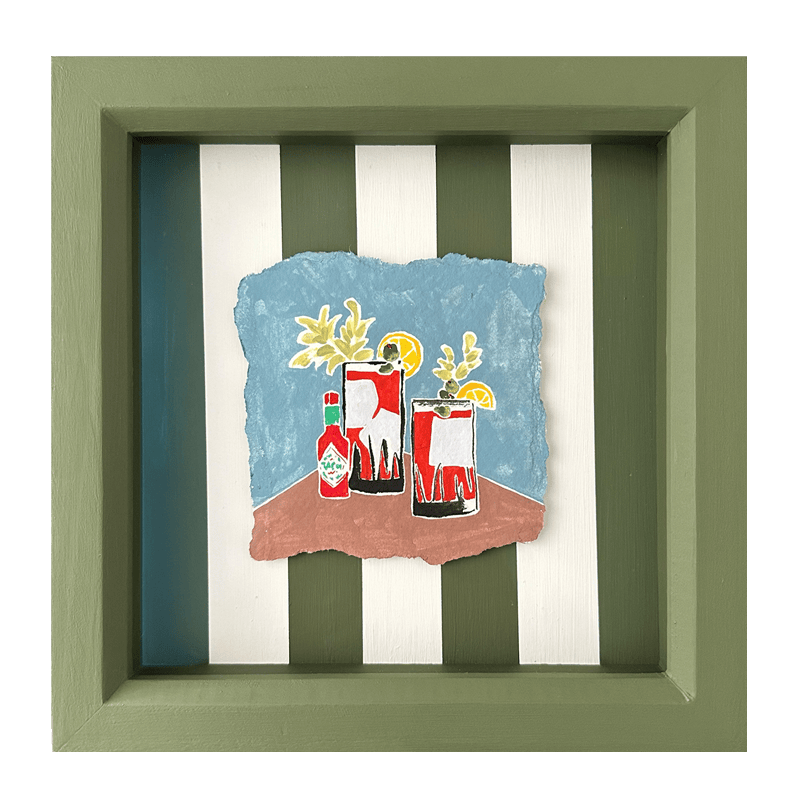
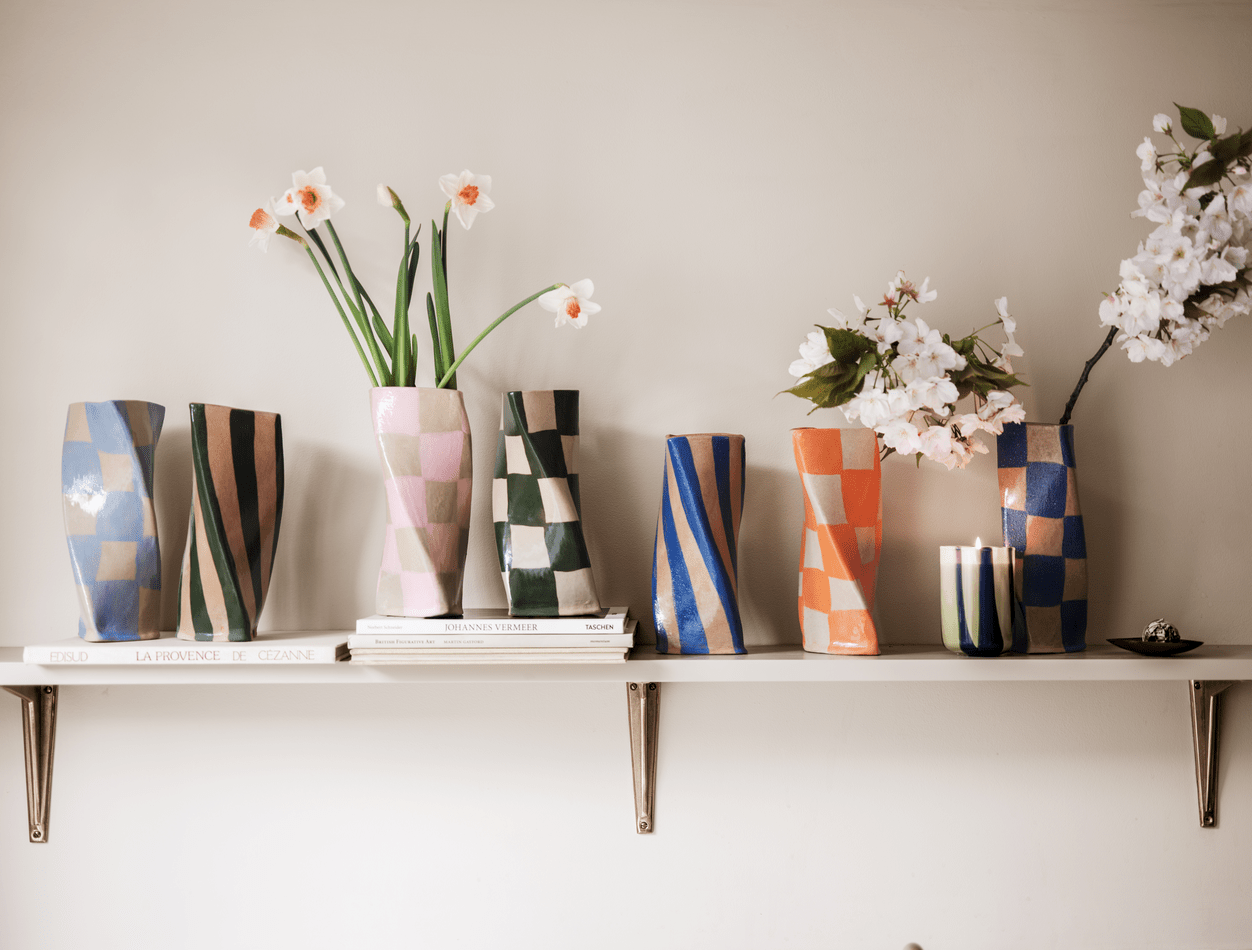
“I am so inspired by colour and very drawn to unusual combinations,” says Kate. “I love a sludgy olive green with a lemon yellow and a soft pink.”
For her, colour adds a playful and joyful dimension to ceramics, often drawing inspiration from holidays and seaside influences. The love for stripes has been a long-standing theme in her work—so much so that she was nicknamed “Stripey Kate” at university. This influence is evident in her Duci stripes, where bright yet soft colours strike the perfect balance between playfulness and sophistication.
Harriet Says Hi: The Power of Contrast
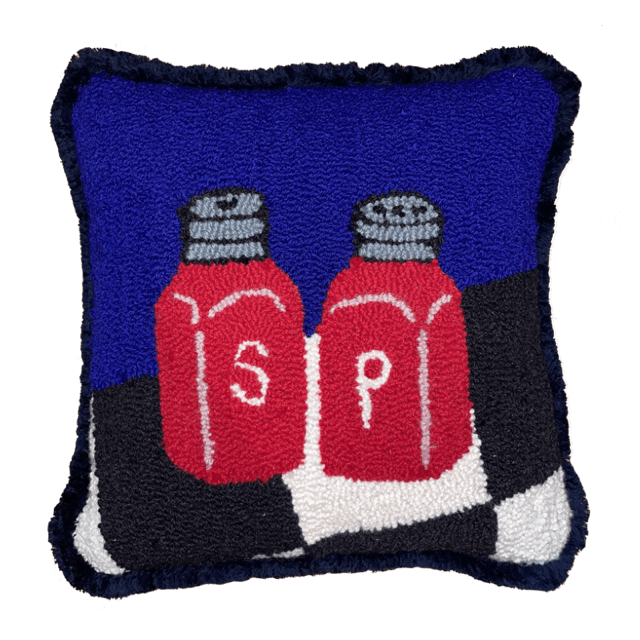
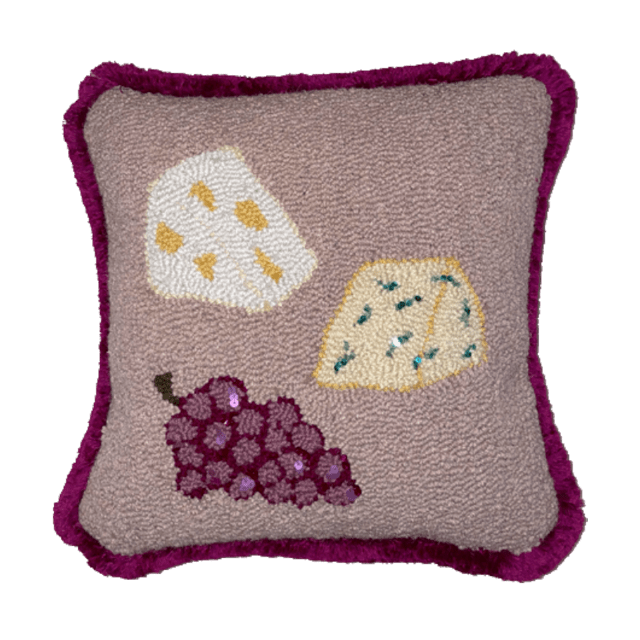
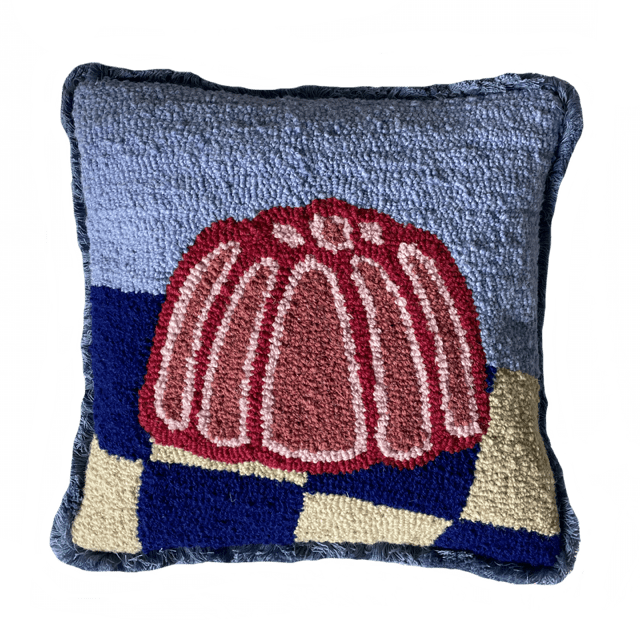
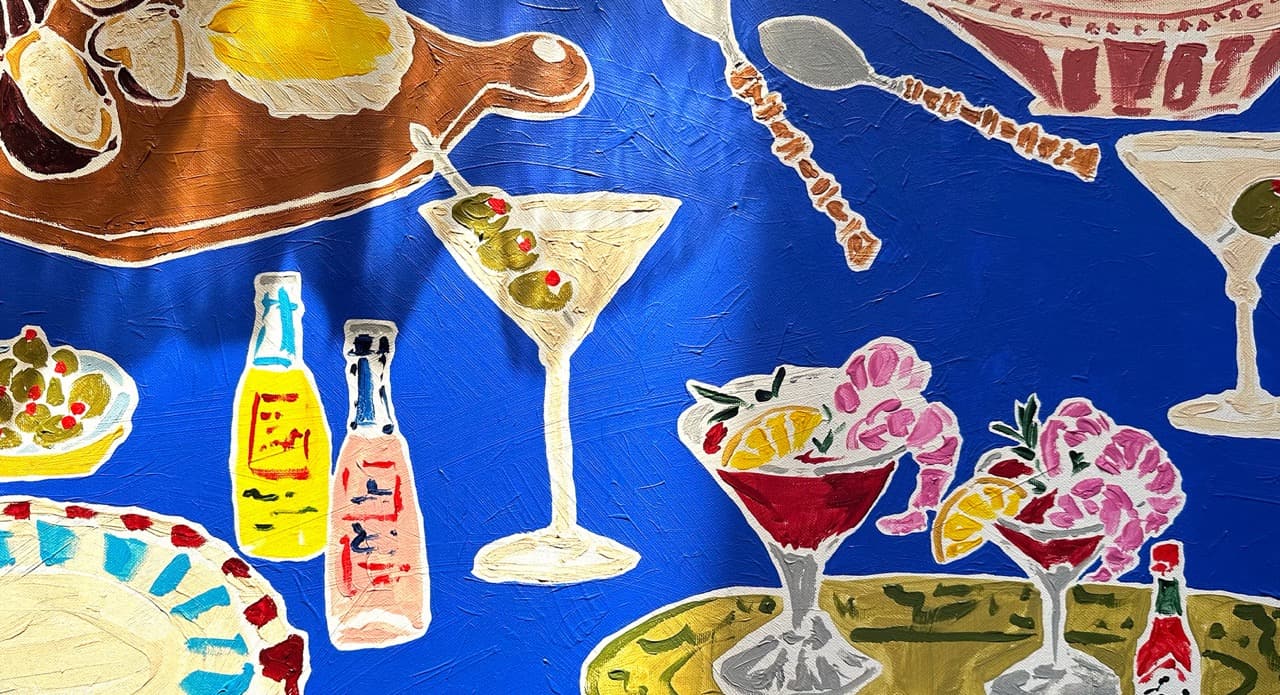
Similarly, Harriet Says Hi thrives on bold, contrasting colour combinations—especially the dynamic pairing of blues and reds.
“I love contrasting colours and predominantly use blues and reds together,” she says.
The high contrast creates an instant visual impact, making her work feel vibrant and energetic. For Harriet, colour choices go beyond aesthetics—they create a sense of tension and balance that draws the viewer in.
Subtle & Natural: A Muted, Calming Approach
While some makers embrace bold contrasts, others prefer a more understated, calming palette.
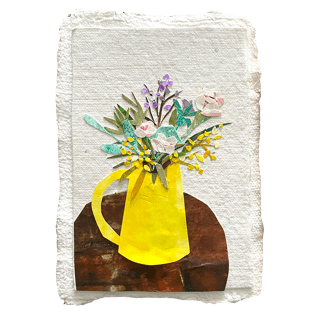
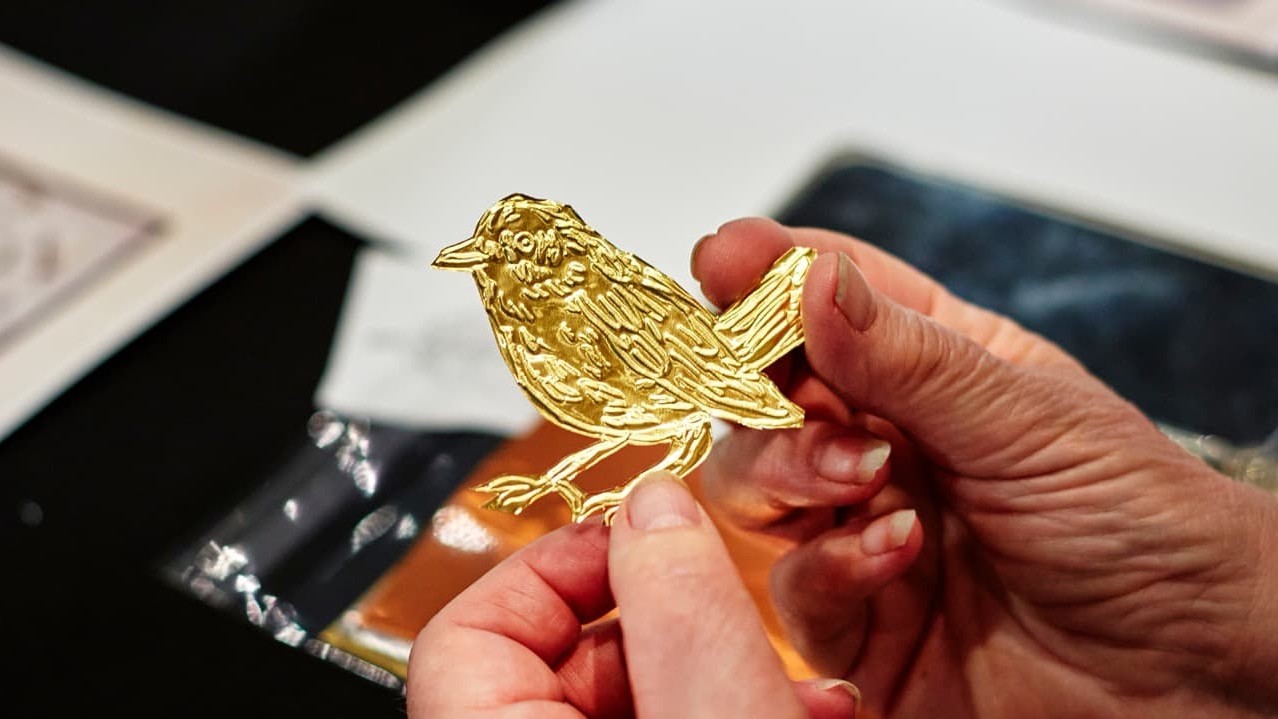
Meg Fatherly: The Beauty of Muted Tones
For Meg Fatherly, deep blues, soft greys, and warm metallics evoke a sense of calm and simplicity.
“Colour plays a subtle but important role,” Meg shares. “I tend to lean towards deep blues, soft greys, and warm metallics.”
In her collage work, these earthy, timeless shades emerge naturally, evolving throughout her creative process. The result is a palette that feels intuitive and deeply connected to the materials she works with.
Owmi Studio: Finding Harmony in Colour
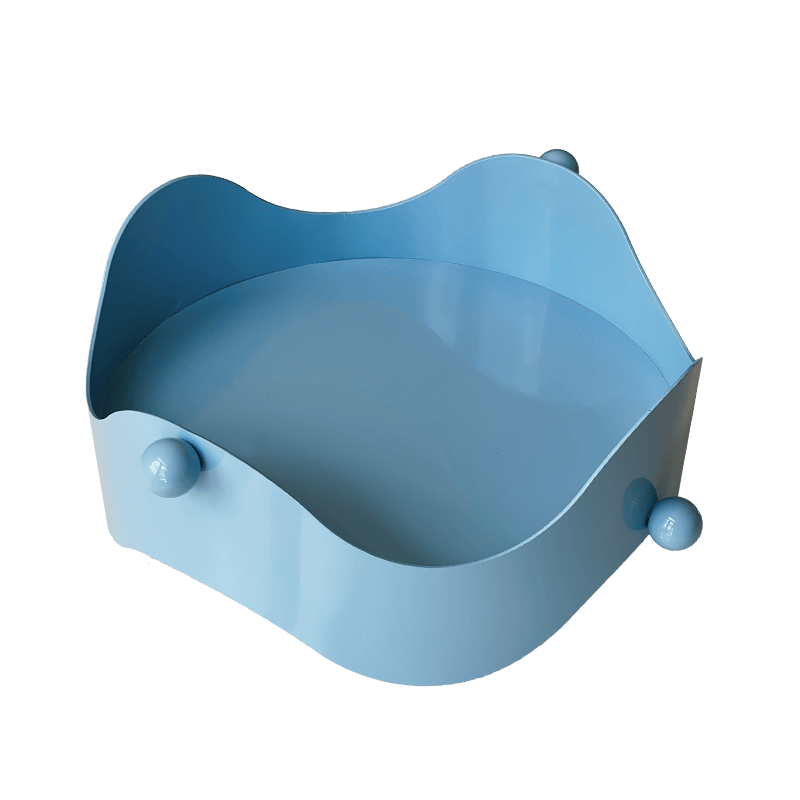
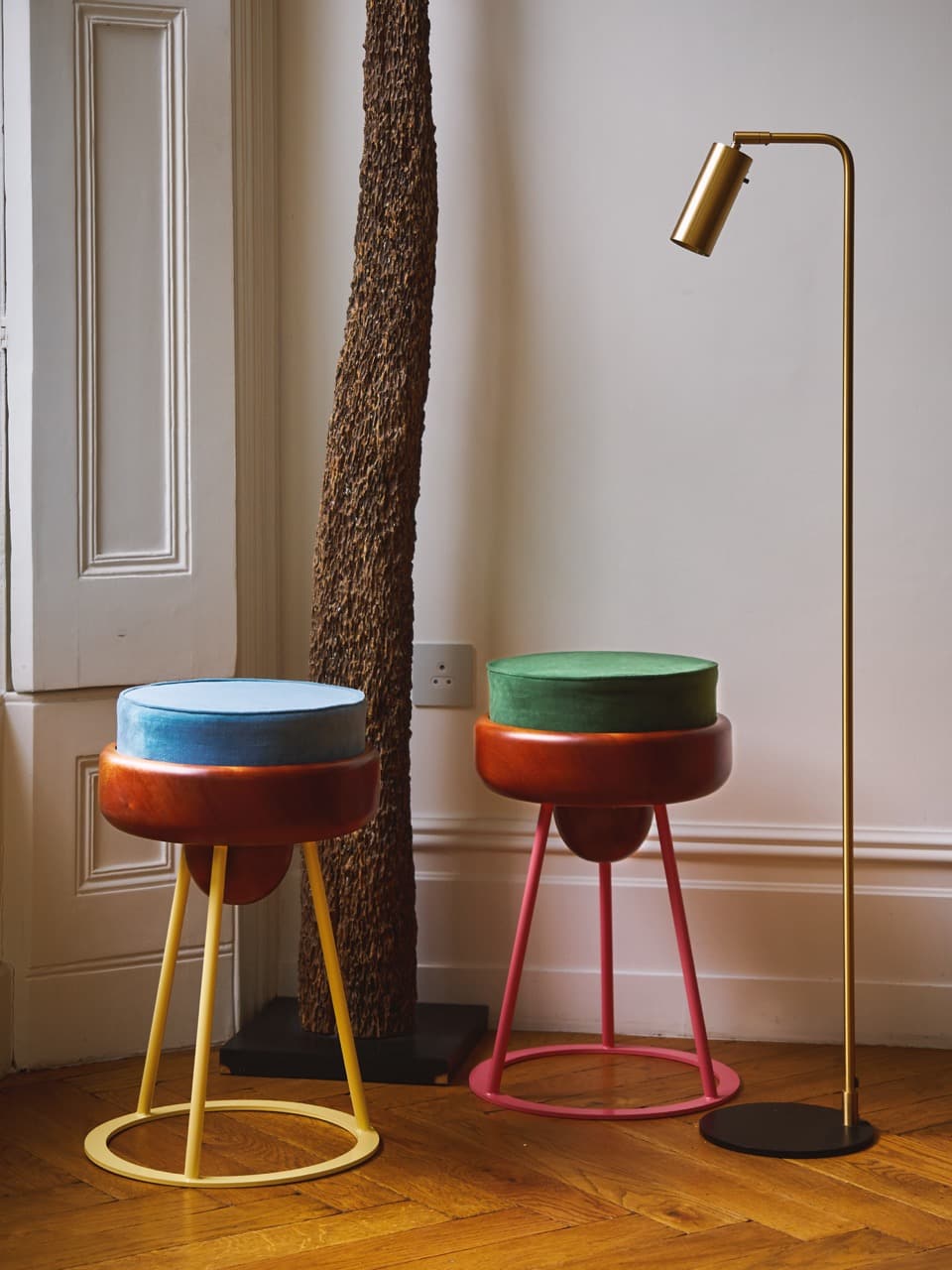
Similarly, William James Bryan from Owmi Studio enjoys balancing neutral and vibrant hues.
“Once I am happy with a form, I often consider multiple colourways—some more neutral and others more poppy and vibrant,” says the maker.
Owmi takes inspiration from historical Art & Design books, where unexpected yet harmonious colour combinations come to life. For him, working with colour isn’t about following trends—it’s about creating a dialogue between materials, textures, and hues.
Colour as a Personal Connection: From Sketches to Confidence
For some makers, the colour selection process is about more than just aesthetics—it’s about building confidence in their creative choices.
Grace Percival: Colour as the Starting Point
For Grace Percival, choosing a colour palette is the most exciting part of her creative journey.
“Choosing a colour palette is my favourite part,” she explains. “My phone is filled with screenshots. I always start with a rough sketch on my computer so I can play around with the colours as much as I like. That way, when it comes to painting, I’m already confident in my palette.”
By refining her colour choices early, Grace ensures that her designs feel intentional and cohesive from the very start.
Earthy & Grounded: A Love for Natural Hues
For some makers, colour is deeply rooted in the materials they work with, enhancing the natural beauty of their craft.
Rosie Gore: Elevating Earthy Textures
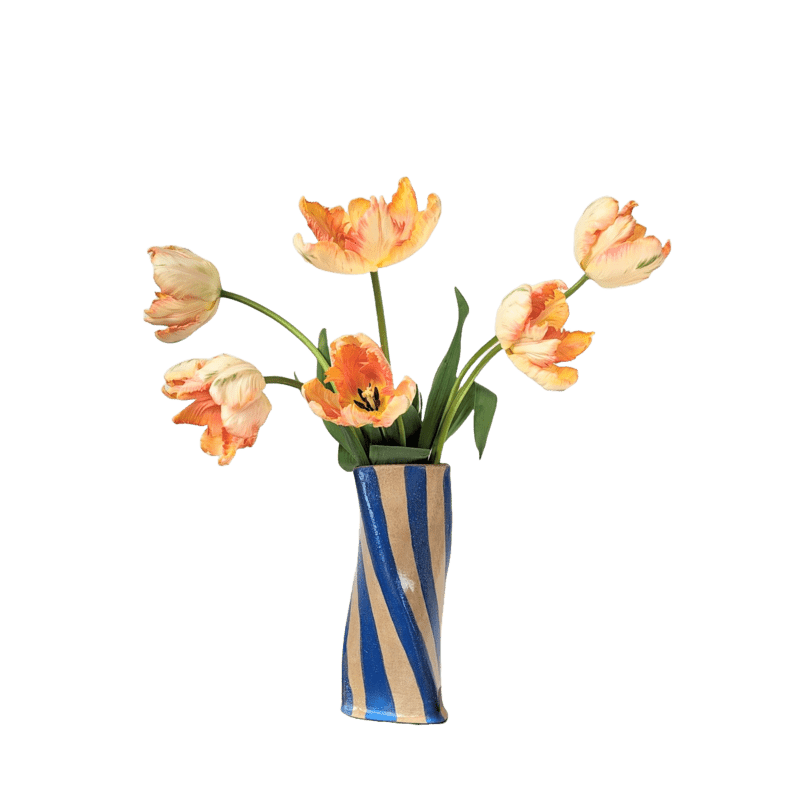
Rosie Gore works with speckled stoneware, using colour to highlight the organic textures of the clay.
“Colour is a huge part of my practice, giving a pop to the earthy tones,” says Rosie.
While she gravitates towards greens, browns, and burgundies, she also experiments with seasonal colour trends. Inspired by influential designers like Studio Ashby, Beata Heuman, and Colours of Arley, Rosie’s palette blends the timeless with the contemporary, ensuring her work remains fresh yet grounded.
Colour as a Personal Signature
Whether bold or subtle, earthy or vibrant, a maker’s use of colour reflects their unique style, inspirations, and creative philosophy. Colour is never just a surface-level choice—it’s a language that speaks directly to the heart of their craft.
At its core, colour isn’t just about filling space—it’s about storytelling. It’s a tool that helps makers connect with their audience, express emotions, and leave a lasting impression. Whether through the vibrancy of unexpected combinations or the serene calm of muted tones, colour is a powerful force in the hands of every maker.
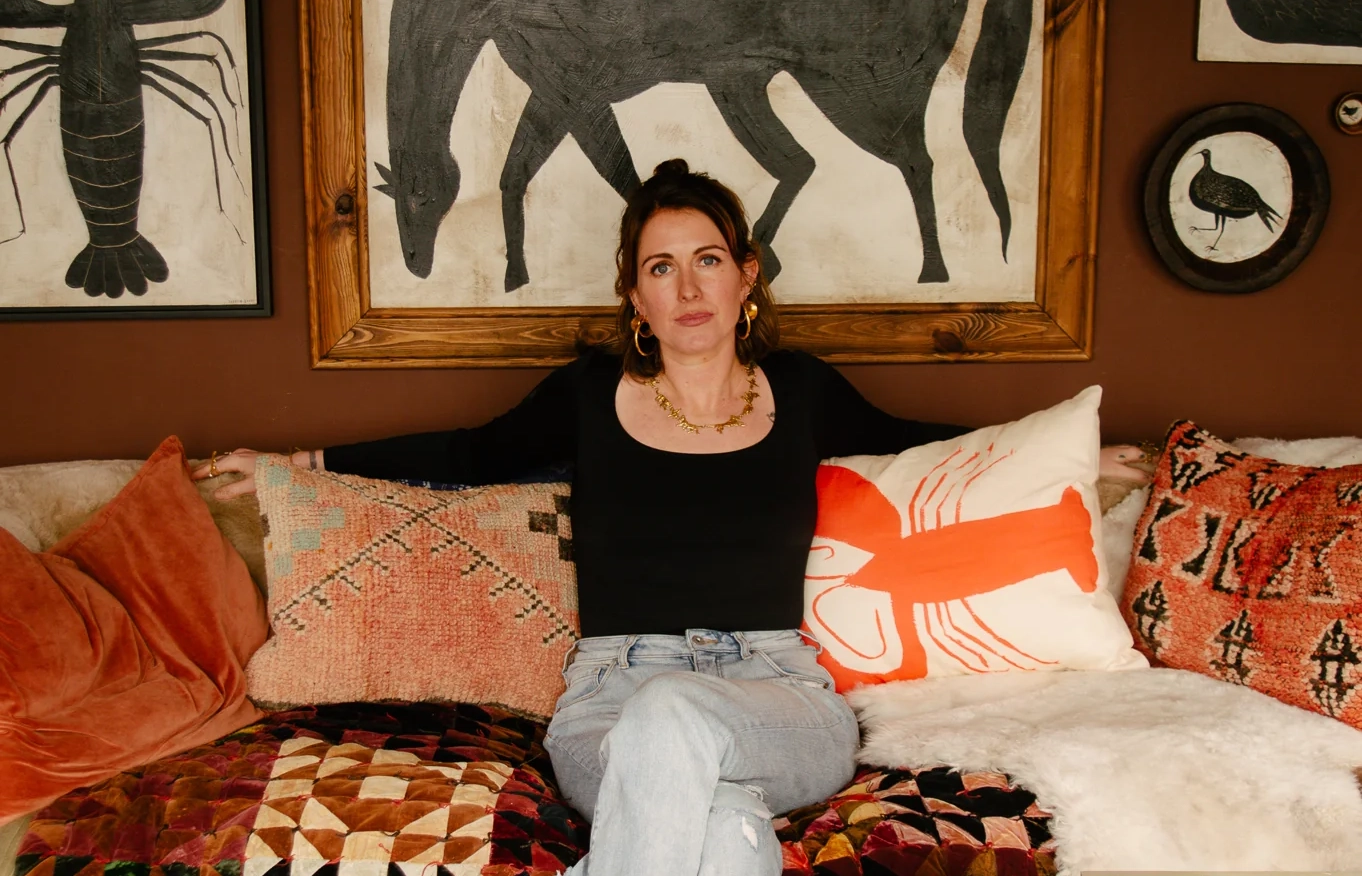
Meet the Maker: Inside the Studio with Tabby Booth

1. Can you tell us a bit about yourself and your artistic journey?
I studied illustration at Central Saint Martins, but after graduating in 2012, I quickly became disillusioned with the idea of becoming an illustrator. My husband Hessy (also an artist) and I ended up starting a children’s art school business. We ran it for ten years and it was hugely successful, growing to over 30 branches across the UK. However, between running a company and having kids, we had no time to create our own work any more, and I very much felt like something was missing.
In 2023 we were looking for a venue for one of our art school branches in Falmouth, and the next day a space came up to rent in town. It was the original sailors’ jail, and as soon as we walked in, we knew it would make an amazing gallery. We decided to go for it. The gallery gave us a reason and a platform to start creating again, and the last 18 months have been a whirlwind. At the end of 2024 we decided to sell the art school and focus full time on our art careers, alongside running Sailors Jail.
2. What inspired you to pursue your craft? Was there a defining moment or influence that sparked your passion?
I can’t remember a time when I didn’t want to be an artist, and I don’t think there was ever any other option in my mind. I always thought my dream job would be to draw or paint whatever I wanted, and for someone to buy it, so I definitely get a little kick every time that happens now!
Your craft
3. How would you describe your work in three words?
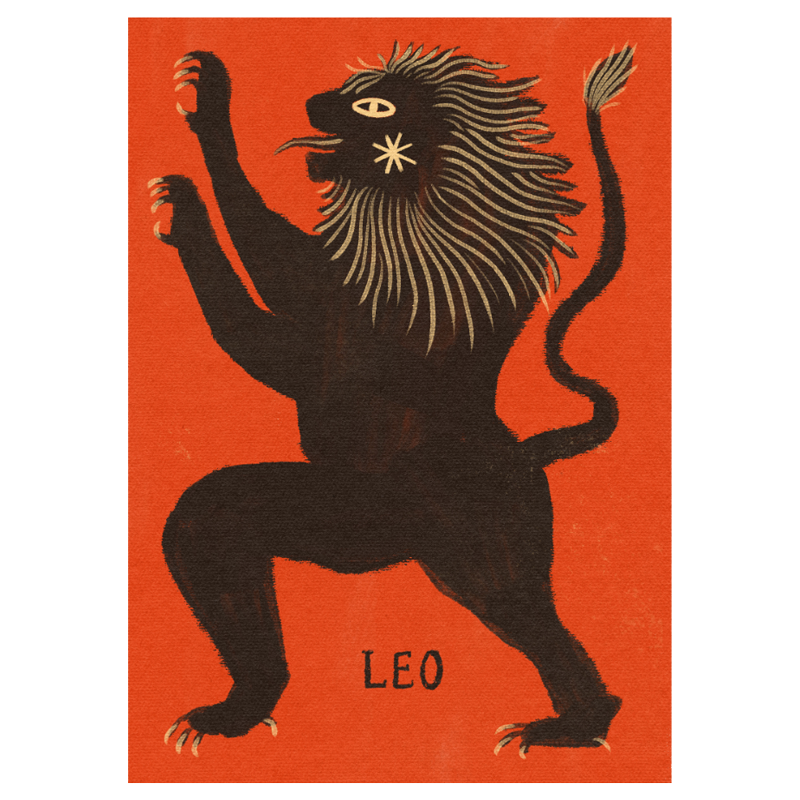
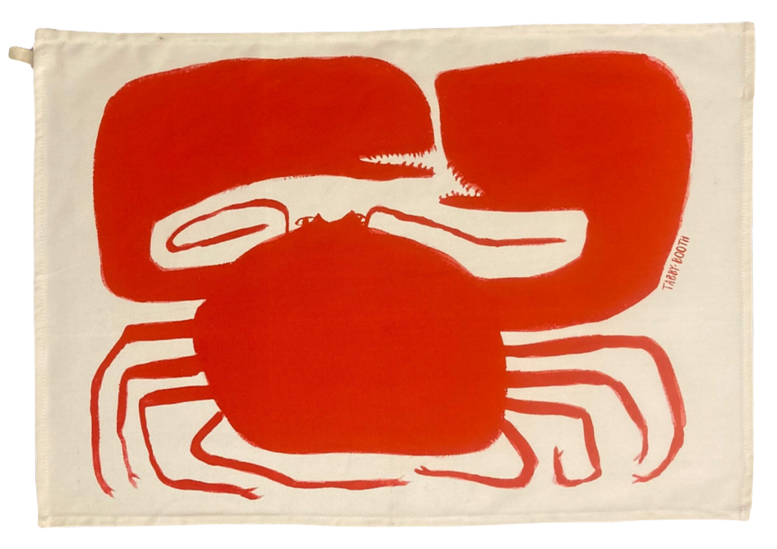
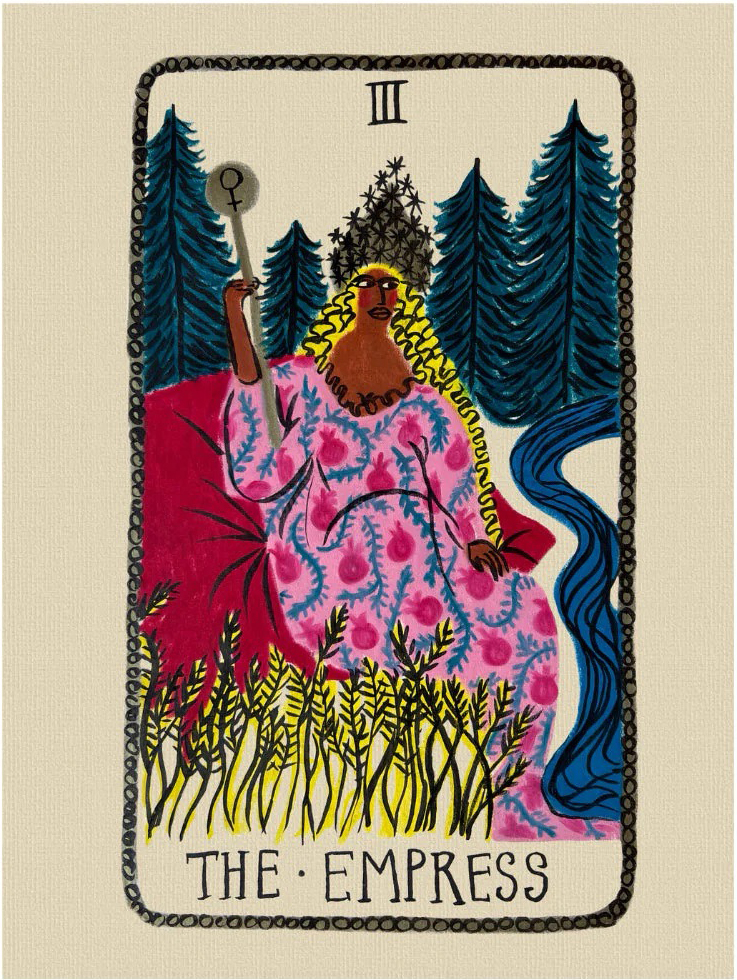
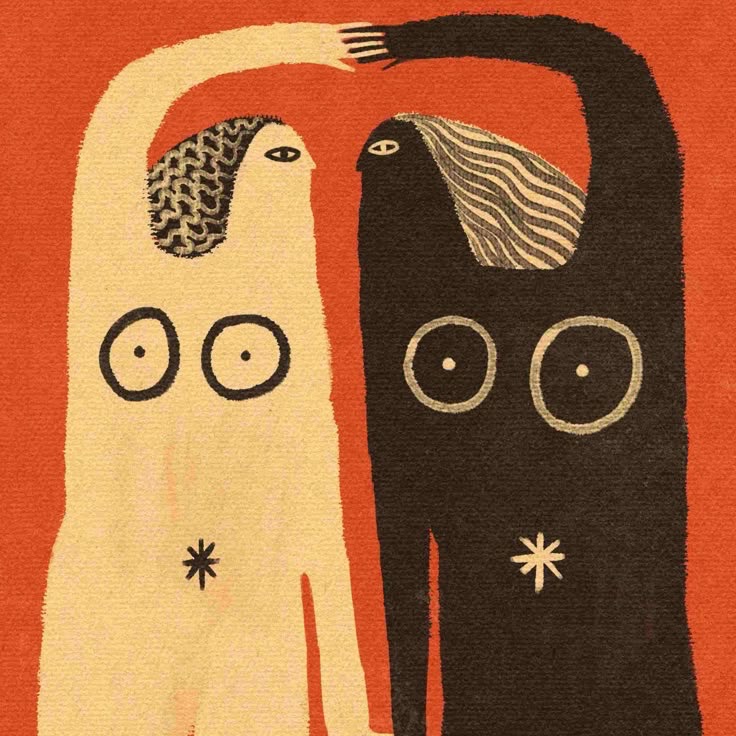
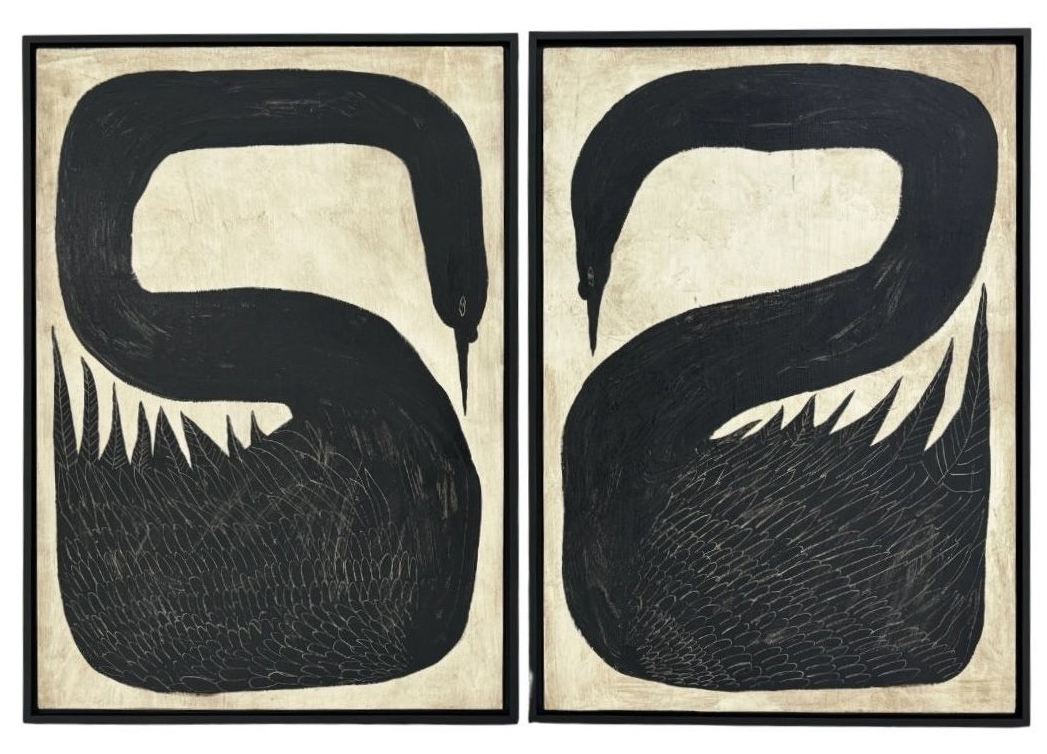
Dark, Folky & Characterful
4. What materials or techniques do you use, and why are they important to your process?
One of my favourite parts of my job now is sourcing the antique frames and bowls for my pieces. I’ve always been a massive treasure hunter, so it’s a great excuse to go car booting or to antique fairs, while calling it work. I learnt a lot from Cornish outsider artist Steve Camps, who I’m artist-agent to. He taught me about creating the artwork for the frame, rather than the other way round, and using wax on paintings to bring out texture.
5. Can you tell us about a favourite piece you’ve created and the story behind it?
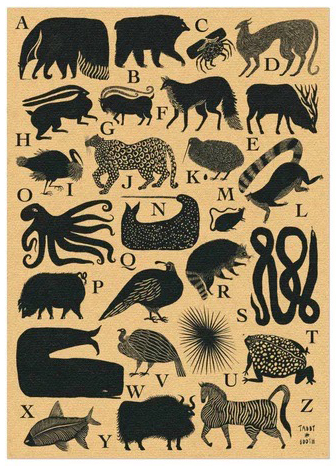
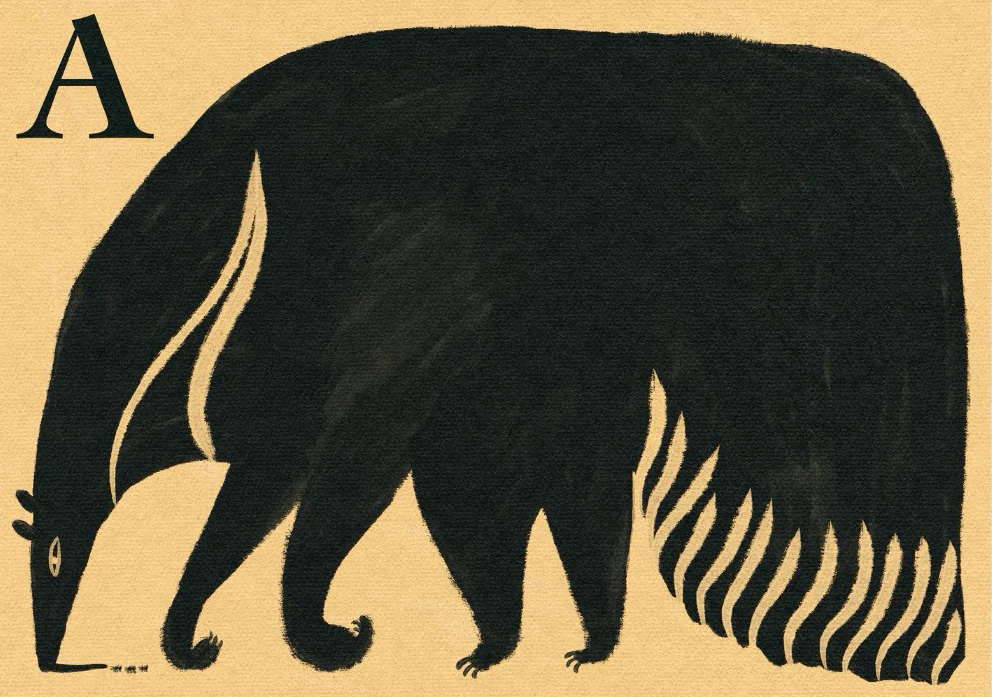
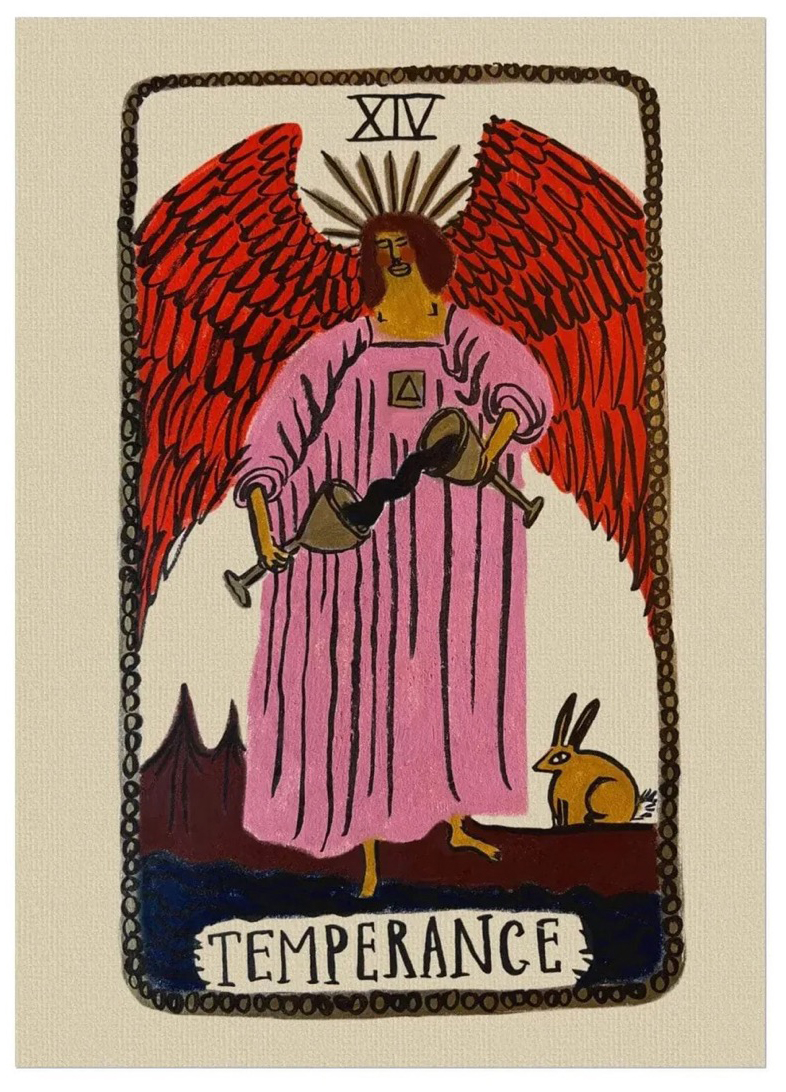
I really love all the pieces in SCRIMSHAW: my debut collection with Partnership Editions. They’re a company I always wanted to work with, and I loved designing a series that felt familiar, but also fresh and different. Living by the sea in Cornwall, my work has huge influences from folklore and maritime history, so these are threads that you’ll find throughout my paintings.
Creative process
6. What does a typical day in your studio or workshop look like?
My youngest Ziggy has only just started childcare for two days a week, so the luxury of an (almost!) full day in the studio is something very new, and I love it. I always start by putting on warm lamps and lighting an Astier de Vilatte incense.
If I’m creating a new collection I’ll start by figuring out the frames: laying different sizes and shapes out on the floor and seeing what will work together. I usually write the different subjects out on masking tape (e.g. the animals I’ve decided on), and then put them on the frames so I can visualise them as a whole.
I feed my rescue pigeon Raisin some pine nuts (she’s very bougie and they’re the only thing she’ll eat), then get stuck into painting for as many hours as possible. I tend not to draw things out first, as I like the intuitive naivety of what comes out without thinking. But sometimes if it’s a new image, or for a client where I know it has to look a certain way, then I do a light sketch on the wood before I start.
7. Do you have any unique rituals or habits that help you stay creative?
In October last year I did my first daily drawing prompt challenge on Instagram, and it’s been transformative for me. It led to me to start my own challenge #thepromptpot which I’ve been running since. I think the habit of creating every day is the best thing you can do as an artist. It’s something that’s really hard to find the time to do amongst everyday life, but I’ve found that prompt challenges are fantastic for it, as they give you somewhere to start.
8. How do you handle creative blocks? Do you have any strategies or tips for overcoming them?
It’s funny because some days doing my drawing prompts are so easy: I immediately have a great idea, draw it super quickly, and I’m really pleased with it. Other days I try and draw five different ideas and none of them feel right. But I think what’s great about an online challenge is that I HAVE to post something – so it forces me to keep trying and not give up. And oftentimes the pieces I’m so unsure about are the ones that other people love!
Challenges and successes
9. What’s the biggest challenge you’ve faced as a maker, and how did you overcome it?
I’ve always been torn between digital illustration and traditional hands on painting. For a while I thought these things were in conflict, and I would have to choose between the two. But actually the drawing challenge showed me that there’s room for both in my practice. I can create both original artworks and digital prints, and they’re bound together by my style.
10. What’s been your proudest moment or achievement so far?
World of Interiors contacted me at the end of last year to do a shoot of my home and studio for their website, which really could not be more of a dream for me, and I’m so excited for it to happen very soon!
11. What’s your favourite quote you’ve ever heard about your work? Who said it, or what was the name of the publication?
Not from a publication but I got this message from someone on Instagram recently, which I really loved:
“Your work does something nice to my brain! I can’t explain it (neurodivergent), it literally gives me dopamine. It’s like looking into my shadow self, my primitive nature.”
Inspiration
12. Where do you draw inspiration from for your work? What sparks your imagination and creativity?
I’ve always been obsessed with outsider and folk art: I love things that don’t look like what they’re supposed to, but instead have a character and style to them.
13. Do you have a favourite artist, maker, movement, or tradition that has influenced your craft?
Bill Traylor is my favourite artist and probably the biggest influence on my work.
14. How does colour influence your practice; is it an important part of your process? Do you have a particular palette or favourites? Any go-to sources for colour inspiration?
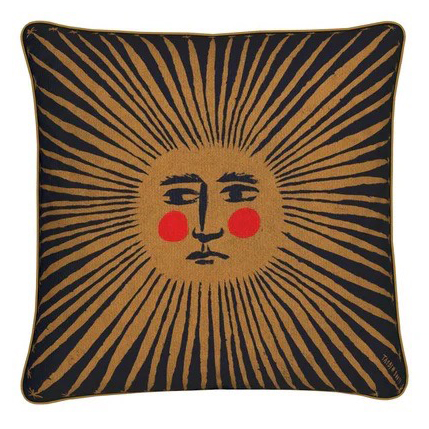
For someone who’s known for working in black and white, I LOVE colour. Although my paintings are always monochrome, I do bring bits of colour into my digital illustrations, and I’m especially a fan of surprise red. If I want to explore new colour combinations, I often go to Pinterest and save a picture I like, then use Procreate to design a palette from it.
Perspectives and goals
15. What role does your environment play in shaping your creativity?
Other than art, interiors are my biggest passion. Each piece I create is designed with this in mind, and my surroundings are paramount to my creativity. In August 2024 Hessy and I converted our garage into a small studio each, and mine is my absolute happy place. I love our house, but it’s also a family home, so having a space that’s entirely mine to decorate and escape to, has been the most magical thing.
16. What do you want people to feel when they experience your work?
I want to create objects which feel like they might have just been dug up from the ground, like an ancient relic from a lost civilisation, but that also have a whimsical element and don’t take themselves too seriously. Perhaps a hint of nostalgia, childhood and home.. like a character from a fairytale that you’d long forgotten.
17. What are you currently working on, and what excites you most about it?
I’m currently working on my latest online collections with Partnership Editions, Arti-Ones and Farly Finds, as well as preparing for taking Sailors Jail to The Affordable Art Fair in Battersea, and my first group London show at The Gallery at Green & Stone, in April. I also have a jewellery collaboration coming with the amazing Rare Bear, which I can’t wait for!

Advice and reflection
18. What advice would you give to someone starting out as a maker?
Create every day, however small. Find your niche. Just do it.
19. If you could go back to the start of your career, what advice would you give your younger self?
It might not happen how you thought it would, but it will happen.
Closing thoughts
20. If you could collaborate with any artist, past or present, who would it be and why?
It sounds cliched but I think a day with Picasso would teach you more than you could ever learn otherwise in a lifetime.
21. Where can people find your work, and how can they support you?
I sell mostly through my own gallery Sailors Jail, which you can find at: www.sailorsjail.com/tabby-booth
Please do follow me on Instagram @tabby.booth.artist and share my work with all the people you know who have great taste!
Tabby Booth’s work blends folk art, storytelling, and a touch of the unexpected, creating pieces that feel both timeless and deeply personal. From hand-painted treasures in antique frames to bold monochrome illustrations, her art is rooted in history, yet brimming with contemporary character.
Explore her latest collections and follow her creative journey:
Discover Tabby’s Work: