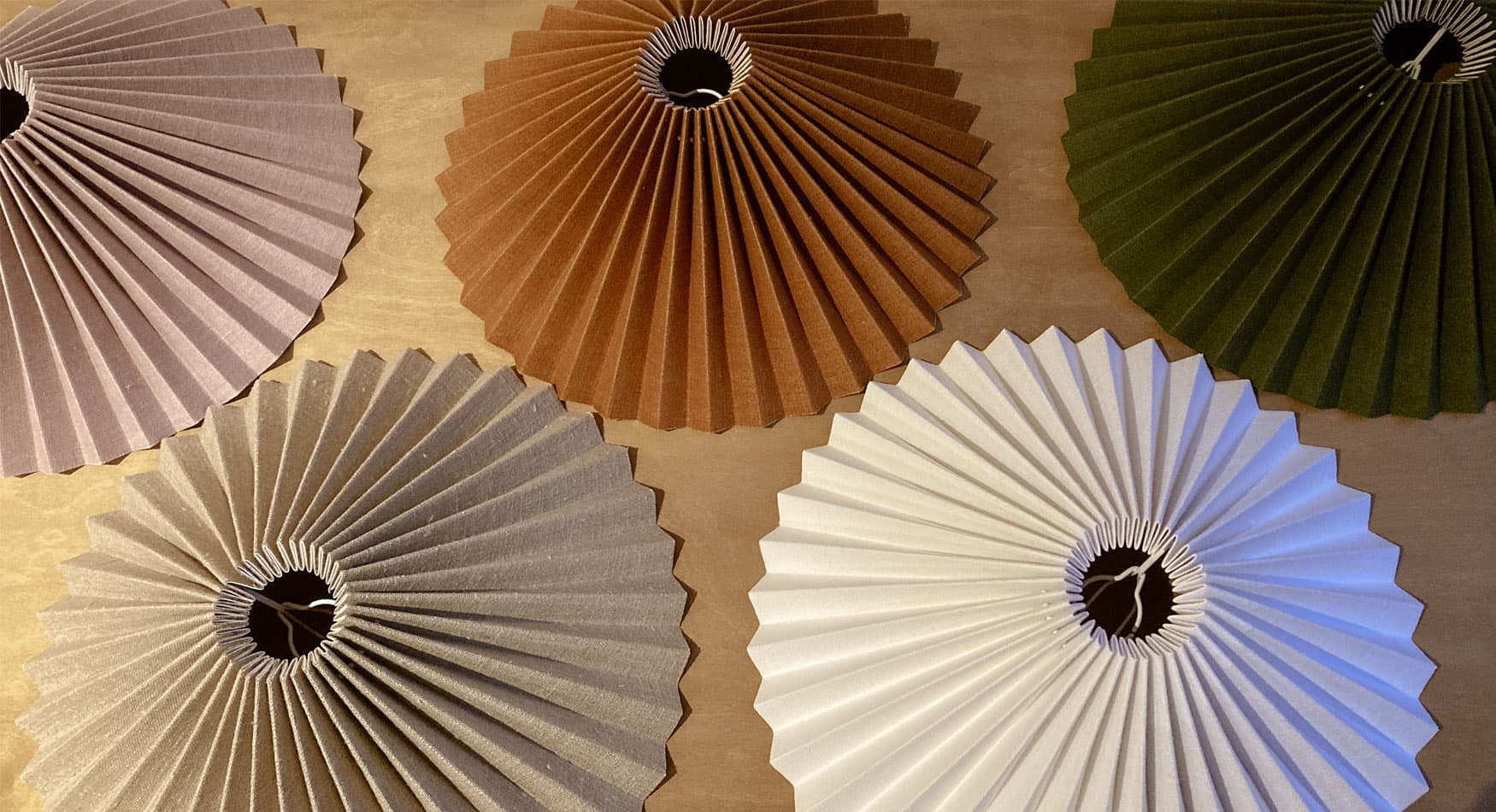
Meet the Maker: The Precise, Sculptural Creations of Ceau Store
In this Q&A, we sit down with the maker behind Ceau Store to explore her journey—from childhood projects to crafting the elegant, sculptural lampshades that have become her signature. She shares her love for tactile materials, thoughtful sustainability choices, and how creative problem-solving shapes her imaginative designs. We also discuss overcoming challenges, memorable moments like being featured in Elle Decoration, and the joy she aims to bring to everyday spaces.

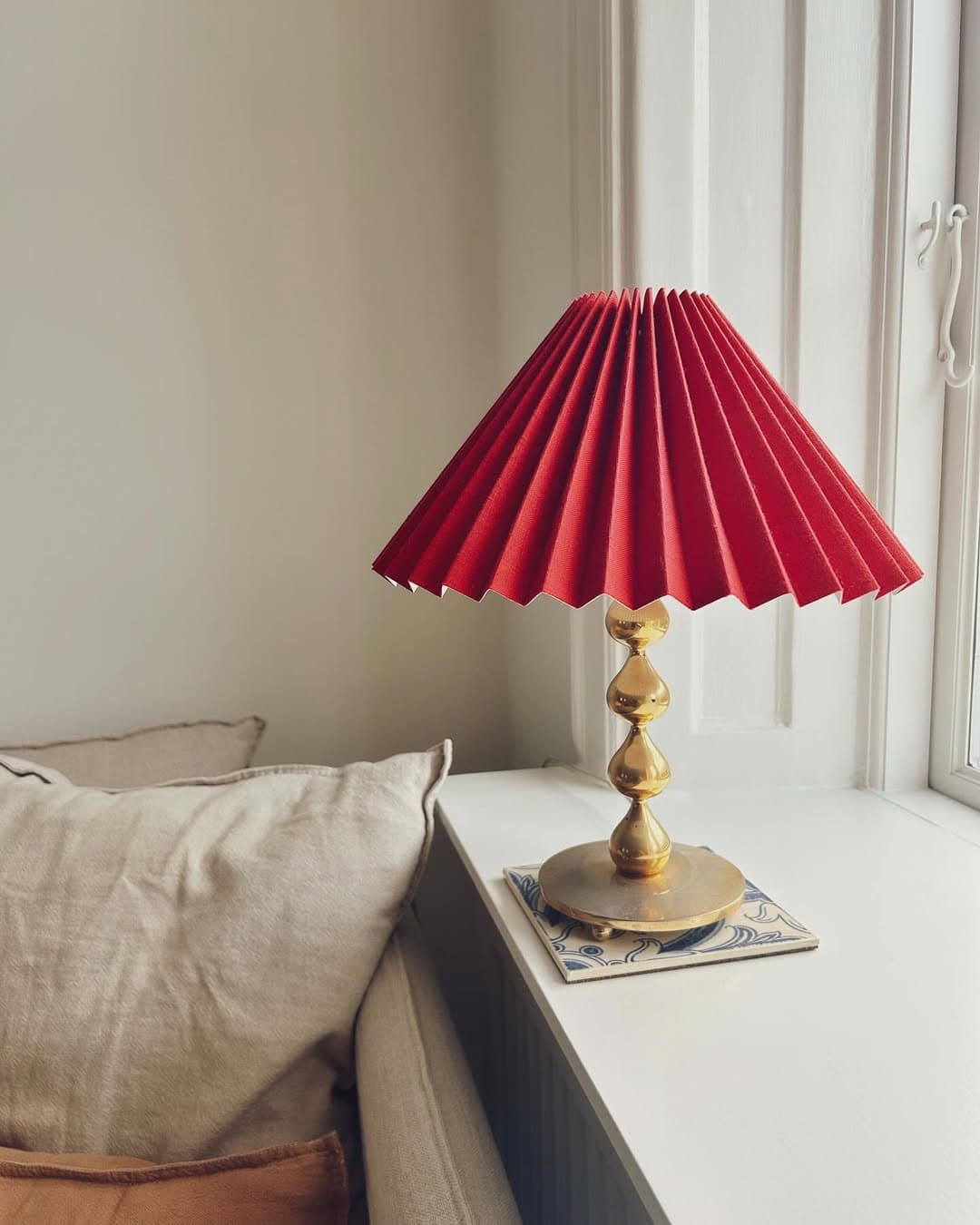
1. What inspired you to pursue your craft? Was there a defining moment or influence that sparked your passion?
I’ve always made things, even as a child I would be constantly asking my mum if I could make something. And I’ve always loved paper and fabric and tactile materials. I used to collect leaflets when I was really young and I once made a full dolls house, furniture and all out of A4 paper sheets. I’m sure if I saw that now it would be terrible but at the time it felt like I’d created a masterpiece. Creating and making is a total happy place for me.
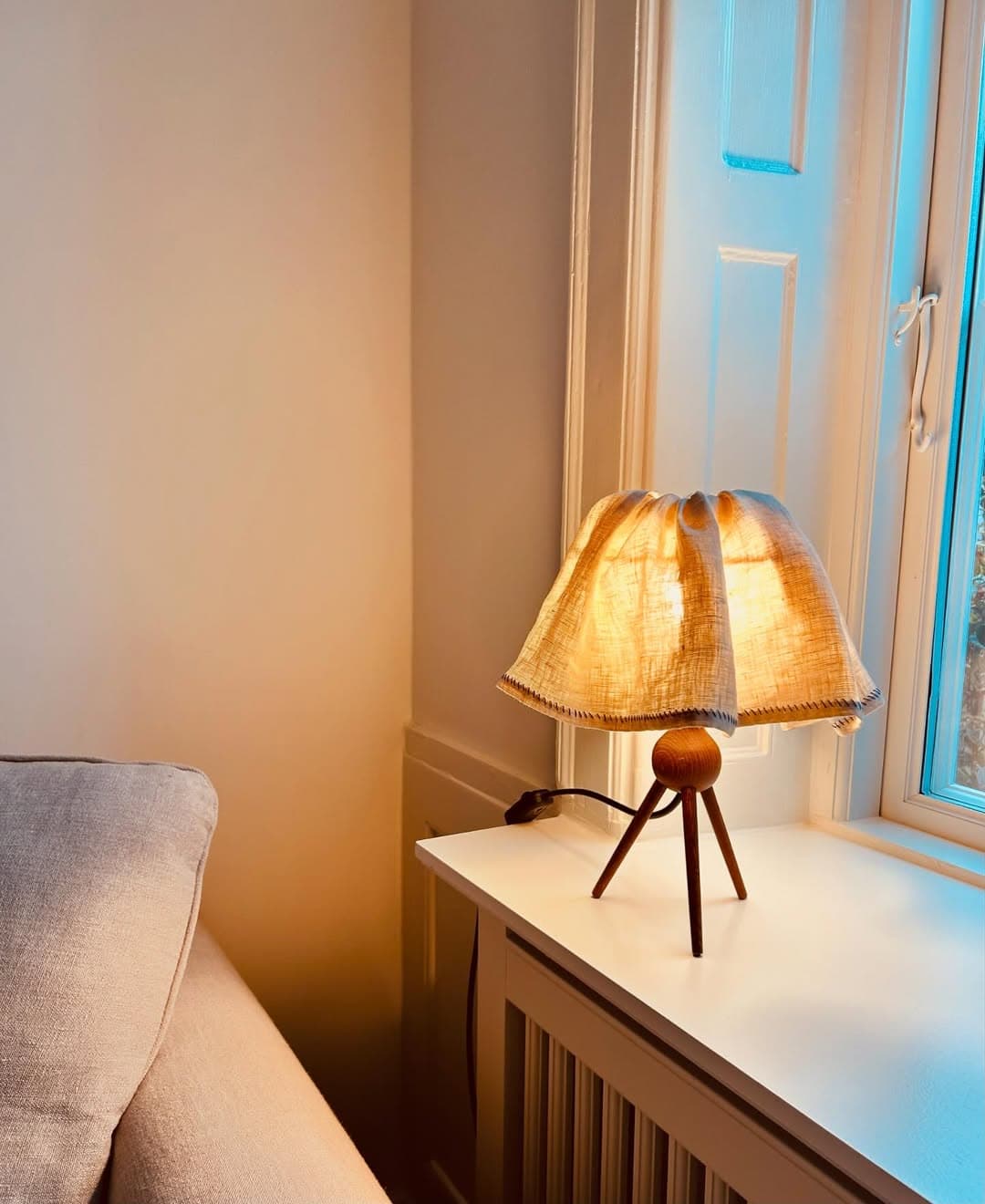
Your craft
2. How would you describe your work in three words?
Precise, Sculptural, Cosy
3. What materials or techniques do you use, and why are they important to your process?
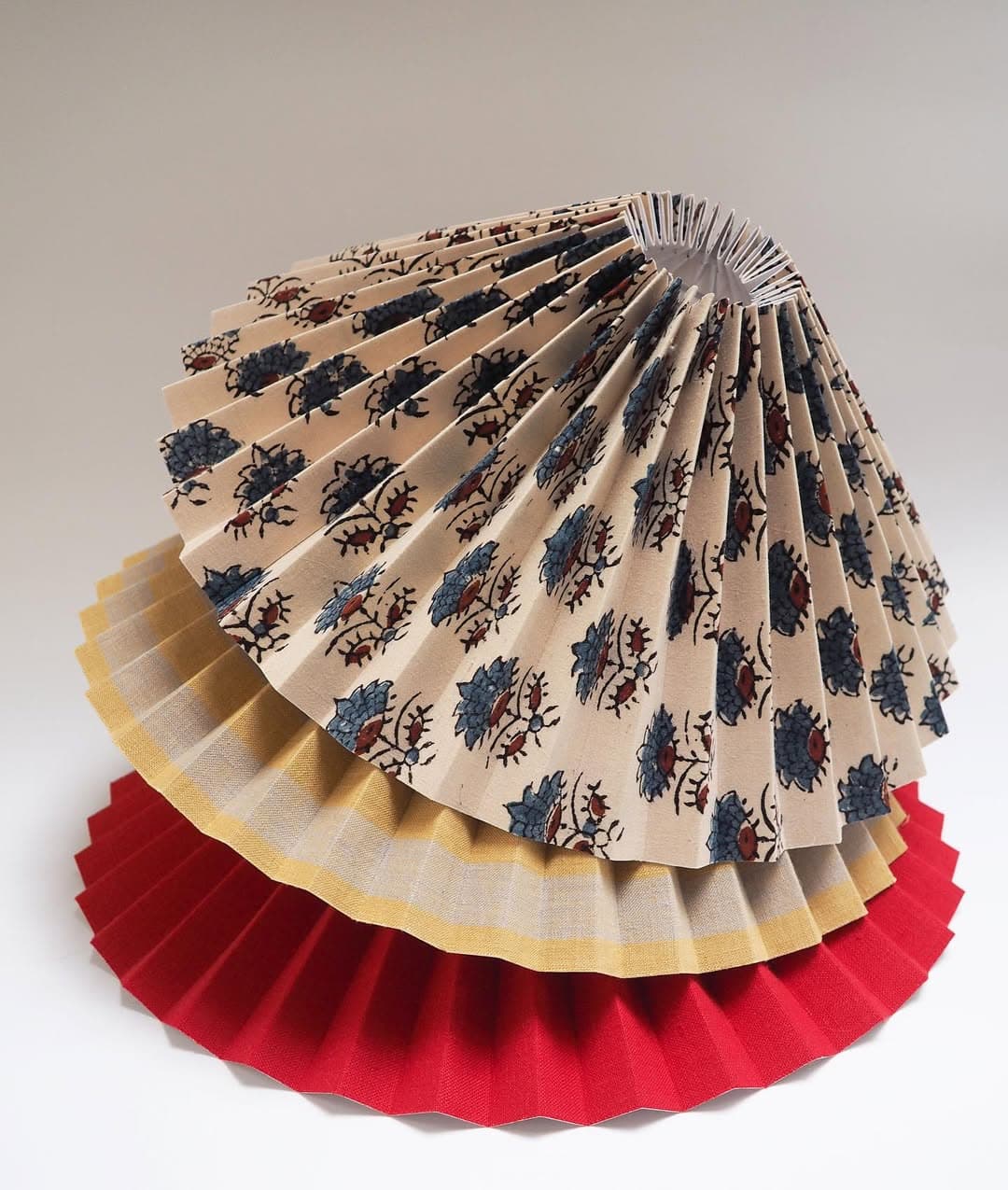
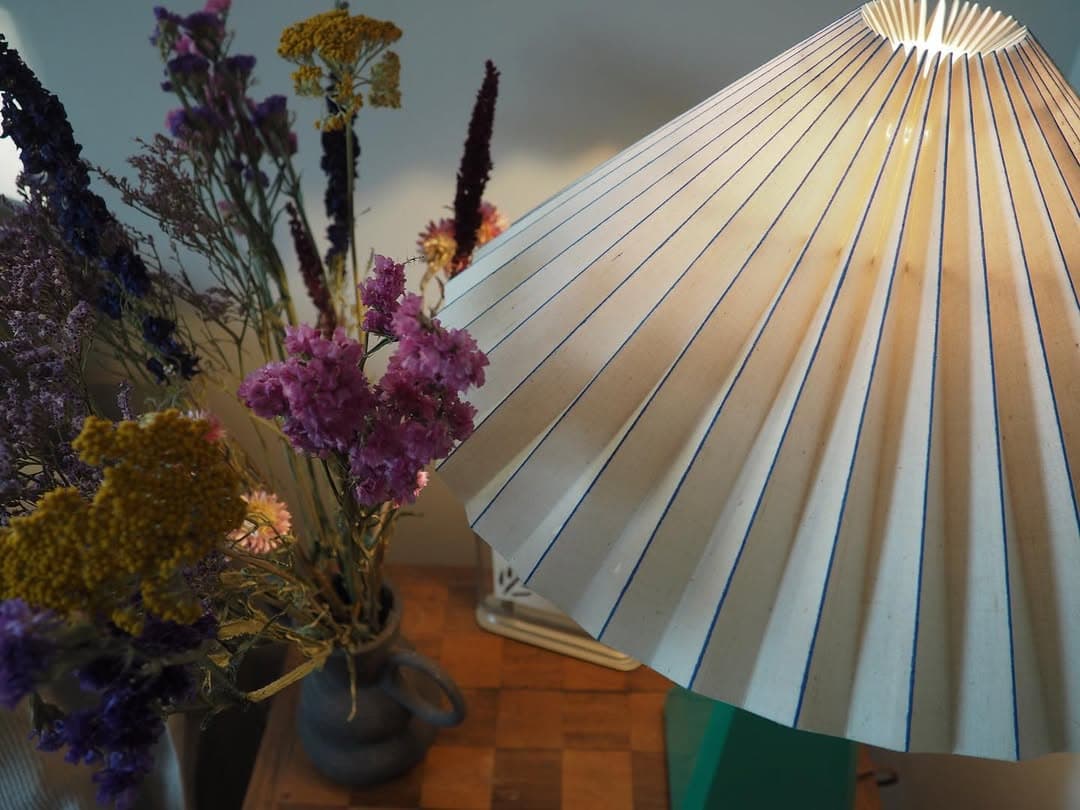
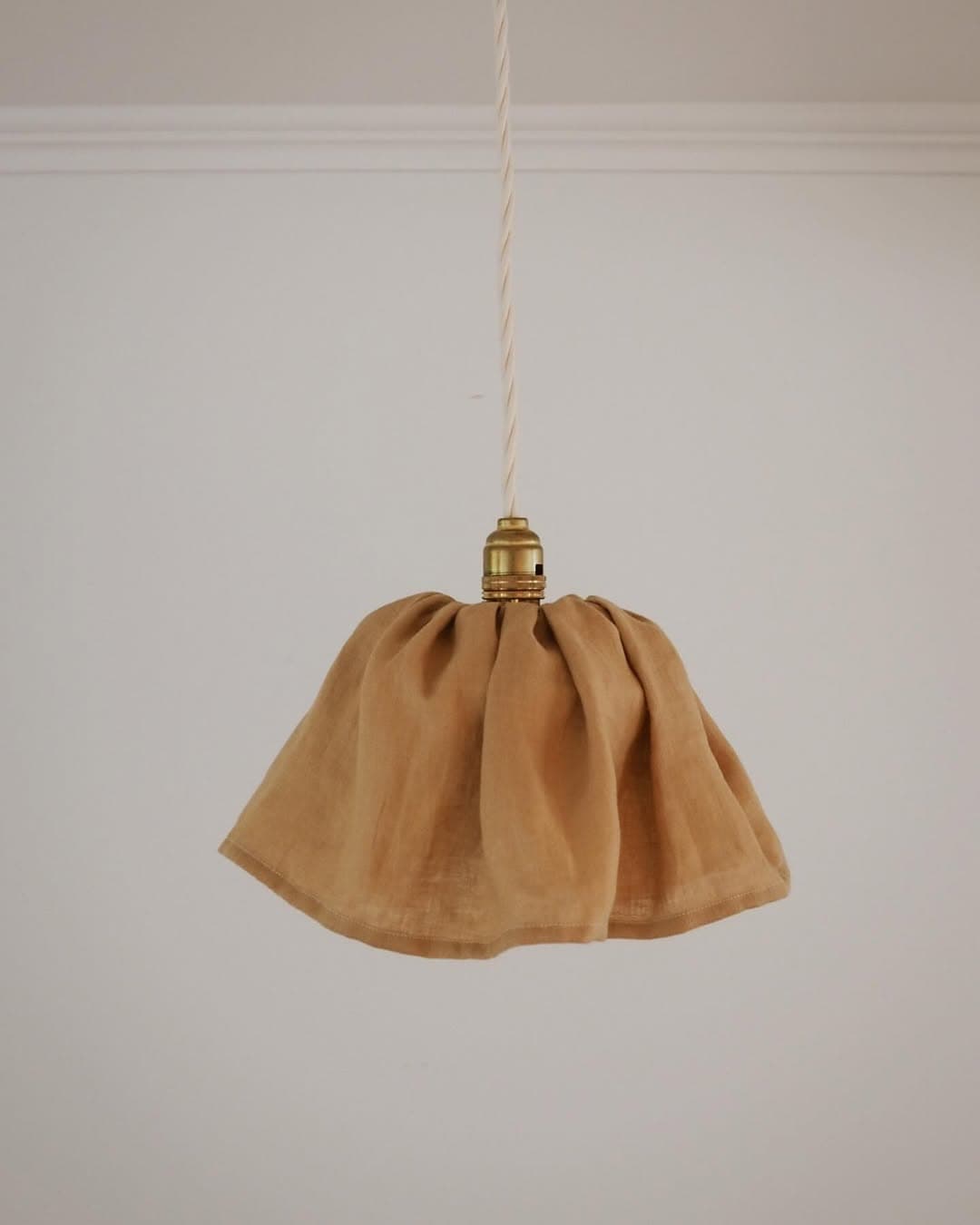
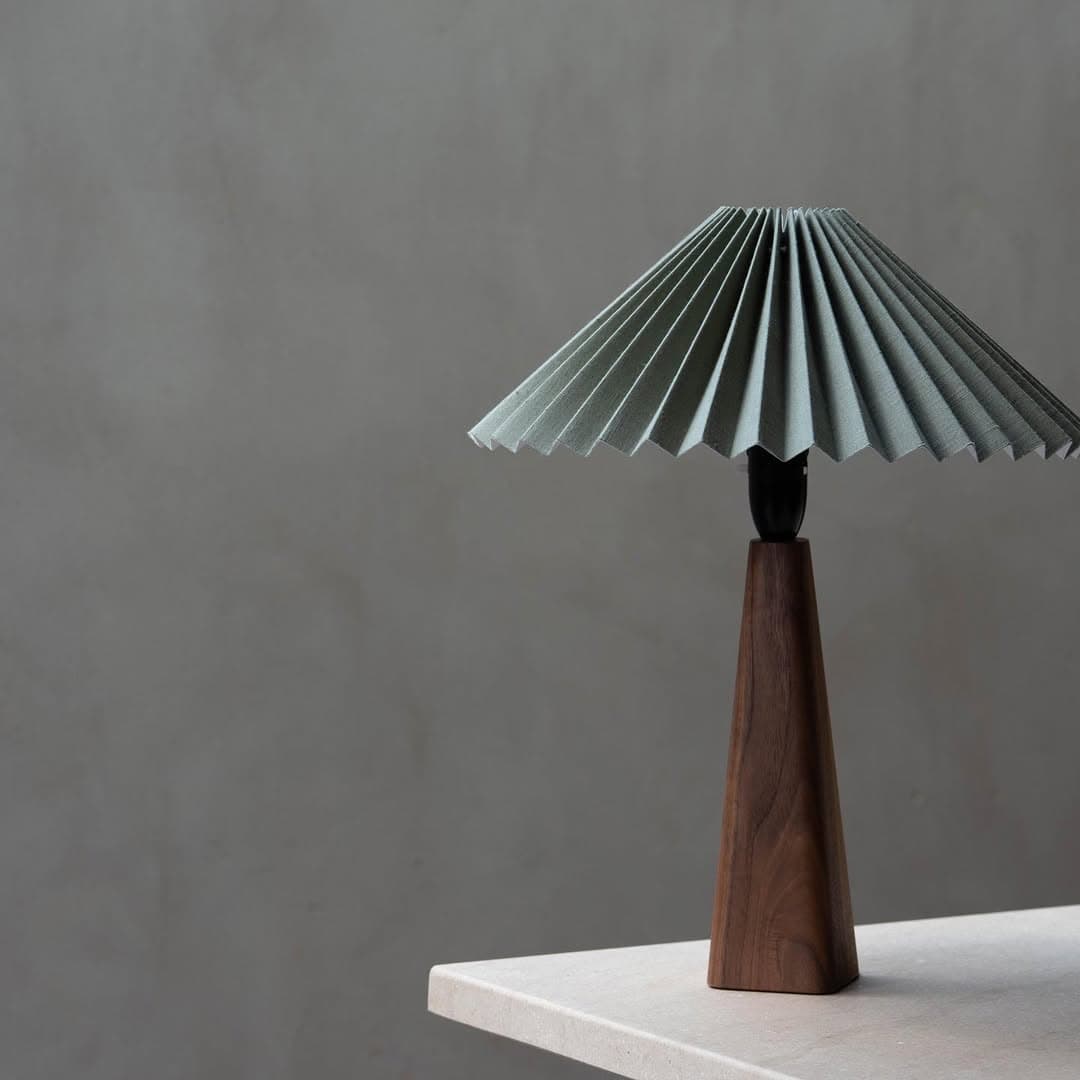
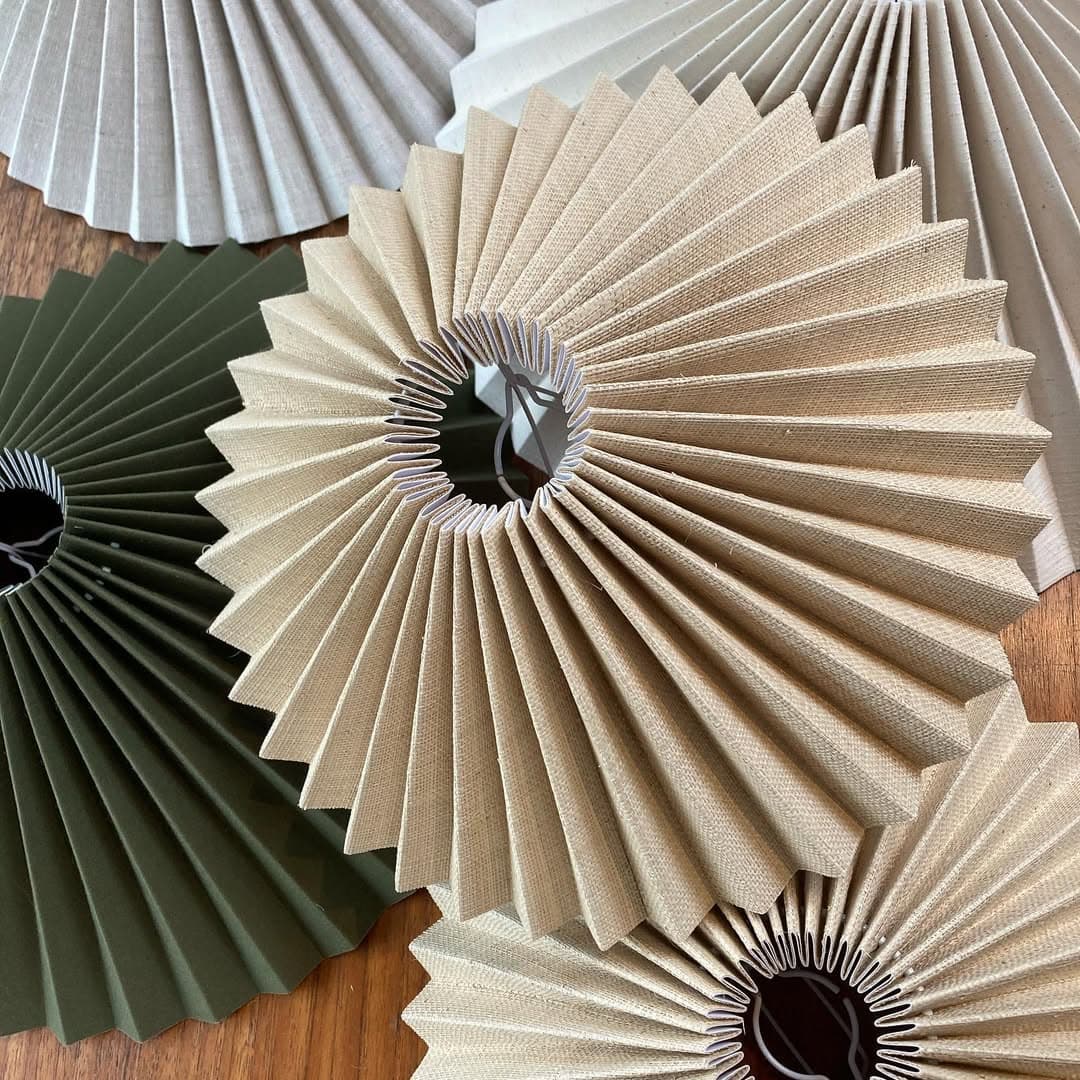
All the materials I use are carefully considered, and all come from other small businesses. The lampshade backing is a beautiful thick card, chosen because it’s more sustainable than the alternative plastic but also because it gives an intrinsic beauty and tactility that you wouldn’t get from plastic. The fabric is all natural- Cotton or Linen, no polyester or polycotton. These choices add to the design of the lampshades they are part of what makes them beautiful.
In terms of techniques, I don’t think I do any “standard lampshade” making techniques. When I started making the pleated lampshades there wasn’t even an online “how to” on what to do so I created my own process and techniques, worked out all the tools and materials that I needed to created what I had in my head and over time I’ve tweaked these so that I can produce the best quality lampshades possible.
Creative process
4. What does a typical day in your studio or workshop look like?
Every day before starting work in the studio I take my dog for a walk with my husband and son. This is such a lovely start to the day regardless of the weather, I find that connection to nature and my family really helps me to get my head in the right space for the rest of the day. Then every day is different, if I have lampshades to make I’ll get started on those straight away, normally with a podcast in my ears and just head down focus on making those. Some days I have meetings and calls most recently with web designers and also a manufacturer who is creating part of some new products that I’m launching soon. I also spend time designing, exploring new colour options, fabrics, ideas for new products. Then at 4pm I go and collect my son from nursery and that’s my working day finished.. until he’s in bed at least.
5. Do you have any unique rituals or habits that help you stay creative?
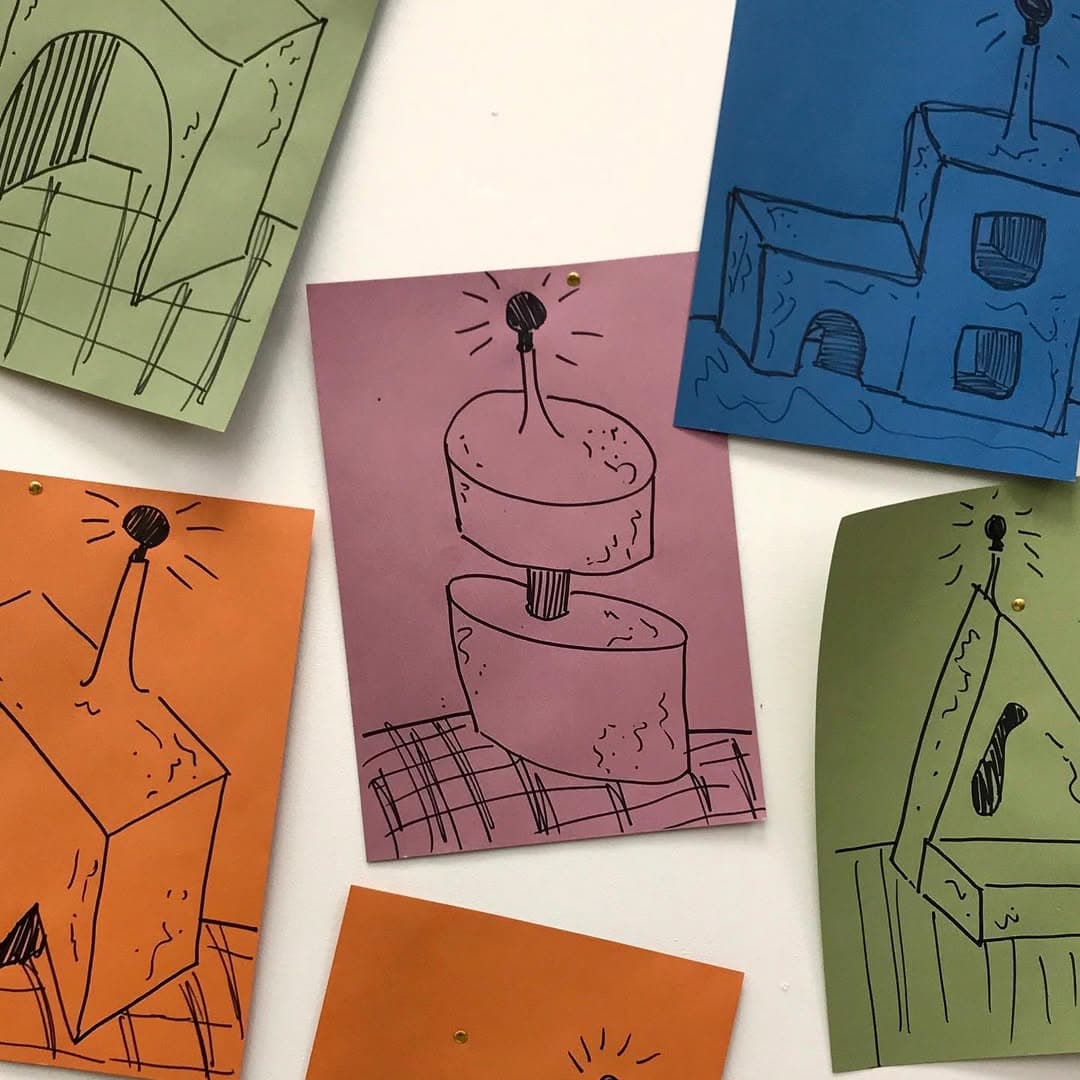
I write all of my creative thoughts/ideas down and always on paper with a pencil, I’m very analogue with stuff like that and can’t get my thoughts out if I do it on my phone or computer. I find making mood boards really helpful, collating images or ideas that inspire all in one place definitely helps me to solidify what I’m thinking.
Challenges and successes
6. What’s the biggest challenge you’ve faced as a maker, and how did you overcome it?
Plagiarism, unfortunately I think this is something that a lot of creatives have to deal with especially when putting yourself and your work out there. Not to go into too much detail/specifics I had a not great situation with someone buying one of my lampshades and then using it to replicate the lampshades and to be honest it was devastating. When you put so much time, effort, energy into creating something from scratch it’s hard to handle. Initially I got bogged down in legal options (of which there are not many) and it was a really stressful upsetting time but I realised a more powerful way to deal with it was to focus that energy into making my creations better, develop new ideas and use it as motivation to do better and make more of the ideas I had for Ceau Store a reality.
7. What’s been your proudest moment or achievement so far?
Honestly every sale I make is like a pinch me moment. Sounds so cheesy but I think a lot of small business owners can relate to that especially when they make the products. Every time I get a request or sale from an Interior Designer my stomach does a little flip and when my lampshades were bought for the Hoxton hotel in Barcelona too. Also, the Lampshades being in Elle decoration, a publication I have coveted from a young age, that felt like a crazy moment.
8. What’s your favourite quote you’ve ever heard about your work? Who said it, or what was the name of the publication?
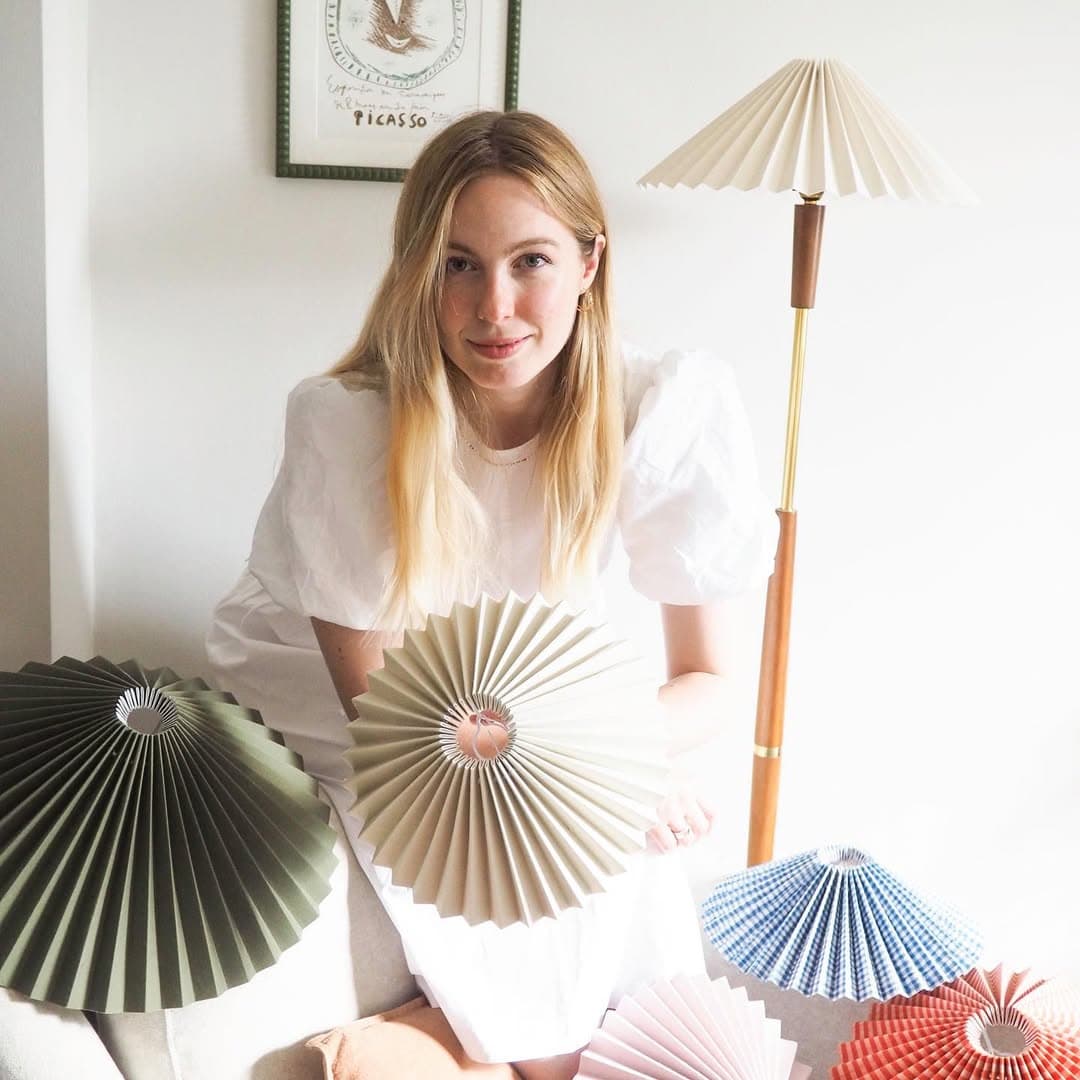
A customer once likened getting hold of one of my lampshades to getting Glastonbury tickets.
Inspiration
9. Where do you draw inspiration from for your work? What sparks your imagination and creativity?
The essence and idea of home definitely influences my decisions and fuels my imagination. Form, texture, pattern, colour and how that relates to and enriches our homes and lives is so interesting to me. Little nuances and details can make all the difference and I love paying attention to that. For example, the shadow that comes from the pleated lampshade when lit is really pleasing and unexpected. Those little details that come from creation is a really lovely thing to pay attention to. It may not be immediately evident but I think you can see these intricacies- the care, the thought comes through in the final outcome.
I almost feel like this is a bit of a cliché that I learned from art college but problem solving also fuels my imagination and creativity. If I have boundaries or a problem to solve/get around, the outcome can often be more valuable than if all the possibilities were endless.
10. Do you have a favourite artist, maker, movement, or tradition that has influenced your craft?
Jean Cocteau, Miro, Picasso, Matisse. I love the abstract, whimsical, playful, colourful work of these artists. Since having my son I’ve also fallen for the illustrations of Ludwig Bemelmans- we read a lot of Madeline, illustrations are amazing, the stories however are a little odd but he seems to like them.
11. How does colour influence your practice; is it an important part of your process? Do you have a particular palette or favourites? Any go-to sources for colour inspiration?
I always think about colour when creating a new shade or collection, it’s really a primary focus and I always consider how the colours I choose will work in an interior space. When picking colours or fabrics its more of a feeling I get when I know something is right and will work well.
Perspectives and goals
12. What do you want people to feel when they experience your work?
Joy! I don’t have a very serious job, if I’m not bringing joy to people’s lives with the lampshades then I think I’ve missed the point.
13. What are you currently working on, and what excites you most about it?
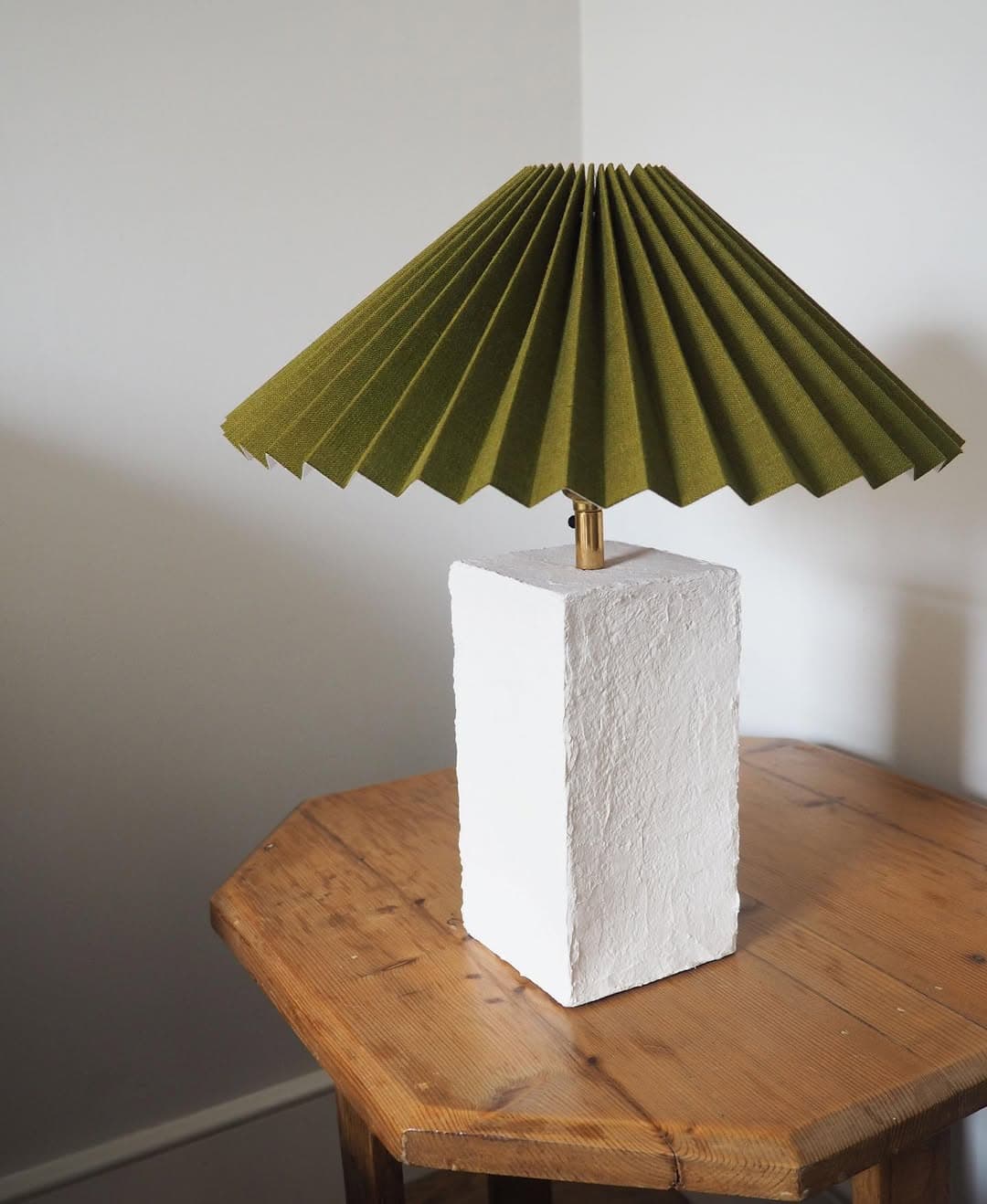
I have a new lighting collection in the works and I’m so excited about it because it’s all designed to pair perfectly with the lampshades, colour, shape, style everything. So now people can buy a lampshade and have a perfect match, be it a wall light, pendant or table lamp, available to them.
Advice and reflection
14. What advice would you give to someone starting out as a maker?
Don’t compare yourself to others, it’s really hard not to especially in this environment of oversharing but if you can find your thing and focus on that, the rest will follow.
15. If you could go back to the start of your career, what advice would you give your younger self?
Don’t rush, you have time and often more interesting things pop up along the way.
Closing thoughts
16. Where can people find your work, and how can they support you?
At the moment just on my website ceaustore.com and my Instagram account. There’s definitely a shift away from Instagram at the moment and I think it’s pretty healthy so signing up to my newsletter would be the best way to support me and my work.
Ceau Store’s lampshades beautifully combine thoughtful design, sustainability, and cosy sophistication, making them striking yet joyful additions to any home interior. Each piece carries meticulous attention to detail, colour, and form, creating unique lighting solutions that enhance everyday spaces.
Discover Ceau Store’s latest collections and follow her creative journey at
Support her by signing up for the newsletter and exploring her beautiful creations.

Meet the Maker: The Colourful, Sustainable World of Annie Strachan
In this Q&A, we talk with artist Annie Strachan about her creative journey, her bold approach to sculpture and functional art using papier-mâché, and her passion for sustainability and experimentation.
Annie shares insights into how popular culture and vintage design inspire her playful creations, the importance of balancing creative practice with wellbeing, and the exciting collaborations that have shaped her vibrant career.

1. Can you tell us a bit about yourself and your artistic journey?
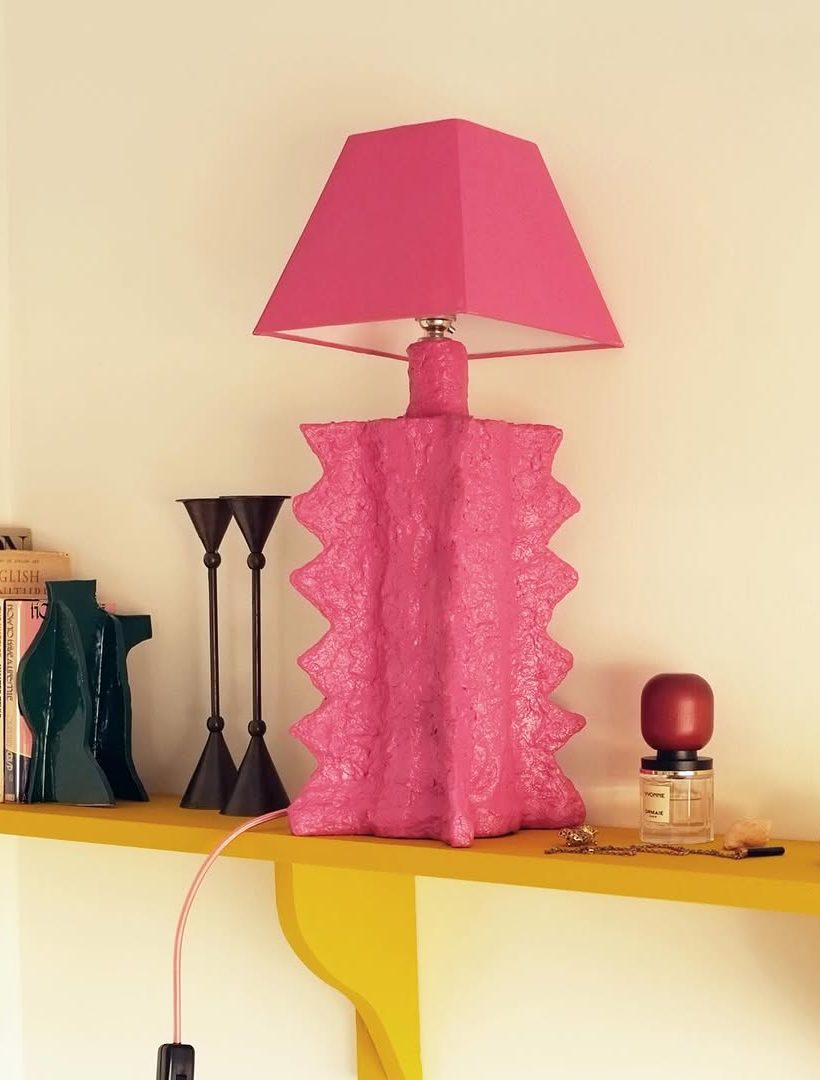
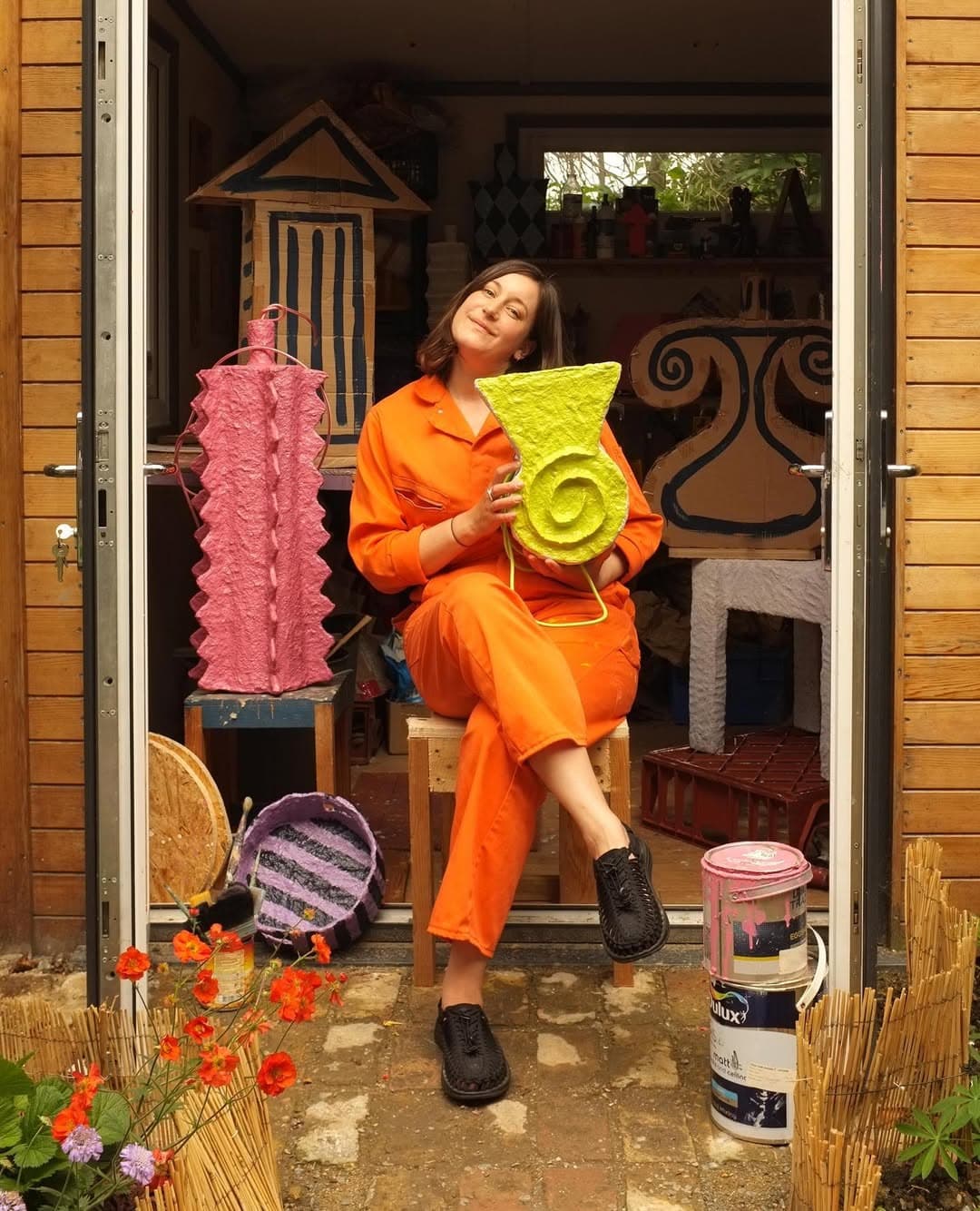
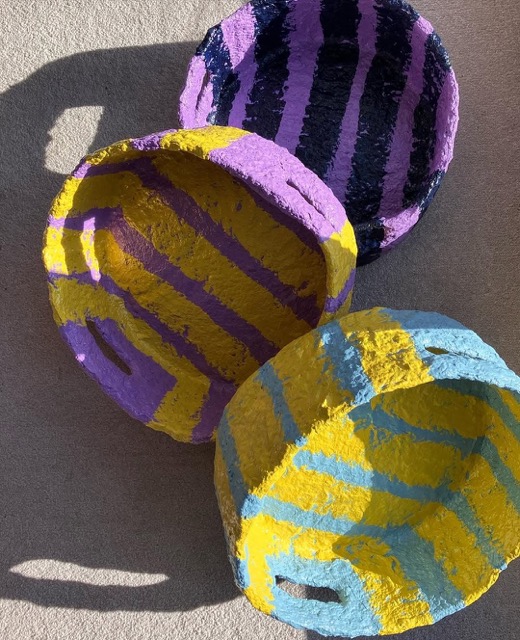
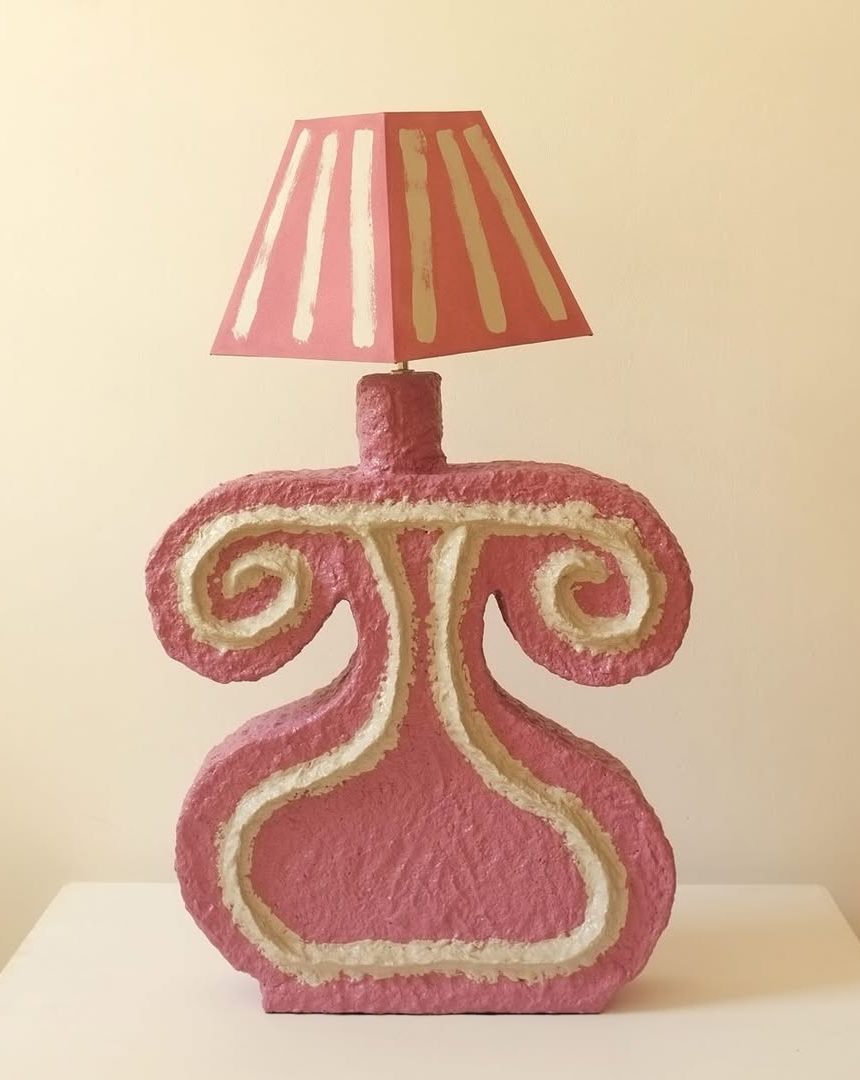
I studied Fine Art at Chelsea College of Art and design, graduating in 2011. I’ve always been influenced by avant-garde furniture and interior design and it’s relationship to trends in popular culture. I started working with papier-mâché a few years ago as a means to explore more experimental forms for the production of functional sculptures.
2. What inspired you to pursue your craft? Was there a defining moment or influence that sparked your passion?
For several years, I struggled to maintain an active art practice whilst working full-time and eventually made the decision to cut my hours and devote the rest of my time to making artworks in more financially viable way. This meant realigning my thinking about art and concept driven work. I decided to reject this and take a more light hearted approach that embraces craft and the job of having a hobby.
Your craft
3. How would you describe your work in three words?
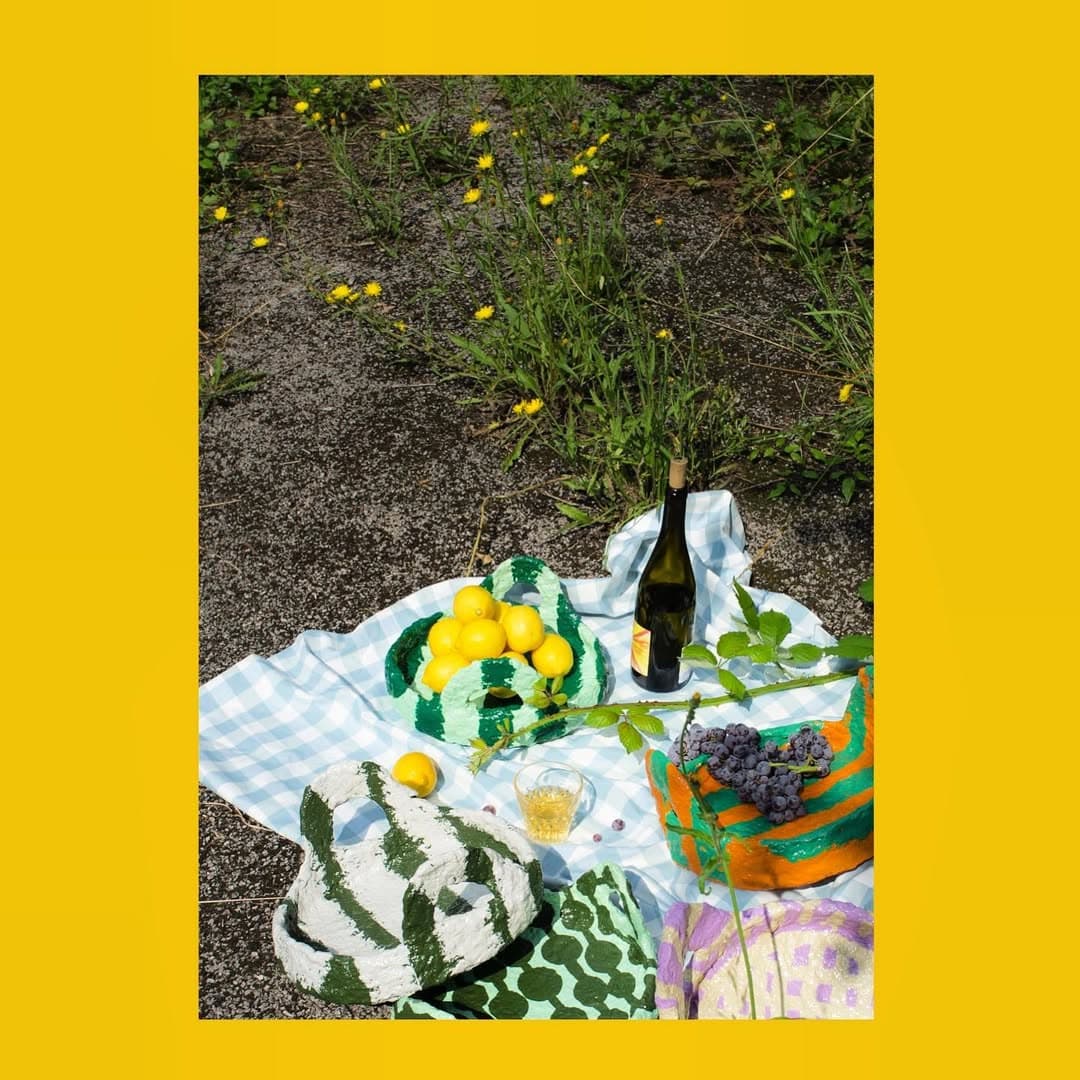
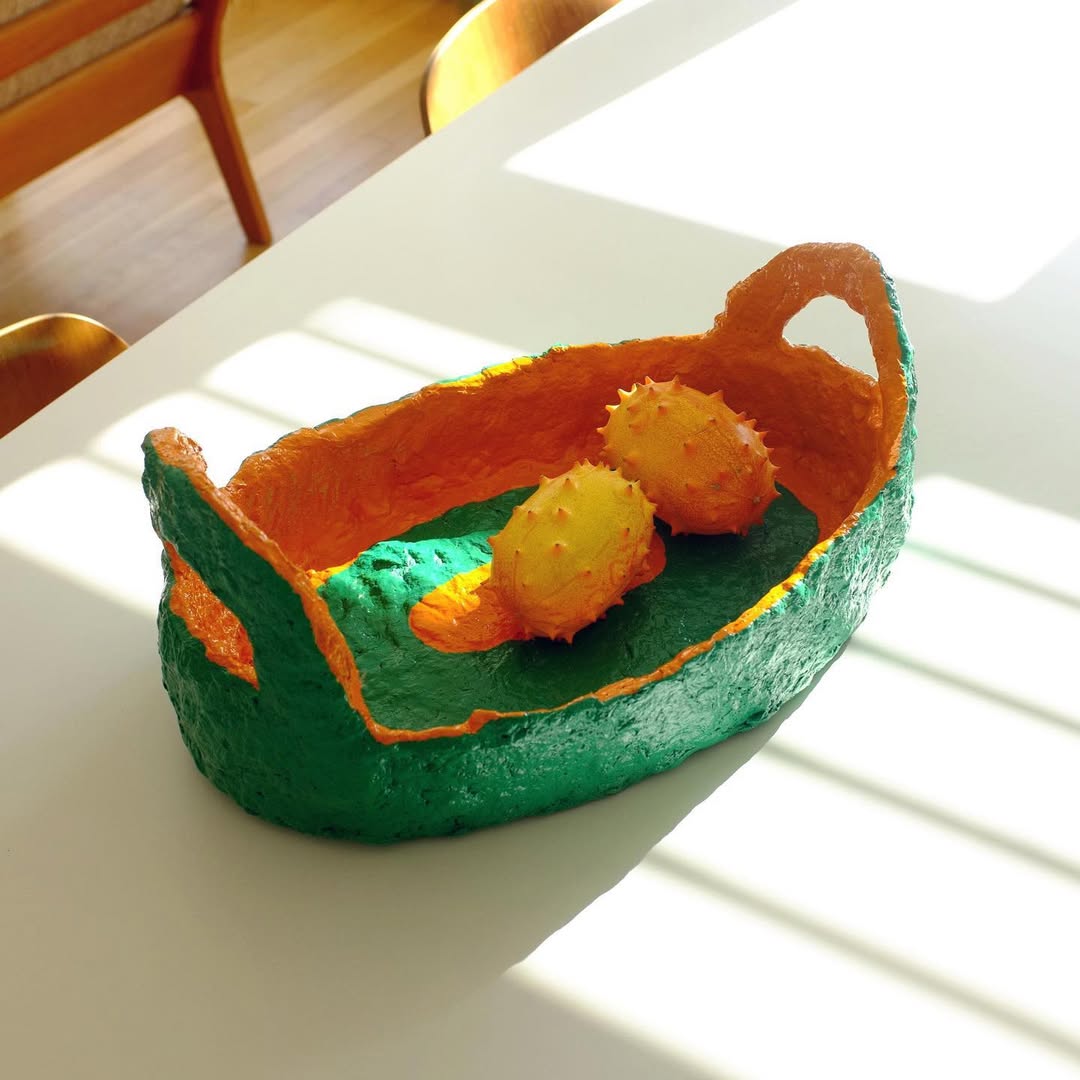
Colourful, Sustainable & Experimental
4. What materials or techniques do you use, and why are they important to your process?
I prioritise sustainable materials and techniques to minimise my carbon footprint. All of the paper and wood I use is recycled and electrical parts are sourced from UK based manufacturers.
Traditionally, I like to work at scale and am constantly changing and evolving my style so it’s important to work with low cost materials that are readily accessible. 5. Can you tell us about a favourite piece you’ve created and the story behind it? I am regularly commissioned to create unique pieces for art exhibitions and this always turns out to be some of my favourite work.
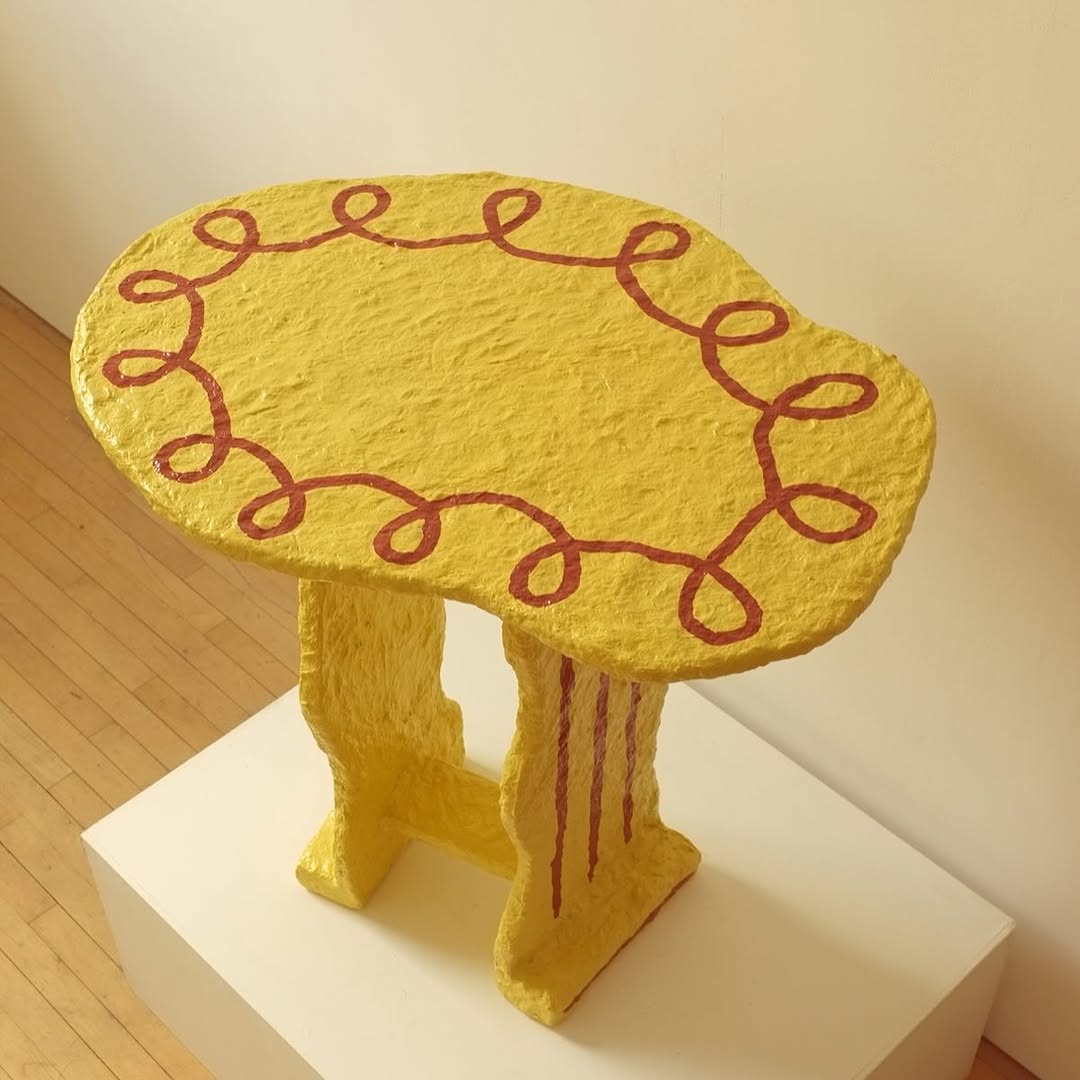
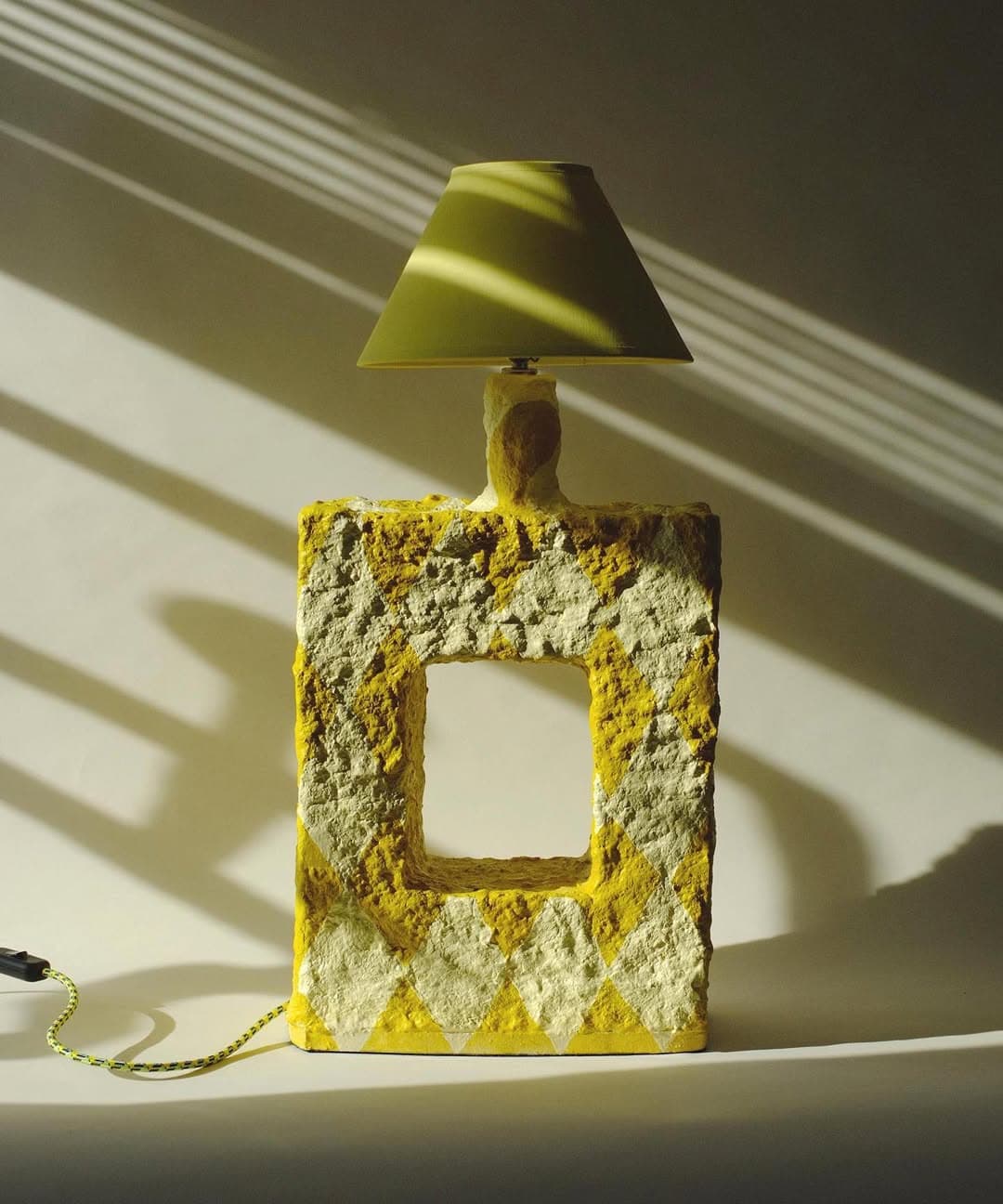
In 2024 I collaborated with Felt Collections and ceramicist Kelly Jessiman to produce an immersive artists dinner with custom furniture, lighting and ceramics. I also had the chance to collaborate with Atelier100 in 2023, producing one-off pieces for a solo installation in their West London show. Some of these very special pieces are available to buy through Makers Made.
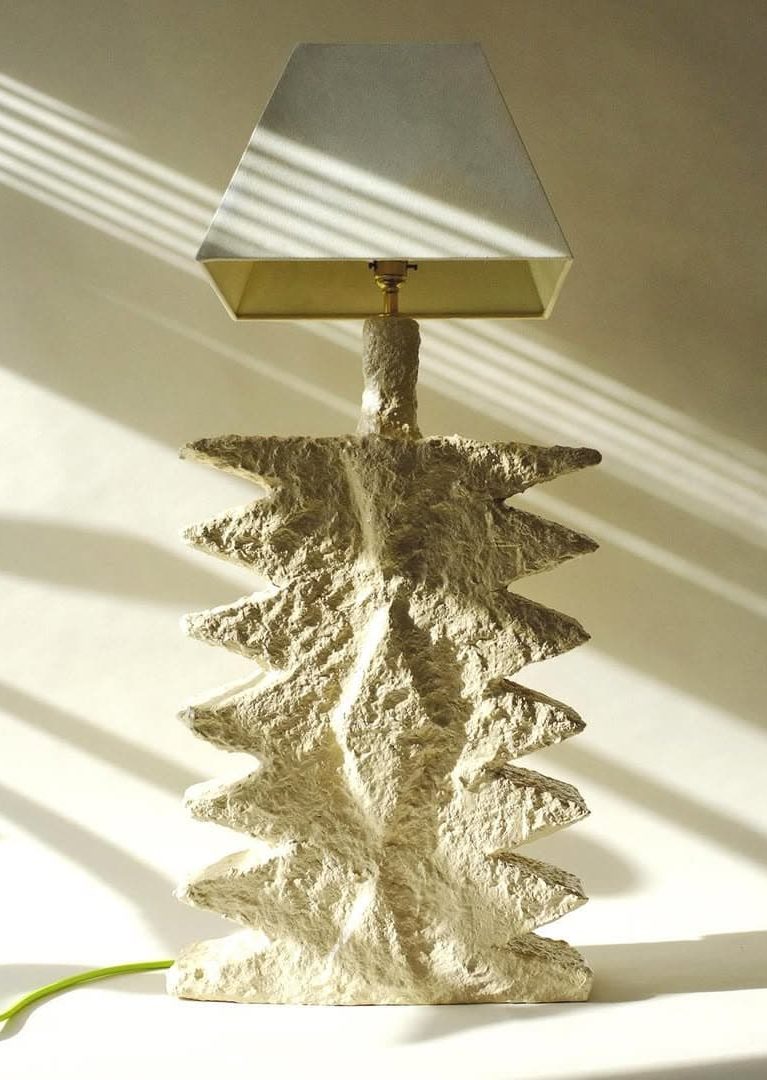
The pinnacle of functionality is creating lighting for commercial interiors and I’m incredibly proud to have two of my lamps in daily use at the independent wine bar, Joyce in Brockley, South East London. I’ve also produced a series of unique sconces for the restaurant in the basement of Margate House Hotel and am looking forward to them opening up to the public later this year!
Creative process
6. What does a typical day in your studio or workshop look like?
My making process is very time consuming and occupies most of my days in the studio. I’m lucky to have a home studio where can I enjoy regular cups of tea and blasting my favourite music. I curated a regular series of playlists of some of music I like to work to and you can find these linked on my website.
Most of the materials I work with are recycled so I tend to spend a lot of time shredding paper or cleaning and cutting wood scraps to more manageable dimensions. The processes involved in working with papier-mâché to ensure pieces maintain their structure, whilst in development, require allowing plenty of time for drying between stages of making.
7. Do you have any unique rituals or habits that help you stay creative?
My rescue dog Destiny is the light of my life. Since getting her a year ago, I’ve found that the need to structure my day around healthy breaks and regular walks and cuddles helps me to stay creative. Breaking up intense or tiring days in the studio with a walk in the park is a good way to process my achievements in the studio and better manage my time. 8. How do you handle creative blocks? Do you have any strategies or tips for overcoming them?
I’ve learnt that if I’m not feeling creative or excited by a project then I just can’t push myself in that direction. It’s really important as a creative person to give yourself breaks and ensure you are looking after your physical and mental wellbeing. Normally if I’m having trouble engaging with my practice, it’s because I need to stop and allow myself to just focus on simpler more achievable goals.
Challenges and successes
9. What’s the biggest challenge you’ve faced as a maker, and how did you overcome it?
The first two years of establishing my practice were both exciting and challenging as I had the blind ambition needed to foolishly believe I’d one day be getting press attention and working with interior designers! I was also super aware of needing to prove to loved ones that my vision for a successful practice was achievable. It’s been exhausting juggling a commitment to work alongside getting something like this off the ground but I’m glad I was able to show that if I worked hard enough I could succeed, even with limited industry contacts, money or a Masters degree!
10. What’s been your proudest moment or achievement so far?
2024 was a great year for press for me, from It’s Nice That to Dezeen, but most of all, being selected by House and Garden magazine to feature in their Design 100! I’ve also had the opportunity to collaborate with incredible interior designers and curators, including Studio 2LG, L’absurde Object, Domenica Marland, Prospect Refuge and Felt Collections.
11. What’s your favourite quote you’ve ever heard about your work? Who said it, or what was the name of the publication?
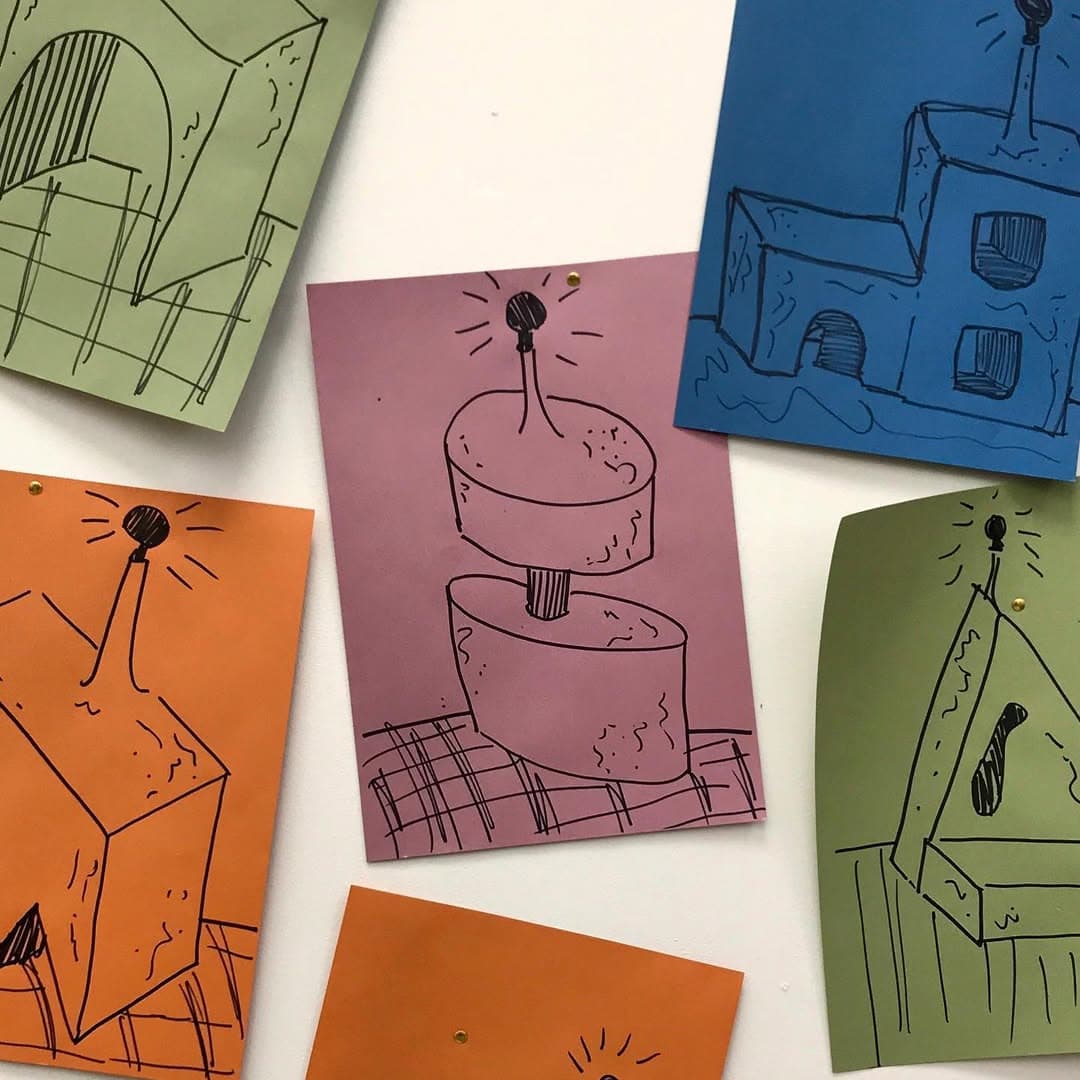
“Take some techniques from slab building and woodwork, throw in some inspiration from post-war Hollywood cinema set design, and you’ve got pop sculpturist Annie Strachan.”
- It’s Nice That
Inspiration
12. Where do you draw inspiration from for your work?
What sparks your imagination and creativity? I have an obsession with archival books and magazines and often draw on imagery taken from my own collection of vintage copies of ID, Architectural Review, Domus, The Face, World of Interiors and House & Garden. I’m also lucky enough to have inherited a very special collection of 1960s & 70s interiors magazines from my Oma called Schöner Whonen which was are brilliant resource!
13. Do you have a favourite artist, maker, movement, or tradition that has influenced your craft?
I’m very inspired by popular culture in terms of music, design and more commercial forms of art. I was really into the Memphis design collective while I was studying at uni because of their thesis of producing high art/ design while referencing trash culture like kitschy retro American diners. I see a lot of that reflected in the colour palate and playfulness of my pieces.
I want my work to be chic but unpretentious and I think that’s why their aesthetic appeal was so enduring and went on to influence popular design right through the late 1980’s and 1990’s. Similarly I’m a big fan of John Waters and how important curating a style is in his early films as well as more commercial successes like, Hairspray. I remember finding a copy of the Pink Flamingos VHS in a video store when I was 16 or 17 and falling in love, I’ve been influenced ever since!
14. How does colour influence your practice; is it an important part of your process? Do you have a particular palette or favourites? Any go-to sources for colour inspiration?
Colour is extremely important to me and that’s reflected in my work but, something that may not immediately be obvious is how restrained I actually am in it’s use. I find it’s really important to balance this with how out-there the shape of pieces is
Perspectives and goals
15. What role does your environment play in shaping your creativity?
Sustainability and reducing environmental impact is key to my practice. Not only are many of the materials I use recycled or repurposed but I also source electrical parts from UK based manufacturers. My processes rely on manual labour and I don’t import parts from overseas so that the money I make goes back into supporting UK businesses like Manchester based S. Lilley & Son who supply all of my lamp holders.
16. What do you want people to feel when they experience your work?
I hope that my work is uplifting and inspires more creativity. 17. What are you currently working on, and what excites you most about it? I’ve been moving very slowly into 2025 after several years of working non-stop. I want to use this time to go back to my roots and think about showcasing my work in new environments. I’m also developing some new lamp designs which I think will be some of my cutest yet!
Advice and reflection
17. What advice would you give to someone starting out as a maker?
Creating is one of the most rewarding things but you need to be really thick skinned to try to make it in your own right. Remember that everyone is struggling, you just need to believe in what you’re putting out there and find your audience.
18. If you could go back to the start of your career, what advice would you give your younger self?
Don’t sacrifice your well-being in order to be a people pleaser.
Closing thoughts
19. Where can people find your work, and how can they support you?
I have a shop on my website anniestrachan.co.uk and also sell a selection of pieces through independent retailers and galleries as If you head to my Instagram page @pulpsculptuur you’ll find links to all of these. I also exhibit regularly in gallery shows and sometimes at pop-up markets which is always a great way to meet clients face to face. These are regularly updated on my website anniestrachan.co.uk and Instagram. Thank you so much for taking the time to share your story. Once your feature is ready, we’ll send it to you to review before it goes live. After that, we’ll share it with the MAKERS MADE community and encourage you to share it with your own audience too.
Annie Strachan’s distinctive papier-mâché creations blend joyful colour, whimsical forms, and thoughtful sustainability, making functional sculptures that uplift spaces and inspire creativity. Her innovative approach and dedication to environmentally conscious design set her work apart, capturing both charm and artistic integrity.
Explore Annie’s latest collections and follow her creative journey:
Support Annie by visiting her online shop, connecting through Instagram, and experiencing her vibrant creations at exhibitions and pop-up markets.
“On Taste” – A Maker’s Perspective by Annie Strachan, Pulp Sculptuur
Taste isn’t something you can buy off the shelf—and if it was, there would be no evolution in design or popular aesthetics. It’s something an individual builds up over time, shaped by key experiences that are deeply personal. Memories unlocked from a childhood holiday—the bright colors of an ice cream stall—or the ridges of rough clay interspersed with thick, glassy glaze from a piece of studio pottery at your grandparents’ house.
The Playful Palette: Bold & Unexpected Combinations
Some makers are drawn to the joy and surprise of working with unconventional colour combinations.
“Every piece made by our makers is genuinely handmade—because there is no other way.”
The problem is that it’s so easy to fall into the trap of a carefully curated homewares collection, mass-manufactured by a multinational, investment-run brand. But when you do, you lose that sense of purpose in an object. It’s no longer something that requires careful handling or passing down through generations. There’s no story behind acquiring it—no memory of how you saved or sacrificed dinners out to afford it. No gentle needling from your partner when friends come round, teasing you for your commitment to a form of taste they don’t quite get (but secretly admire). And when trends change, you won’t give it a second thought before bunging it in a bag for the charity shop.
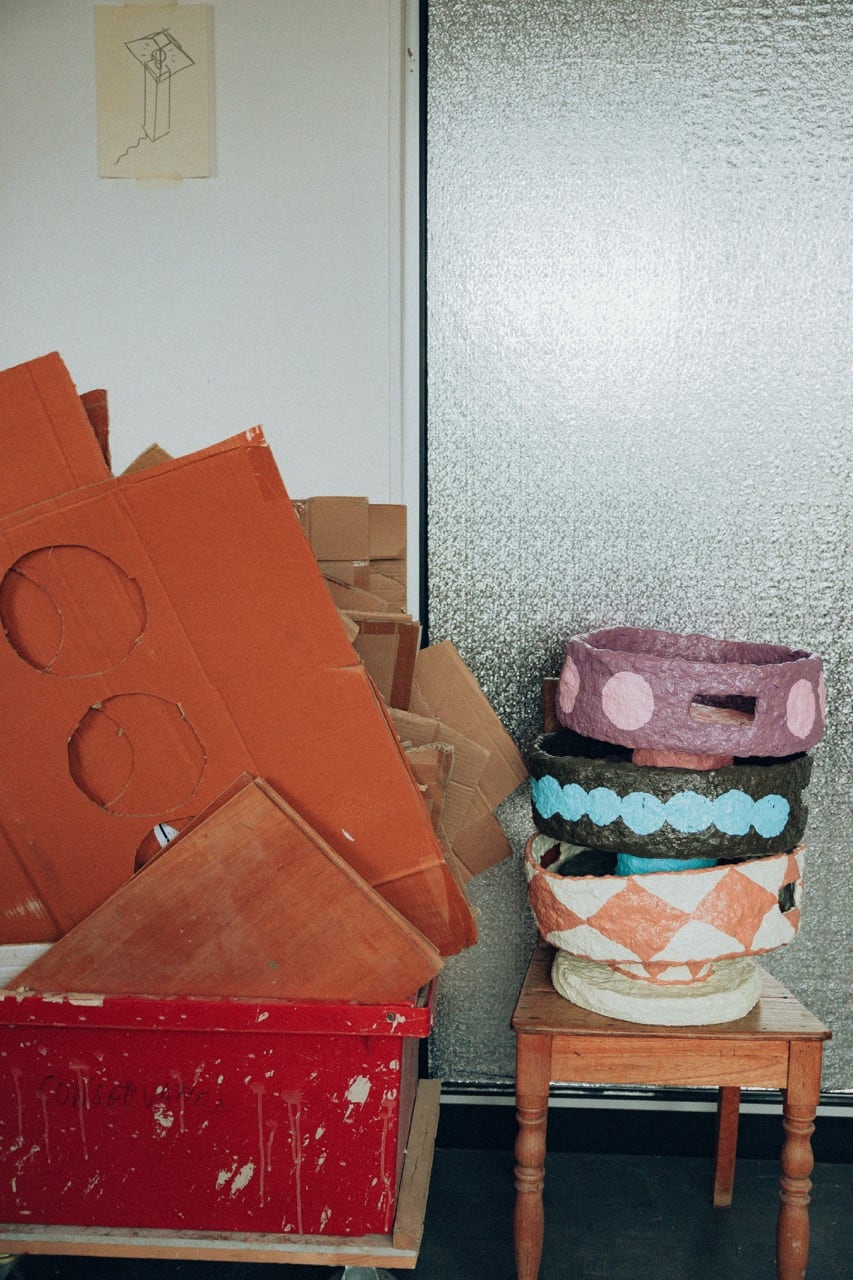
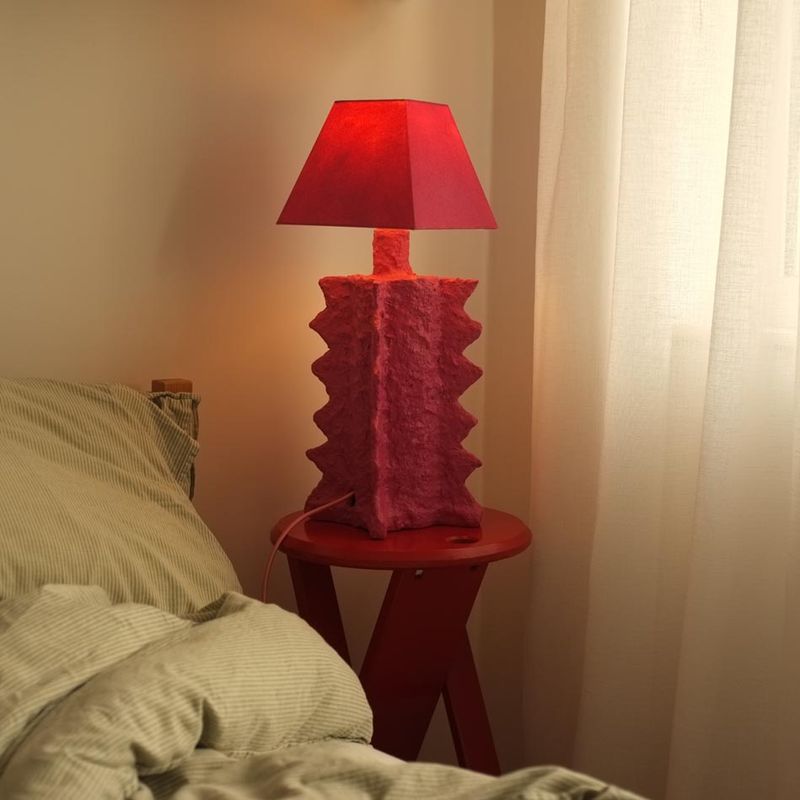
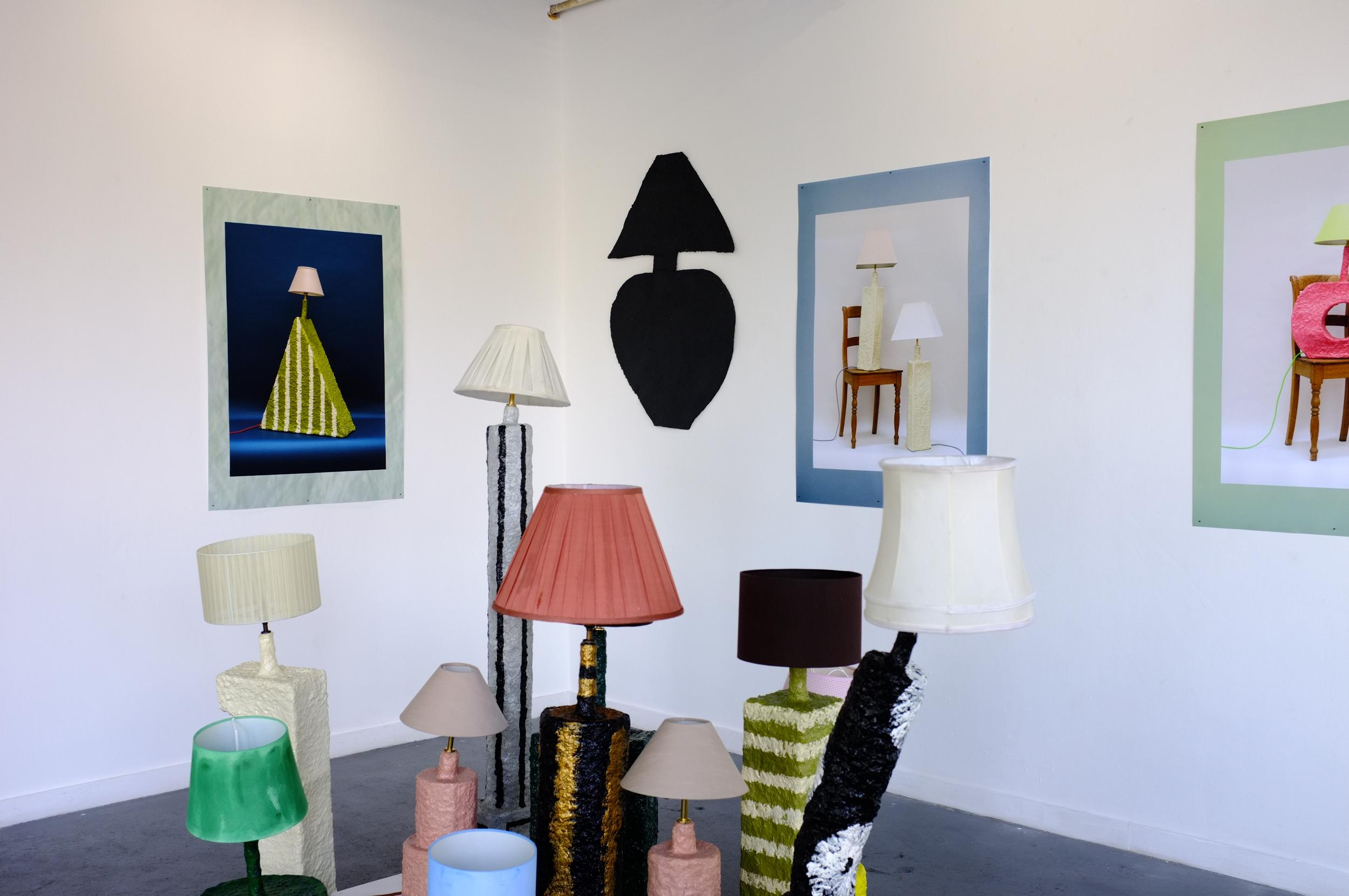
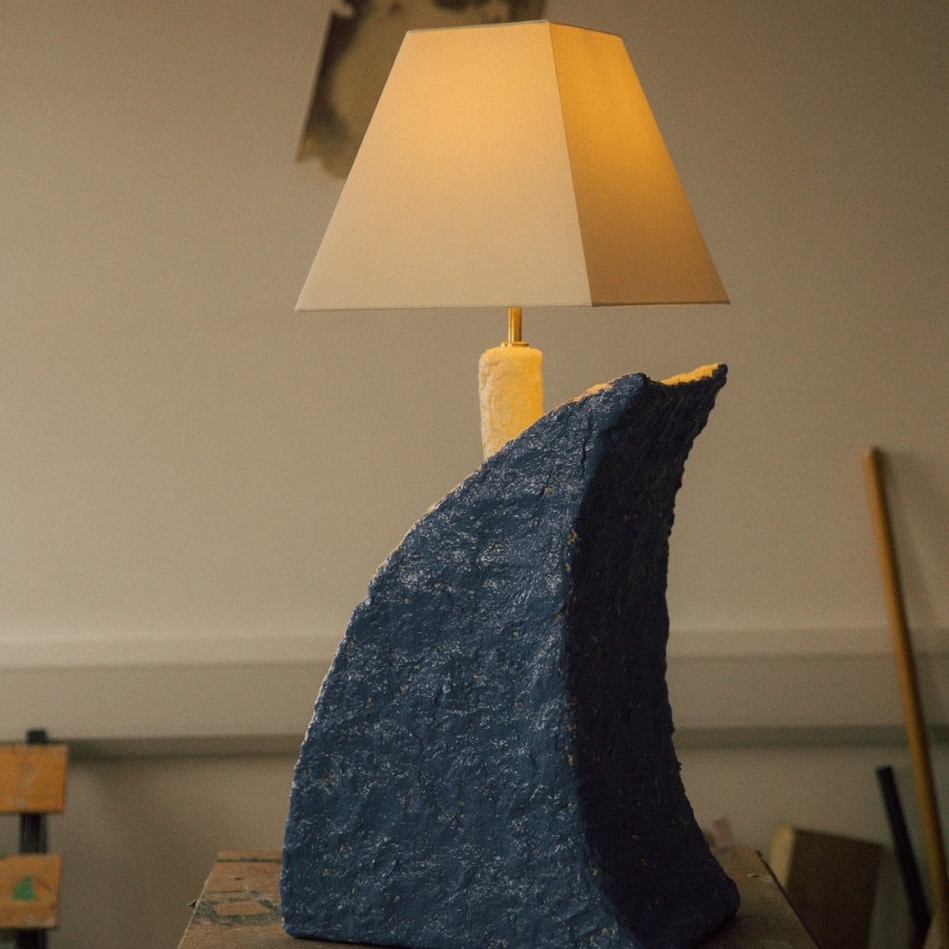
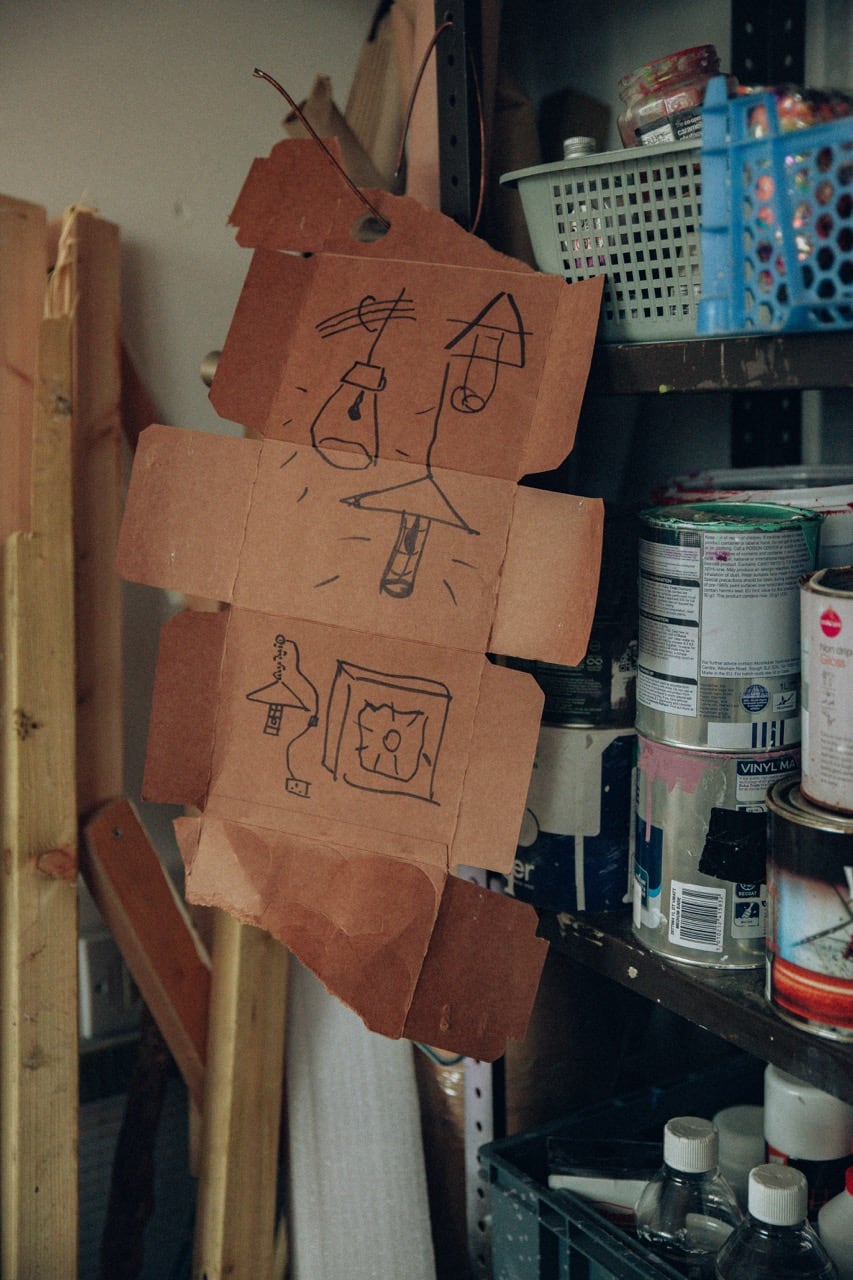
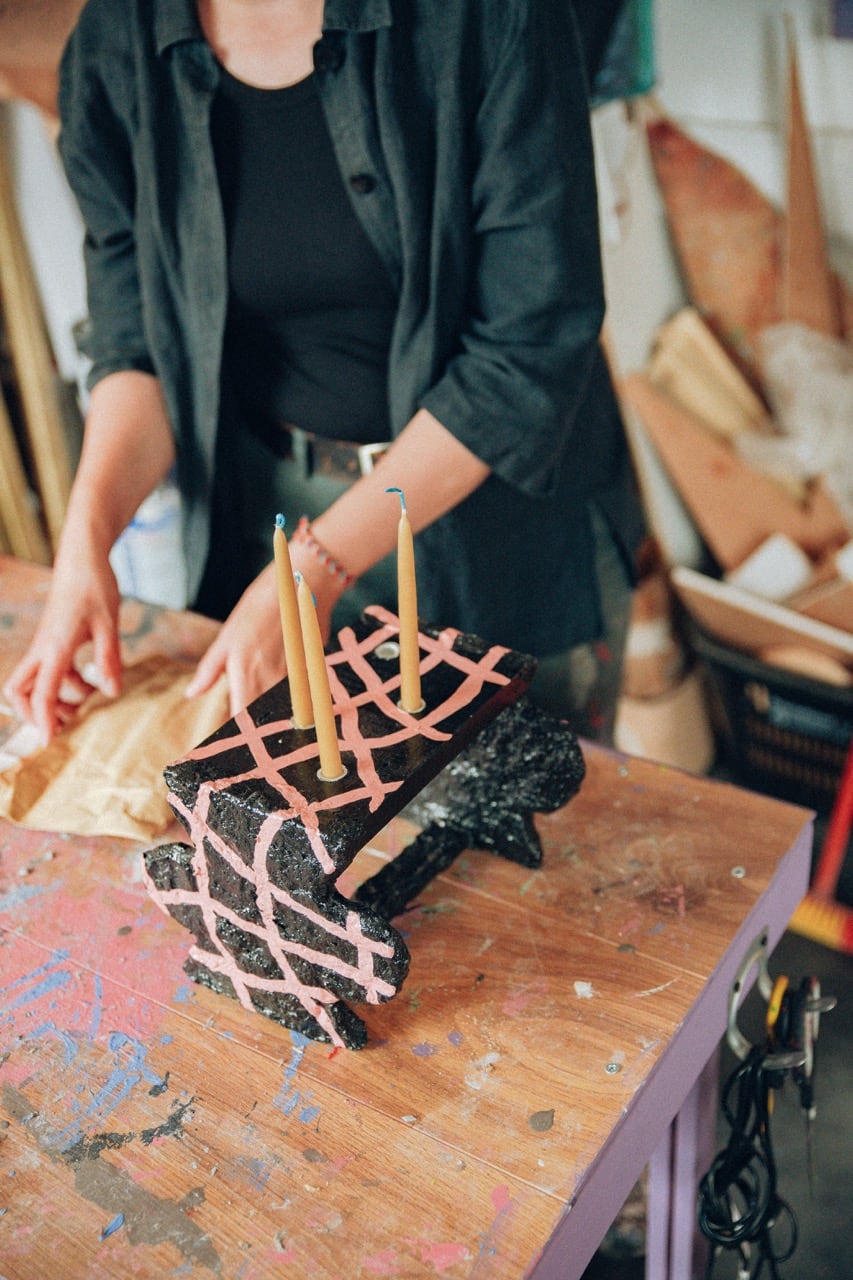
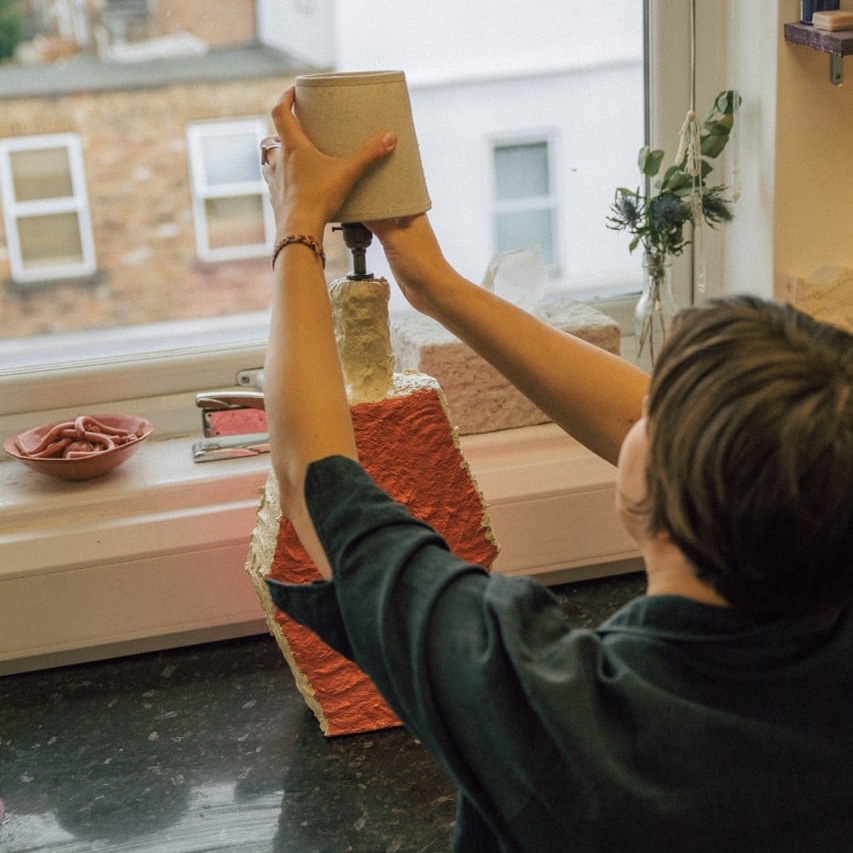
Every piece made by our makers is genuinely handmade—because there is no other way. There’s no pre-approved budget, no buying team, no shareholders to appease. We just make—for the sheer joy of it. In my case, there isn’t a mold that pulp is poured into every time I want to reproduce a lamp base. It has to be built from scratch. When producing that pulp, I’m not buying ready-flaked bleached paper-I’m shredding and processing it all myself, by hand, in buckets. I’m using a recipe I’ve researched and perfected, and I’m doing it with my hands.
“It’s so important to know the difference between a high price tag that pays for real labour and one that funds a well-connected marketing team.”
Subtle & Natural: A Muted, Calming Approach
While some makers embrace bold contrasts, others prefer a more understated, calming palette.
It’s so important for consumers to know the difference between a high price tag that pays for real labor and one that funds a well-connected marketing team. In my case, you’re paying for my hands to create something truly handmade, hand-painted, hand-designed, and hand-marketed. The money you spend goes directly towards my rent, my materials, and my labor. It costs that much because that’s the true price of craftspersonship in the UK.
“When you understand the true value of craftspersonship, you don’t just buy a piece—you invest in a story, a craft, a maker.”
And that’s when buying something a maker made becomes more than just a purchase; it becomes part of your own taste.
Colour as a Personal Connection: From Sketches to Confidence
For some makers, the colour selection process is about more than just aesthetics—it’s about building confidence in their creative choices.
Earthy & Grounded: A Love for Natural Hues
For some makers, colour is deeply rooted in the materials they work with, enhancing the natural beauty of their craft.
About the author
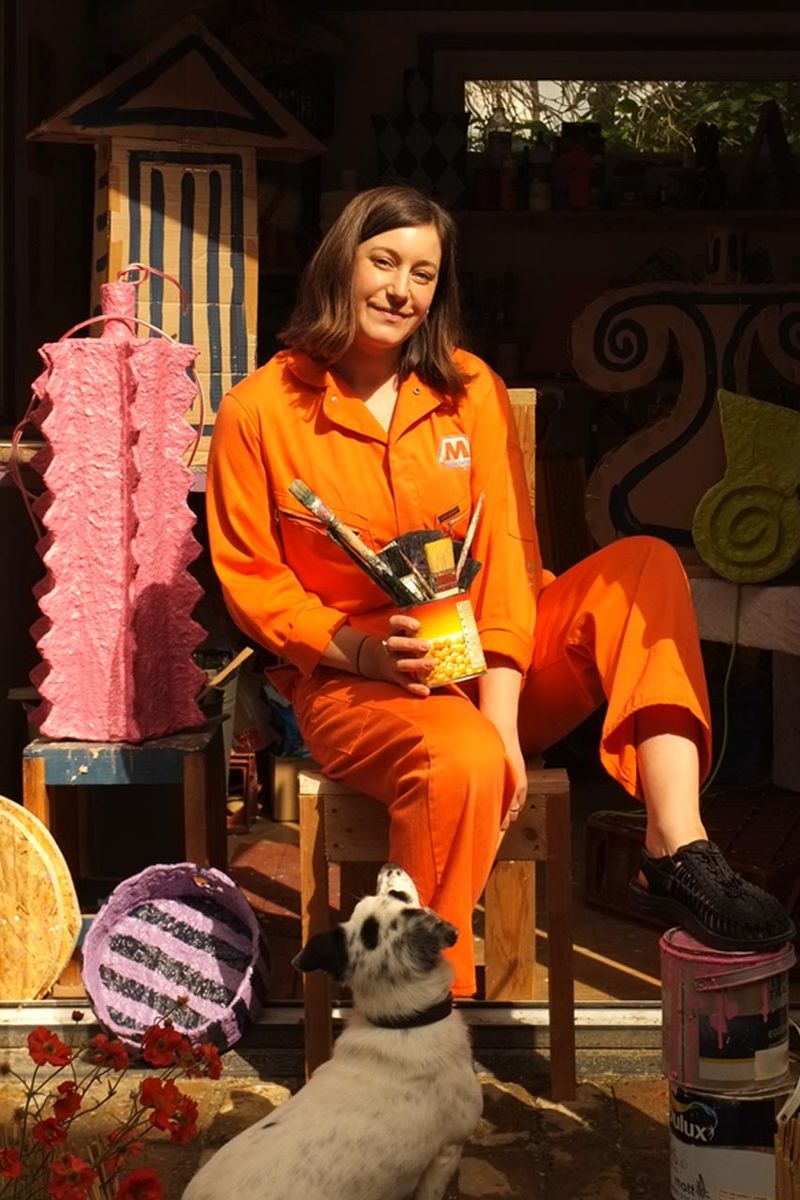
Annie Strachan, Pulp Sculptuur
A London-based artist creating sustainable, functional sculptures from recycled materials like wood, textiles, and papier-mâché. With a background in ceramics and sculpture from Chelsea College of Art & Design, her work blends influences from Modernist architecture, post-war Hollywood set design, and traditional craft techniques.
Handmade in her garden studio, each piece is built from scratch using layered paper pulp and her signature textural relief. Annie has collaborated with brands and institutions including Selfridges, London Design Fair, and The Museum of the Home, with her work recognized by House & Garden’s Design 100 and It’s Nice That’s Nice List.
Discover more about her work and explore her latest pieces by visiting her Maker Page.

Lighting
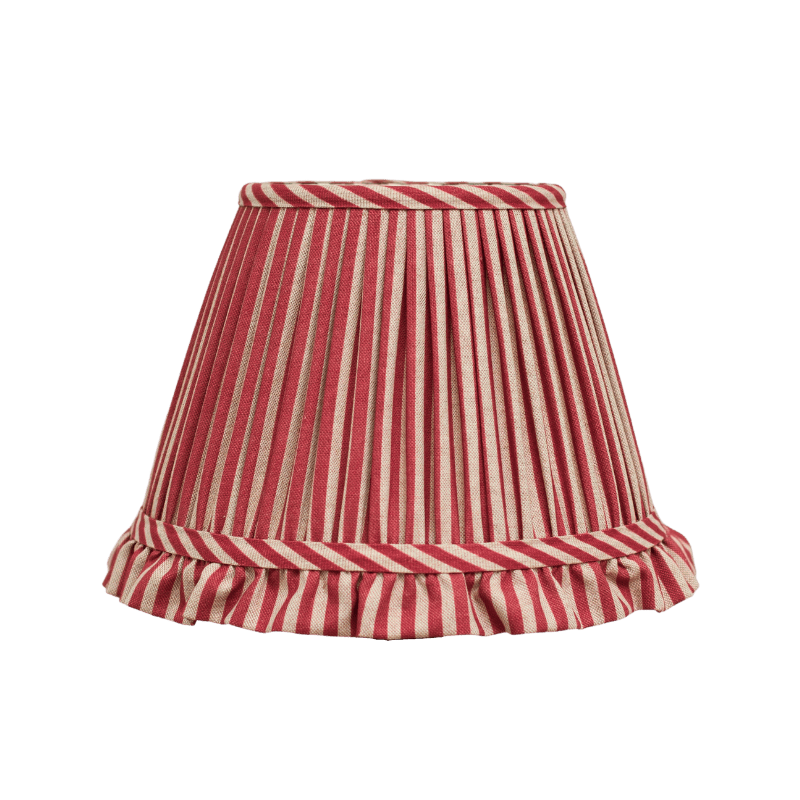
Our Lighting category has six artists executing original and creative lighting solutions, with makers in other disciplines also producing lampshades, sconces and candle holders. If you’re looking for the perfect lampshade, the pleated designs from Ceau Store or ruffle-edged shades by Imogen Pope are made by hand in a range of gorgeous fabrics. Hand-painted shades by Hum London as well as printed fabric and paper options from Sophie Harpley or Jessie de Salis are a functional way to bring the artist’s original painted designs into your space.
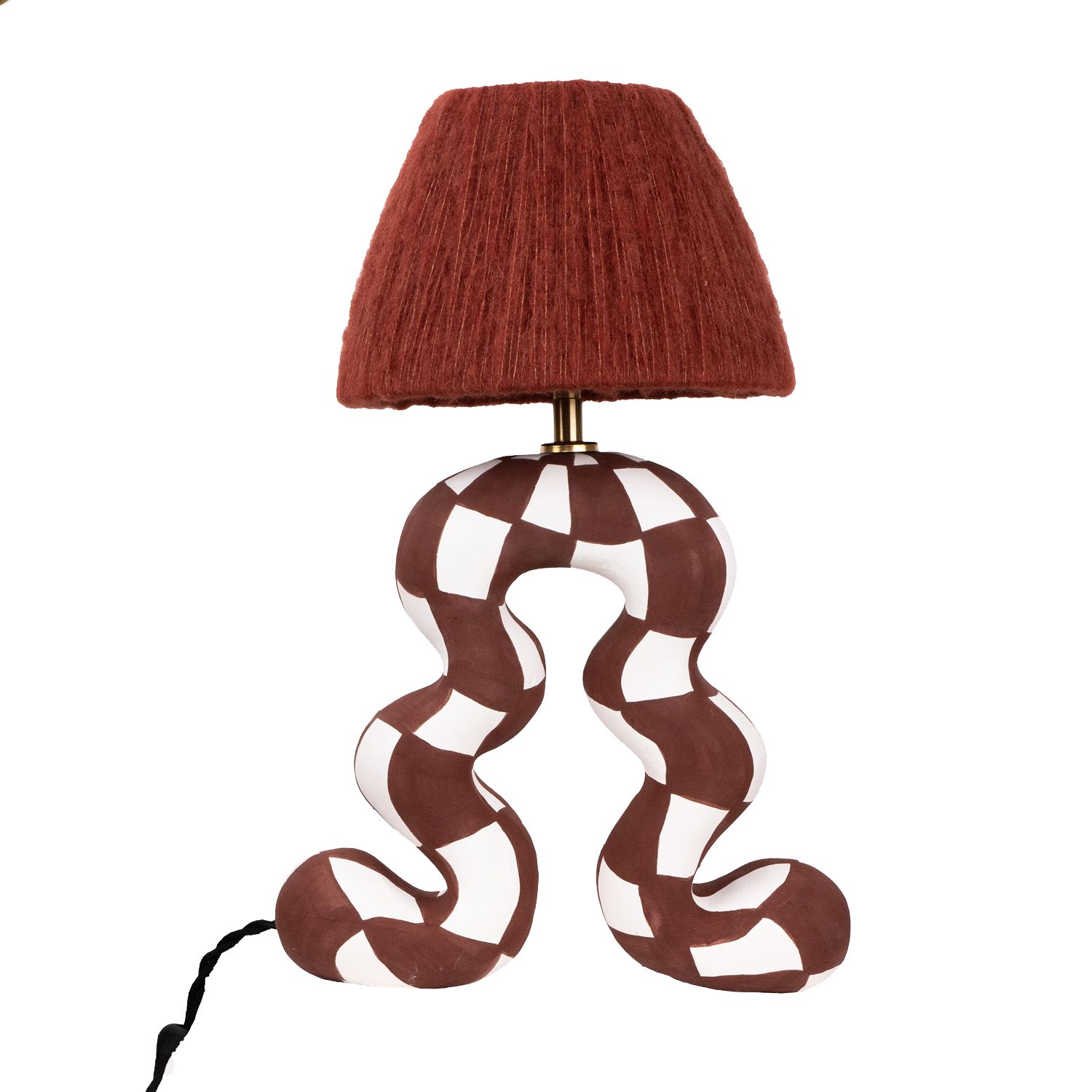
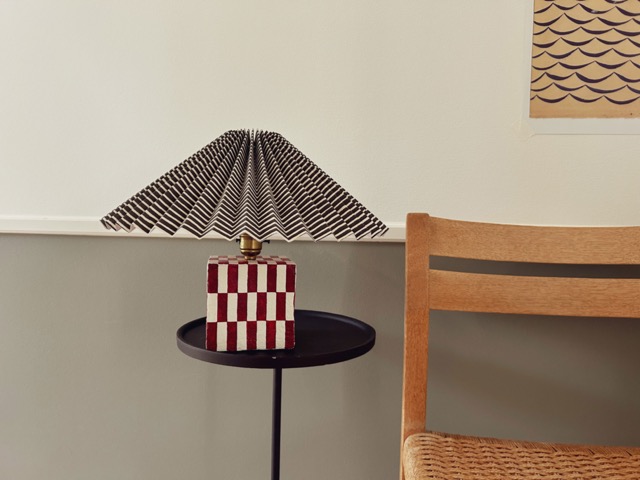
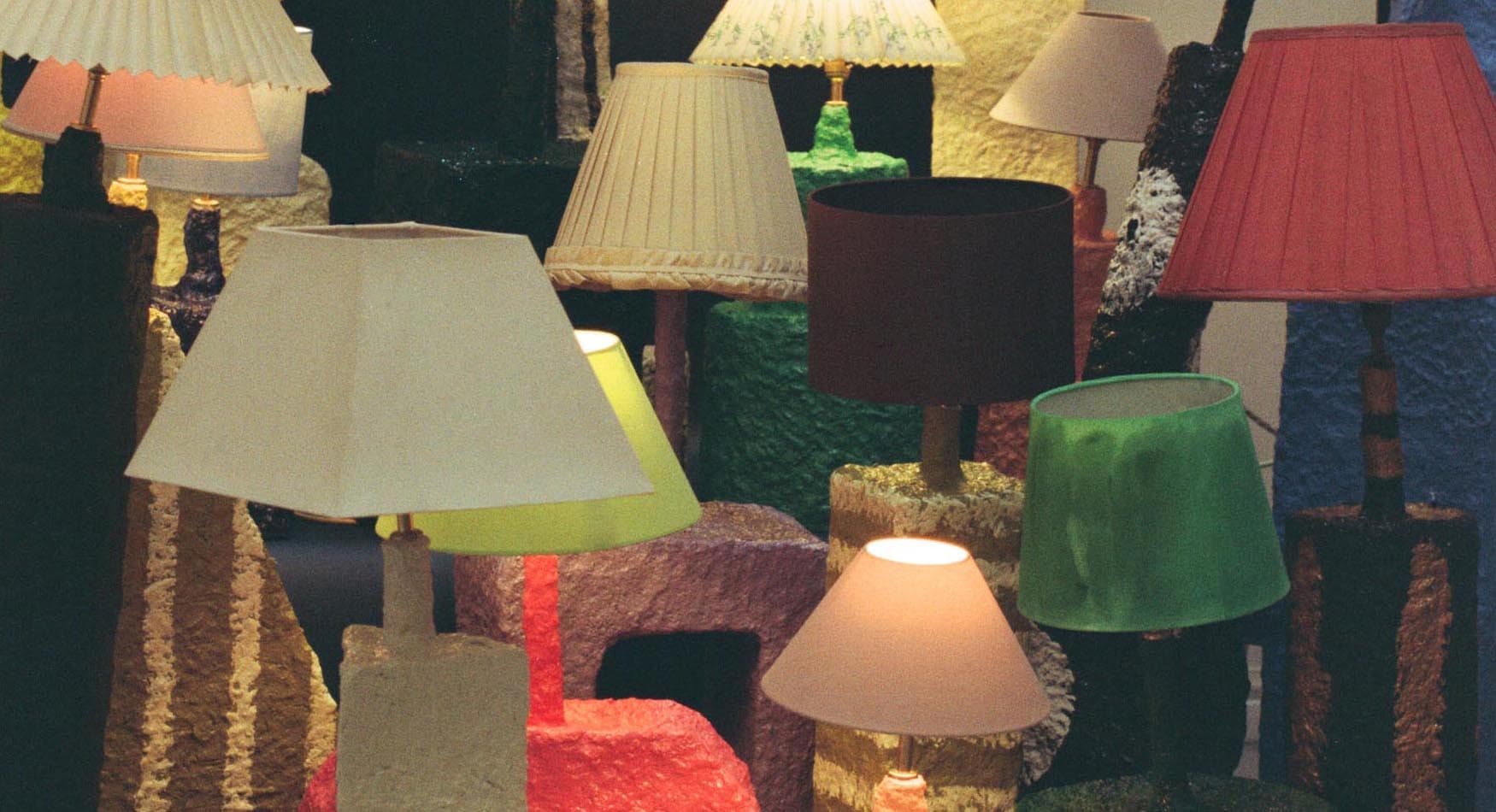
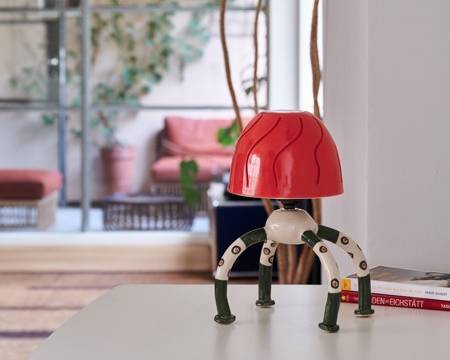
Playful, statement lighting not only serves a purpose but can make for a focal point in itself. Pulp Sculptuur works with recycled papier mache to create “small batch, one-off functional sculptures intended for everyday use in the home”. Hannah Simpson and Martu’s ceramic lamps are completely unique, each one with its own personality. Hal Haines cites mid-century illustrations and colours as inspiration for his hand painted ceramic pendant shades and candle sconces, all slip cast and decorated at his studio.
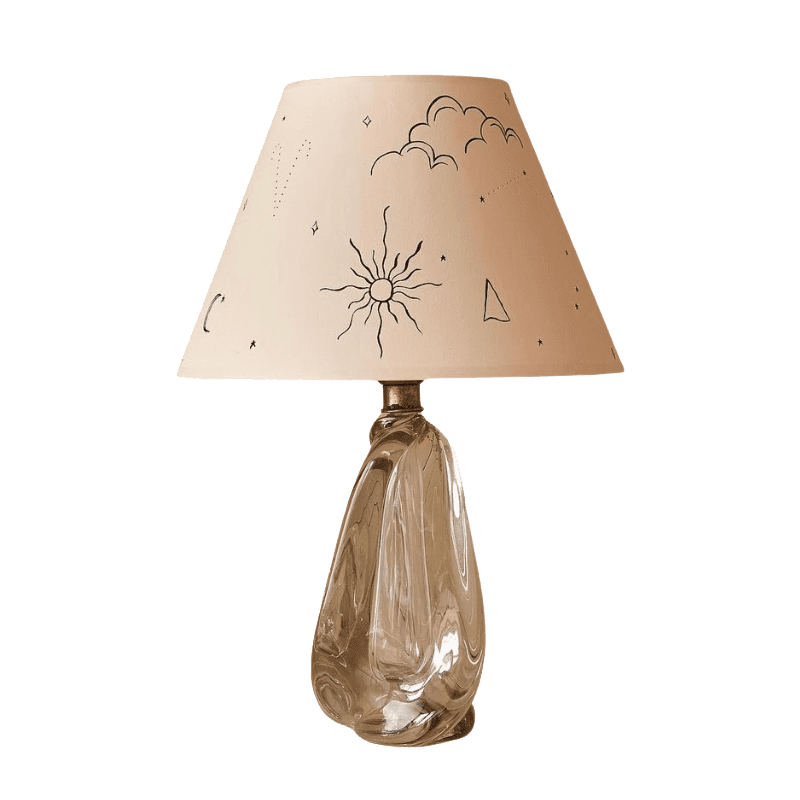
Many ceramicists on MAKERS MADE produce candle holders as part of their ranges, in all manner of shapes and sizes. Ali Hewson’s wheel-thrown and hand-built pieces are a modern take on classical forms, while Joanna Ling and Superfluities make candle holders as part of their signature wavy and frilled ranges, all of which would befit both contemporary or period table spreads. Lorraine Robbins’ pieces are timeless too: the essence of traditional silhouettes with modern colours and texture. For geometric statement shapes, reach for Hoodmor (ceramic) and Skogr’s (wood) candelabras.
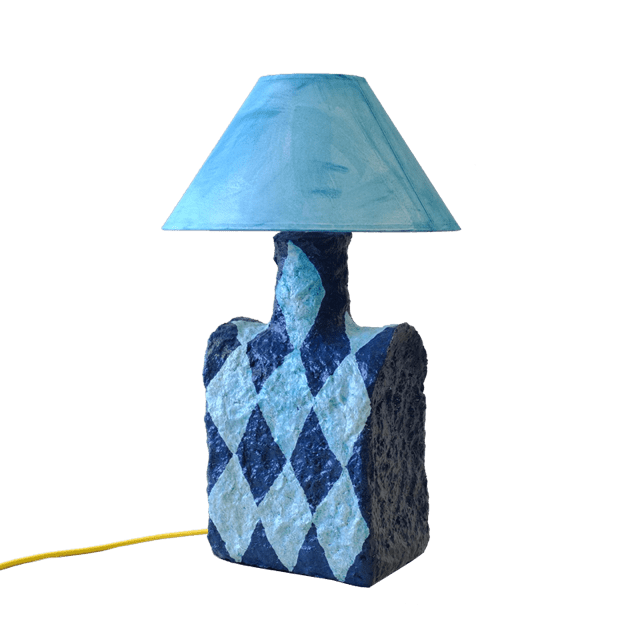
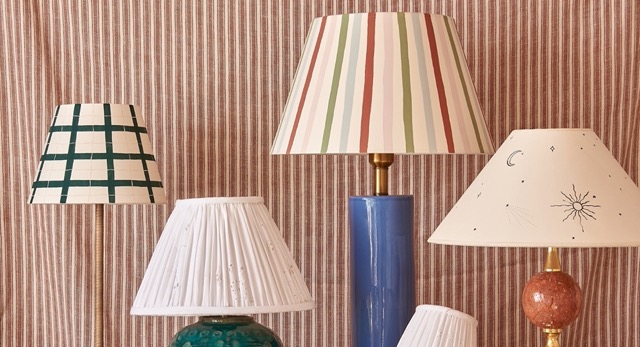
Lighting your home with original pieces from artisan makers is a brilliant way to transform your room. Not only are you investing in a beautiful handmade piece but you’re also supporting independent British artists and craftspeople. MAKERS MADE lighting is not just functional but objects to cherish and enjoy for a lifetime.